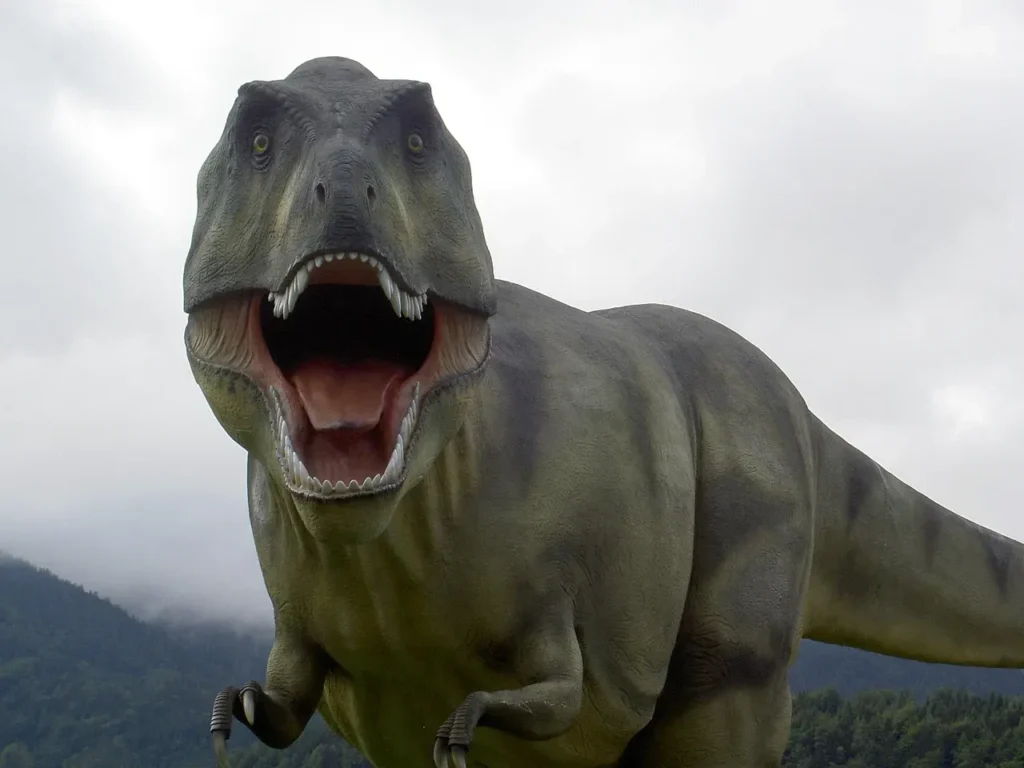
When most people think about terrifying prehistoric predators, the mighty Tyrannosaurus rex immediately comes to mind. But here’s something that might surprise you: T. rex wasn’t even alive during the Jurassic period. This fascinating era, spanning roughly 201 million years ago to 145 million years ago, was dominated by an entirely different cast of nightmarish killers. These weren’t just your average dinosaurs – they were evolutionary masterpieces of destruction that ruled their ancient world with brutal efficiency.
Saurophaganax: The Colossal Shadow Hunter
Imagine a predator so massive that even its name translates to “lord of lizard-eaters.” Saurophaganax was the largest terrestrial carnivore of North America during the Late Jurassic, reaching 10.5 metres in length and weighing between 2.7 and 3.8 metric tons. This beast was essentially what T. rex would have looked like if it had hit the prehistoric gym every single day.
What made Saurophaganax truly terrifying wasn’t just its size, but its hunting strategy. Dating back to the Cretaceous period (97 to 93 million years ago), Mapusaurus hunted in packs and would pin down even the biggest dinosaurs that lived in their area. Just like his cousin Giganotosarus, Mapusaurus had narrow blade-like teeth which they used against their prey. While this quote refers to Mapusaurus, similar pack hunting behaviors may have been employed by Saurophaganax when taking down the enormous sauropods of its time. The sheer thought of multiple forty-foot killing machines coordinating an attack is enough to give anyone nightmares.
Torvosaurus: Europe’s Ultimate Nightmare
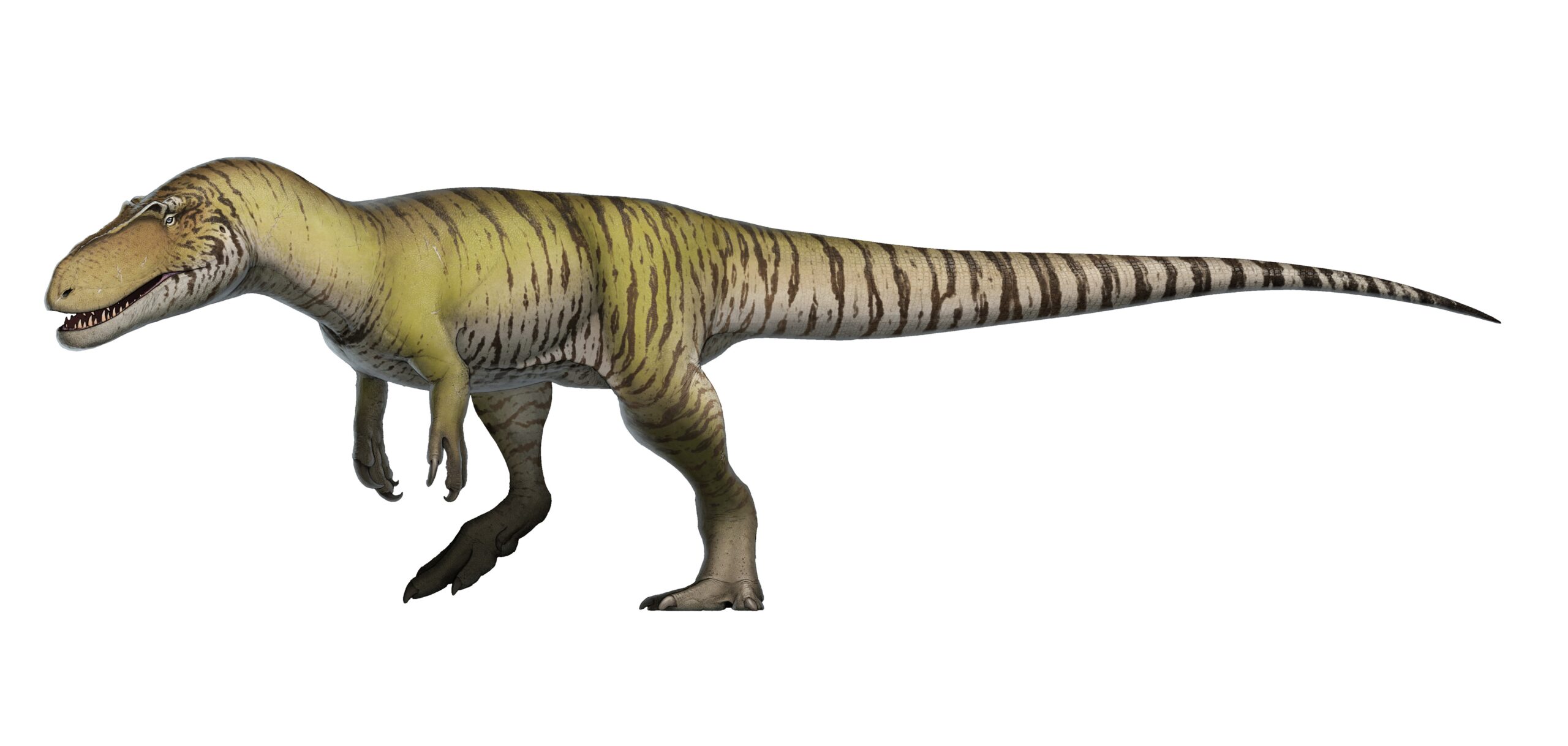
T. gurneyi is the largest theropod from the Lourinhã Formation of Portugal and the largest land predator discovered in Europe hitherto. Torvosaurus was like nature’s own version of a medieval executioner’s axe – built for one purpose and terrifyingly good at it. Measuring around 9 meters long and weighing approximately 2–2.4 metric tons, T. tanneri was among the largest terrestrial carnivores in North America during the Late Jurassic. Specimens of Torvosaurus gurneyi were measured up to 10 meters in length and 4–5 metric tons in body mass.
The most disturbing aspect of Torvosaurus wasn’t its size, but its jaw design. Picture a crocodile’s crushing bite force combined with the agility of a giant predatory bird. Torvosaurus has situated itself as the Apex Predator as of the Morrison Part 1 Update, and as of the Jurassic Update, Torvosaurus’ top rival is Saurophaganax, the only active contender as Apex Predator of the Jurassic Zone. Torvosaurus is Diurnal and Solitary. This creature was built to hunt during the day, making it a relentless stalker that never needed to hide in shadows.
Ceratosaurus: The Horned Terror With Armor
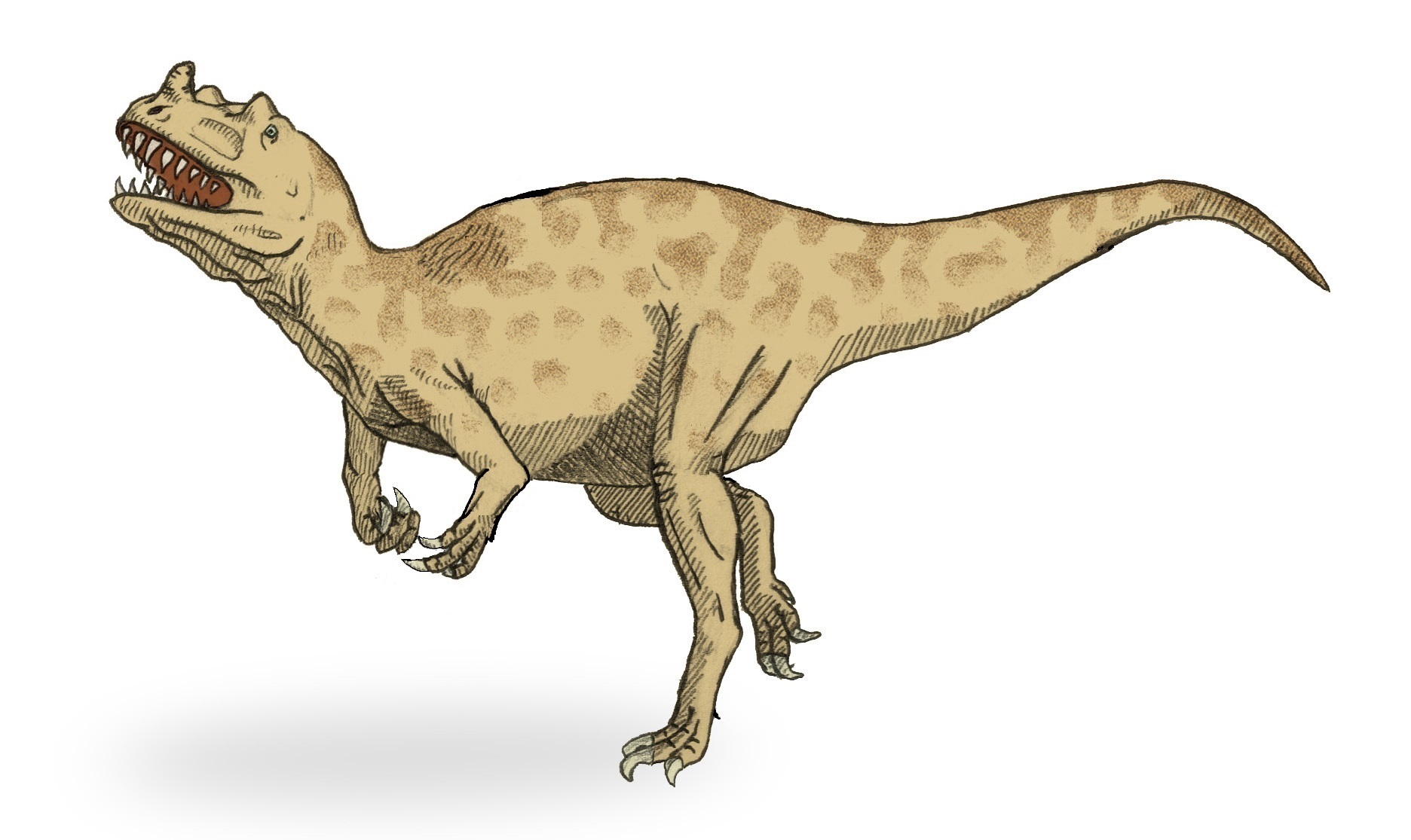
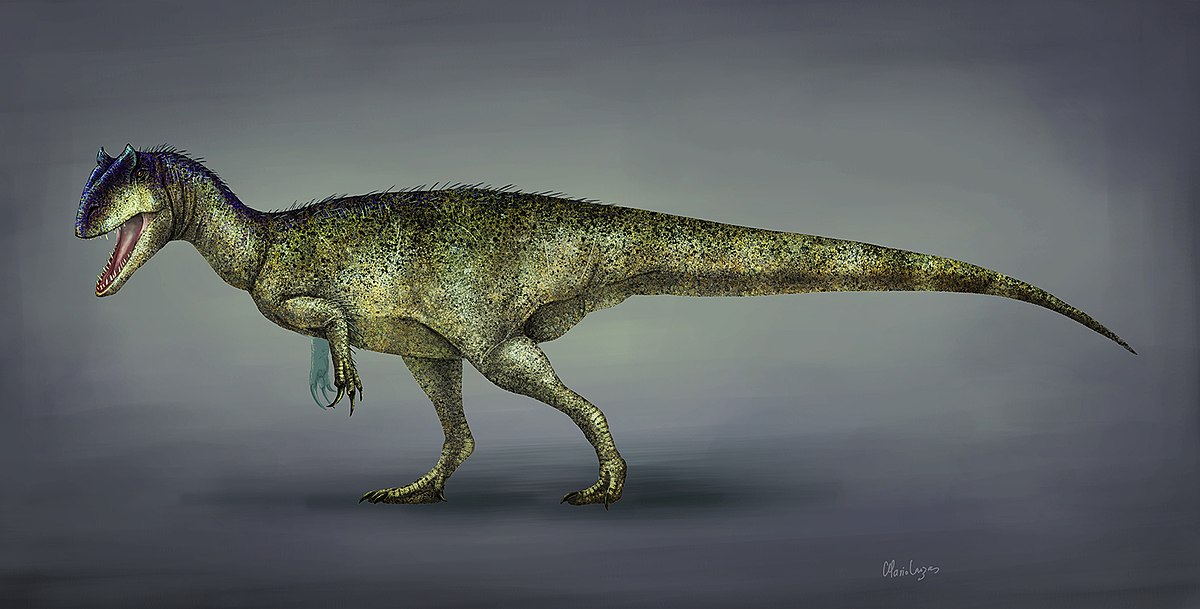
Don’t let the name fool you into thinking this was just another herbivore. This carnivore is best known for possessing a large, blade-shaped horn on its snout and an unusual configuration of two hornlets above its eyes, which gave rise to the meaning of its name – Ceratosaurus translates to “Horned Lizard”. But the horns were just the beginning of this creature’s terrifying arsenal.
What truly set Ceratosaurus apart was its natural armor plating. An interesting feature of Ceratosaurus are the lines of osteoderms, raised bony growths, down its back which are similar to a crocodile. These act as a type of armor, which suggests that Ceratosaurus competed with and even fought with larger carnivores such as Torvosaurus and Allosaurus. Imagine facing a predator that was not only equipped with razor-sharp teeth and claws but was also wearing nature’s own chainmail. Armed with approximately 60 to 68 serrated blade-like teeth in its jaws, it could possibly have used these fangs to rip out the jugular of larger prey. Ceratosaurus tail was very flexible and helped it swim which may point to it supplementing its diet with aquatic prey.
Yangchuanosaurus: The Chinese Killing Machine
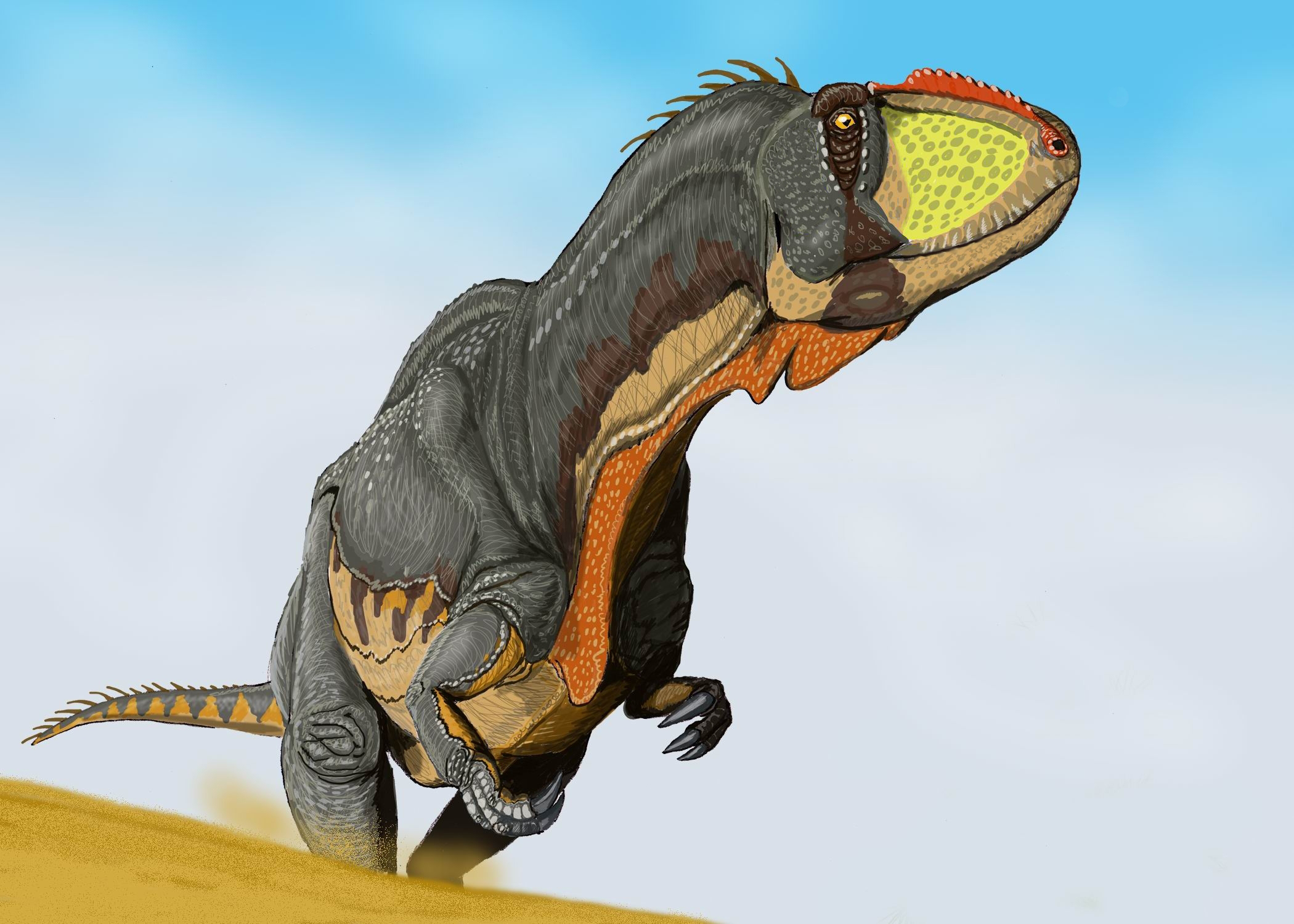
While most people have never heard of Yangchuanosaurus, this Chinese predator was arguably one of the most dangerous hunters of its time. Top four predators of jurassic, Yangchuanosaurus magnus, Torvosaurus, Allosaurus amplexus, Saurophaganax. This beast earned its place among the elite killers of the Jurassic through a combination of size, speed, and pure predatory intelligence.
What made Yangchuanosaurus particularly frightening was its hunting style. Unlike some of the other massive predators that relied on brute force, this creature was built for pursuit hunting. Yangchuanosaurus is rarely a threat once at adulthood, but multiple of them can prove to be dangerous, given they are faster and can deal out debilitating fractures that you may not be able to combat. When fighting a Yangchuanosaurus pack, take advantage of their weakness to your m1 blunt, bite and spam it on their head. The fact that even other apex predators had to develop specific strategies to deal with Yangchuanosaurus speaks volumes about its lethality.
Marshosaurus: The Forgotten Assassin
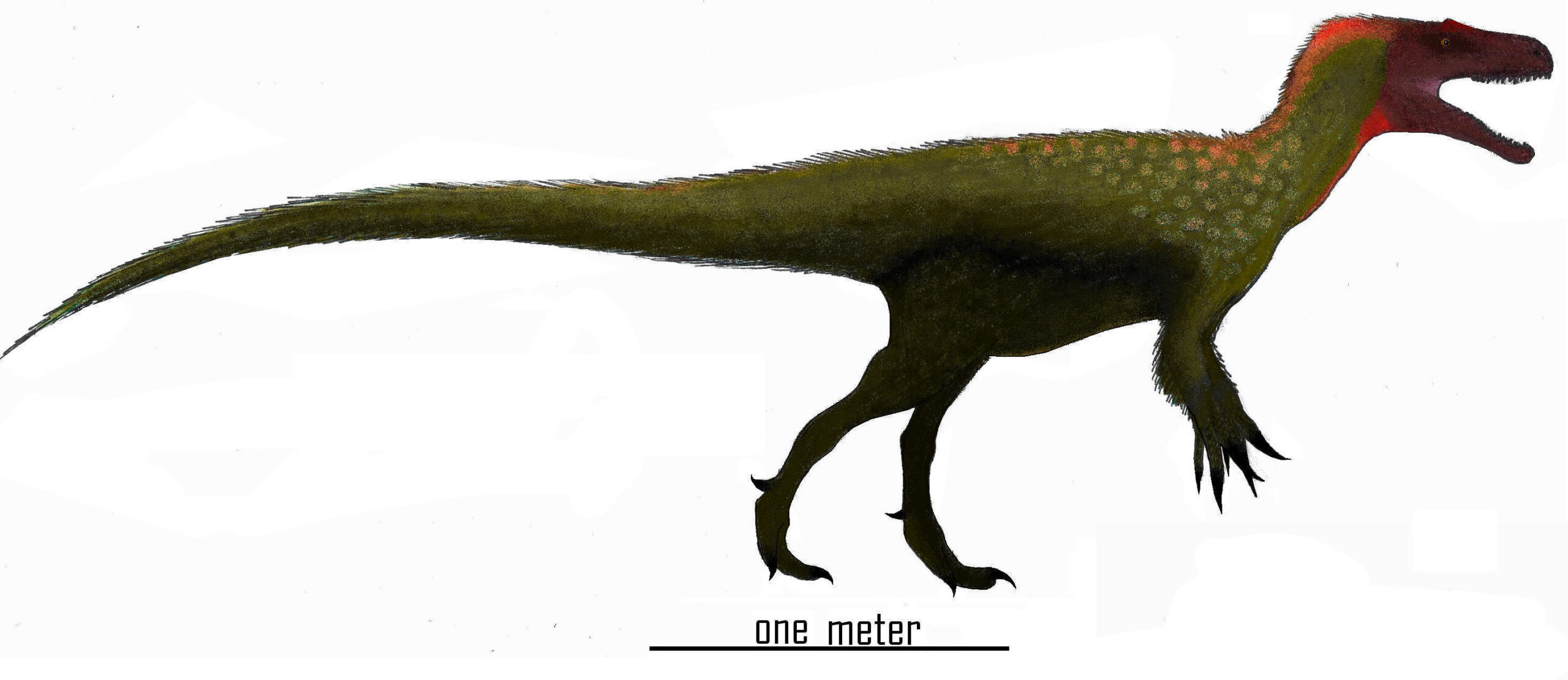
Not all Jurassic predators were giants. Marshosaurus was one of the smaller ones. But don’t mistake smaller for less dangerous. This was a dinosaur that was larger than the sleek little Stokesosaurus but smaller than the biggest predators, more in the size range of a young subadult Allosaurus. What Marshosaurus lacked in size, it more than made up for in cunning and agility.
The most terrifying aspect of Marshosaurus was its ability to operate in the shadows of larger predators. Allosaurus totally dominates this site, but the bonebed has also yielded Ceratosaurus, Torvosaurus, a small tyrannosaur named Stokesosaurus, and, as James Madsen, Jr. announced in 1976, Marshosaurus. This creature survived in an ecosystem dominated by much larger killers, which suggests it possessed extraordinary hunting skills and intelligence. Like a prehistoric ninja, Marshosaurus carved out its niche through stealth and precision strikes rather than overwhelming force.
Stokesosaurus: The Tiny Tyrant Ancestor
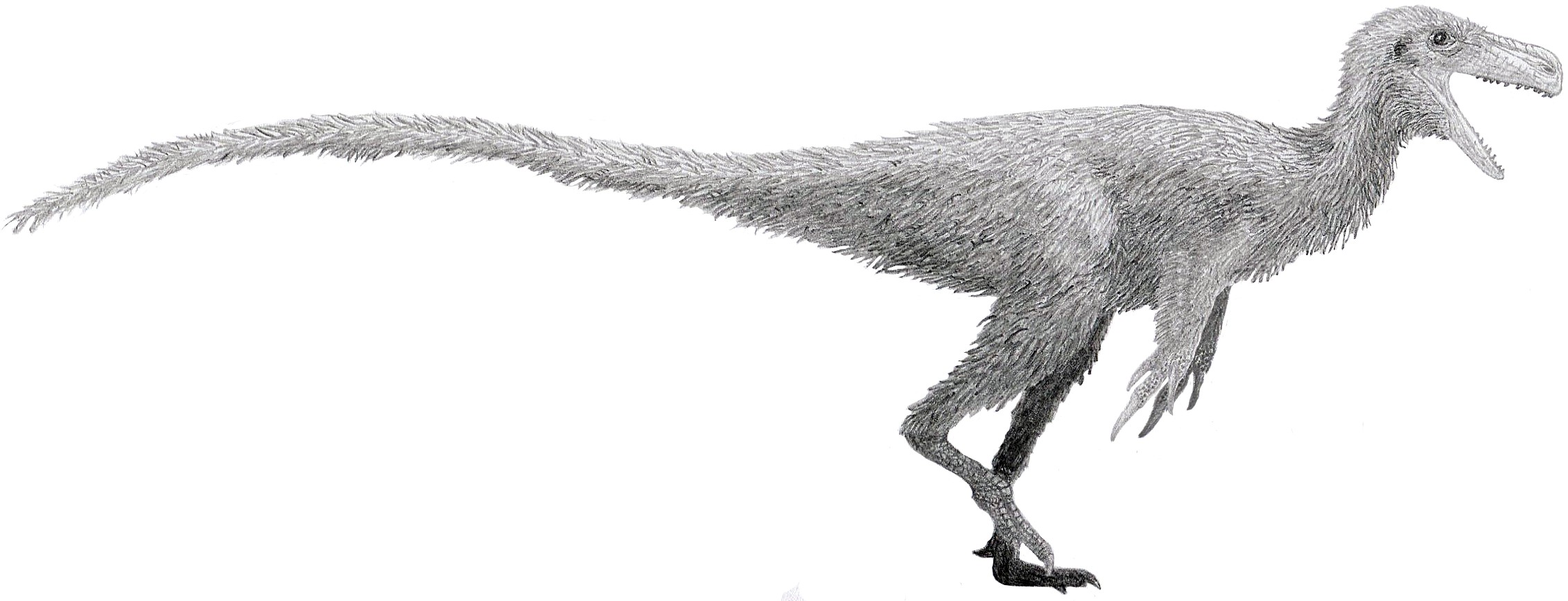
Here’s where things get really interesting from an evolutionary standpoint. Allosaurus totally dominates this site, but the bonebed has also yielded Ceratosaurus, Torvosaurus, a small tyrannosaur named Stokesosaurus, and, as Madsen, Jr. announced in 1976, Marshosaurus. Stokesosaurus was essentially a preview of what would eventually become the mighty T. rex lineage, but during the Jurassic period, it was a relatively small but incredibly fierce predator.
What made Stokesosaurus particularly dangerous wasn’t its size, but its revolutionary design. This was essentially nature’s first attempt at creating the perfect killing machine that would later evolve into the tyrannosaur lineage. This was a dinosaur that was larger than the sleek little Stokesosaurus but smaller than the biggest predators, more in the size range of a young subadult Allosaurus. Even though it was small, Stokesosaurus possessed many of the predatory innovations that would later make T. rex the ultimate apex predator.
Megalosaurus: The Original Monster
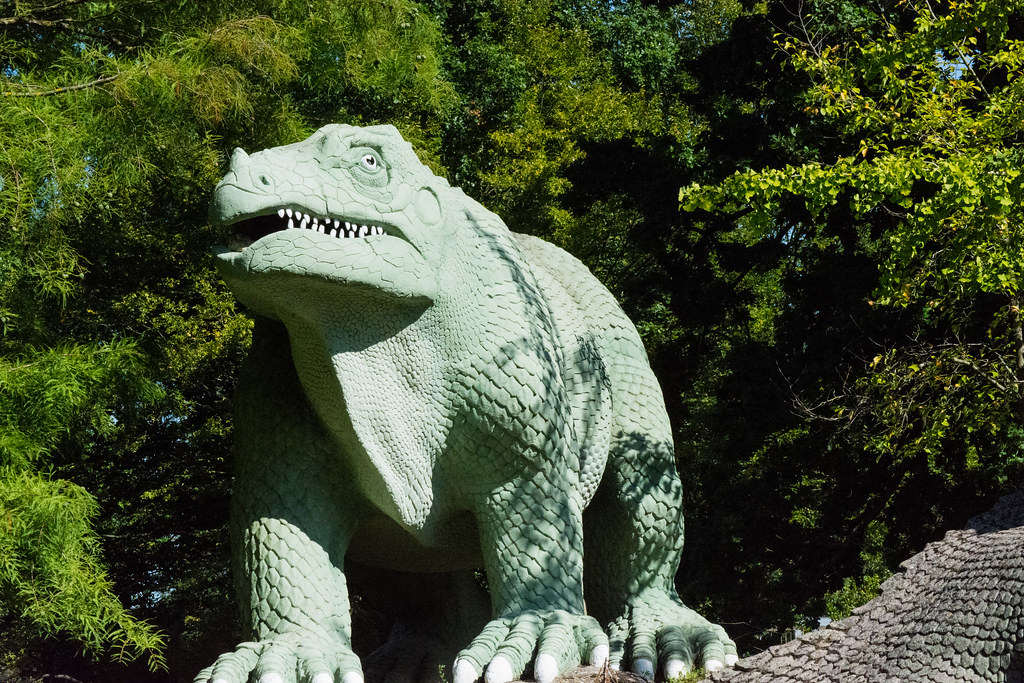
Before there was Allosaurus, before there was T. rex, there was Megalosaurus – quite literally the first dinosaur ever scientifically described. Predatory dinosaurs of the Jurassic included fearsome carnosaurs such as Allosaurus, small, fast coelurosaurs, and ceratosaurs such as Dilophosaurus. While Megalosaurus isn’t specifically mentioned in this quote, it belongs to the megalosaur family that dominated the early to middle Jurassic period.
What makes Megalosaurus truly terrifying in hindsight is that it was the template upon which all future large predatory dinosaurs were based. This creature established the fundamental body plan that would be refined over millions of years into increasingly deadly forms. Picture a predator so successful that evolution kept coming back to its basic design, tweaking and perfecting it until it eventually produced monsters like T. rex.
Dilophosaurus: The Deceptively Deadly Crested Hunter
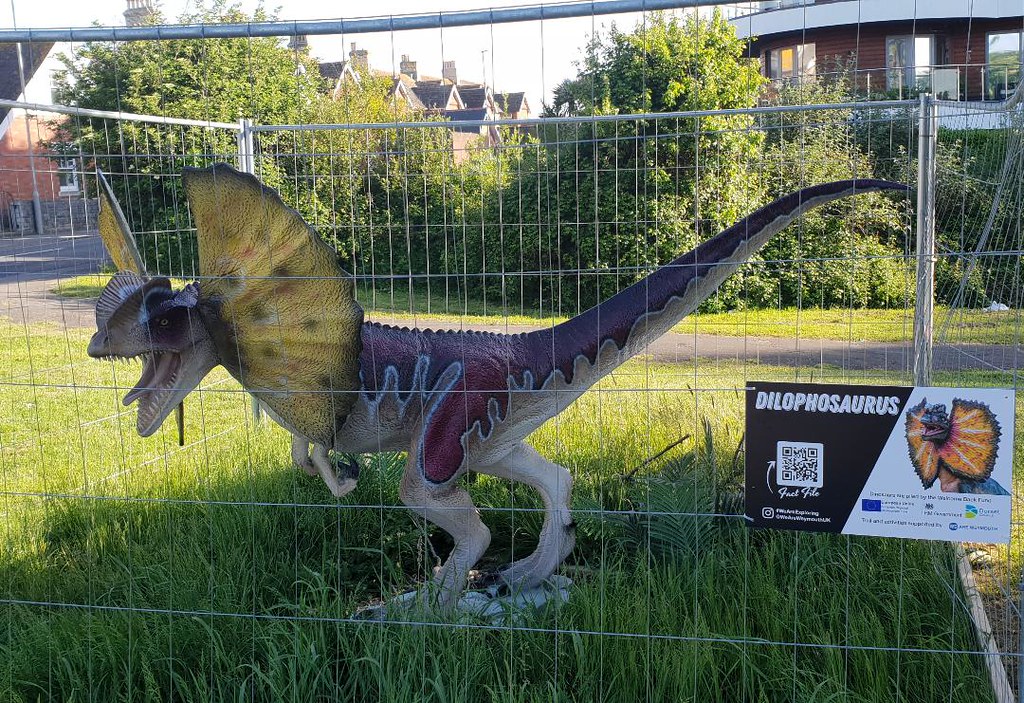
Thanks to Jurassic Park, most people think they know Dilophosaurus as the small, frill-necked, poison-spitting pest. The reality was far more terrifying. Predatory dinosaurs of the Jurassic included fearsome carnosaurs such as Allosaurus, small, fast coelurosaurs, and ceratosaurs such as Dilophosaurus. This creature was actually much larger and more dangerous than Hollywood portrayed.
The twin crests on Dilophosaurus’s head weren’t just for show – they were likely used for species recognition and possibly intimidation displays. What made this predator particularly dangerous was its combination of size, speed, and intelligence. Unlike the massive, lumbering giants, Dilophosaurus was built for pursuit hunting. It could chase down prey across long distances, using its powerful legs and keen senses to track victims until they collapsed from exhaustion. The thought of being relentlessly pursued by a crested nightmare through ancient forests is perhaps more terrifying than facing a larger but slower predator.
Conclusion: When Nightmares Were Real

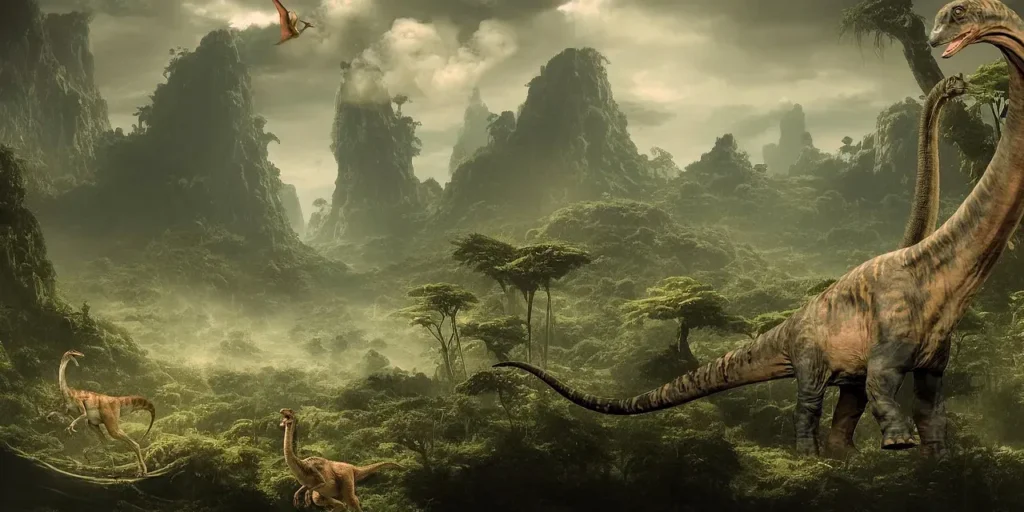
The Jurassic period was essentially nature’s own horror movie, featuring a cast of predators so terrifying that they make modern apex predators look like house cats. Great plant-eating dinosaurs roaming the earth, feeding on lush ferns and palm-like cycads and bennettitaleans … smaller but vicious carnivores stalking the great herbivores … oceans full of fish, squid, and coiled ammonites, plus great ichthyosaurs and long-necked plesiosaurs … vertebrates taking to the air, like the pterosaurs and the first birds. This was the Jurassic Period, 199.6 to 145.5 million years ago.
These eight predators represent just a fraction of the deadly hunters that stalked the ancient world, each one perfectly adapted for killing in its own unique way. From the massive Saurophaganax that could take down creatures the size of school buses, to the armored Ceratosaurus that was built like a living tank, to the deceptively small but incredibly dangerous Stokesosaurus that carried the genetic blueprint for future tyrannosaurs.
The next time someone mentions T. rex as the ultimate predator, you’ll know the truth: the real monsters lived tens of millions of years earlier, in a world where being the apex predator meant facing competition from creatures that would make even the mighty Tyrannosaurus think twice. Makes you glad we live in an age where the most dangerous thing in most backyards is an angry squirrel, doesn’t it?