Have you ever met someone whose mind seems to operate on an entirely different wavelength? People who appear to juggle contradictions effortlessly, switching from intense focus to playful daydreaming within moments? These individuals often possess , and their quirks aren’t random. They’re actually fascinating patterns that science has begun to unravel.
Let’s be real, imaginative thinkers stand out in a crowd. Their peculiarities might seem strange at first glance, yet these very traits fuel the creativity that leads to groundbreaking innovations, beautiful art, and solutions nobody else would have considered. So what exactly sets these minds apart? Let’s dive in.
Their Brains Never Really Switch Off
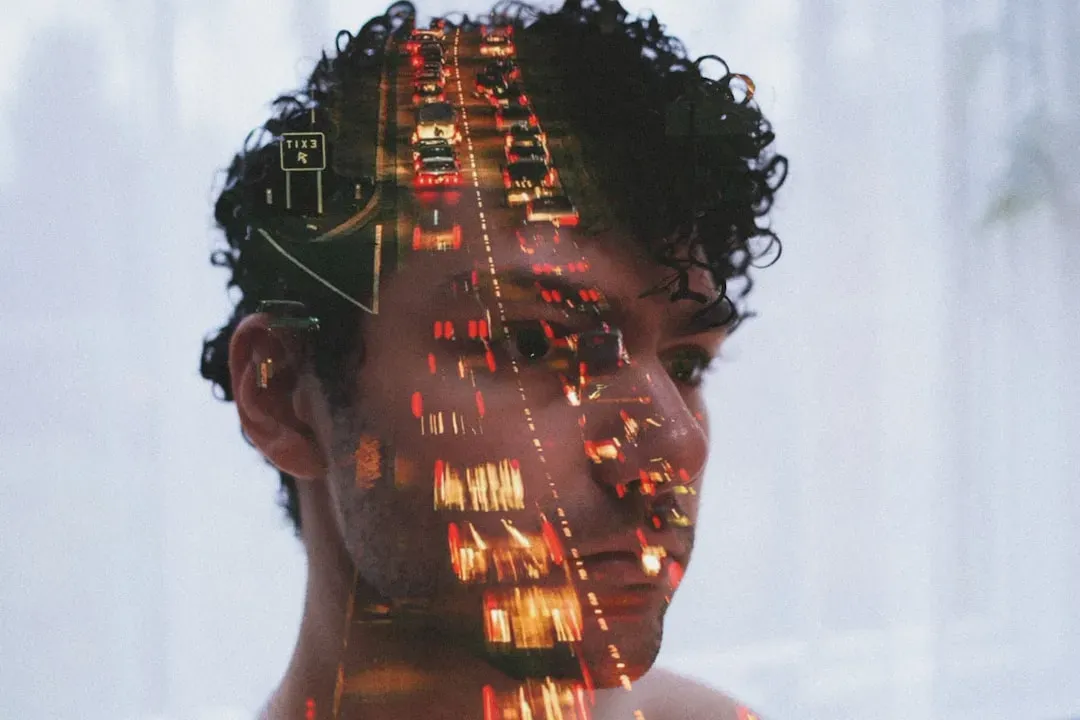
While the average person’s mind eventually stops thinking of ideas and unknown scenarios, allowing them to rest easy at night, a creative person’s mind never truly slows down. This constant mental activity isn’t just inconvenient. It’s actually a defining feature of imaginative individuals who often complain about this phenomenon.
Creativity appears at random times throughout the day and often strikes during the night, which means these people have a hard time getting to bed. Famous writers, musicians, and actors are frequently up working during the late hours simply because their brains refuse to shut off. Think about it like having a browser with hundreds of tabs open simultaneously. That’s how their mental landscape operates every single day.
They Swing Between Extroversion and Introversion

While we often categorize people as solely extroverted or introverted, creativity requires combining both personality types, making creative individuals ambiverts who are both expressive and withdrawn, sociable and quiet. You might catch them energetically holding court at a party one evening, then completely disappearing into solitude the next day.
Here’s the thing: Many creative people are highly skilled socially, but they don’t always enjoy being around others; when social interaction is stimulating and productive, they’re extroverted and engaged, but too much drains them, prompting a retreat into introverted aloneness. They need both modes to function optimally. Social interaction generates fresh ideas and inspiration, while quiet solitude allows them to fully explore and develop those sparks of creativity.
They Blend Fantasy With Rock-Solid Reality

Creative people like to daydream and imagine the possibilities and wonders of the world, immersing themselves in imagination and fantasy, yet they remain grounded in reality. This paradox confuses many observers who assume dreamers live perpetually with their heads in the clouds.
Creative people alternate between imagination and fantasy and a rooted sense of reality, as great art and science involve leaping into a world different from the present, going beyond what we consider real to create a new reality. Creative types ranging from inventors to artists to musicians can come up with imaginative solutions to real-world issues. They’re not just fantasizing aimlessly. They’re building bridges between what could be and what actually is.
Staying Focused on One Task Feels Nearly Impossible

While a creative person has much to offer the world, focusing on one task at a time can be incredibly hard because so much new information is being processed in their minds at once. Imagine trying to watch one specific bird when an entire flock is swirling overhead. That’s essentially what concentration feels like for these individuals.
Many creative people suffer from ADD, which makes sense given that it’s difficult to focus on one thing when new ideas are constantly flooding their brains. This isn’t necessarily a weakness, though. Their scattered attention often leads them to make unexpected connections between seemingly unrelated concepts, producing those brilliant “aha” moments that linear thinkers might never discover.
They’re Brutally Objective About Their Own Work

Being passionate about something doesn’t necessarily lead to great work; imagine a writer so in love with his writing that he’s unwilling to edit a single sentence, or a musician reluctant to listen to their own performance and hear areas needing improvement. Honestly, this ability to step back might be one of their most underappreciated quirks.
Creative people love their work, but they’re also objective about it and willing to be critical and take criticism, able to separate themselves from their work and see areas that need improvement. This detachment isn’t coldness. It’s maturity. They understand that refining their creations requires brutal honesty, even when it stings.
Boredom Hits Them Like a Physical Ailment

Being emotionally charged, creative people usually possess a low threshold when it comes to boredom, which makes sense since they’re constantly seeking and providing mental stimulation, and anything that doesn’t feed the imagination or seems mundane tends to be easily disregarded. Routine tasks that others find merely tedious become almost unbearable for imaginative minds.
Creative people tend to seek conversations and situations with substance and have a low threshold for thumb-twiddling; their innate thirst for knowledge makes them curious, constantly on a quest of truth-seeking and information gathering, with fact-finding spanning across many subject matters. If you ever get talking to a creative person, you’ll find there isn’t a subject they’re not conversant in. They’re like conversational chameleons, adapting to whatever intellectual territory the discussion ventures into.
They Lose Complete Track of Time When Creating

Creative types may find that when they’re writing, dancing, painting or expressing themselves in another way, they get “in the zone,” or what’s known as a flow state, which helps them create at their highest level as a mental state where an individual transcends conscious thought to reach a heightened state of effortless concentration and calmness. It’s hard to say for sure, but this state seems almost meditative in nature.
Researchers have observed this through brain scans of people engaged in their personal creative processes; initially, their brain states resemble complete absorption in the task, with the imagination and salience networks highly active while the more focused executive domain is relatively quiet. During these moments, hours can pass like minutes. They forget to eat, ignore phone calls, and become completely absorbed in their creative pursuit.
Their Minds Operate in Organized Chaos
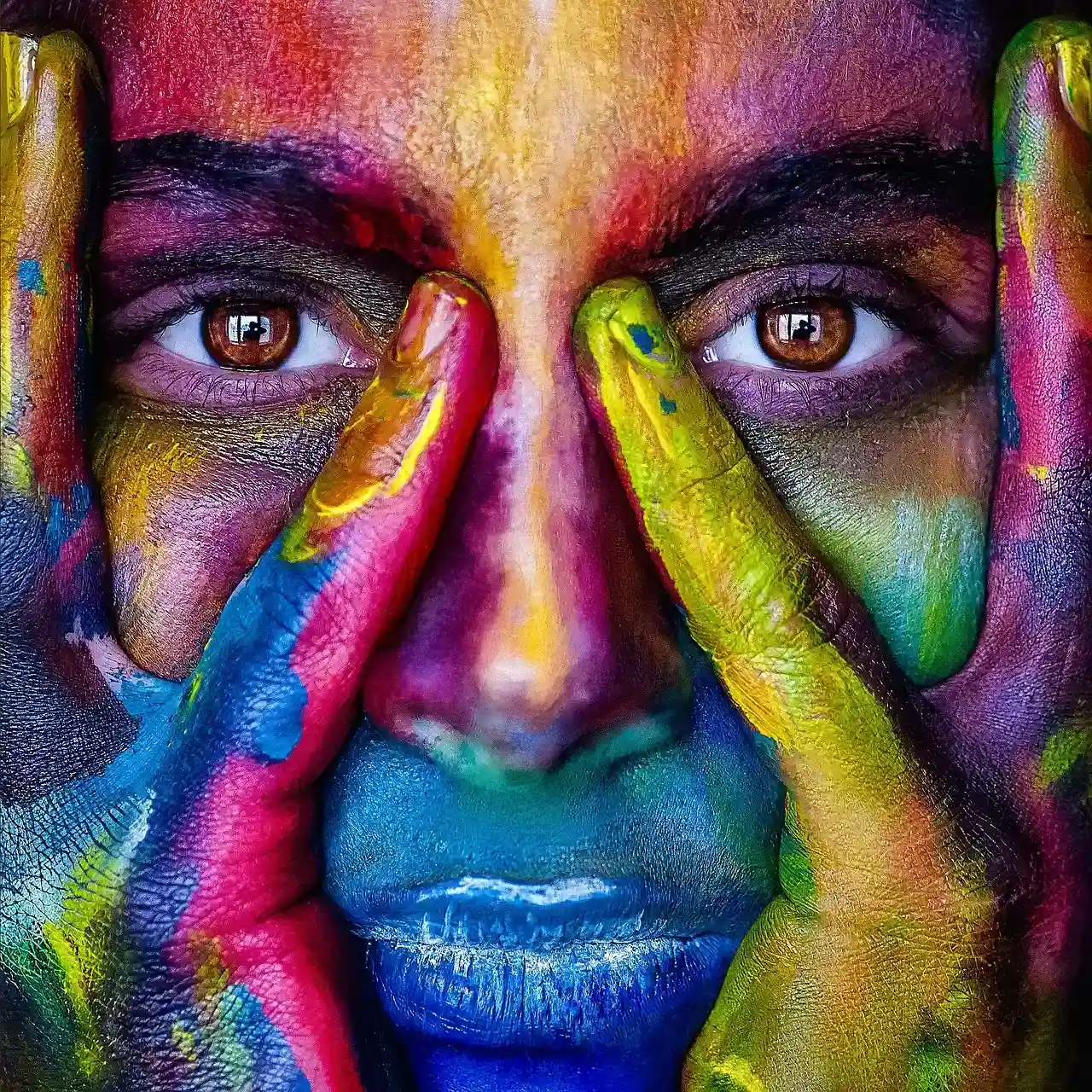
Psychologically speaking, creative personality types are difficult to pin down, largely because they’re complex, paradoxical, and tend to avoid habit or routine; it’s not just a stereotype as research has suggested that creativity involves the coming together of a multitude of traits, behaviors, and social influences in a single person. Trying to understand them using conventional frameworks often fails spectacularly.
If expressed in one word, what makes their personalities different from others is complexity; they show tendencies of thought and action that in most people are segregated, containing contradictory extremes. Imaginative people have messier minds. That messiness, though, is precisely where innovation lives. It’s the fertile soil from which entirely new ideas sprout.
Conclusion: Embracing the Beautiful Contradictions

Imaginative minds don’t fit neatly into boxes, and that’s exactly the point. Their quirks aren’t flaws to be corrected but essential components of their creative machinery. These individuals toggle between states that seem incompatible: energetic yet restful, focused yet scattered, logical yet fantastical.
Understanding these personality traits helps us appreciate the creative people in our lives rather than trying to force them into conventional molds. Whether you recognize these quirks in yourself or in someone you know, remember that these seemingly contradictory traits are what allow imaginative minds to see possibilities invisible to others. Did you recognize yourself in any of these quirks, or does someone you know fit this description? Tell us in the comments.