
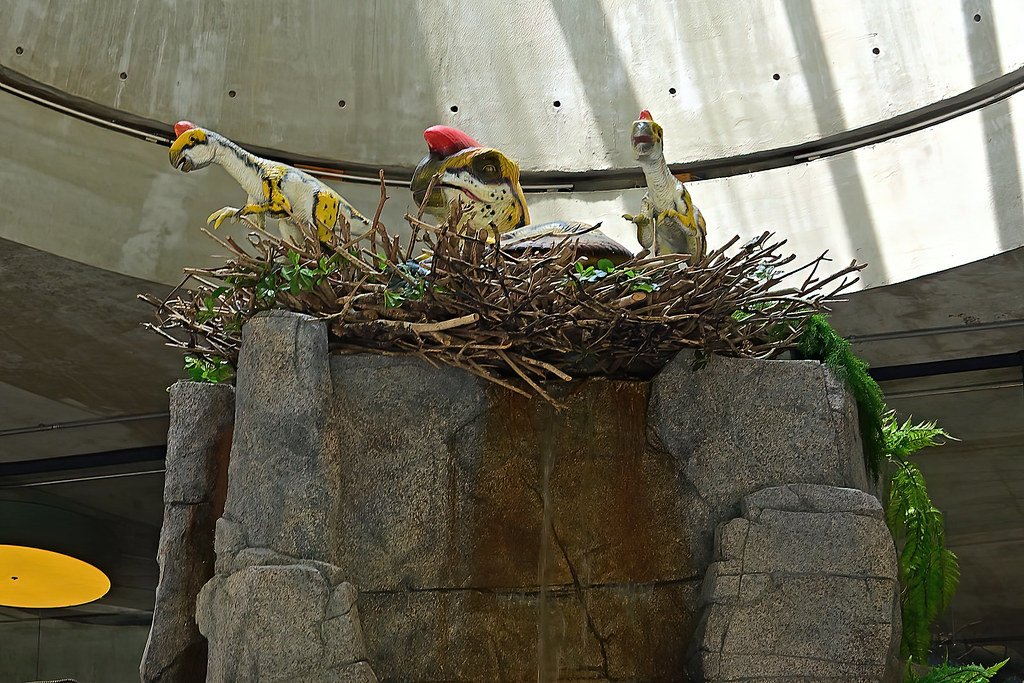
When you picture prehistoric life, you probably see teeth, claws, and a nonstop fight to survive. It is easy to imagine dinosaurs and ancient reptiles as cold, uncaring brutes that simply laid eggs and walked away. But the fossil record tells a much softer, almost disarming story: some of these animals were devoted, careful parents that would put many modern creatures – and maybe a few humans – to shame.
Scientists have uncovered nests, embryos, brooding adults, and even whole family groups frozen in time. These finds reveal that long before mammals took center stage, caring for eggs and young was already a powerful survival strategy. Let’s meet eight prehistoric animals that were not just fearsome, but also surprisingly nurturing.
Maiasaura: The “Good Mother Lizard” That Lived Up To Its Name
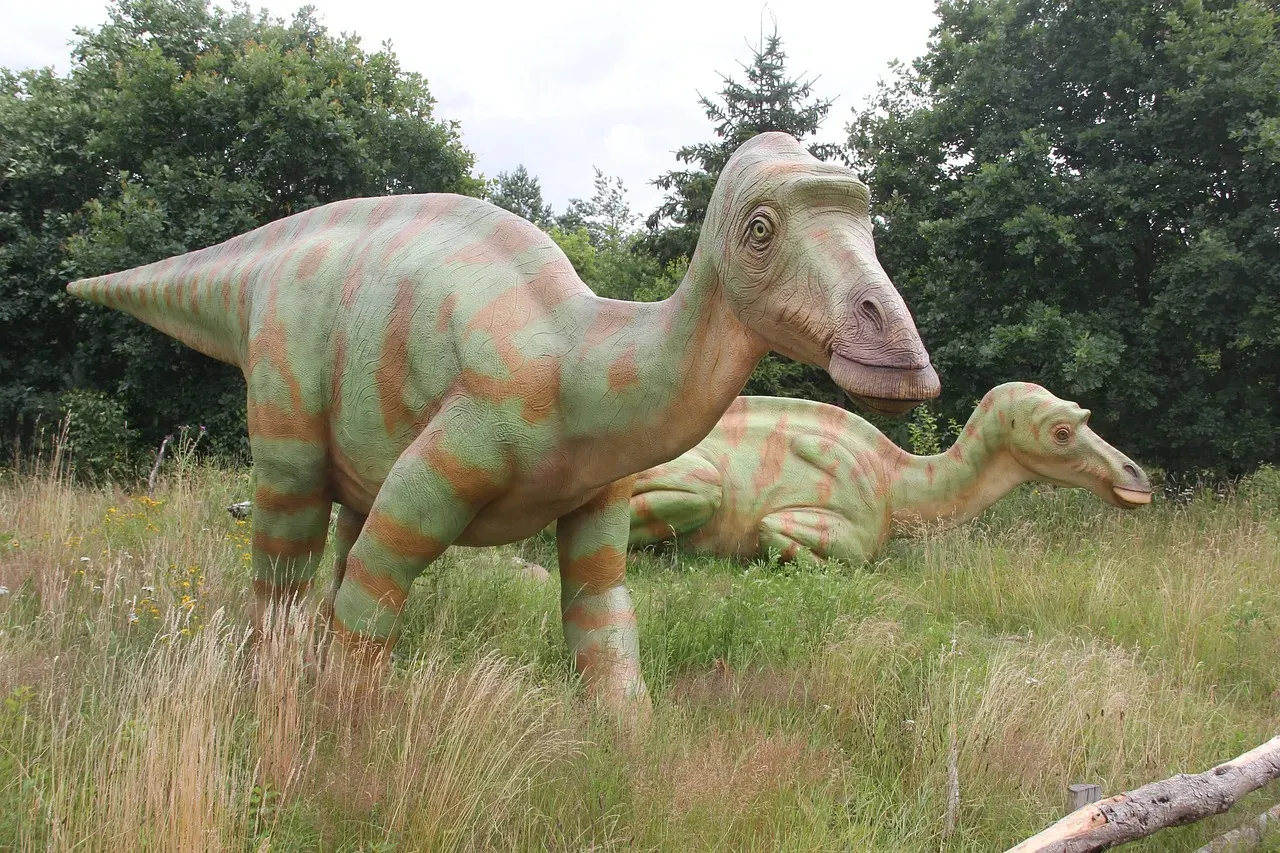
Maiasaura is probably the prehistoric poster child for attentive parenting. Its name literally means good mother lizard, and it was not given lightly. In Montana, paleontologists discovered huge nesting grounds with closely spaced nests, eggs, hatchlings, and juveniles, all clustered together like a dinosaur suburb.
The bones of the babies show they were not ready to walk right away, which suggests the parents likely brought food to the nest. Imagine a field of big, duck-billed dinosaurs tending their nests, guarding them from predators, and returning year after year to the same nursery grounds. It is less like a monster movie and more like a bustling prehistoric daycare.
Oviraptor: From “Egg Thief” To Protective Brooding Parent
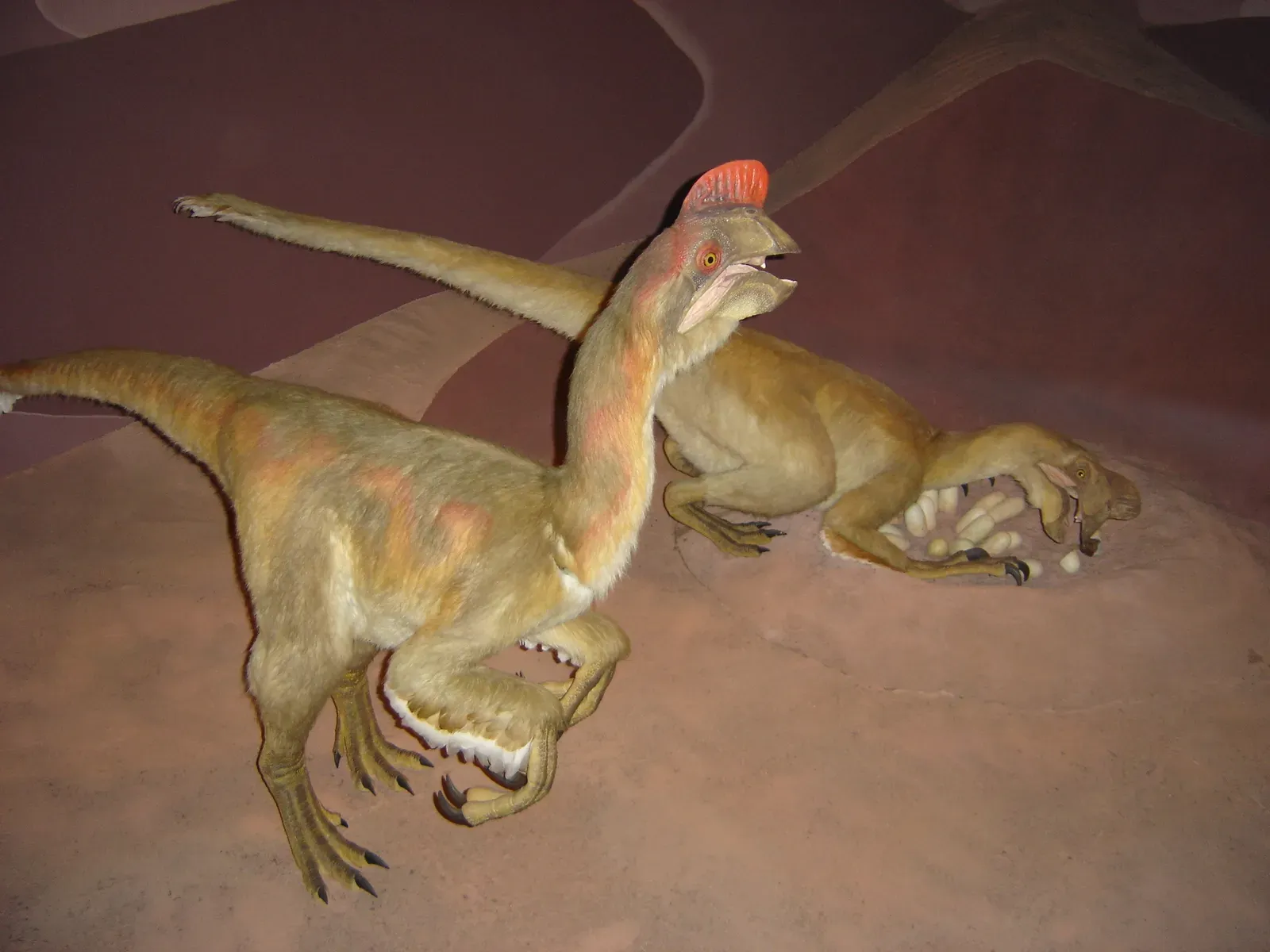
Oviraptor started out with a terrible reputation. Early fossils showed this small, beaked theropod on top of eggs, and scientists assumed it was raiding another dinosaur’s nest. Later discoveries flipped that story on its head: those eggs were its own, and the animal was most likely brooding them, much like a bird.
Several fossils show Oviraptor and close relatives frozen in a classic birdlike pose, seated over circular nests with arms spread protectively around the clutch. That is not the behavior of a thief, it is the behavior of a parent shielding its future offspring from danger or the elements. It is a powerful reminder that first impressions in paleontology can be wildly misleading.
Troodon and Other Birdlike Theropods: Shared Duties and Nesting Care
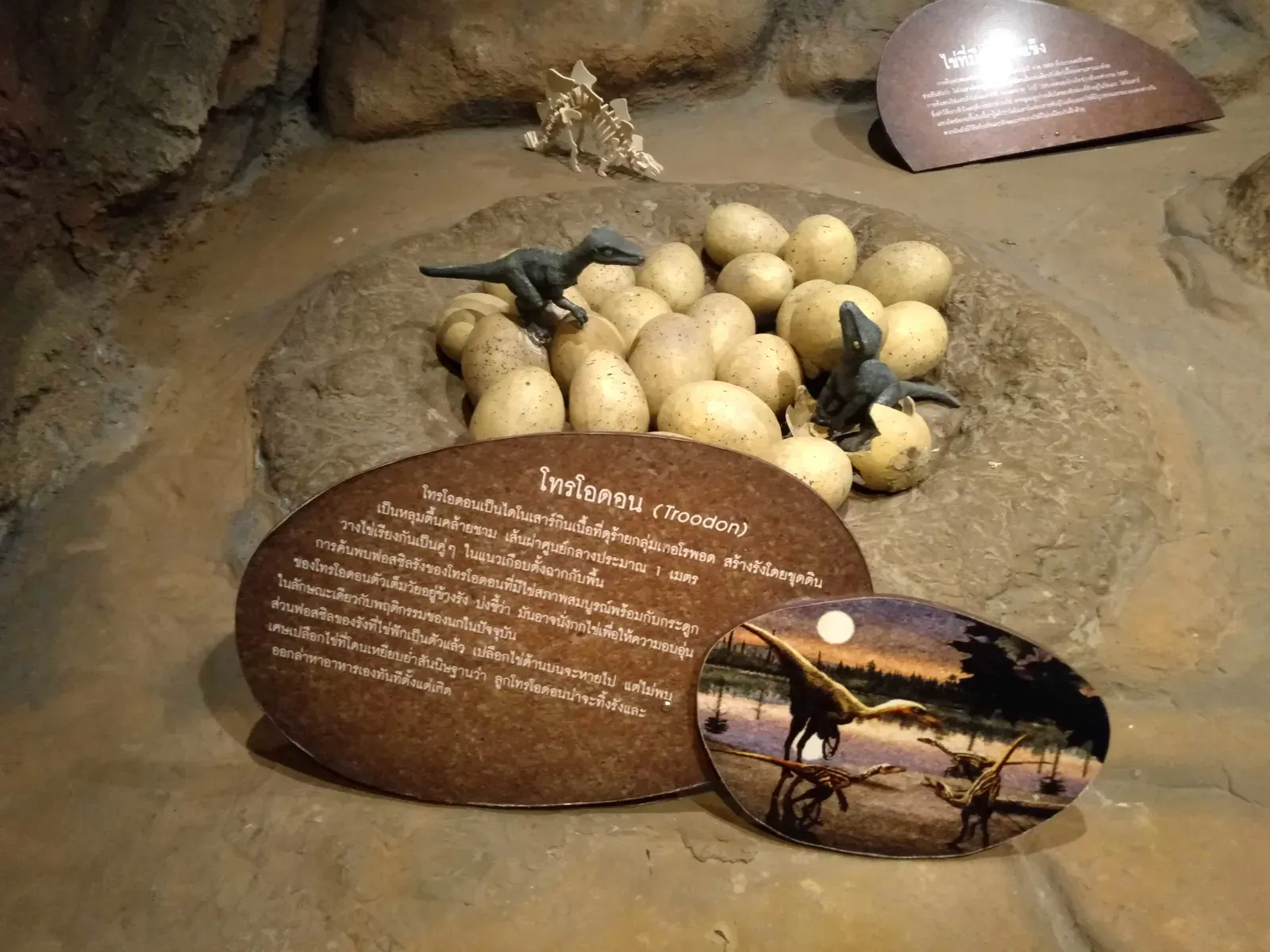
Troodon and similar small, birdlike theropods show signs of sophisticated nesting behavior that feels surprisingly modern. Fossils reveal ring-shaped arrangements of eggs and sediment patterns that hint these animals carefully positioned their clutches. Some studies suggest that, like many ground-nesting birds today, they may have partially buried their eggs and then settled over them to regulate temperature.
There is even evidence hinting that in some species, males may have played a major role in brooding and caring for eggs, similar to modern emus or sandpipers. That flips the stereotype of the dinosaur world as purely macho and aggressive, and replaces it with something more nuanced: partners or single fathers investing time and energy in the next generation.
Ceratopsians Like Psittacosaurus: Guarding Young On The Move
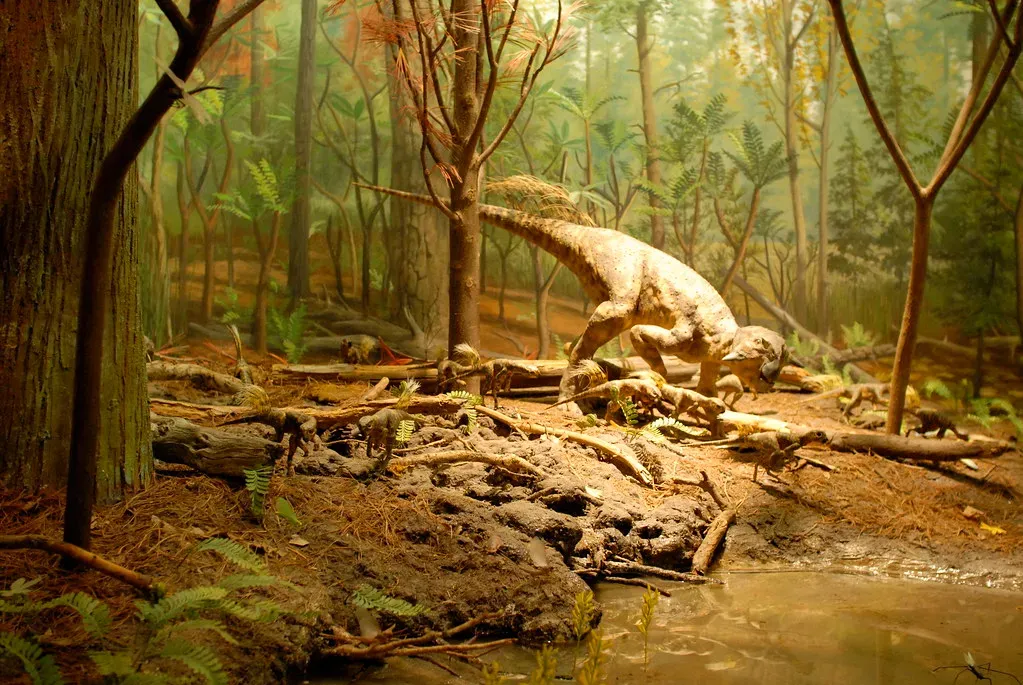
Psittacosaurus, a small early ceratopsian with a parrot-like beak, left behind one of the most heart-tugging fossils ever found. Paleontologists uncovered an adult surrounded by a cluster of juveniles, all preserved together. The simplest explanation is that they were a family group, perhaps caught by a sudden disaster while the adult was protecting or leading the youngsters.
Other ceratopsians, like the larger horned dinosaurs, also show evidence of group living and possible herd behavior, which often goes hand in hand with some level of parental care. Think about modern bison or wildebeest: adults form a living shield while calves grow and learn within the herd. Psittacosaurus and its relatives may have followed a similar strategy long before grasslands even existed.
Pachycephalosaurs: Dome-Headed Dinosaurs With Juvenile “Nurseries”
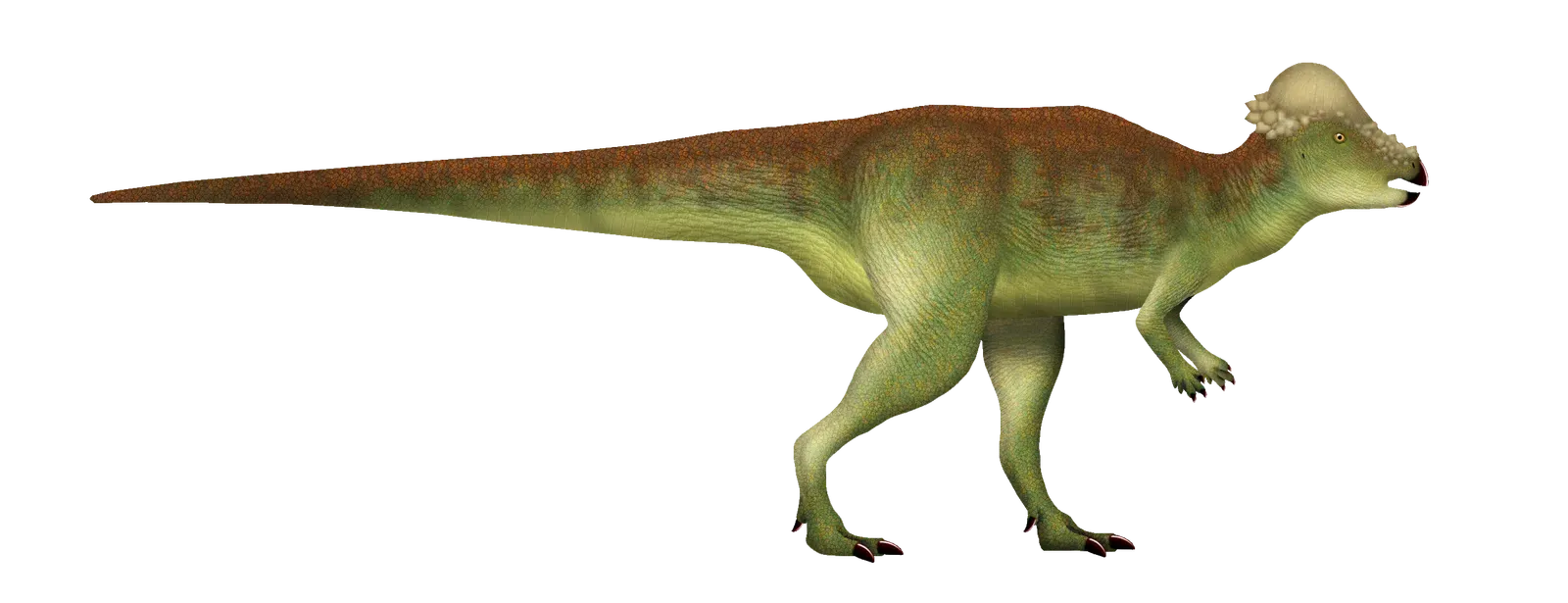
Pachycephalosaurs are famous for their thick, domed skulls, often imagined butting heads like prehistoric rams. What is less talked about is the evidence that juveniles looked quite different from adults, with features that changed as they matured. This suggests extended growth stages where young animals stayed within a group long enough to slowly transition into adult form.
Some fossil sites preserve a mix of young and older individuals together, which hints that these dome-headed dinosaurs did not just abandon their offspring after hatching. Instead, the youngsters may have lived among older animals, learning to forage, navigate, and maybe even use those thick skulls properly. If you have ever watched awkward teenagers hanging around older siblings or cousins, you already know the vibe.
Mosasaurus and Marine Reptiles: Birthing Young At Sea
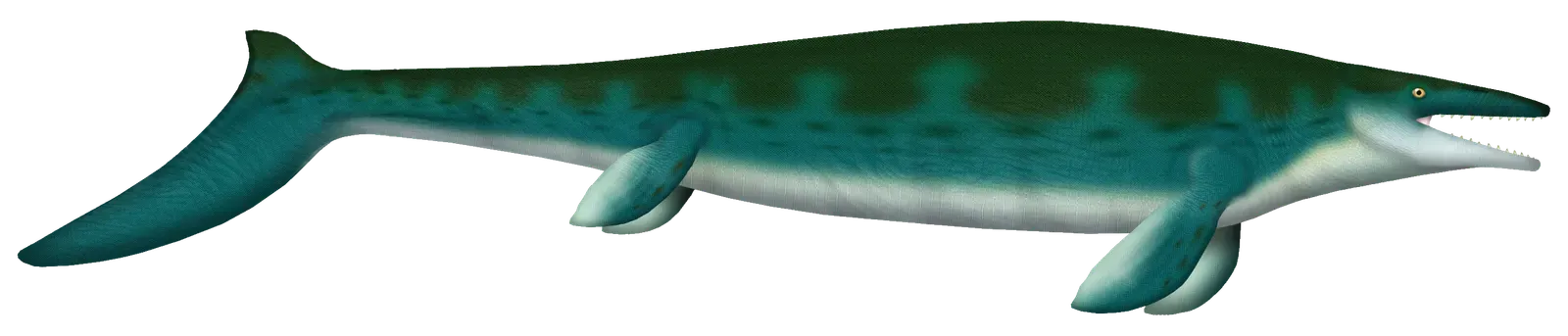
While not dinosaurs, mosasaurs were gigantic marine reptiles that dominated ancient oceans. Fossils of related marine reptiles show embryos inside the body cavity, strong evidence of live birth at sea rather than beach-laid eggs. That alone signals a major investment in reproduction, because the mother carried her young for an extended period, protecting them inside her own body.
Some fossils indicate small or juvenile individuals found in what look like offshore environments rather than shallow, coastal nurseries. That suggests at least some species gave birth in the open ocean and may have stayed with their young while they learned to swim and hunt. It paints a very different picture from the typical image of cold-blooded reptiles and leans closer to how some whales and dolphins raise calves today.
Plesiosaurs: Long-Necked Sea Guardians With Single, Large Offspring
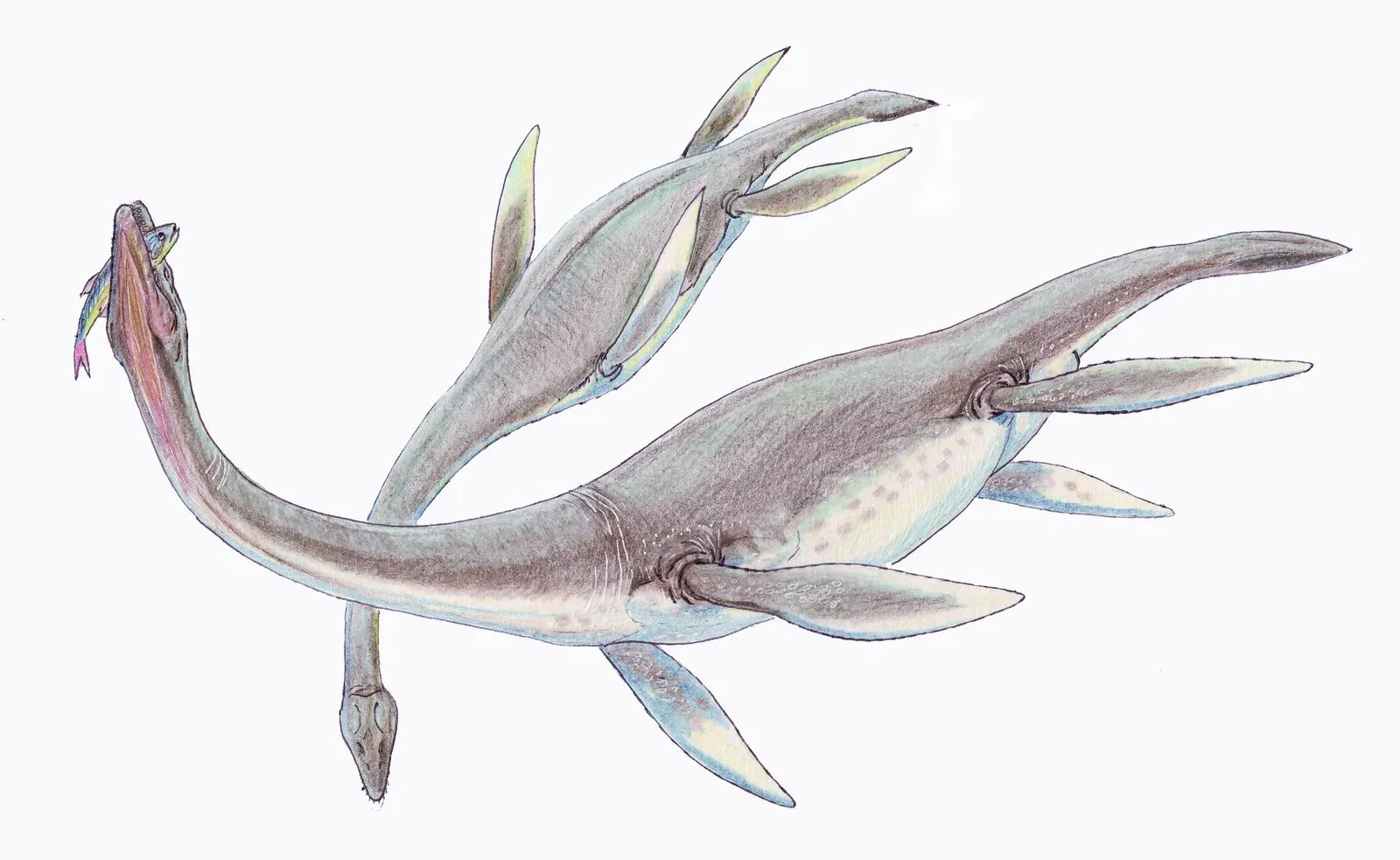
Plesiosaurs, with their long necks and paddle-like limbs, were once thought to lay clutches of eggs like sea turtles. Then came a game-changing fossil showing a large, near-term embryo inside a plesiosaur, pointing strongly toward live birth of a single, relatively big baby. Producing one large offspring instead of many small ones usually goes hand in hand with more intensive parental care.
While we cannot watch a plesiosaur nursery in action, the comparison with modern large marine animals is hard to ignore. Animals that have one big baby at a time – such as many whales – tend to invest heavily in teaching and protecting that calf. It is entirely reasonable to imagine a mother plesiosaur shadowing her young through ancient seas, guiding and shielding it as it learned the ropes of a very dangerous world.
Early Mammals Like Kayentatherium: Many Babies, Big Investment
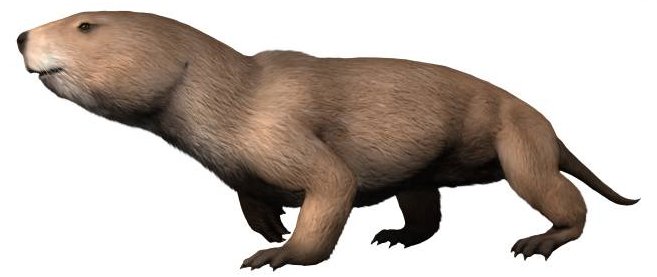
Long before modern mammals took over, early mammal-like creatures were already experimenting with complex parenting. One striking fossil of an early mammal relative, preserved alongside an entire litter of tiny offspring, shows a mother essentially buried with her dozens of young. The sheer number hints at a different strategy from modern placental mammals, but still one that required serious energy and attention.
These animals lived in a harsh world dominated by dinosaurs and other predators, so staying close to shelter and keeping young near the mother would have been vital. Even if their style of care looked more like a hybrid between reptile and mammal strategies, the basic pattern is clear: stick around, guard the litter, and give them time to grow large enough to fend for themselves. It is messy, crowded, and also deeply familiar to anyone who has ever seen a mother dog surrounded by squirming puppies.
Opinionated Conclusion: Prehistoric Parenting Was Anything But Primitive
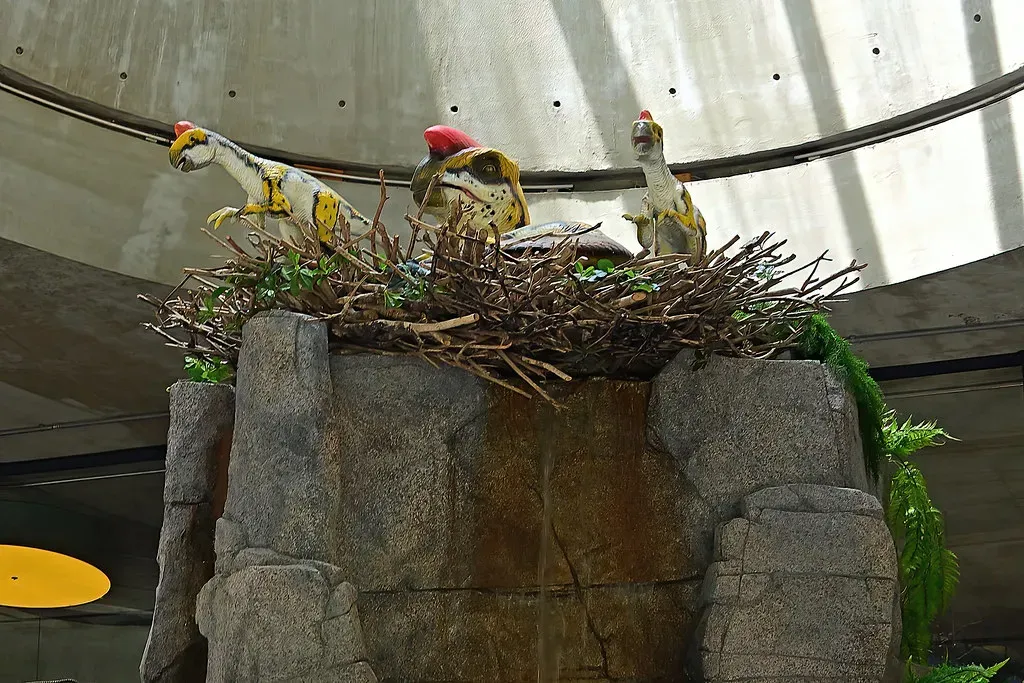
The more we learn about prehistoric animals, the less convincing that old stereotype of heartless, instinct-driven monsters becomes. Nests carefully arranged, adults frozen mid-brood, family groups preserved in death – all of it points toward a world where caring for the next generation was a powerful, evolving strategy. In some ways, the emotional distance between a brooding Oviraptor and a modern bird guarding its eggs may not be as big as we once thought.
To me, these fossils are a quiet rebellion against the idea that intelligence or empathy suddenly appeared with us. Parenting is one of the oldest, most deeply wired behaviors life has ever invented, and these animals were already playing that game long before humans showed up. Next time you see a picture of a dinosaur or a marine reptile, it is worth asking yourself: was this animal once hunched over a nest, or guiding a youngster through danger, just like parents do today?