You know that movie moment where someone trips, grabs a loose rock, and suddenly a hidden chamber opens? Prehistoric science has had more of those moments than you might think. Some of the biggest breakthroughs about dinosaurs, early humans, and ancient ecosystems did not come from careful plans or perfect maps, but from people who were, quite literally, in the right place at the wrong time.
What makes these discoveries so addictive is how they rewrite the script. A boy chasing his dog, a worker digging a trench, a farmer plowing a field – those tiny, random decisions ended up shattering scientific certainty. It is a good reminder that our knowledge of the distant past is still under construction, and sometimes the universe hands us a surprise spoiler. Let’s walk through eight accidental finds that forced scientists to go back to the drawing board.
1. The First Recognized Dinosaur Bones Found by a Country Doctor’s Curiosity
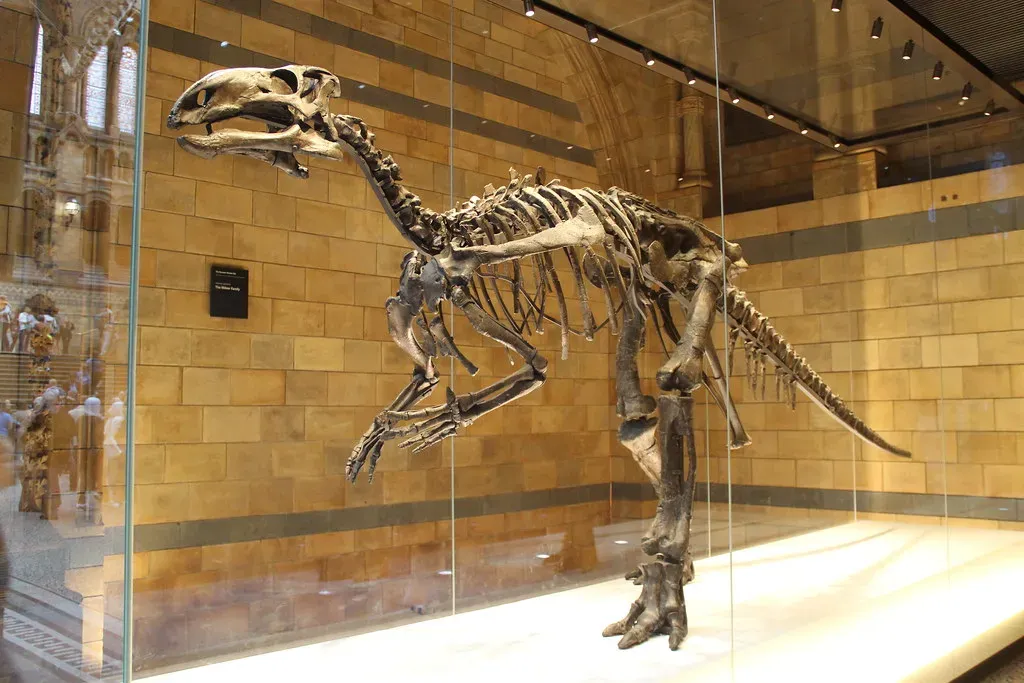
Long before dinosaurs became pop-culture icons, they were just weird, heavy bones turning up in the English countryside. Early in the nineteenth century, a rural doctor named Gideon Mantell and his wife were collecting fossils near a quarry when they stumbled on a set of large, tooth-like fossils that did not match any known animal. At first, even leading scientists dismissed the idea that these teeth came from a giant reptile, because the concept itself sounded outrageous.
This accidental encounter helped kickstart the entire idea of dinosaurs as a distinct group of prehistoric creatures. Once Mantell and others connected the teeth to a large, extinct land reptile later known as Iguanodon, it forced scientists to accept that Earth had once been dominated by completely different animals. The discovery shattered the older, tidy view that life on Earth had always looked more or less the same and opened the door to the idea of deep time, mass extinction, and evolutionary turnover on a mind-bending scale.
2. The Laetoli Footprints: Ancient Hominins Preserved in Volcanic Ash
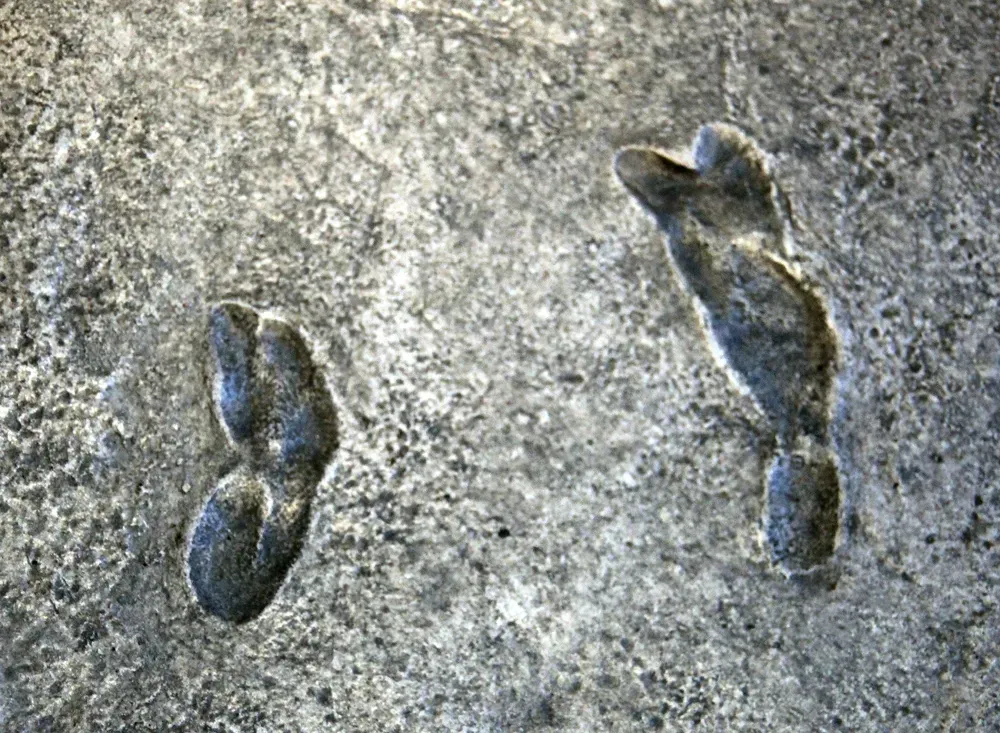
In the 1970s, researchers surveying a remote region of Tanzania were mostly focused on finding bones, not footprints. While walking across hardened volcanic ash, a team member noticed faint indentations that looked suspiciously like human tracks. On closer inspection, they realized they had stumbled onto a trackway left by early hominins walking across wet ash that later solidified and was buried for millions of years. The find was so unexpected that at first it was hard to believe the prints were real.
Those footprints, later dated to roughly three and a half million years ago, showed upright walking with a surprisingly human-like stride. This forced scientists to rethink the timeline of bipedalism, suggesting that walking on two legs evolved long before large brains or advanced stone tools. The discovery pushed back the origins of our defining way of moving and showed that early relatives of humans were already walking confidently through their world, leaving quiet evidence that would only be noticed by chance much later.
3. The Burgess Shale: A Chance Glimpse of a Fallen Rock Wall
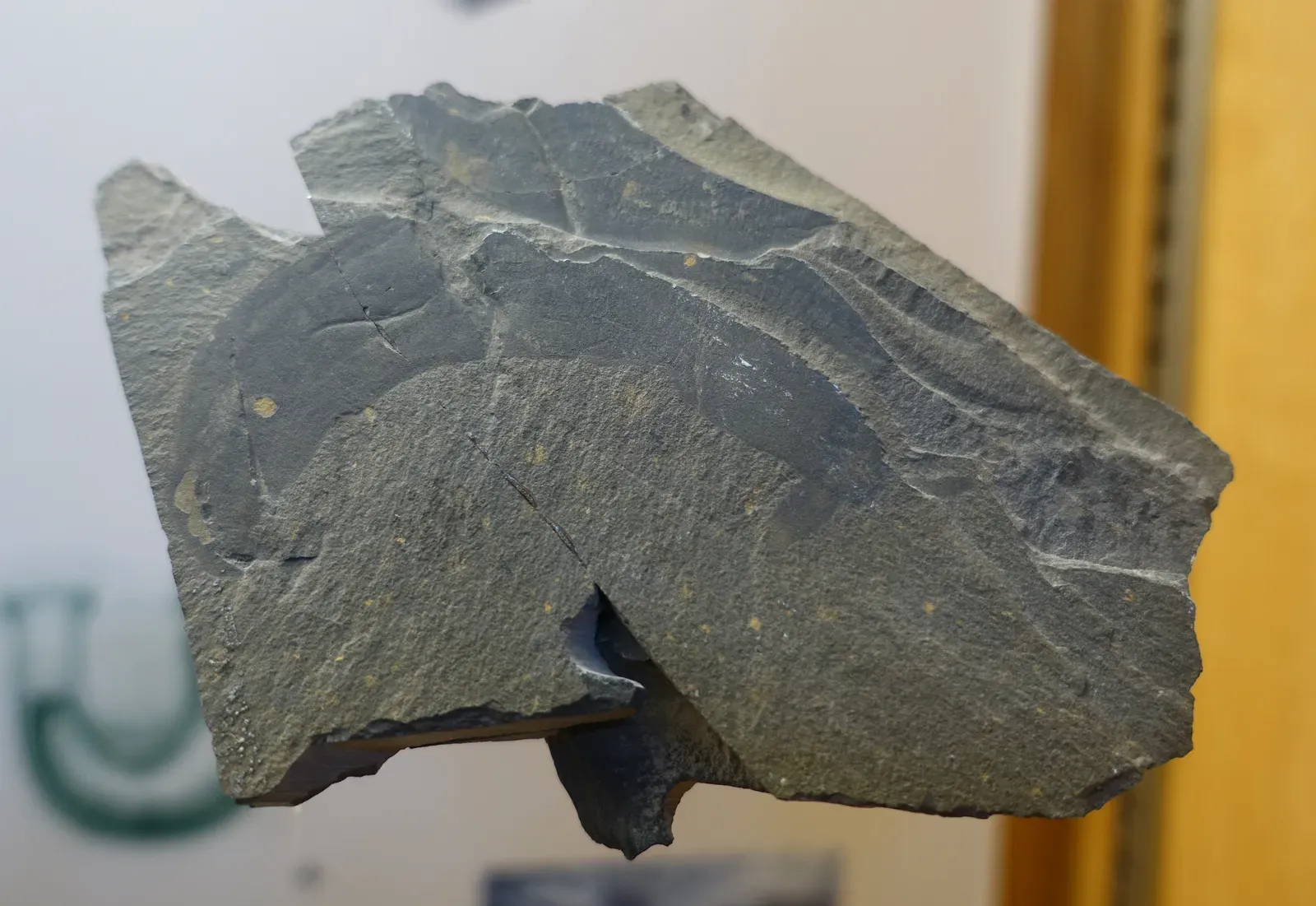
High in the Canadian Rockies in the early twentieth century, a geologist studying the mountains happened to notice unusual fossils weathering out of a broken rock face. The area did not look like anything special at first glance, just another rugged slope of shale. But those fragments led to the discovery of the Burgess Shale, one of the most spectacular windows into the Cambrian period, showing a burst of bizarre and diverse life forms more than half a billion years old.
What made this accidental find so disruptive was the sheer weirdness and variety of creatures preserved there. Delicate soft-bodied animals that almost never fossilize were captured in exquisite detail, revealing body plans so strange they initially defied classification. This forced scientists to rethink the early evolution of complex life and to abandon the idea that the basic groups of animals emerged slowly and neatly. Instead, the Cambrian world looked like an evolutionary experiment lab, with many strange forms that would never make it to the modern era.
4. The Altamura Neanderthal: A Farmer’s Cave Turns Into a Time Capsule
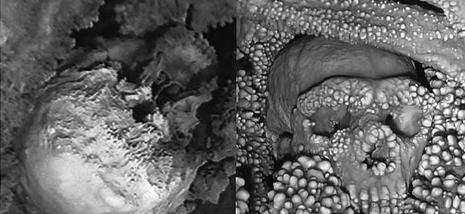
In Italy in the early 1990s, local explorers were investigating a limestone cave system better known to farmers and hikers than to paleoanthropologists. Deep inside, they came across a skeleton partially encased in mineral deposits, its skull and bones literally fused to the cave walls by dripping calcite. The find was not planned as a major scientific expedition; it began as ordinary cave exploration in a familiar landscape.
When researchers examined the remains, they realized they were looking at one of the most complete Neanderthal skeletons ever found, preserved in situ like an eerie prehistoric sculpture. Detailed study of the bones and the cave environment has provided rare insights into Neanderthal anatomy, health, and the geological processes that can preserve a body for well over a hundred thousand years. It also challenged some older stereotypes about Neanderthals by adding nuance to how robust, adaptable, and widespread they really were across Europe.
5. The Liaoning Fossil Beds: Farmers Turning Up Feathered Dinosaurs
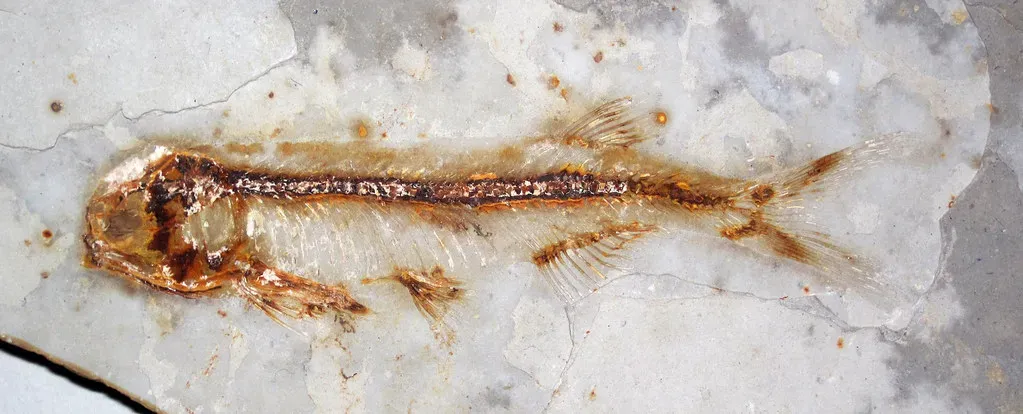
In northeastern China, villagers had long been digging fine-grained slabs of stone for practical uses, sometimes selling unusual pieces to collectors without much thought about their scientific value. In the 1990s, a series of these casually unearthed slabs turned out to contain stunning fossils of small dinosaurs and early birds, some preserved with delicate impressions of feathers. Many of the first specimens reached scientists only after being found and handled by local farmers.
These discoveries flipped a long-running debate about the origin of birds and the appearance of feathers. Instead of seeing feathers as something that appeared suddenly in true birds, researchers were now looking at a spectrum of feathered dinosaurs, blurring the line between bird and non-bird. This accidental pipeline from farm fields to labs forced a rewrite of the dinosaur family tree and made it clear that feathers evolved in stages, probably serving functions like insulation or display long before flight.
6. The Taung Child: A Quarry’s “Odd Skull” That Reframed Human Origins
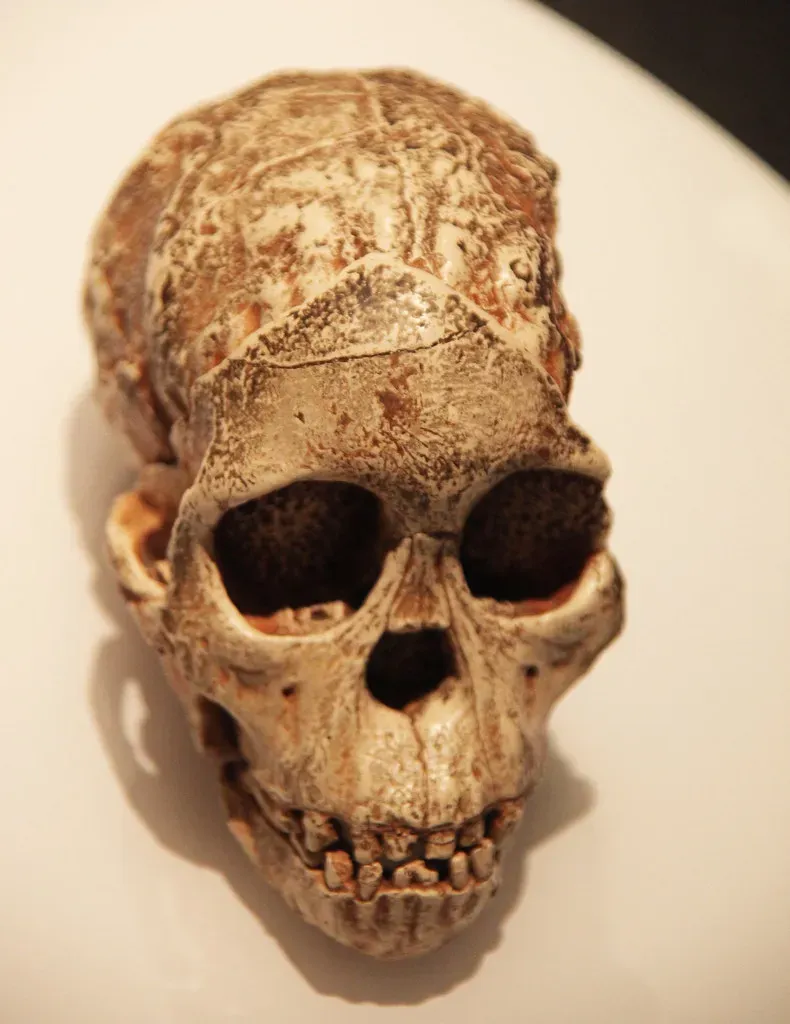
In South Africa in the 1920s, workers at a limestone quarry were blasting rock for industrial use, not searching for fossils. Among the rubble, someone noticed a small, unusual skull with teeth that did not match any familiar animal. The fragment was eventually passed along to a scientist who realized it belonged to a young hominin, a species later named Australopithecus africanus, combining ape-like and human-like traits in a single tiny face.
This unplanned discovery jolted the scientific world, which was still invested in the idea that human evolution had played out mainly in Europe or Asia. The Taung Child supported the argument that Africa was the cradle of humankind and that our lineage had deep roots on that continent. It also showed that bipedal, small-brained hominins existed long before modern humans, undermining tidy, brain-first models of evolution that had dominated earlier thinking.
7. The Messel Pit: An Abandoned Oil Shale Mine Becomes a Fossil Treasure
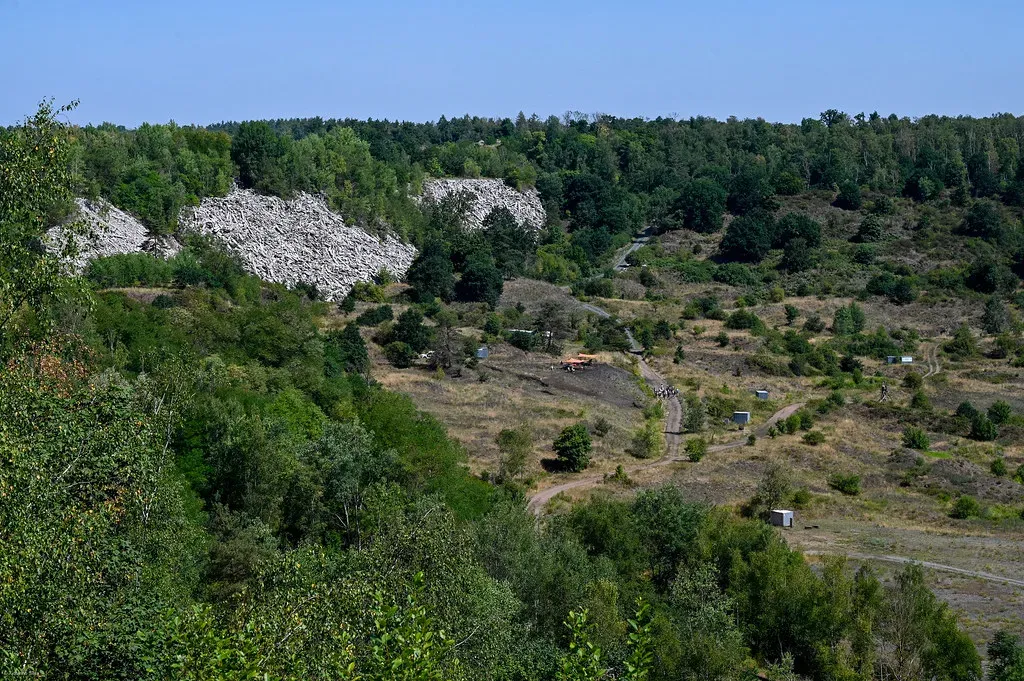
Near a small German town, an old oil shale quarry was once earmarked for use as a landfill, not a scientific landmark. When paleontologists began looking more closely at the site in the twentieth century, they realized the fine sediments in the pit preserved entire ecosystems from roughly fifty million years ago. The shift from industrial site to fossil treasure began very much by chance, sparked by people noticing how unusually detailed the fossils were.
What scientists found there dramatically changed ideas about early mammal-dominated ecosystems after the age of dinosaurs. The Messel fossils include complete skeletons of early horses with stomach contents intact, birds with feathers, bats, crocodiles, and countless plants and insects. This snapshot revealed complex food webs and behaviors in unexpected detail, challenging simplistic images of a slow, dull recovery after the dinosaur extinction and showing that life rebounded into rich, diverse communities far more quickly than many had assumed.
8. A Mammoth in a Construction Site: Urban Development Meets the Ice Age
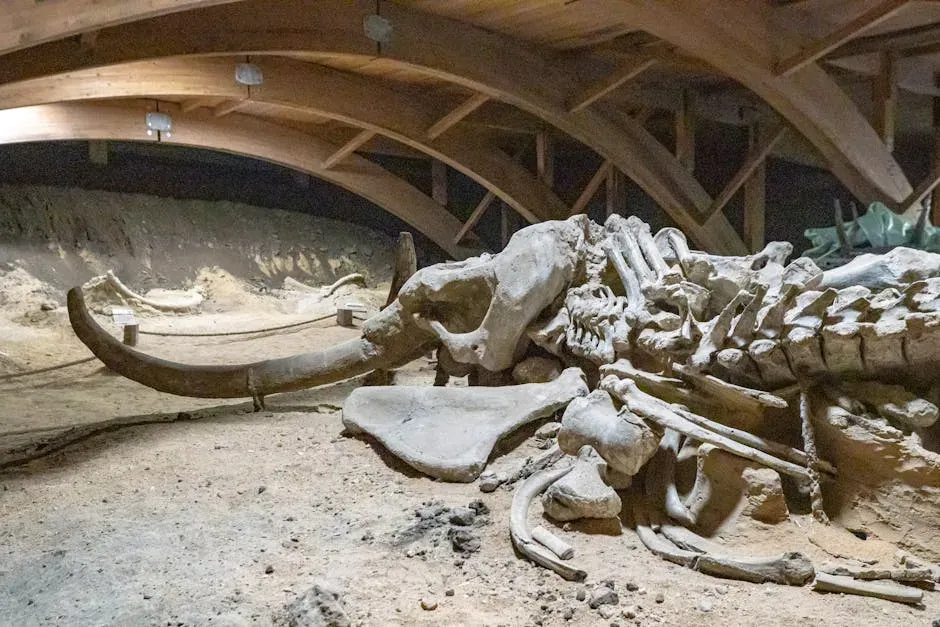
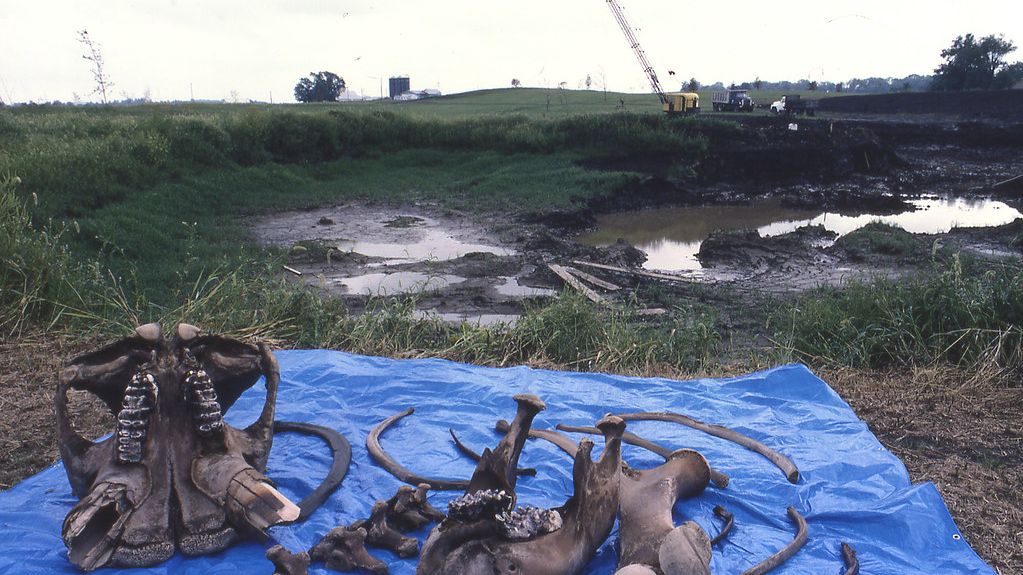
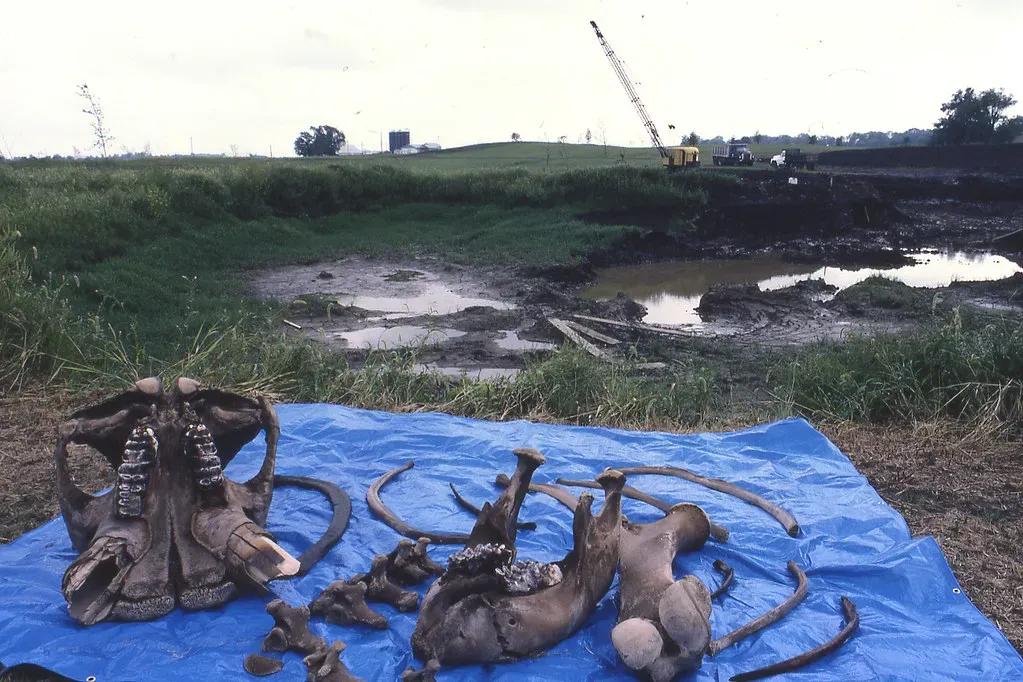
All around the world, construction projects occasionally bite into the past in a very literal way. In cities and suburbs, workers digging foundations or roadbeds have unexpectedly uncovered mammoth tusks, giant ground sloth bones, and other Ice Age remains. These finds usually start as a puzzling chunk of bone in a backhoe bucket, spotted by someone curious enough to speak up instead of tossing it aside.
Such accidental urban discoveries have repeatedly updated scientists’ understanding of where large Ice Age animals lived, migrated, and eventually vanished. They often reveal that huge mammals roamed regions now covered with neighborhoods, warehouses, or highways, complicating earlier maps based only on rural or well-known fossil localities. In some cases, they also provide fresh material for studying climate change, extinction patterns, and even how early humans may have interacted with these animals. It is a quiet but powerful reminder that prehistory is still literally under our feet, even in places we think we know well.
Conclusion: Chance Finds, Big Shake-Ups, and Why Prehistory Is Never “Finished”
What all these stories have in common is not just luck, but what happens after luck. A farmer, a quarry worker, or a bored explorer notices something that does not quite fit, and instead of ignoring it, they ask a question. Personally, I find that deeply reassuring: our picture of prehistory is not a closed museum exhibit, it is more like a living detective case where any one of us might stumble over the next clue. The fact that some of the most important fossils in history turned up in mines, road cuts, and farm fields makes the ancient world feel a lot closer and more fragile.
From feathered dinosaurs to early hominins, these chance discoveries have repeatedly proved that science is willing to admit when it was wrong and start over with better evidence. That willingness to rewrite the story, even when it hurts old theories, is exactly what makes the field exciting rather than static. In my opinion, the real lesson is that we should stay suspicious of any neat, final story about the deep past, because the next random find can always upend it. The Earth is still editing its own history in front of us, one accidental discovery at a time – which makes you wonder, what buried surprise might be waiting just beneath the next place we dig?