If you zoomed out on Earth’s history to watch it like a movie, it wouldn’t look like a calm, slow documentary. It would feel more like a chaotic, big-budget disaster film where continents crash, skies darken, oceans boil, and entire branches of life vanish almost overnight. The wild part is that every time nature hit the reset button with a colossal catastrophe, evolution responded by reinventing life in ways no one could have predicted.
In this article, we’ll walk through eight of the most world‑shattering prehistoric disasters we know about – events so extreme they didn’t just wipe the slate clean, they changed the rules of the game. Some of them killed off nearly everything; others opened up opportunities that eventually led to things like birds, mammals, flowers, and yes, humans. It’s a humbling reminder that our entire existence hangs on a long chain of cosmic accidents and geological meltdowns. Ready to find out just how close the story of life came to ending, multiple times?
The Great Oxidation Event: When oxygen turned toxic
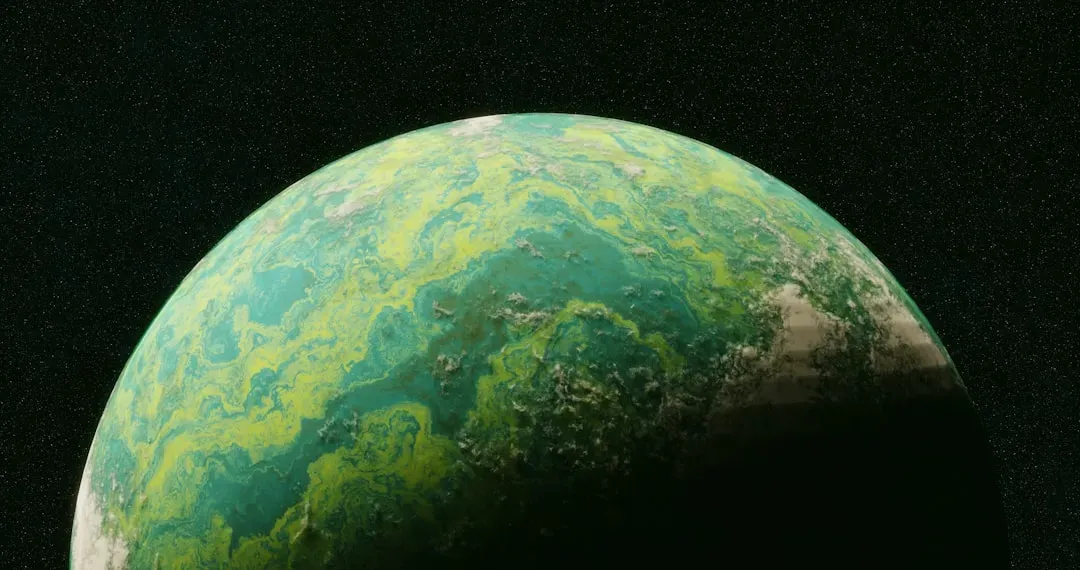
Imagine a world where oxygen – the gas we depend on with every breath – is the deadliest poison on the planet. That was early Earth more than two billion years ago, long before animals, plants, or even complex cells existed. The oceans were ruled by microbes that thrived in environments with almost no oxygen, while the atmosphere was dominated by gases like methane. Then came photosynthetic microbes, similar to modern cyanobacteria, quietly releasing oxygen as a waste product into the oceans and, eventually, the air.
Over millions of years, this oxygen built up to the point where it triggered what scientists call the Great Oxidation Event. For many anaerobic organisms, oxygen was lethal, and this massive chemical shift likely caused one of the earliest global mass die‑offs. At the same time, oxygen allowed new biochemical pathways to evolve, making it possible for cells to extract far more energy from food. That extra energy eventually powered the evolution of complex cells and, much later, animals, turning what started as a planetary‑scale poisoning into one of the most important evolutionary turning points in history.
Snowball Earth: When the planet nearly froze solid
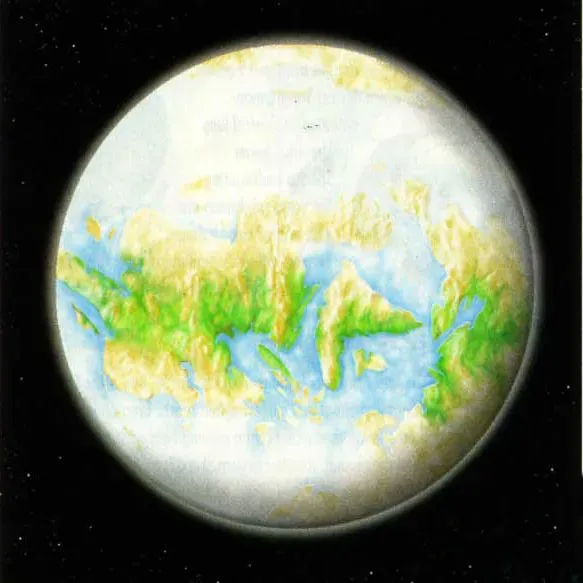
Several times in the deep past, Earth may have come frighteningly close to becoming one big ice cube from pole to pole. During so‑called Snowball Earth episodes in the Proterozoic Eon, ice sheets may have spread nearly to the equator, reflecting sunlight back into space and locking the planet into a deep freeze. Oceans were covered by thick ice, and any surviving life likely clung on in thin bands of open water, hydrothermal vents, or melt zones near volcanoes. It was a world that, on paper, looks almost too hostile for complex evolution to continue.
And yet, when these glaciations finally ended, the aftermath seems to line up with an explosion of biological creativity. As volcanoes pumped out carbon dioxide, the intense greenhouse effect melted the ice and flooded the oceans with nutrients from glacial erosion. This harsh bottleneck likely wiped out many existing lineages but opened ecological space for new ones to radiate. Not long after these icy catastrophes ended, we start to see the rise of larger, more complex multicellular organisms, suggesting that nearly freezing the planet may have set the stage for the first experiments in large‑scale animal life.
The Cambrian substrate and oxygen revolutions: When the seafloor got dangerous
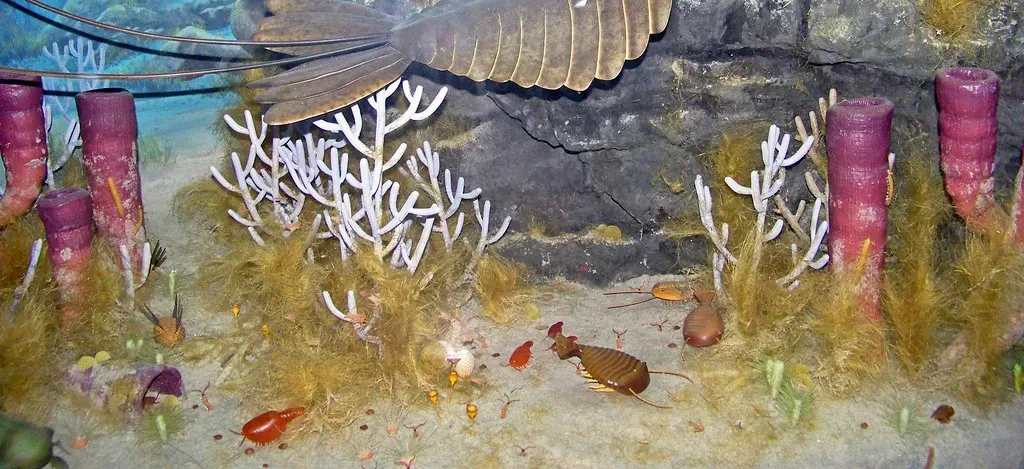
The Cambrian Period is often described as an evolutionary explosion, but before life could suddenly diversify, the environment had to be shaken up dramatically. Increasing oxygen levels and changes in ocean chemistry transformed the seafloor from a relatively stable, microbial mat–covered landscape into a more dynamic, disturbed environment. Early burrowing animals began to churn up sediments, breaking apart those mats and releasing nutrients, as well as changing how oxygen penetrated the sea bottom. This “substrate revolution” forced many organisms to adapt or disappear as their once‑predictable habitat was literally dug out from under them.
At the same time, higher oxygen levels likely supported more active lifestyles, larger body sizes, and the evolution of hard parts like shells and exoskeletons. Predation kicked into high gear, turning ancient seas into something much closer to a modern food web filled with hunters and prey. Instead of a gentle, static world of simple forms, the oceans became arenas of arms races – speed, armor, and sensory systems started to matter. This upheaval in both chemistry and physical environment helped flip life from mostly small and simple to diverse, complex, and surprisingly recognizable compared to today.
The Late Ordovician mass extinction: Ice, sea‑level crash, and a shattered marine world
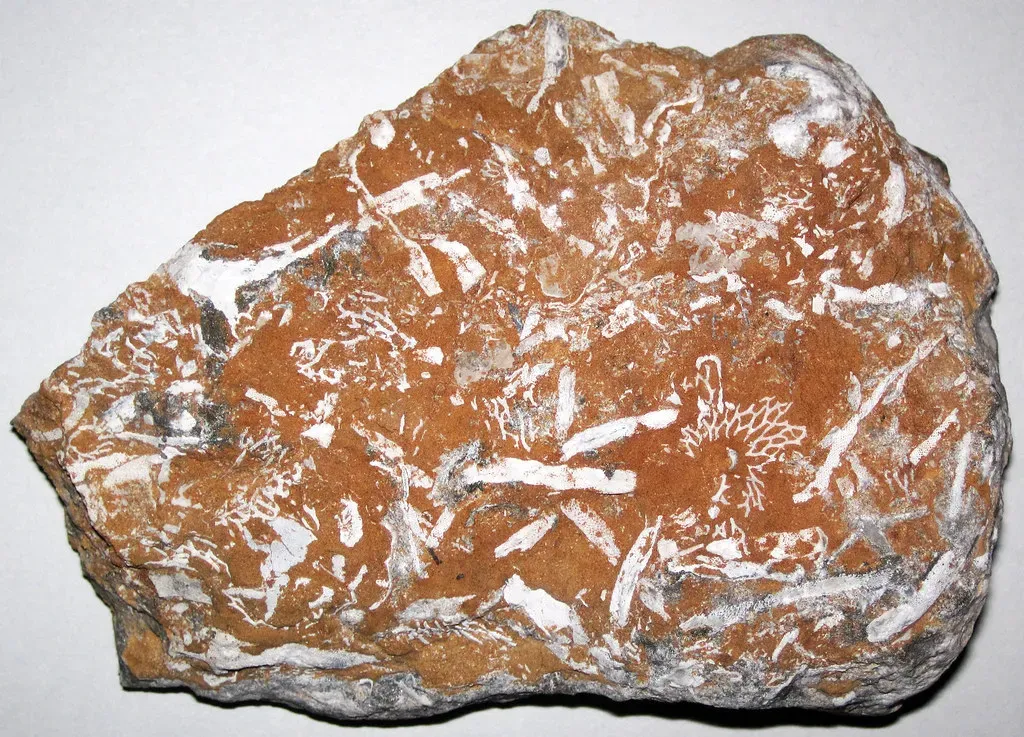
Roughly in the late Ordovician Period, long before dinosaurs or forests, shallow seas wrapped much of the planet and were packed with trilobites, brachiopods, and bizarre early fish. Then the climate dramatically shifted. A major glaciation event locked huge amounts of water into ice at the poles, causing sea levels to drop sharply. Vast shallow marine habitats that had been nurseries for life suddenly dried up or turned into harsh, cold environments. Many species simply could not adapt to that rapid loss of habitat.
As the ice later melted, sea levels rose again, bringing further environmental chaos through changes in temperature, salinity, and ocean circulation. The result was one of the earliest known “big five” mass extinctions, wiping out a large share of marine species. Yet in the ecological vacuum that followed, survivors evolved along new paths and filled newly available niches. Early jawed fishes began to rise in importance, and the foundations were laid for later, more complex marine ecosystems. The Ordovician crisis reminds us that even seemingly small shifts in climate and sea level can redraw the entire map of life.
The Permian–Triassic “Great Dying”: When almost everything was wiped out
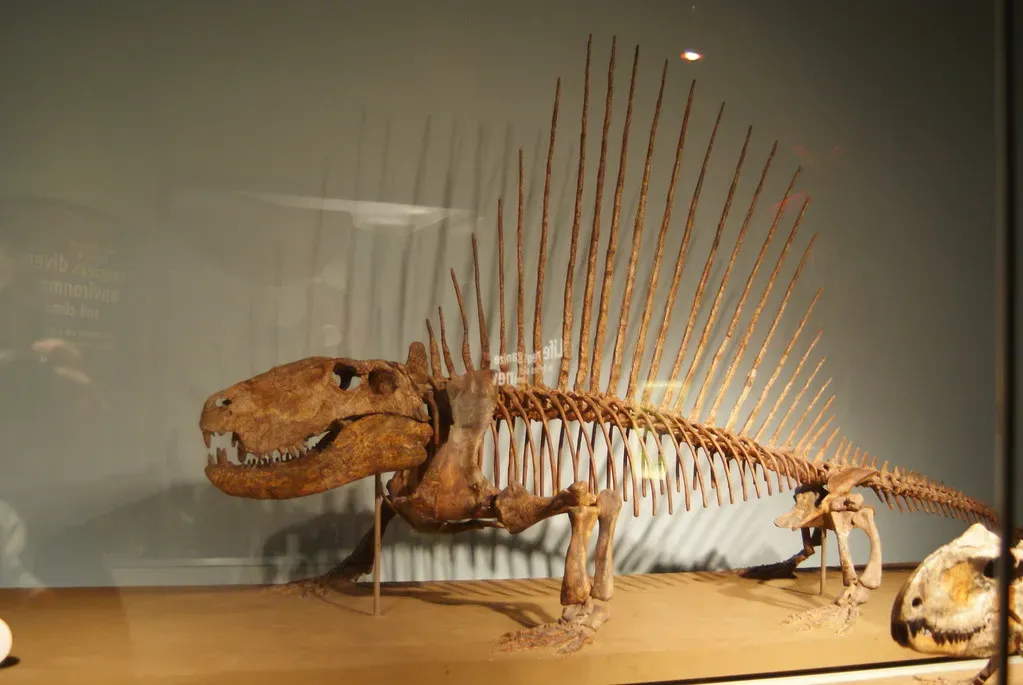
If prehistoric disasters had a world champion, the Permian–Triassic extinction event would be it. Around about a quarter of a billion years ago, Earth went through a nightmare scenario, likely driven by massive volcanic eruptions in what is now Siberia. These eruptions pumped out immense amounts of greenhouse gases, heating the planet, acidifying the oceans, and possibly depleting oxygen in both sea and air. Estimates vary, but scientists generally agree that the vast majority of marine species and a huge fraction of land species disappeared during this catastrophe.
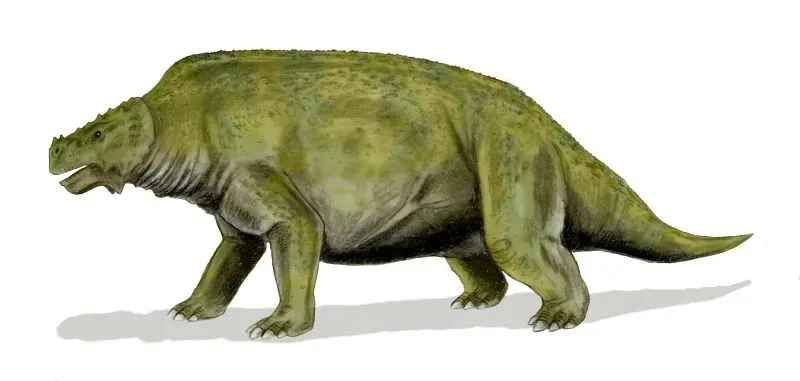
On land, lush ecosystems of synapsid “mammal‑like reptiles” collapsed, and in the oceans, iconic groups like trilobites vanished for good. This was not a quick extinction; it seems to have involved waves of environmental stress over hundreds of thousands of years, repeatedly slamming already weakened ecosystems. Yet from this wreckage, new evolutionary players emerged. In the following Triassic Period, the stage was suddenly wide open for lineages that would eventually give rise to dinosaurs, crocodile relatives, and the first true mammals. As brutal as it was, the Great Dying cleared the board and reshuffled evolution in a way that still shapes life today.
The Triassic–Jurassic upheaval: Opening the door for dinosaur dominance
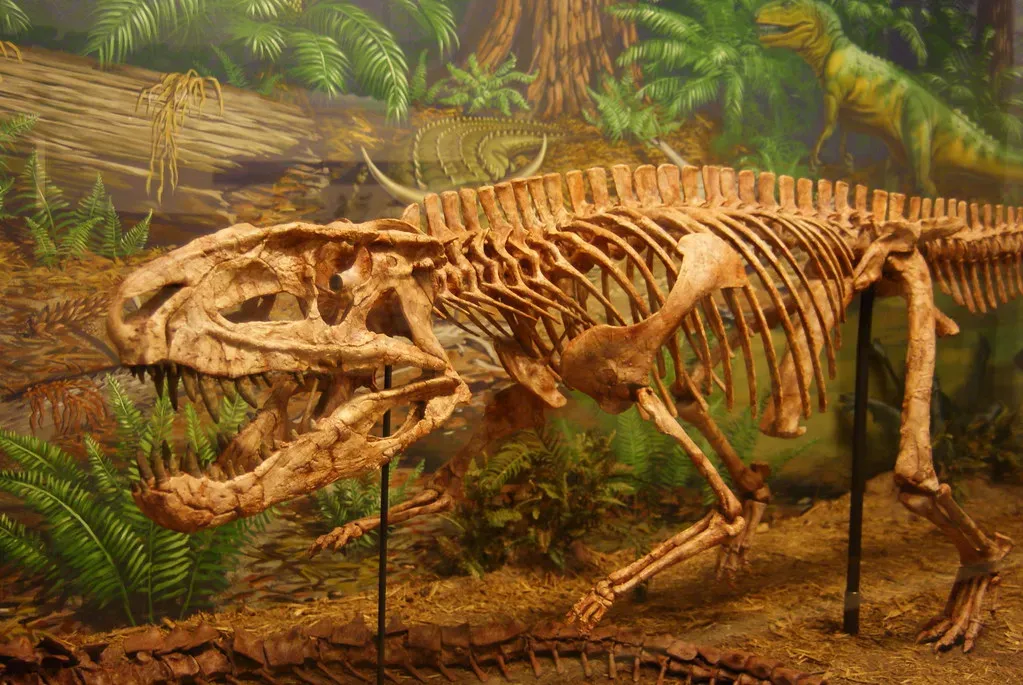
By the end of the Triassic Period, Earth was a supercontinent world, with Pangaea stretching from pole to pole and climates swinging between extreme heat and seasonal dryness. Ecosystems were already under strain when another wave of massive volcanic activity struck, likely linked to the breakup of Pangaea and the opening of the Atlantic. These eruptions released huge volumes of carbon dioxide and other gases, driving rapid climate shifts and ocean stress. Many large reptile groups that had dominated Triassic landscapes could not handle the chaos and went extinct.
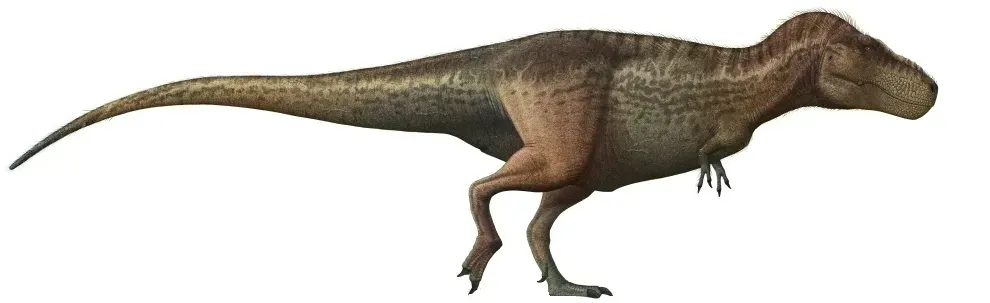
Those losses, however, created an opening for a previously modest group: the dinosaurs. While already present in the Triassic, dinosaurs were not yet the ruling giants we picture from museum halls. After the Triassic–Jurassic extinction, with many competitors gone, they expanded into new roles – top predators, giant plant‑eaters, and everything in between. Over the next hundred million years or so, they became the headline act of the Mesozoic Era. This disaster illustrates a recurring pattern in evolution: catastrophe does not just remove species, it rearranges who wins, who loses, and who suddenly gets a chance to take over.
The Chicxulub impact: The day the non‑avian dinosaurs’ luck ran out
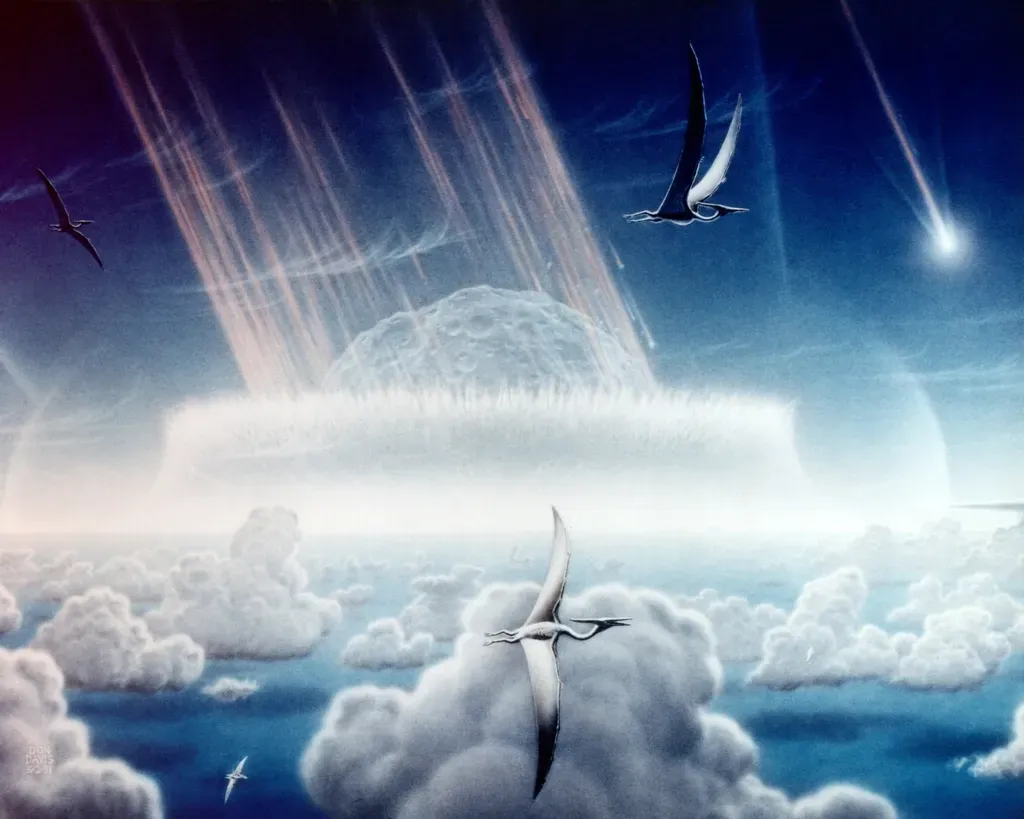
Sixty‑six million years ago, an object from space slammed into what is now the Yucatán Peninsula with unimaginable force. The impact blasted a huge crater, vaporized rock, and sent debris high into the atmosphere. Within hours to days, global firestorms, mega‑tsunamis, and shockwaves would have ravaged the planet. Over the following months and years, dust, soot, and aerosols likely blocked sunlight, collapsing food chains on land and in the oceans. Large animals that depended on stable, abundant plant life and prey were hit especially hard.
This event spelled the end for all non‑avian dinosaurs, along with many marine reptiles, flying reptiles, and numerous ocean species. But it did not wipe the slate totally clean. Small, adaptable creatures – especially mammals and some birds – were better suited to eking out a living in the devastated post‑impact world. With the dominant dinosaurs gone, mammals began to diversify into roles that had been off‑limits for more than a hundred million years: large herbivores, apex predators, and eventually primates. From an evolutionary point of view, that single violent day helped set in motion the long, winding path that led to humans walking the Earth.
The Paleocene–Eocene Thermal Maximum: When the world overheated and mammals reinvented themselves
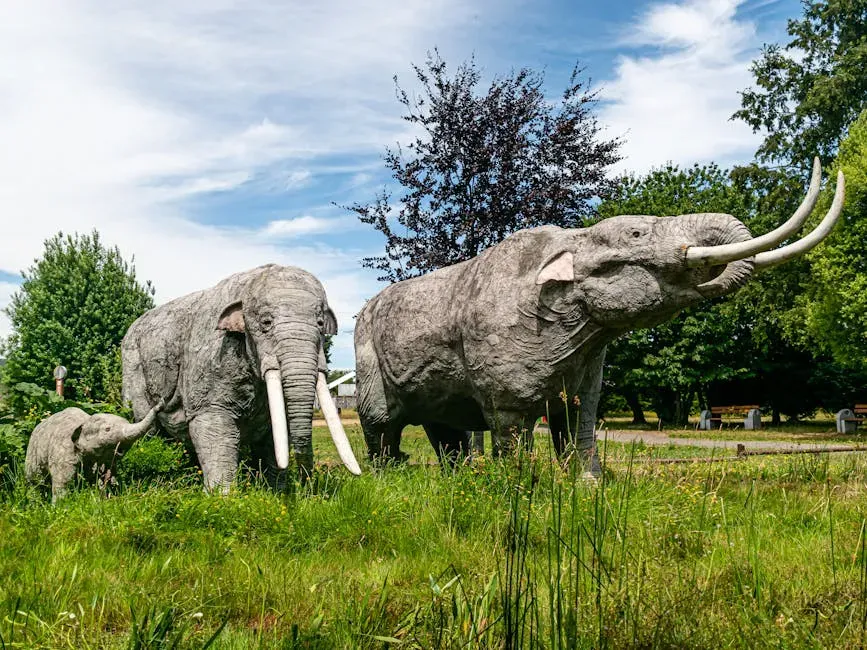
About fifty‑six million years ago, long after the big dinosaur‑killing impact, Earth experienced a different kind of disaster: a sudden and dramatic burst of global warming known as the Paleocene–Eocene Thermal Maximum. Huge amounts of carbon, likely from volcanic activity, destabilized sediments, or both, were released into the atmosphere and oceans over a geologically short time. Temperatures rose significantly, polar regions warmed, and ocean chemistry changed in ways that stressed many marine organisms, especially those that build shells from calcium carbonate.
On land, this intense warming reshaped ecosystems, shifting forests poleward and altering rainfall patterns. Instead of a mass extinction on the level of the big five events, this was more of a massive re‑sorting of life. Many mammal groups responded with rapid evolution, diversifying in body size, diet, and lifestyle. Early relatives of horses, primates, and other modern groups adapted to new habitats and climates, taking advantage of changing vegetation and open pathways between continents. This hot shock to the system did not end life, but it did redirect the evolutionary trajectory of mammals in ways that still echo in today’s biodiversity.
Conclusion: Catastrophe as the hidden architect of life
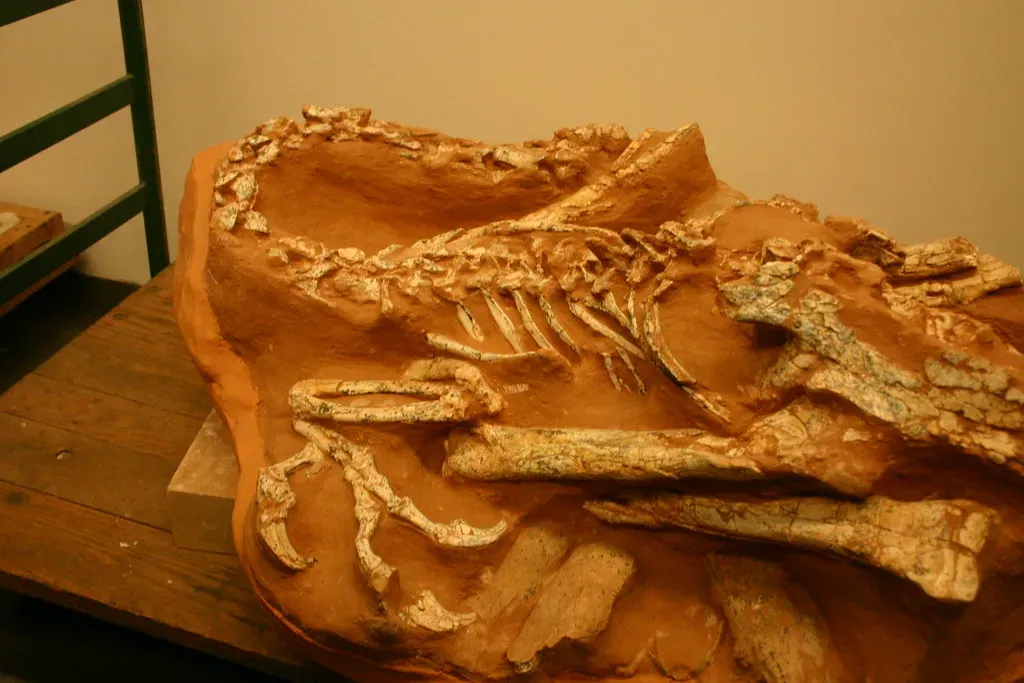
Looking back at these eight disasters, it’s tempting to see them purely as tragedies – mass deaths, ruined ecosystems, near‑misses for life itself. And they were, in every sense, catastrophic. But if we zoom out, a more unsettling and fascinating truth appears: without these upheavals, the world, and we, would be unrecognizable. Oxygen would not dominate our air, complex animals might never have taken over the seas, dinosaurs might still overshadow mammals, and humans almost certainly would not be here to tell the story. In a very real way, we are the unlikely children of global crises.
To me, that makes Earth’s history feel less like a peaceful march of progress and more like a survivor’s tale written in rock and bone. Catastrophes brutally prune the tree of life, but they also clear space for new branches to grow in strange, unexpected directions. That does not make them good or desirable, especially from the viewpoint of the countless species that vanished, but it does make them central to how evolution actually works on a planetary scale. The uncomfortable question it leaves us with is simple and haunting: in the long run, will the biggest disaster shaping the next chapter of evolution be one the planet does to us – or one we bring on ourselves?