Picture yourself diving into the deep blue, where sunlight barely penetrates and the water grows colder with every meter. Now imagine that same ocean hundreds of millions of years ago, when creatures far stranger and deadlier than anything alive today prowled the depths. These weren’t the sharks and whales we know. They were something else entirely.
Long before humans walked the earth, our planet’s oceans hosted a spectacular array of nightmarish predators that would make even the bravest swimmer think twice. Some had necks longer than a giraffe’s. Others wielded jaws that could crush bone like a biscuit. Let’s dive in and meet these ancient terrors.
Mosasaurus: The Ocean’s Ultimate Apex Predator
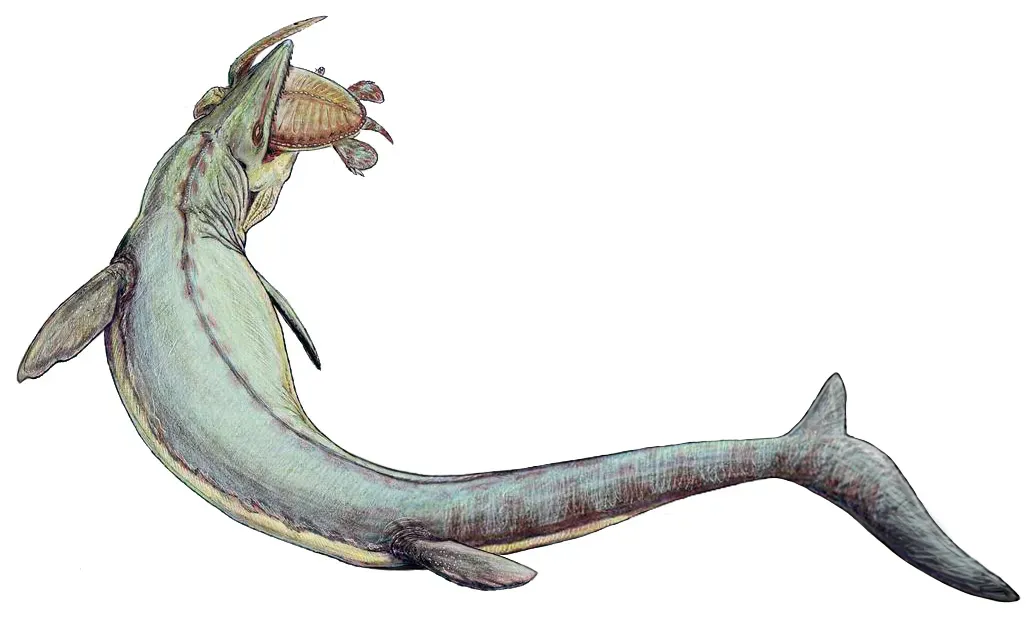
You’ve probably seen this beast terrorize audiences in certain dinosaur movies, yet Mosasaurus was a common large predator positioned at the top of the food chain, with a diet that included virtually any animal including bony fish, sharks, cephalopods, birds, and other marine reptiles. Think of it as the ocean’s ultimate opportunist.
These massive reptiles reached lengths between 35 to 60 feet, making them comparable in size to modern sperm whales. As the apex predator of the Late Cretaceous oceans, Mosasaurus reached around 11 meters in length and weighed roughly 3.8 metric tons. What made them especially fearsome was their streamlined body design and powerful paddle-like tail that propelled them through ancient seas with shocking speed.
Mosasaurs breathed air and were powerful swimmers, so well-adapted to living in warm, shallow inland seas that they most likely gave birth to live young rather than returning to shore to lay eggs. The fact that some mosasaurs actually practiced cannibalism speaks volumes about their savage nature. These creatures didn’t just dominate their ecosystem – they rewrote the rules.
Megalodon: The Shark That Redefined Terror
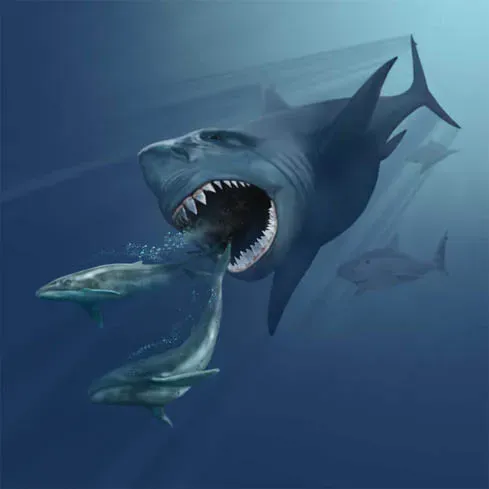
Let’s be real, if there’s one prehistoric predator that captures our collective nightmares, it’s Megalodon. This extinct shark became extinct roughly 3.6 million years ago during a time when our planet was plunged into a series of long ice ages, but its legend lives on in our imagination.
Armed with rows of serrated teeth that could be up to 18 centimeters long, the shark was capable of crushing bone and tearing through flesh with a whopping 40,000 psi bite. That’s more than enough to turn a sea cow into an afternoon snack. With an estimated mass of around 61.6 metric tons, Megalodon was essentially a swimming freight train with teeth.
What’s fascinating is that despite popular ideas that Megalodon coexisted with dinosaurs, they lived from 25 to 1.5 million years ago, meaning they missed the last dinosaur by 40 million years but might have still been around for the first humans. Imagine our early ancestors spotting that silhouette in the waves. Absolutely terrifying, honestly.
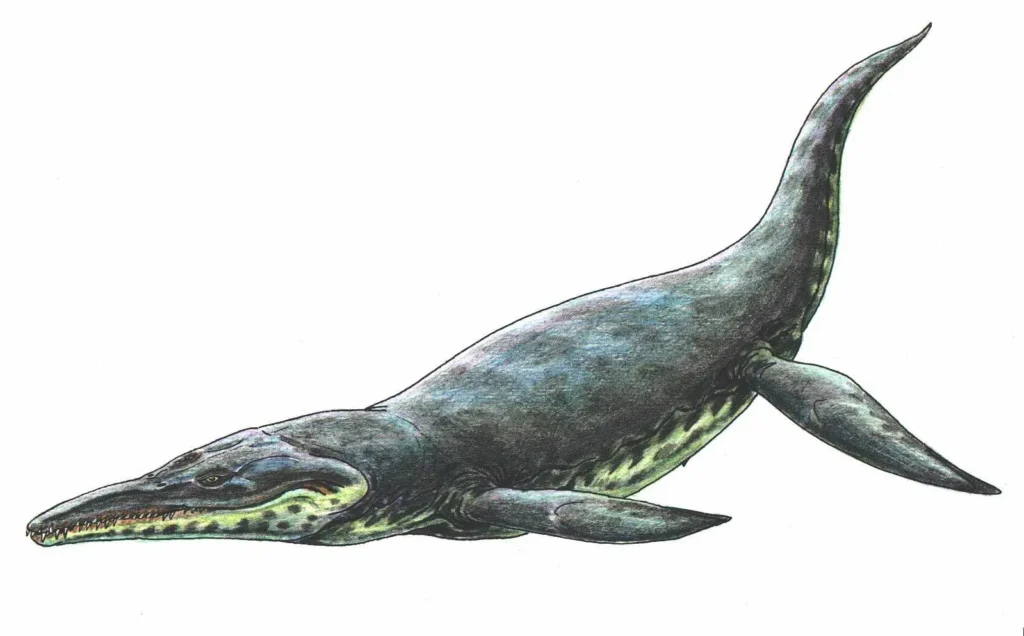
Kronosaurus: The Titan with Bone-Crushing Power
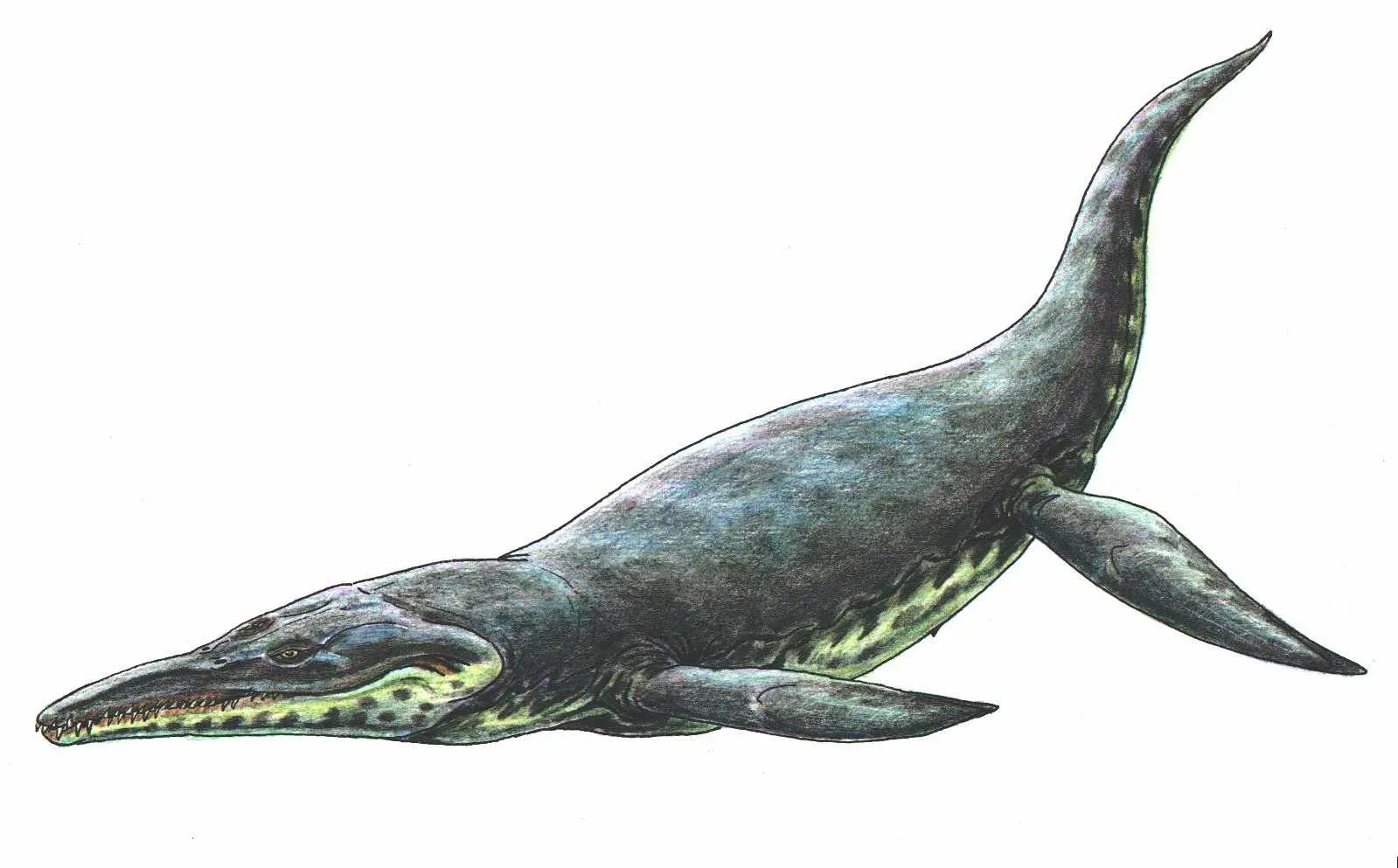
Named after Kronos, the ruler of the Greek Titans, Kronosaurus was a truly formidable prehistoric sea creature that dominated the oceans during the early Cretaceous period, reaching lengths of up to 10 meters as an apex predator in the waters around Australia and Colombia. This wasn’t just another marine reptile – it was a nightmare wrapped in scales.
Its enormous skull measured 2.7 meters long and was filled with rows of teeth 30 centimeters long, perfect for seizing and tearing into prey. Estimates of its bite force suggest the animal would have reached between 15,000 to 27,000 newtons, which exceeded the bite force of most living animals. It could crunch through turtle shells and plesiosaur bones with disturbing ease.
Fossil evidence shows that Kronosaurus preyed on sea turtles and other plesiosaurs, making it clear this beast didn’t discriminate when dinner time rolled around. It’s hard to say for sure, but there’s something uniquely chilling about a predator that feasts on other predators.
Liopleurodon: The Ambush Artist of Jurassic Seas
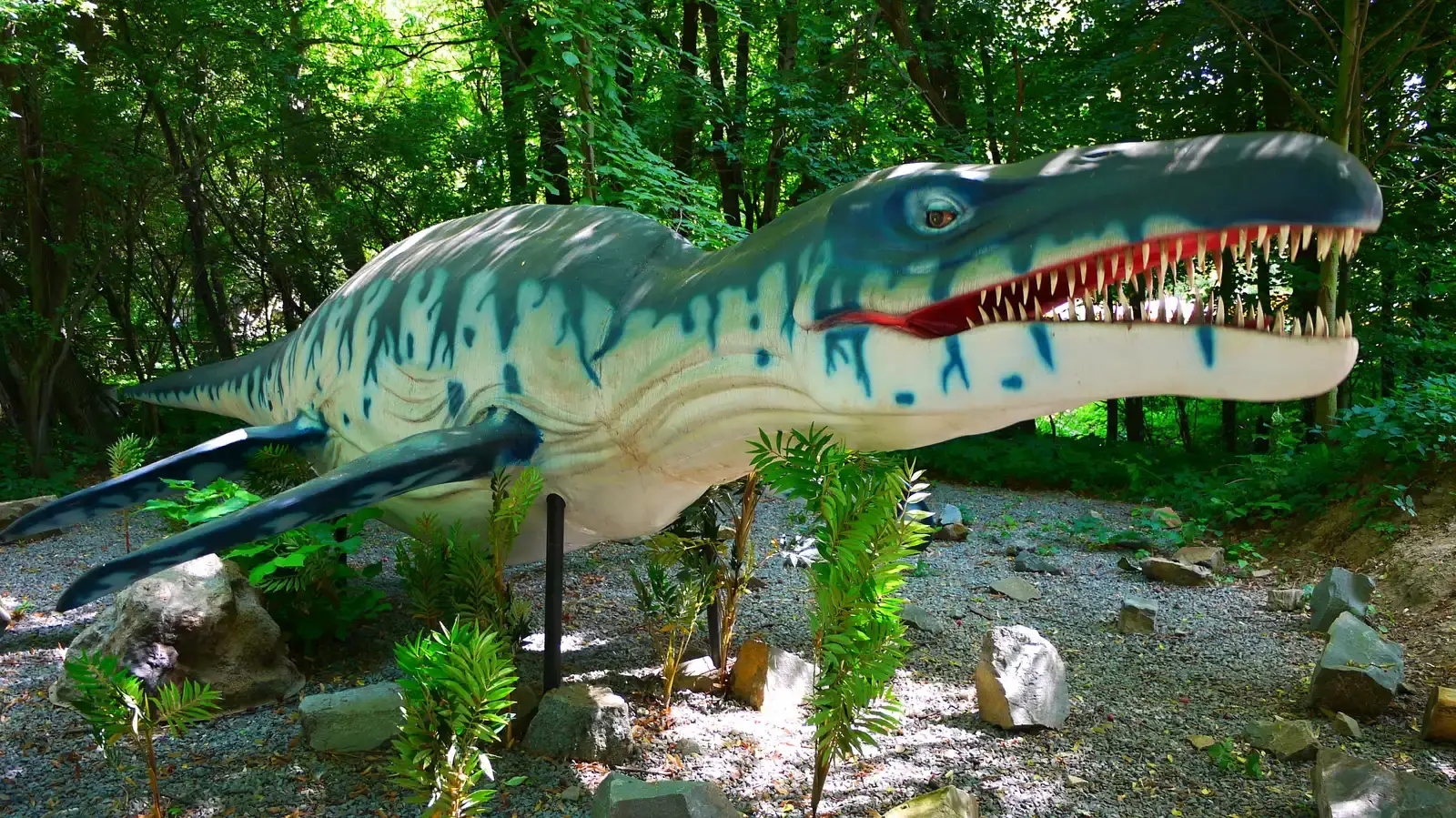
Here’s the thing about Liopleurodon: it’s been wildly exaggerated in popular culture. While depicted as reaching 25 meters in the BBC documentary Walking with Dinosaurs, different specimens show the animal could reach a size ranging from 4 to 8 meters long, with some researchers estimating a maximum length of approximately 10 meters. Still formidable, just not quite the kaiju some made it out to be.
Various studies show that Liopleurodon would have been an ambush predator, feeding on fish, cephalopods and other marine reptiles. Its four-flipper mode of propulsion provided very good acceleration – a desirable trait in an ambush predator – and studies of the skull showed it could probably scan the water with its nostrils to ascertain the source of certain smells. Essentially, this creature could smell you coming from a distance, then strike before you knew what hit you.
What makes Liopleurodon fascinating is its hunting strategy. Rather than chasing prey across vast distances, it relied on stealth and explosive bursts of speed to capture meals.
Dunkleosteus: The Armored Fish with a Guillotine Mouth
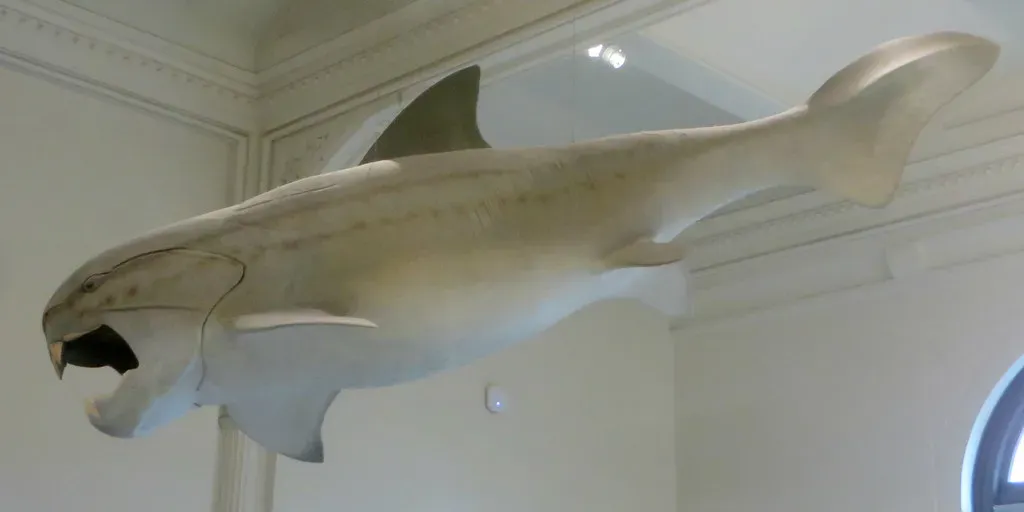
Dunkleosteus was an extinct genus of large arthrodire fish that existed during the Late Devonian period about 382 to 358 million years ago, inhabiting open waters as one of the first vertebrate apex predators of any ecosystem. This creature looked like something designed by a horror movie committee.
Here’s where it gets wild: like all placoderms, Dunkleosteus was toothless, but its armored jaw plates formed massive self-sharpening blades. Biomechanical modeling suggested this mechanism allowed it to achieve high bite forces, estimated at up to 7,495 newtons, which would be considered among the highest of any living or fossil fish. That’s comparable to a T-rex chomping down on prey.
Juveniles fed on largely soft-bodied animals, while adults dined on everything from hard-shelled ammonites and small armored fish to other Dunkleosteus, with specimens showing damage consistent with bites from another Dunkleosteus. Cannibalism seems to be a recurring theme among apex predators, doesn’t it? The ocean’s version of “eat or be eaten” taken to its logical extreme.
Elasmosaurus: The Serpent-Necked Wonder
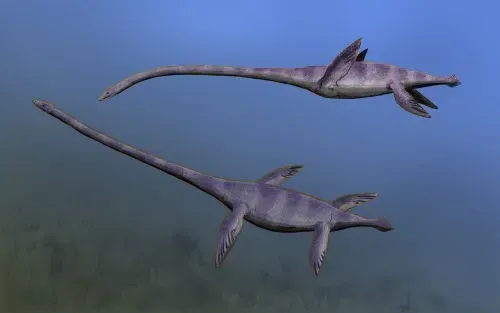
If you thought giraffes had long necks, meet Elasmosaurus. This plesiosaurid had as many as 76 vertebrae in its neck alone and reached a length of about 13 meters, fully half of which consisted of the head and neck. Imagine a creature that’s basically a snake attached to a turtle’s body with flippers.
Contrary to popular belief, its neck was not highly flexible and was likely used for efficient hunting in the depths of the ocean, with its small head being slender and triangular, housing large fangs at the front and smaller teeth towards the back. Scientists believe elasmosaurs were relatively slow-moving ambush predators that used their long necks and thin, pointed teeth to catch their prey.
This ancient marine reptile used energy-efficient hunting tactics, sweeping its protruding neck through shoals of fish to easily capture prey, with its thin, interlocking teeth preventing escape while swallowed fish were pulverized by gastroliths for digestion. It’s honestly impressive how evolution came up with such a bizarre yet effective design. What did you expect, though – the Mesozoic wasn’t known for playing it safe.
Pliosaurs: The Short-Necked Speed Demons
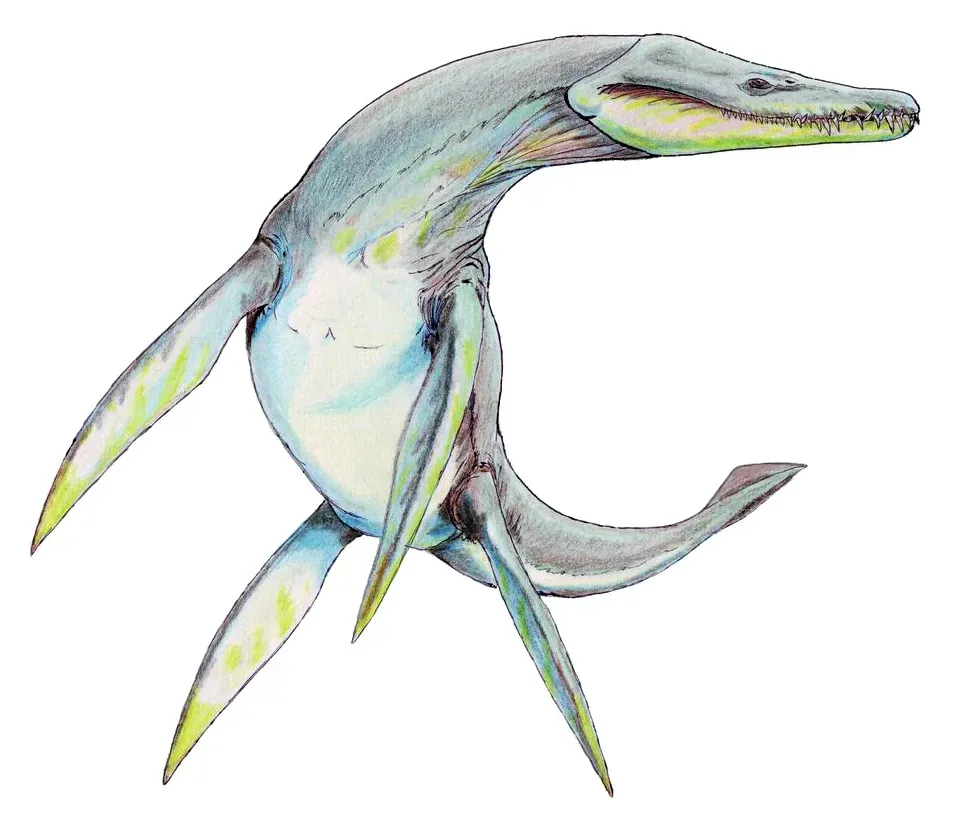
Pliosaurs were a group of large carnivorous marine reptiles characterized by massive heads, short necks, and streamlined tear-shaped bodies. Unlike their long-necked plesiosaur cousins, these predators traded reach for raw power and speed.
In terms of deadliest sea monsters in prehistoric times, pliosaurs take the crown, as both ichthyosaurs and pliosaurs were deadly predators but pliosaurs preyed on other marine predators including ichthyosaurs. They possessed powerful jaws and large teeth, using four large fins to swim through Mesozoic seas. Speed, power, and an appetite for fellow apex predators – pliosaurs were the ocean’s ultimate enforcers.
Some pliosaur species grew absolutely enormous. The diversity within this group shows just how successful the body plan was across millions of years and countless marine ecosystems. They essentially perfected the art of underwater assassination.
Ichthyosaurs: The Ocean’s Dolphins… But Bigger and Scarier
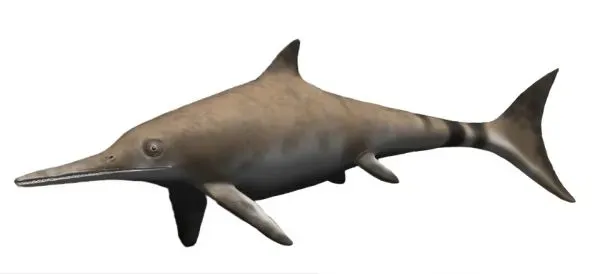
Ichthyosaurs had razor-sharp teeth, with the largest species being roughly the size of whales. Ichthyosaurs were an order of marine reptiles that existed in the Mesozoic era, and fossilized bones recently found in the Swiss Alps, estimated to be between 200 and 250 million years old, show these creatures weighed as much as 80 tonnes and measured more than 20 meters long, with bodies similar to modern-day dolphins despite being reptiles.
Some ichthyosaurs could swim at speeds of 40 kilometers per hour, making them some of the fastest predators in prehistoric oceans. They combined speed with size and predatory instincts, creating a package that few prey animals could escape. Their large eyes suggest they hunted in deep water where light was scarce, giving them yet another advantage over potential meals.
The convergent evolution between ichthyosaurs and modern dolphins is fascinating. Nature apparently figured out the optimal aquatic predator body plan and then ran with it across completely different evolutionary lineages separated by hundreds of millions of years.
Conclusion
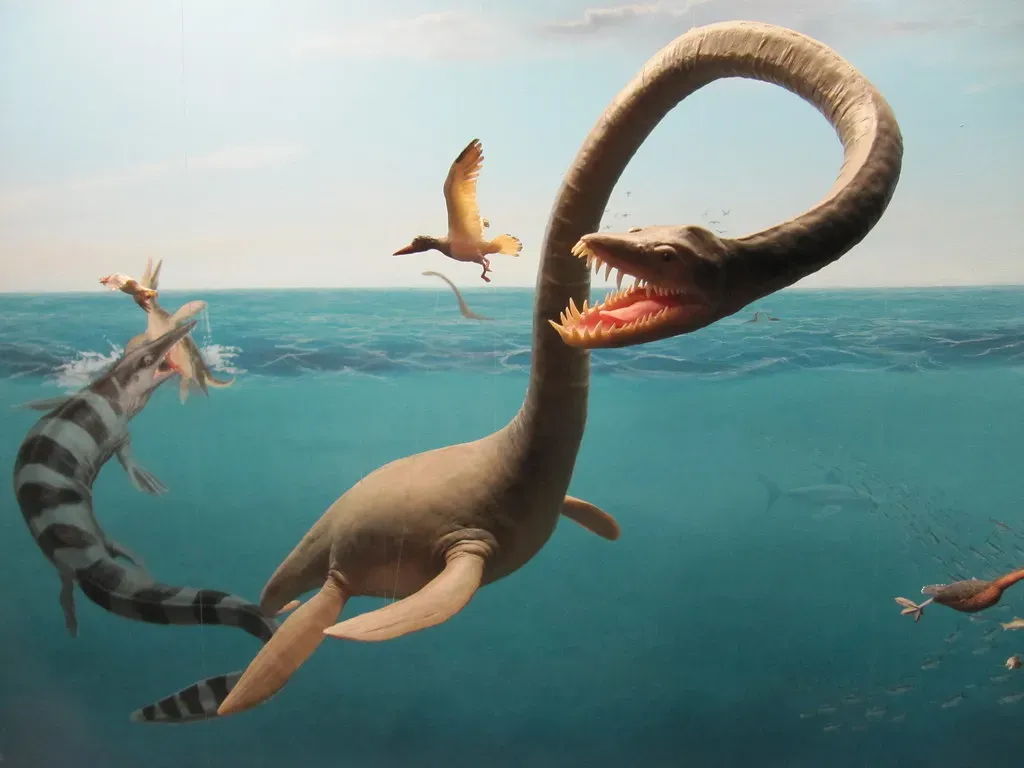
These eight prehistoric sea monsters remind us that Earth’s oceans were once far more terrifying than anything we face today. From the bone-crushing jaws of Kronosaurus to the serpentine neck of Elasmosaurus, each creature represents millions of years of evolutionary refinement toward the singular goal of surviving and thriving in a competitive, often brutal marine environment.
Sea monsters ruled the oceans for over 180 million years, far longer than modern humans have existed. They witnessed the rise and fall of countless other species, adapted to dramatic climate changes, and dominated nearly every marine ecosystem they encountered. Their extinction at the end of the Cretaceous period cleared the way for modern marine mammals to evolve and fill those vacant ecological niches.
What’s truly remarkable is how different each of these predators was from the others. Evolution didn’t just create one type of sea monster – it experimented endlessly, producing an astonishing variety of sizes, shapes, and hunting strategies. It makes you wonder what other incredible creatures might have existed that we’ve yet to discover in the fossil record. Did you expect the ancient oceans to be this wild? What would you do if you could travel back in time and observe these magnificent beasts in action?