
Have you ever walked away from a conversation feeling like something was off, even when everything the person said sounded perfectly fine? Maybe you couldn’t quite put your finger on it, yet your gut told you there was more to the story. That’s your instinct picking up on something most people overlook: body language. While we spend so much energy listening to words, the truth is often hiding in plain sight through gestures, postures, and micro-movements that happen without conscious thought.
Body language is a natural, unconscious language that broadcasts your true feelings and intentions, which is why it often reveals more than words ever could. Learning to decode these silent signals can transform how you understand others and navigate social situations. Whether you’re in a business negotiation, on a first date, or simply trying to read the room at a family gathering, the ability to interpret nonverbal cues gives you a powerful edge. So let’s dive into the eight most telling body language signals that expose what someone is really thinking.
Eye Contact That Lingers or Darts Away

Persistent eye contact signifies confidence and honesty, while constant darting of the eyes may hint at nervousness or deceit. Think about it. When someone maintains steady eye contact with you, they’re essentially saying, without uttering a word, that they’re comfortable, engaged, and have nothing to hide. It’s the kind of silent assurance that builds trust in seconds.
On the flip side, when someone’s eyes keep shifting away, it doesn’t automatically mean they’re lying. Sometimes it’s just nerves or discomfort. Still, watch for patterns. If their gaze keeps escaping yours during key moments of conversation, especially when discussing something important, your radar should go up. The intensity and duration of eye contact can determine someone’s intentions depending on the setting, and the eyes work as a relay for the brain itself, with the need to process and interpret information.
Context matters enormously here. Someone might avoid eye contact because they’re shy or culturally conditioned to view direct gaze as aggressive. Yet in most Western settings, eyes that won’t meet yours raise questions about authenticity.
The Direction Their Feet Are Pointing

Here’s something most people never think to notice: where someone’s feet are aimed. It sounds almost silly, yet it’s one of the most honest indicators of interest or intention. The direction that the body is facing indicates what the person is interested in, and body follows the mind.
If you are talking to someone while the other person’s entire torso is tilted away from you, this usually suggests that he is not interested in you and is looking forward to leave the conversation. Similarly, if the torso is tilted towards you and he directly faces you, it means that he is very much interested in you and wants to continue with the conversation with you. Pay attention next time you’re in a group conversation. The person whose feet point toward the exit? They’re mentally already halfway out the door.
This cue works because feet are the farthest from our conscious awareness. We control our facial expressions, we monitor our words, yet our feet just do their thing. That’s what makes them so revealing.
Micro-Expressions That Flash Across the Face

Micro-expressions are brief, involuntary facial movements that reveal true feelings. These fleeting expressions last only a fraction of a second but can provide valuable insights into a person’s emotional state. Honestly, unless you’re trained to spot them, these expressions happen so fast you might miss them entirely. They’re like the truth slipping through before the mask can be adjusted.
Someone might smile and nod while you’re speaking, yet for just a split second, you catch a flash of something else. Contempt, perhaps. Confusion. Maybe even fear. That momentary crack tells you more than the polite expression that follows. Micro-expressions are tiny, fleeting facial movements that reveal our true emotions, even when we try to hide them.
The challenge is you have to be paying close attention. In our distracted world where everyone’s half-listening while checking their phones, these subtle cues slip by unnoticed. The person who learns to catch them gains access to a hidden layer of communication most people never see.
Crossed Arms and Defensive Postures

You’ve probably heard that crossed arms mean someone is closed off or defensive. That’s often true, though it’s not always that simple. Crossed arms might signal defensiveness or discomfort. Sometimes people cross their arms simply because they’re cold or it’s a comfortable position. Yet when this posture appears suddenly during a conversation, especially when a touchy subject comes up, it’s worth noting.
This defensive stance creates a physical barrier between you and them, almost like a shield. The body is literally protecting itself. Combined with other signals, like turning slightly away or tightening the jaw, crossed arms become a clear sign that the person feels threatened or uncomfortable with what’s being discussed.
I’ve noticed in my own conversations that when someone’s arms unfold and their posture opens up, it usually means you’ve hit on something they’re comfortable with or that trust is building. The shift from closed to open posture can happen within minutes, and it’s one of the most satisfying nonverbal confirmations that you’re connecting.
Leaning In or Creating Distance
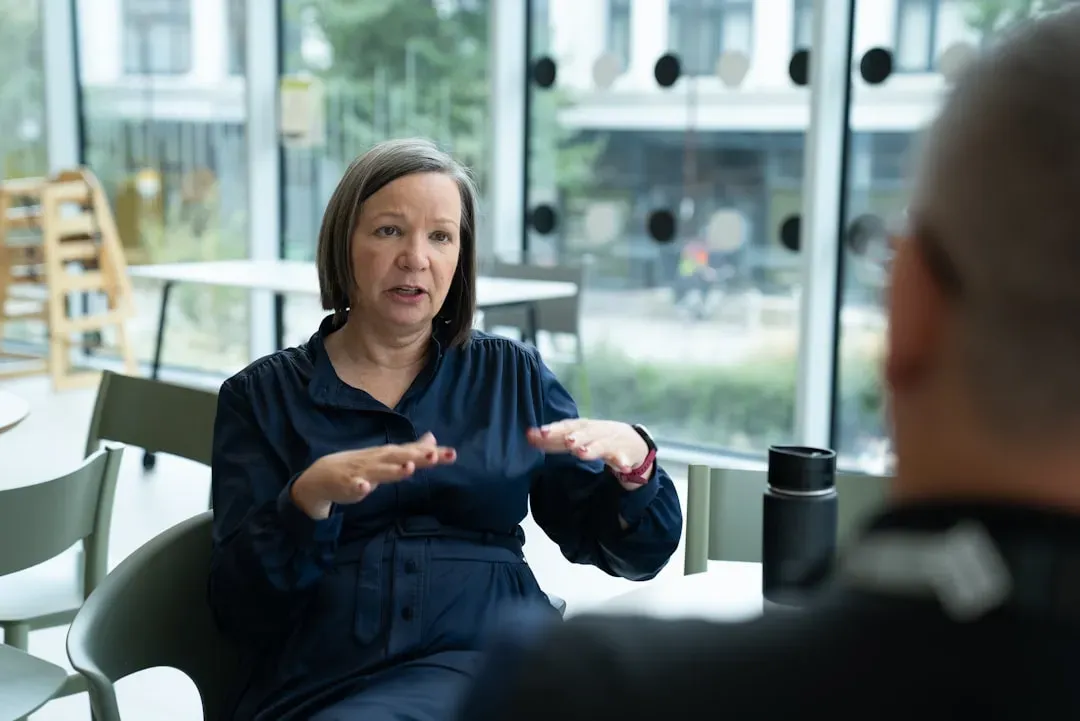
When someone leans toward their conversation partner, it signals they are invested in the interaction and paying close attention. This subtle body language movement often happens unconsciously. It’s one of those beautiful moments when the body reveals genuine interest before the person might even realize it themselves.
Conversely, leaning back or creating physical distance sends the opposite message. The person is either disengaging, feeling uncomfortable, or mentally checking out. If someone leans in while talking to you, it generally indicates interest or engagement. Watch for these shifts during conversations. Someone might start out leaning forward, fully engaged, then gradually lean back as the topic changes or as their interest wanes.
Personal space violations also tell a story. Someone standing uncomfortably close might be trying to intimidate or dominate, while someone who keeps stepping back might be signaling discomfort or distrust. The dance of distance in human interaction is endlessly fascinating and deeply revealing.
The Authenticity of Their Smile

Not all smiles are created equal. A genuine smile involves both the mouth and eyes, with crinkles forming at the corners. You can fake a mouth smile all day long, yet the eyes don’t lie. When someone is genuinely happy or pleased, their whole face lights up. The eyes crinkle, the cheeks rise, and there’s an unmistakable warmth that radiates outward.
Fake smiles are distinguishable from authentic ones. They usually involve only the mouth muscles and lack the characteristic eye involvement seen in genuine expressions of happiness. Next time you’re talking to someone, look at their eyes when they smile. Are they smiling too? Or is it just their mouth going through the motions?
A forced smile in a tense situation can actually make things worse, because it creates cognitive dissonance. The person is saying one thing with their words and smile, yet their body and eyes are broadcasting something completely different. That mismatch is what triggers that uneasy feeling you sometimes get when something feels “off.”
Mirroring Your Movements

In social and professional settings, individuals who mirror others’ body language tend to be perceived as more likable and trustworthy. This phenomenon can be particularly useful in building rapport during negotiations or sales interactions. It’s kind of amazing how unconscious this process is. When you’re genuinely connecting with someone, you’ll often find yourself adopting similar postures, gestures, or speech patterns.
This mirroring happens naturally when there’s rapport and mutual interest. If you lean forward, they lean forward. If you cross your legs, moments later they do the same. It’s like a subtle dance where both people are in sync. The absence of mirroring can suggest disconnection or discomfort.
While mirroring often happens unconsciously, some people deliberately use it as a technique to establish trust and improve communication. However, when used intentionally, it should be done subtly to avoid appearing unnatural or manipulative. Be careful though. If you try to force this deliberately, it can come across as creepy or insincere. Natural rapport creates natural mirroring, not the other way around.
Fidgeting and Self-Soothing Gestures
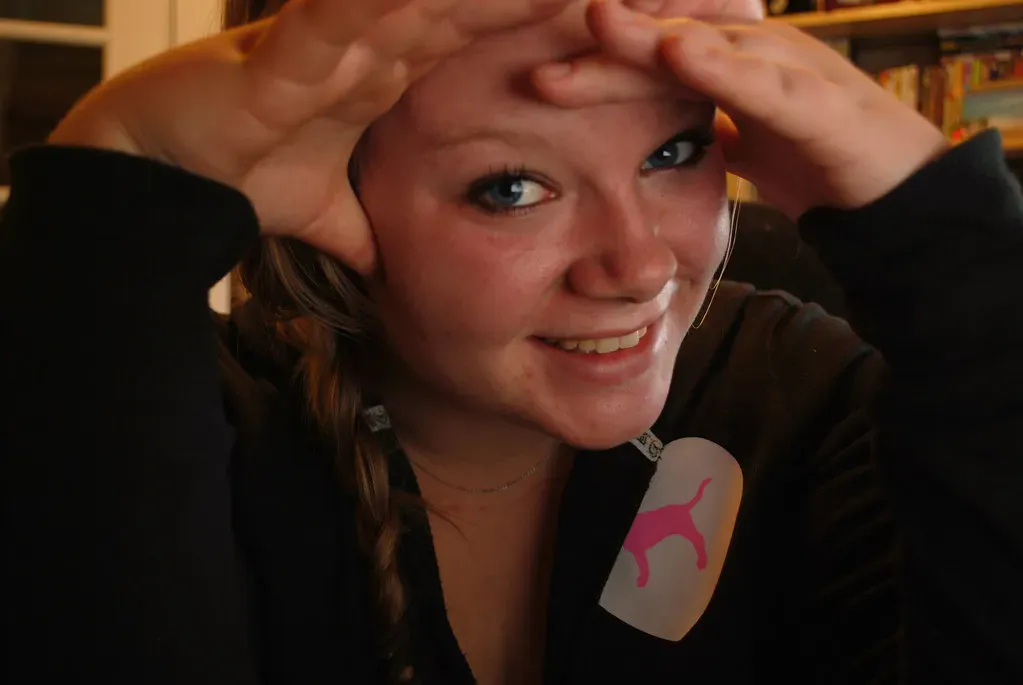
Watch someone’s hands during a stressful conversation. Are they touching their neck? Playing with their hair? Tapping their fingers on the table? These self-soothing behaviors reveal internal discomfort or anxiety that the person might be trying to hide. The body seeks comfort when under stress, and these unconscious movements are attempts to calm the nervous system.
Body language inconsistencies like shifting in a seat, having uneven eye contact, and hand gestures that don’t match the rhythm of words can suggest that their body is unconsciously revealing the nervousness and uncertainty they are trying to hide. I’ve seen this countless times. Someone appears calm and collected on the surface, yet their hands are constantly moving, adjusting their collar, or gripping the edge of the table.
The person who remains still and composed, with controlled and purposeful gestures, typically projects confidence and honesty. Excessive fidgeting doesn’t necessarily mean someone is lying, yet it definitely signals some kind of internal distress or discomfort. Trust your instincts when you notice these patterns. Your unconscious mind is picking up on signals your conscious mind hasn’t fully processed yet.
Conclusion
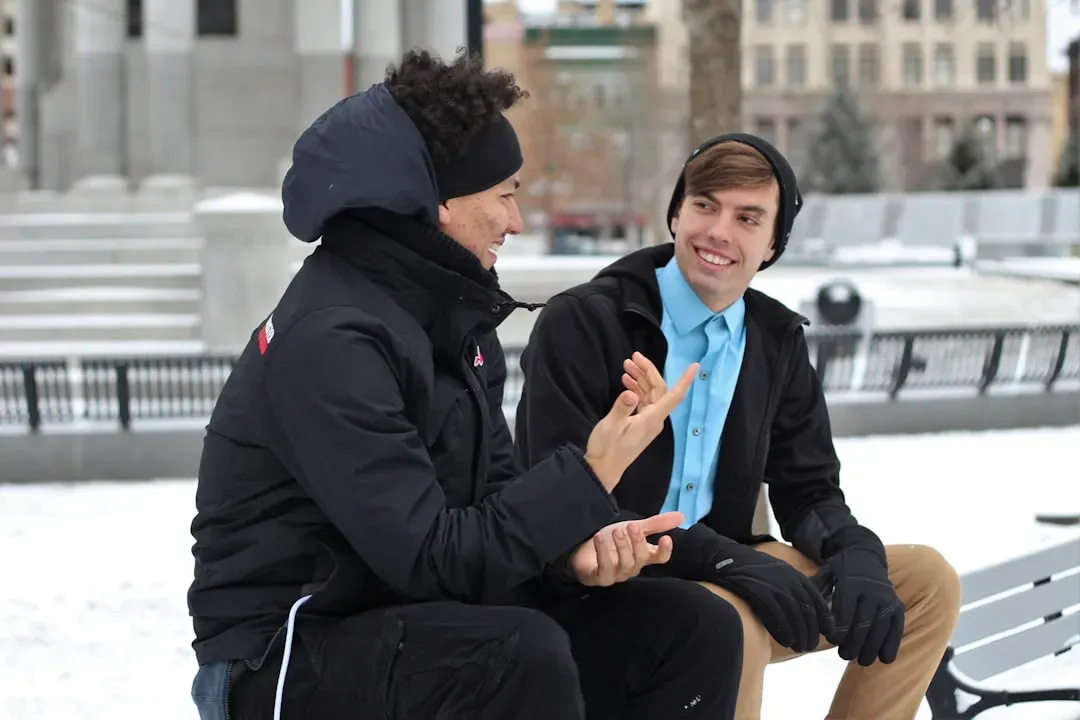
Reading body language isn’t about becoming a human lie detector or making snap judgments about everyone you meet. It’s about adding another layer of understanding to your interactions with others. Body language broadcasts your true feelings and intentions, often more accurately than words ever could. The beauty of these eight cues is that once you start noticing them, you’ll see them everywhere.
Remember that no single gesture tells the whole story. You need to look at clusters of behaviors and consider the context. Someone with crossed arms might just be cold, yet crossed arms plus avoided eye contact plus feet pointed away equals a pretty clear message of disengagement. The more you practice observing these subtle signals, the better you’ll become at understanding what people are really communicating beneath their words. What subtle cues have you noticed in your own conversations?