
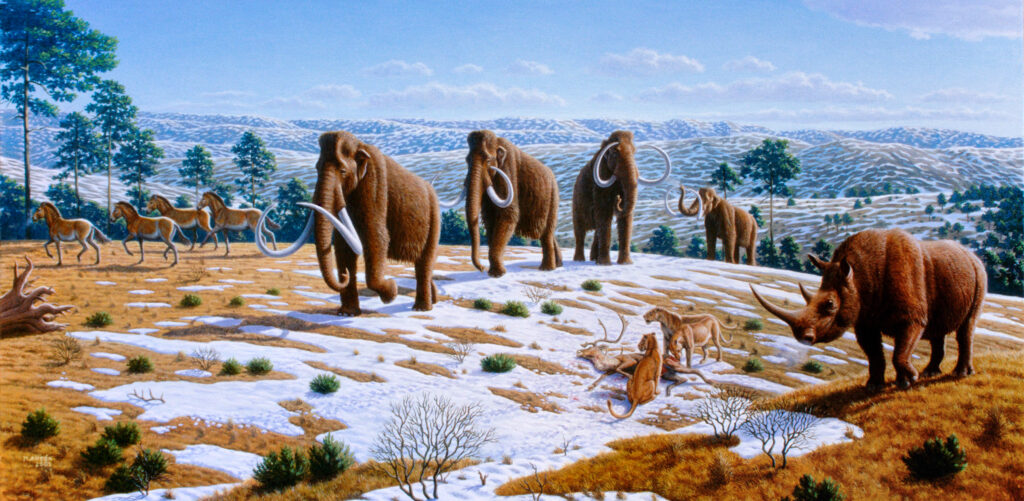
Imagine waking up tomorrow to find out a sheet of ice taller than most skyscrapers is crawling toward your hometown, grinding mountains into powder and shoving boulders hundreds of miles like they were Lego bricks. Sounds like a disaster movie, right? Yet that kind of scene actually happened, not just once, but over and over across Earth’s history, and we only figured it out by reading the scars carved into bedrock and the fossils trapped in ancient mud.
The Ice Age story is full of details that would sound ridiculous if we did not have rock-solid proof: hippos in London, forests buried under glaciers, oceans rising and falling like a yo-yo, and humans staring down sabertooth cats. Over the last century or so, geologists, paleontologists, and climate scientists have slowly pieced together this wild puzzle from tiny clues: scratches on stones, trapped air bubbles in ice, pollen grains, and even fossilized beetles. Here are eight of the most mind-bending Ice Age facts that seem completely made up, but are backed by decades of evidence.
1. North America and Europe were buried under ice sheets up to two miles thick
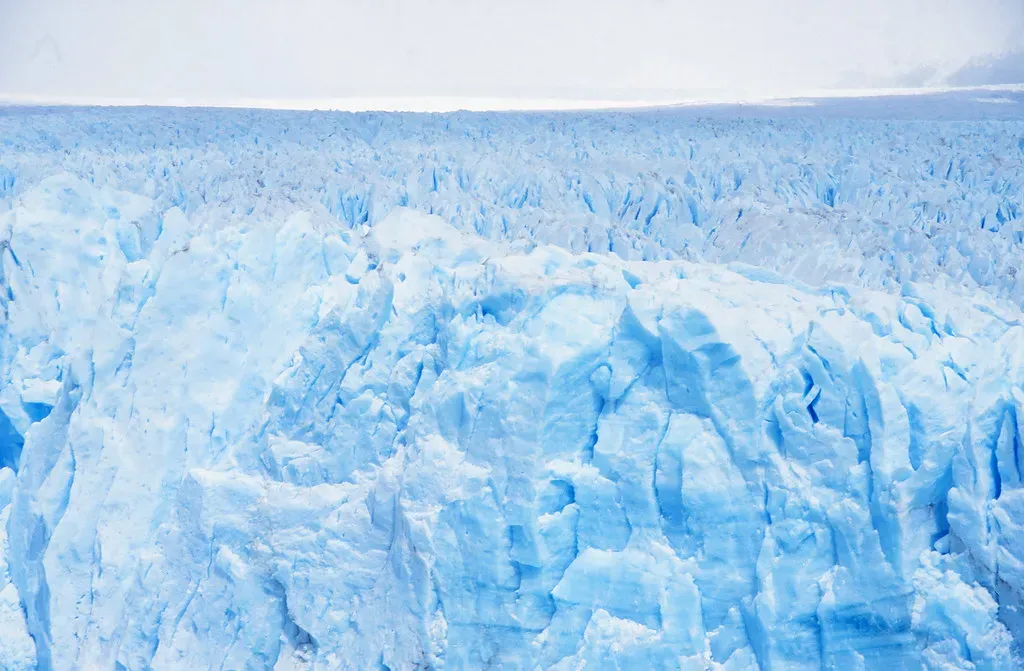
It sounds exaggerated to say that huge parts of the Northern Hemisphere were once smothered by ice thicker than some of today’s tallest buildings, but the physical evidence is everywhere if you know where to look. In Canada, the northern United States, the British Isles, Scandinavia, and northern Germany, bedrock is scratched and polished in long, parallel grooves where ice dragged rocks over the surface like sandpaper. Massive U-shaped valleys, smoothed fjords, and scattered fields of oddly placed boulders tell a consistent story: slow-moving, continent-scale glaciers once bulldozed across this land.
Geologists can even estimate the thickness of those ice sheets from how much the crust has rebounded after the weight melted away. In parts of Canada and Scandinavia, the ground is still slowly rising today, thousands of years after the last ice sheet retreated, which only makes sense if the ice was unbelievably heavy and thick. If you picture New York, Berlin, or London under more than a mile of ice, you are not exaggerating; that is close to what the data suggests. It is one of those moments where Earth history makes our modern world feel very small and very temporary.
2. Sea level was so low that humans and animals walked across what is now ocean
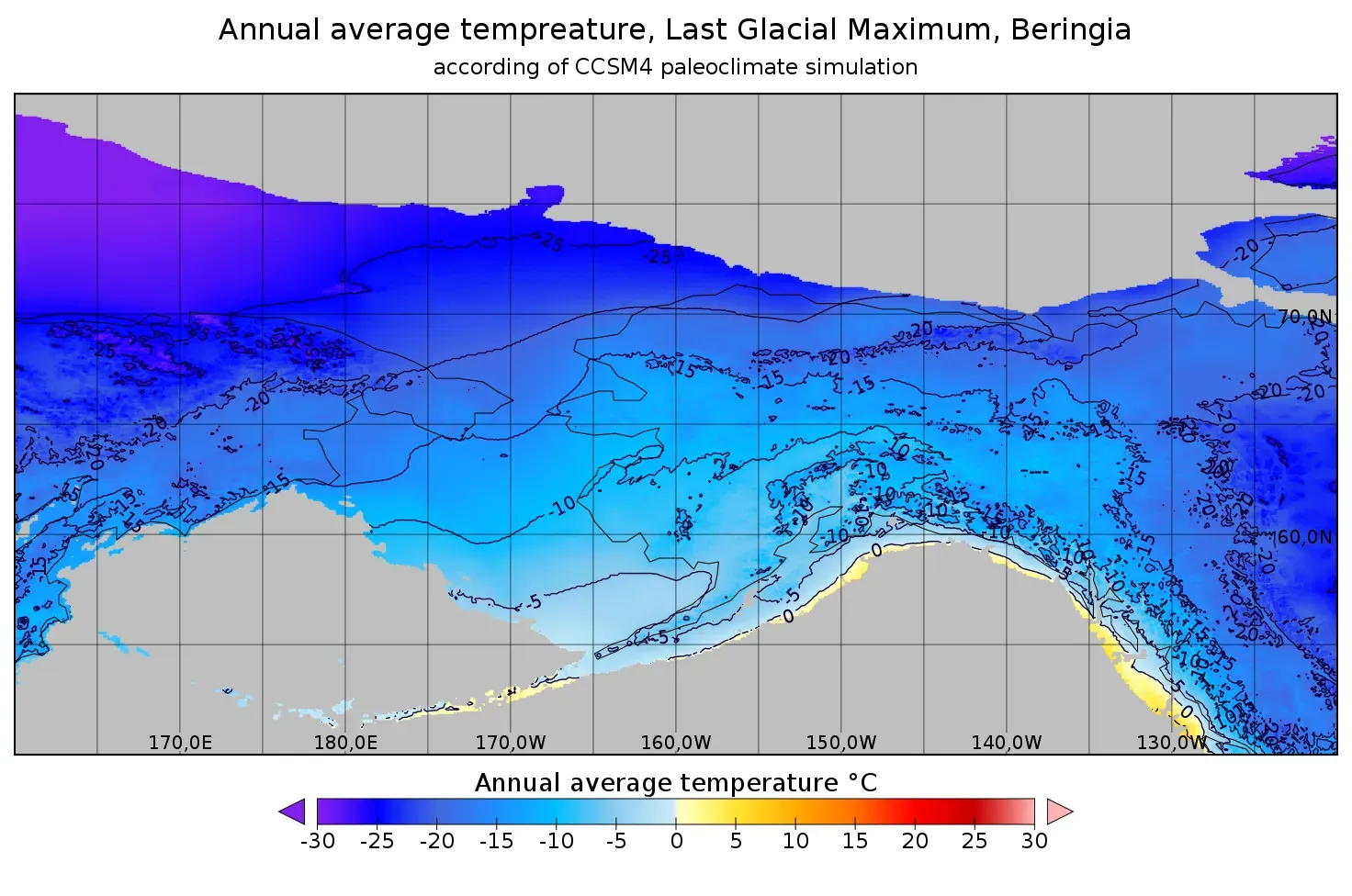
The idea that people once walked from Asia to North America without a boat sounds like pure myth, yet it is one of the best-supported pieces of Ice Age science. During the coldest stages, so much water was locked up in ice sheets that global sea level dropped by more than a hundred meters, exposing wide swaths of continental shelf as dry land. The most famous of these was Beringia, a vast land bridge between Siberia and Alaska that stayed above water long enough for plants, mammoths, and eventually humans to cross.
There were other drowned landscapes too: the Sunda Shelf that connected mainland Southeast Asia to the islands of Indonesia, and Doggerland, the low-lying plains that once linked Britain to mainland Europe and later vanished under the North Sea. Archaeological finds, submerged river channels mapped by sonar, and fossil remains all point to these being real habitable regions, not just narrow strips of shoreline. Next time you look at a world map, it is worth remembering that we are seeing just one version of Earth; during the Ice Age, the outlines of the continents were dramatically different, and people literally walked where waves now crash.
3. Hippos, elephants, and other “tropical” animals once lived in Ice Age Europe
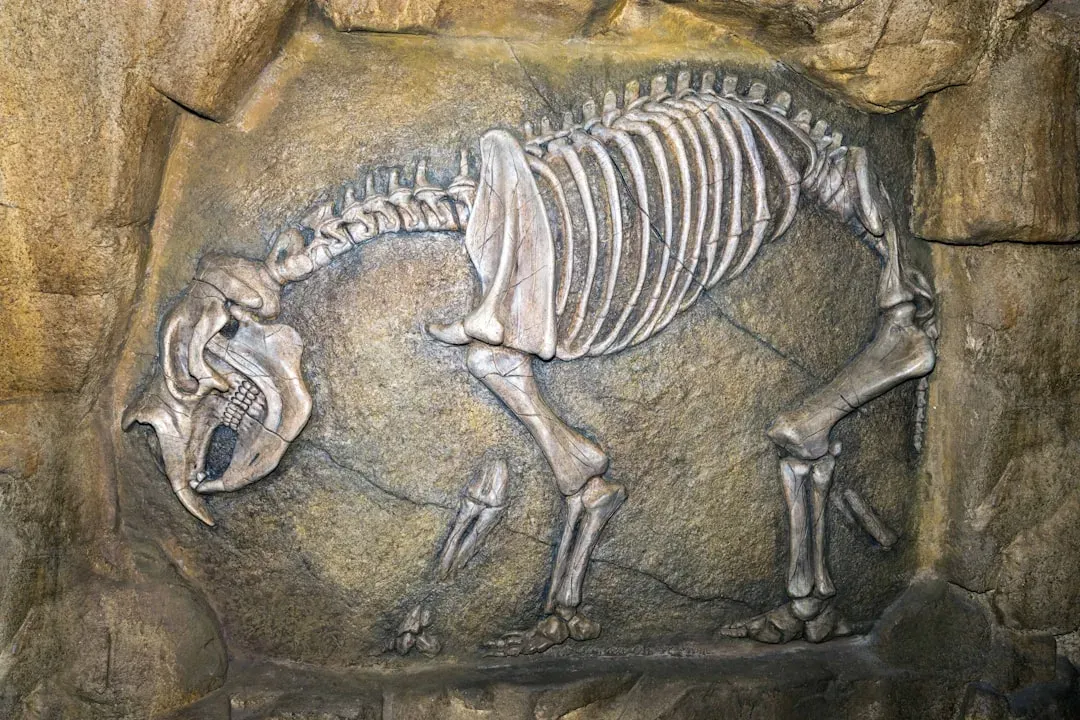
If someone told you that hippos once wallowed in rivers near what is now London, it would be tempting to laugh it off. Yet paleontologists have dug up the fossil bones and teeth of hippos, elephants, rhinos, and even lions from river gravels and cave deposits across Britain, France, Germany, and Spain. These finds come from warmer interglacial periods during the broader Ice Age cycles, when the climate in parts of Europe was mild enough to support lush vegetation and large, water-loving mammals.
The Ice Age was not one long deep freeze; it was a rhythmic pattern of glacial (cold) and interglacial (warmer) phases that played out over tens of thousands of years. In some interglacials, temperate forests and grasslands replaced the icy tundra, letting species like straight-tusked elephants and hippopotamuses move north. Then, as ice sheets advanced again, those ecosystems collapsed or shifted, and the animal communities changed with them. To me, the mental image of hippos under gray English skies is the perfect reminder that climate zones and “normal” wildlife can radically change over geological time.
4. Giant Ice Age animals were not just fantasy monsters – they were real and everywhere
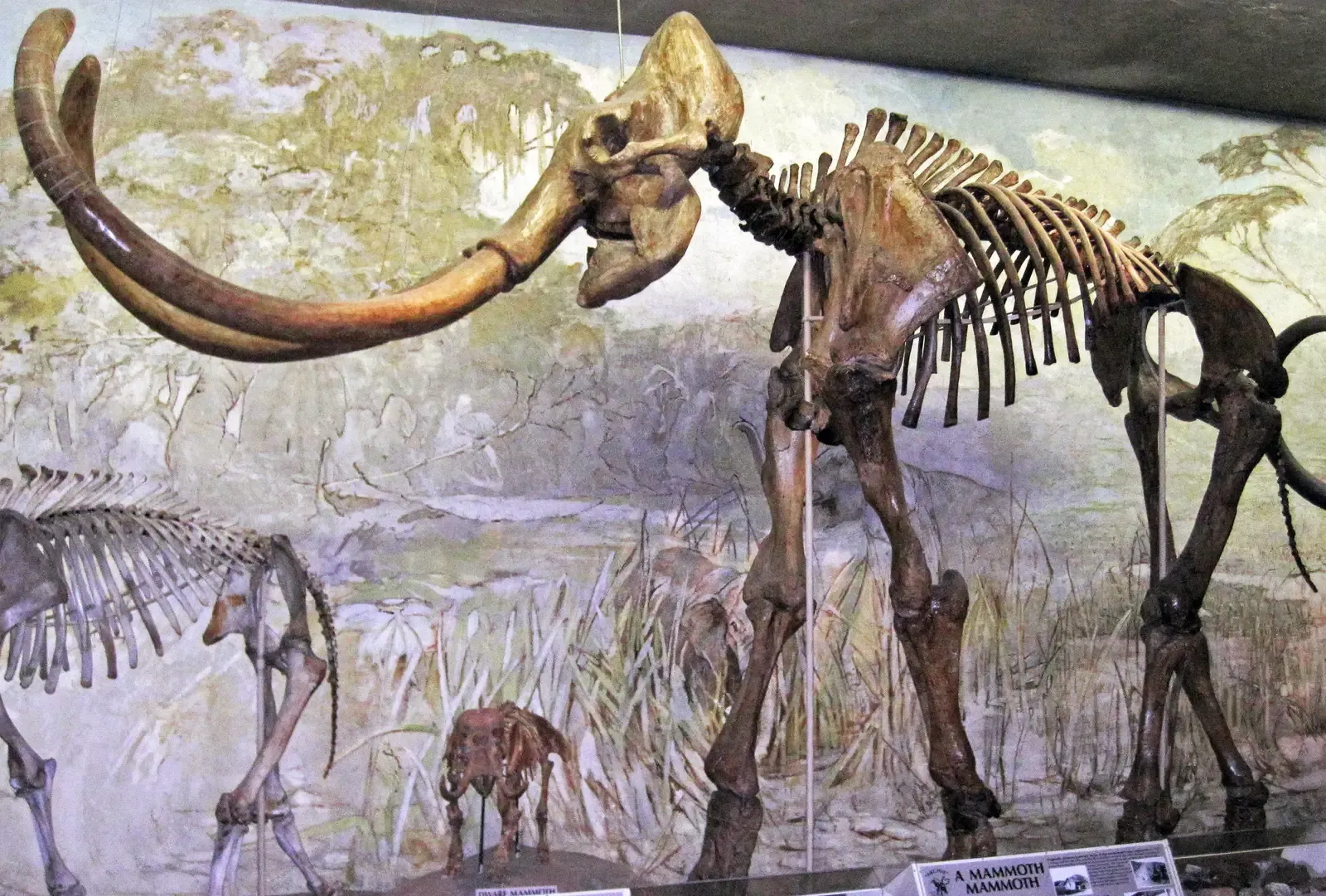
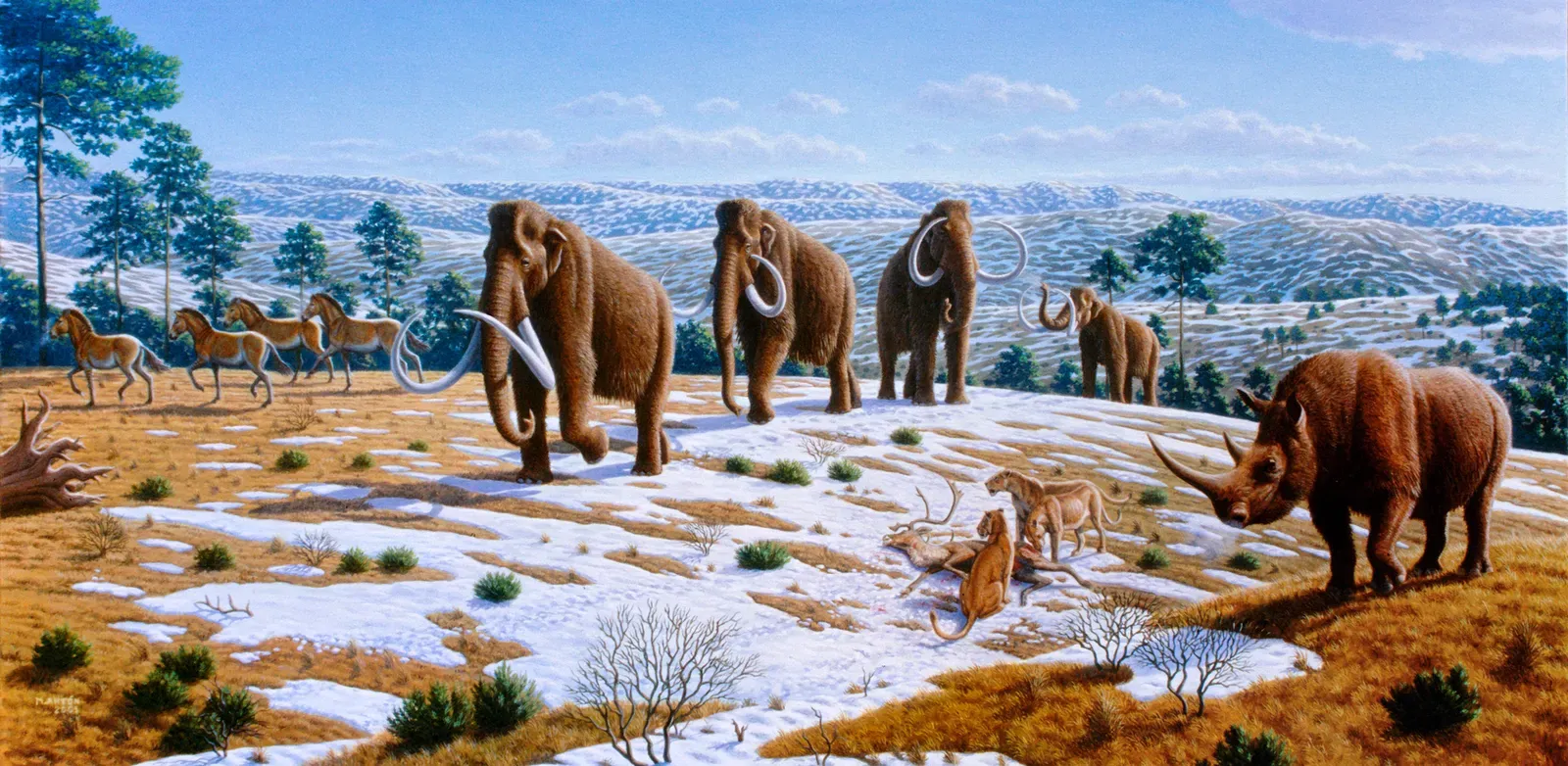
Mammoths, mastodons, sabertooth cats, and giant ground sloths can easily feel like movie creatures dreamed up to sell toys, but their remains are some of the most common Ice Age fossils we have. Across North and South America, Eurasia, and parts of Africa, paleontologists have uncovered entire graveyards of these large mammals: tusks the length of a car, claws the size of your hand, and skulls with oversized fangs built for puncturing thick hides. These animals formed complex ecosystems, with mammoth herds shaping grasslands much like today’s elephants do, and big predators trailing them closely.
What makes it even wilder is how recently they vanished. Many of these giants were still roaming the planet while humans were painting caves, knapping stone tools, and spreading across continents. Some small mammoth populations even survived on isolated Arctic islands well into the time of early civilizations. Holding a mammoth tooth in a museum, you realize that the gap between their world and ours is not some distant, unreachable era; it is only a geological blink, and we likely had a hand in their disappearance through hunting and habitat disruption layered onto rapid climate change.
5. The Ice Age locked Earth into a natural “climate rhythm” driven by tiny orbital changes
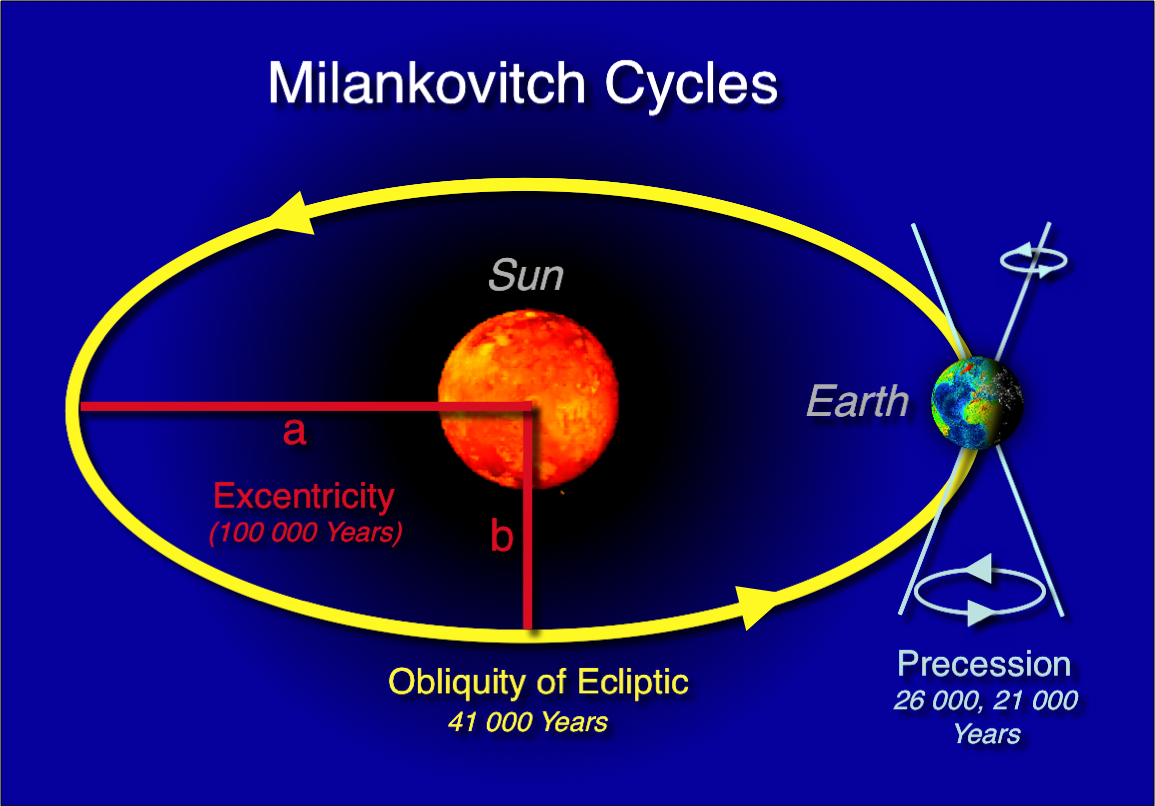
One of the most surprising truths about the Ice Age is that the advance and retreat of massive ice sheets were paced by small, predictable changes in Earth’s orbit and tilt. These cycles, often called orbital or Milankovitch cycles, slightly reshape how sunlight is distributed across the planet over tens of thousands of years. On their own, the changes are tiny, but they nudge the climate system just enough to trigger feedbacks: snow that reflects more sunlight, growing ice sheets, shifting ocean currents, and changes in greenhouse gas levels trapped in the atmosphere.
Decades of drilling deep-sea sediment cores and Antarctic and Greenland ice cores have revealed a striking pattern: temperatures, ice volumes, and carbon dioxide levels swing in tune with these orbital cycles. The planet essentially “breathes” in and out of glacial and interglacial states in a dance choreographed by slow, steady tweaks to its orbit. To me, that is both awe-inspiring and unsettling. It means our climate is not naturally fixed or stable; it is a sensitive system with built-in rhythms, and we are now layering human-driven warming on top of that ancient, powerful beat.
6. Ice Age glaciers literally rearranged the landscape, reshaping rivers, lakes, and even mountains
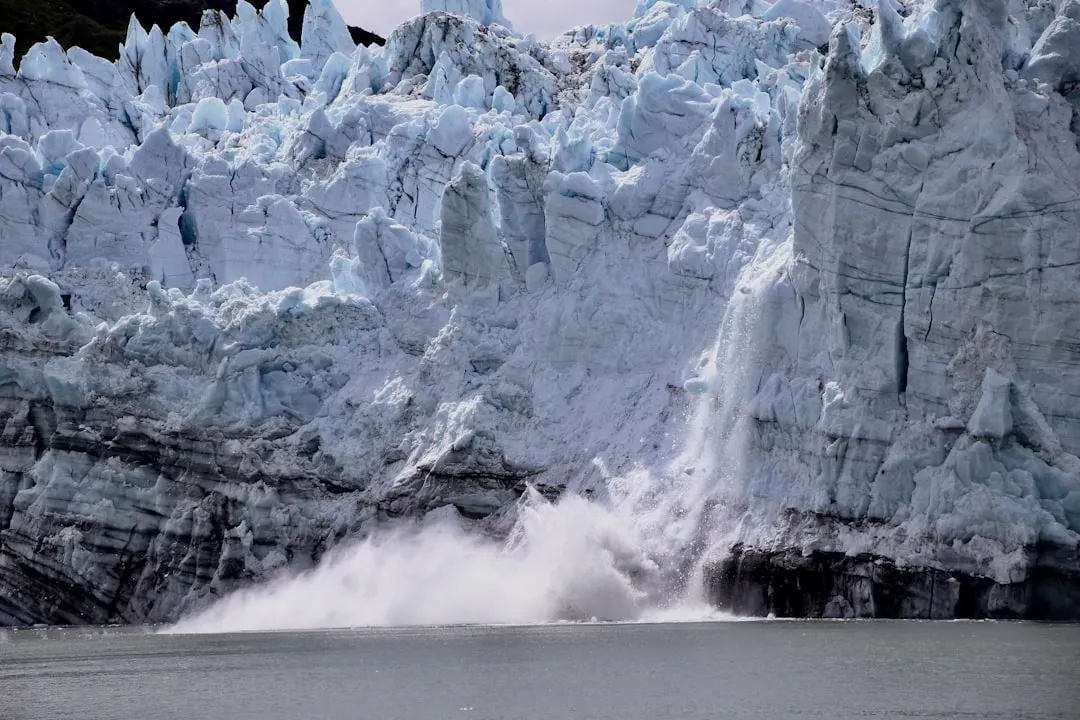
It sounds extreme to say that ice can move mountains, but the traces are so obvious that geologists take students on field trips just to point them out. Glaciers act like slow conveyor belts of rock: they pluck blocks from cliffs, grind them into sediment, and dump them miles away in ridges and mounds called moraines. In many northern regions, entire hills are sculpted into streamlined shapes aligned with the old ice flow, and long chains of lakes fill the gouges left behind, like in the lake-dotted landscapes of Canada and Scandinavia.
Even major river systems were bent and rerouted as advancing ice sheets dammed valleys and forced water to cut new paths. Some of today’s Great Lakes, for example, occupy deep basins carved and reshaped by ice that once sprawled over the central and eastern United States. When the ice finally melted back, huge outburst floods ripped through channels and scoured out features like the Channeled Scablands of the Pacific Northwest, a region so bizarre that early geologists refused to believe water could do that much damage. The landforms we casually drive past every day are, in many cases, the frozen fingerprints of vanished ice rivers.
I still remember standing on a cliff above a broad U-shaped valley for the first time and thinking it looked like some giant had taken a gouge out of the landscape with a spoon. The scale of those features really hammers home that the Ice Age was not just about colder temperatures; it was about raw mechanical power. Glaciers did not just sit there; they chewed through bedrock, dammed and redirected water, and left behind a terrain that would shape where people could farm, build cities, and find fresh water thousands of years later.
7. Humans survived harsh Ice Age climates using creativity, culture, and cooperation more than brute strength
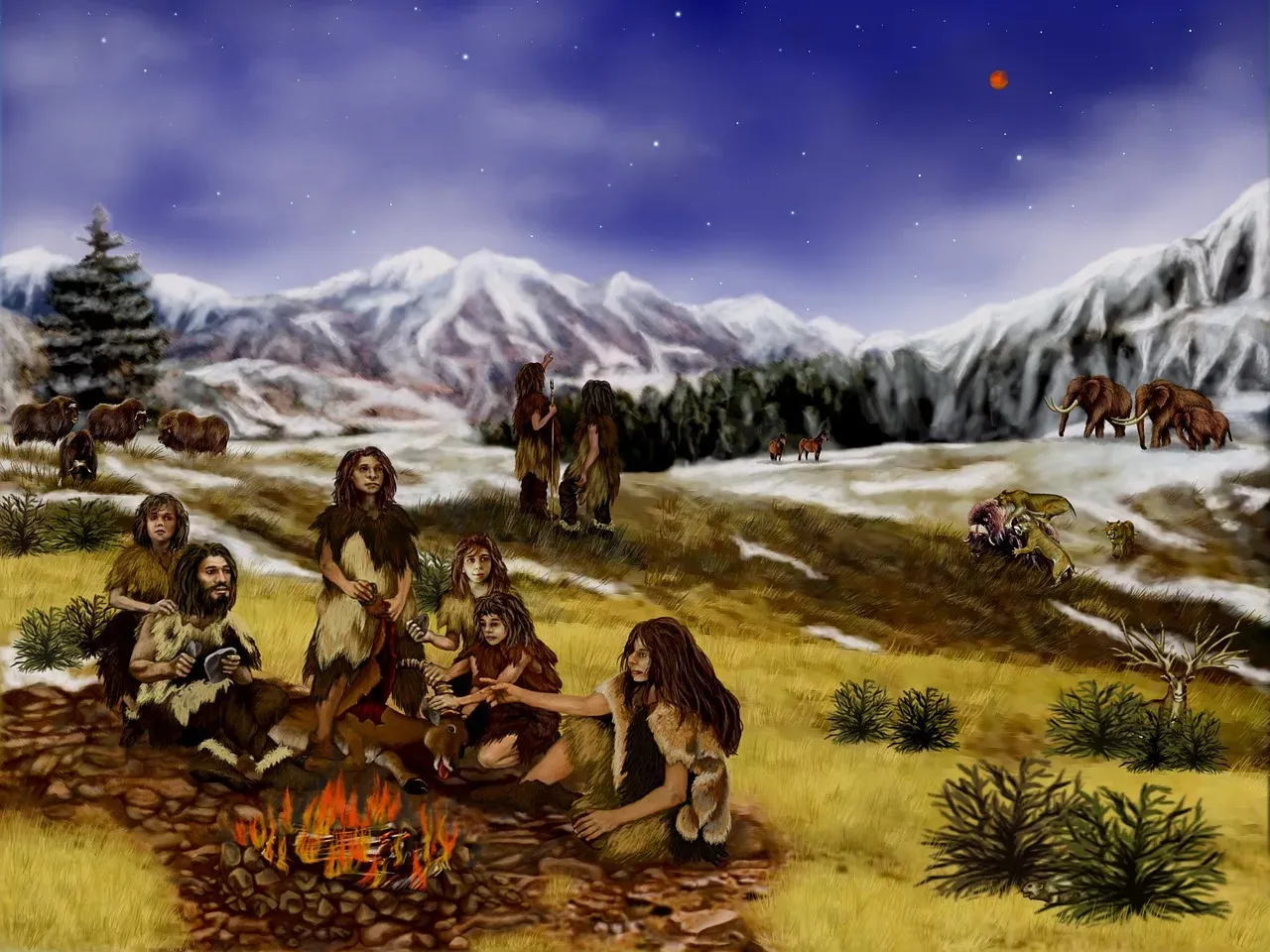
There is a common fantasy image of Ice Age humans as rugged, half-wild figures simply enduring the cold through toughness alone, but the archaeological record tells a more nuanced story. What truly kept our ancestors alive in Ice Age Europe, Asia, and the Americas was not just physical resilience, but advanced tools, complex social networks, and shared knowledge. We see evidence of tailored clothing, shelters built from mammoth bones, curated fire use, and carefully made hunting weapons that allowed small groups to take down big game efficiently.
Fossils and artifacts also point to trade and cultural exchange over long distances, even during demanding glacial times. Stone and shell from faraway sources, pigments for body decoration or cave art, and standardized tool styles all suggest that people stayed connected, passed along ideas, and supported one another. In my opinion, this flips the usual tough-guy narrative: the Ice Age was more like a stress test of our ability to cooperate and innovate than a mere showcase of survival-of-the-fittest individuals. It was culture, not just muscle, that got us through.
8. The Ice Age ended surprisingly fast in geological terms – and left a climate system on a knife’s edge
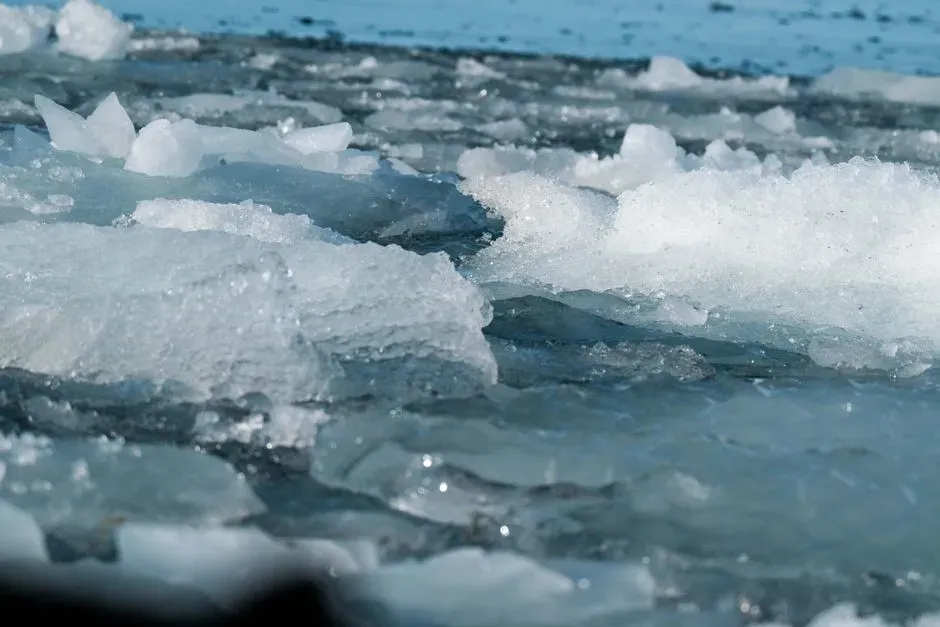
When we talk about ice sheets melting, it is easy to picture a slow, gentle thaw over millions of years, but the close of the last glacial period was much more dramatic. Climate records from ice cores and ocean sediments show that temperatures in many regions jumped by several degrees over just a few thousand years, with some particularly rapid warming episodes playing out in mere centuries. That is still slow by human standards, but incredibly fast for a planetary climate transition powered by shifting ice, oceans, and atmosphere.
The end of the Ice Age also came with abrupt climate jolts: pulses of meltwater that disrupted ocean currents, sudden cold snaps, and rapid changes in rainfall patterns. Ecosystems had to reorganize on the fly, with forests racing north, grasslands shifting, and many Ice Age megafauna species failing to keep up. To me, the unsettling part is that the geological record proves the climate system can change far faster than we used to think, and we are now adding another powerful nudge via greenhouse gas emissions. We are essentially poking a system that has already shown it can flip relatively quickly between very different states.
Conclusion: The Ice Age is a warning label, not just a cool chapter in Earth’s past
When you pull all these threads together – skyscraper-thick ice sheets, drowned land bridges, hippos in Europe, giant beasts, orbital rhythms, reshaped continents, and humans toughing it out with brains and culture – the Ice Age stops feeling like distant fantasy and starts looking like a mirror held up to our own moment. The same physics, the same fragile feedbacks, the same climate system that produced those extremes is still running today. In my view, treating the Ice Age as a quirky curiosity instead of a loud, blinking warning sign is a serious mistake.
The deeper I dive into Ice Age evidence, the more I come away with a blunt conclusion: Earth’s climate is capable of massive, rapid change, and life – including us – is forced to scramble every time it happens. The fact that mildly different sunlight patterns and slow orbital tweaks could rearrange oceans, rewrite coastlines, and decide which animals live or die should make us think very hard about what happens when we add human-driven warming on top. The Ice Age story is not just about glaciers; it is about how sensitive and temporary our version of “normal” really is. Knowing that, are we acting like a species that has actually read its own geological warning label?