
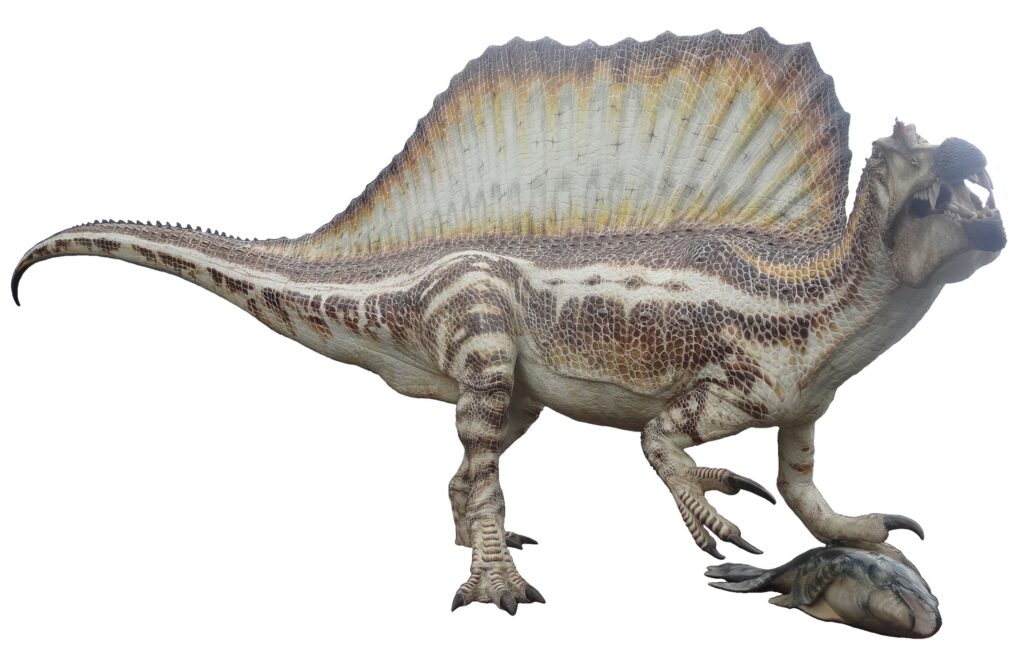
If dinosaurs had celebrity gossip, Spinosaurus would be the headline scandal every single week. For years, it’s been drawn as a T. rex with a sail, a pure land predator that just happened to like fish, and a monster that towered over everything else by a mile. The problem? A lot of what we think we know about this animal is built on outdated reconstructions, early mistakes, and a surprising amount of guesswork.
Spinosaurus is one of the most reinterpreted dinosaurs of the last few decades, and the story is still shifting. Bones were destroyed in war, rediscovered in deserts, and reanalyzed with modern tech, and each time the picture changed. Let’s walk through eight big “facts” about Spinosaurus that many fans still believe – and why they don’t really hold up anymore.
1. “Spinosaurus Was Basically Just a T. rex With a Sail”
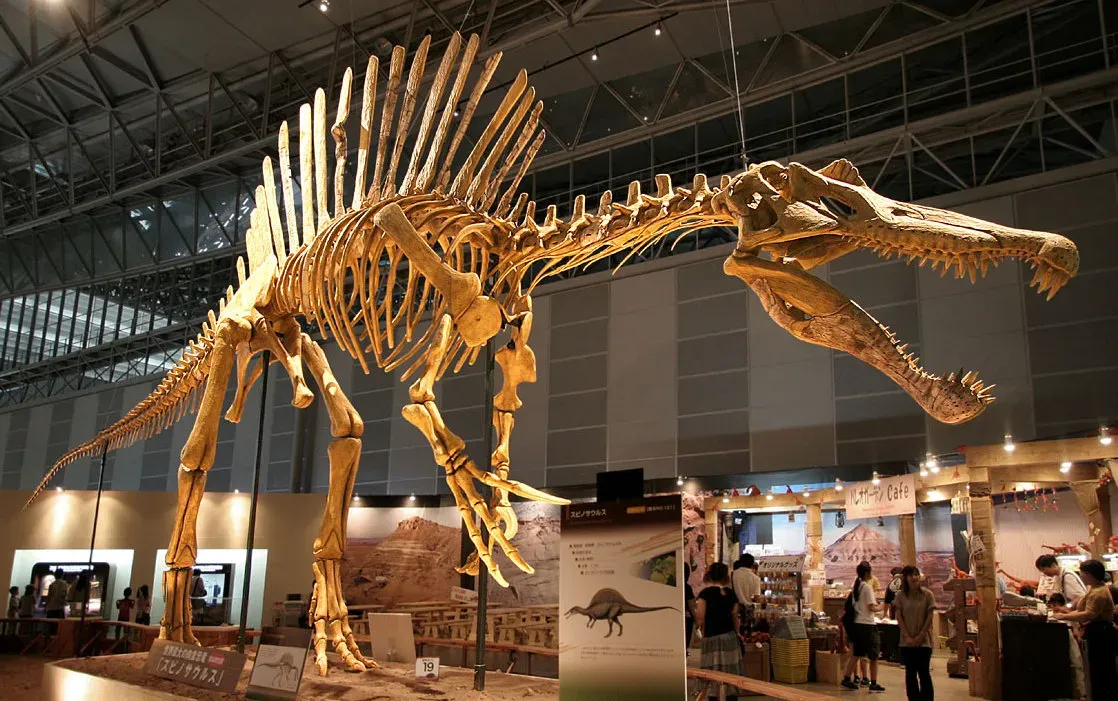
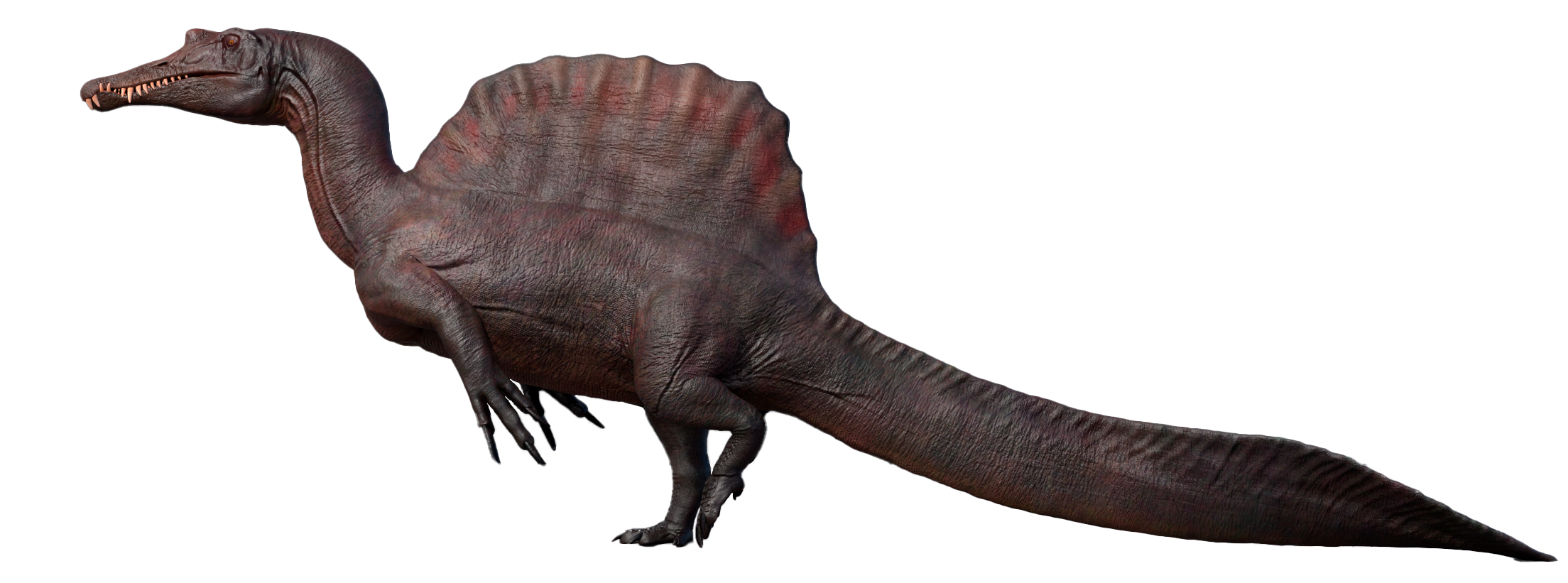
This is one of the biggest misunderstandings: imagining Spinosaurus as a T. rex body with a fancy back fin. In reality, the overall build of Spinosaurus was very different from tyrannosaurids. The skull was long and narrow like a crocodile’s, the neck was more elongated, the torso shape was different, and the legs and tail had their own unique proportions. If you mentally just slap a sail on a T. rex, you’re closer to 1990s toy design than actual anatomy.
Spinosaurus also seems to have been adapted for a lifestyle that diverged quite a bit from other giant theropods. Where T. rex was a deep-skulled, bone-crushing land predator built for massive bite forces, Spinosaurus had a narrower snout, differently shaped teeth, and limb proportions that line up more with a fish-grabbing, semi-aquatic role. It was not just a cosmetic variant of the “standard” meat-eating dinosaur, but something operating in its own ecological lane.
2. “It Was Definitely the Biggest Meat-Eating Dinosaur Ever, No Question”
You’ve probably seen the diagrams: Spinosaurus towering dramatically over T. rex, as if that debate is completely settled. The truth is more complicated and less cinematic. Because the most complete skeletons we have are still fragmentary, any size estimate is partly an educated extrapolation, not an exact measurement. Different research teams have produced different maximum lengths and masses, and some of those rely on comparing isolated bones from different individuals, which can easily inflate or deflate the numbers.
Right now, Spinosaurus is a strong contender for one of the longest predatory dinosaurs, possibly edging out or roughly matching other giants like Giganotosaurus in body length. But length isn’t everything: mass and overall build matter, too. A long, relatively slender, semi-aquatic hunter might not outweigh a shorter but bulkier land predator like T. rex. So the dramatic claim that it was clearly and unquestionably the “biggest carnivore ever” is more fan slogan than settled science.
3. “Spinosaurus Was a Purely Aquatic Dinosaur, Like a Prehistoric Crocodile-Whale”
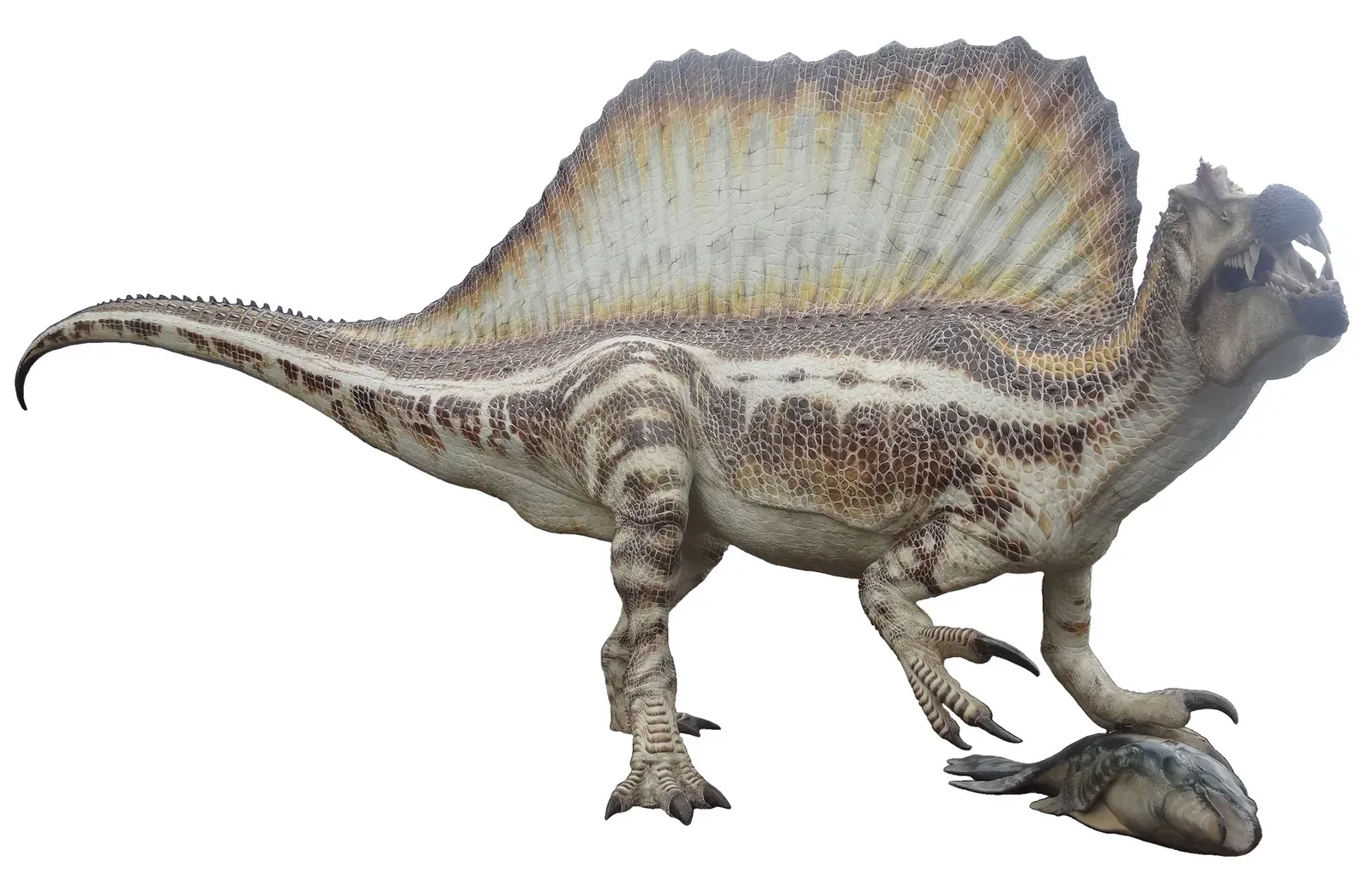
Once the idea of Spinosaurus as semi-aquatic hit the internet, a lot of people slid straight into the assumption that it was fully aquatic, almost like a dinosaur whale with a sail. Some art even shows it as if it spent nearly all its time underwater, only occasionally crawling out. That goes too far. While there are strong hints that Spinosaurus spent a lot of time in or near water, it still shows plenty of features of a terrestrial theropod, including how its pelvis and limbs attach and function.
The best-supported picture right now is that Spinosaurus occupied a semi-aquatic niche: comfortable in water, likely hunting and foraging in rivers and lagoons, but still capable of moving on land. Think less “oceanic super-swimmer” and more like a giant, highly specialized cross between a heron and a crocodile, patrolling shorelines, wading, and possibly swimming, but not abandoning land altogether. Turning it into a dinosaur dolphin makes for a cool mental image, but it stretches the evidence past what we actually have.
4. “We’ve Always Known Exactly What Its Sail Looked Like”
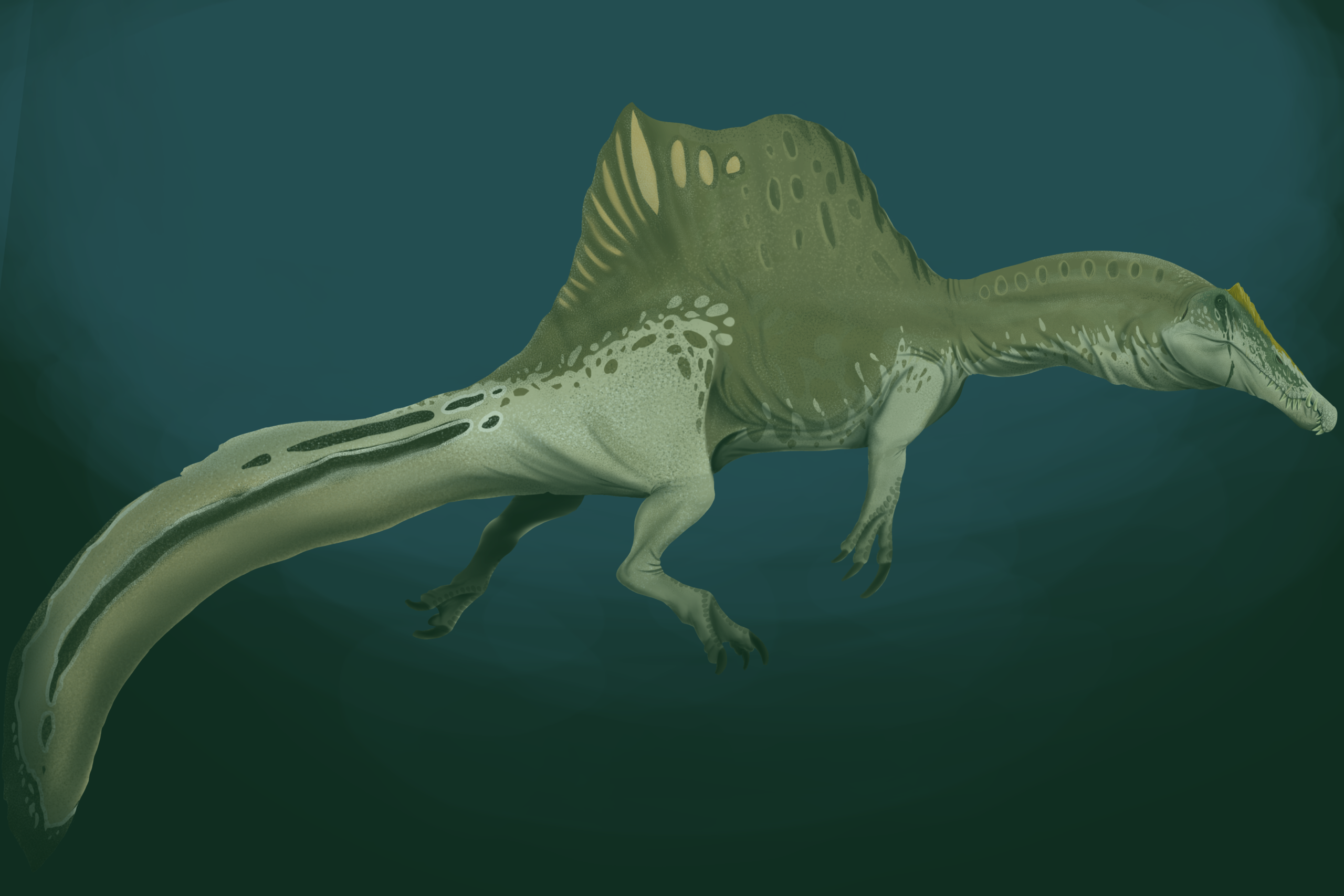
Fans often imagine the Spinosaurus sail as a fully solved design problem: tall, smooth, perfect curve, done and dusted. In reality, the sail has been reinterpreted multiple times as new material has turned up and bones have been reexamined. Early reconstructions sometimes treated it like a big, flat, featureless canvas. Later work suggested the neural spines were not all identical in shape or thickness, hinting at a more complex, three-dimensional structure than a simple billboard on its back.
There is also ongoing debate about what the sail was actually doing. Popular explanations include display for mating or intimidation, thermoregulation, or even helping stabilize the body in water. None of these is proven in a definitive way. The one thing we can say with confidence is that the sail existed and was prominent – but its exact outline, soft-tissue covering, coloration, and primary function are still open questions. Anyone claiming we know the precise silhouette and purpose is smoothing over a lot of scientific uncertainty.
5. “It Walked Around Like a Normal Two-Legged Theropod”
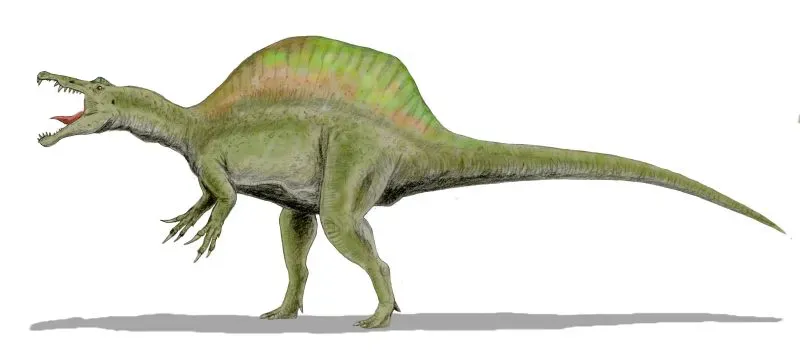
Decades of dinosaur art wired many of us to assume that all big meat-eaters stood and moved in basically the same two-legged posture. That assumption stuck to Spinosaurus for a long time, even as newer fossils hinted at something more unusual. More recent reconstructions suggest its legs were proportionally shorter than the classic giant-theropod template, while the body, tail, and front half were more elongated. This challenges the simple picture of Spinosaurus striding around like a taller, thinner T. rex.
There has been ongoing debate over whether it spent more time on two legs, on all fours, or in water-supported positions. The forelimbs were powerful, with large claws, and some researchers have explored whether it could have used them for support at least part of the time while moving on land. The key point is that “it walked exactly like other big theropods” is no longer a safe assumption. Its locomotion was probably more awkward and specialized on land, shaped by adaptations that also made it more at home in an aquatic setting.
6. “It Lived and Fought in the Same Style as T. rex”
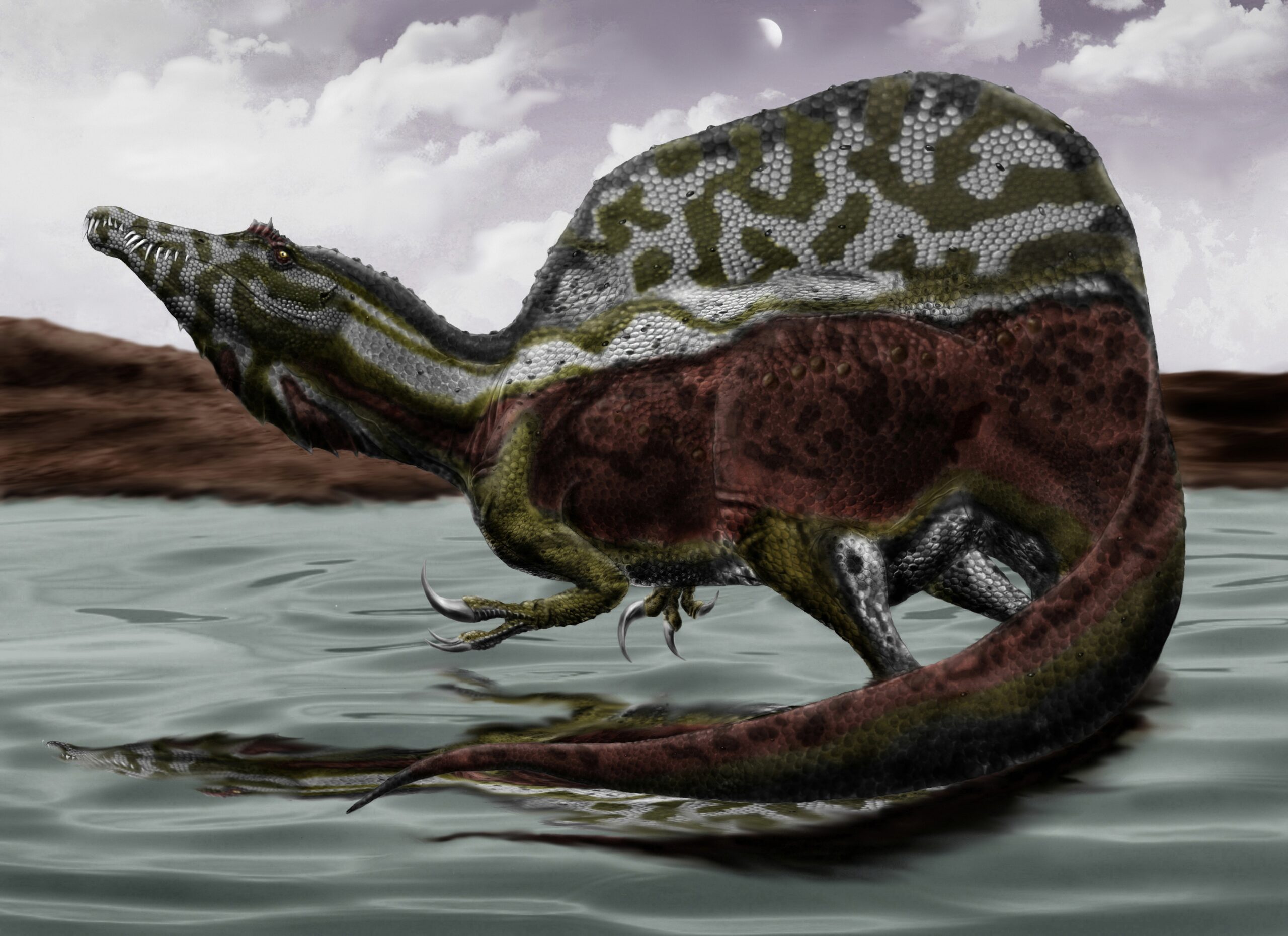
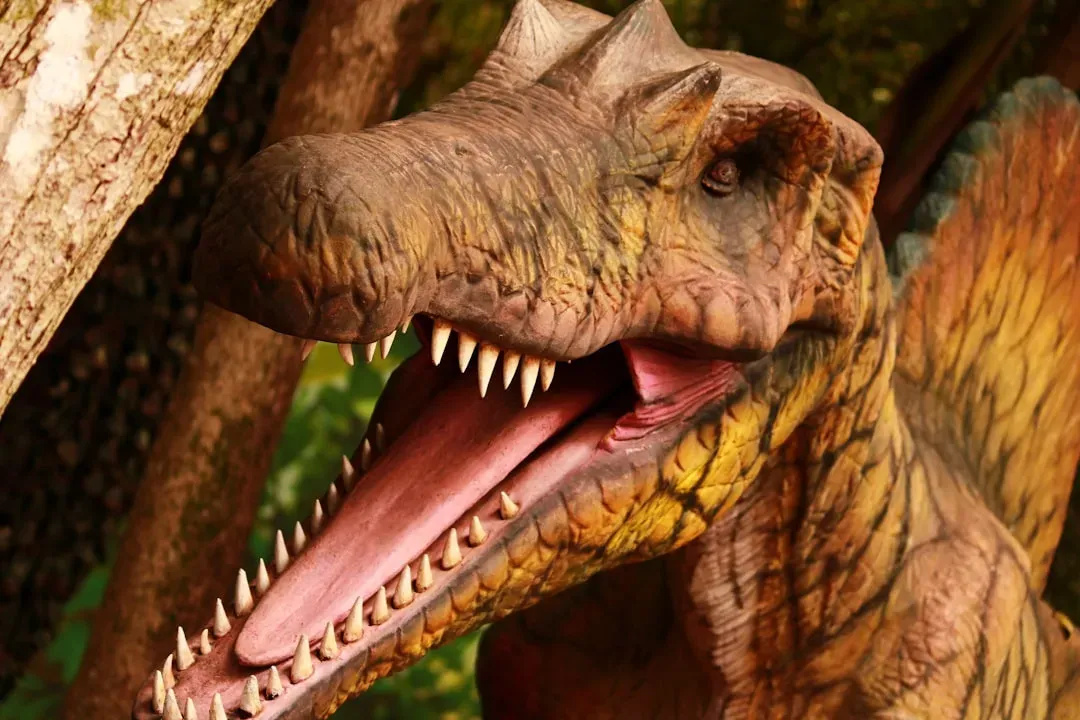
The classic fantasy battle – Spinosaurus versus T. rex, trading massive bites on land like heavyweight boxers – has locked in a certain idea of how Spinosaurus behaved. Many fans assume it killed prey with the same deep, crushing bites, tackling large land animals in open-country chases. But its skull and teeth tell a different story. The long, narrow snout and conical teeth line up much better with catching and holding slippery prey, such as fish, than with pulverizing bone the way T. rex did.
If Spinosaurus specialized in aquatic or shoreline hunting, then its typical “fights” were probably not dinosaur wrestling matches with other giant theropods. More likely, it was lunging at large fish, ambushing animals near the water’s edge, and using quick snatches and holds rather than bone-shattering chomps. It may have clashed with rivals and other predators, of course, but the idea that it used the same combat style as a land-based bruiser like T. rex is mostly a product of fan imagination and movie drama.
7. “The Science Around Spinosaurus Is Basically Settled Now”
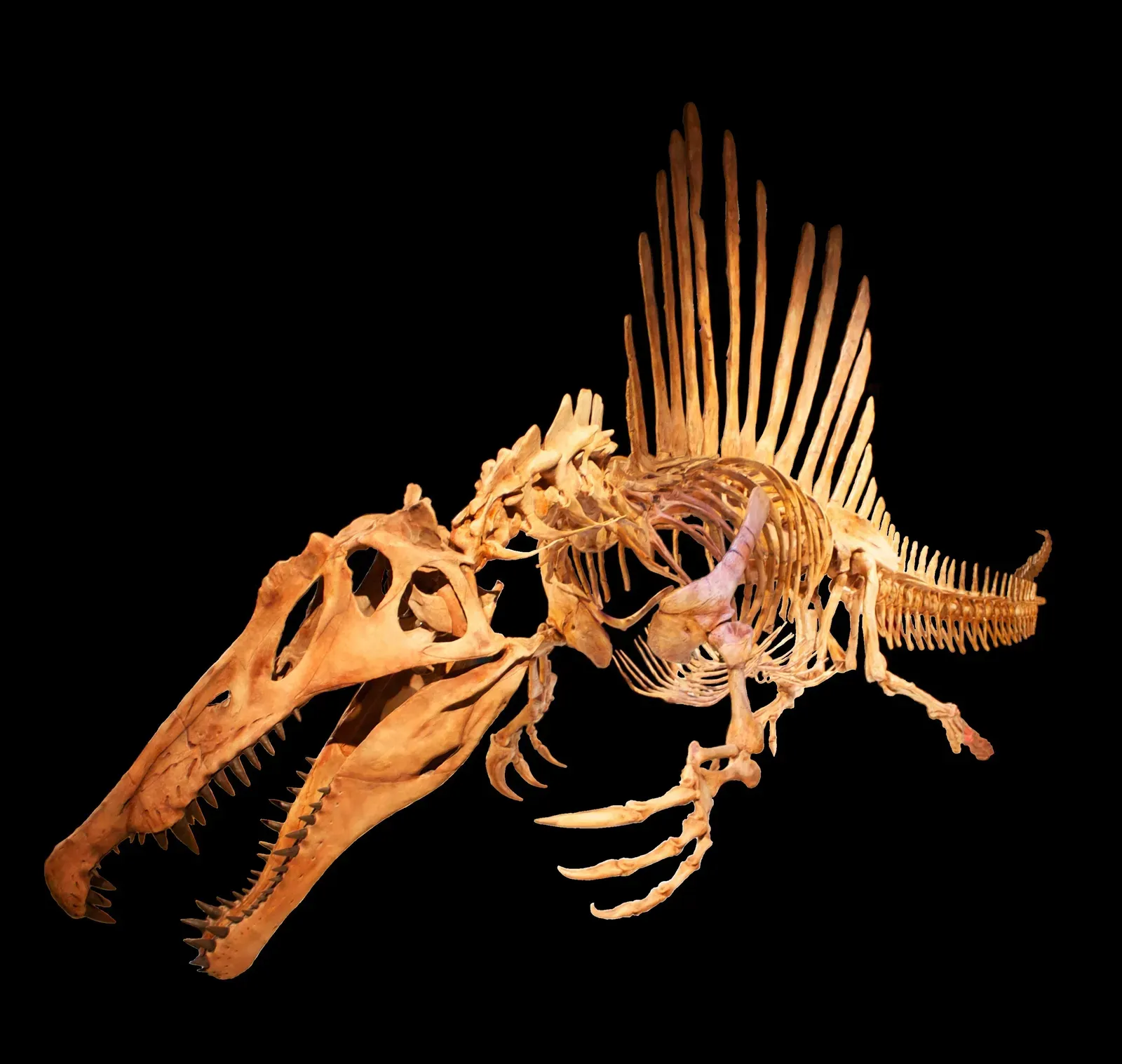
It’s tempting to think that after the big headlines about Spinosaurus being semi-aquatic, we finally “figured it out” and the case is closed. In reality, this dinosaur is still one of the most active battlegrounds in dinosaur research. New studies, new fossils, and reanalyses continue to tweak its proportions, its posture, and even details of how aquatic it really was. Sometimes one paper comes out suggesting stronger swimming abilities, and another follows that emphasizes its limitations in open water.
On top of that, the original Spinosaurus material discovered in the early twentieth century was destroyed during World War II, which means that a lot of modern work is based on later finds that may belong to different individuals, or even slightly different close relatives. That complicates everything from size estimates to skeletal reconstructions. So while we now know far more than we did a few decades ago, presenting Spinosaurus as a solved puzzle is misleading – the picture is still being colored in, and some pieces may yet be replaced.
8. “Spinosaurus Is Only Interesting Because It’s Big and Weird”
Many people love Spinosaurus mainly because it looks outrageous: enormous sail, crocodile-like snout, odd proportions. There’s an unspoken assumption that if it were smaller, no one would care. But what makes Spinosaurus fascinating is not just its size and strangeness – it is what those traits say about how flexible dinosaur evolution really was. This is a giant predator that seems to have pushed into an ecological role we usually associate with crocodiles, big fish, and semi-aquatic mammals.
By studying Spinosaurus, researchers can test bigger ideas: how often large predators adapt to water, how skeletal forms shift when animals switch environments, and how different species share or carve up the same habitats. In that sense, Spinosaurus is not just a “weird big dinosaur,” it is a window into how life experiments with new strategies over millions of years. The creature’s fame might start with its wild looks, but the deeper you go, the more it forces you to rethink what dinosaurs were capable of.
Conclusion: Spinosaurus Is Messier, Stranger, and More Interesting Than the Myths
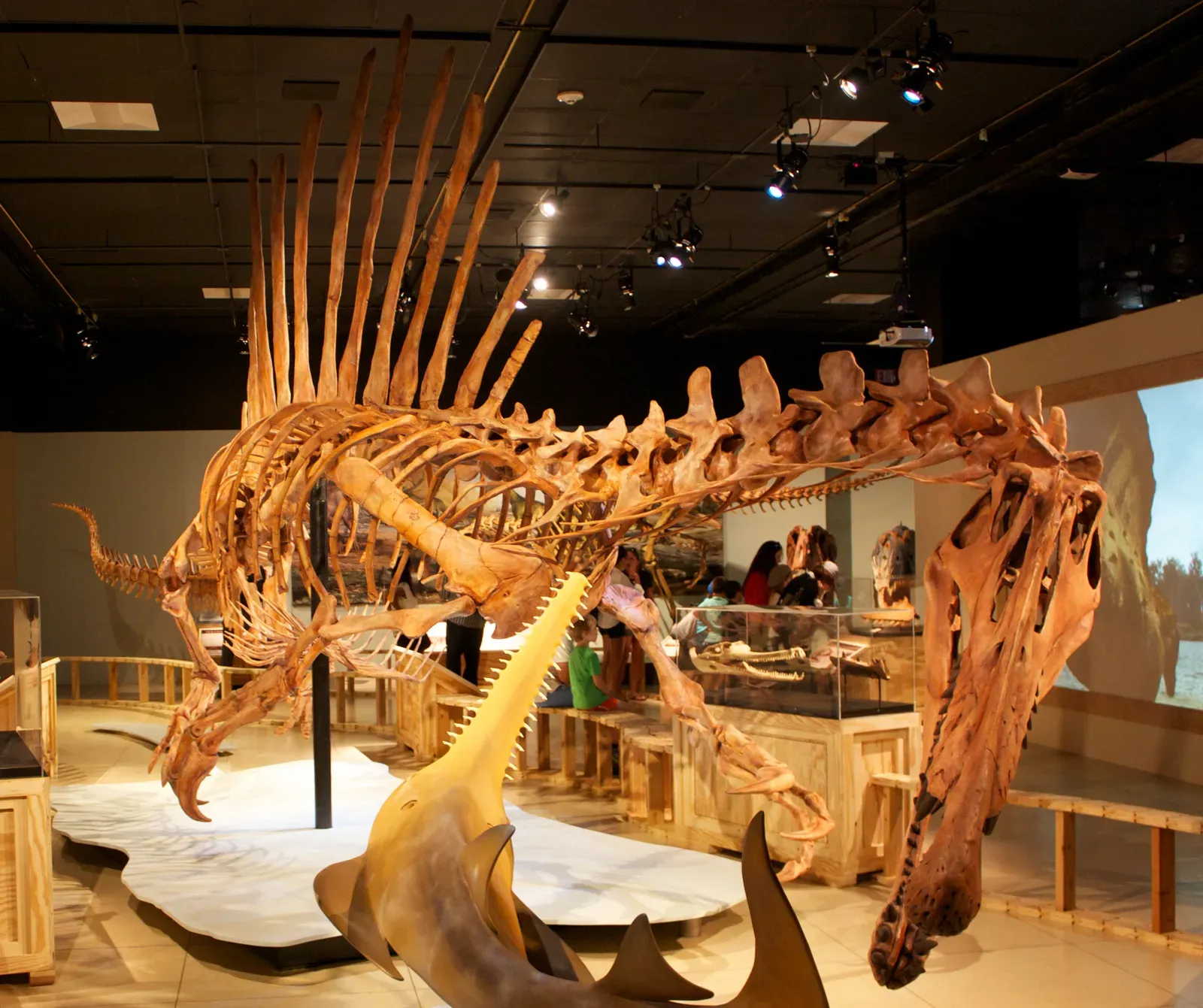
When you strip away the fan myths – the oversized bragging rights, the T. rex slugfests, the perfectly known sail silhouette – you’re left with something far more compelling: an animal we are still struggling to fully understand. Spinosaurus is a reminder that science is not a neat museum label, but an ongoing argument built from broken bones, missing pieces, and constantly updated tools. In my view, that messy uncertainty makes it far cooler than the clean comic-book version we grew up with.
If anything, the real Spinosaurus is a lesson in humility. Our favorite “facts” can evaporate when a new fossil comes out of the ground, and the dinosaurs on our posters may age faster than our phones do. Instead of clinging to the old image, it’s worth embracing the idea that this animal might change again in our lifetimes. The next time you see Spinosaurus in a movie or on a toy shelf, you might find yourself asking: how much of this is still right – and how much is waiting for the next discovery to overturn it?