
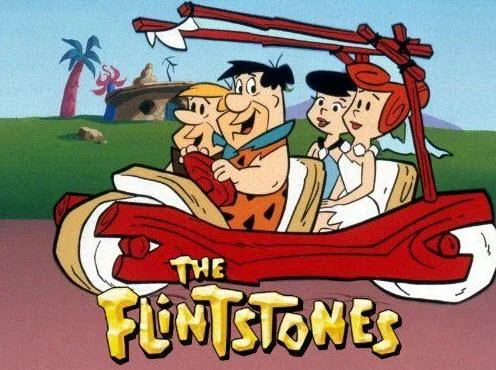
For a show built around talking dinosaurs, bowling leagues, and foot-powered cars, The Flintstones accidentally landed surprisingly close to real prehistoric life in a few places. Underneath the laugh track and the anachronistic gadgets, there are bits of Stone Age reality peeking through the cartoon chaos. That contrast – silly on the surface, quietly accurate underneath – is exactly what makes rewatching it in 2026 oddly fascinating.
At the same time, there’s one big recurring idea in the show that genuinely makes geologists wince. It clashes so hard with what we know about Earth’s history that it has become a textbook example of how pop culture scrambles timelines. Let’s walk through eight ways Fred and his friends accidentally reflected real Stone Age life – and then dig into the one detail that completely breaks the geological story of our planet.
1. Bedrock’s close-knit community feels a lot like small prehistoric bands

Have you noticed how everyone in Bedrock seems to know each other’s business? For all its suburban jokes, that small, tight social world is not far off from what anthropologists see in real hunter‑gatherer bands. For most of human prehistory, people lived in small groups, often just a few dozen individuals, where cooperation and reputation mattered more than almost anything else.
Archaeological and anthropological studies of modern forager societies show that sharing food, trading favors, and maintaining alliances were key to survival. In that sense, Fred’s bowling buddies, workplace politics, and neighborhood squabbles mirror a real truth: in small-scale societies, social life is not background noise – it is the main event. The drama at the Water Buffalo lodge is cartoonish, but the idea that your group is your safety net rings very true for the Stone Age.
2. Simple tools everywhere: household gadgets do echo real Stone Age tech
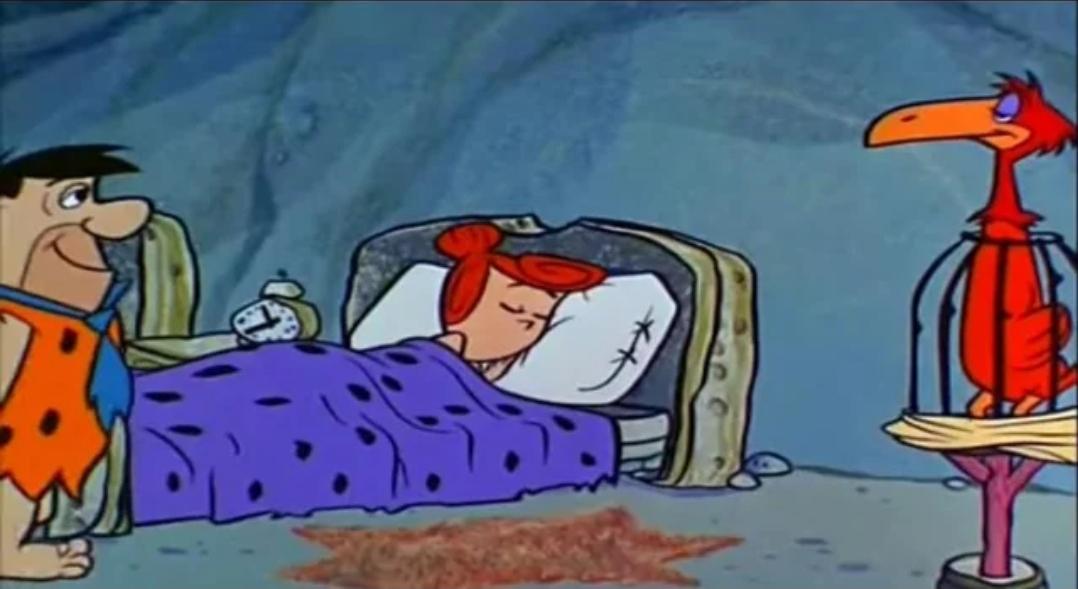
Yes, the appliances in The Flintstones are ridiculous – bird beaks as record players, tiny mammoths as vacuum cleaners. But buried in the joke is a basic truth: Stone Age life revolved around simple tools used constantly, for everything. Real prehistoric people invested huge effort into shaping stone blades, scrapers, and points, then used them in almost every daily task, from butchering animals to shaping wood and hides.
In that way, Bedrock’s tool-filled world is oddly accurate: there’s a gadget for every need, and life is basically impossible without them. The show obviously exaggerates the convenience, but the core idea that technology – even when it is simple – shapes how people cook, build, hunt, and relax, is spot on. We tend to imagine the Stone Age as people with nothing but rocks and sticks; in reality, they were surrounded by a rich toolkit, just not one that talks and complains when overworked.
3. Heavy physical labor as the default, not the exception

Fred clocking in at the quarry, hauling stone, and coming home exhausted is played for laughs, but the constant physical grind of his days has a real prehistoric flavor. Before machines, most work – from hunting and gathering to building shelters and processing food – depended on human muscle. Life was closer to running a marathon spread over the whole day than tapping a keyboard and grabbing a coffee.
Studies of traditional hunter‑gatherer and early farming communities show that people routinely walked long distances, carried heavy loads, and did repetitive, strength‑based tasks from morning to night. Injuries, worn joints, and spine problems show up clearly in ancient skeletons. In that sense, Fred’s endless slog and sore back capture an important truth: Stone Age life was a full‑body workout, whether you liked it or not, long before gyms tried to sell that as a lifestyle.
4. Family-centered living matches prehistoric social priorities
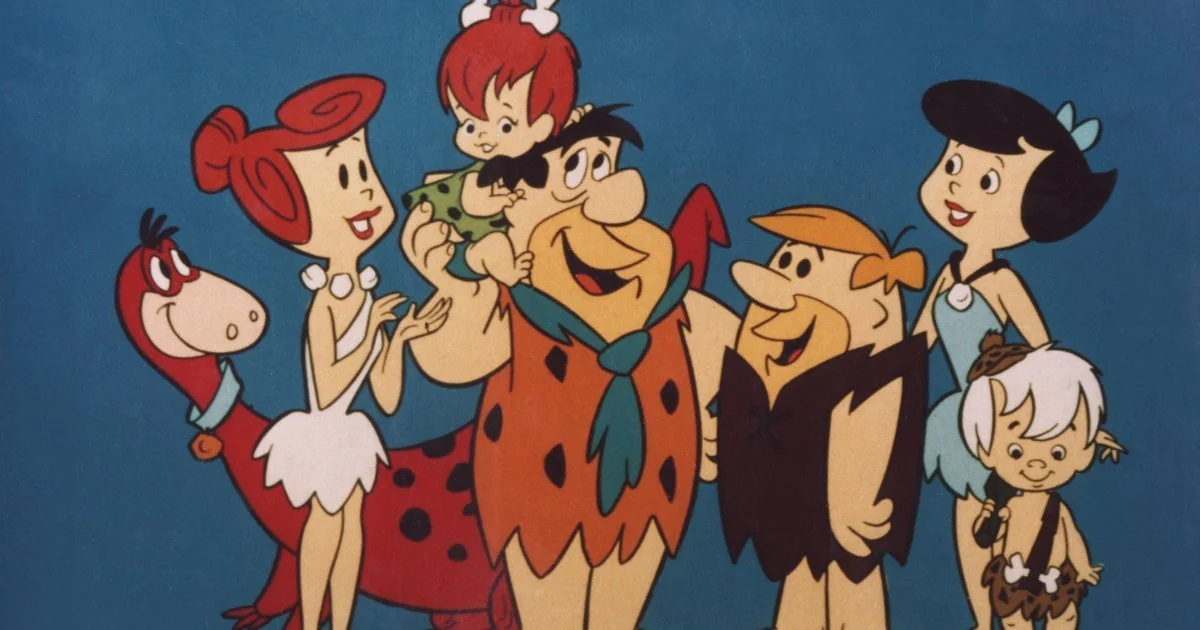
For all its slapstick, The Flintstones is really a show about a small family trying to get through everyday life – Fred, Wilma, and later Pebbles, plus the neighbors next door. That focus on a household unit reflects what archaeologists and anthropologists think about real Stone Age social structure: extended kin, close partners, and small networks of related families were the heart of everything.
Burial sites, shared hearths, and living areas from the Stone Age often show groupings that suggest family clusters and long‑term relationships. Childcare, food sharing, and cooperation in tasks likely revolved around these units. When you look at Fred juggling work, home, and parenting, under all the absurd inventions and talking animals, you see a recognizable human pattern: family as the primary support system in a world with few safety nets and zero HR departments.
5. A mixed diet of meat and plant foods lines up with real Stone Age eating
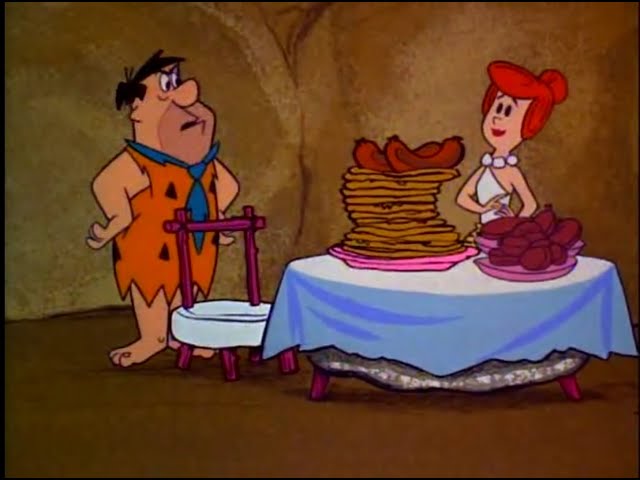
We mostly remember giant dinosaur ribs balancing on Fred’s car, but zoom out and you notice Bedrock’s world includes meat, fruits, and various plant foods. That actually tracks with what archaeologists see in ancient diets. Stone Age people did not live on nothing but meat or nothing but roots; they ate whatever was available and reliable, from hunted animals to gathered berries, nuts, seeds, tubers, and later early grains.
Scratches on teeth, chemical signatures in bones, and preserved food remains at sites all point to flexible, seasonal diets. In many environments, gathered plant foods likely provided a large share of daily calories, while hunted animals added valuable fats and protein when successful. The show exaggerates the size of the steaks and the drama of dinner, but the core idea of a varied, opportunistic diet – not a single “caveman food” stereotype – is very much in line with what the evidence shows.
6. Social status, bragging rights, and “keeping up with the neighbors” are ancient
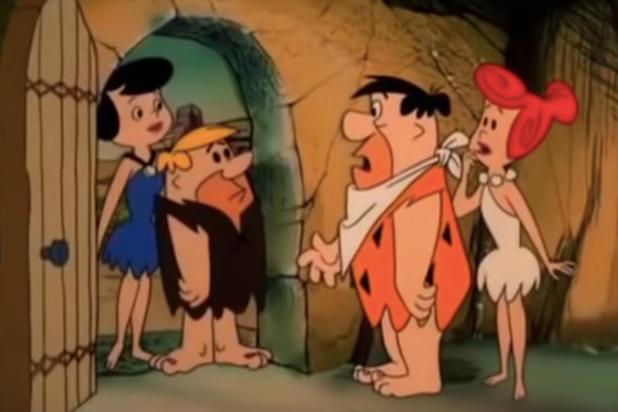
Fred is constantly trying to impress someone: his boss, his friends, or Barney next door. That desire to gain status and recognition might feel modern, but it is as old as humanity. Archaeological finds – elaborate burials, decorated tools, rare shells and beads carried far from the sea – suggest that prestige and symbolic display mattered even in very early communities.
When Fred shows off a new gadget or fights for a promotion, it mirrors deeper patterns of human behavior. People compare, they show status, and they signal success to others. In prehistoric times, that might have been expressed through hunting achievements, special ornaments, or control over important resources. In Bedrock, it is a stone‑age bowling trophy or a ridiculous new animal-powered appliance. The packaging is silly, but the social instinct behind it is extremely real.
7. Human–animal relationships hint at early domestication and companionship
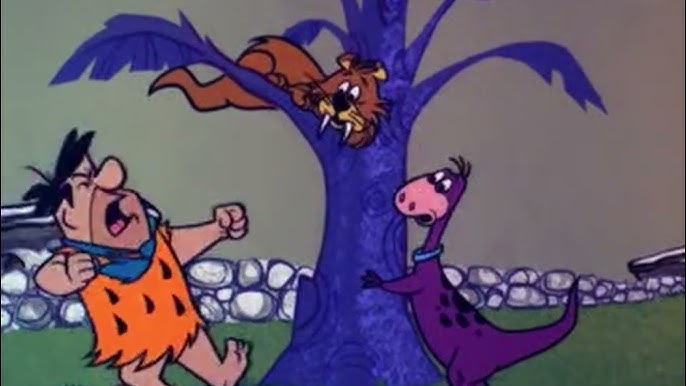
Bedrock is full of animals used for work, entertainment, and even as pseudo‑pets, and while the timeline is totally mangled, the idea that people built close, practical relationships with animals is rooted in reality. By the later Stone Age, humans had already begun domesticating dogs, and eventually started down the path toward domestic livestock like sheep, goats, and cattle. Those relationships were about survival first, but also about connection and familiarity.
Of course, no one in real prehistory used a dinosaur as a garbage disposal, but the concept that animals are helpers, companions, and central to daily life is grounded in the archaeological record. Bones of early domestic dogs buried with humans, or kept close to living areas, hint at emotional ties as well as practical ones. In its own absurd way, The Flintstones reflects that mixture of utility and affection, even if it swaps wolves for wisecracking reptiles.
8. The ever-present stone and rock landscape fits real prehistoric building materials
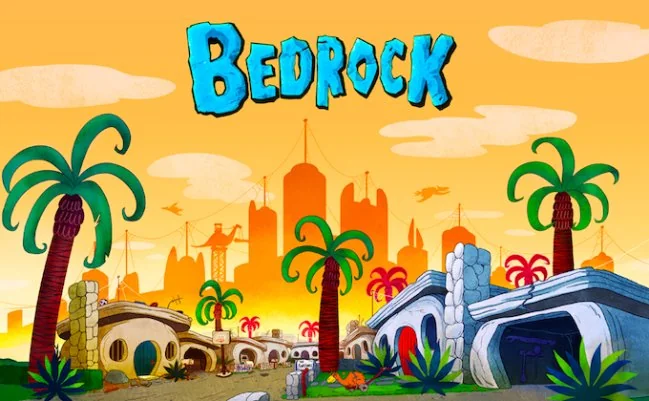
Everything in Bedrock is made of stone: houses, furniture, tools, city infrastructure. That is obviously exaggerated, but the focus on rock as the defining material of life does have a geological echo. Stone tools were the core technology for hundreds of thousands of years, which is exactly why we call it the Stone Age. Where good stone was available for making sharp, durable tools, people returned again and again.
In some prehistoric sites, stone was not just for tools but also for hearths, walls, and sometimes burial markers or early monuments. The show compresses all that into full‑on stone architecture and suburban bungalows, which is far beyond what most real Stone Age communities built. Still, the visual language – a world where rock dominates design and daily life – unintentionally nods to how central stone really was in shaping human history long before metal, brick, or concrete came along.
Conclusion: a lovable mess of truth and total nonsense
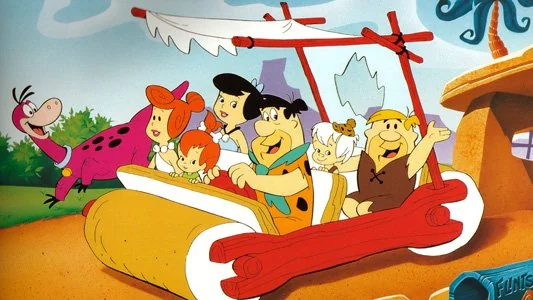
When I rewatched The Flintstones as an adult, I was surprised by how often I caught myself thinking, “That’s actually not totally wrong,” right before the show threw a talking pterodactyl into the scene and shattered the illusion. Under the gags, you can glimpse real Stone Age themes: small tight‑knit groups, simple but essential tools, brutal physical work, family at the center, complex social status games, and deep entanglement with animals and the landscape. For a mid‑twentieth‑century cartoon, that accidental accuracy is kind of impressive.
But that one big mistake – humans and dinosaurs coexisting – is not just a harmless quirk; it quietly warps how people picture the past. I think we should enjoy the show for what it is: a playful, nostalgic fantasy that occasionally brushes up against reality, not a map of human origins. Maybe the best way to honor both the science and the silliness is to laugh with Fred and then remember the real story is even wilder than the cartoon. Knowing what you know now, will you ever look at Bedrock the same way again?