
Imagine trying to build something today that people might still recognize not in a hundred years, not in a thousand, but in ten thousand years. Your house? Gone. Your phone? Dust. Even most cities would be unrecognizable rubble. And yet, scattered across the planet, ancient cultures quietly tried to do exactly that: carve messages and monuments into stone and earth that could outstare time itself.
What is most shocking is not just that some of these works are still here, but how deliberately they were engineered for endurance, sometimes with eerie success and sometimes with spectacular failure. When you look closely, you see a pattern: the harder a structure was to use or live in, the more likely it was designed as a message to the future rather than a convenience for the present. Let’s walk through eight of the most ambitious attempts to reach across deep time – and see which of them are actually still winning their fight against ten thousand years.
1. The Great Pyramid of Giza: Stone Geometry Built Like a Geological Feature
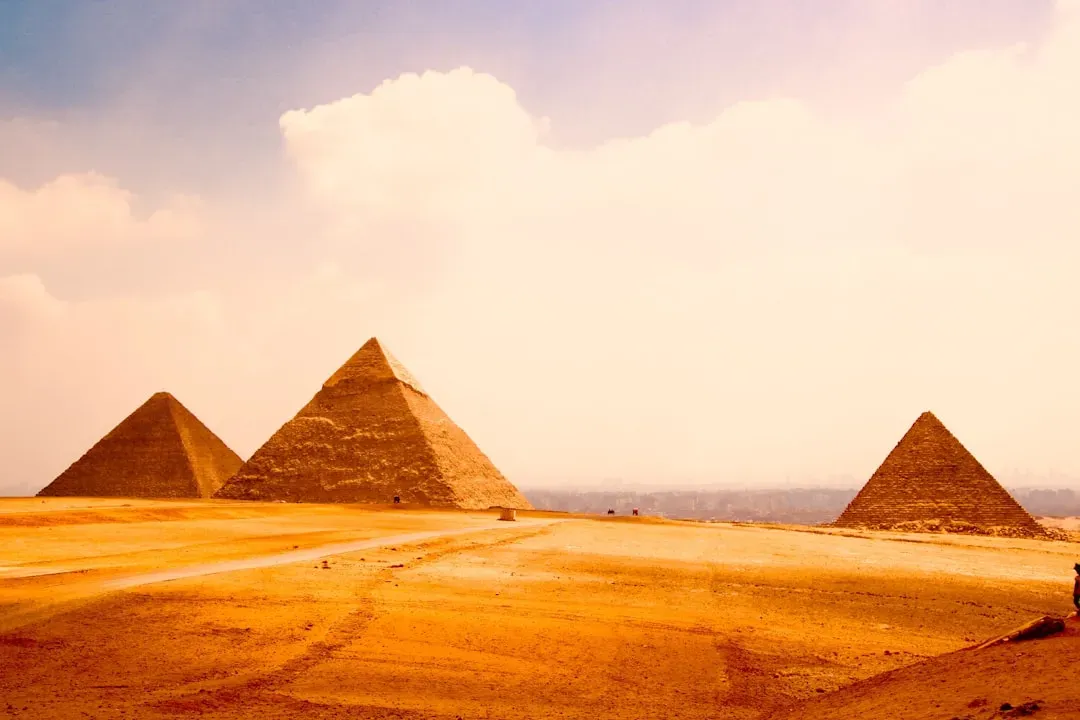
If any human-made object looks like it was meant to still be here in ten thousand years, it is the Great Pyramid of Giza. Built more than four thousand years ago from roughly two to three million stone blocks, many weighing as much as small trucks, it was engineered less like a building and more like an artificial hill welded out of limestone. The base is aligned with astonishing precision to the cardinal directions, the joints are tight enough in places to resist erosion, and the original smooth casing stones (most now missing) turned the entire thing into a gigantic, polished, weather-shedding wedge.
What makes the pyramid feel so deliberately long-lived is not just the mass of stone but the design choices that sacrifice comfort for permanence. There are no broad, airy halls for crowds; instead, cramped, carefully hidden passages and chambers buried deep within the structure, like a safe deliberately locked and buried. The Egyptians could have made a lighter, showier monument; they chose instead a monument that behaves almost like bedrock, and so far, even after invasions, earthquakes, and thousands of years of looting, the core pyramid is still here and still doing what it was meant to do: refuse to disappear.
2. Göbekli Tepe: Carved Memory From the Edge of Prehistory
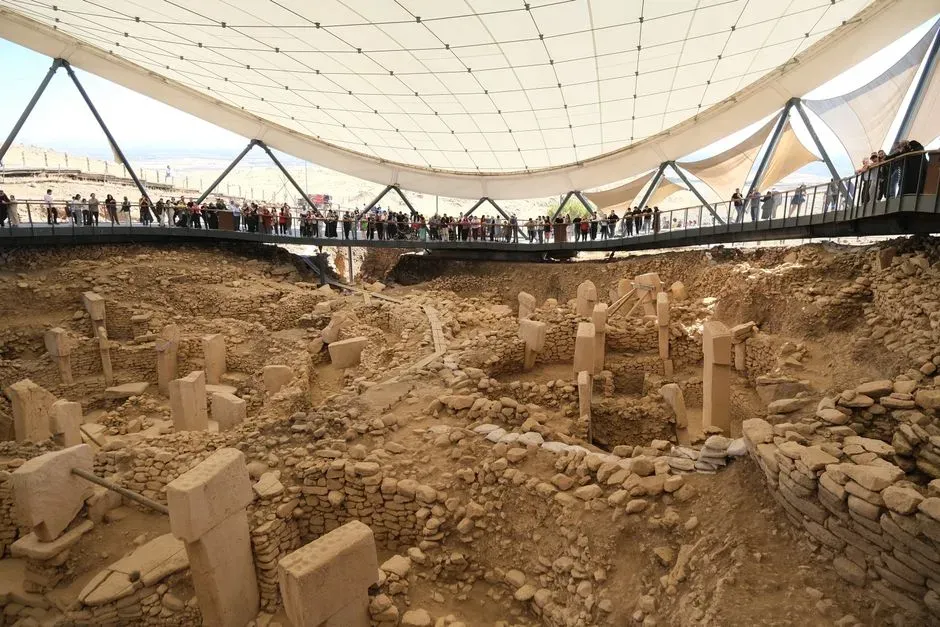
Long before the pyramids, at the edge of the last Ice Age, people in what is now southeastern Turkey were already thinking in deep time. Göbekli Tepe, dated to around eleven thousand to twelve thousand years ago, is a complex of massive T-shaped stone pillars arranged in circles, some decorated with foxes, birds, snakes, and abstract symbols. These stones are so heavy that moving them without metal tools or wheels would have taken massive, coordinated labor – the prehistoric version of deciding that the story you want to tell needs to be written into the bedrock itself.
What is fascinating is that Göbekli Tepe seems to have been intentionally buried after centuries of use, as if the builders wanted to preserve it rather than let it decay naturally on the surface. Imagine a community digging a giant grave not for a person but for their own sacred architecture, packing it in soil so later ages might rediscover it intact. The site today is partly standing, partly ruined, and heavily protected, but its survival at all suggests a mindset we rarely credit to hunter-gatherer societies: the realization that stone plus gravity plus deliberate burial might be the closest thing to a time capsule that humans can build.
3. Newgrange and the Megalithic Passage Tombs of Atlantic Europe
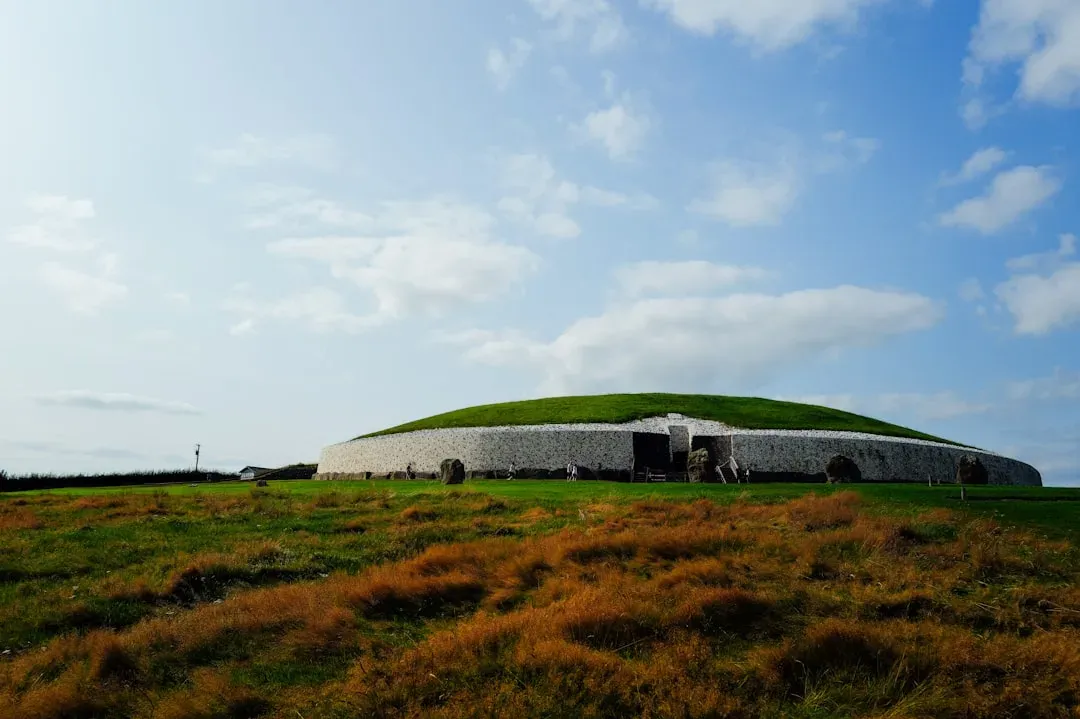
Across Ireland, Britain, and parts of Atlantic Europe, early farmers in the Neolithic era built stone passage tombs that function like intimate machines for aligning sunlight with time. Newgrange in Ireland, constructed more than five thousand years ago, is the celebrity example: a circular mound of earth and stone with a long, narrow passage leading to a central chamber that lights up with the rising sun on the winter solstice. To pull that off, its builders had to carefully align the passage, seal the structure against most water intrusion, and stabilize walls and roofs so that the geometry would still work millennia later.
These tombs are not tall, flashy monuments; they are low, earth-covered mounds that almost disguise themselves as natural hills. That disguise is part of their durability. Wind passes over them rather than through them, rain slides down and away, and the heavy stone slabs at their cores act like the skeleton of a stone animal buried in the soil. Even where passages have shifted and some alignments no longer hit perfectly, the basic structures have survived floods, farming, wars, and weather for thousands of years, quietly proving that small, hidden, and sheltered can sometimes outlast tall and dramatic.
4. The Nazca Lines: Messages Written at the Scale of a Landscape
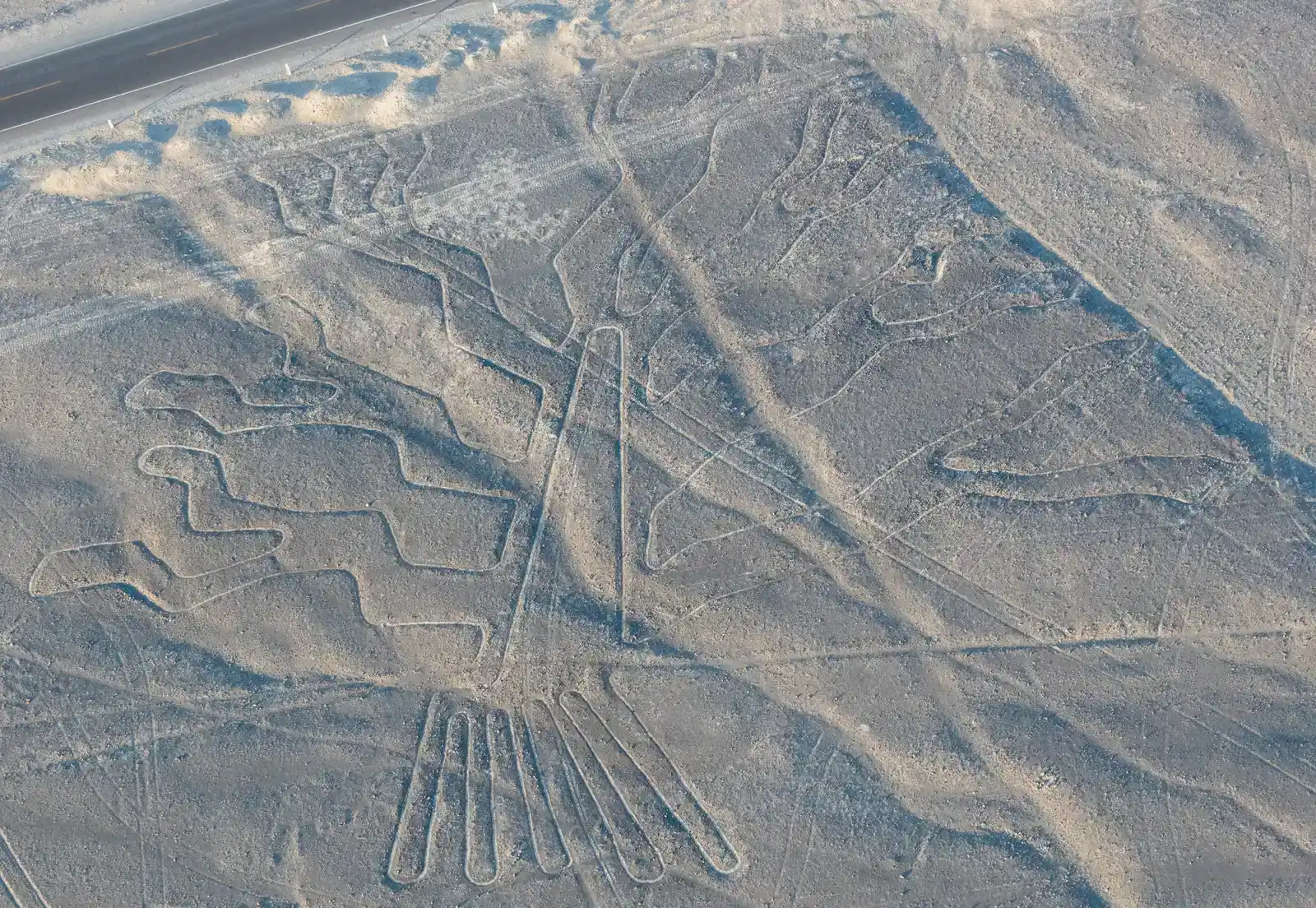
On the coastal desert plains of Peru, the Nazca culture scratched lines, geometric shapes, and enormous animal figures into the surface of the earth roughly two thousand years ago. They did it in a brutally simple way: by removing the dark, oxidized stones on the surface and exposing the lighter soil underneath. The resulting lines are shallow cuts, sometimes only a few centimeters deep, yet they stretch for kilometers and can only really be seen from the air, which means these people were designing at a scale few modern architects ever even think about.
It sounds fragile, but here is the twist: the Nazca chose one of the most stable canvases on Earth. The region’s climate is extremely dry with very little wind or rainfall, so once those lines were carved, they were exposed to almost no natural erosion. Instead of shaping solid stone, they changed the color of the ground and then trusted the desert to do the preserving. Many of the lines remain surprisingly sharp today, more like a drawing that has barely faded than a relic thousands of years old, and they may yet outlast our own cities if the climate holds even roughly steady.
5. The Moai and Platforms of Rapa Nui: Heavy Stone in a Fragile World
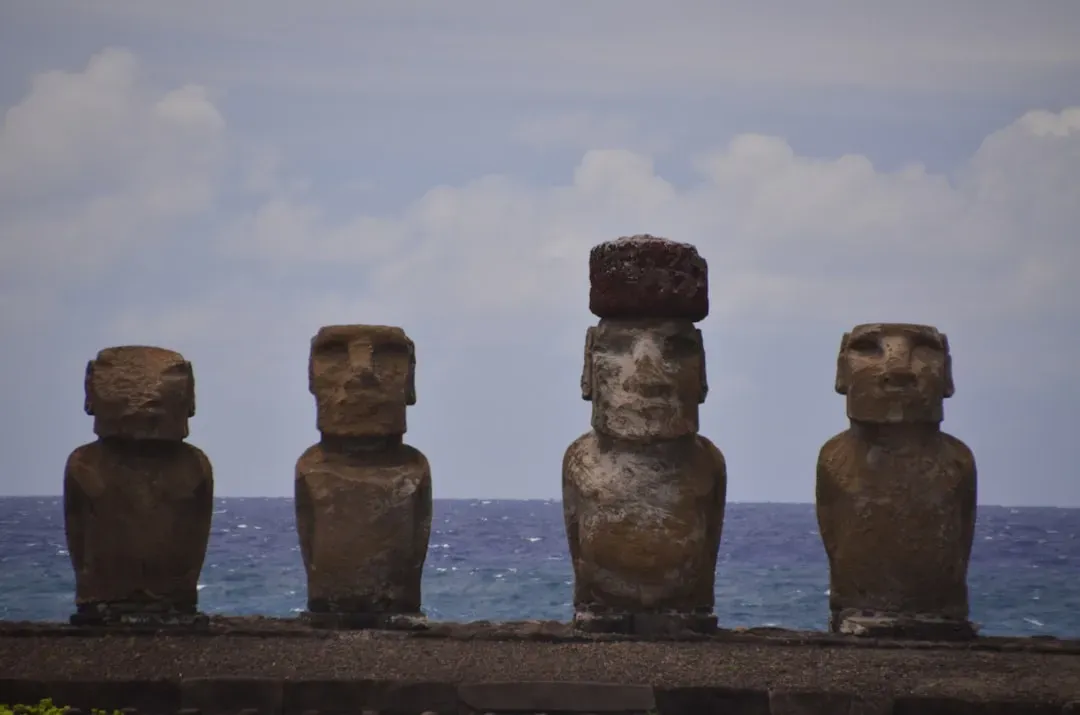
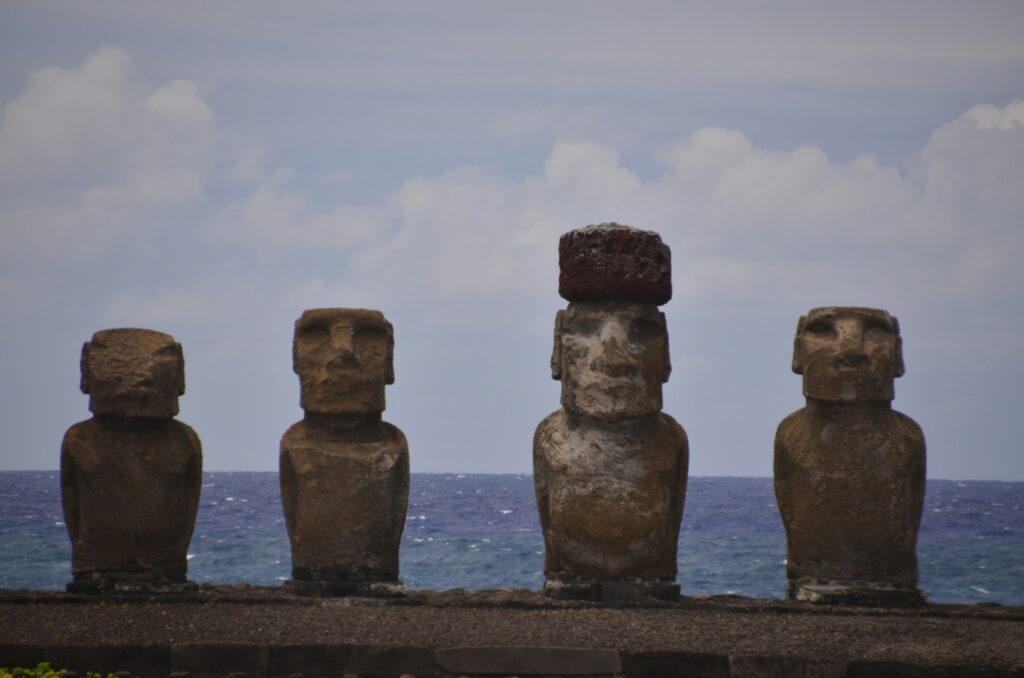
On Rapa Nui (Easter Island), the famous moai statues are usually treated as symbols of cultural collapse, but they are also a study in trying to build something that laughs at time. Carved from volcanic rock and standing on carefully fitted stone platforms called ahu, the moai are not just decorative; many were positioned to face inland, as if eternally watching over their communities. The platforms themselves, built from interlocking stone blocks with no mortar, were engineered to resist the constant salt-laden winds and the occasional earthquakes in this isolated corner of the Pacific.
The tragic side of Rapa Nui is that the society around these statues suffered deforestation, conflict, disease, and colonization – so the culture that built them nearly vanished while the stone figures remained. Over the centuries, some moai fell, and tsunamis and erosion damaged several platforms. Yet many still stand or have been re-erected on their original ahu, their faces weathered but unmistakable. In a sense, the stone won and the living world lost, and that uncomfortable contrast forces us to ask whether we, too, are pouring our genius into monuments that might outlive the ecosystems that support us.
6. Angkor Wat and the Stone Cities of the Khmer Empire
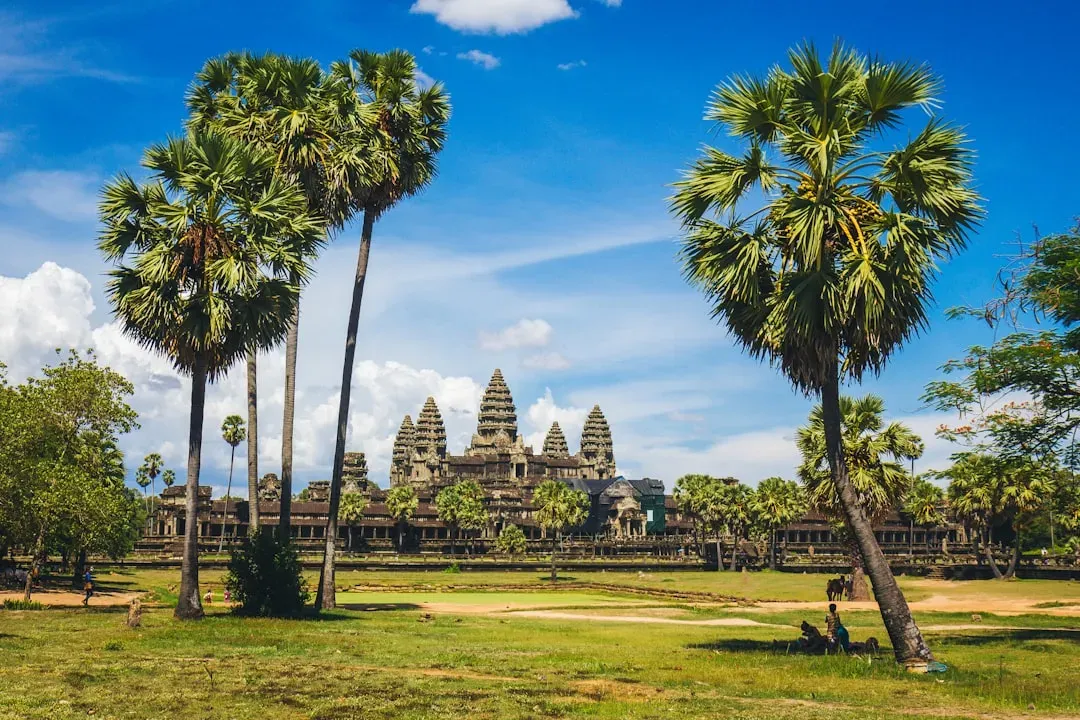
In the forests of Cambodia, Angkor Wat and the broader Angkor complex show what happens when a civilization tries to turn its capital into a permanent stone tapestry. Built in the twelfth century as a temple and political center, Angkor Wat is a vast grid of galleries, towers, and moats constructed primarily from sandstone blocks cut and transported with enormous effort. The outer moat and raised causeways help keep the foundations relatively stable, while the dense carvings that cover nearly every surface make the walls feel less like simple support structures and more like pages of a book written in stone.
Of course, the jungle had its own opinion. When the political center of the Khmer Empire shifted and Angkor’s complex water management systems were neglected, the city gradually declined, trees pushed roots into cracks, and sections of stone were pried apart over centuries by relentless vegetation and seasonal flooding. Yet the central temple and many surrounding structures are still here, reclaimed and partially restored, their bare stone bones refusing to fully disappear. Walking among them today feels like stepping into a half-remembered dream: a city clearly designed for permanence but forced into a slow, uneasy collaboration with the rainforest rather than the eternal dominance its builders might have imagined.
7. The Indus Valley’s Baked-Brick Cities: Durability Hidden in Everyday Grids
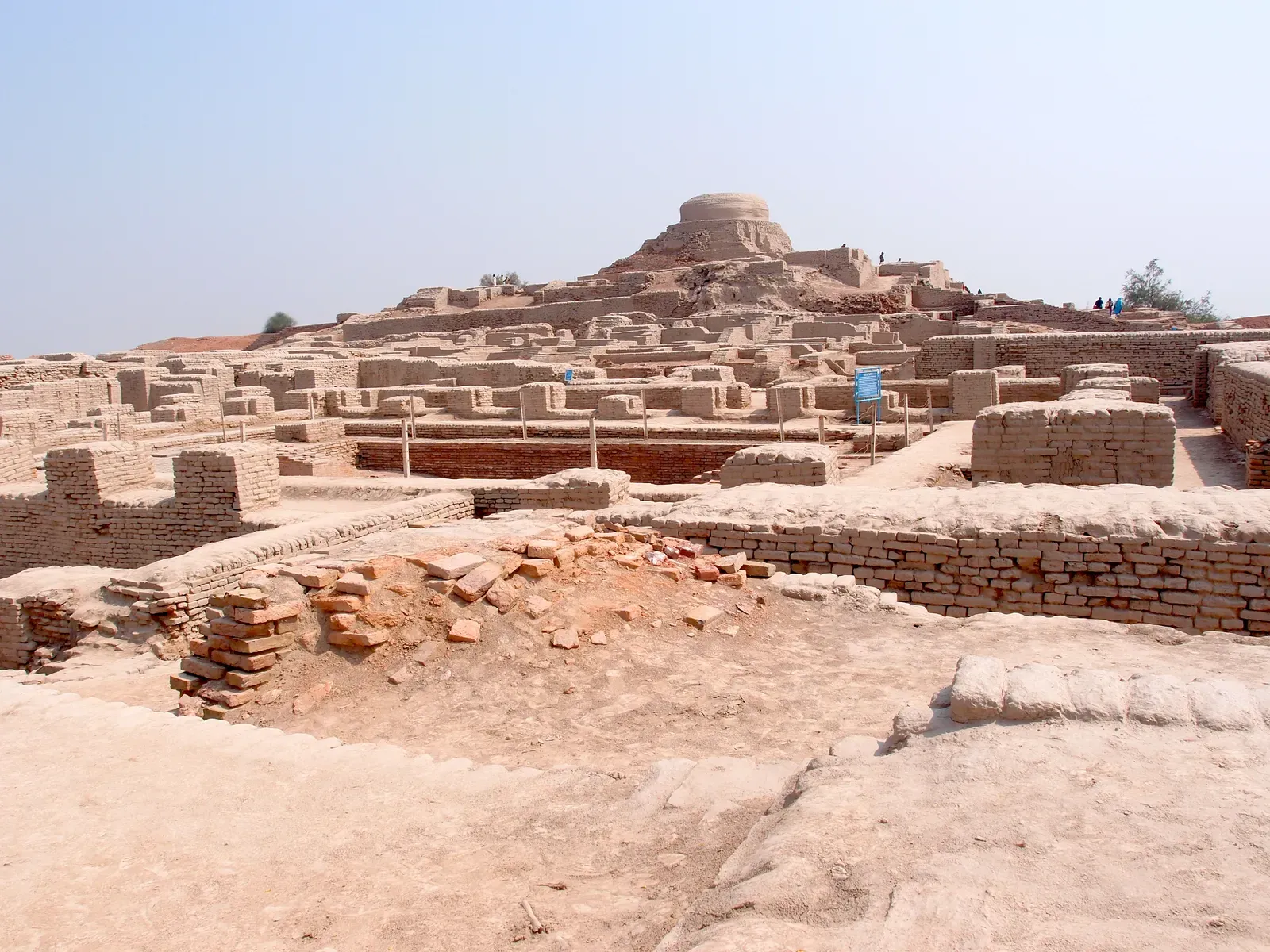
Unlike many ancient cultures that built towering tombs or shrines, the Indus Valley civilization (in what is now Pakistan and northwest India) poured its energy into something subtler but no less ambitious: whole cities made of standardized baked bricks. Sites like Mohenjo-daro and Harappa, founded more than four thousand years ago, show a startling degree of planning: straight streets laid out on grids, sophisticated drainage systems, and buildings constructed from uniform, high-fired bricks that resisted water and weather better than simple mud.
These cities were not built as monuments to gods or kings; they were working environments, and perhaps that is why their long-term survival is so surprising. Even after the civilization declined and layers of silt, floods, and reuse by later inhabitants took their toll, the brick foundations and street layouts remain so clear that archaeologists can still walk through neighborhoods and public baths. It is as if parts of an ancient urban blueprint were laminated in fired clay and then only half-erased by time, reminding us that building for daily life and building for deep time do not always have to be opposites.
8. The Rock-Cut Temples and Cities: Petra, Ajanta, and the Architecture of Subtraction
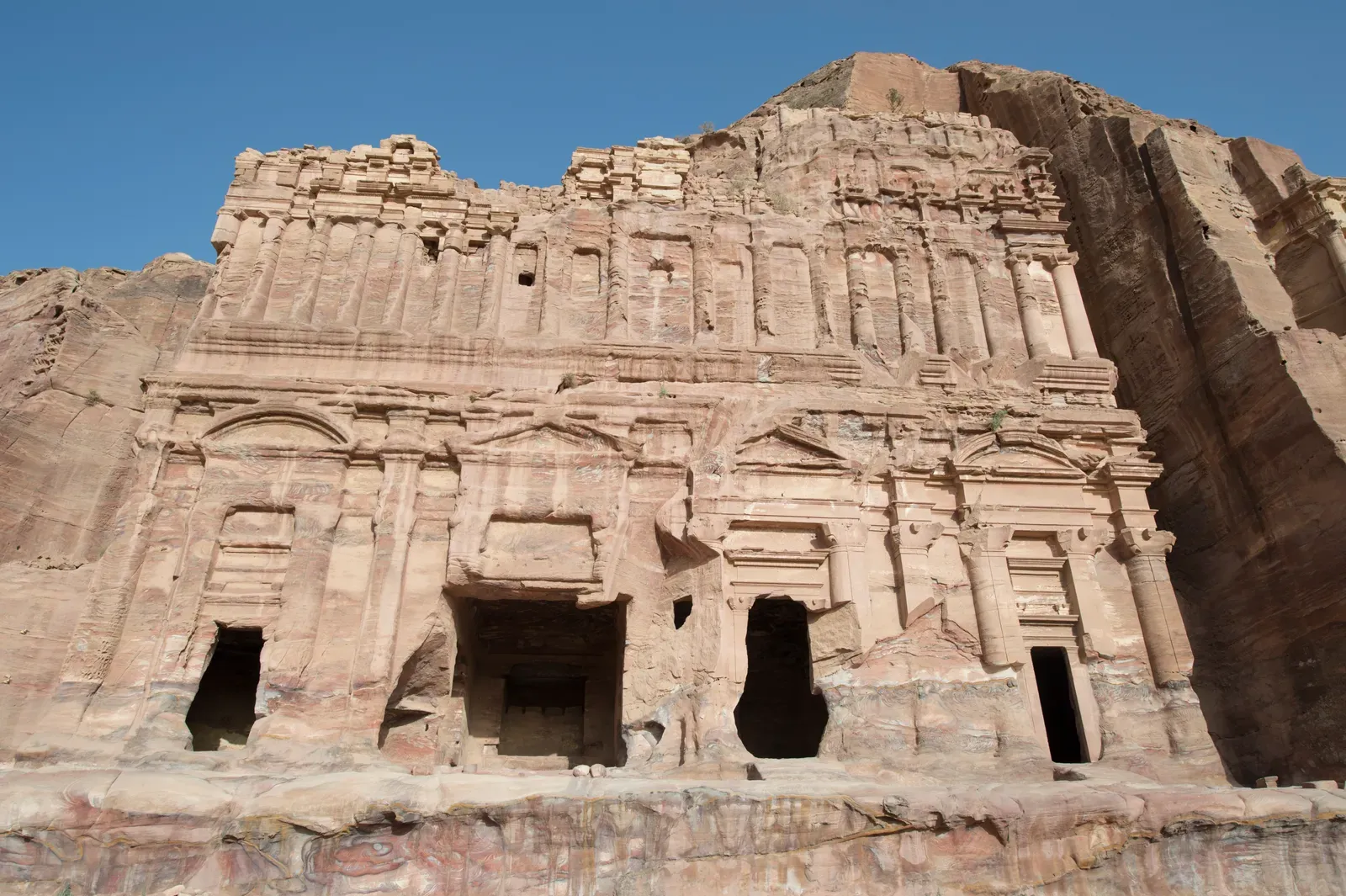
While most buildings are added onto the world, some of the longest-lasting sacred places were carved out of it. At Petra in Jordan, Nabataean builders sculpted facades directly into sandstone cliffs, turning vertical rock walls into monumental doorways and tomb fronts. In India, sites like the Ajanta and Ellora caves were hollowed from living rock, entire temple complexes excavated sideways into hillsides, with columns, statues, and altars all created by removing material rather than stacking it. This approach is like making a sculpture by carving a mountain from the inside out.
The genius of this negative architecture is that it inherits the stability of the host rock. There are no joints to fail, no mortar to wash out, far fewer surfaces for roots to pry apart. Weather still eats at exposed facades, and earthquakes can fracture even solid cliffs, but compared to freestanding structures, rock-cut monuments age slowly and stubbornly. Many of these places remain not just recognizable but actively used or visited, a reminder that sometimes the most durable way to build is not to add anything at all, but to carefully remove everything that is not the structure you want.
Conclusion: What Survives When We Don’t
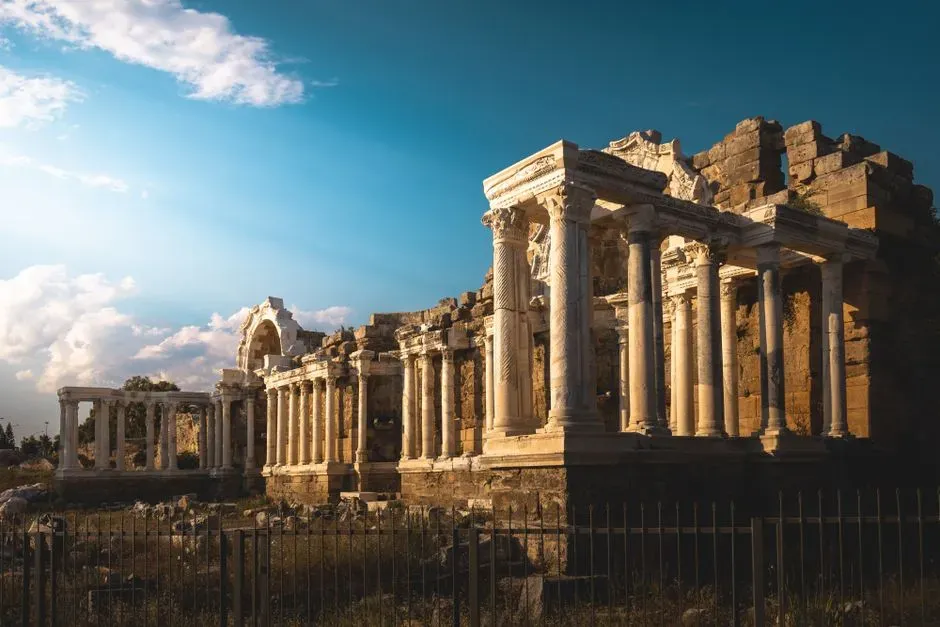
Looking across these eight examples, a slightly uncomfortable pattern emerges: the things that stand the best chance of lasting ten thousand years are the least flexible, least comfortable, and least alive. They are huge piles of stone, desert scratches, buried chambers, cliff-carved hollows – all brutally indifferent to human needs beyond the original act of building. As someone who spends more time than I’d like to admit worrying about data backups and corrupted hard drives, I find it both humbling and a bit infuriating that a group of people with stone tools could outperform the durability of almost everything we build today.
If anything, that contrast is a quiet indictment of our priorities. We obsess over what is new, updateable, and instantly shareable, while the cultures that reached for ten thousand years thought in terms of weight, erosion, and the slow moods of landscapes. I am not convinced we need more pyramids; our age probably does enough damage without new mega-monuments. But I do think we should ask a harder question: if someone stands on the ruins of our world in the year twelve thousand and twenty-six, what will still be there to explain who we were – and will it be something we are proud to have left behind?