
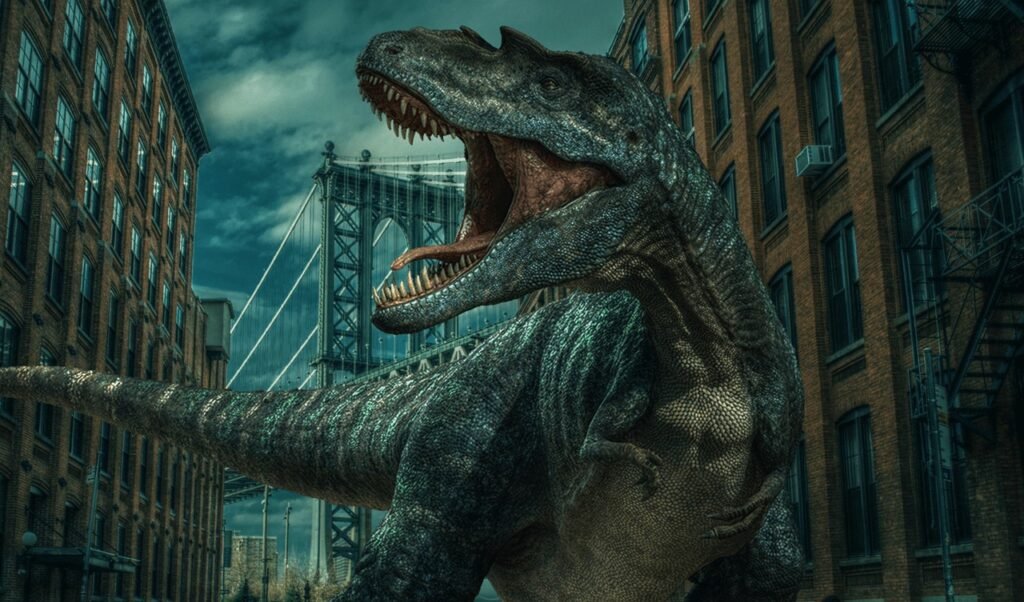
If your idea of dinosaurs comes mostly from a dark cinema, a bucket of popcorn, and a roaring T. rex, you’re in good company. Those scenes are burned into our brains: sleek raptors opening doors, colossal beasts sprinting like racehorses, and a “Jurassic World” theme park that looks one power outage away from the apocalypse. It feels thrillingly real… until you start looking at what the science actually says.
Once you do, something surprising happens. The real story of dinosaurs and their world turns out to be even stranger, more beautiful, and more complex than the loudest Hollywood set piece. Some movie myths are harmless fun, but others quietly warp how we think about evolution, extinction, and even our own place on this planet. Let’s pull back the curtain and see where the films go gloriously off the rails.
1. Raptors Were Not Human‑Sized Ninja Killers
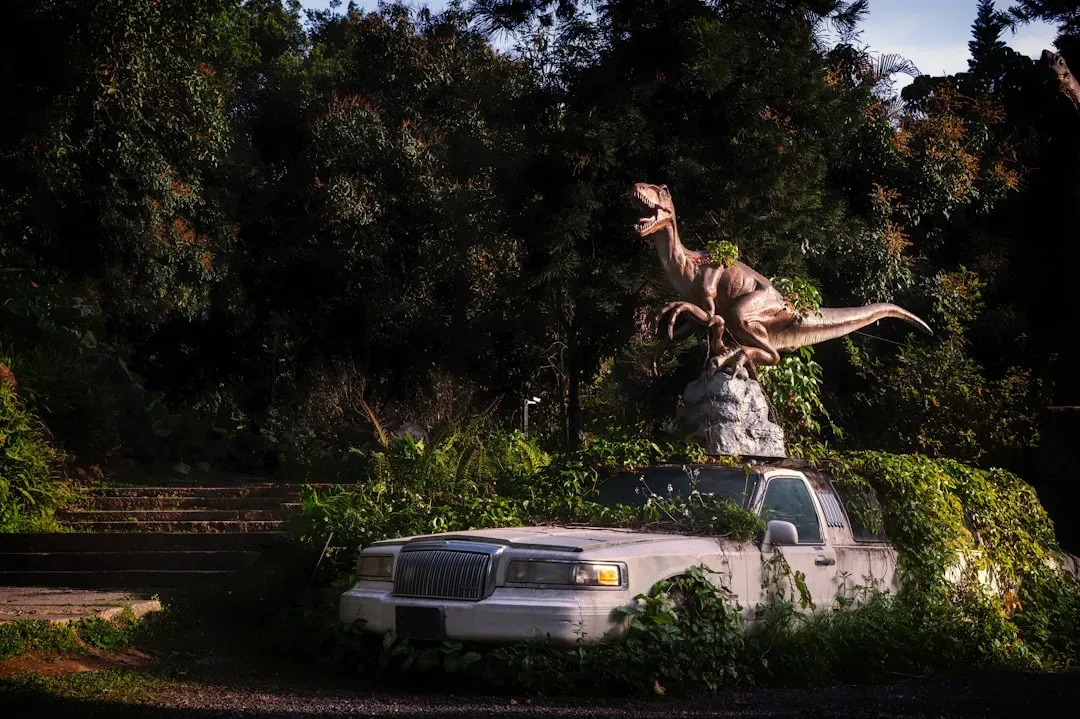
Movie raptors are built like nightmare gymnasts: human‑height, hyper‑intelligent, and apparently one minor injury away from starting a union. In reality, the dinosaur actually called Velociraptor was roughly the size of a large turkey, with a long tail and feathers. It was still a formidable predator, but not the chest‑high monster that can stare you in the eye in a kitchen.
Hollywood also cranks up their intelligence to near human levels, turning them into tactical squad leaders that coordinate like special forces. Real raptors were smart compared to many other dinosaurs, probably on par with some modern birds, but not plotting multi‑step prison breaks. Think “very capable bird of prey,” not “evil genius with claws.” The truth is still cool; it just does not need night‑vision goggles and a battle plan.
2. Dinosaurs Were Often Feathered, Not Just Scaly Monsters
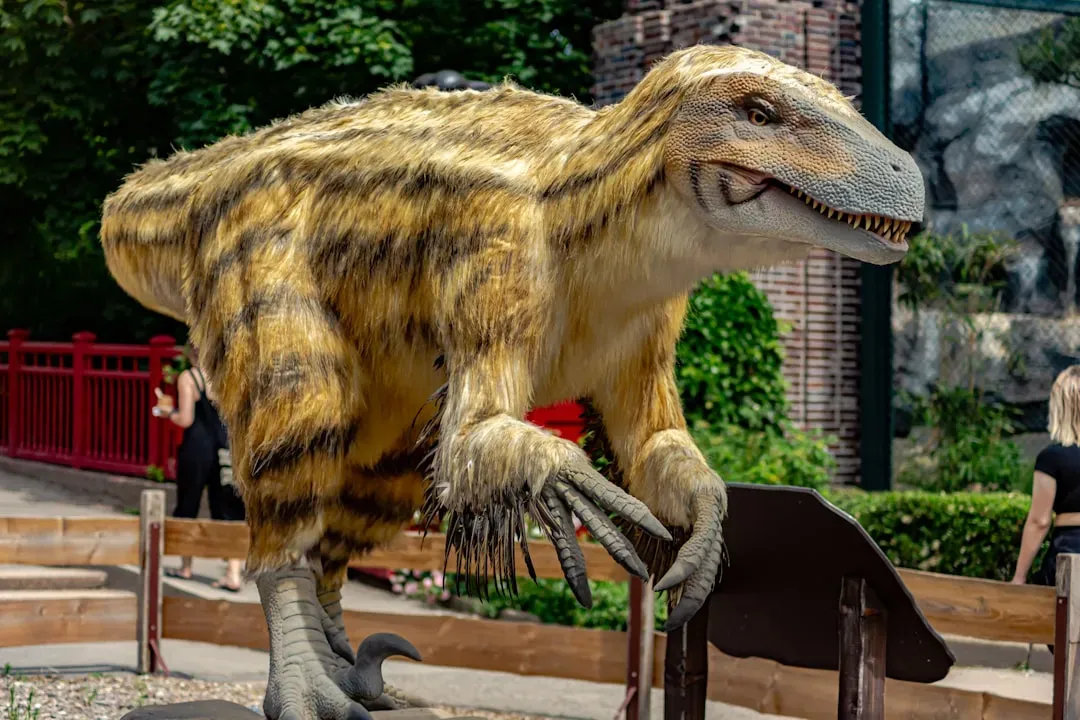
The classic movie dinosaur look is all crocodile skin and lizard vibes, but fossils tell a much fluffier story. Many species, especially among the theropods (the group that includes T. rex and raptors), show evidence of feathers, fuzz, or filament‑like coverings. Some may have looked more like oversized, murder‑inclined birds than like giant, naked reptiles.
Why does that matter? Feathers change how we imagine their behavior, temperature control, and even color patterns. Instead of a single dull, mud‑green tone, some dinosaurs likely flashed stripes, mottled patterns, or subtle iridescence to communicate, camouflage, or attract mates. The real Jurassic world was probably more like a chaotic, dangerous bird sanctuary than a park full of scaled dragons.
3. The Jurassic World Was Not One Big Mixed‑Up Dino Party
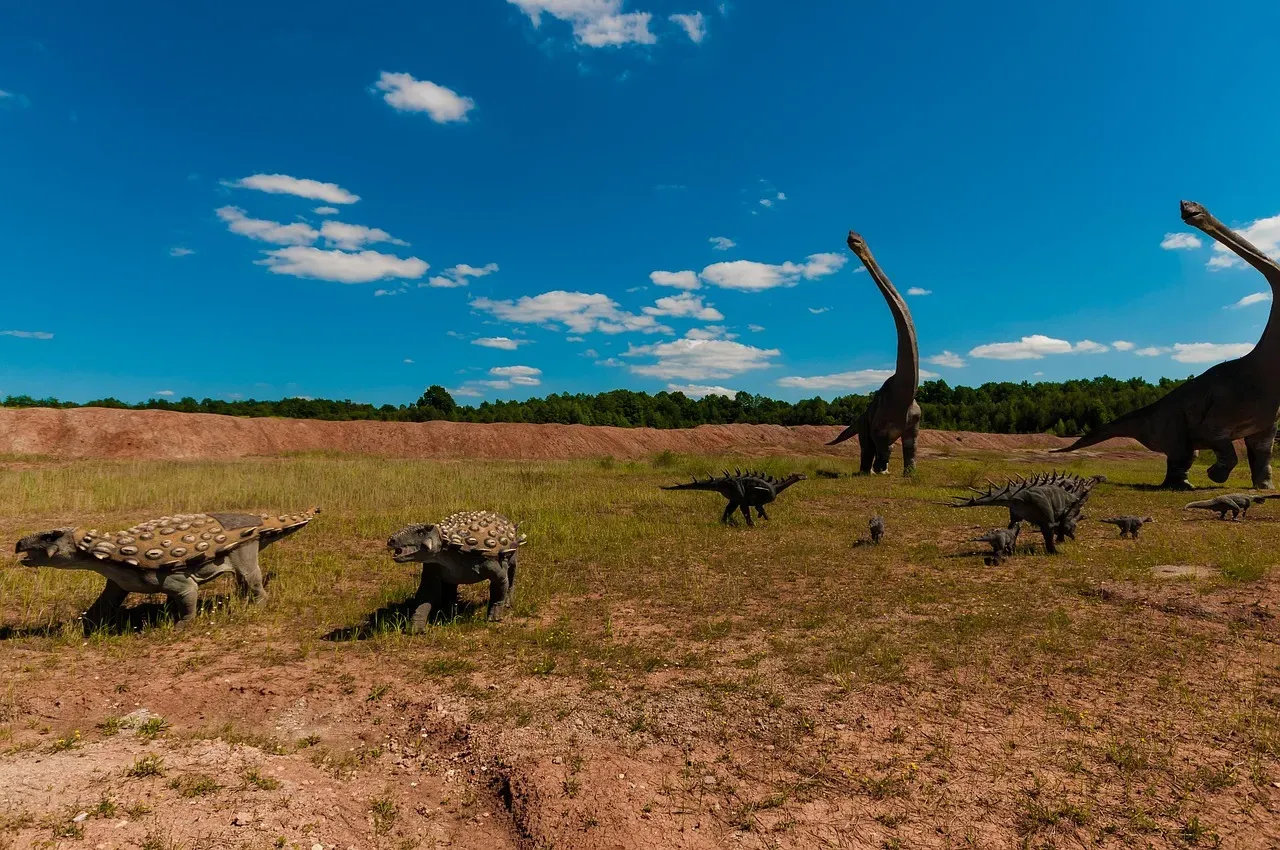
The films mash together creatures from different periods as if the Mesozoic was one endless, prehistoric festival. In reality, the “age of dinosaurs” stretches over an almost unimaginable span of time, with entire species appearing and disappearing long before others ever evolved. Many fan favorites in the movies are not even from the Jurassic period at all; they are from the Cretaceous, which came later.
Imagine a historical movie that throws medieval knights, Roman legions, and modern fighter jets into the same battlefield and calls it a day. That is basically what is happening when you see all those dinosaurs side by side. It makes for great spectacle, but it flattens time into a single moment and hides the fact that dinosaur evolution was a long, dynamic, constantly changing story.
4. T. rex Was Not a Constant, Perfect Killing Machine
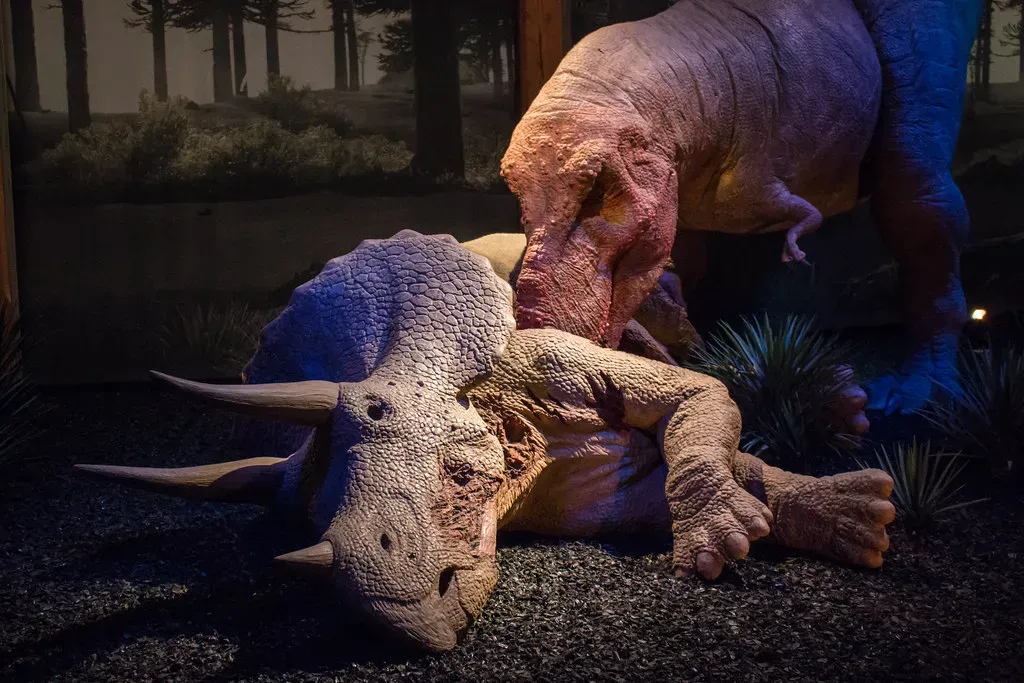
Films love the unstoppable predator trope, and T. rex gets cast as the ultimate example: endlessly hunting, always roaring, never missing. The real animal was certainly terrifying up close, with a bite that could crush bone, but it probably spent a lot of time scavenging, resting, and behaving like, well, a real animal. Life in the late Cretaceous was not a 24‑hour action sequence.
Researchers still debate how fast T. rex could actually move, but the consensus leans toward powerful walking or jogging rather than sustained high‑speed sprinting. A creature that size has to obey physics; bones, muscles, and tendons can only handle so much force before things start snapping. The reality is less cinematic but more believable: a top predator that relied on ambush, opportunity, and patience, not marathon‑length chase scenes in a Jeep.
5. Dinosaur Behavior Was Not All Screaming and Rampage
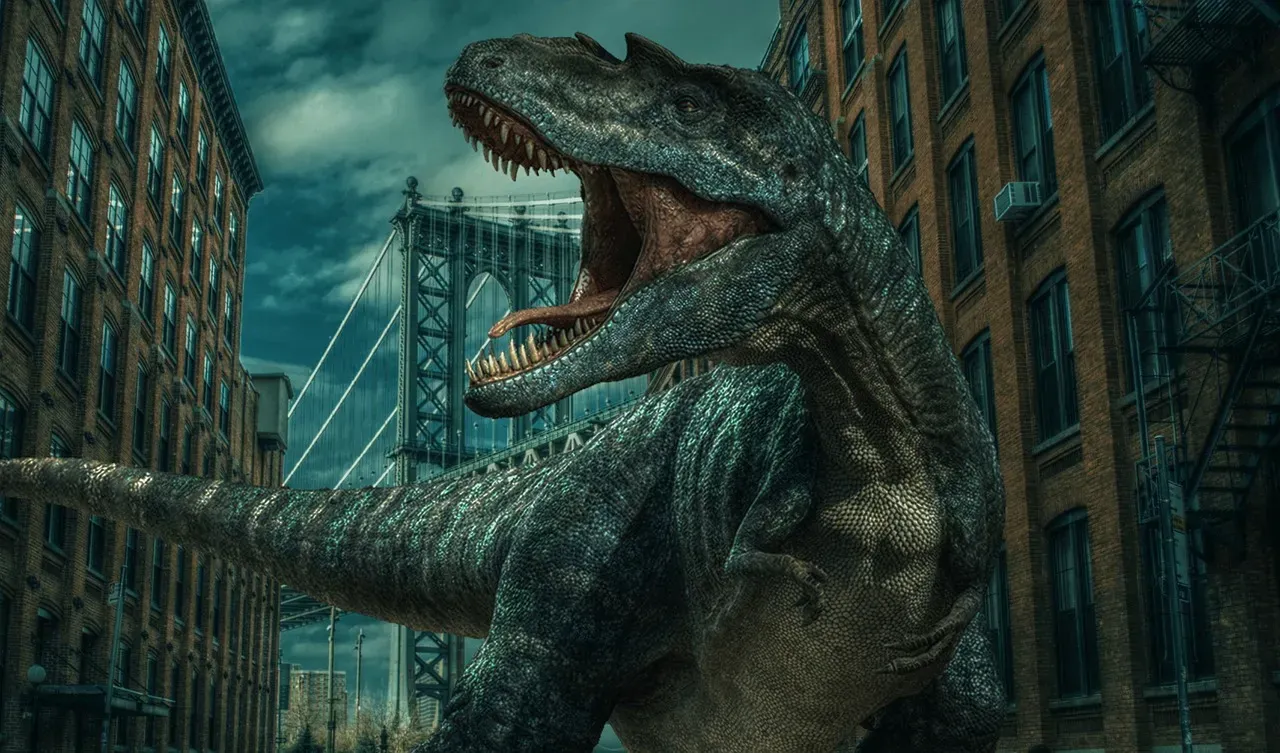
On screen, dinosaurs mostly exist to charge, chase, and chomp. Off screen, the fossil record suggests many of them lived complex, slower, more ordinary lives. There is evidence of nesting sites, herd behavior, and even possible parental care in some species. That means time spent guarding eggs, moving in groups, and dealing with social dynamics, not just dramatic battles every five minutes.
Think about modern animals: lions spend a lot of their day resting, birds preen and build nests, elephants interact in tight family groups. Dinosaurs were animals too, not walking special effects. They had to eat, sleep, migrate, and raise offspring. If anything, their quieter moments – nest building, bickering in herds, choosing mates – are where the really interesting stories hide, just not the kind that usually get green‑lit in a blockbuster script.
6. Cloning Dinosaurs from DNA in Amber Is Wildly Unrealistic
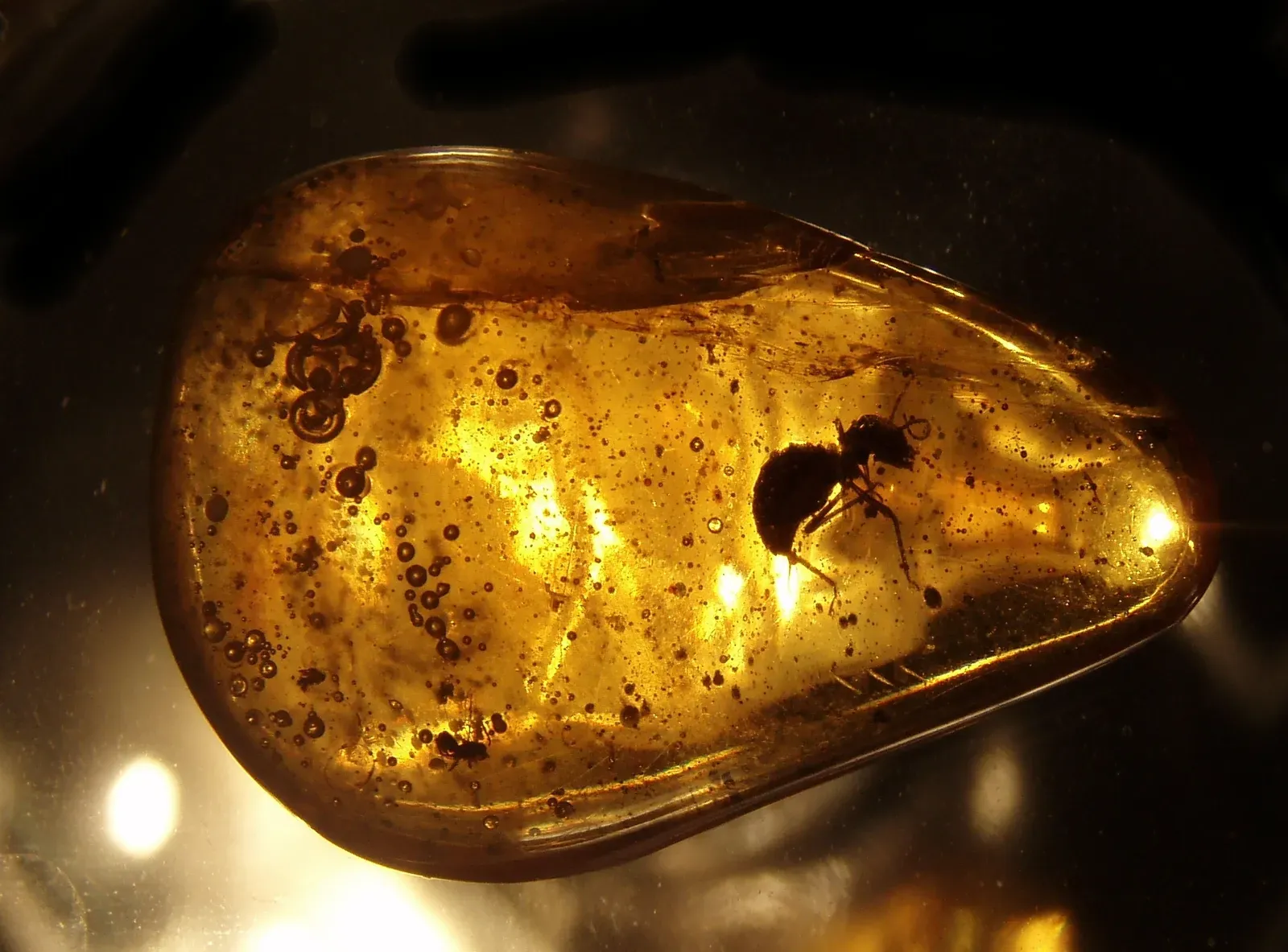
The central idea of Jurassic World is slick and seductive: grab dinosaur DNA from insects trapped in amber, fill in a few gaps, and boom, living fossils. The problem is that DNA breaks down over time, and every study so far suggests it does not last anywhere near the tens of millions of years we would need. What is trapped in amber is scientifically valuable, but it is not a ready‑made dinosaur recipe.
Even if we had perfectly preserved DNA, rebuilding an entire genome and then growing a viable embryo inside some kind of host would be unimaginably complicated. You would need knowledge of dinosaur development, reproduction, and cell biology that we simply do not have. Right now, resurrecting a non‑avian dinosaur is much closer to science fiction than to an “if only the lawyers would approve this budget” scenario.
7. A Real Dinosaur Theme Park Would Be a Biological Disaster Zone
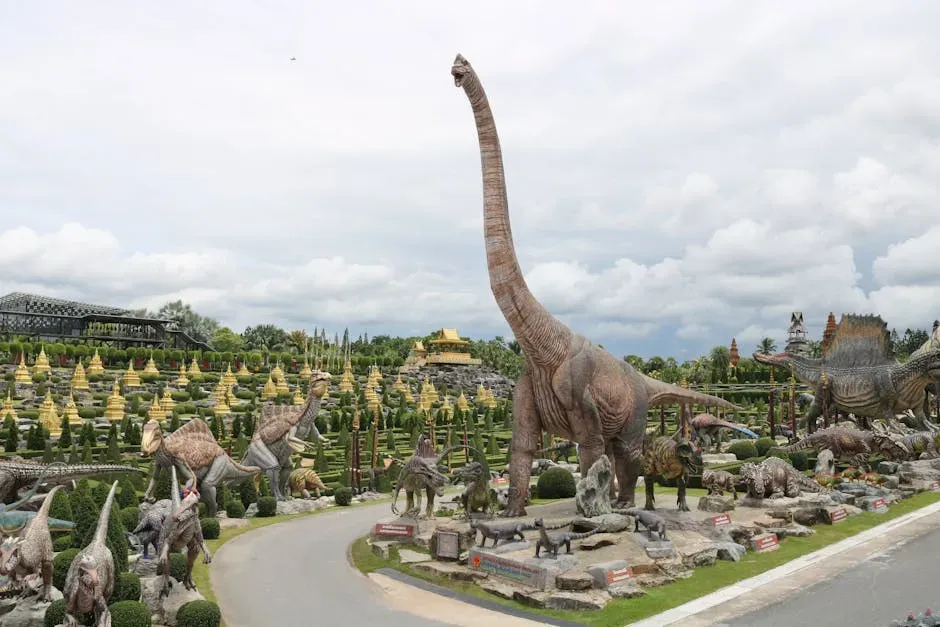
In the movies, the dinosaur park feels like a slightly more dangerous version of a regular zoo. You add more fences, maybe a few more armed guards, and hope for the best. In reality, putting gigantic, extinct animals into a modern ecosystem would explode a minefield of biological, ethical, and environmental problems that a safety manual cannot fix.
There would be unknown diseases, food chain disruptions, and massive welfare challenges for animals that did not evolve to live in our climate, atmosphere, or microbial world. Even on a purely practical level, building enclosures that could genuinely withstand the force, intelligence, and unpredictability of these creatures borders on fantasy. The idea is entertaining precisely because we do not actually have to engineer the mess it would create.
8. Dinosaurs Did Not Completely Vanish – They Changed into Birds
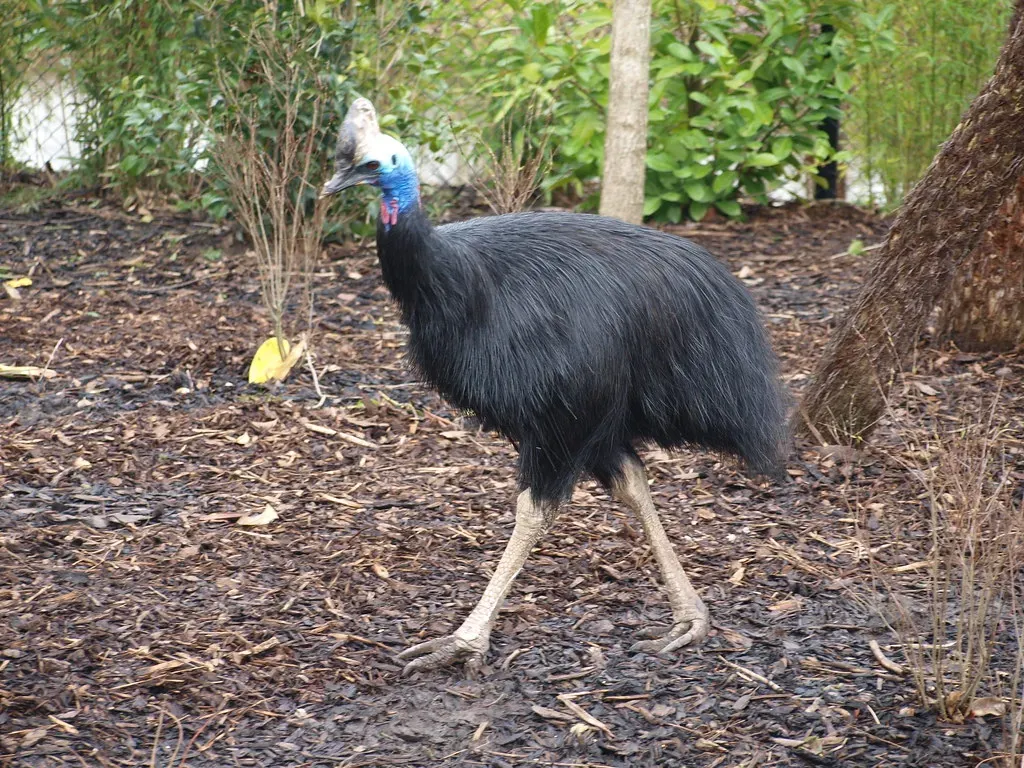
Movies usually frame the end of the dinosaurs as a single, absolute wipeout and then fade to black. What disappears from that story is one of the most astonishing facts in all of evolution: a whole branch of theropod dinosaurs survived and kept going. We call them birds now. The pigeons stealing your fries and the hawk circling overhead are direct, living dinosaur descendants.
Once you know that, the line between “then” and “now” gets beautifully blurry. The extinction event at the end of the Cretaceous was brutal, but it was not the end of the dinosaur story; it was a plot twist. When you watch a heron stalking along a riverbank or a crow solving a puzzle, you are watching echoes of traits that helped some dinosaurs adapt and persist. Jurassic World never really ended – it just shrank, grew feathers, and started singing in the trees.
Conclusion: The Truth Is Stranger, and Better, Than the Movies
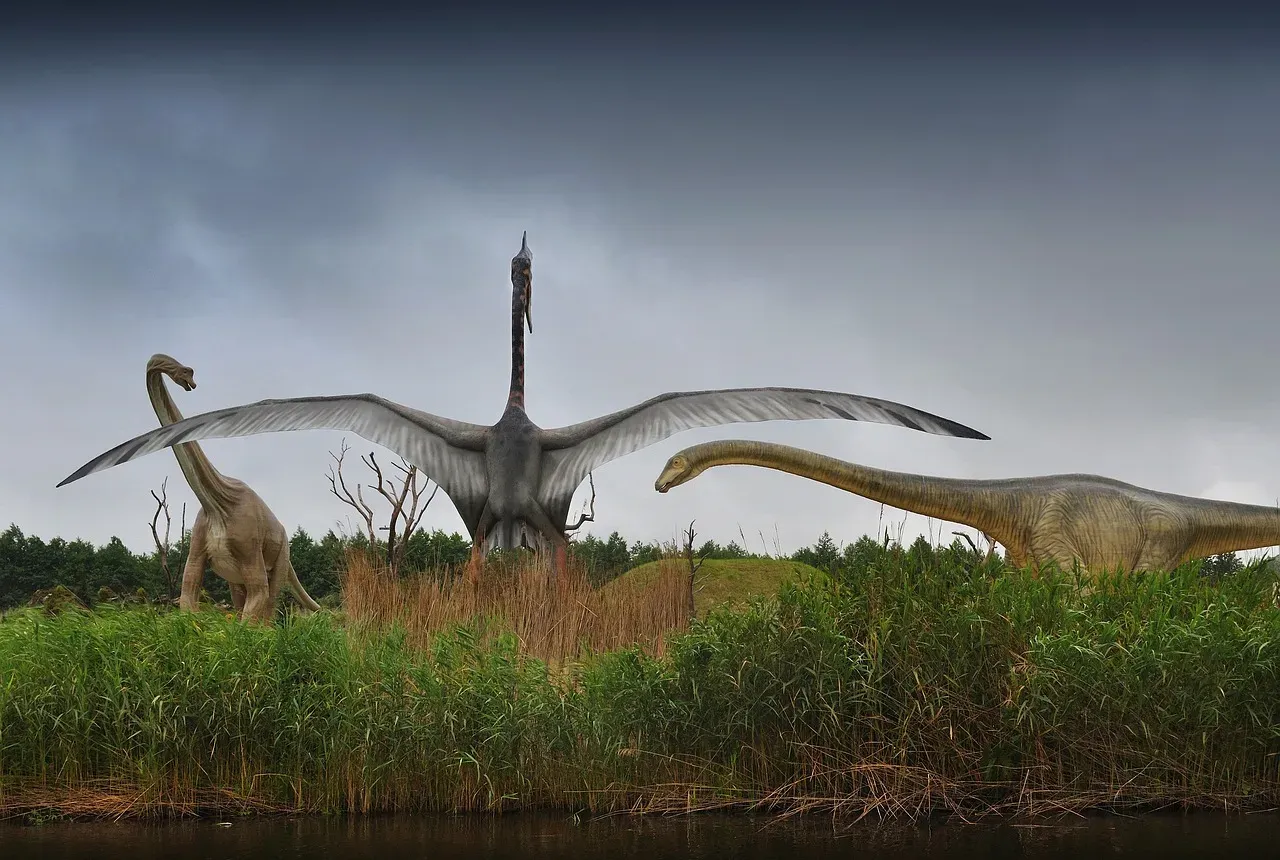
When I first dug into this topic, I expected to feel a little disappointed, as if science were taking my movie monsters away. The opposite happened. Real dinosaurs turn out to be weirder, more varied, and more intertwined with the present than anything a scriptwriter has put on screen. Feathered predators, deep time gaps, bird‑dinosaurs hopping around our cities – none of that needs dramatic music to be awe‑inspiring.
Maybe that is what bothers me a bit about how films handle them: not that they get details wrong, but that they quietly shrink the story to fit a chase sequence. The actual Jurassic world was not just louder; it was longer, subtler, and far more creative. The next time a movie raptor hisses at the camera, it might be worth picturing a modern hawk instead and remembering you are already sharing the planet with the last dinosaurs. Which version feels more mind‑blowing to you now – the CGI fantasy, or the fact that the real survivors are perched outside your window?