
Nature absolutely loves a remix. Across the history of life, completely unrelated creatures, separated by oceans, continents, and hundreds of millions of years, have evolved eerily similar bodies, behaviors, and even microscopic tricks. It is like the universe keeps handing out the same answer sheet to totally different students taking the same impossible exam: how do you survive here, now, under these conditions?
Scientists call this convergent evolution, and once you start seeing it, you cannot unsee it. From sharks and dolphins to cacti and desert shrubs, evolution keeps stumbling onto the same weirdly elegant designs again and again. Let’s walk through eight of the most striking cases where life solved the same problem twice (or more), and ask what that really says about how “creative” evolution actually is.
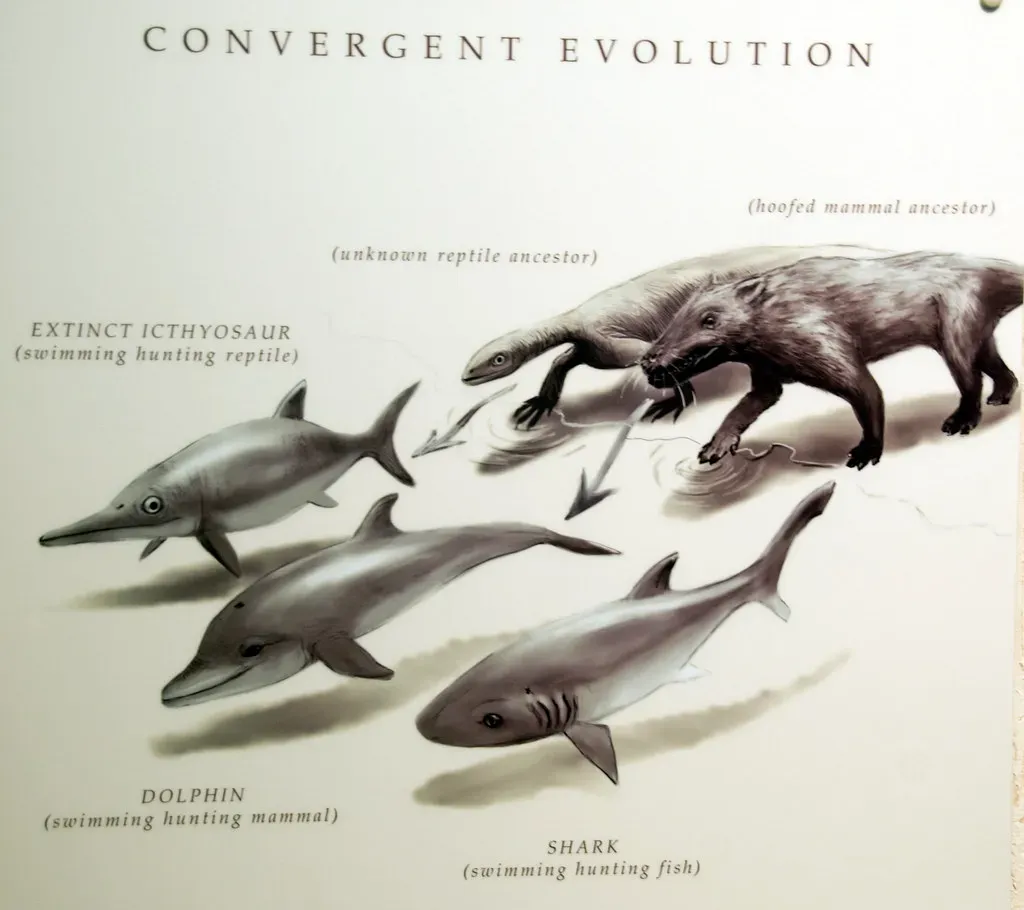
Sharks, Ichthyosaurs, and Dolphins: The Torpedo Shape That Rules the Seas
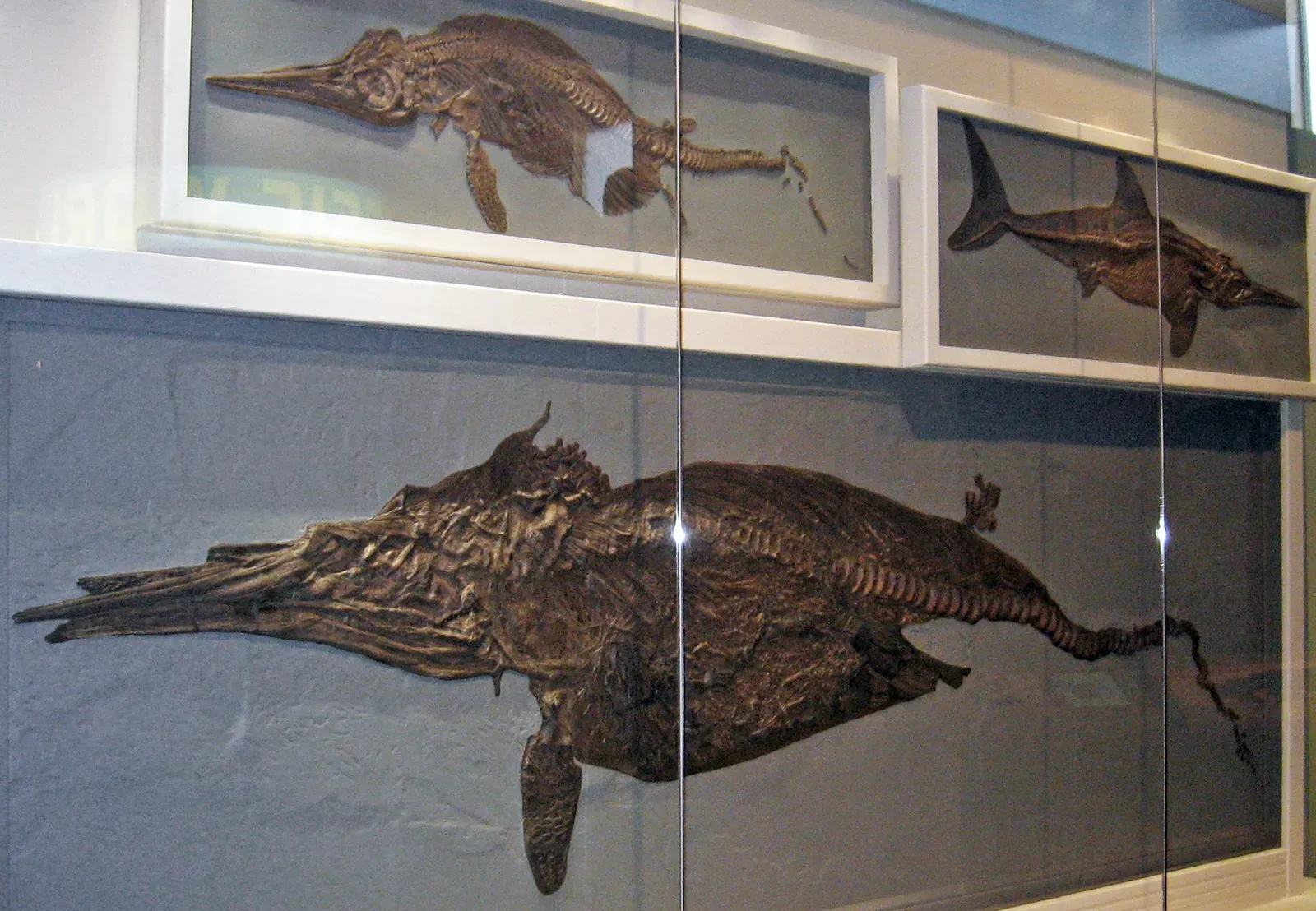
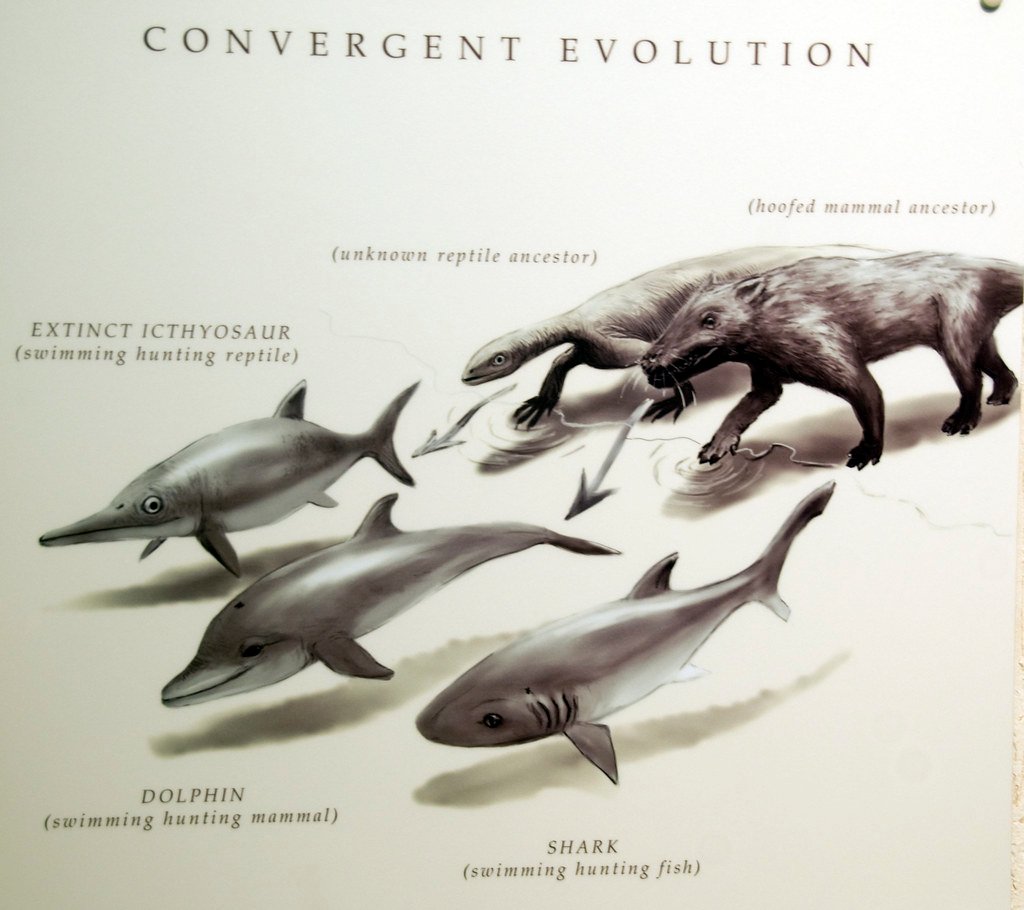
Imagine three animals: one is a fish, one is a reptile, and one is a mammal. They come from completely different evolutionary branches, yet all three ended up with sleek, torpedo-shaped bodies, powerful tails, and flippers instead of legs. Sharks, ancient ichthyosaurs, and modern dolphins are a perfect example of evolution being less like a painter and more like an engineer forced to obey the same physics.
Moving fast through water punishes anything that is bulky, lumpy, or poorly streamlined. Over time, natural selection shaved off the drag, flattened the bodies, narrowed the snouts, and turned limbs into stabilizing fins in all three groups. I find it wild that an ichthyosaur from the Jurassic and a dolphin today could be drawn side by side and, at a glance, you might think they are distant cousins instead of total evolutionary strangers.
Wings Without Feathers: Bats, Birds, and Pterosaurs Take to the Sky
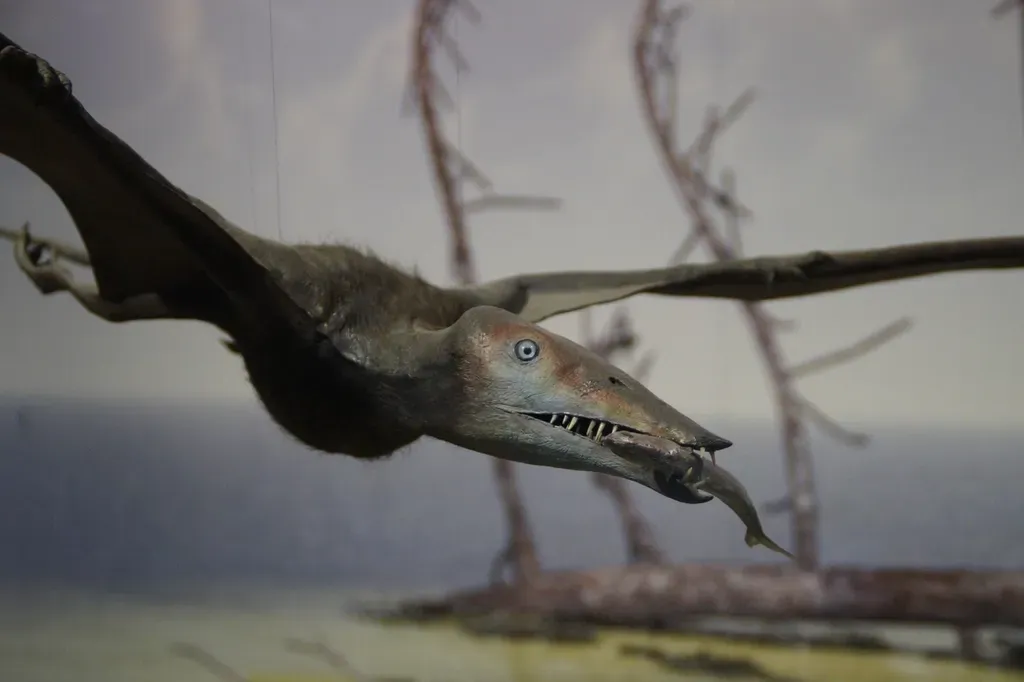
Flight evolved not once, not twice, but at least three separate times in vertebrates: in pterosaurs, birds, and bats. Each group used different raw materials. Pterosaurs stretched a membrane along a super-elongated fourth finger, birds turned feathered forelimbs into wings, and bats built delicate skin sails between ultra-long fingers. Yet all three ended up with broad, cambered surfaces that generate lift in remarkably similar ways.
The sky is harshly demanding. To fly, you need to beat gravity with lift, keep weight low, and control your movement with insane precision. Under those constraints, evolution keeps steering body plans down similar paths: lightweight bones, reshaped arms, strong chest muscles, and fine-tuned control surfaces at the wing tips. Every time I watch a bat flicker past a streetlight, it feels like seeing a living reminder that evolution will reinvent the airplane wing as many times as it gets the chance.
Tasmanian Tiger and Wolf: The Marsupial “Dog” That Never Met a Dog
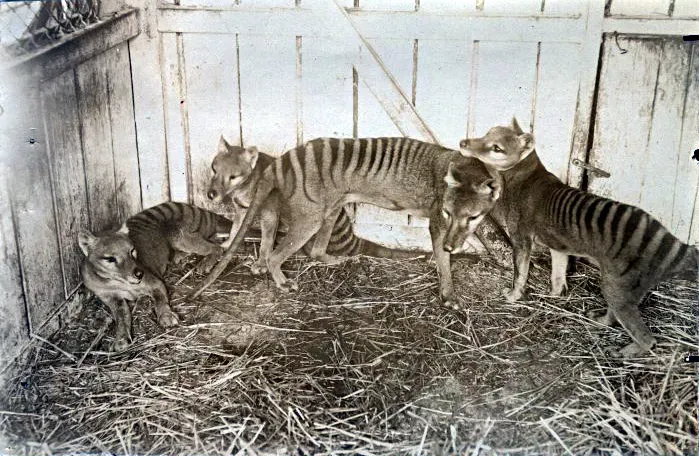
The extinct thylacine, often called the Tasmanian tiger, looked uncannily like a large dog or wolf: same lean body, similar head shape, forward-facing eyes, powerful jaws, and long legs for chasing prey. But under the skin, it was a marsupial, more closely related to kangaroos than to any canine. It was essentially a “wolf built with marsupial parts,” and that is not an exaggeration.
On separate continents, placental mammals like wolves and marsupials like thylacines both faced the challenge of hunting fast, mobile prey across open terrain. Being a cursorial predator – one that chases down targets – favors streamlined bodies, long limbs, and strong senses. Over millions of years, selection pushed both lineages toward almost the same silhouette. To me, this is one of the clearest cases where function bulldozes ancestry: if you only saw the skeletons without context, you could easily mistake one for the other.
Eyes That See the Same World: Octopus vs. Vertebrate Camera Eyes
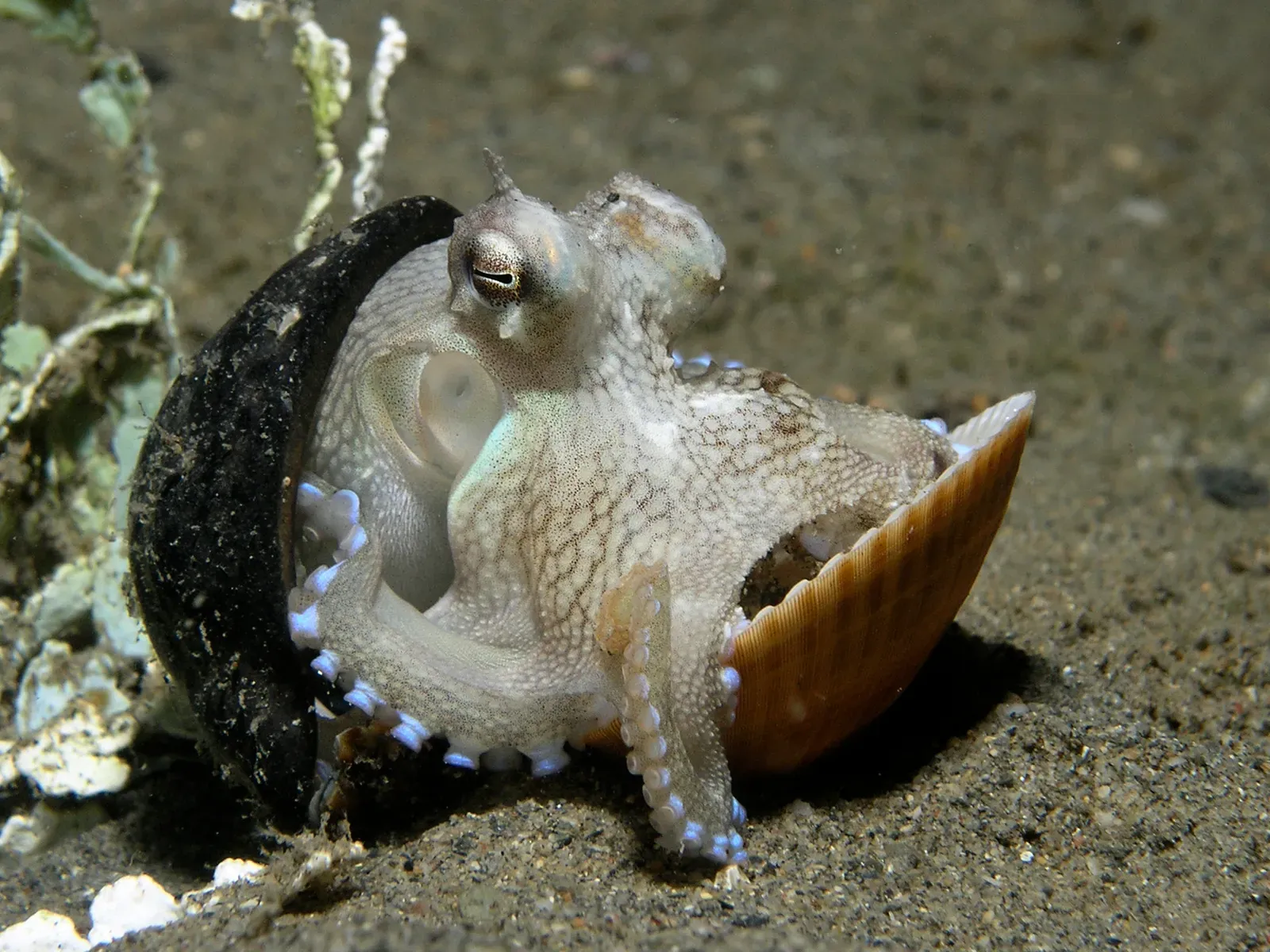
Octopus eyes and human eyes look like they were copied from the same blueprint: a round eyeball, a clear cornea, a flexible lens, a retina at the back, and an iris to control light. Yet octopuses are mollusks, closer to clams and snails than to any fish, reptile, bird, or mammal. Their camera-style eyes evolved independently from vertebrate eyes, and in some ways, they are even “cleaner” designs.
Both lineages needed high-resolution vision in complex, three-dimensional environments where light can be patchy and predators or prey move fast. Solving that task led them both to similar optical systems, even down to the way light is focused. The fun twist is that vertebrate retinas are wired in a slightly awkward way, with nerve fibers crossing in front of the light-sensitive cells, while octopus retinas avoid that detour. So not only did evolution reinvent the eye, but it arguably did a more elegant job the second time around.
Desert Survivors: Cacti and Euphorbias Turn into Living Water Tanks
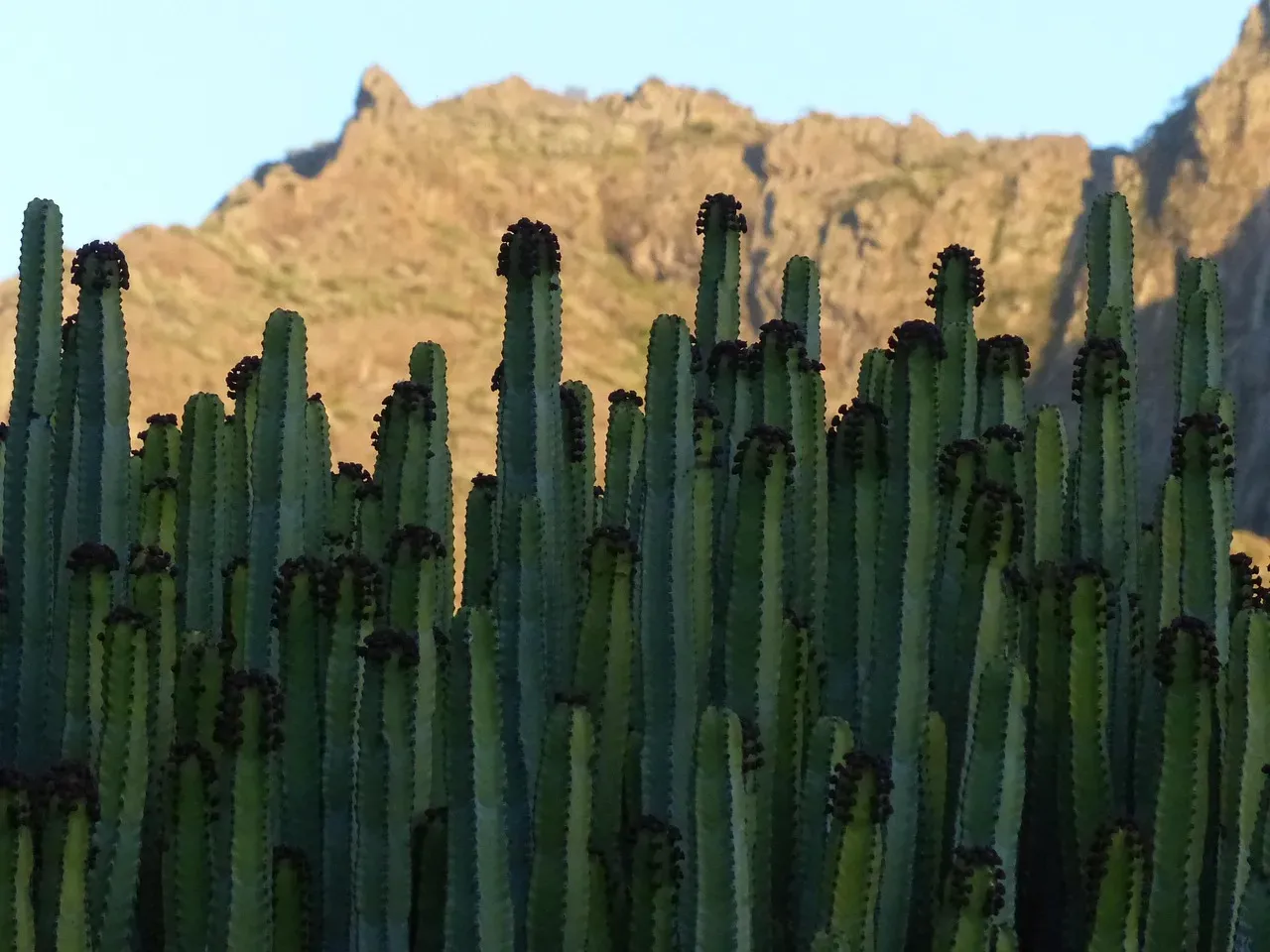
Walk through the deserts of the Americas and Africa, and you will notice thick, spiny, column-like plants standing like green totem poles. In the Americas, many of those are cacti. In parts of Africa and Madagascar, very similar plants belong to a completely different group called euphorbias. They look so alike that gardeners sometimes mislabel them, yet their last common ancestor did not look like a cactus at all.
Extreme heat, intense sun, and long spells without rain punish any plant that wastes water or exposes too much juicy leaf surface to the air. Evolution’s answer, in both cases, was to stash water in swollen stems, reduce or lose leaves, wrap everything in a thick skin, and turn protective leaves into spines. Both cacti and many euphorbias even use a similar water-efficient style of photosynthesis. This is one of those cases where you can almost feel the desert itself pushing life into a narrow design corridor.
Sabertooth Predators: False “Twins” of the Ice Age and Beyond
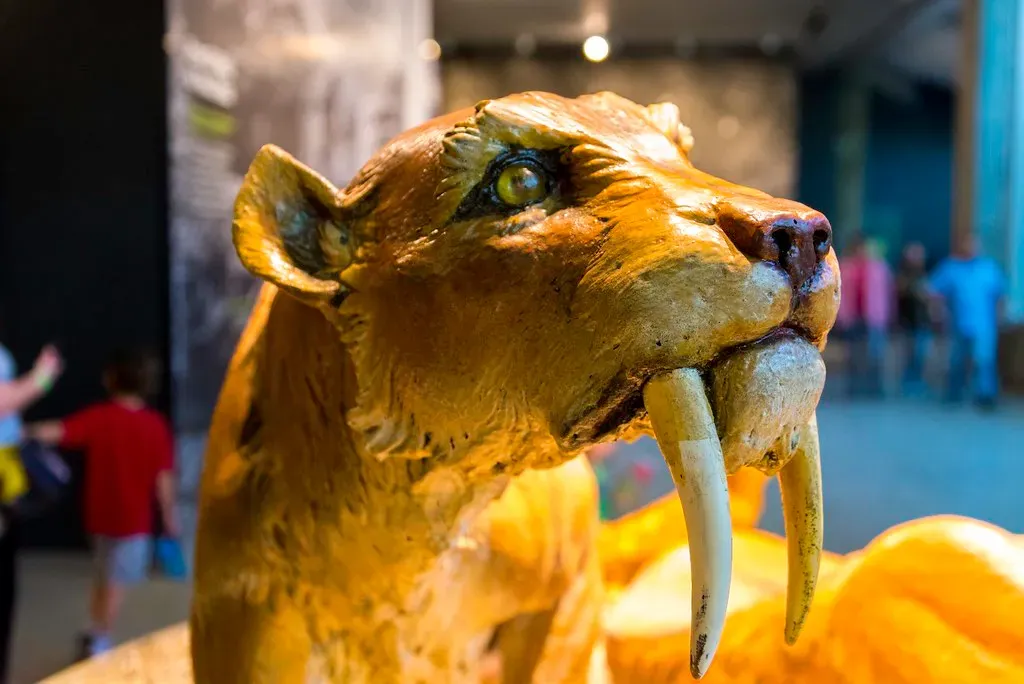
Oversized, dagger-like canines have evolved in carnivores multiple times across Earth’s history. The famous sabertooth cat Smilodon is just the poster child. Long before and after it, different groups of mammals – including some that were not even true cats – independently evolved elongated upper fangs paired with powerful neck and jaw muscles. These animals look like members of a special sabertooth club, even though they came from different branches of the mammal tree.
Those giant teeth were not just for show. They were specialized tools for subduing large prey quickly, likely by targeting the throat or soft tissues where a deep bite could be decisive. Any predator trying to bring down massive herbivores faces a similar problem: you need a fast, lethal bite that minimizes the risk of getting kicked to death. Evolution repeatedly “discovered” that stretching the canines and reshaping the skull could provide that solution, even if the lineages themselves never shared the same origin story.
Gliding Forest Dwellers: Flying Squirrels, Sugar Gliders, and More
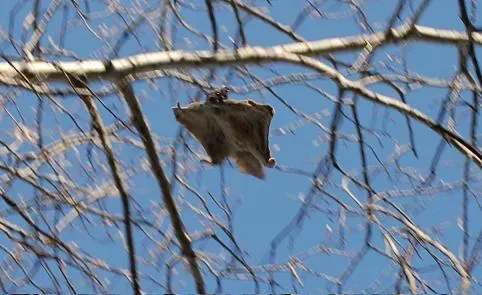
Across forests in North America and Asia, flying squirrels launch themselves from tree trunks, spreading skin flaps between their limbs to glide gracefully across the canopy. In Australia, sugar gliders do the same thing, coasting past branches with similar wing-like membranes. Despite the visual overlap, flying squirrels are placental mammals, while sugar gliders are marsupials. They are convergent cousins, not close relatives.
The shared challenge is obvious once you picture life in tall forests: getting from tree to tree quickly without constantly climbing down to the ground, where predators and energy costs pile up. Gliding offers a cheap hack – you climb once, glide multiple times, and use air instead of muscle power to cross gaps. Evolution in both continents took small, arboreal mammals and stretched a flap of skin between limbs, refined their balance and tail control, and tuned their bodies for steering. The end products look so alike that, the first time I saw a sugar glider in a photo, I genuinely assumed it was a flying squirrel with better marketing.
The Crab Shape Obsession: Why So Many Creatures “Decide” to Become Crabs
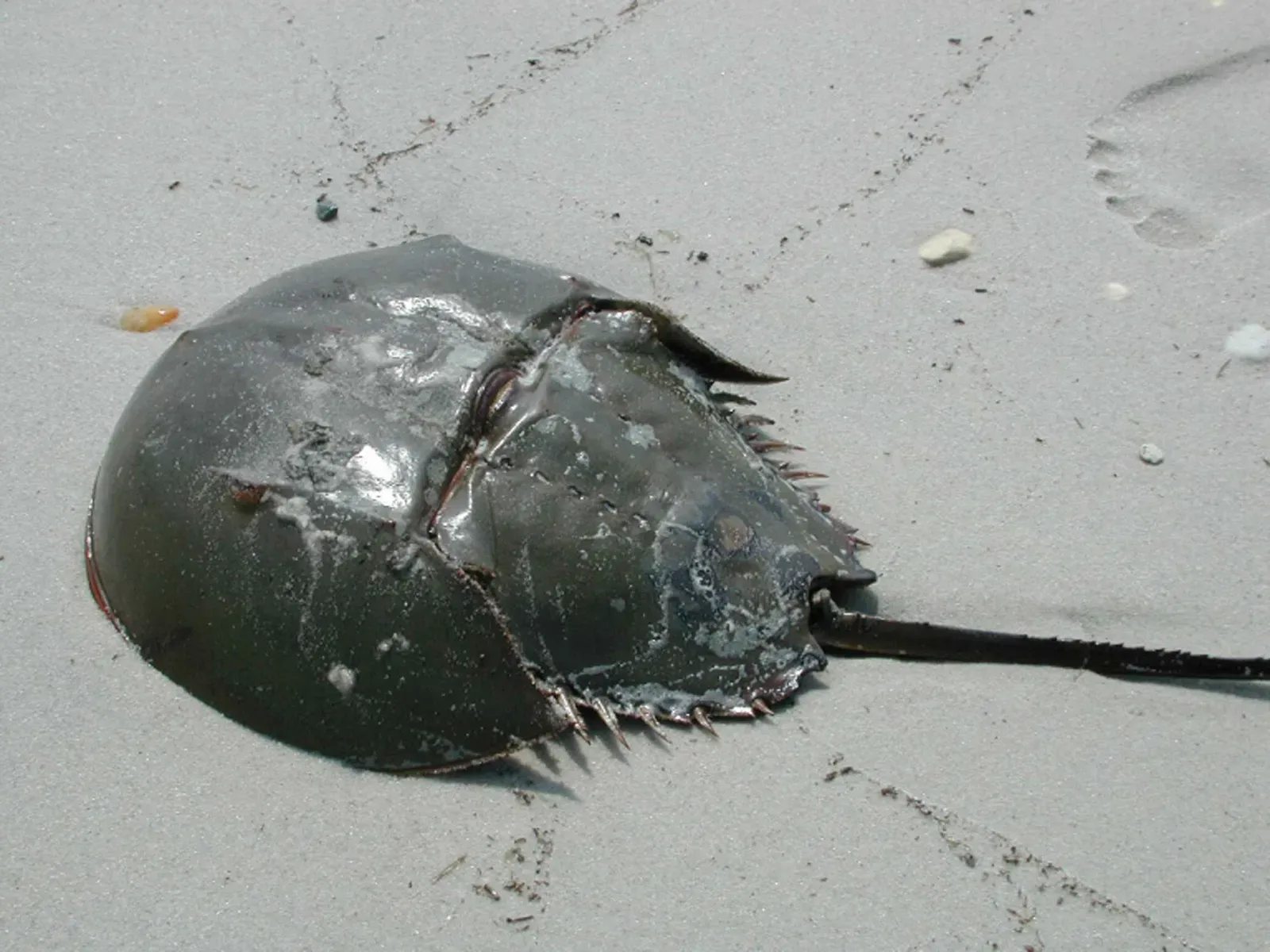
There is a running joke among biologists that evolution really wants everything to become a crab. There is some truth behind the humor. Several different crustacean lineages have independently evolved a crab-like body form, with a broad flattened shell, tucked-under tail, and sideways scuttling walk. This process even has a name: carcinization, which is a fancy way of saying “turning into a crab again.”
Crab shapes are surprisingly practical. A wide, low body offers stability on the seafloor or rocky shore, the hard shell protects soft tissues, and the tucked abdomen keeps vulnerable parts out of harm’s way. Sideways movement, backed by strong legs, can be fast and agile in cluttered environments. When you put all that together, it is not shocking that different crustacean ancestors independently converged on the same solution. What still amazes me, though, is that even evolution seems to have favorite character builds it keeps coming back to, like a gamer endlessly re-rolling the same overpowered class.
Conclusion: Is Evolution Creative, or Just Relentlessly Practical?
Looking across these eight examples, you start to see evolution a bit differently. It is not a freewheeling artist tossing out wild, random designs, but more like a problem-solver stuck with specific rules: physics, chemistry, and existing body plans. Faced with the same challenge – fly through air, sprint across open land, conserve water in a desert, hunt giant prey – life tends to circle back to the same small menu of workable answers, even when starting from wildly different beginnings.
Personally, I find that oddly comforting. It means there is a deep order lurking under all the apparent chaos of life’s history, a sense that if you ran the tape of evolution again, you might still get things like torpedo-shaped swimmers, camera-style eyes, desert succulents, and probably more crab-like creatures than anyone asked for. It also raises a huge question: if we ever find life on another world, will its solutions look completely alien, or strangely familiar? Which of these repeated designs would you bet on showing up again, light-years away from home?