Think about holding a fossil that is over 80 million years old, one that started life as a tiny developing embryo inside a shell no larger than a football. Dinosaur eggs are among the most remarkable relics paleontology has ever produced, and yet most people have never heard of the different varieties that have been unearthed on nearly every continent. Each type tells a completely different story, from how these ancient giants nested and cared for their young, to whether they brooded like birds or buried their clutches like sea turtles.
New discoveries of fossil dinosaur eggs, nests, and even embryos are providing a new avenue of investigation for scientists who seek not only information on biological relationships, but also on the behavior of these animals, shedding new light on intriguing questions paleontologists have been pondering for over a century. Honestly, the variety of what has been found will surprise you. Let’s dive in.
Elongatoolithid Eggs: The Long and Twisted Signature of Oviraptor
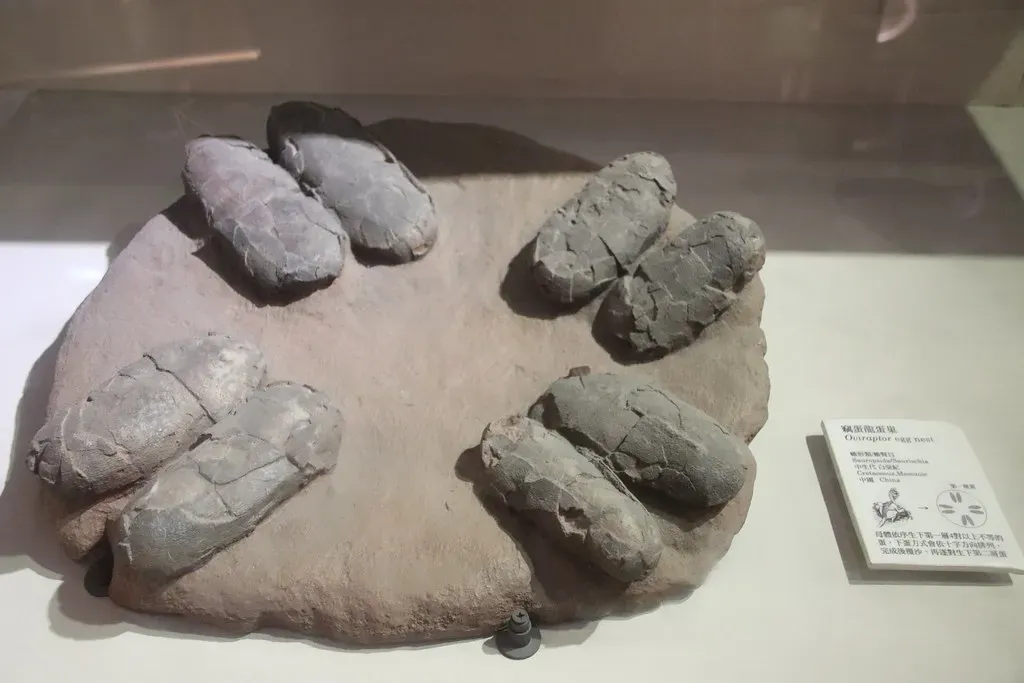
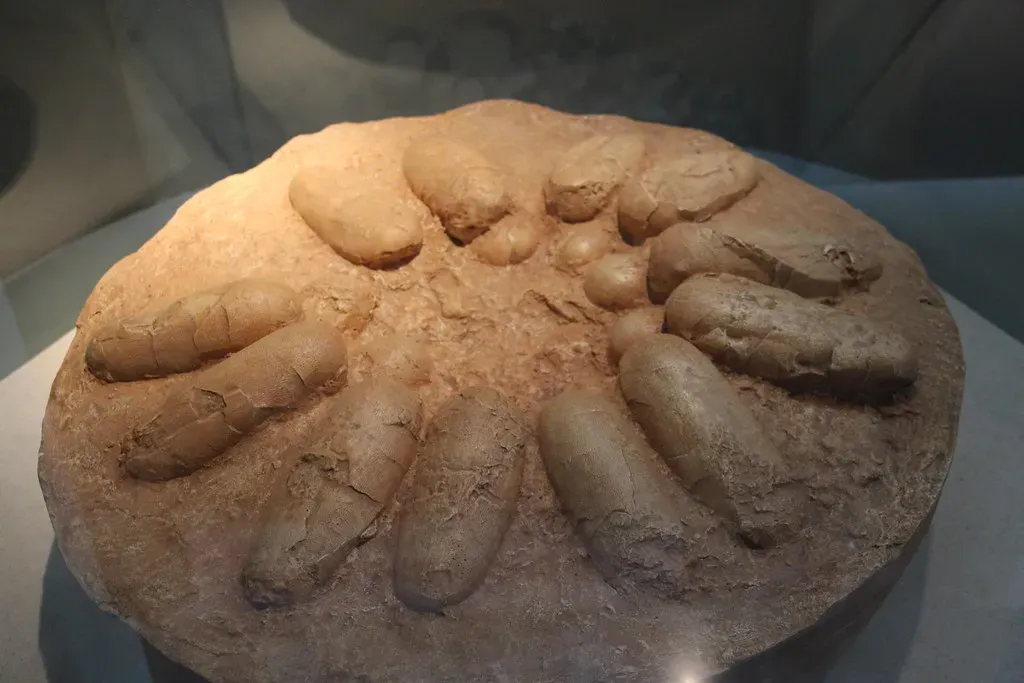
If you pictured a dinosaur egg, you probably imagined something round and smooth, like an oversized chicken egg. Here is the thing: some of the most commonly found fossil eggs are nothing like that at all. Elongatoolithidae is an oofamily of fossil eggs representing the eggs of oviraptorosaurs, and they are known for their highly elongated shape. Think of them as stretched, like someone grabbed both ends of a regular egg and pulled firmly.
Elongatoolithids are, as their name suggests, highly elongated eggs that are at least twice as long as they are wide, varying widely in size, ranging from the 7 cm long Elongatoolithus chichengshanensis to the gigantic 60 cm Macroelongatoolithus. What makes them even more fascinating is their nesting arrangement. The eggs are laid in pairs, as shown by the discovery of two Macroolithus eggs simultaneously within the mother, and this shows that oviraptorosaurs had two functional oviducts, unlike birds which have only one, and would produce two eggs at a time.
Megaloolithid Eggs: The Giants of the Sauropod World
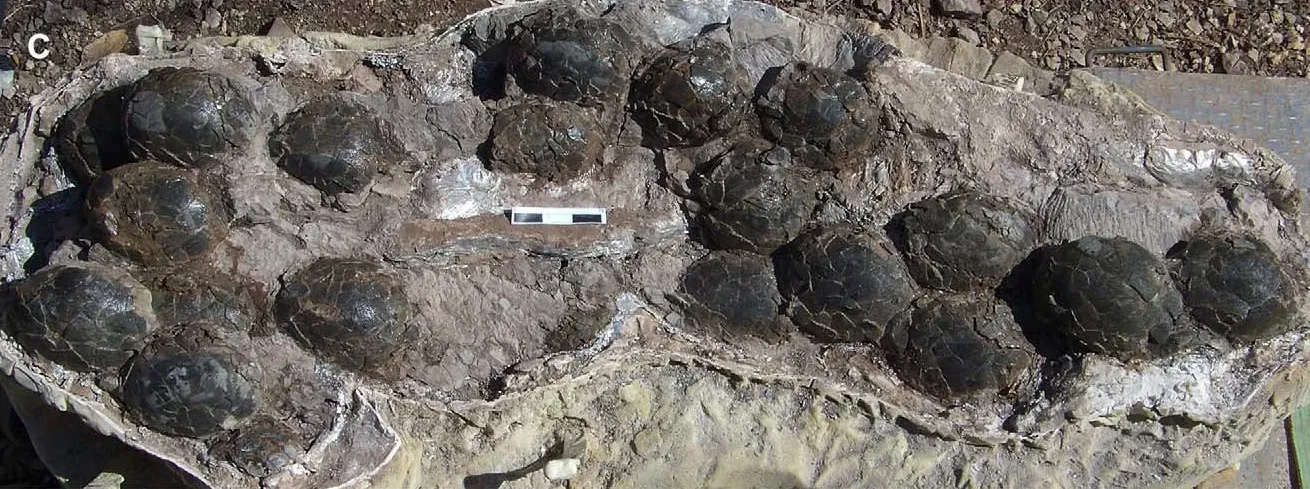
When you think big, think titanosaurs. These massive long-necked giants did not just leave behind enormous bones. They also left behind some of the largest dinosaur eggs ever discovered. Even the largest non-avian dinosaur eggs, belonging to the genus Megaloolithus, are smaller than the largest known bird eggs, which were laid by the extinct elephant bird. Still, by any dinosaur standard, these were whoppers.
Megaloolithidae eggs are associated with titanosaurs. Confirmation of this correlation was made with the discovery of South American megaloolithid eggs containing sauropod embryos. It is genuinely mind-bending to realize that creatures weighing tens of thousands of kilograms hatched from eggs you could carry under one arm. Paleontologists found evidence across India, Europe, and South America, suggesting these giants had a truly global nesting range.
Spheroolithid Eggs: The Hadrosaur’s Round Nursery
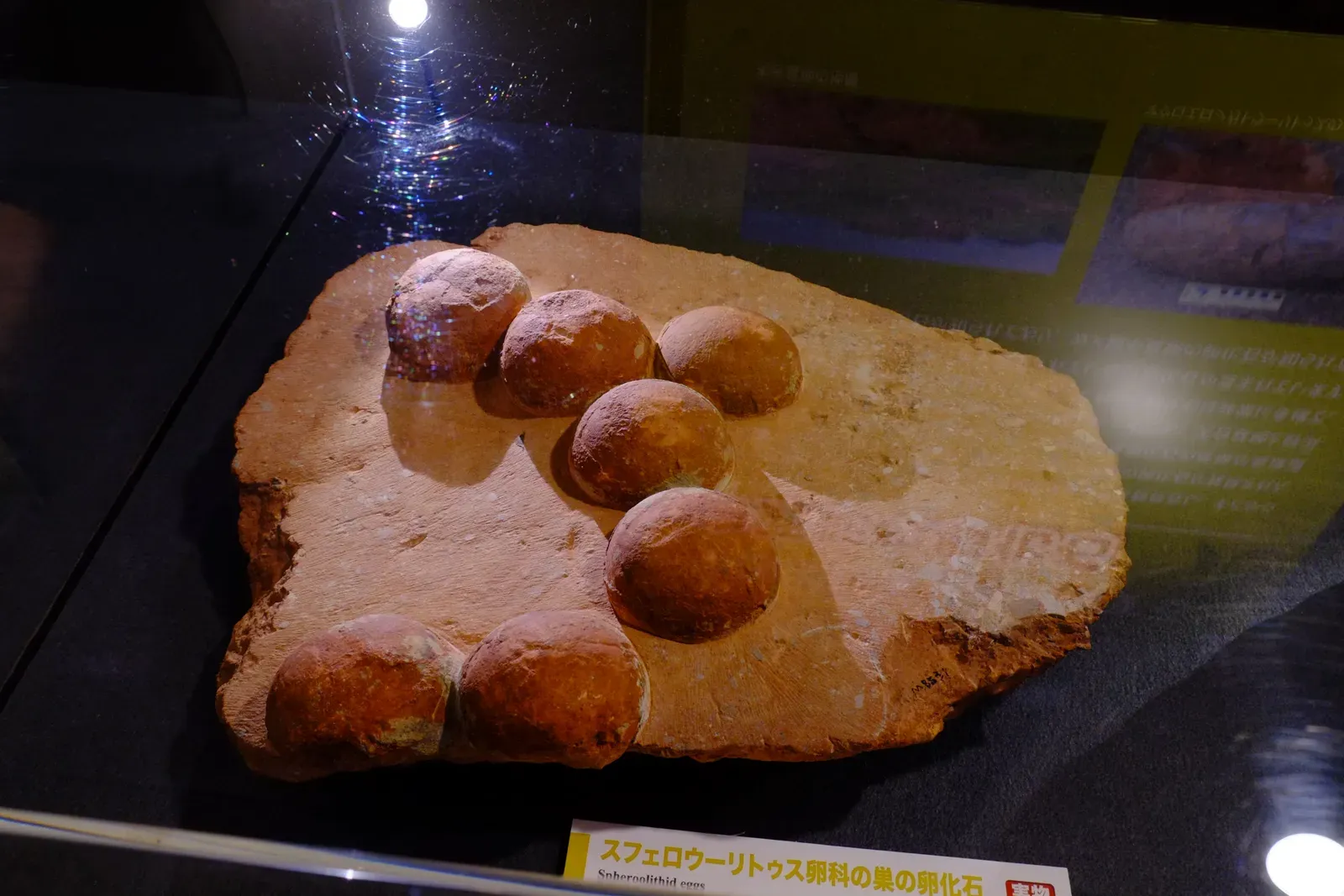
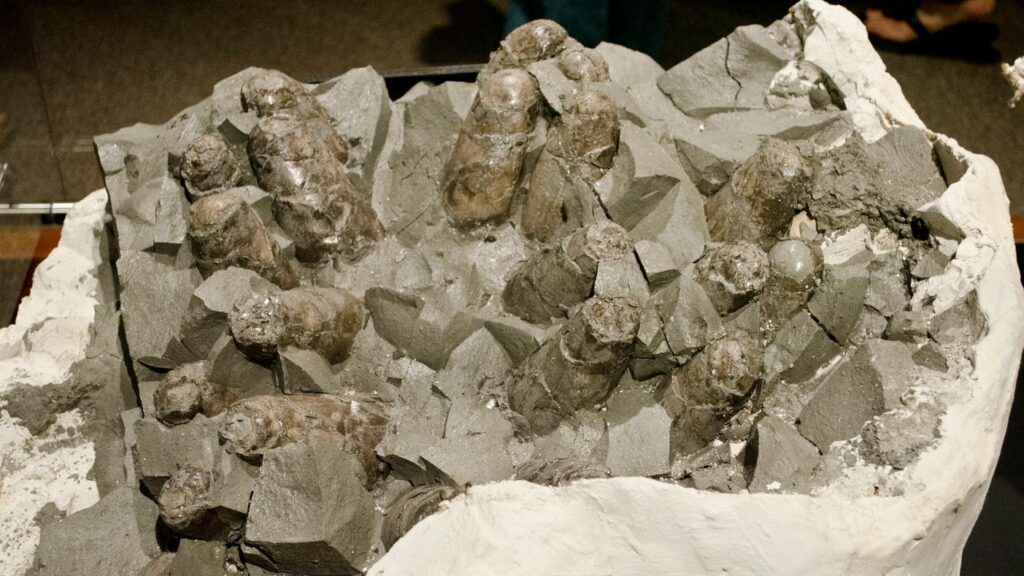
Hadrosaurs, the famous duck-billed dinosaurs, did not mess around with unusual shapes. Their eggs were round and compact, like smooth stone balls buried in careful nests. Spheroolithidae eggs are spherical and are associated with hadrosaurs. You might be surprised to learn just how social and organized these nesting sites actually were.
One remarkable find was in Montana, where fossils of duckbill dinosaurs, including eggs, nests, hatchlings, juveniles, and adults were found together in one death assemblage, or mass grave. Some paleontologists think this site was a nesting colony, where adult dinosaurs cared for their young during the first several months after hatching. That is a far cry from the cold, indifferent reptile parent most people imagine. Multiple egg clutches found in close proximity to each other and occurring through several different rock layers indicate that these dinosaurs built their nests in the same area over a long time span and possibly nested in colonies.
Prismatoolithid Eggs: The Troodon’s Clever Incubation Strategy
Uploaded by FunkMonk, CC BY-SA 2.0)
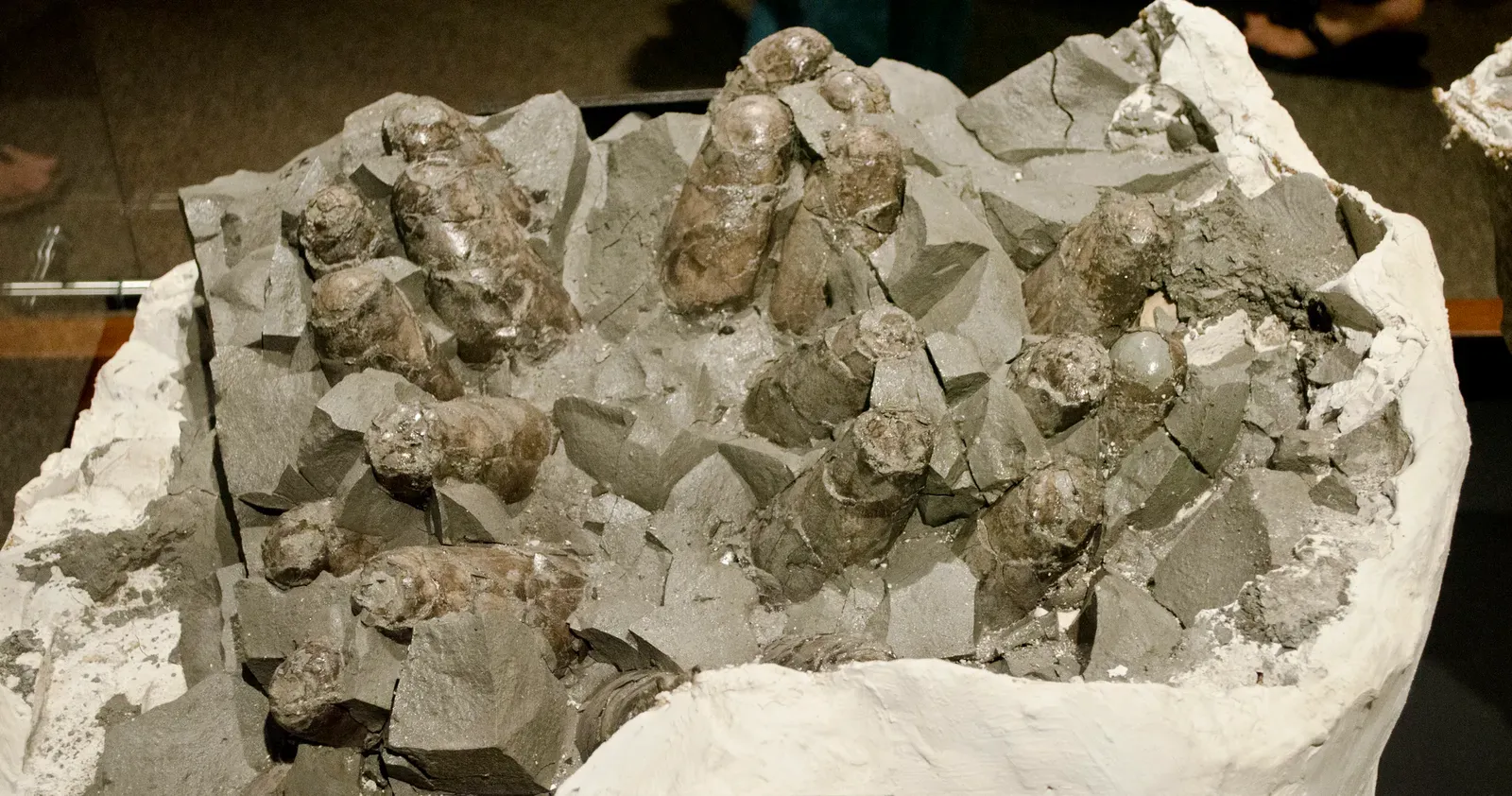
Here is a type that most people have never encountered. Prismatoolithid eggs belong to troodontids, a group of small, sharp-minded theropods that sat somewhere intriguingly between reptilian and avian in their biology. Prismatoolithidae eggs belonged to troodontids. What makes these eggs especially revealing is what their structure tells you about nesting behavior.
The density and width of pores, combined with eggshell thickness, can be used to predict the gas conductance of a dinosaur’s egg, which can provide both information about nesting behavior and about the climate: eggs buried in sediment have higher rates of gas conductance than those laid in the open, and eggs laid in arid environments have lower gas conductance to prevent water loss than those laid in more humid conditions. Troodon eggs show pore patterns that suggest partial burial combined with some form of direct brooding, almost like a hybrid between a crocodile and a bird. It is one of those discoveries that makes you realize evolution does not follow a straight line.
Dendroolithid Eggs: The Therizinosaur’s Overlooked Offspring
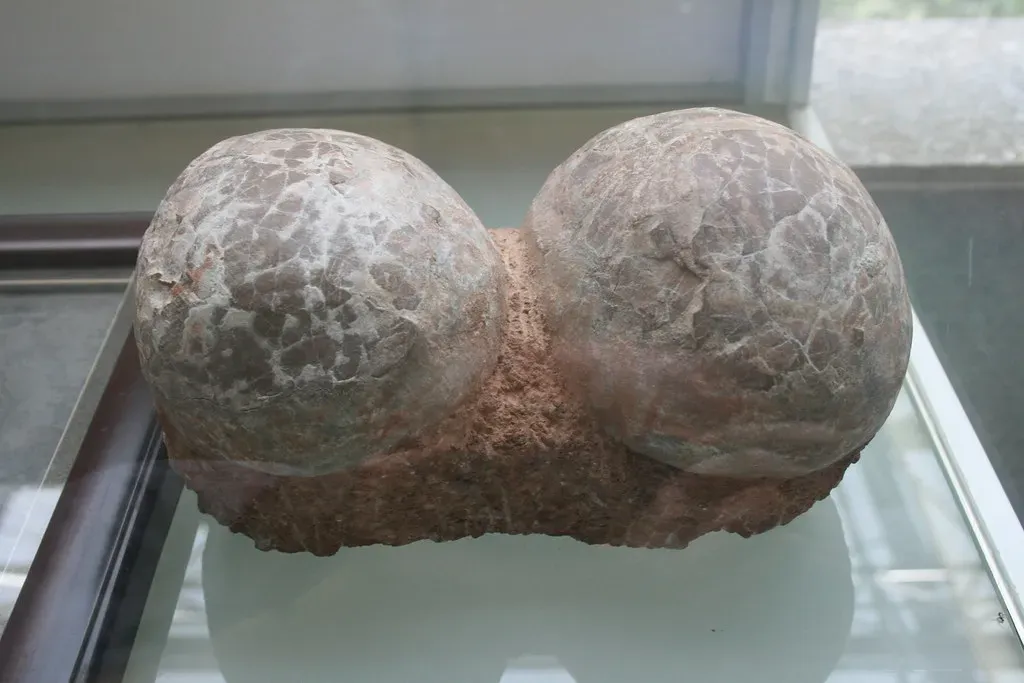
Let’s be real, therizinosaurs are already one of the strangest dinosaurs ever to walk the Earth, with their enormous claws and peculiar herbivorous habits despite being theropods. So it makes total sense that their eggs would also be unusual. Dendroolithidae eggs most likely belong to therizinosaurs. These eggs have a distinctive branching crystal structure in their shells, a feature quite unlike any other egg type.
The original egg block connected to therizinosaur embryo “Baby Louie” is still being studied, and more recent work on the bones has suggested a different interpretation of the baby dinosaur’s appearance, this one with feathers. That single revelation rewrote what scientists thought they knew about this entire group. You go from studying a fossilized egg to discovering that what hatched from it may have been a feathered, bird-like creature. The dendroolithid egg quietly unlocked one of paleontology’s most startling plot twists.
Faveoloolithid Eggs: The Honeycomb Shell Mystery
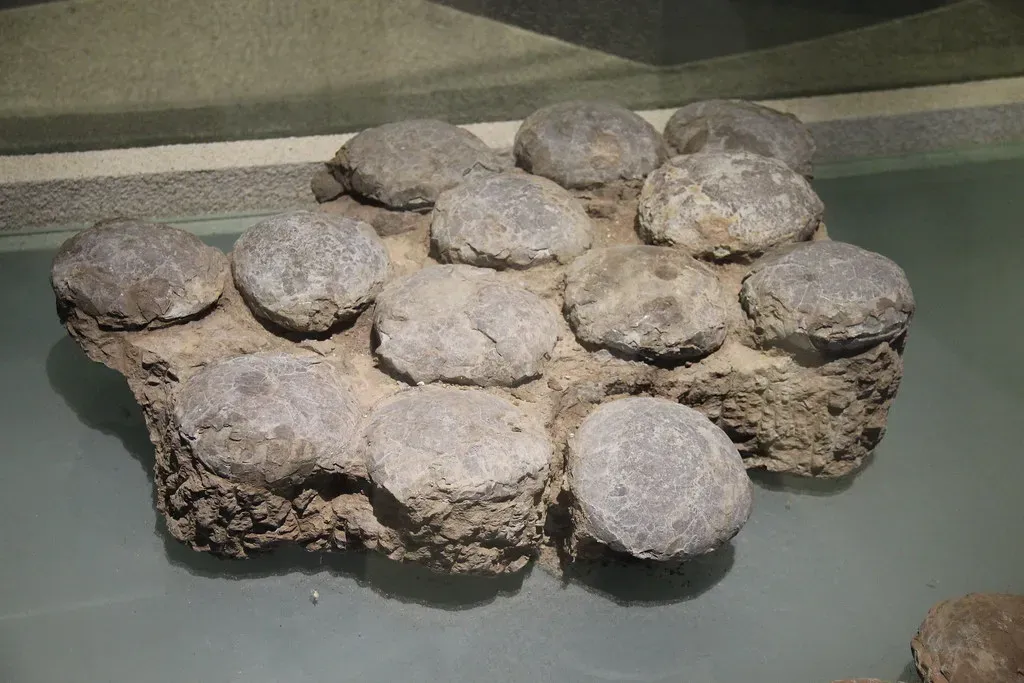
Look at a faveoloolithid egg under a microscope and the view is genuinely stunning. The shell structure resembles a honeycomb, and that is exactly how these eggs earned their name. Fossil dinosaur eggshells, like modern bird and reptile eggshells, are made up of calcium carbonate crystal units, and the basic arrangement and structure of these eggshell units, called the ultrastructure, is used to divide fossil eggs into several basic types. Faveoloolithids represent one of the more structurally complex of those types.
These eggs have been found primarily across China, and while definitively linking them to a specific dinosaur remains difficult, they are generally associated with large theropods. As far as scientists know, all dinosaurs reproduced by laying eggs, as do most other sauropsids, but it is very difficult to determine what species of dinosaur laid any given egg because only a few dinosaur embryos have been found inside fossil eggs. This is the core challenge with faveoloolithids, a beautiful, uniquely patterned shell that still guards its maker’s identity like a locked vault.
Leathery Dinosaur Eggs: The Soft-Shelled Secret from the Jurassic
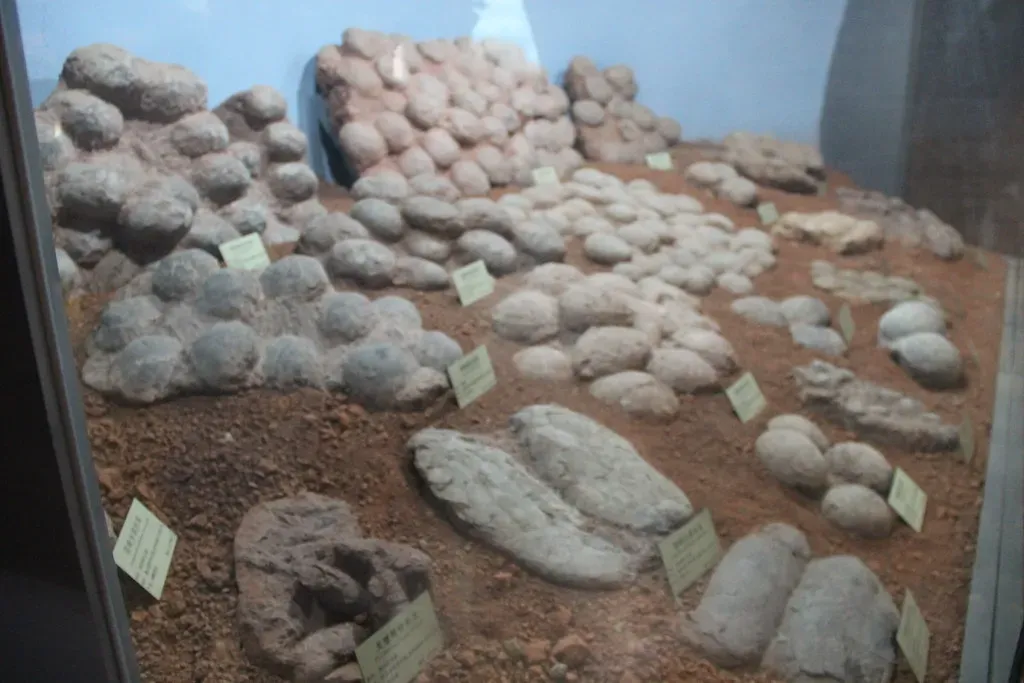
This one is perhaps the most jaw-dropping entry on this list. For decades, scientists assumed all dinosaur eggs had hard, calcified shells. Then a series of extraordinary discoveries upended everything. Early Jurassic fossils from southwestern China of a new sauropodomorph displayed several significant reproductive features, and most significantly, these fossils provide strong evidence for the earliest known leathery eggs.
Comprehensive quantitative analyses demonstrate that the first dinosaur eggs were probably leathery, elliptical, and relatively small, but with relatively long eggshell units, and that along the line to living birds, the most significant change in reptilian egg morphology occurred early in theropod evolution rather than near the origin of Aves. Think of it like a gecko egg rather than a hen egg. Hadrosaurs, sauropods, and many theropods later laid eggs with hard, calcite-rich shells, and the calcite portion of a hard-shelled egg is essentially “prefossilized” since the mineral calcite can remain stable for hundreds of millions of years, whereas the organic components of soft eggshell degrade quickly under most conditions. That is exactly why soft-shelled eggs were almost invisible in the fossil record for so long.
Colorful Theropod Eggs: When Ancient Dinosaurs Painted Their Shells
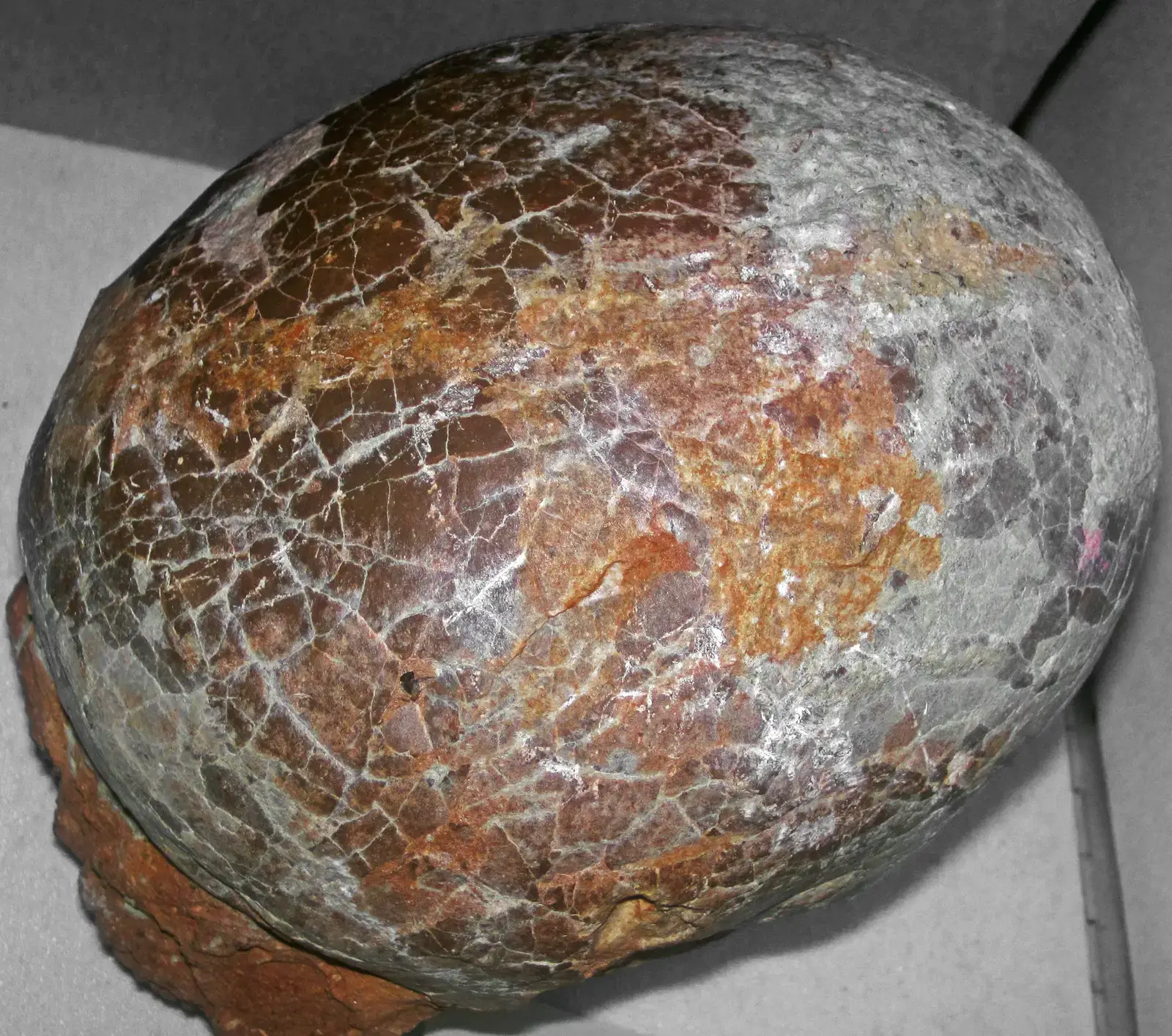
This last type will genuinely make you rethink the world of prehistoric reptiles. You probably assumed dinosaur eggs were plain, white, and unremarkable. Science says otherwise. Modern birds inherited their knack for vibrant eggshells from their dinosaur ancestors, which first gained the trait more than 145 million years ago, according to a study published in the journal Nature.
The dinosaur Deinonychus probably had blue eggs like today’s emus, while other species had whitish, speckled eggs like today’s sparrows. Unlike other dinosaurs’ eggs, eumaniraptoran eggs did not have that many pores, a sign that the eggs were kept in open, more birdlike nests, and some fossilized egg clusters even preserve adult dinosaurs sitting atop them. The color was not accidental either. Colorful eggs make no difference in buried nests where they cannot be seen, but for birds that lay eggs in open nests, color can camouflage the clutch from predators or differentiate parents’ eggs from those of other species. These theropods were already doing something surprisingly sophisticated tens of millions of years before the first bird ever hatched.
Conclusion: A Shell Full of Secrets
Every single one of these eight egg types is essentially a time capsule. You crack open the mystery of an ancient shell and suddenly you are looking at nesting colonies, devoted parents, leathery membrane walls, and colors designed for camouflage. Scientists are now dating minerals preserved within the space inside fossil dinosaur eggshells to get direct ages, and such techniques will allow paleontologists to determine more accurate dates for fossil sites with preserved eggshell, which is essential to working out which dinosaur species lived together and how dinosaurs evolved over time.
What is especially wonderful is that the science is far from finished. A team of Argentine paleontologists believes a recently discovered egg could be the first complete egg of a carnivorous dinosaur ever found in South America, and that it might even contain embryonic remains inside. The ground still holds its secrets, and paleontologists are still listening. Honestly, I think the most exciting discoveries are still buried somewhere out there, waiting for the right pick and brush to set them free.
Which of these eight egg types surprised you the most? Drop your thoughts in the comments, because this ancient story is still being written, one shell fragment at a time.