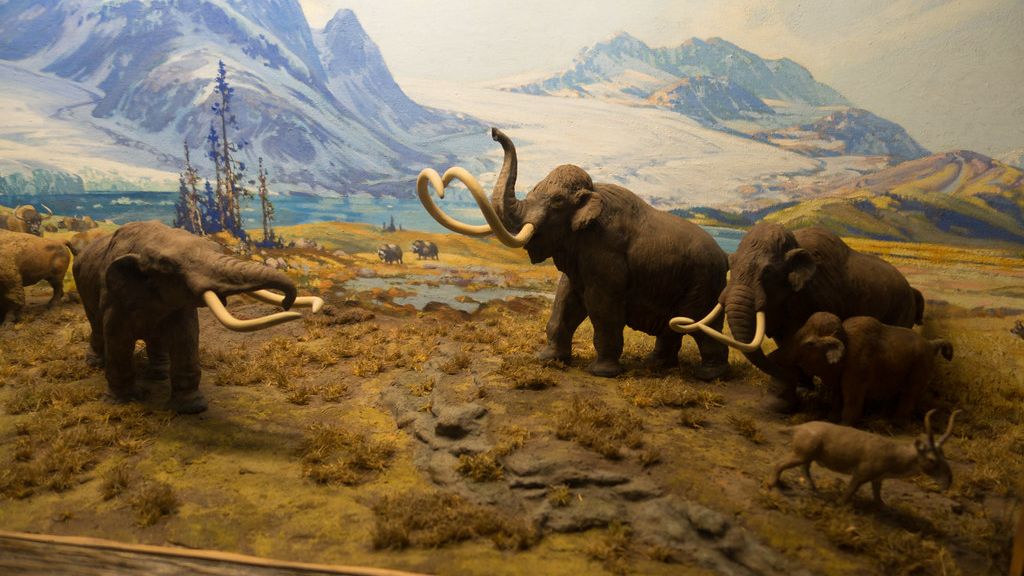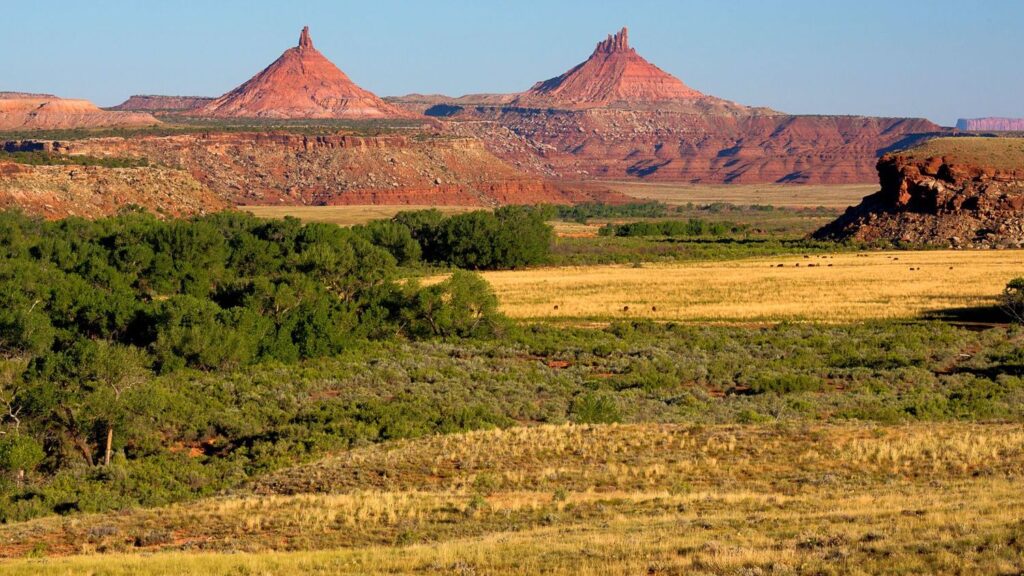
The ground beneath your feet holds secrets that stretch back hundreds of millions of years. From sticky tar pits in the middle of a bustling city to ancient riverbeds in the high desert, the United States is home to some of the most jaw-dropping fossil sites on the entire planet. These are places where you can look at a rock wall and literally read the story of life on Earth, page by page, epoch by epoch.
What makes these sites so remarkable is that they are not just rich in quantity. They keep producing discoveries that force scientists to rewrite the textbooks. Honestly, every decade or so, one of these places turns up something that leaves the scientific world genuinely speechless. Ready to be amazed? Let’s dive in.
1. La Brea Tar Pits, Los Angeles, California: The Sticky Time Capsule in the Heart of a Megacity
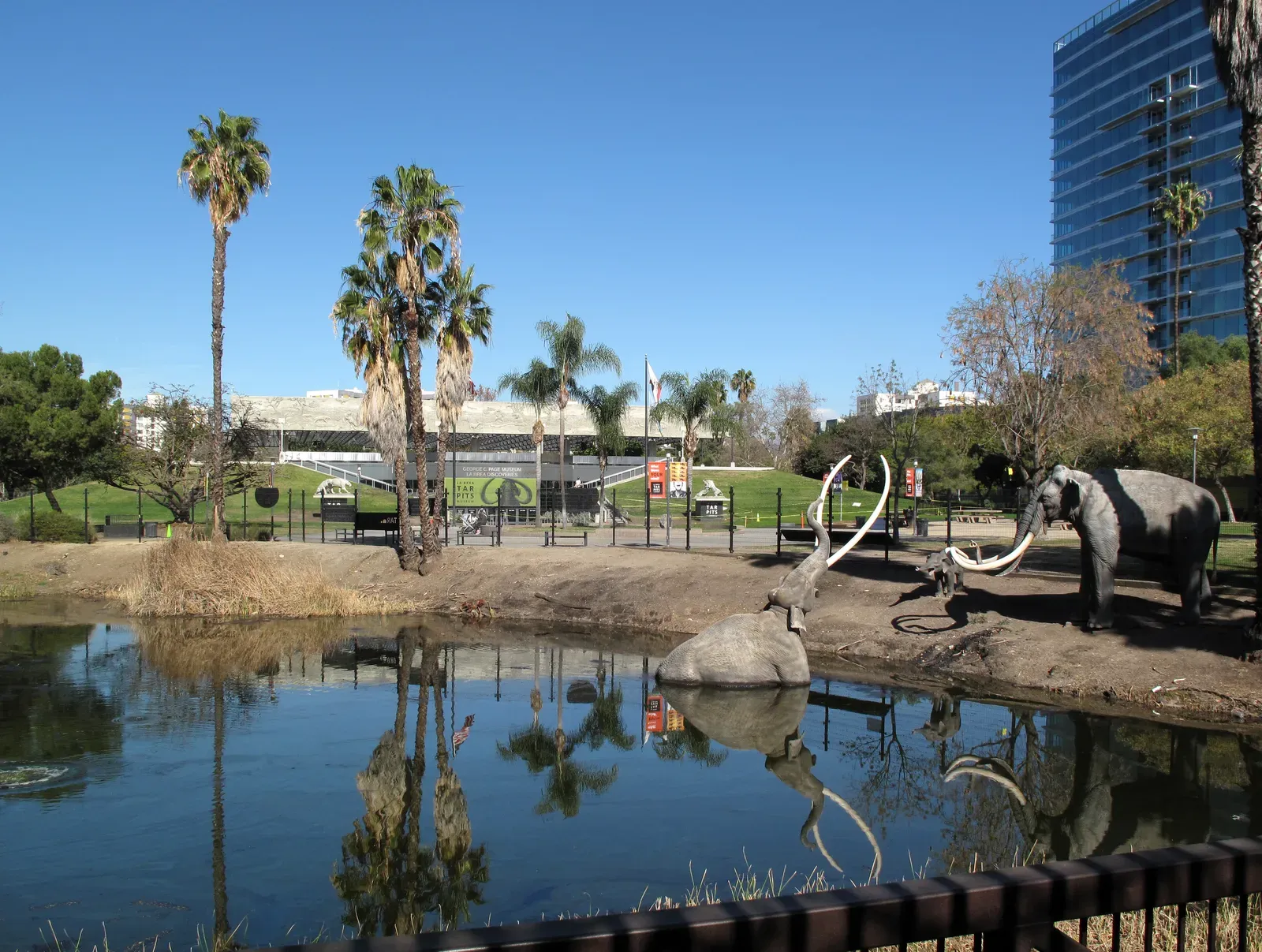
Here’s the thing about the La Brea Tar Pits: you probably wouldn’t expect one of the world’s greatest fossil sites to sit in the middle of Wilshire Boulevard, surrounded by coffee shops and traffic jams. Yet that is exactly where it is. The Tar Pits are the only actively excavated Ice Age fossil site found in an urban location in the world. That alone should blow your mind a little.
The tar pits contain one of the richest, best preserved, and best studied assemblages of Pleistocene vertebrates, including at least 59 species of mammal and over 135 species of bird, with the fossils bearing witness to life in southern California from 40,000 to 8,000 years ago, including plants, mollusks, and insects across more than 660 species of organisms in all. Among the prehistoric species associated with the pits are Columbian mammoths, dire wolves, short-faced bears, American lions, ground sloths, and the saber-toothed cat.
At La Brea, roughly nine out of every ten mammal fossils found represent carnivores, and most of the bird fossils are also predators or scavengers, including vultures, condors, eagles, and giant extinct storklike birds known as teratorns. This strange imbalance has fascinated scientists for over a century. Think of it like a prehistoric predator convention, where one unlucky herbivore stumbled in and triggered a chain reaction of entrapments that nobody walked away from.
The Tar Pits have given researchers more than 3.5 million fossil specimens. The bones found here are not replaced with minerals as they are in other places. They are original bones and original plant and insect material, meaning scientists can do precise radiocarbon dating and determine exactly where individual animals were living. It is the kind of preservation quality that makes paleontologists visibly emotional.
2. Grand Canyon National Park, Arizona: A Bible of Earth’s History Written in Stone
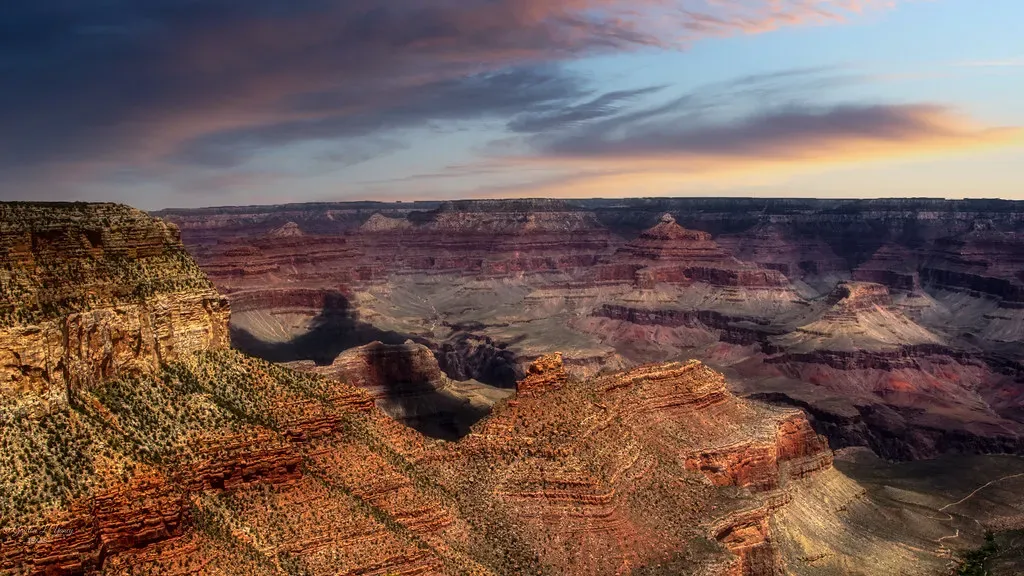
Imagine you could flip through a book and each page represented roughly a million years of Earth’s history. That is what walking down into the Grand Canyon feels like. The canyon’s fossil record stretches from the very earliest life forms starting around 1.25 billion years ago in the Precambrian era, all the way through explosions of ancient life in the Paleozoic era, preserving a stunning diversity of trilobites, brachiopods, mollusks, corals, fish, sharks, and early plant life.
The layered Paleozoic rocks exposed in the Grand Canyon span much of the Paleozoic, and almost all the rock formations within them are fossiliferous, showing a changing fossil record driven by faunal succession. The Bright Angel and Muav Formations contain trilobite body and trace fossils, as well as early brachiopods and echinoderms, along with other arthropods including bradoriids, which were small bivalved creatures that went extinct after the Cambrian Period, while trace fossils in the Bright Angel Shale preserve a remarkable record of invertebrate behavior including tracks, worm burrows, and feeding traces.
A groundbreaking fossil discovery in the Grand Canyon unveiled exquisitely preserved soft-bodied animals from the Cambrian period, offering an unprecedented glimpse into early life more than 500 million years ago. It is hard to fully wrap your head around that number. Five hundred million years. Whatever you think you know about life on Earth, the Grand Canyon quietly insists you know very little.
3. Hell Creek Formation, Montana: Where the Age of Dinosaurs Came to a Violent End
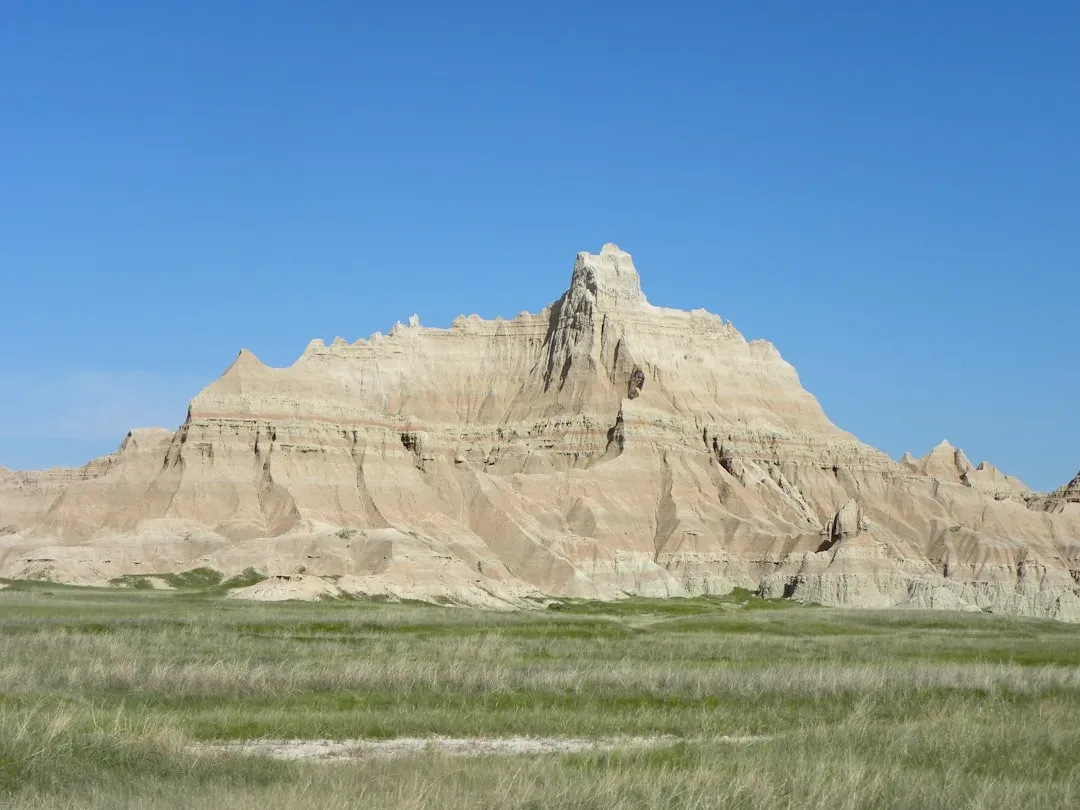
If you want to stand at the precise moment in geological time when dinosaurs ruled the Earth and then suddenly didn’t, Hell Creek Formation in Montana is your destination. This stretch of badlands is one of the most scientifically productive dinosaur fossil sites anywhere on the planet. It is also the birthplace of one of the most explosive paleontological debates in recent memory.
A complete tyrannosaur skeleton from Montana ended one of paleontology’s longest-running debates, with the fossil forming part of the legendary “Dueling Dinosaurs” specimen containing two dinosaurs locked in prehistoric combat: a Triceratops and a small-bodied tyrannosaur, which turned out to be a fully grown Nanotyrannus lancensis, not a teenage T. rex as many scientists once believed. The implications are enormous, to put it mildly.
For years, paleontologists used Nanotyrannus fossils to model T. rex growth and behavior, but this new evidence reveals that those studies were based on two entirely different animals, and that multiple tyrannosaur species inhabited the same ecosystems in the final million years before the asteroid impact. This discovery completely reframes the idea that T. rex was the lone predator of its time, and we now know multiple tyrannosaur species coexisted in the last million years before the asteroid impact, suggesting a richer, more competitive ecosystem than previously imagined. That is not a small revision. That is a total rethink.
4. Popo Agie Formation, Wyoming: Where North America’s Oldest Dinosaur Was Found
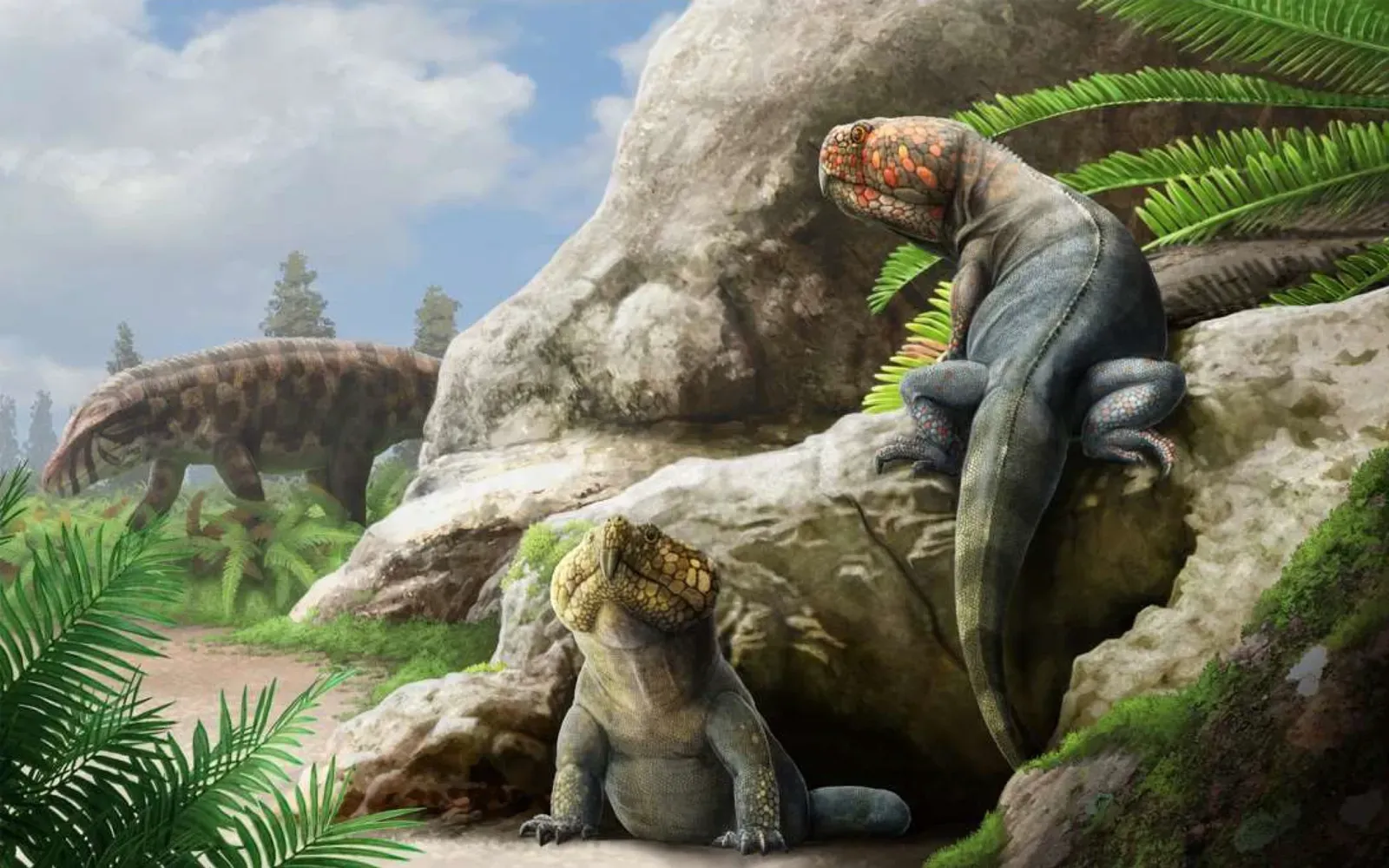
For decades, scientists believed that dinosaurs originated in the Southern Hemisphere and only gradually spread northward into what we now call North America. Wyoming quietly dismantled that theory. A remarkable discovery in Wyoming is changing that narrative, as in 2013, a team from the University of Wisconsin-Madison uncovered fossil remains in the Popo Agie Formation, and after years of painstaking analysis, identified the fossils as belonging to a new dinosaur species: Ahvaytum bahndooiveche.
Using high-precision radioisotopic dating, scientists determined that Ahvaytum bahndooiveche lived in Laurasia about 230 million years ago, making it one of the oldest known dinosaurs from the Northern Hemisphere. Although the fossil record for this species is incomplete, the research places it in a critical period following the Carnian pluvial episode, a climatic event which occurred 234 to 232 million years ago, that drastically altered the environment by turning vast arid deserts into lush and fertile landscapes, likely encouraging the diversification and spread of early dinosaurs.
The species’ name, meaning “long ago dinosaur,” honors the Indigenous people whose ancestral lands were home to the fossil site, reflecting a deep respect for cultural heritage and integrating Indigenous language and perspectives into the scientific process. It is a refreshing reminder that great science and cultural respect can absolutely go hand in hand.
5. Petrified Forest National Park, Arizona: A 225-Million-Year-Old World Preserved in Vivid Color
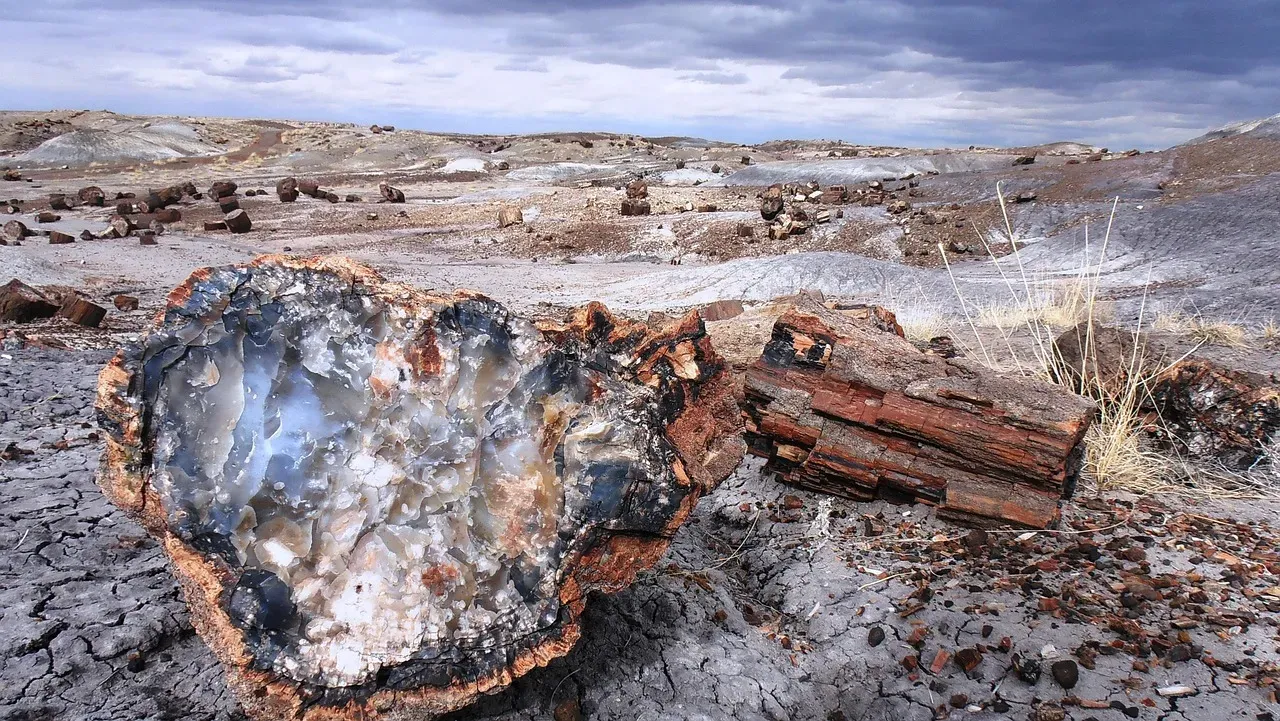
Walking through the Petrified Forest is like stepping onto another planet. Ancient trees turned to stone. Rainbow-colored badlands stretching to the horizon. And beneath it all, one of the densest records of Triassic life anywhere on Earth. Triassic Park might be a better name for Petrified Forest National Park, given that the petrified trees, fossils, and technicolor landforms were originally created during the Triassic Period, about 225 million years ago.
Fossils from the Chinle Formation of Petrified Forest National Park in Arizona reveal that a species of shuvosaurid that lived about 215 million years ago likely began life walking on four legs before shifting to a bipedal stance as it matured. That kind of developmental insight into a creature that lived over two hundred million years ago is, honestly, staggering. It is like getting a baby photo of an animal that nobody even knew existed.
With the help of high school students, researchers have discovered what could be the largest concentration of Triassic fossils in the United States and possibly the world, and excavation has already uncovered rare fossil fragments of four phytosaurs, 6-meter-long crocodilelike creatures that roamed these lands 212 million years ago. The site keeps on giving, and researchers believe many additional discoveries remain buried just beneath the surface.
6. White Sands National Park, New Mexico: Footprints That Rewrote Human History
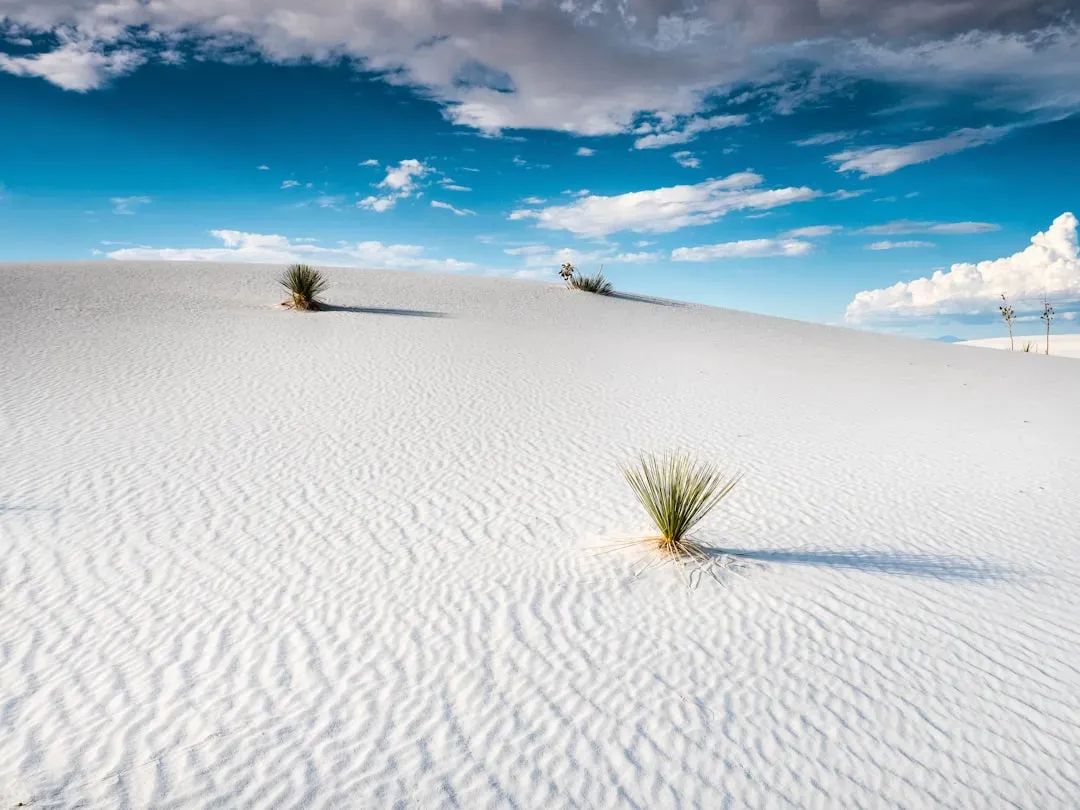
Most people visit White Sands for the dazzling gypsum dunes. Turns out, they are walking over something far more astonishing than pretty sand. Beneath the surface of these ancient lakebeds lies evidence that forces a radical rethinking of when human beings first set foot in the Americas. Let’s be real, few discoveries in recent history have stirred up as much excitement and controversy as this one.
Footprints found in the ancient lakebeds of White Sands may prove that humans lived in North America 23,000 years ago, much earlier than previously believed. The tracks showed human activity in the area occurred between 23,000 and 21,000 years ago, a timeline that would upend anthropologists’ understanding of when cultures developed in North America, making the prints about 10,000 years older than remains found near Clovis, New Mexico, which gave its name to what was long understood to be the earliest known culture in North America.
The Tularosa Basin, where the White Sands dunefield now stands, was once filled with giant lakes, streams, and grasslands, where mammoths, sloths, camels, American lions, and people lived in this lush landscape about 23,000 years ago. Mammoths and people, sharing the same landscape, in what is now New Mexico. It is the kind of fact that takes a moment to fully absorb.
7. Bears Ears National Monument, Utah: A World-Class Trove That Science Is Still Unlocking
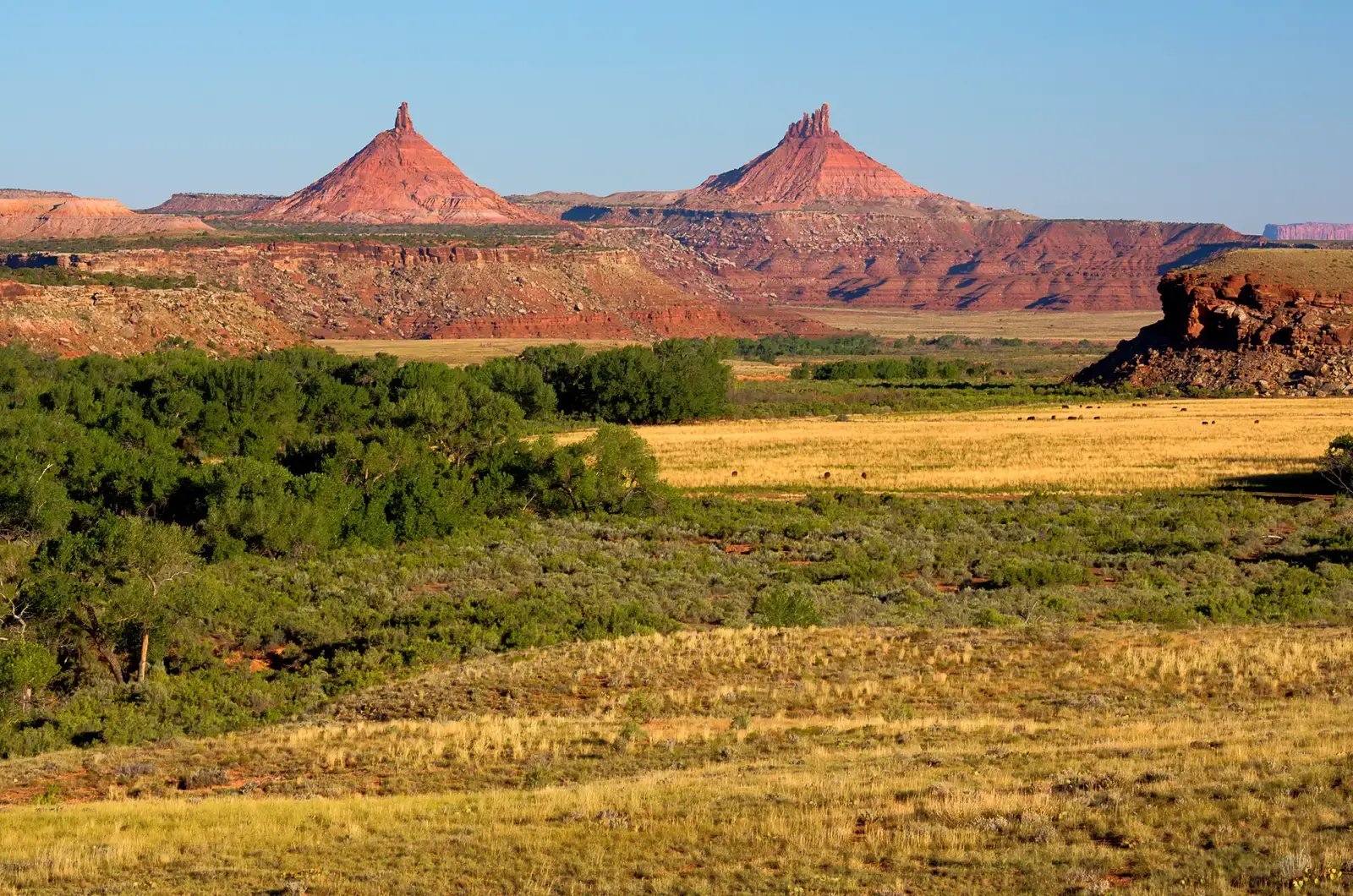
Southeastern Utah is one of those places where the ground practically overflows with paleontological treasure. Thousands of rare fossils pepper Bears Ears, a sweep of buttes and badlands whose candy-striped sedimentary rocks catalog hundreds of millions of years of Earth’s history. The region is so dense with significant finds that many experts consider it one of the most important fossil landscapes anywhere in the world.
The excised lands of Bears Ears hold thousands of Native American artifacts and sites, and possibly the world’s densest cache of fossils from the Triassic period, roughly 250 to 200 million years ago. The remaining protected units include important paleontological and cultural sites, such as a bed of more than 250 dinosaur tracks and ancient Puebloan rock art. Think about that for a moment: a single bed holding more than 250 dinosaur tracks, just sitting there, preserved in stone, waiting to tell you who walked here before anything even resembling a human being existed.
The region also continues to produce entirely new species. A lizard discovered in the Kaiparowits Formation of nearby Grand Staircase-Escalante belongs to the Monstersauria, a group of lizards characterized by their large size and distinctive features, and was named Bolg amondol, with findings published in the open-access journal Royal Society Open Science. Every dig in this region seems to bring something that simply should not be there, by any conventional understanding of prehistoric life.
8. Mother’s Day Quarry, Montana: The Site That Gave Dinosaurs Their True Colors
I think one of the most genuinely thrilling questions anyone can ask about dinosaurs is what color were they? For most of paleontology’s history, the answer was essentially a shrug. Scientists just assumed they were gray or brown, dull and reptilian. Montana’s Mother’s Day Quarry just shattered that assumption in breathtaking fashion.
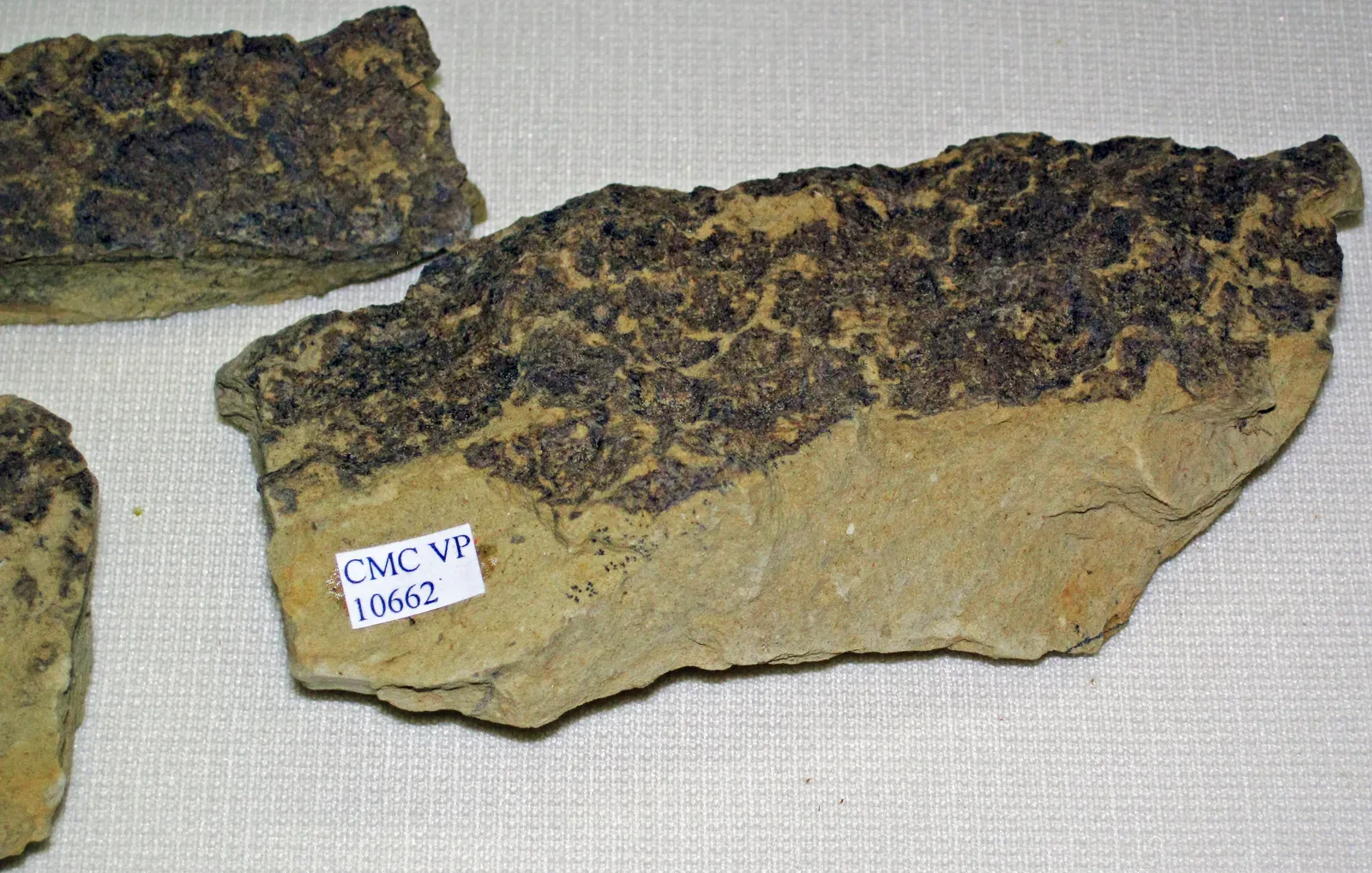
From the Jurassic rocks of Montana’s Mother’s Day Quarry, paleontologists uncovered fossils of sauropod skin so delicately preserved that they include impressions of pigment-carrying structures called melanosomes, with the discovery described in Royal Society Open Science. While researchers were reluctant to fully reconstruct the color of the juvenile Diplodocus the skin came from, they detected that the dinosaur would have had conspicuous patterns across its scales, suggesting sauropod dinosaurs were not uniformly gray or brown, but had complex color patterns like other dinosaurs, birds, and reptiles.
Sauropod skin impressions and soft tissue fossils are very rare. That is precisely what makes this site so extraordinary. Preserving the microscopic details of skin pigmentation across more than 150 million years defies what most people would think even possible. It is a reminder that the fossil record, given the right conditions, can preserve not just the shape of a creature but something close to its living appearance. How extraordinary is that?
A Final Thought: The Story Is Still Being Written
These eight sites are not just places on a map. They are windows into chapters of Earth’s story that we are still, in 2026, actively reading for the very first time. Each layer of rock, each preserved footprint, each fragment of ancient bone tells you something about who was here, what they ate, how they moved, and why they vanished. We have only scratched the surface of the biodiversity that existed on Earth over its extremely long history, and fossil discoveries provide critical evidence for understanding not just the key events of that history but also for predicting how today’s biodiversity will respond to ongoing and future environmental changes.
The most humbling part of all this? Scientists are confident that some of the greatest discoveries from these sites haven’t been made yet. Something enormous is still buried out there, waiting. The real question is: which of these sites would you most want to visit, and what do you think might still be hiding just beneath the surface? Drop your thoughts in the comments below.