Long before paleontology had a name, before laboratories and CT scanners and peer-reviewed journals, humans were already trying to make sense of the enormous bones they kept pulling out of the ground. Some got it wildly wrong. Giants, dragons, flood victims – the theories were creative, sure, but not exactly scientific. Yet tucked inside centuries of mythology and early natural philosophy, you’ll find flashes of genuine insight that line up almost perfectly with what modern science has confirmed.
It’s honestly kind of astonishing. These weren’t trained scientists working with precision instruments. They were curious people staring at half-buried femurs and massive fossilized teeth, doing their best with the knowledge they had. Some of their conclusions were ahead of their time by centuries. Let’s dive into nine of those surprisingly accurate ancient theories – and what they actually got right.
1. The Bones Belonged to Creatures Far Larger Than Anything Living Today
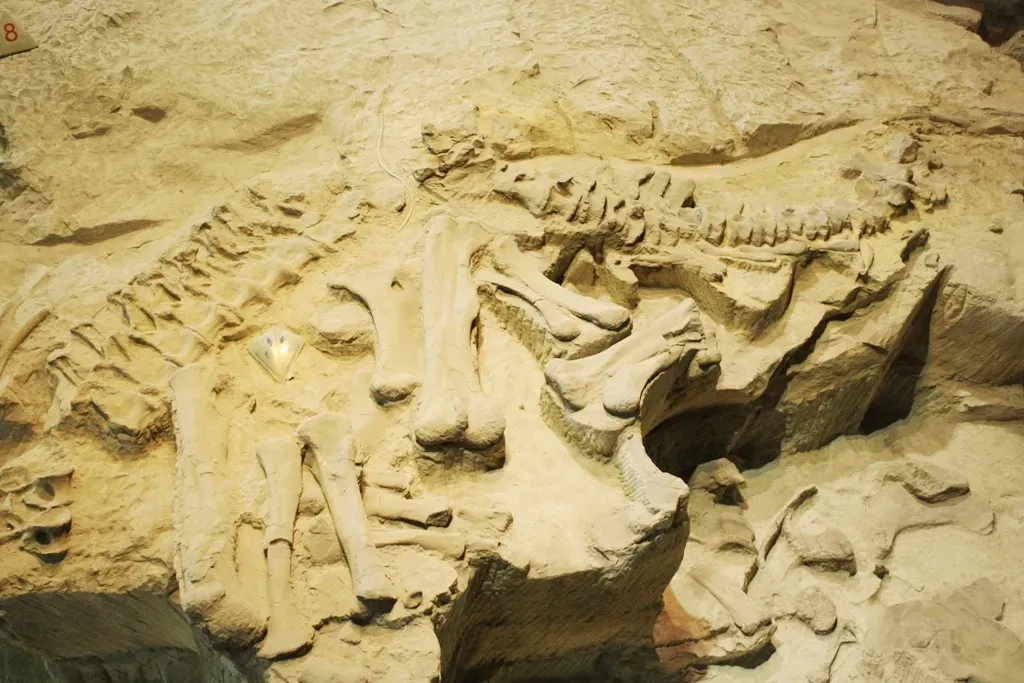
Here’s the thing – when ancient and early modern people first stumbled upon massive fossilized bones, many of them landed on one foundational truth: these were the remains of real, once-living creatures, not supernatural formations. While many ancient and aboriginal cultures considered dinosaur bones to be the remains of real creatures, western scholars often passed off fossils as strange “sports of nature” created by supernatural forces within the earth. The indigenous intuition that these were biological relics turned out to be exactly right.
Scholarly descriptions of what would now be recognized as dinosaur bones first appeared in the late 17th century in England. Part of a bone, now known to have been the femur of a Megalosaurus, was recovered from a limestone quarry at Cornwell near Chipping Norton, Oxfordshire, in 1676. The naturalist who examined it correctly identified the bone as the lower extremity of the femur of a large animal, and recognized that it was too large to belong to any known species. That core observation – these bones were from something genuinely enormous and unlike anything alive – was absolutely correct.
2. These Creatures Became Extinct Long Before Humans Existed
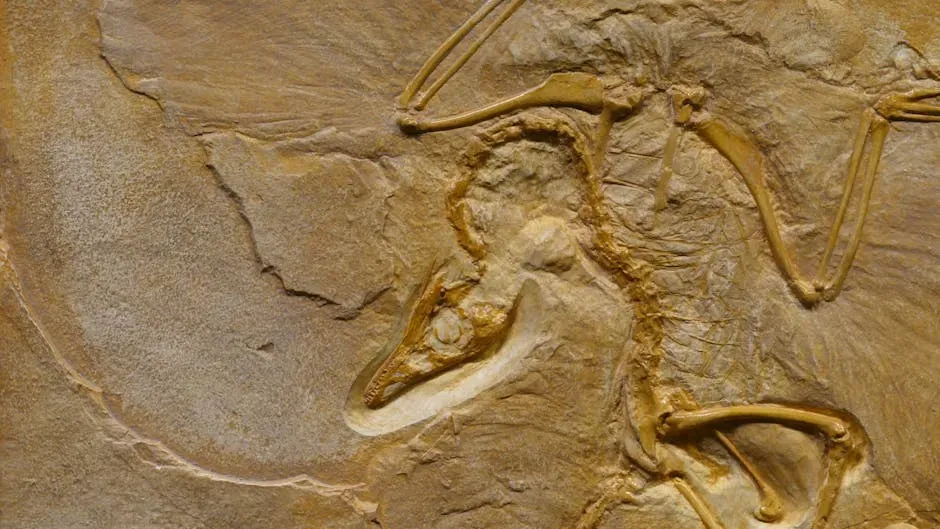
In the past, dinosaur fossils have been mistaken for Cyclopes, dragons, and giants. Without an understanding of evolution, extinction, or deep time, it was difficult to determine what fossils were or where they came from. Yet some early thinkers, particularly in ancient Greece, began to suspect that entire species could vanish from the earth entirely – an idea that was radical for its time and scientifically spot on.
Through careful research and meticulous documentation, historian Adrienne Mayor convincingly shows that many of the giants and monsters of myth did have a basis in fact, in the enormous bones of long-extinct species. As Mayor shows, the Greeks and Romans were well aware that a different breed of creatures once inhabited their lands. The notion that these were not current animals but former ones – creatures that had lived and then vanished – is something that even formal science took centuries to fully accept. The ancient Greeks were nudging at it long before that.
3. The Fossils Were Bones, Not Rocks or Divine Creations
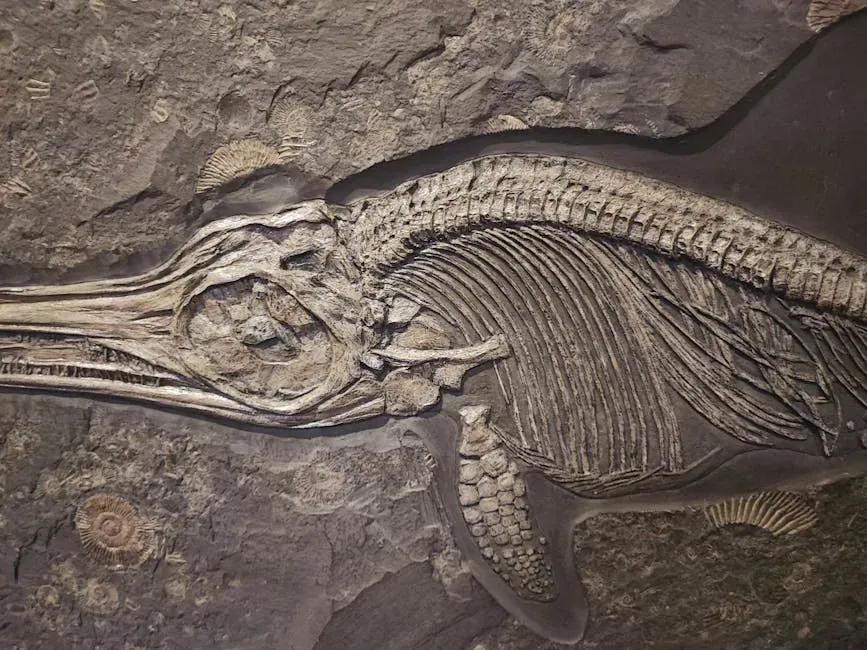
It sounds almost too simple to count, but for a very long time this was genuinely controversial. Back in the 16th century, the term “fossil” referred to pretty much anything that was dug up from the ground. This meant plant and animal remains were placed in the same category as minerals and meteorites. Distinguishing petrified bone from an interesting rock formation was not as obvious as it sounds when you’ve never encountered anything like it before.
Even in ancient times, some understood that these fossils did not come from mythical creatures, but from ordinary animals. In the Middle Ages, many believed that mysterious natural forces had created the fossils. It wasn’t until the Renaissance, which lasted from the 1400s to the late 1600s, that some began to realise that fossils came from previously living creatures. The ancient observers who insisted on a biological origin were, in the end, the ones who had it right all along.
4. Some Ancient Cultures Guessed That Large Reptiles Once Dominated the Earth
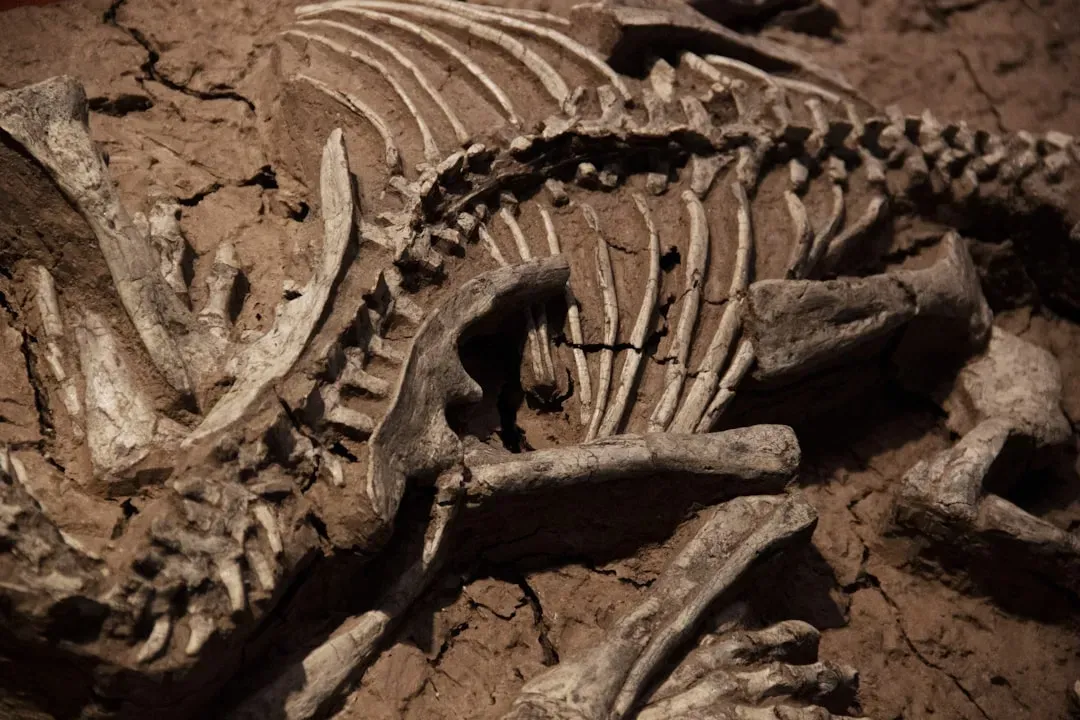
Honestly, this one deserves more credit than it usually gets. The Chinese considered dinosaur bones to be dragon bones and documented them as such. The gazetteer Huayang Guo Zhi, compiled during the Western Jin Dynasty (265–316), reported the discovery of dragon bones at Wucheng in Sichuan Province. Villagers in central China have long unearthed fossilized “dragon bones” for use in traditional medicines. Yes, they called them dragons, but think about it – they were essentially describing enormous, extinct reptile-like creatures. That is remarkably close to the truth.
The word “dragon” continued to be used for dinosaurs and other large extinct reptiles until the term “dinosaur” was proposed by the English scientist Richard Owen in 1842. The conceptual leap – that these were enormous, powerful, reptilian beasts that no longer existed – was genuinely accurate, even if the label was mythological. Strangely, prehistoric and ancient people with a pre-scientific understanding of nature had a better handle on what fossils represented than some western scholars and naturalists of later centuries.
5. The Creatures Were Egg-Layers
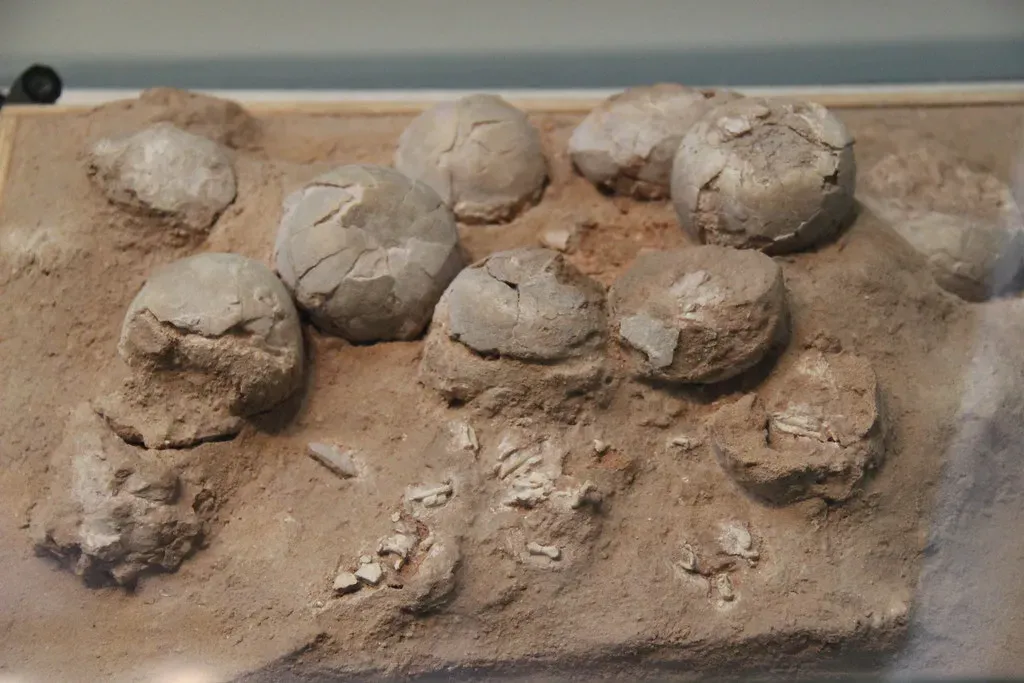
You might assume the discovery of dinosaur eggs was a modern milestone. In some ways it was. But ancient peoples in various parts of the world encountered dinosaur eggs embedded in rock formations and generally concluded they were, in fact, animal eggs – enormous ones, belonging to enormous creatures. That instinct was correct. Evidence suggests that all dinosaurs were egg-laying, and that nest-building was a trait shared by many dinosaurs, both avian and non-avian. Ancient cultures who looked at fossilized eggs and called them eggs were not wrong.
The discovery of dinosaur eggs and nests provided evidence for the behavior of some dinosaurs. As paleontologist Ken McNamara has argued, prehistoric people may have even picked up fossils and fashioned them into tools or decorations, imbuing them with special significance. Fossilized dinosaur eggshell fragments have even been used in necklaces. These communities clearly recognized the eggs as objects of biological significance, not just interesting stones – which, in the end, is the right call.
6. The Creatures Were Social and Traveled in Groups
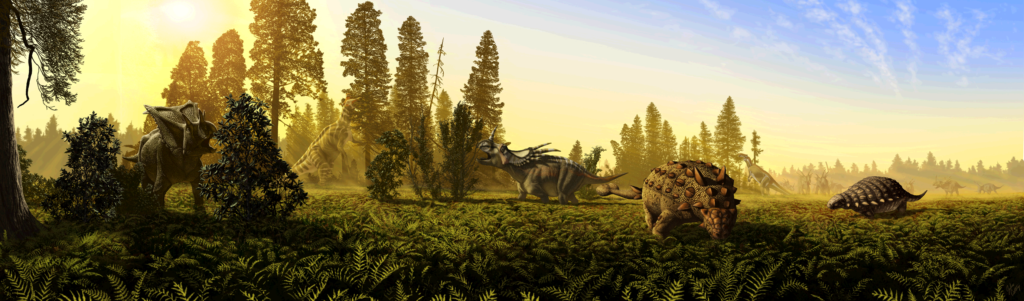
People had been encountering dinosaur bones all around the world for thousands of years before formal science arrived. Native Americans and other Indigenous tribes across Central Asia and South America even had stories about creatures that were based on the discoveries of fossils. Some of those oral traditions described herds, groups, and communities of enormous creatures – which modern paleontology has since confirmed in remarkable detail.
Most research conducted since the 1970s has indicated that dinosaurs were active animals with elevated metabolisms and numerous adaptations for social interaction. The idea that these ancient giants were not lone wanderers, but that they interacted, traveled, and lived in groups, is something that many indigenous folk traditions intuited long before the fossil trackways provided proof. Series of fossilized footprints, called trackways, reveal some intriguing evidence about dinosaur behavior and locomotion. The bones and footprints that ancient peoples encountered may have pointed them, almost accidentally, toward the truth.
7. Birds and These Ancient Creatures Were Connected
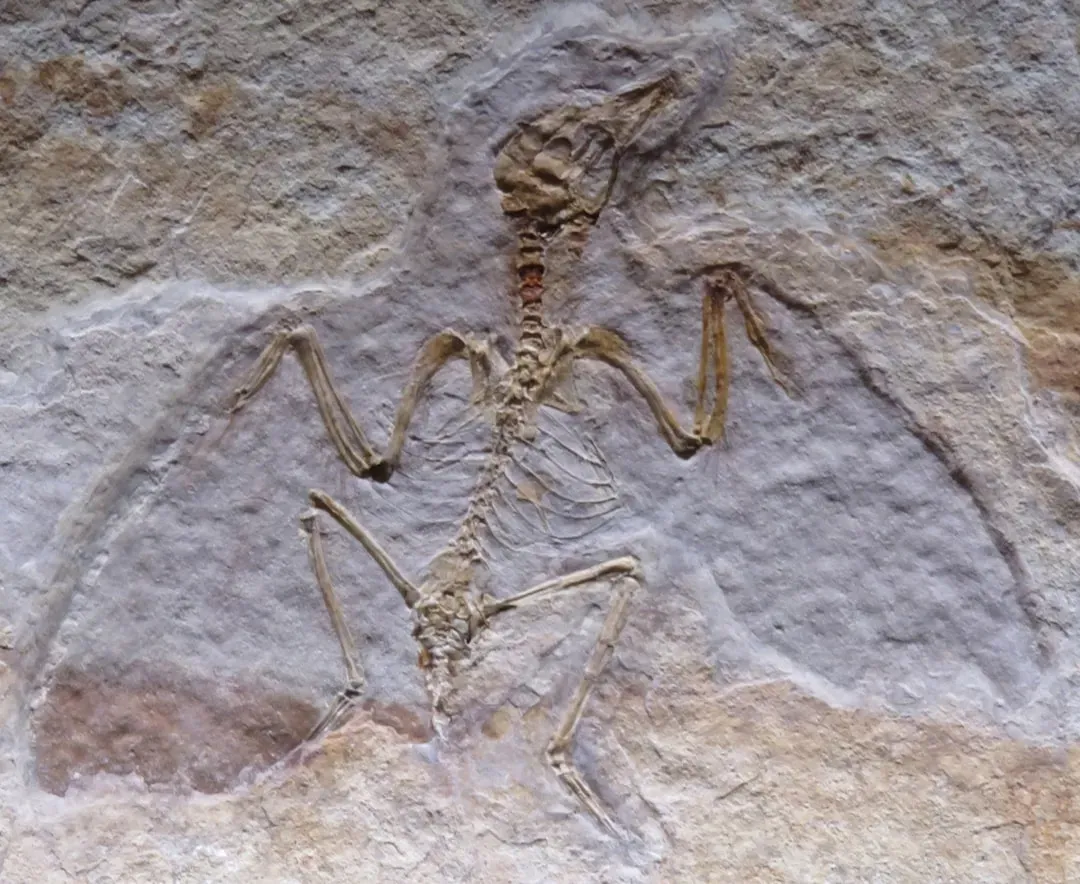
This is perhaps the most stunning ancient intuition of all. Various cultures observed that birds – the creatures they saw every single day – seemed to move, nest, and behave in ways that resembled what they imagined of prehistoric beasts. Back in the 1860s, English biologist Thomas Henry Huxley was a fierce defender of Charles Darwin’s theory of evolution. He was also one of the first people to formally note the similarities between bird and dinosaur fossils, and suggest that there was an evolutionary connection. Huxley made it scientific, but the intuitive comparison had floated around for much longer.
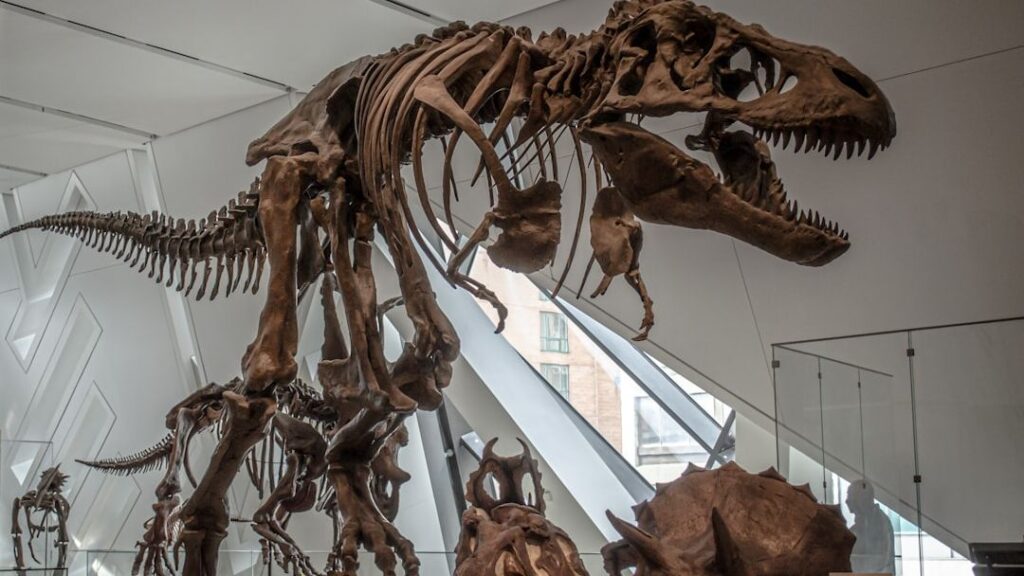
Over a century later, American paleontologist John Ostrom revived this theory by arguing that birds were directly descended from dinosaurs. Work by Ostrom and other paleontologists helped spark a dinosaur renaissance, both in terms of research and public interest. Today, this is not even a debate. Today’s birds evolved from dinosaurs, which makes them every bit as much of a dinosaur as T. rex or Triceratops. The ancient observers who drew a line between sky creatures and ground giants were, it turns out, following a real biological thread.
8. The Creatures Came in Wildly Different Sizes, Including Very Small Ones
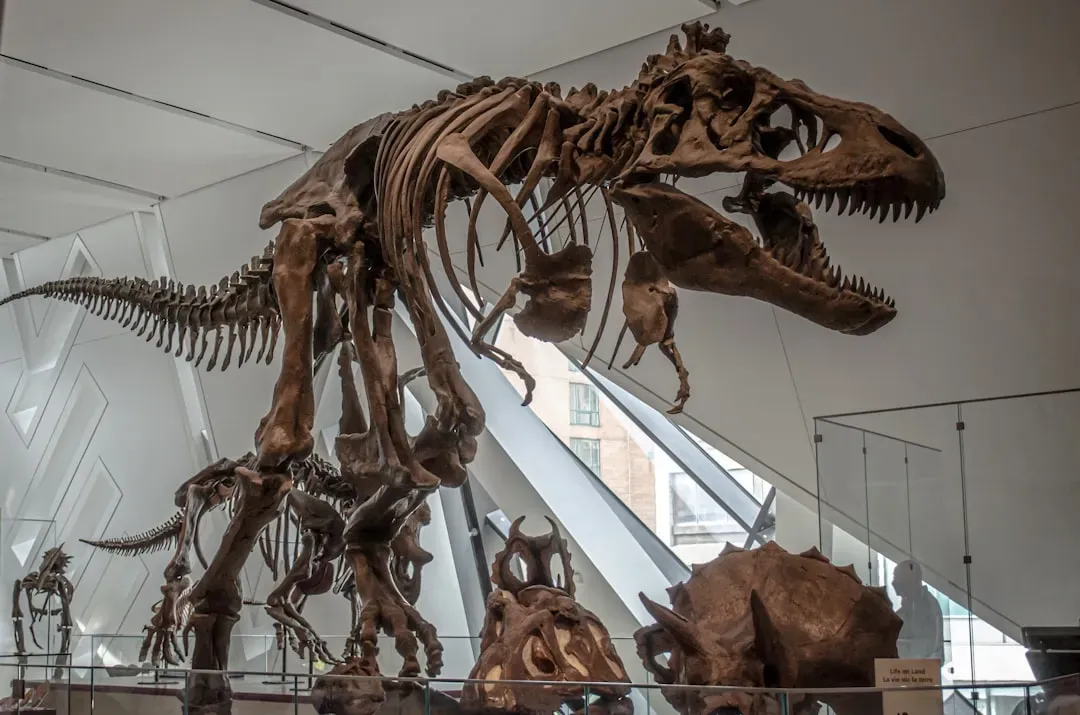
Pop culture loves to make every dinosaur enormous. But some early naturalists and collectors who puzzled over fossil records noticed enormous variation in the bones they found – some teeth were delicate, some femurs were modest, some tracks were almost dainty. This variety pointed toward something important. Using fossil evidence, paleontologists have identified over 900 distinct genera and more than 1,000 different species of non-avian dinosaurs. The ancient hunch that these creatures came in many forms, not just titanic ones, was entirely correct.
Long-necked sauropods like the Dreadnoughtus schrani could be as big as passenger airplanes. “But many dinosaurs were tiny,” with some only the size of pigeons. I think it’s worth pausing on that. Some of these apex ancient creatures were barely bigger than the birds you feed in the park. While some were the largest animals ever to have lived on land, some were smaller than a housecat. And then there are the tiny living dinosaurs of today, such as hummingbirds. Dinosaurs came in all sizes. Ancient observers who resisted the instinct to make everything monstrous were picking up on real biological diversity.
9. A Catastrophic Event Caused Their Disappearance
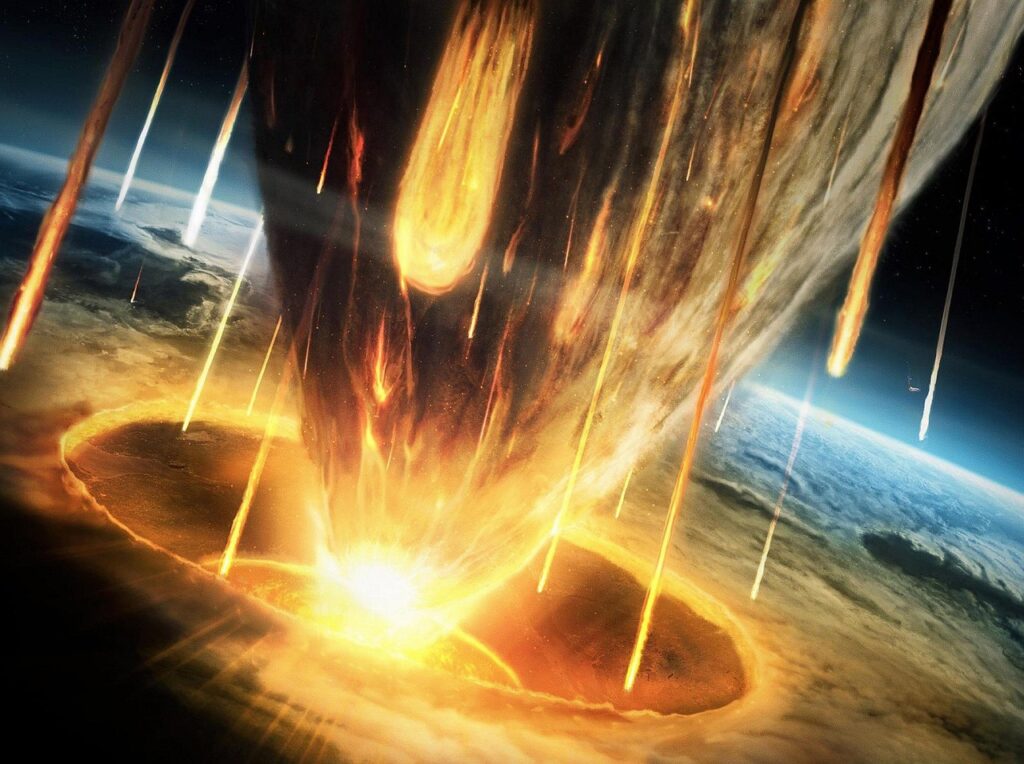
Across many ancient cultures, there are traditions describing a great catastrophe – a flood, a cosmic event, a period of darkness and cold – that wiped out the mightiest creatures on earth. It sounds like mythology, but it rhymes closely with what science has established. It is certain that a massive asteroid or comet struck Earth during this time, causing a dramatic shift in Earth’s climate. Some scientists speculate that this impact had catastrophic consequences for life on Earth. The scale of destruction described in ancient traditions is not entirely off base.
In 1980, scientists Luis and Walter Alvarez suggested an asteroid’s impact with Earth could have triggered an extinction event that killed most of the dinosaurs. Though controversial at first, the Alvarez hypothesis has since gained wide acceptance among scientists. Paleontologists are actively investigating what caused all non-avian dinosaurs to die out 65 million years ago. Most agree that the impact of a large asteroid or comet played a major role, while scientists continue to debate how volcanic activity or climate change caused by retreating sea levels might have contributed. Ancient storytellers who imagined a sky-shattering disaster sending the world’s great beasts into extinction were, in their own way, closer to the scientific truth than anyone could have expected.
Conclusion: Ancient Wisdom Deserves More Credit
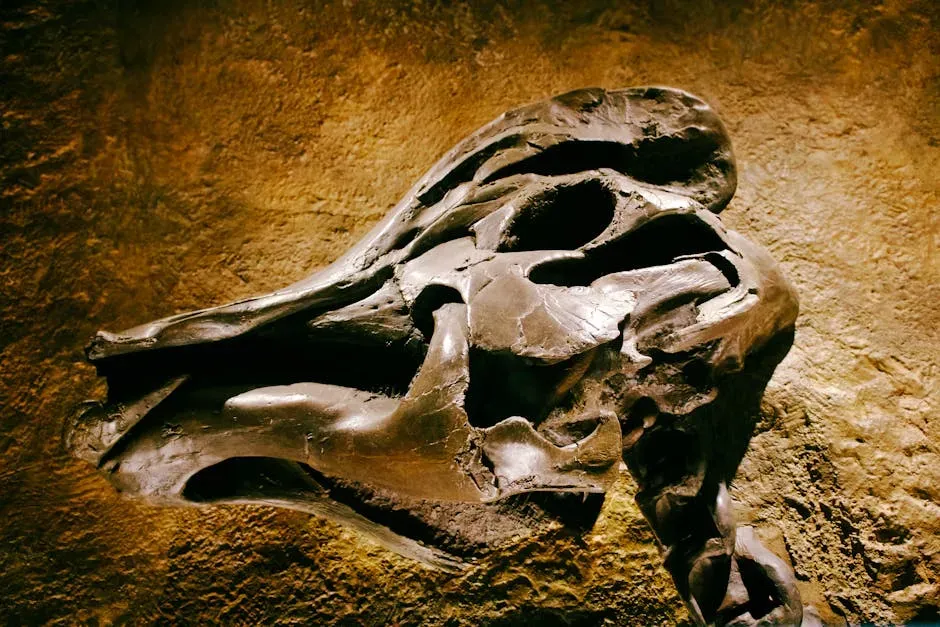
What strikes me most about all of this is how far genuine curiosity can carry you, even without laboratories or peer-reviewed studies. Early fossil observers interpreted the evidence based on their knowledge of natural history. Fossils weren’t recognized as extinct creatures because the idea that a species could disappear completely hadn’t been seriously considered yet. Still, many of them circled near the truth, sometimes almost touching it.
Like their modern counterparts, the ancient fossil hunters collected and measured impressive petrified remains and displayed them in temples and museums. They attempted to reconstruct the appearance of these prehistoric creatures and to explain their extinction. Long thought to be fantasy, the remarkably detailed and perceptive Greek and Roman accounts of giant bone finds were actually based on solid paleontological facts. The lesson here is a simple but powerful one: human curiosity, even without the tools of modern science, has always had a knack for sniffing out the truth. The ancient world looked at bones from millions of years ago and saw something real. We should probably never stop being humbled by that.
So the next time you brush off an old myth as pure fiction, it might be worth asking yourself – what grain of fact is buried inside it?