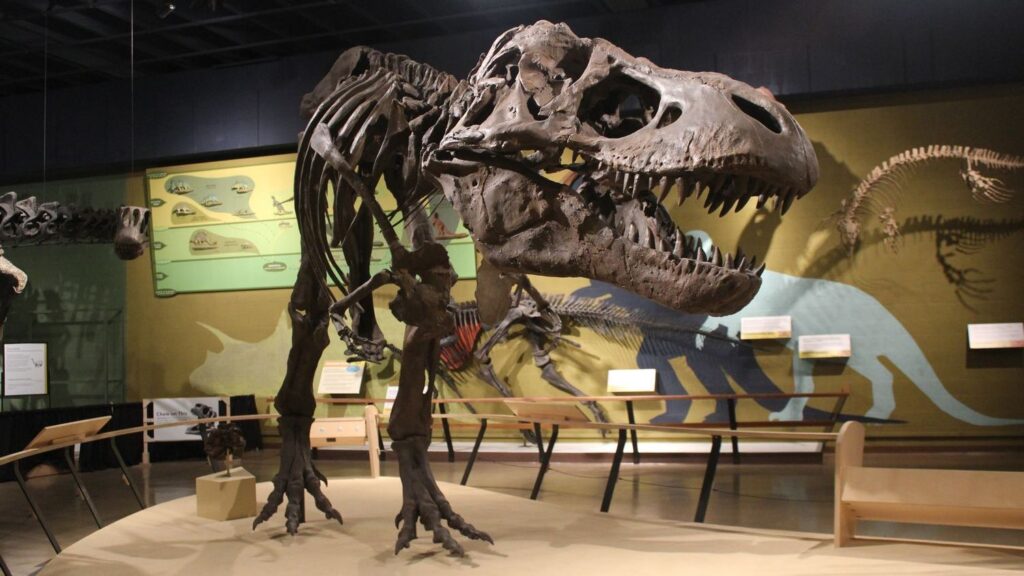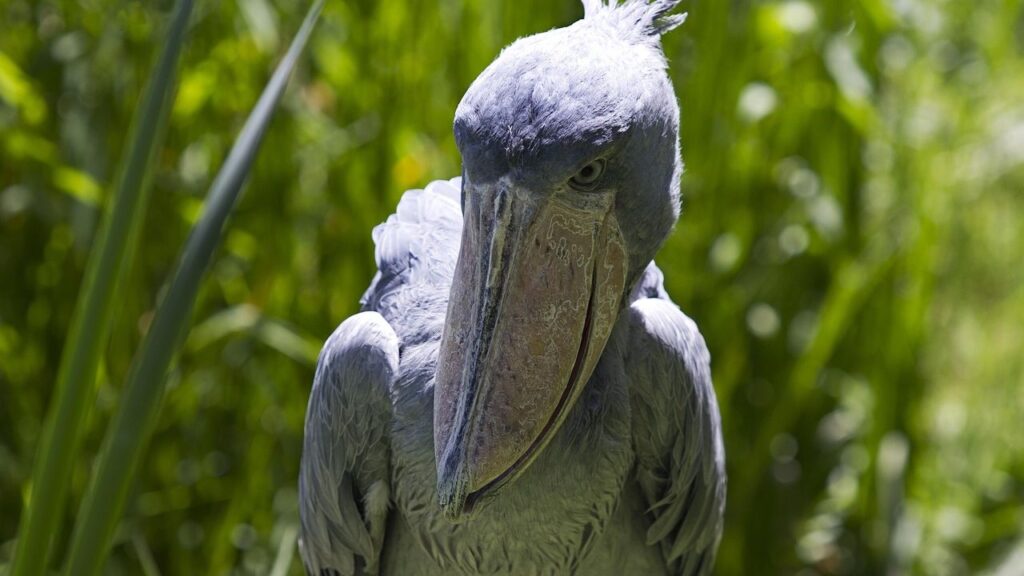
Picture a bird that seems plucked straight from the age of dinosaurs, standing motionless in an African swamp with eyes that pierce through you like lasers. The shoebill is real, and honestly, it’s one of the most bizarre creatures you’ll ever encounter. With a bill that resembles a Dutch wooden shoe and a stare that could stop you in your tracks, this wading bird has captured the internet’s fascination in recent years.
Let’s be real, when you first see a shoebill, you might wonder if evolution took a wrong turn somewhere. Yet every peculiar feature serves a purpose in the harsh swamps where it hunts. From its hunting techniques to its family dynamics, the shoebill reveals surprises at every turn. So let’s dive in and explore what makes this prehistoric-looking giant one of Africa’s most extraordinary residents.
That Enormous Bill Isn’t Just for Show
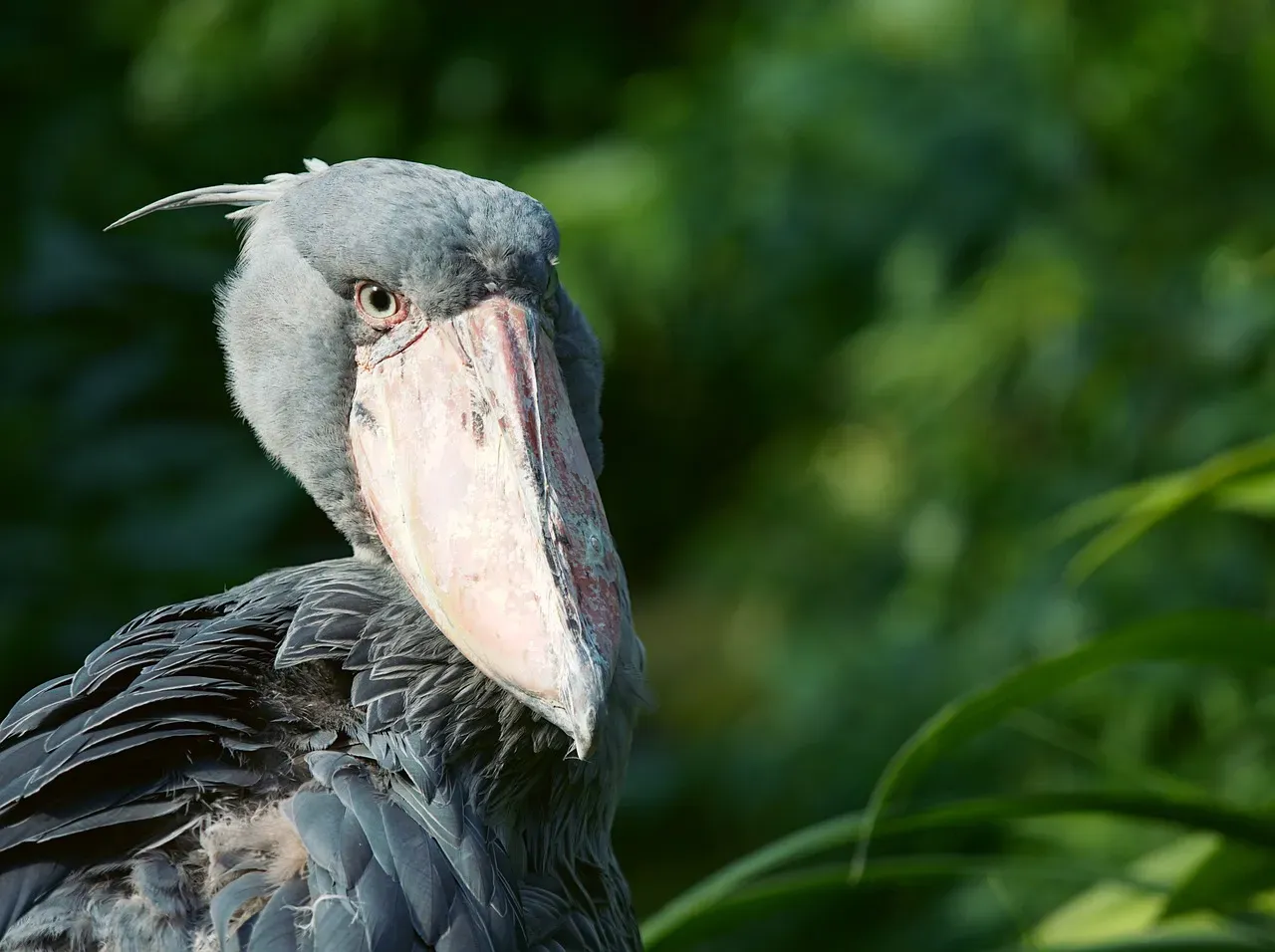
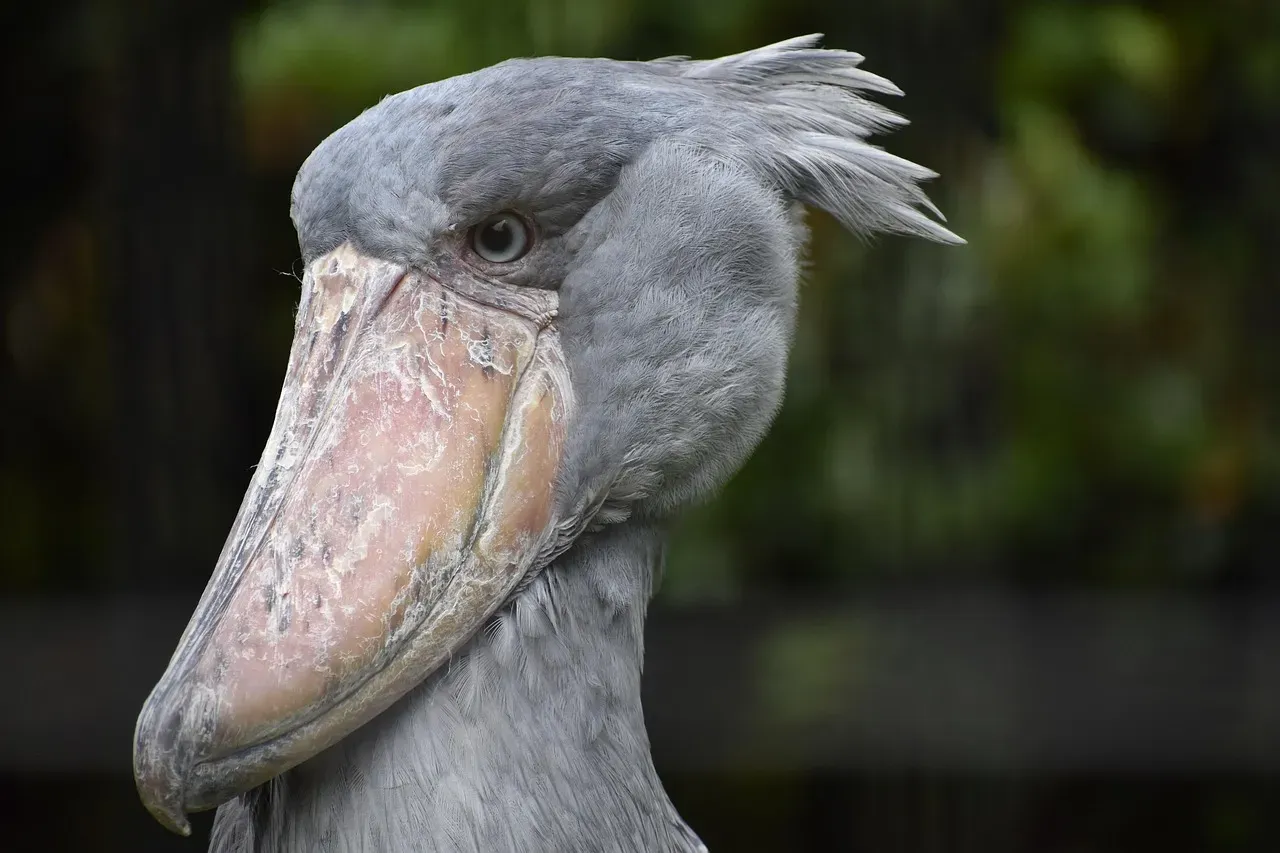
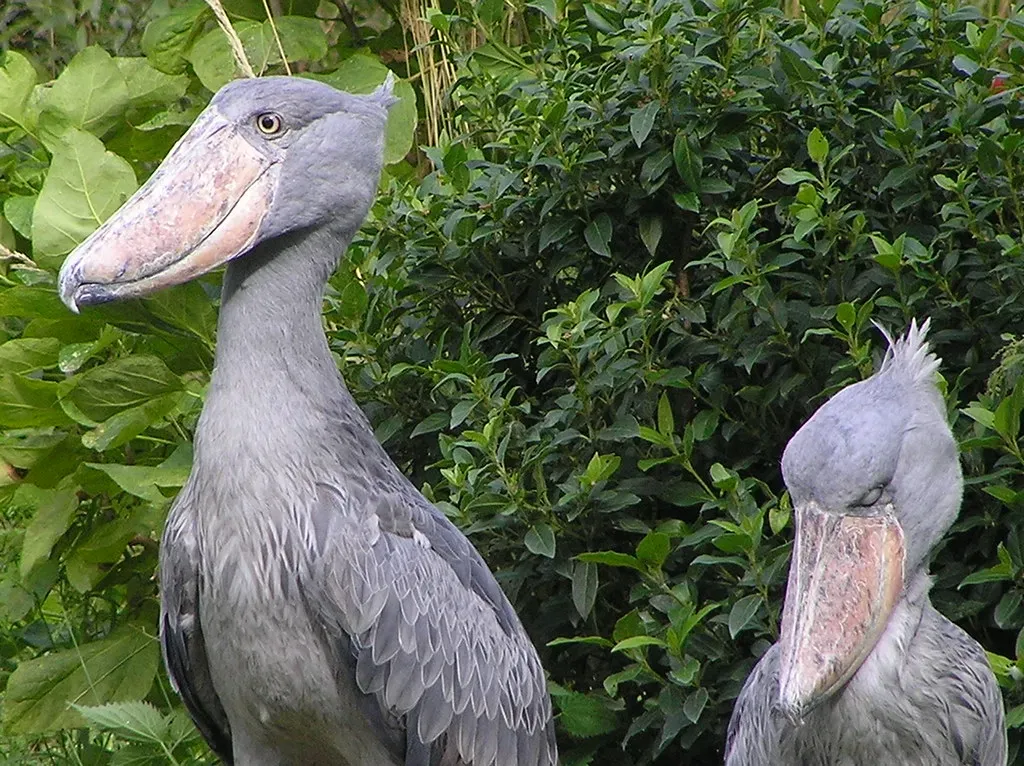
You’re looking at one of the most impressive beaks in the bird kingdom, a huge, bulbous structure that’s pinkish in color with erratic greyish markings. The exposed culmen measures between roughly seven to nine inches, making it the third-longest bill among extant birds after pelicans and large storks. The comparison to a Dutch clog isn’t accidental; the shape genuinely resembles a wooden shoe, which is exactly how this bird earned its name.
The upper mandible is strongly keeled, ending in a sharp nail, and those razor-sharp edges do serious damage. Its sharp edges and hook at the tip allows the bird to grab, grip, and kill live prey. Think of it as nature’s version of a Swiss Army knife, capable of slicing through fish, decapitating prey, and even cracking through tough scales. The bill is mostly composed of hard keratin, the same material as your fingernails, giving it durability that would make any toolmaker jealous.
They’re Massive Birds That Could Look You in the Eye
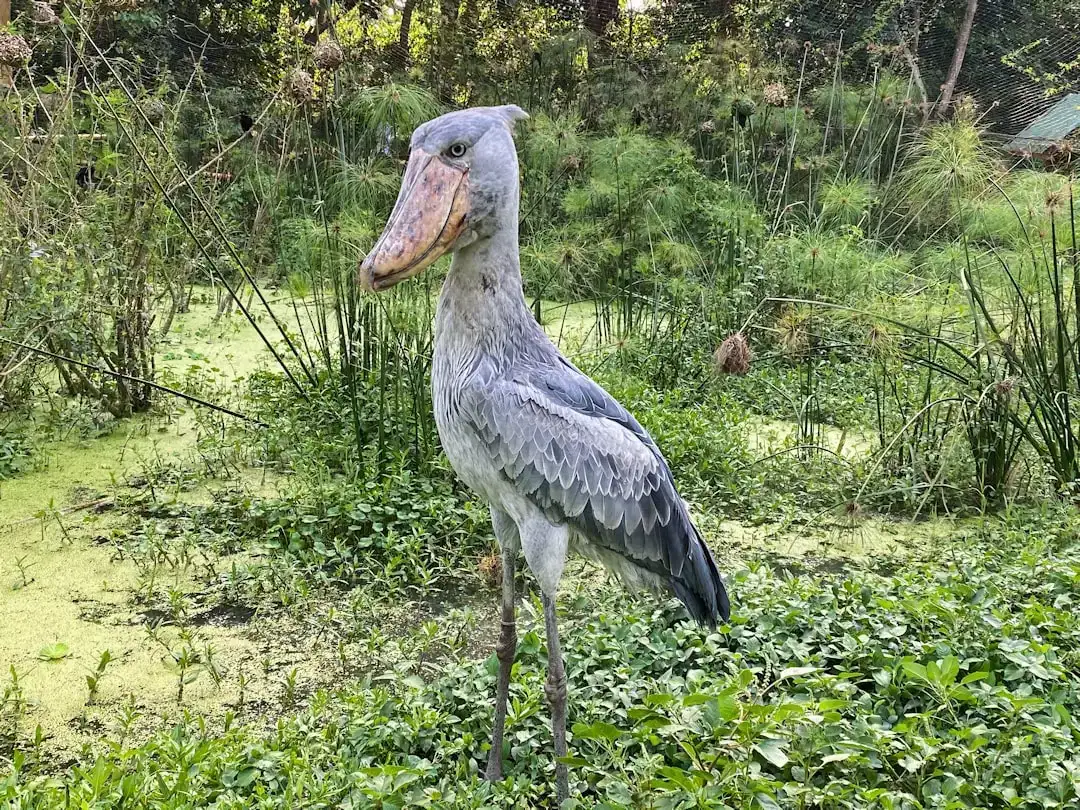
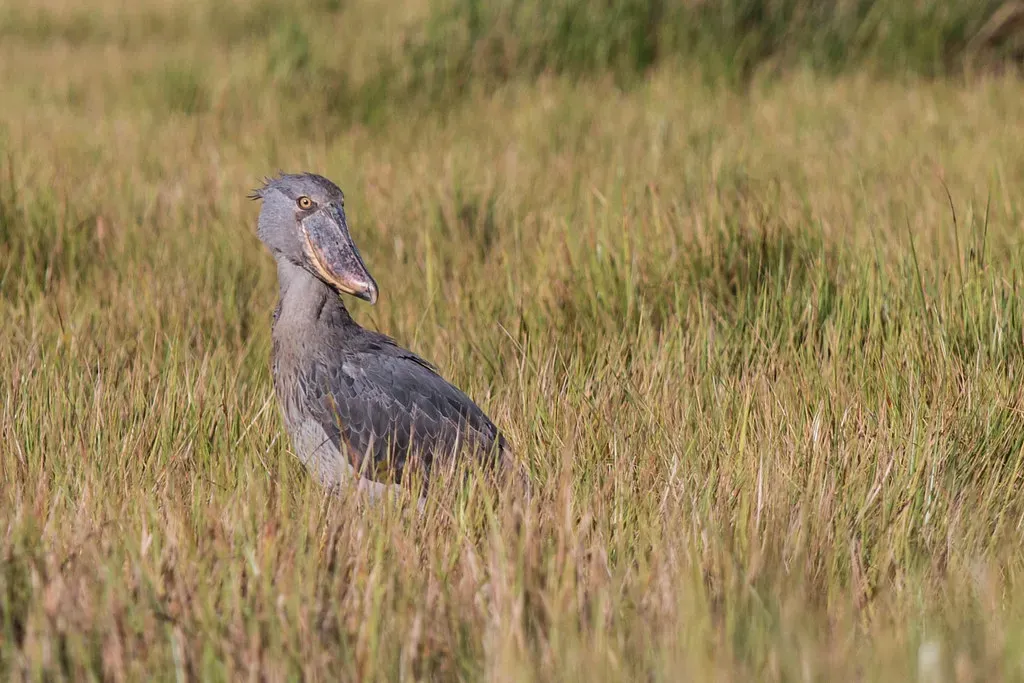
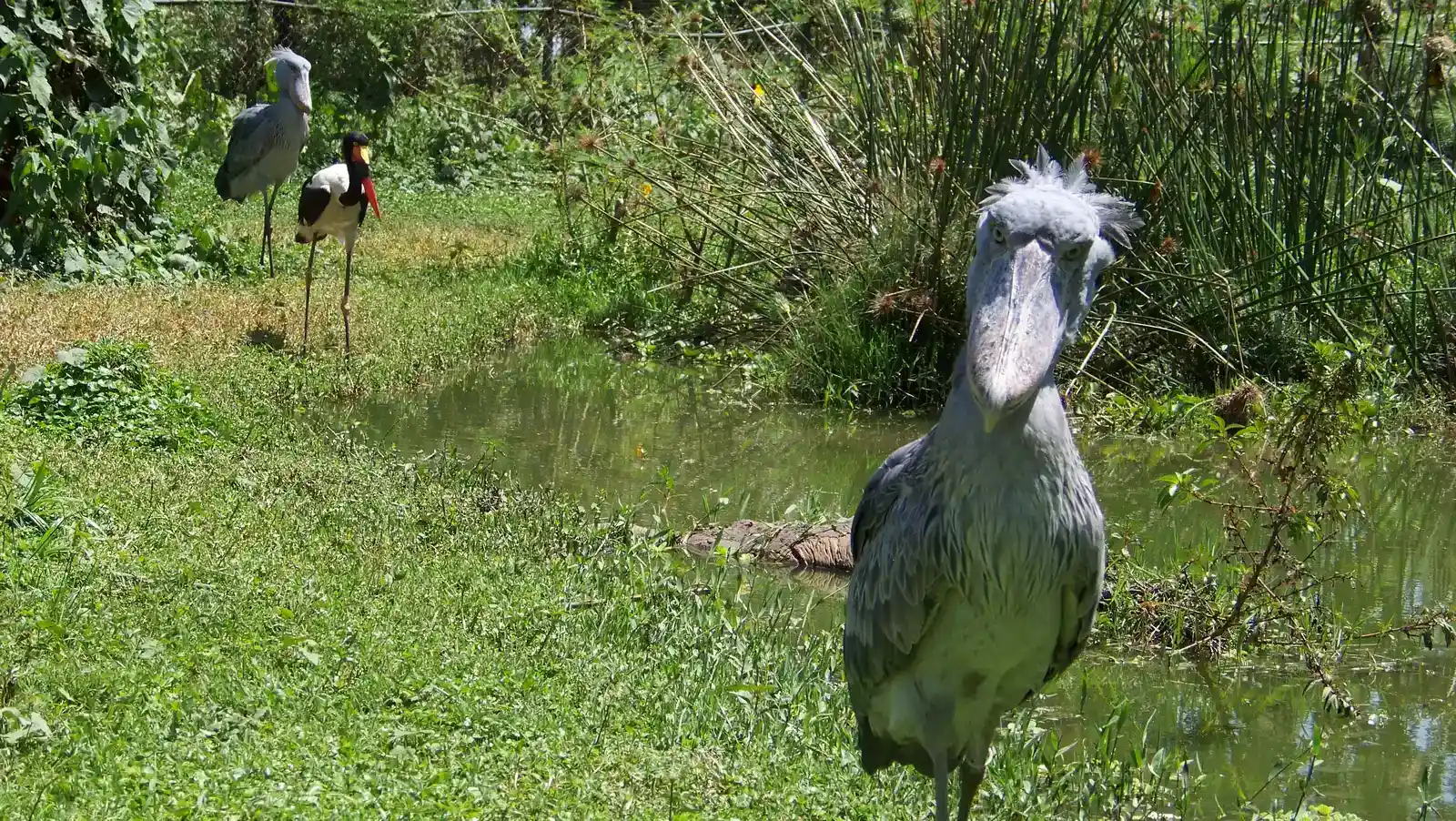
The shoebill is a tall bird, with a typical height range of roughly three and a half to four and a half feet, with some specimens reaching as much as five feet. Length from tail to beak can range from about three to four and a half feet, and wingspan is an impressive seven and a half to eight and a half feet. If you stood next to one, it would practically be at eye level with you, which makes that famous death stare even more unnerving.
Weight has reportedly ranged from roughly nine to fifteen pounds, with males typically weighing around twelve pounds and being larger than females at around eleven pounds. Despite their imposing size, they’re surprisingly light for their height. The shoebill’s feet are exceptionally large, with the middle toe reaching nearly seven inches in length, likely assisting the species in its ability to stand on aquatic vegetation while hunting. Those oversized feet work like snowshoes, distributing their weight across floating plants.
Their Hunting Technique Is Terrifyingly Efficient
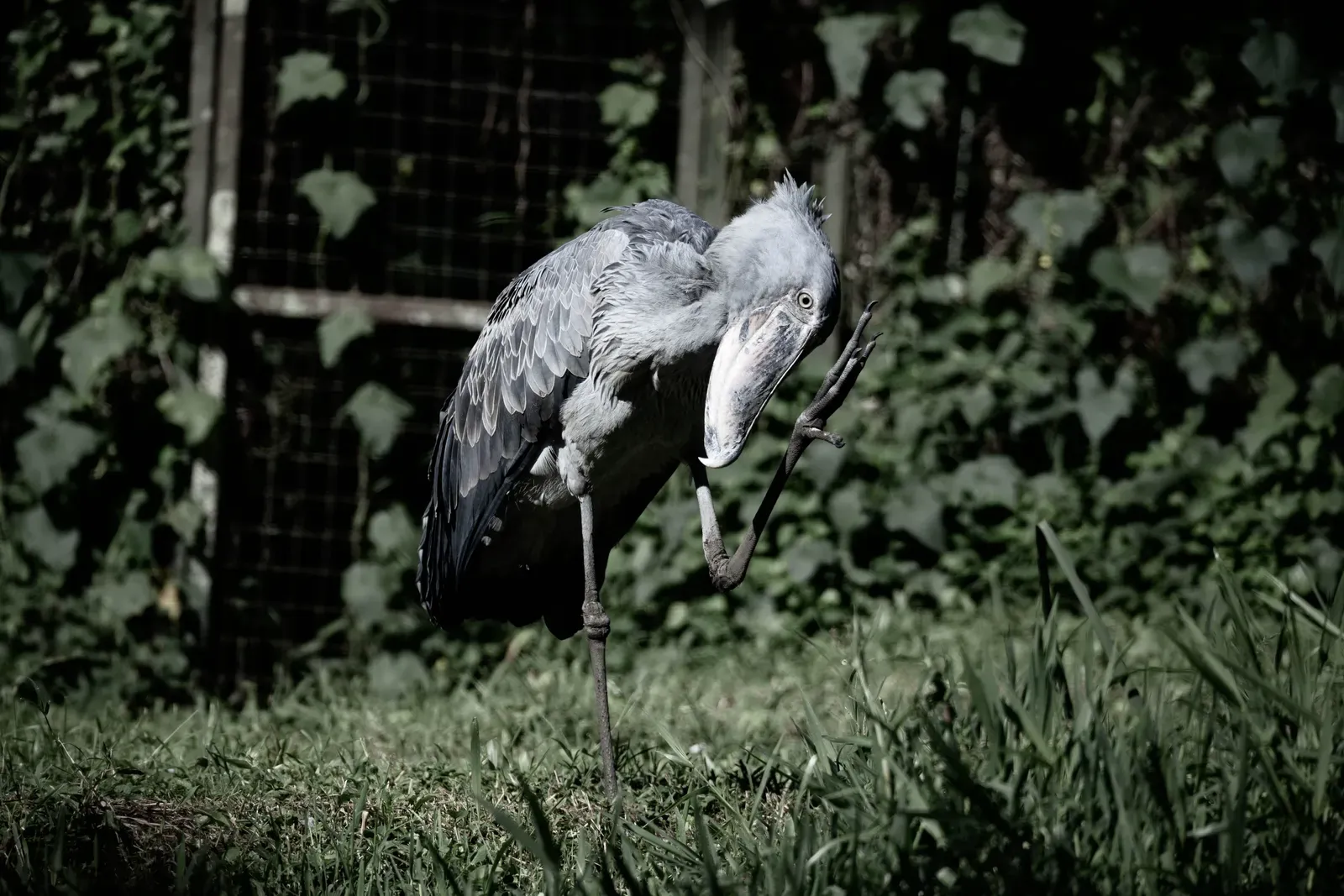
Shoebills can stay motionless for hours, so when a hapless lungfish comes up for air, it might not notice this lethal prehistoric-looking bird looming until it’s too late. This patience is legendary among bird watchers. While hunting, the shoebill strides very slowly and is frequently motionless. It’s like watching a statue suddenly come to life.
The birds practice a hunting technique called “collapsing,” which involves lunging or falling forward on their prey. When prey is spotted, it launches a quick, violent strike, and around sixty percent of strikes yield prey. The collapse can be so violent that the bird’s beak and thick skull act as shock absorbers to protect it against injury. Imagine a five-foot bird throwing its entire body weight at you with a massive hooked beak leading the charge.
They Eat Baby Crocodiles and Other Shocking Prey
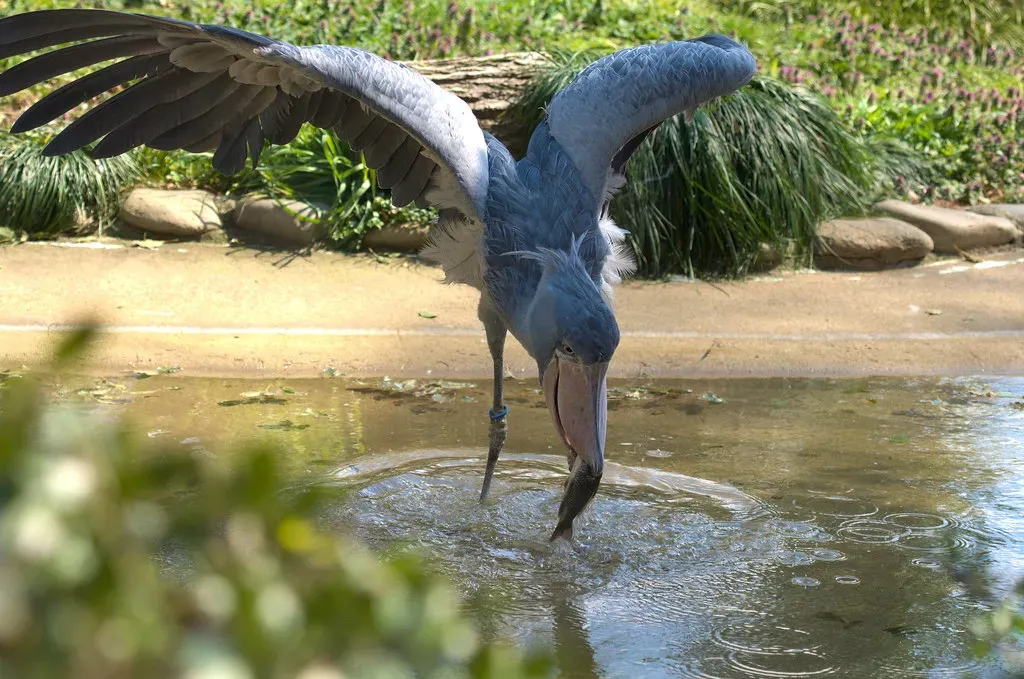
They primarily eat fish, showing a preference for lungfish, but will also prey on frogs, water snakes, and young crocodiles. The largest fish caught by the shoebill was ninety-nine centimeters long, which is over three feet of struggling fish. That’s not exactly a light snack. Fish exceeding sixty centimeters were usually cut into sections and swallowed at intervals, with the entire process from scooping to swallowing ranging from two to thirty minutes depending on prey size.
The shoebill’s diet reads like a swamp’s most wanted list. Its specialized bill allows the shoebill to grab large prey, including lungfish, tilapia, eels, and snakes, and it even snacks on baby crocodiles and Nile monitor lizards. Here’s the thing: not many birds can claim crocodiles as part of their regular menu. The shoebill specializes in large, aggressive prey that other wading birds wouldn’t dare approach.
Scientists Struggled to Classify This Oddball
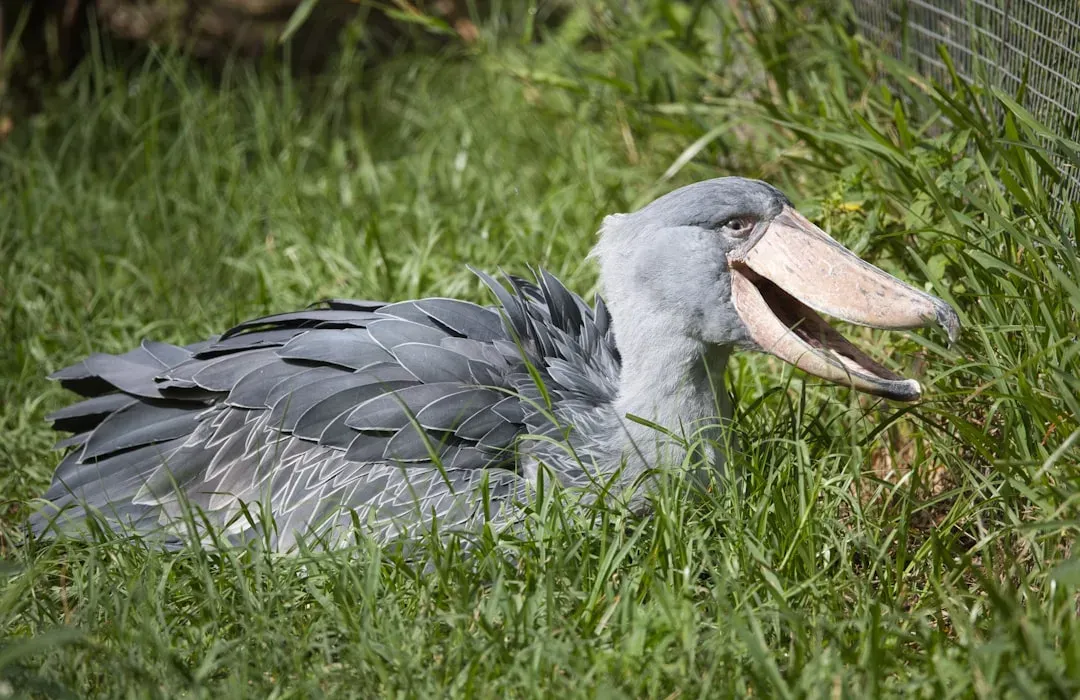
It has a somewhat stork-like overall form and was previously classified as a stork in the order Ciconiiformes, but genetic evidence places it with pelicans and herons in the Pelecaniformes. More recent DNA research finds that shoebills are actually biochemically more similar to herons and anatomically more closely related to pelicans, and these impressive wading birds now have their own family, Balaenicipitidae. Being so unique that you get your own family classification is quite the evolutionary achievement.
The taxonomic confusion makes perfect sense when you look at the bird. It has the legs of a stork, the skull structure of a pelican, and behavioral traits of herons. It shares some behavioral and anatomical characteristics with storks, but it is more like herons with its powder-downs and its habit of flying with its neck retracted, and the shoebill’s mighty skull resembles that of pelicans. Nature essentially threw features from multiple bird families into a blender and created something entirely new.
They’re Intensely Solitary Even With Their Mates
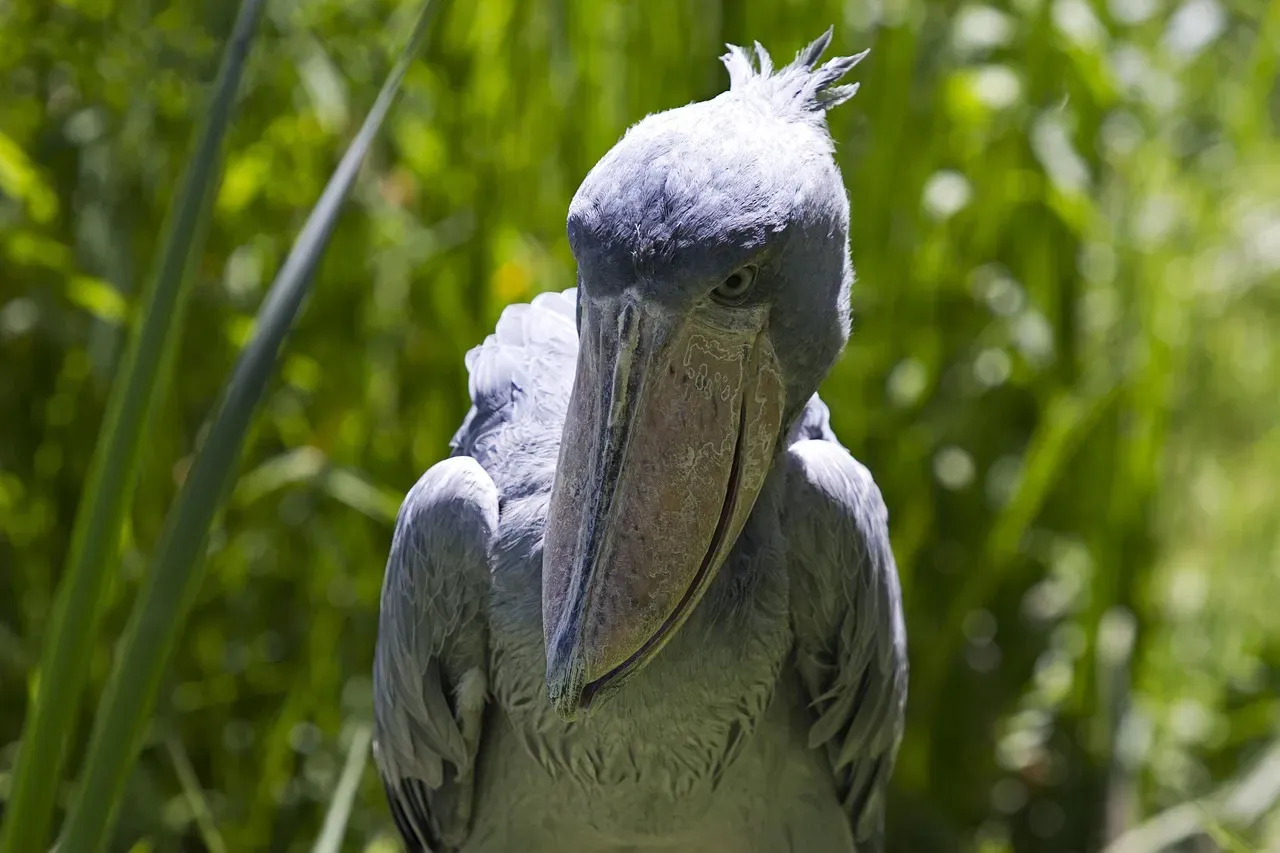
The shoebill, being solitary, forages at twenty meters or more from one another even where relatively densely populated. The shoebill is a solitary species, choosing to forage twenty metres or more apart and when breeding, less than three nests are found per square kilometre, and even when paired up in the breeding season, shoebills still appreciate their own space and will feed at opposite ends of their territory. If you think you need personal space, you’ve got nothing on these birds.
Shoebills are solitary and territorial creatures who need lots of personal space, with usually less than three nests per square kilometer, and a breeding pair of shoebills will even hunt on opposite ends of their hunting range. They’re basically the introverts of the bird world. Even their romantic relationships maintain strict boundaries, which honestly sounds exhausting. Still, this extreme territoriality helps ensure each bird has enough hunting ground to sustain itself in the competitive swamp environment.
Their Communication Sounds Like a Machine Gun
Though they’re mainly silent, shoebills sometimes engage in bill-clattering, a sound made as a greeting and during nesting. The sound has been compared to a jackhammer or a machine gun, and this bill clattering is intended for communication with other shoebills, especially during the nesting season. Imagine walking through a quiet swamp and suddenly hearing what sounds like automatic gunfire, only to discover it’s just birds saying hello.
When young are begging for food, they call out with a sound uncannily like human hiccups. Adults have also been noted to utter a cattle-like moo, as well as high-pitched whines. So you’ve got machine-gun chattering, hiccupping chicks, and mooing adults. The shoebill’s vocal repertoire is as bizarre as everything else about it. These sounds serve important functions though, helping pairs coordinate at the nest and allowing chicks to signal hunger to their parents.
Only One Chick Usually Survives in a Brutal Family Dynamic
During breeding season, the females lay two or three eggs, but they will raise only one chick, with the others often perishing from neglect if they aren’t consumed by their siblings, and young shoebills have a Darwinian dark side and will sometimes kill their younger siblings. This siblicide is disturbingly common in larger birds. The older, stronger chick will often attack its siblings while the parents are away hunting.
Such siblicide is a common scenario, with the second chick believed to be an evolutionary ‘back-up’ in case the first dies, but it is rare for both to survive and depends on whether the parents can bring enough fish. It’s a harsh survival strategy but effective in the challenging swamp environment. Parents invest enormous energy into raising offspring, and focusing on one strong chick increases the chances of successfully producing a healthy adult that can continue the species.
They’re Critically Endangered and Need Our Help
The shoebill is classified as Vulnerable, meaning the species is at high risk of becoming extinct, with estimates suggesting there are only between three thousand three hundred and five thousand three hundred mature individuals left in the wild, and populations are on the decline. Their future is in jeopardy due to hunting, nesting disturbance, habitat loss, and drought caused by climate change, and shoebills are also threatened by illegal live bird trade, with high mortality during capture, transit, and captivity.
As land is cleared for pasture, habitat loss is a major threat, and sometimes cattle will trample on nests, while agricultural burning and pollution from the oil industry and tanneries also affect their habitats. They sell for ten to twenty thousand US dollars making them the most expensive birds in the zoo trade, which encourages native people to capture and sell these birds to zoos, thus reducing wild populations. Conservation efforts are underway, but time is running out for these remarkable prehistoric survivors.
Conclusion
The shoebill stands as one of nature’s most extraordinary creations, a living link to ancient times that continues to fascinate and mystify us. From its massive shoe-shaped bill to its solitary lifestyle and violent hunting techniques, every aspect of this bird defies expectations. Yet despite its fearsome appearance and formidable hunting abilities, the shoebill faces an uncertain future as human activity shrinks its swampy habitat.
These birds remind us that our planet still harbors creatures stranger than fiction, species that evolved unique solutions to survival challenges we can barely imagine. Protecting the shoebill means preserving not just a single species but entire wetland ecosystems that support countless other forms of life. What aspect of the shoebill surprised you most? The way they stare motionless for hours, or maybe their machine-gun greeting calls?