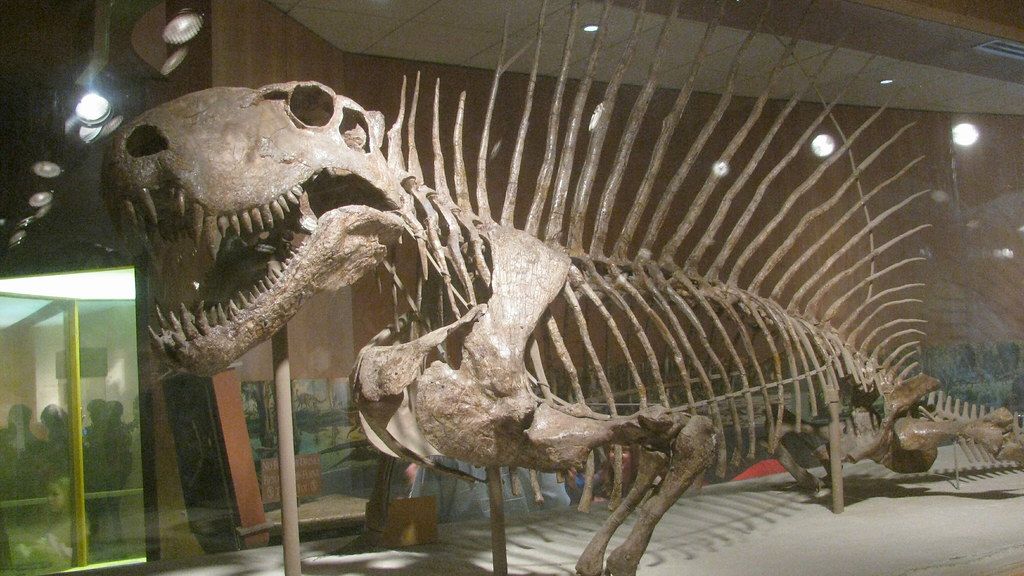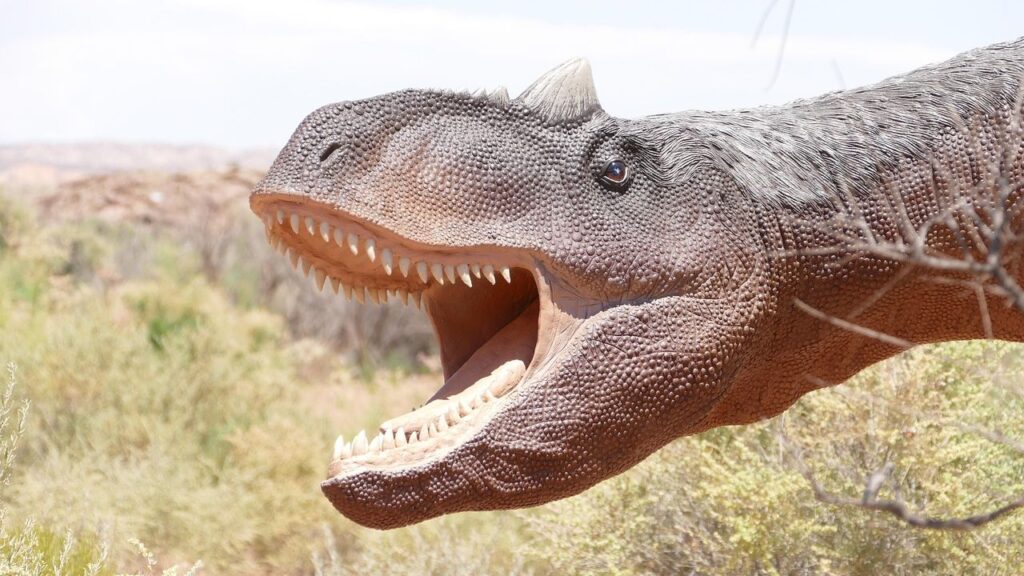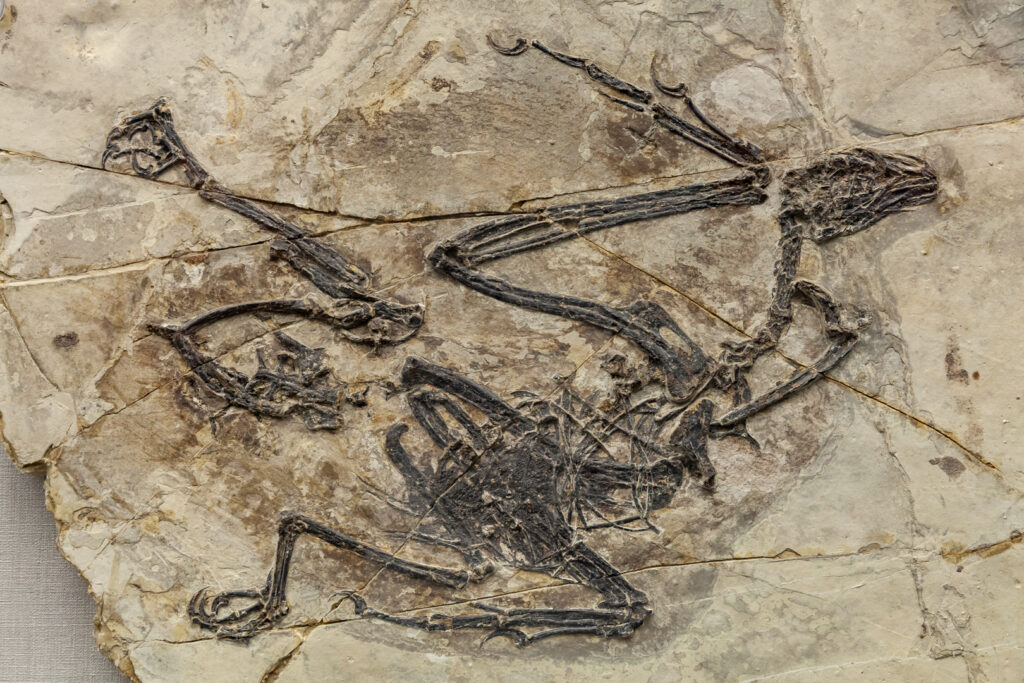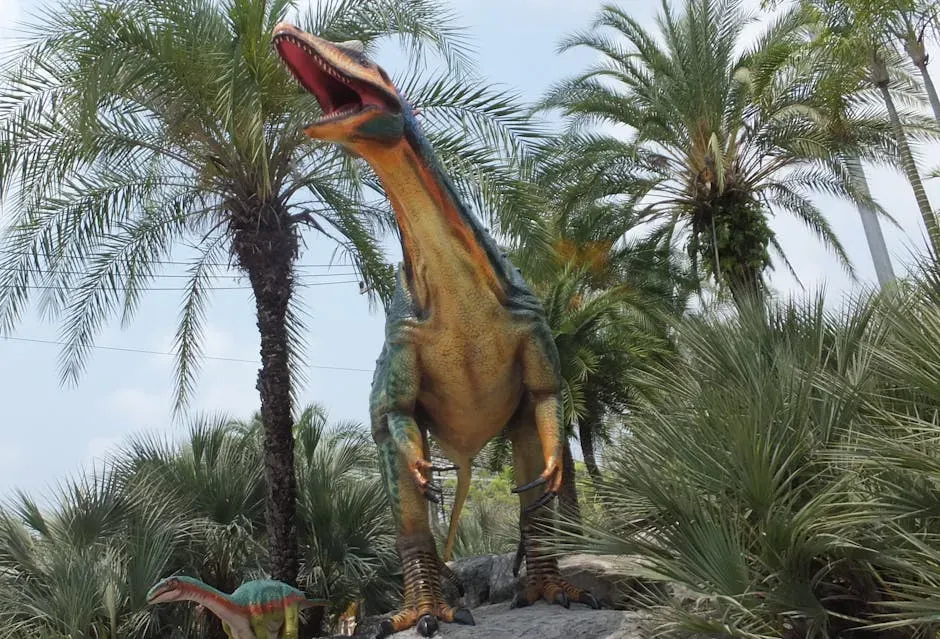
You tend to picture dinosaurs all doing roughly the same thing: stomping around, roaring, and eating whatever crossed their path. But when you zoom in on the details, you realize something far more impressive was going on. Dinosaurs did not just survive on Earth for tens of millions of years; they reshaped themselves in almost every way a body can be reshaped to thrive in forests, deserts, polar regions, coastlines, and even high-altitude environments.
What made that possible were a handful of game‑changing adaptations that turned them from just another group of reptiles into the dominant land animals of their time. When you understand those adaptations, dinosaurs stop feeling like distant movie monsters and start looking more like brilliant experiments in evolution. As you read through these nine traits, imagine what it would feel like if you had them yourself – because that makes their success less abstract and a lot more jaw‑dropping.
1. Lightweight, Air-Filled Bones: Strength Without the Weight
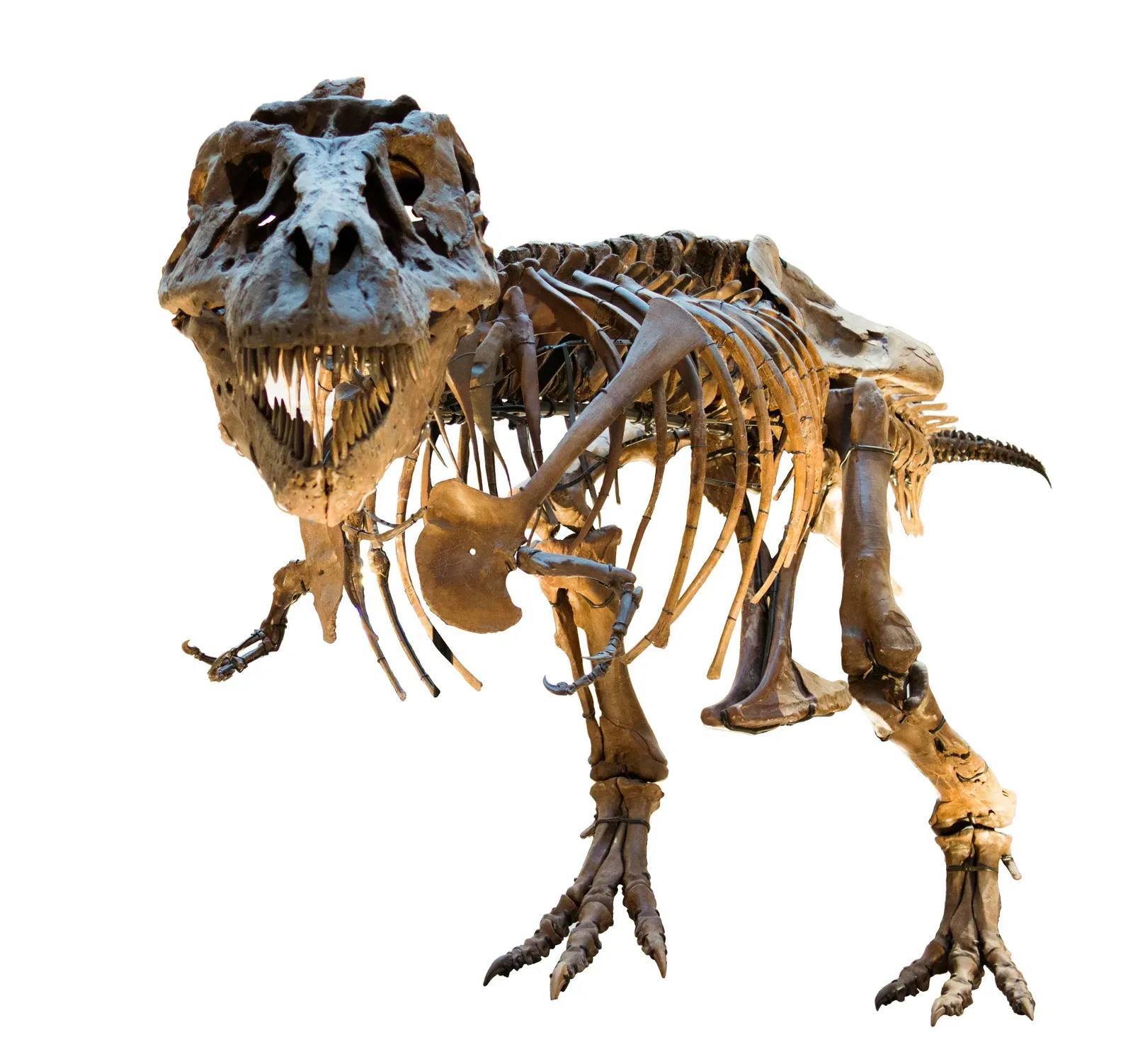
If you have ever carried a heavy backpack up a hill, you already know why lightweight bones were such a big deal for dinosaurs. Many of them, especially the predatory theropods and later the birdlike species, had bones riddled with tiny air spaces, a lot like what you see in modern birds. That meant a skeleton could be massive in size but surprisingly light, allowing large dinosaurs to move more efficiently across open plains and through dense forests without collapsing under their own bulk.
You can picture it like trading a solid metal ladder for a hollow aluminum one: still strong, but far easier to move. For flying and gliding lineages, these air-filled bones were absolutely essential because every bit of saved weight made lift and maneuverability easier. Even for giant ground dwellers, lighter bones helped with balance and agility, making it possible for some predators to sprint, pivot, and lunge in ways you might not expect from something the size of a bus. This combination of size and lightness let dinosaurs push into terrains that would have punished slower, heavier-built rivals.
2. A Supercharged Respiratory System: Breathing Like an Athlete, All the Time
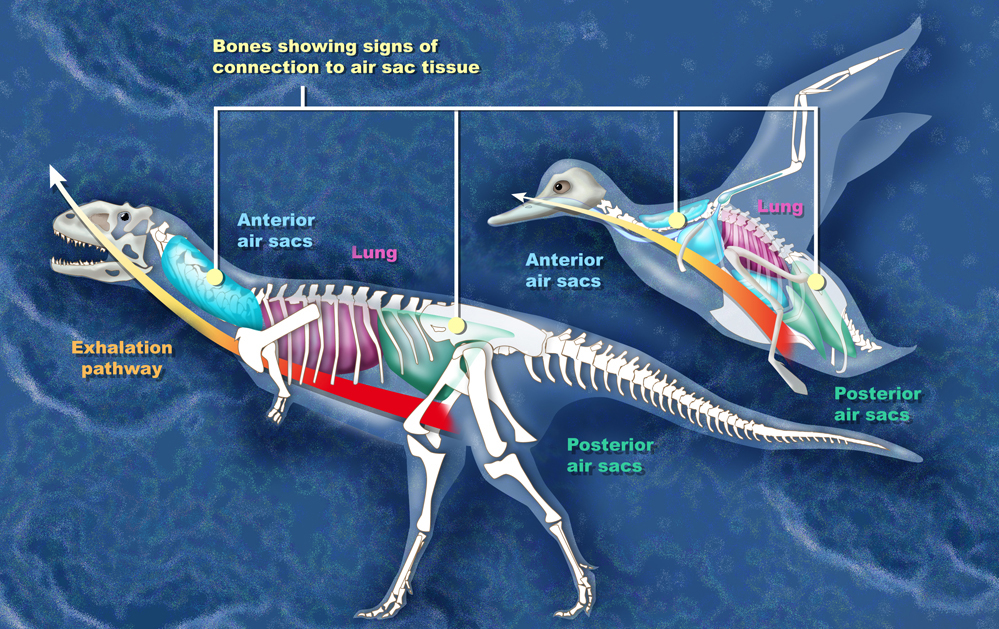
Imagine if your lungs worked so efficiently that you could jog up a mountain without losing your breath – that is roughly the edge many dinosaurs had. Evidence from fossilized bones suggests that a lot of them had complex respiratory systems with air sacs running through parts of the skeleton, again similar to what you find in modern birds. Instead of air just moving in and out of the lungs, these systems allowed a more continuous flow, pulling more oxygen from each breath.
That respiratory upgrade became a huge advantage in different terrains. In thin mountain air or hot lowland environments where oxygen demands could spike, these dinosaurs could keep moving, hunting, and migrating while less efficient animals tired out. A better oxygen supply also supported higher activity levels overall, so you are not looking at sluggish lizards but at animals capable of long walks, fast bursts, and sustained energy in a wide range of climates. In a world with fluctuating temperatures and shifting landscapes, breathing better helped them live almost everywhere.
3. Tail as Counterweight: Built-In Balance for Speed and Stability
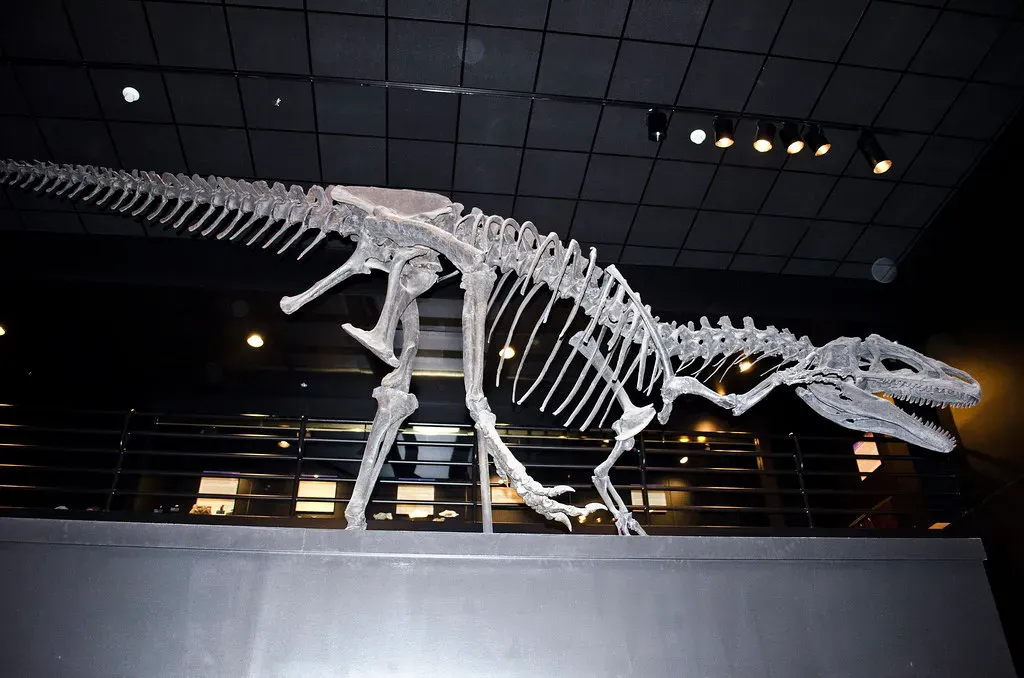
Think about how much easier it is to balance when you stretch your arms out to the sides; dinosaurs took that idea to an extreme with their tails. Many species, especially the bipedal ones, used long, muscular tails as counterweights that balanced their bodies over their hips. Instead of tipping forward under the weight of their heads, they could keep their center of mass aligned, which meant faster running and tighter turns on uneven ground or while chasing prey.
That tail did more than just help them sprint across flat land. On rough terrain – rocky slopes, forest floors filled with roots, riverbanks that could suddenly give way – fine control over balance could be the difference between catching a meal and becoming one. For some herbivores, the tail even doubled as a weapon, with clubs or spikes turning balance tools into defense systems. When you see a dinosaur reconstruction with that rigid, straight tail, you are really looking at a built‑in stabilizer that let them move with surprising grace in almost any environment.
4. Specialized Teeth and Beaks: Turning Every Landscape Into a Buffet
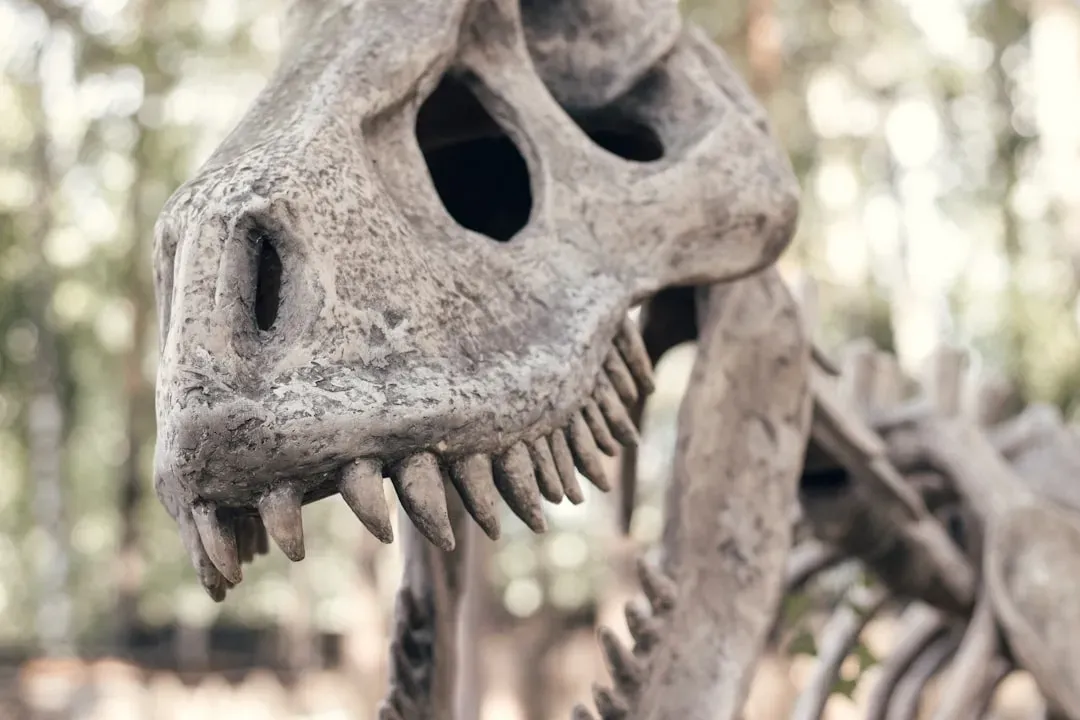
If you have ever tried camping food for a few days, you know how limiting a narrow diet can feel. Dinosaurs avoided that problem by evolving an incredible variety of teeth, jaws, and beaks tailored to whatever their home terrain offered. Some had blade‑like teeth designed to slice flesh cleanly, perfect for stalking prey in open floodplains or ambushing in forest shadows. Others developed spoon‑shaped or peg‑like teeth to strip leaves, crush plant material, or rake through ferns along riverbanks and in wetlands.
In harsher or more seasonal environments, a versatile mouth became a survival tool. Beaked dinosaurs, for example, could nip at tough vegetation or seeds in drier or colder regions where lush plants were less available. Herding plant‑eaters with battery-like rows of grinding teeth could process tough grasses and shrubs that less specialized herbivores would struggle with. By matching their dental toolkit to local resources, dinosaurs could colonize everything from swampy lowlands to semi‑arid uplands, turning even challenging terrains into stable food sources.
5. Powerful, Versatile Limbs: From Sprinters to Long-Distance Walkers
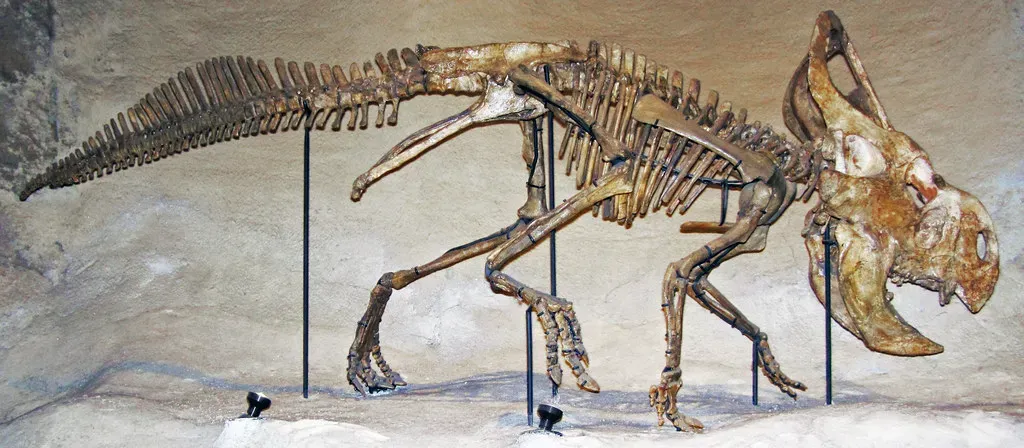
You can think of dinosaur limbs as a full line-up of athletic builds, each tuned to a different kind of terrain. Some species had long, slender legs built for speed, letting them sprint across open plains and outpace both predators and competitors. Others leaned into sheer power instead, with thick, column‑like limbs that could carry massive bodies over long distances, even across soft ground or muddy floodplains where smaller animals might sink or tire quickly.
Clawed forelimbs added another layer of versatility. In forested or coastal environments, they could help with digging, pulling down branches, or manipulating prey, almost like Swiss Army knives attached to their shoulders. Strong hind limbs gave certain species the ability to rear up, reach higher vegetation, or survey surroundings in tall grass or dense undergrowth. Whether the challenge was rocky hillsides, shifting sand, or sprawling river valleys, you will find a dinosaur body plan whose legs and arms were tuned to move through it efficiently.
6. Feathers and Insulation: Weather-Proofing the Dinosaur Body
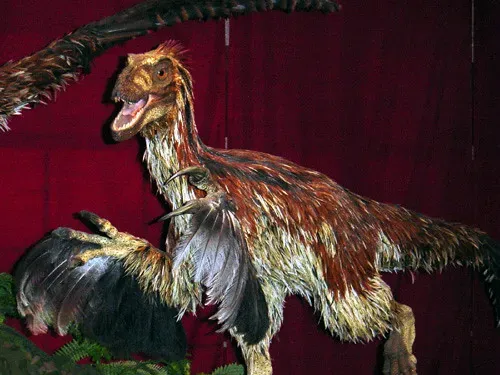
It can feel strange at first to picture dinosaurs with feathers, but once you accept it, their ability to conquer different climates makes a lot more sense. Feathers, fuzz, and other forms of body covering likely acted as insulation, helping smaller and medium‑sized dinosaurs hold onto body heat in cooler regions or during cold nights. That means some of them were not locked into tropical environments; they could push into higher latitudes, seasonal forests, and perhaps even polar zones where temperatures swung dramatically.
Those coverings did more than just keep them warm. Feathers could have played a role in display, camouflage, or even limited temperature regulation, much like how modern birds fluff or flatten their plumage. In open habitats, camouflage patterns might have helped them blend into scrubland or rocky outcrops, while in forested areas, more muted colors would hide them among shadows and foliage. When you combine insulation with coloration and signaling, you get animals that were not just present across many terrains but were tuned to the challenges and opportunities of each place.
7. Complex Social Behaviors and Herding: Safety and Strategy on the Move
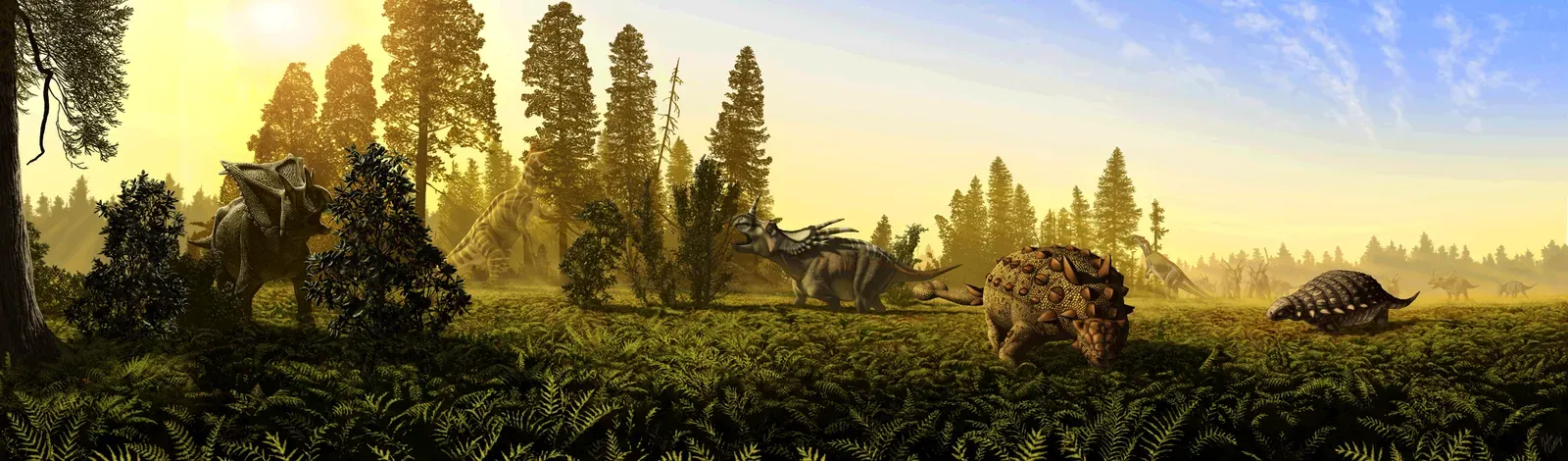
If you have ever felt safer walking home at night with a group of friends, you already understand one of the big advantages dinosaurs gained from social behavior. Evidence from trackways and nesting sites suggests that many species moved in groups, nested in colonies, or cared for their young in ways that required coordination. In wide open plains or floodplains, a herd offers protection: more eyes to spot danger, more bodies to confuse predators, and safety in numbers when crossing rivers or migrating through exposed landscapes.
In tougher terrains – mountainous regions, forest edges, or seasonal environments – social living could help with more than just defense. Groups could follow experienced individuals that knew migration routes to better feeding grounds or safer nesting sites. Young dinosaurs raised within a group might learn which plants to avoid, where water tends to linger in dry seasons, and how to move safely through rocky or unstable ground. By turning survival into a shared project, social dinosaurs were able to exploit risky or unpredictable environments more confidently than loners could.
8. Exceptional Growth Rates and Life Cycles: Adapting Quickly to a Changing World
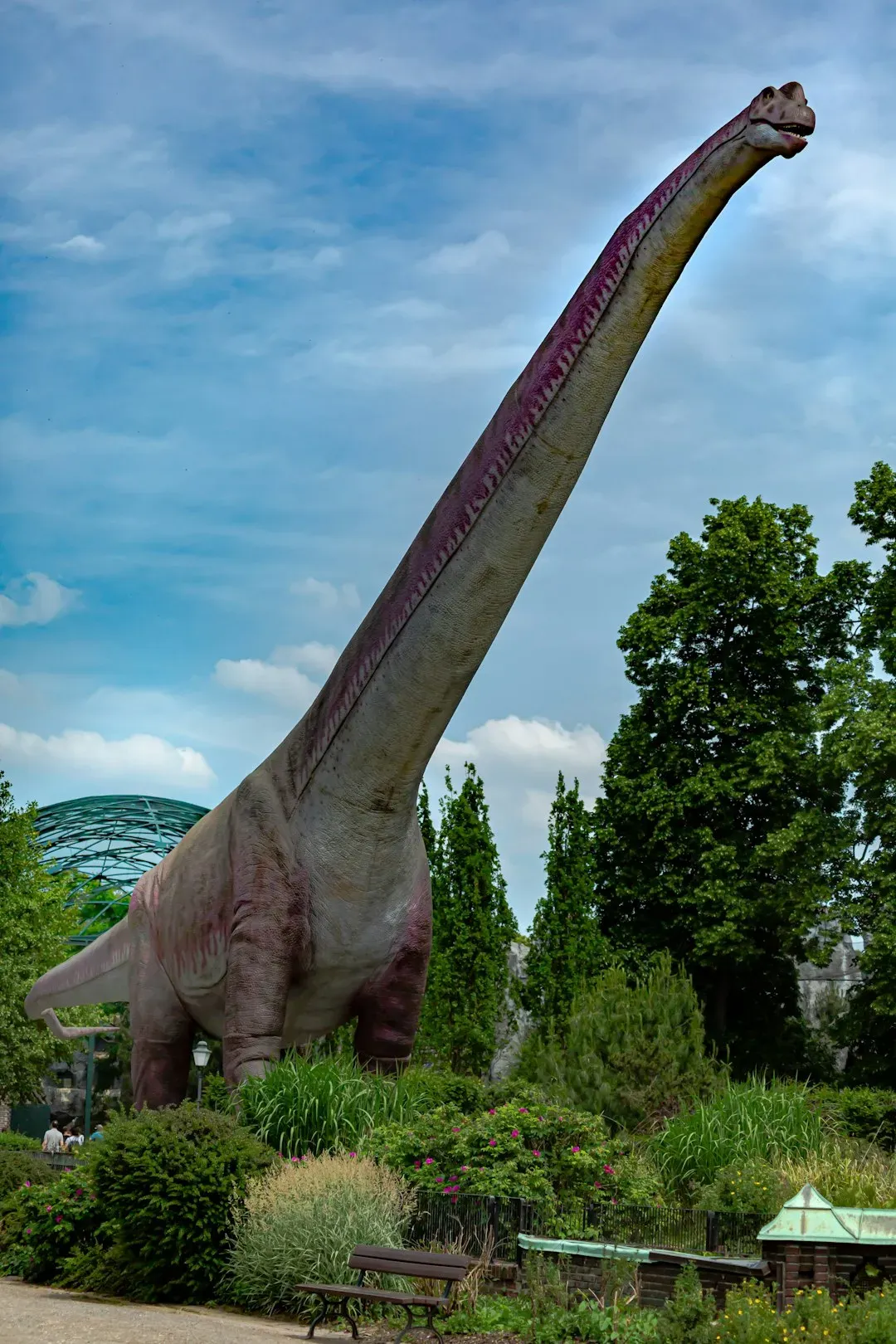
One of the most surprising things you discover when you look at dinosaur bone growth is how fast many of them grew, especially when compared to typical reptiles. You can imagine a youngster shooting up from a vulnerable hatchling to a relatively safe size in a short span of years, which is a huge advantage in landscapes filled with predators and natural hazards. That rapid growth allowed populations to recover from losses more effectively and helped individuals survive the most dangerous early stages of life.
Different growth strategies also let dinosaurs match their life cycles to specific terrains and climates. In seasonal environments, growing quickly could mean reaching key milestones – like being able to migrate or handle colder temperatures – before a harsh season arrived. Some species might have adjusted breeding times or nesting behavior to line up with predictable food pulses, such as plant growth after rains or flooding. By being flexible in how fast and when they grew, dinosaurs made it easier for their lineages to spread into new regions and handle ongoing environmental shifts.
9. Highly Adaptable Senses and Brains: Reading Each Landscape Like a Map
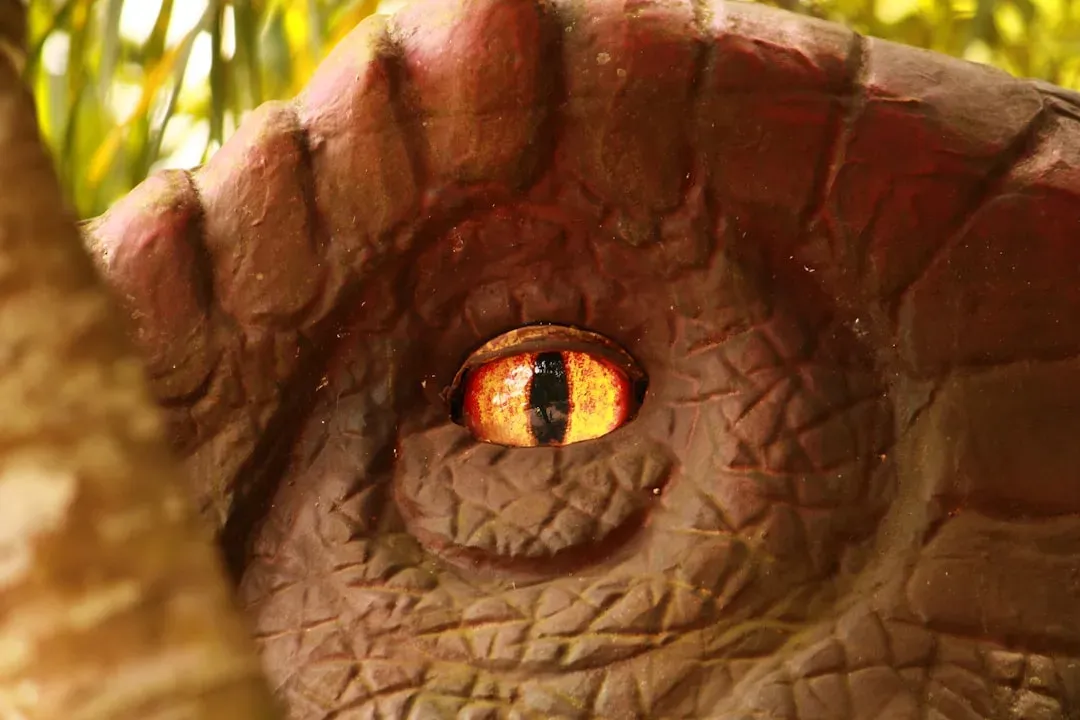
You know from your own life how important your senses are when you are in an unfamiliar place; dinosaurs relied on theirs just as heavily. Skull shapes, inner ear structures, and eye socket positions all suggest that many dinosaurs had well-developed senses of sight, hearing, and balance. In open terrains, forward-facing eyes or wide visual fields would help them track movement over long distances, while in forests, good depth perception and hearing became crucial for detecting threats or prey hidden by trees and undergrowth.
The brains interpreting those signals were not all the same, but some groups show evidence of relatively enlarged areas associated with balance, coordination, and sensory processing. That kind of neural investment meant you had animals able to navigate cluttered environments, follow complex migration routes, and respond quickly to changing conditions in rivers, coastlines, or floodplains. When you pair sharp senses with the rest of their physical toolkit, dinosaurs stop looking like simple brutes and start to feel more like highly tuned problem-solvers adapted to read and use almost any terrain they encountered.
Conclusion: A Planet-Sized Experiment in What Bodies Can Do
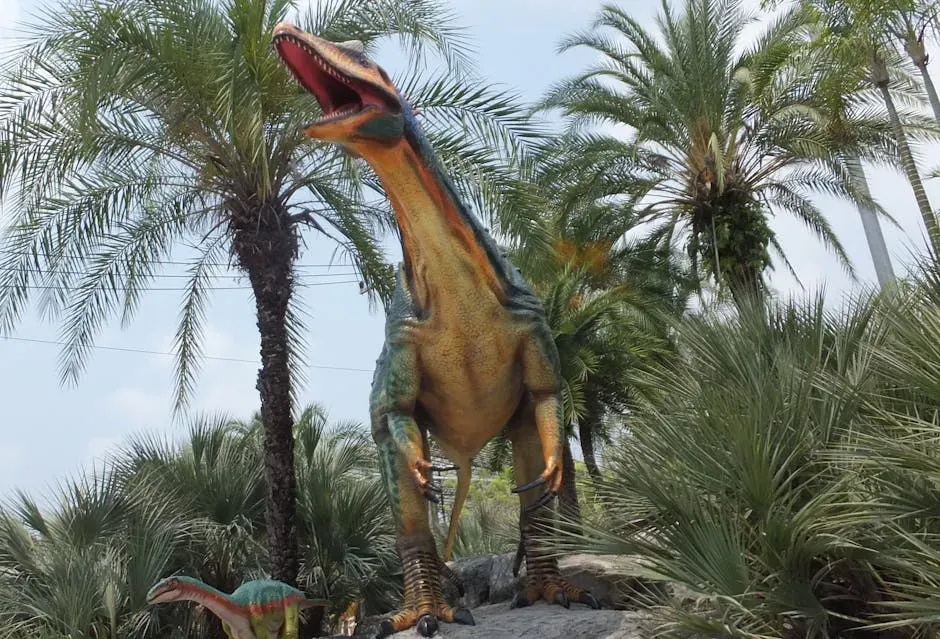
When you step back and look at these nine adaptations together – lightweight bones, turbocharged lungs, balancing tails, specialized teeth, powerful limbs, insulating feathers, social strategies, fast growth, and sharp senses – you start to see dinosaurs as the ultimate generalists built from many different kinds of specialists. Instead of being locked into one ideal habitat, they kept finding new ways to tweak their bodies and behavior so that forests, deserts, coasts, and even cooler regions all became possible homes. That flexibility is a big part of why they dominated Earth’s landscapes for so long.
You may never sprint like a theropod, tower like a sauropod, or shrug off the cold with a feathered coat, but you can still recognize the pattern: life wins when it experiments, adapts, and refuses to be boxed in by one way of living. The story of dinosaurs is not just about giant skeletons in museums; it is a reminder that the world rewards organisms that learn to meet each terrain on its own terms. Next time you picture a dinosaur, will you see a lumbering monster – or a finely adapted explorer of its environment?