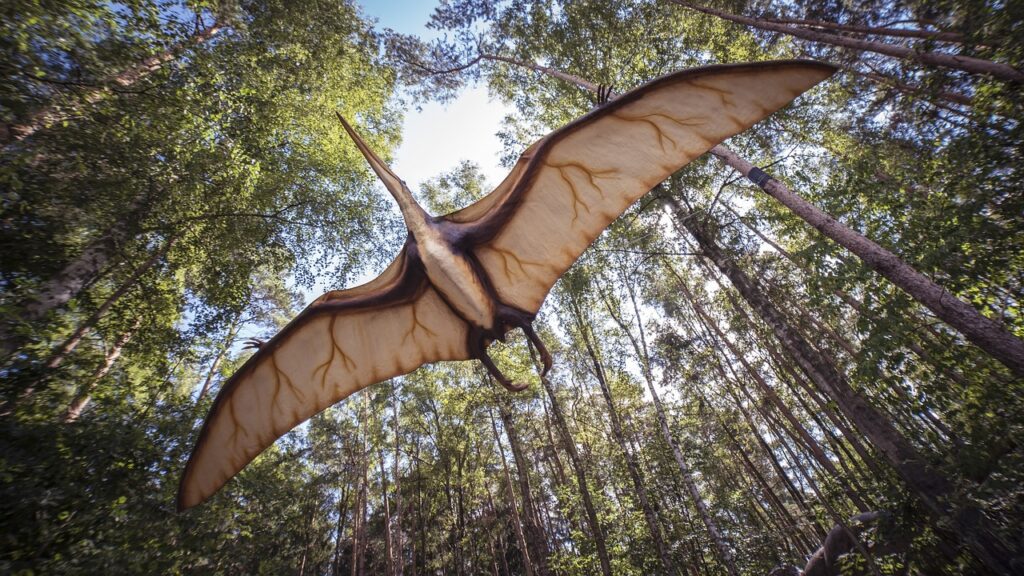
Dinosaurs vanished roughly 66 million years ago, yet somehow, in 2026, we know more about them than any generation before us. That feels almost impossible when you stop to think about it. Flesh has long since disappeared. Scales, feathers, internal organs – all of it gone. What remains is stone. Mineralized bone. Compressed sediment. Fossil ghosts.
Yet paleontologists today are doing things that would have seemed like pure science fiction just a few decades ago. They are reading ancient proteins, peering inside bones without breaking them, and scanning entire landscapes from the air to find what is hiding just beneath the surface. The science of uncovering dinosaurs has become a technological arms race against time itself. So let’s dive in.
CT Scanning: Seeing Through Stone Without Touching It
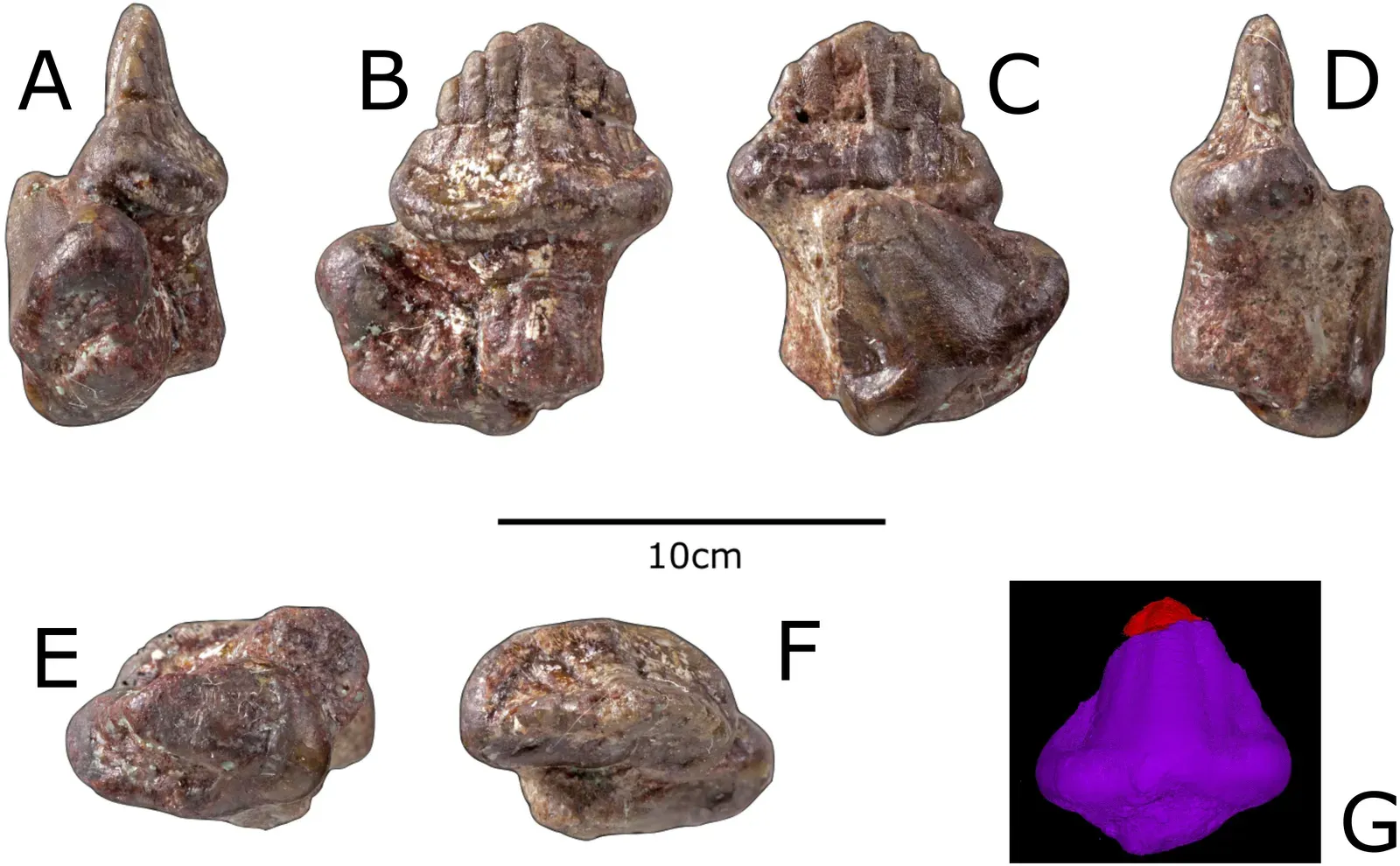
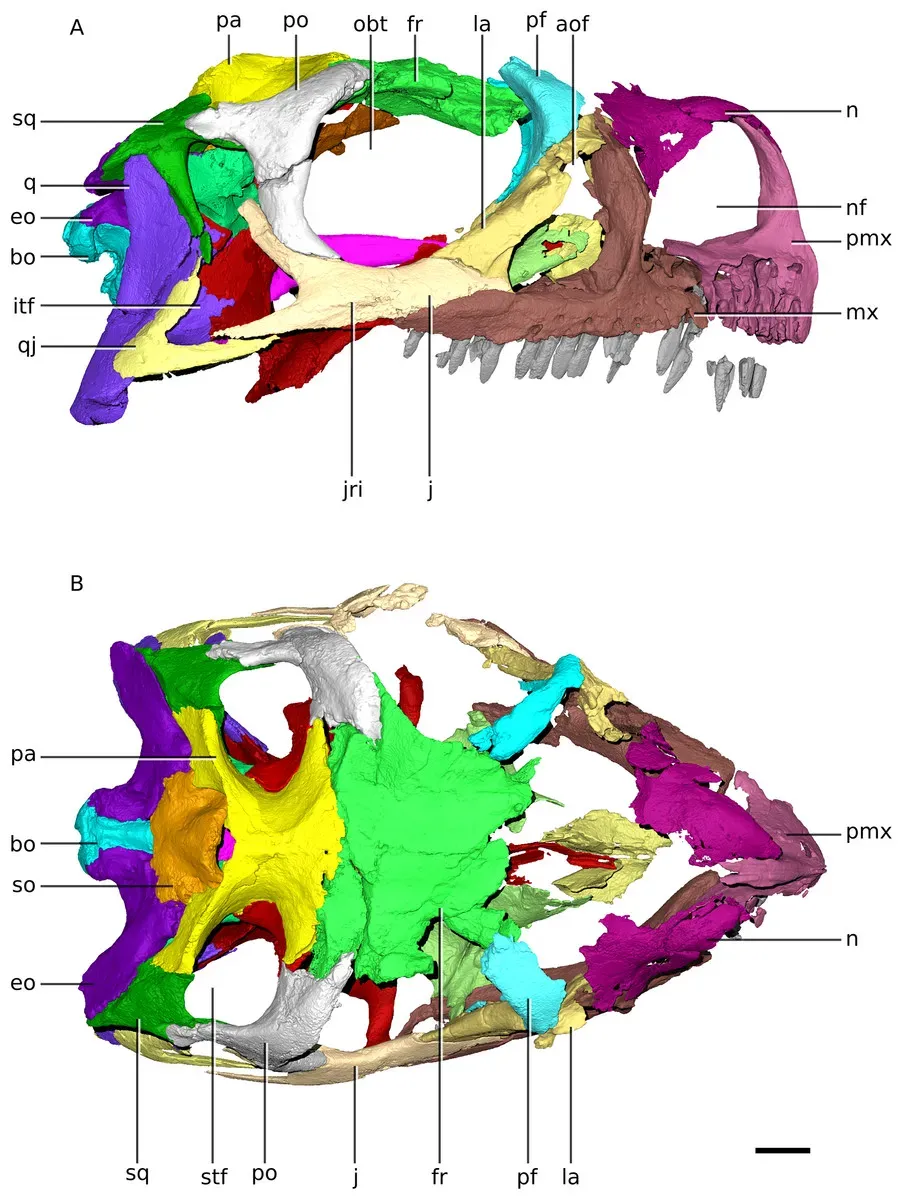
Here’s the thing – you can have the most perfectly preserved dinosaur skull in the world, and still be completely unable to study what is inside it without risking irreversible damage. That used to be a genuine and frustrating problem. Today, it is not. Perhaps the most significant advance in modern paleontology has been the application of computed tomographic (CT) scanning, a technique that uses rotating X-rays to build up a 3D model of both the internal and external anatomy of an object.
CT scanning can be used to peer inside dinosaur bones and reveal features of the skeleton that were previously difficult to access, including the shape of the brain and the presence of air-filled sacs that ran through many dinosaur bones. Think of it like this: it is the difference between judging a book by its cover and actually reading every chapter. With the application of non-destructive 3D imaging techniques like CT scanning and synchrotron radiation scanning, paleontologists can observe and interact with previously hidden structures without making any damage whatsoever.
Newer photon-counting detector CT scanners yield higher-resolution anatomical images free of deterioration, and can depict internal structure and morphology of large dinosaur fossils without damaging them, also providing spectral information that allows researchers to gain insights into fossil mineral composition and preservation state. Honestly, it is the kind of capability that changes what questions you are even allowed to ask about these creatures.
AI-Powered Image Segmentation: Teaching Machines to Read Fossils
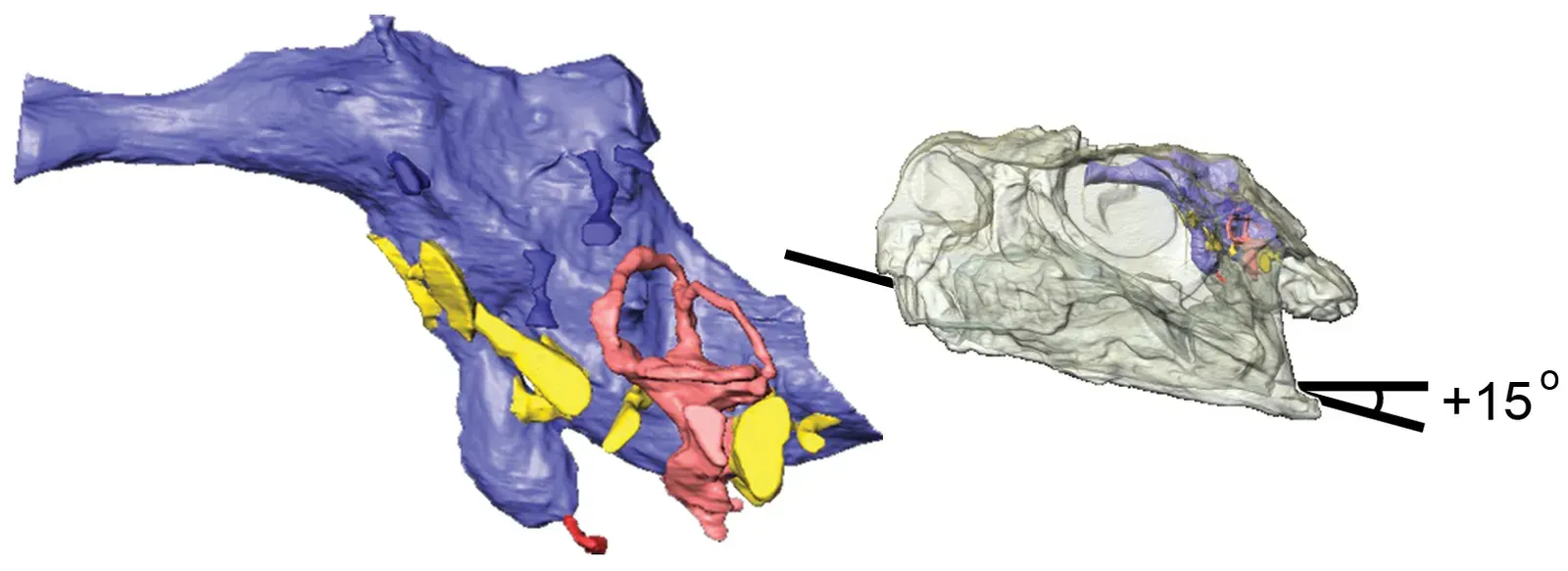
You might not expect artificial intelligence to be roaming around in fossil research, but it absolutely is, and it is making a real difference. The use of X-ray computed tomography has greatly improved the ability of paleontologists to study the morphology of dinosaur fossils, and now, thanks to innovations in artificial intelligence, machines may soon be able to tackle the labor-intensive job of segmentation, a process for classifying similar sections of an image for analysis.
AI can do image segmentation in minutes, compared to days or even weeks for a paleontologist. That is not a small upgrade – that is the equivalent of waiting months for a lab result and then suddenly getting it the same afternoon. Researchers have presented methods for automated deep learning segmentation to obtain high-fidelity 3D models of fossils digitally extracted from surrounding rock, with a workflow that has the capacity to revolutionize the use of deep learning by significantly reducing processing time of such data.
Thanks to the rise of artificial intelligence, scientists can further revolutionize their research, because it is easier for AI to track patterns in the shape and structure of remains than the human eye naturally could. The collaboration between human expertise and machine speed is, I think, one of the most exciting developments in the entire field right now.
3D Scanning and Printing: Holding Prehistory in Your Hands
Let’s be real – there is something almost magical about the idea of printing a dinosaur bone. For the older generation of paleontologists, this may seem almost unbelievable: dinosaur skeletons are no longer just the products of plaster molds and resin castings, but can now be modeled on a computer and “grown” in a printer. What was once science fiction has become a Tuesday afternoon at the lab.
New imaging techniques are even allowing fossils to be virtually removed from surrounding rock, saving months or years of meticulous work, and with 3D models, scientists can manipulate specific parts of the specimen for further study, replace missing sections with data from another part of that bone, or digitally reconstruct skulls or other complex structures. That kind of flexibility is extraordinary when you consider that so many fossils are incomplete.
In 3D software, researchers clean the scanned data through noise reduction and repairing broken parts, apply digital mirroring to generate missing sides, and reconstruct the skeleton assembly on screen – a process that requires both the anatomical expertise of paleontologists and the modeling skills of digital engineers. It is a collaboration between biology, engineering, and art, all rolled into one surprisingly powerful workflow.
Synchrotron Radiation: A Particle Accelerator That Reads Ancient Chemistry
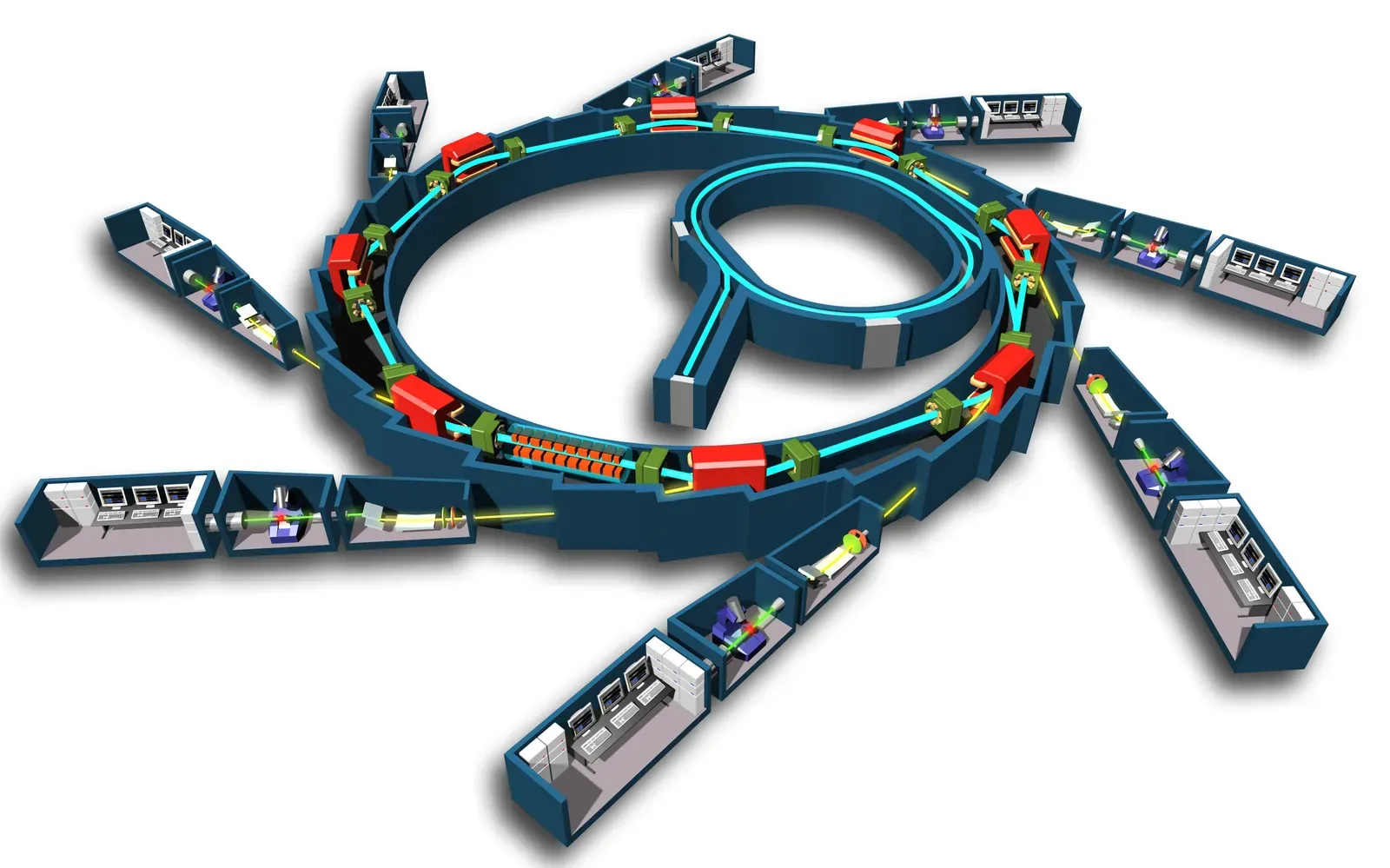
This one genuinely blows my mind every time I come back to it. To probe for extraordinary structures like soft tissues or original organic molecules, a remarkably useful tool is synchrotron radiation, which produces extremely intense photons that can analyze complex heterogeneous samples with unmatched resolution, signal-to-noise ratios, and acquisition times. Synchrotron radiation has revolutionized paleontology research, challenging conventional limits of taphonomy.
A Canada-Taiwan research team used the synchrotron at the Taiwanese National Synchrotron Radiation Research Centre to find collagen type I preserved within the tiny vascular canals of a dinosaur rib, right where blood vessels and blood would have been in the living dinosaur. That is nearly 200 million years of preservation. The chemistry of a living creature, still detectable in stone. Using synchrotron analyses to generate data identifying and quantifying elements that constitute fossil bone, researchers showed that trace elements incorporated by the living animal during bone deposition and remodeling, such as zinc, are preserved in fossil bone in a pattern similar to what is seen in modern bird bones.
Paleohistological analysis has numerous applications in understanding the paleobiology of extinct dinosaurs, and recent developments of synchrotron-radiation-based X-ray micro-tomography have allowed the non-destructive assessment of paleohistological features in fossil skeletons. You are essentially reading the biology of an animal that died before humans existed, without ever needing to slice it open.
Photogrammetry and Drone Surveys: Mapping Fossil Landscapes From Above
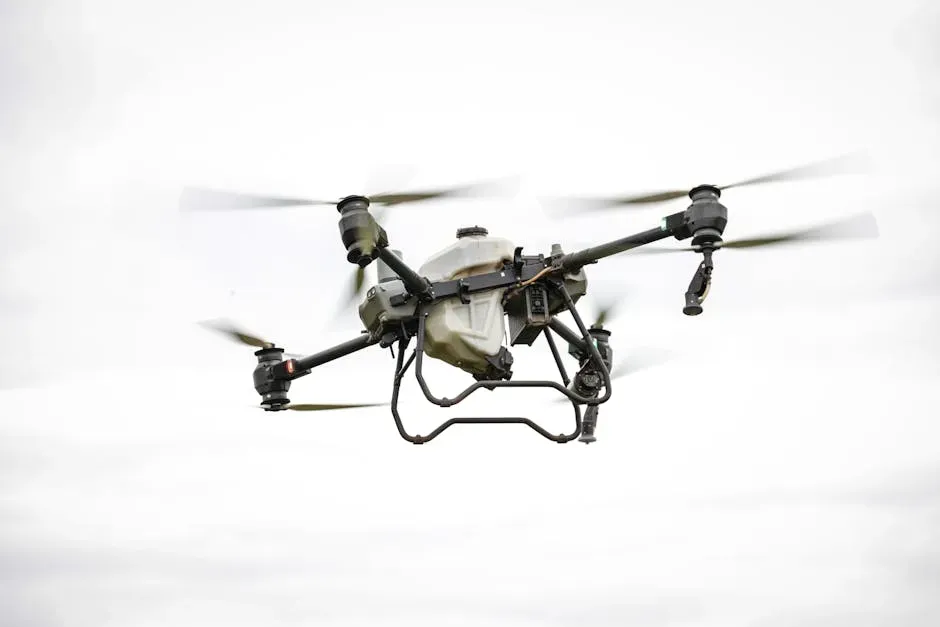
Sometimes the first challenge is not studying a fossil – it is finding it in the first place. That is where drones and photogrammetry come in. Photogrammetry is particularly useful for the geosciences because research objects often range in size from single fossil specimens to entire geological localities, and advancements in complementary image-capturing equipment like affordable digital cameras and drones make capturing vast areas more efficient.
Photogrammetry has emerged as a prominent tool in paleontological research since the beginning of the twenty-first century, and compared to CT and laser surface scanning, it often requires fewer materials and less time to create digital 3D replicas. Think of it like stitching together thousands of photographs into a precise topographical map that reveals subtle shifts in rock layers, exactly the kind of shifts that signal a fossil-bearing formation. Researchers use LiDAR to find dinosaur fossils by creating 3D models of the landscape around them, models that help identify features like canyons and valleys formed by erosion over time.
Remote sensing can allow researchers to search for fossils without physically visiting them, saving time and money while reducing risk, and many remote sensing methods exist, from satellites to drones, each of which can be useful for paleontologists. Covered terrain that would have taken field teams weeks to survey on foot can now be mapped in a matter of hours from the air. That is a seismic shift in how field paleontology actually works.
Ground Penetrating Radar: Finding Bones Without Digging a Single Shovelful
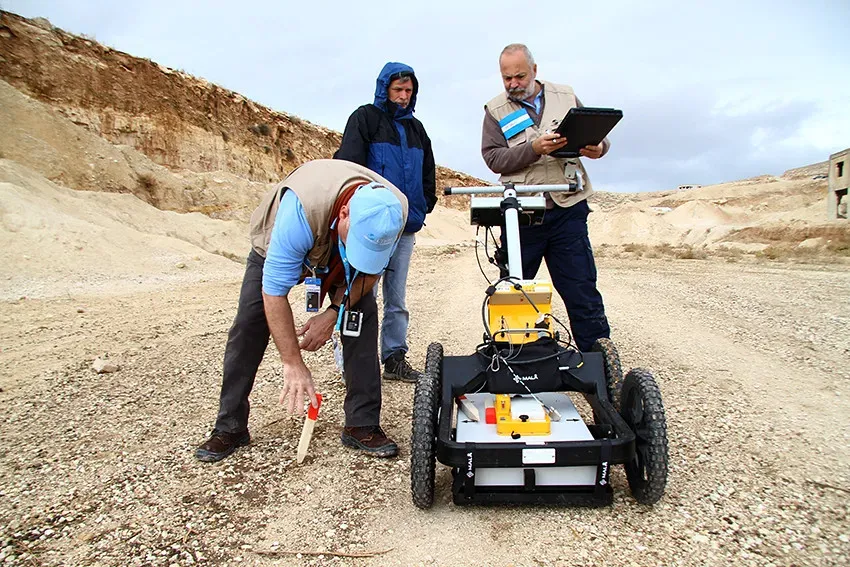
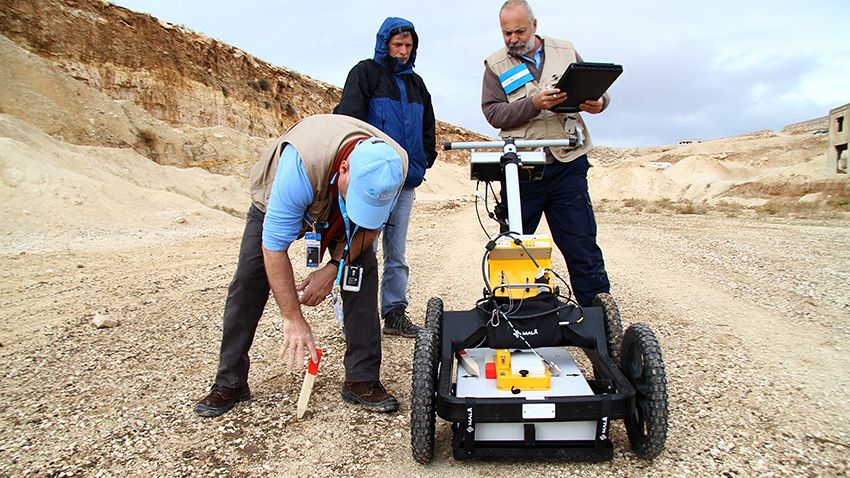
Ground penetrating radar – or GPR – sounds like something out of a spy film. In paleontology, though, it is a quietly powerful tool that is gaining traction. GPR presents a technique for the detection of vertebrate skeletons buried at shallow depths, based on the acquisition of high-resolution data by medium-to-high frequency antennas and the analysis of radar profiles by forward modelling methods.
GPR analysis has indicated for the first time that it can be successfully employed even in conditions that are pioneering for the paleontological field, such as in an indurated rock environment on a nearly vertical rock face inside a cave, providing relatively precise locations of embedded objects interpreted as dinosaur bones. That is the kind of result that changes excavation planning entirely. By comparing geophysical and paleontological data, researchers observed the effectiveness of GPR for detecting large fossil bones, and despite its relatively low penetration depth, the high resolution of 500 MHz GPR makes this technique successful for shallow-depth study and very useful in guiding excavation plans.
Fossil bones tend to have a very similar density to rocks, making it difficult to distinguish rock from bone, and fossils are generally small, so GPR can produce false negatives. It is far from perfect – it is hard to say for sure how reliable it will become. Still, as the technology refines, the ability to map what is underground before picking up a single trowel is an absolutely transformative prospect for field teams.
Molecular Paleontology: Ancient Proteins Locked in Stone
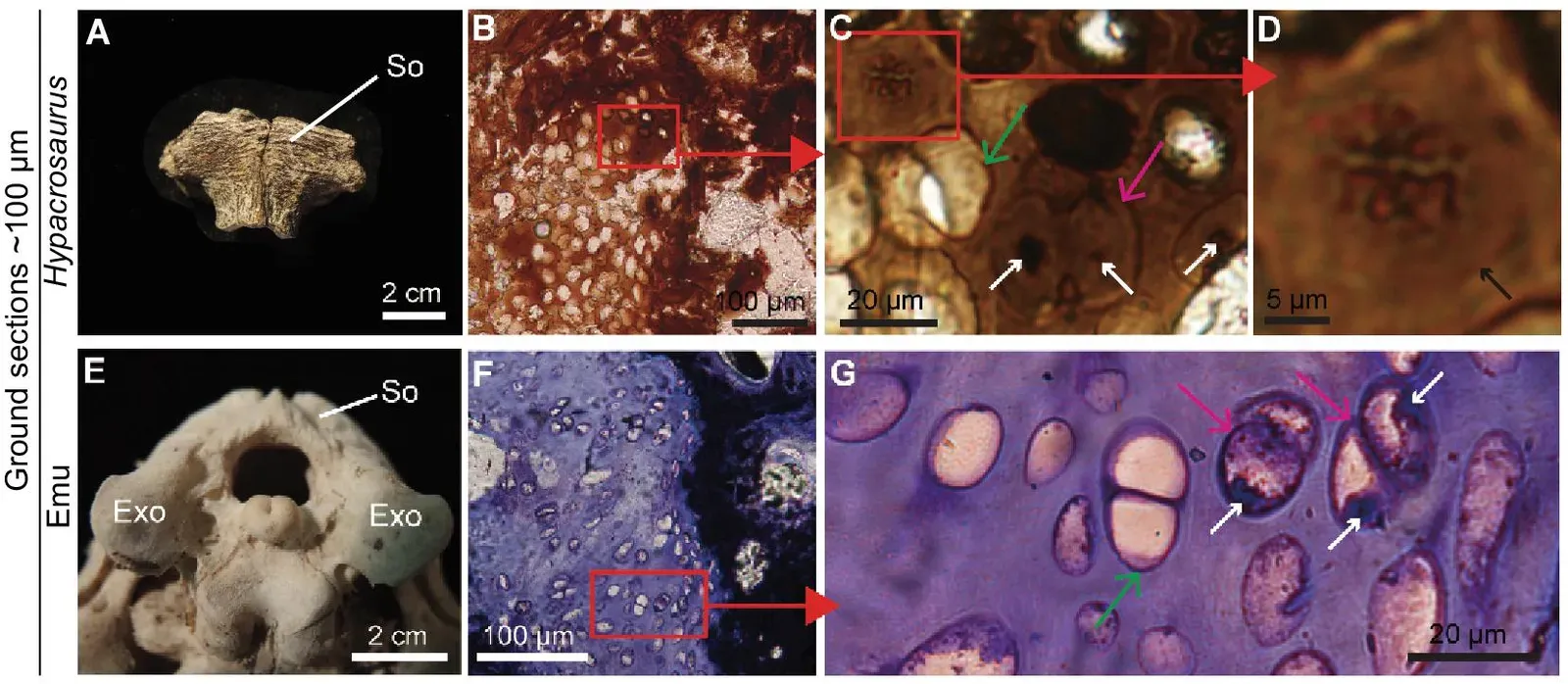
If you thought dinosaur DNA was just a Jurassic Park fantasy, you are right about the DNA part – but wrong about the broader picture. Protein sequence data has been reported from 3-million-year-old eggshells to multi-million-year-old dinosaurs, and immunological evidence for such preservation is becoming increasingly more prevalent. The chemistry of life, it turns out, is more durable than anyone expected.
One study confirmed the highly controversial claim of recovering 80-million-year-old dinosaur collagen, led by paleontologist Mary Schweitzer from North Carolina State University, who has chased dinosaur proteins for decades. That was met with enormous skepticism at first, which is completely understandable. Studies document the preservation of organic molecules and structures, ranging from elemental and microstructural evidence of color to ancient endogenous proteins, discoveries that push the boundaries of what was thought to preserve in the fossil record and have caused paleontologists to reconsider the narrative that all original material is replaced during fossilization.
Just as technology in the life sciences has expanded at a record pace, the application of new technologies to paleontological specimens is resulting in an explosion in the type of data recoverable from fossils, as well as the type and age of fossils to which these can be applied. Molecular paleontology is no longer fringe science. It is one of the fastest-growing frontiers in the entire discipline.
Finite Element Analysis: Testing How a T. Rex Actually Bit
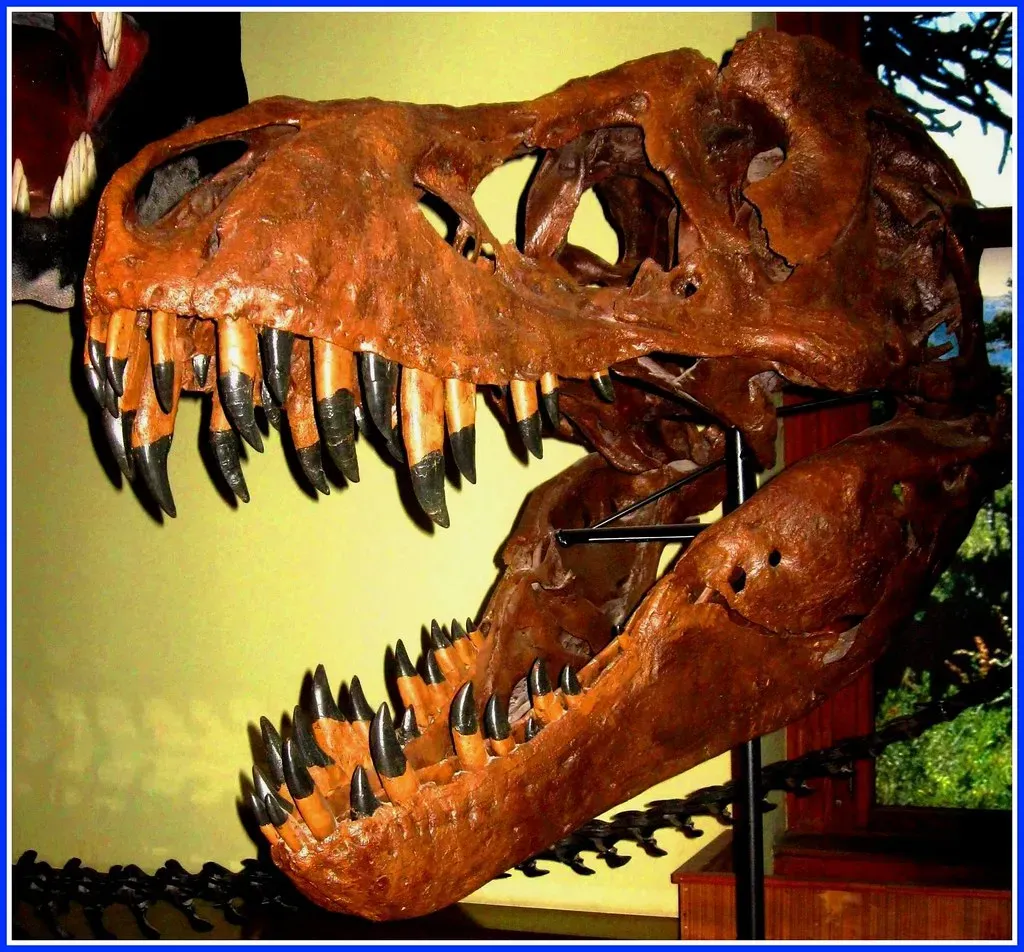
Here is a question that sounds deceptively simple: how hard could a Tyrannosaurus rex actually bite? The answer, it turns out, requires some serious engineering. Finite element analysis (FEA) is a commonly used application in biomechanical studies of both living and fossil animals to assess stress and strain in solid structures such as bone, and can be performed on 3D structures generated using various methods including CT scans.
Using information from digital scanning, researchers virtually restored missing pieces of the cranial skeleton, beak, and jaw muscles of a dinosaur and reconstructed what the animal looked like when alive, then performed an engineering test called finite element analysis on the digital model to examine its ability to withstand stress and strain – with results indicating that one dinosaur’s jaw wasn’t strong enough to chew tough leaves, and that its beak probably protected the jaw from damaging strain.
Using specific techniques on fossilized remains such as CT scanning allows researchers to create 3D models of dinosaurs, and through 3D modeling and reconstruction, scientists can also run virtual tests to determine how specific species may have moved based on their skeletal structure. You are essentially crash-testing a dinosaur digitally, running millions of simulations on an animal that no human has ever seen alive. It is biomechanics and paleontology fused into one.
Big Data Databases and Global Collaboration: Science Without Borders
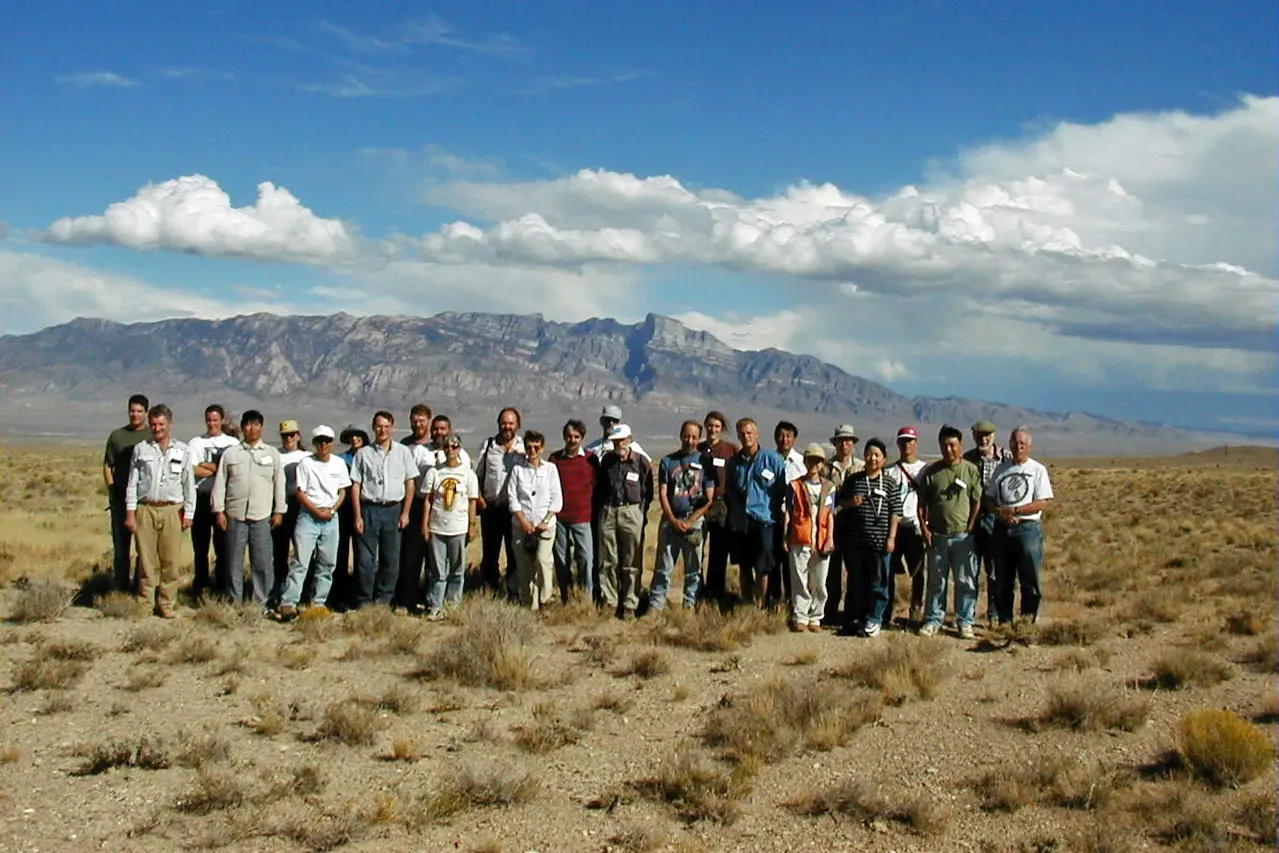
You might not think of a database as an exciting technology, but in paleontology, shared data can unlock discoveries that no single lab could make alone. In the last five decades, paleontological research has exploded where fossils have enabled robust dating of rocks, improved understanding of extinction rates and mass extinction events, and new molecular technologies have enabled intensive analyses of vertebrates, invertebrates, plant fossils, and fossil molecules alike.
By the beginning of the 21st century, the internet became a means of data repository and sharing, where a huge amount of spatiotemporal data is continuously digitized, stored, and made public as paleobiological databases, and the efforts of paleontologists in the last centuries have generated ultra-scale datasets of high spatial resolution. Think of it like a global fossil library, permanently open and constantly growing. Technological advancements allow for easier collaboration between researchers, as sharing and accessing data from anywhere in the world is easier, and by keeping experts connected, it is easier to exchange theories and increase the chances of making discoveries.
Dinosaurs may be long extinct, but recent years have made it abundantly clear that they are anything but settled science, and over the past years, new fossils, reanalyses of famous specimens, and the use of increasingly sophisticated tools have continued to upend what was previously thought about how these animals lived, moved, fed, and evolved. The real power of global databases is not just storing information – it is allowing researchers on opposite sides of the planet to suddenly realize they are studying the same animal.
Conclusion
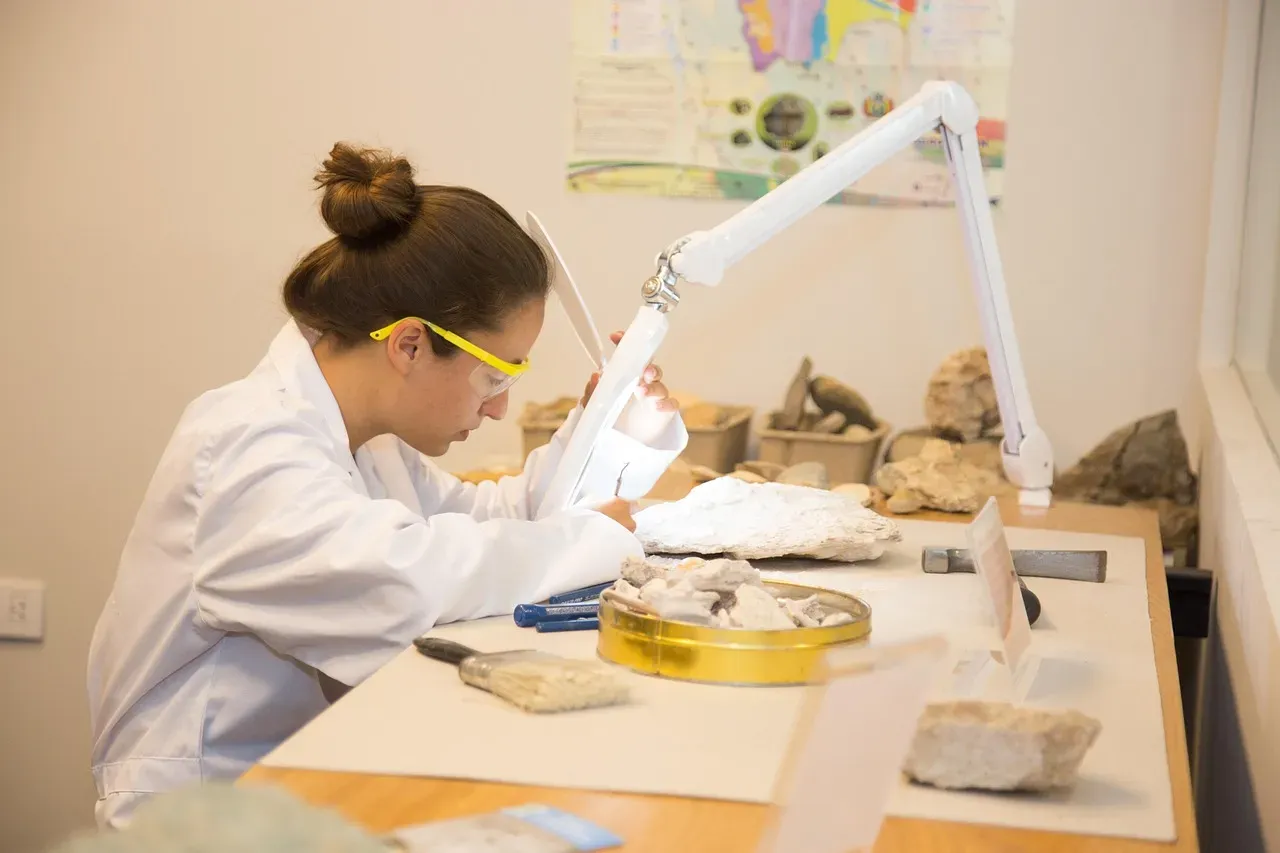
Paleontology in 2026 is something the fossil hunters of the past would barely recognize. You are no longer limited to what you can see on the surface of a bone or find at the end of a brush. You can scan it, print it, chemically probe it, fly over the landscape to find its neighbors, and run virtual stress tests on its skull – all without breaking a single piece of the original specimen.
The technologies covered here are not just curiosities. They are actively rewriting the story of life on Earth, one discovery at a time. Every new tool adds another layer of resolution to the picture, revealing details about behavior, physiology, and evolution that were truly unknowable just a generation ago. It is a strange and wonderful thing, the idea that we understand ancient giants better now than ever before. What do you think the next breakthrough will be? Drop your thoughts in the comments.