You tend to picture dinosaurs as doomed giants, wandering toward an unavoidable extinction. But before the asteroid ever hit, these animals had already survived tens of millions of years of droughts, volcanic eruptions, shifting continents, and wild climate swings. To last that long, they had to be more than big and scary; they had to be flexible, experimental, and surprisingly inventive with their own bodies and behaviors.
When you look closely at the fossil record, you start to see patterns: altered teeth, strange feathers, hollow bones, and even evidence of social behavior that reads like a survival manual written in stone. You are not just looking at dead bones; you are reading the record of how life can bend without breaking. As you move through these nine adaptations, you may see echoes of your own world today – because changing environments are not just ancient history.
1. Evolving Feathers for Warmth, Display, and Survival
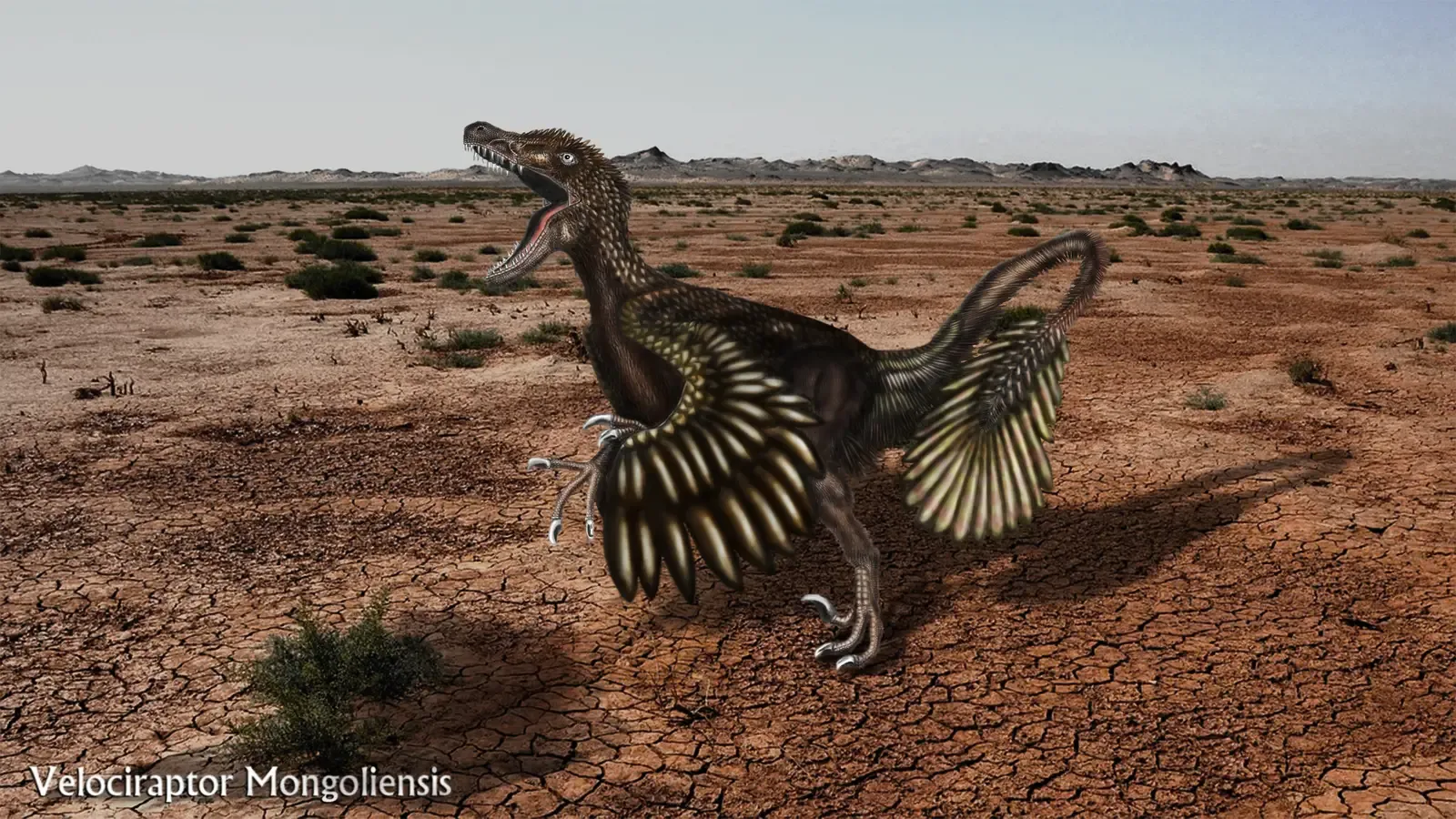
If you grew up thinking feathers were only for birds, the dinosaur fossil record will jolt you a bit. Many theropod dinosaurs, including relatives of the famous Velociraptor, carried feathers long before anything you would comfortably call a bird took off into the sky. At first, these feathers were simple filaments, more like fuzzy insulation than sleek flight gear, helping smaller dinosaurs hold onto body heat in cooler climates.
Over time, feathers became more complex and branched, and you can imagine how that opened a new toolbox of possibilities. In changing environments, you could use a patch of bright feathers to signal to a mate, to intimidate a rival, or to blend into new vegetation as forests and landscapes shifted. Instead of completely reinventing your body every time the climate changed, you would tweak the color, length, or arrangement of feathers – like swapping out a coat, rather than growing new skin.
2. Transforming Limbs into Wings and Agile Forelimbs
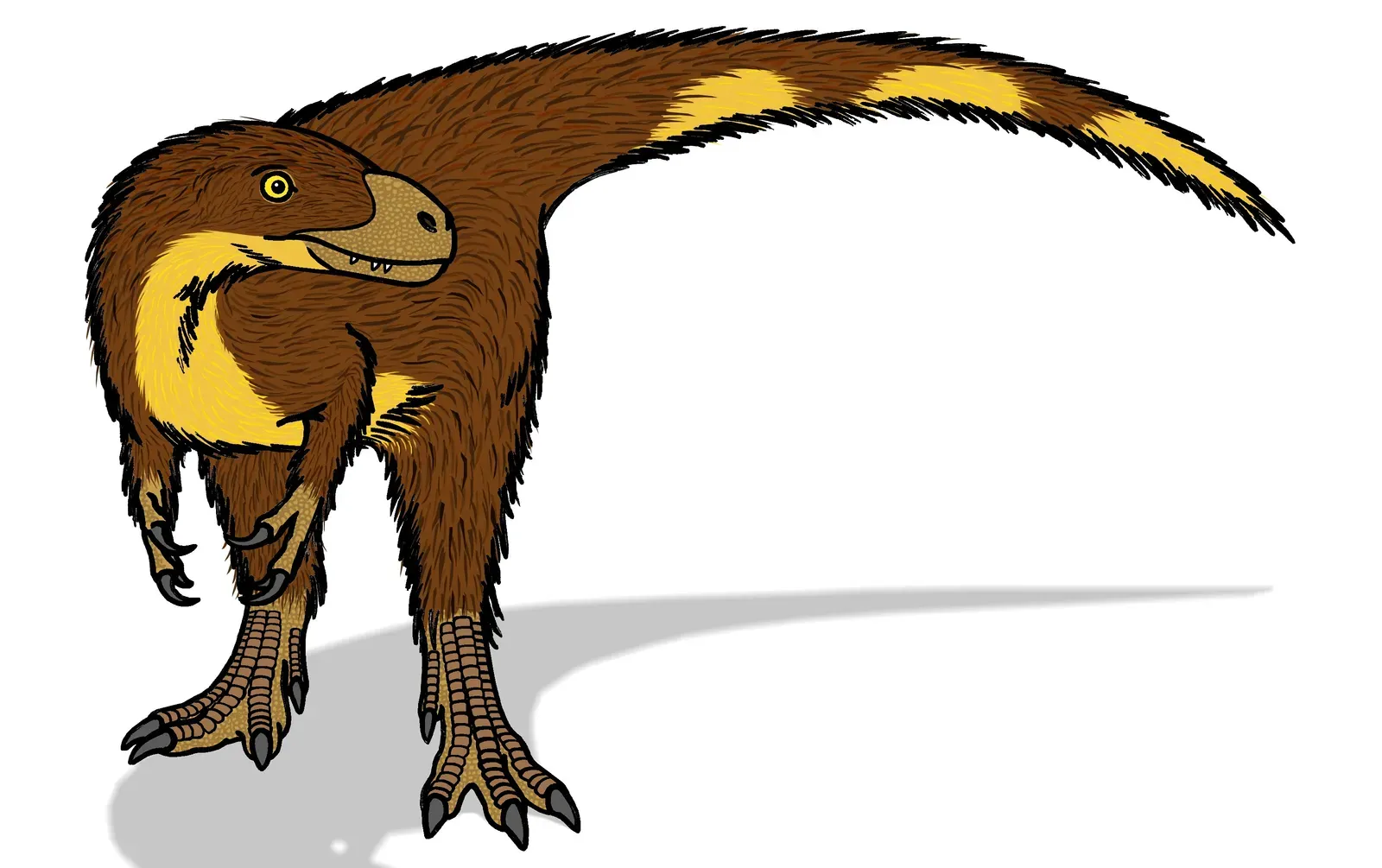
If you were a small, fast theropod living in a world of larger predators, climbing, gliding, or eventually flying could suddenly become the difference between being hunter or hunted. Some dinosaurs gradually lengthened their forelimbs, lightened their bones, and changed the shape of their shoulders, turning simple grasping arms into structures that could support flapping and gliding. You can see hints of this in fossils with long, feathered arms that look half-way between running limbs and wings.
This shift did more than just open the sky. As forests appeared and disappeared, and as new plant communities grew taller or denser, having more versatile forelimbs let you climb, balance, or maneuver through branches and obstacles. It is like going from roller skates to parkour shoes; you suddenly have options. Whether you were gliding between trees or using wing-like arms for stability while running, you could adapt more quickly to changing terrain and escape routes.
3. Reinventing Teeth and Beaks for New Diets
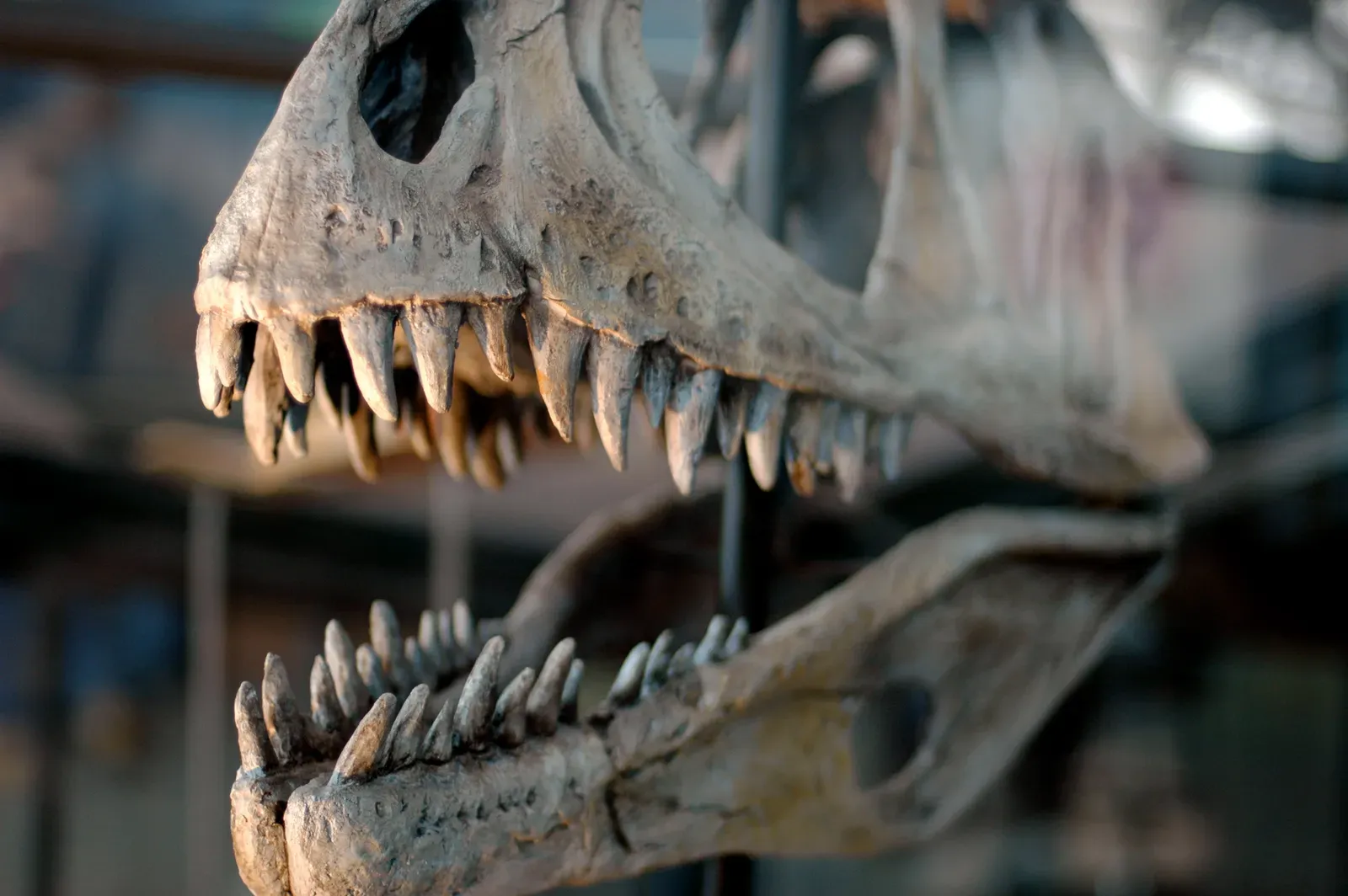
If your food landscape kept reshuffling – new plants evolving, old ones disappearing, prey animals changing size or behavior – you could not afford to keep the same teeth forever. Dinosaurs did not. Some lineages evolved blade-like teeth for slicing meat, others developed broad, grinding teeth that let them chew tough vegetation more efficiently. In a changing environment, being able to exploit different food sources is like having multiple keys when doors keep getting replaced.
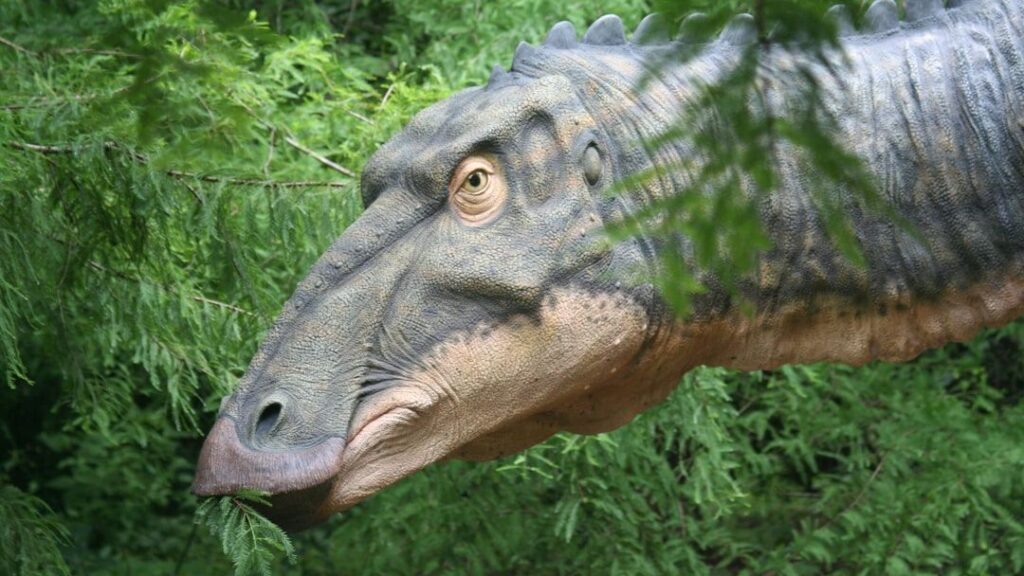
In many plant-eating dinosaurs, you also see the gradual appearance of beak-like structures at the front of the jaws. A beak can act like a precision tool, perfect for snipping, cropping, or stripping leaves from branches, while specialized teeth farther back do the grinding. If droughts altered which plants survived, or if new flowering plants appeared, you could simply switch what you were clipping and chewing, instead of being locked into one food that might vanish with the next climate shift.
4. Supercharging Digestion with Gut Fermentation and Chewing Power
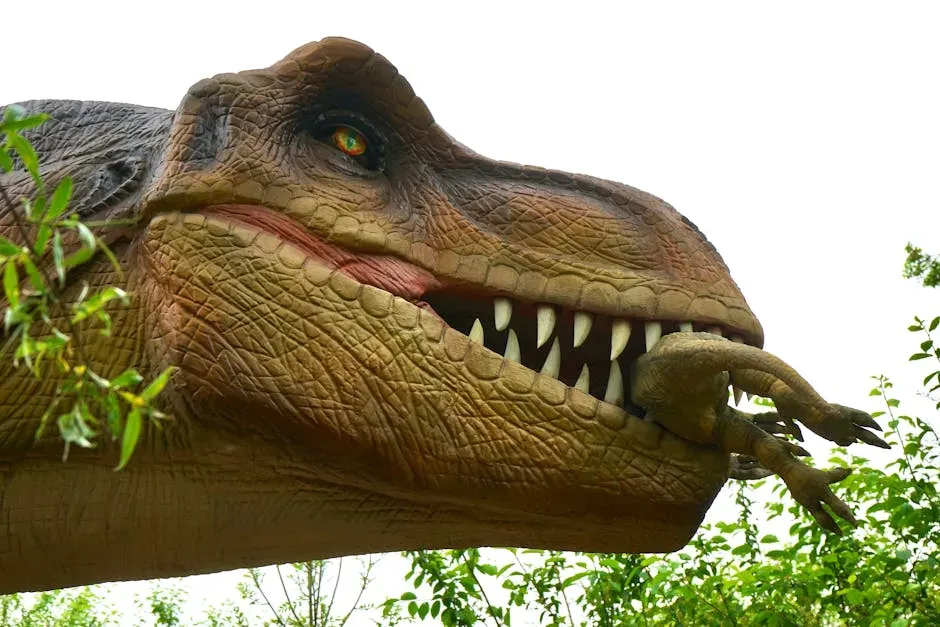
Surviving on plants that are fibrous, tough, or low in nutrients is not as simple as just eating more; you also need to extract more from what you swallow. Many herbivorous dinosaurs adapted by developing complex dental batteries – rows of tightly packed teeth that wore down into efficient grinding surfaces. As environments changed and plants evolved thicker defenses, you would answer with more powerful chewing and more durable tooth arrangements.
There are also signs that some dinosaurs relied heavily on fermentation in large guts, similar to how modern cows and other herbivores use microbes to break down stubborn plant material. If the climate turned drier and the lush greenery became sparse, a fermentation-based system would let you squeeze more energy out of lower-quality plants. In a sense, you would not just be adapting your own body; you would be partnering with entire microbial communities inside you to stay alive in a harsher world.
5. Shrinking Body Size to Weather Environmental Stress
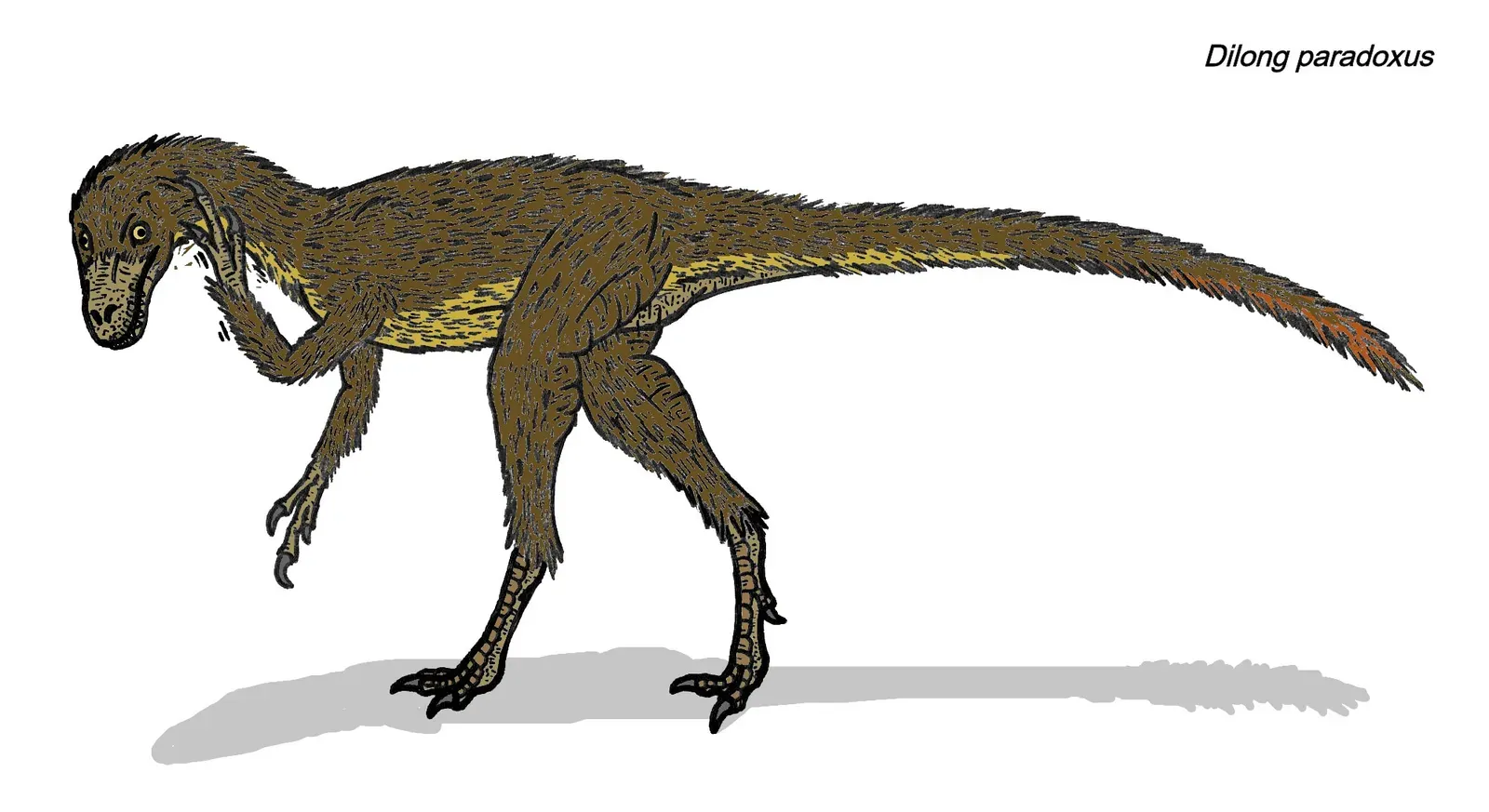
You might assume that getting bigger is always better, but the fossil record tells you that shrinking can be a powerful survival move too. During some intervals of environmental stress, certain dinosaur lineages show trends toward smaller body sizes. A smaller body means you need less food, you may be able to reproduce more quickly, and you can reach maturity sooner – all huge advantages when conditions are unstable or resources are unpredictable.
Imagine the landscape around you turning patchy, with food appearing in scattered pockets instead of endless plains. If you are smaller, you can live off those scattered patches without starving, and you can dart between them more easily, avoiding predators and finding shelter. Shrinking is not a defeat; it is more like changing from a freight truck to a nimble motorcycle when the roads get narrow and broken. You sacrifice some strength, but you gain flexibility when the world stops cooperating.
6. Mastering Social Behavior and Group Living
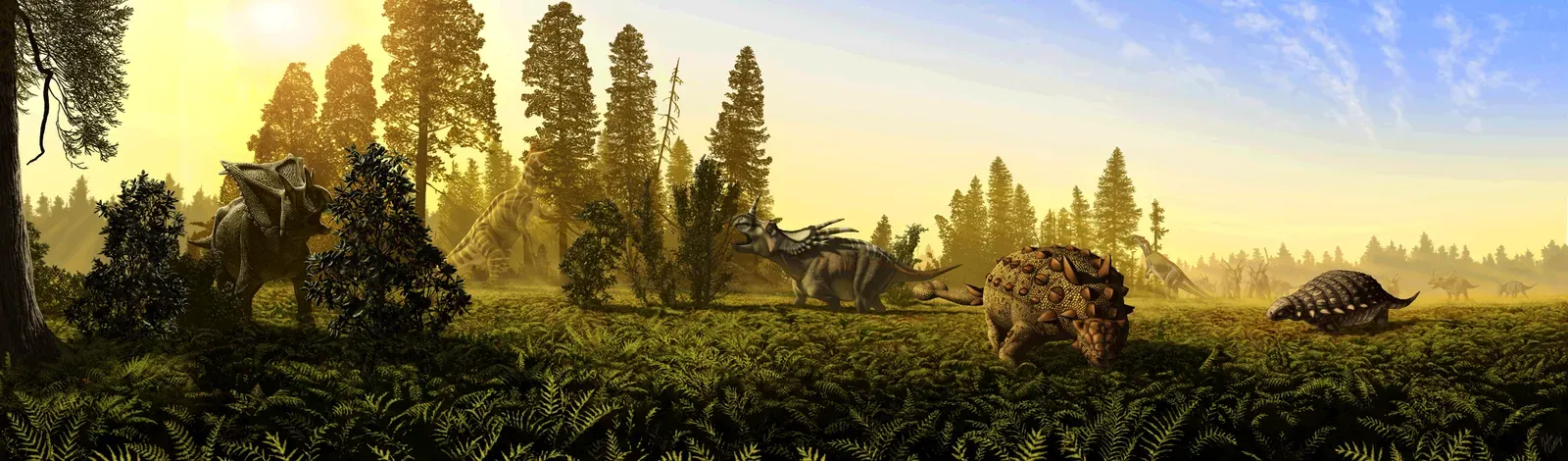
Long before humans ever formed cities or herded livestock, some dinosaurs were already experimenting with complex social lives. Fossil beds sometimes preserve groups of individuals together, including mixed ages, which suggests you might have traveled in herds, flocks, or family groups. In a changing environment, numbers can be a shield: more eyes to spot predators, more bodies to help protect the young, and more shared knowledge about where to find the last water hole or patch of vegetation.
If the seasons became more extreme or migration routes shifted, living in a group could help you track those changes without each individual having to figure it out alone. You can picture a herd following elders who remembered routes across a drying landscape, or younger dinosaurs learning where to nest safely by copying older individuals. Social behavior essentially lets you outsource some of your adaptation to the group; your survival becomes a shared project, not a solo gamble.
7. Growing Armor, Horns, and Frills as Protective Strategies
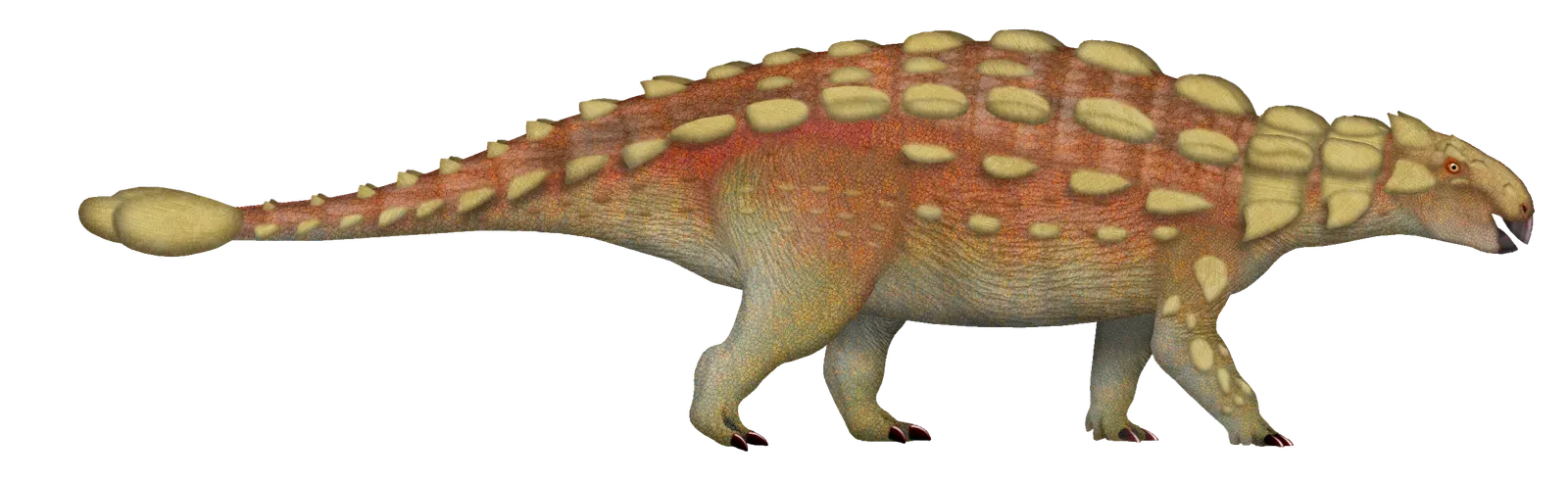
When ecosystems become more competitive or predators evolve new tools, you have two main choices: run faster or get better armor. Many dinosaurs leaned hard into the armor option. Ankylosaurs carried thick bony plates and sometimes massive tail clubs that could shatter bones, while ceratopsians grew horns and wide skull frills. These features were not just for show; in a world where predators and prey were locked in a constant arms race, your body doubled as both shield and weapon.
As environments changed and different predators emerged or disappeared, the shapes and sizes of these defensive structures shifted too. A broader frill might have helped you regulate body temperature in certain climates, while a particular horn arrangement could serve to deter new kinds of attackers or rival members of your own species. You were not just passively enduring changes; you were selectively upgrading your armor, like regularly patching and reshaping a medieval knight’s suit to fit a new battlefield.
8. Adapting Reproduction, Parenting, and Nesting Strategies
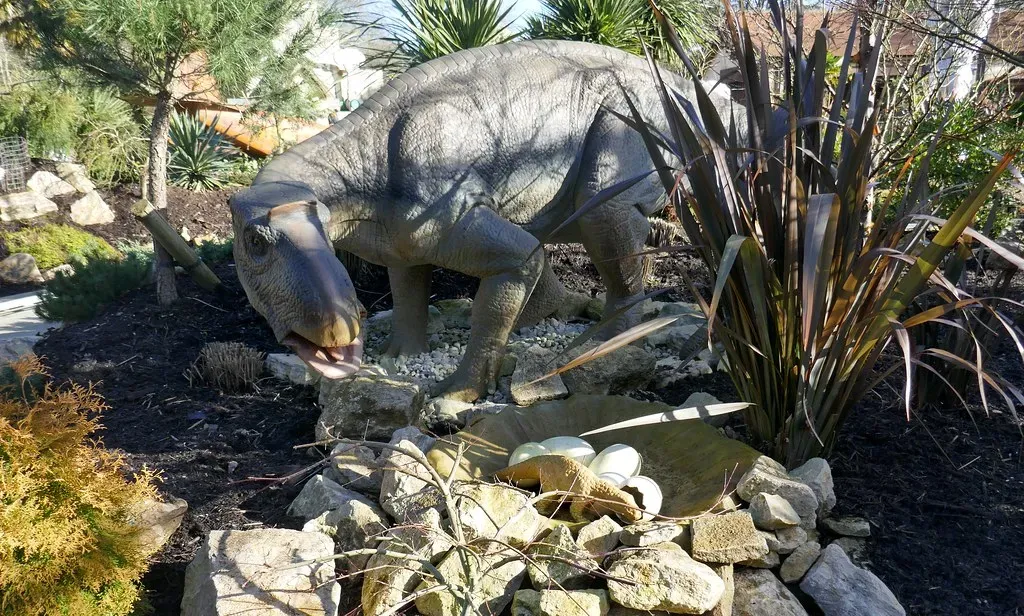
If you want your kind to survive a changing world, it is not enough for you to endure; your offspring have to make it too. Many dinosaur fossils show nests, egg clutches, and even evidence of adults staying close to nesting sites. In some environments, you might lay many small eggs to increase the odds that at least a few survive; in others, you might invest more effort in guarding a smaller number of young. Shifts in climate, predators, or vegetation could nudge these strategies in different directions.
There is also evidence that some dinosaurs returned to the same nesting grounds year after year, which suggests you relied on specific environmental cues and locations. If those environments changed – say, through rising water levels or altered weather patterns – you might adjust timing, nesting materials, or nest placement. You can picture yourself learning, season by season, which spots stayed dry in heavier rains, or which slopes warmed up fastest in cooler times, and teaching that knowledge implicitly to every new generation.
9. Exploiting New Habitats on Land, in Water, and in the Air
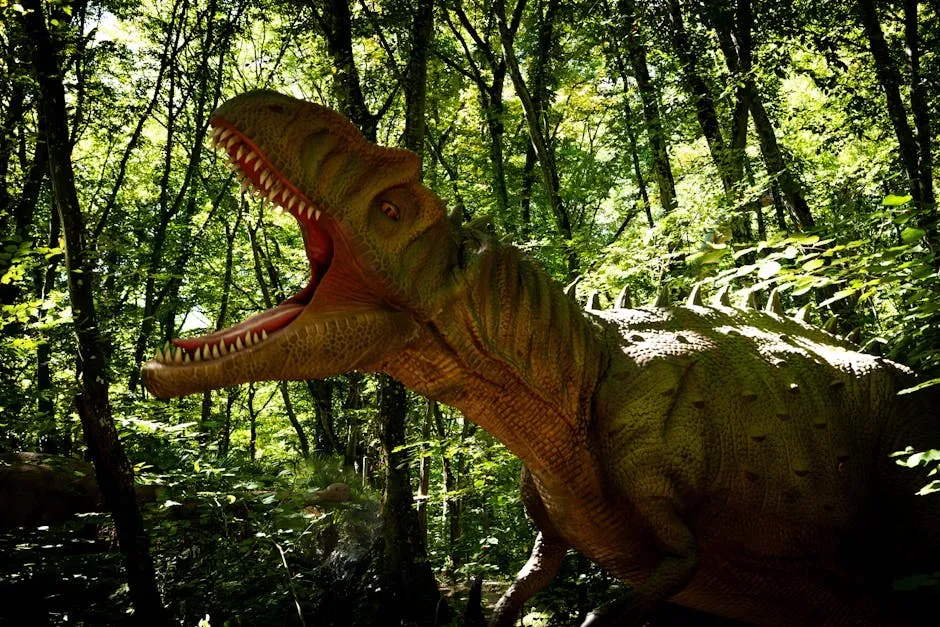
As continents drifted, sea levels rose and fell, and climates swung between hot and cool, new habitats kept opening up. Dinosaurs responded by spreading into deserts, coastal floodplains, forests, and even semi-aquatic niches. Some species show adaptations like strong tails and limb structures suited for wading or swimming, suggesting you did not always stay tied to dry ground. The more habitats you can tap into, the less likely you are to be wiped out by changes in just one of them.
At the same time, the rise of early birds – descendants of small theropod dinosaurs – meant that the sky itself became a new refuge and hunting ground. If the lowlands flooded or dried, you, as a flying or gliding descendant, could move quickly to new feeding sites or breeding areas. By reaching into every layer of the landscape – ground, water’s edge, and air – your broader dinosaur family turned Earth into a patchwork of opportunities rather than a single, fragile home.
Conclusion: What Dinosaur Adaptations Tell You About Change
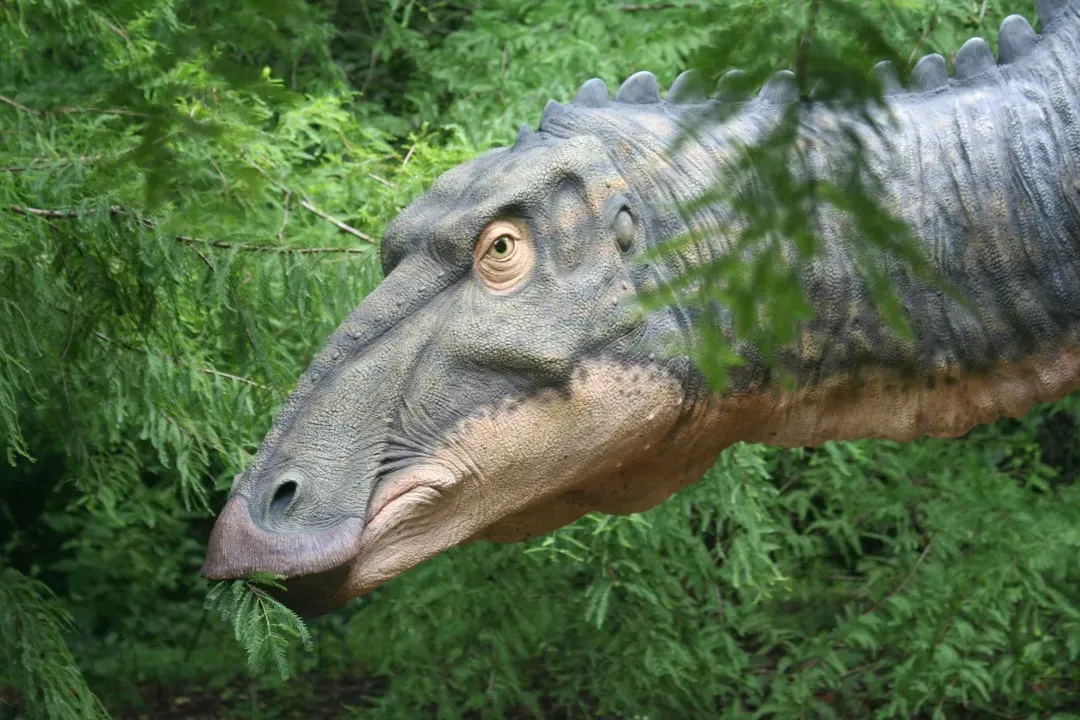
When you step back and look at these nine adaptations together, you stop seeing dinosaurs as clumsy relics and start seeing them as masters of adjustment. Feathers, changing teeth, shrinking bodies, social behavior, armor, and new habitats are all variations on one theme: do not stand still while the world moves under your feet. These animals were not simply swept away by one bad day from space; they were relentless experimenters up until the very end.
In a world where your own climate is changing and ecosystems are shifting fast, the dinosaur story feels uncomfortably familiar. You can treat their fossils as a warning or as a source of inspiration, but either way, they show you that survival favors those who stay flexible, curious, and willing to change shape when the rules shift. When you think about your own life and environment, which dinosaur strategy would you lean on first – growing better armor, moving in groups, or learning to fly metaphorically above the crisis?