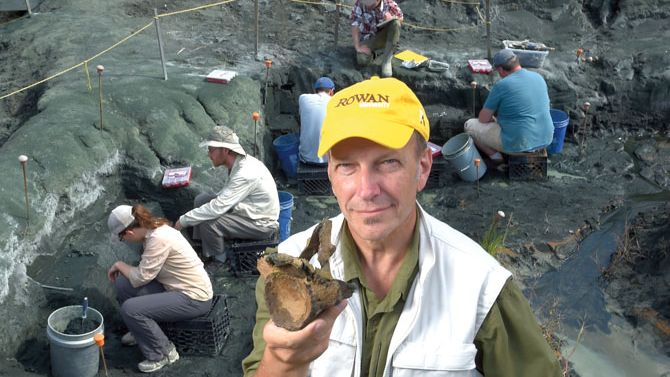
Imagine holding a fragment of bone in your hand and realising it once belonged to a creature that roamed the Earth over 65 million years ago. No photographs. No witnesses. Nothing but stone, chemistry, and extraordinary human ingenuity. That is the daily reality for palaeontologists – scientists who are essentially time travellers using clues buried in rock to recreate entire lost worlds.
What is genuinely mind-blowing is just how much they can figure out from so little. From the shape of a leaf to the chemistry of a fossilised shell, the techniques these scientists use are nothing short of remarkable. If you have ever wondered how they know what ancient climates felt like, or how dinosaurs moved, or what the oceans looked like hundreds of millions of years ago, you are in exactly the right place. Let’s dive in.
1. Reading the Rocks: Stratigraphy and the Language of Layers
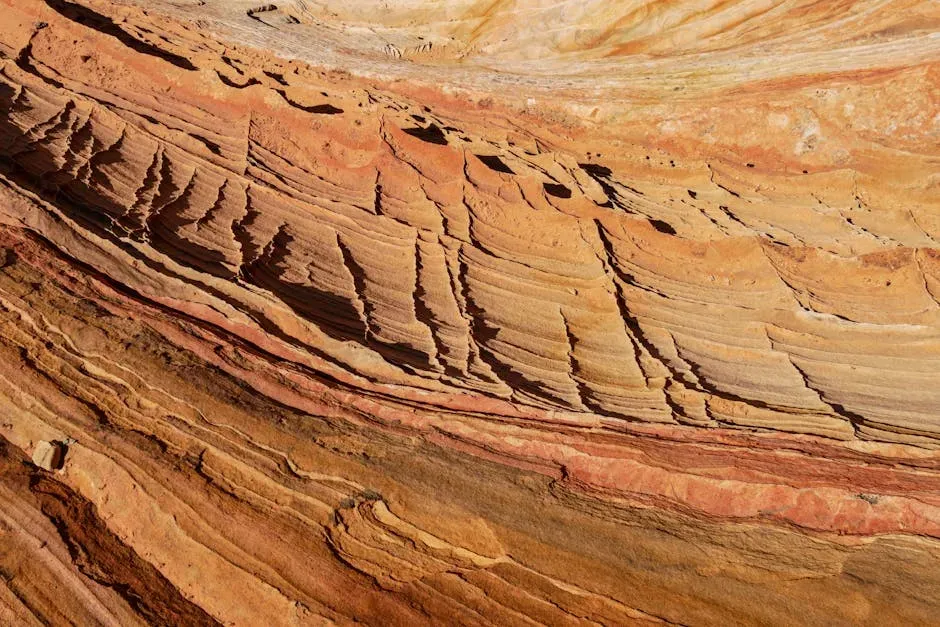
Here’s the thing about the ground beneath your feet – it is basically a library. Every layer of rock you see in a cliff face or canyon wall represents a chapter of Earth’s history, stacked in sequence from oldest at the bottom to youngest at the top. Stratigraphy, the study of rock layers, provides a chronological sequence for understanding when different species existed, with fossils becoming trapped in geological layers over millions of years and palaeontologists examining these layers not for the rocks themselves but for what is preserved within them.
The genius of this system was actually discovered by a British surveyor named William Smith in the late 1700s. While inspecting a coal mine in southwest England, Smith noticed that rock layers were arranged predictably from one location to the next, and what’s more, the fossils within each layer were also consistent – you could identify any given stratum just by the preserved remains of plants and animals it contained. That single observation changed science forever. Geologists eventually realised that certain fossils were unique to specific strata, meaning that whenever they found the same fossil in a new location, it served as an index telling them precisely where that layer belonged – even if the rock was unfamiliar, they could tie together far-flung regions of the world to create a unified timeline.
2. Counting Time’s Ticks: Radiometric Dating
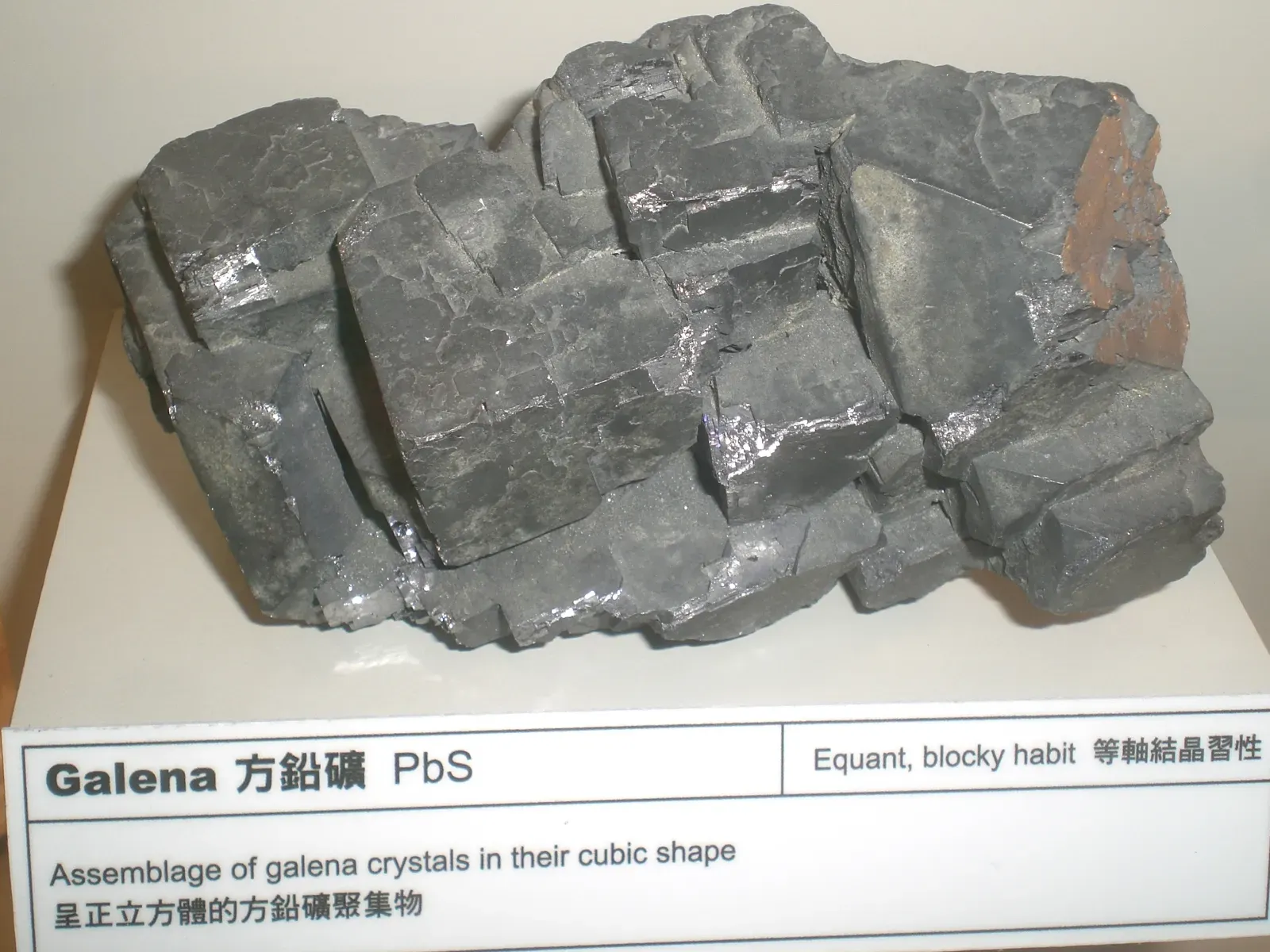
If stratigraphy is the library, then radiometric dating is the timestamp on every book inside it. I think most people have heard of carbon dating, but the truth is it is just one tool in a much larger and more powerful toolkit. Radiometric dating is defined as a method used to estimate the age of materials such as rocks and organic remains by measuring the decay of radioactive isotopes within them, with various techniques including rubidium-strontium, uranium-thorium, potassium-argon, and radiocarbon dating applying this principle to determine ages ranging from thousands to billions of years.
With a half-life of 5,730 years, radiocarbon dating is one of the most widely used radiometric dating techniques. However, it has clear limits – if a bone is older than roughly 70,000 years, there simply is not enough carbon-14 left to measure accurately. That is where potassium-argon dating steps in. Potassium-argon dating relies on the radioactive decay of an unstable isotope of potassium into a stable isotope of argon, with potassium being a common element found in many minerals and a major component of certain types of volcanic materials – in these materials, the potassium decays into argon gas, which becomes trapped within the mineral crystals as the materials cool. This makes it incredibly useful for dating fossils found near ancient volcanic deposits, pushing the clock back billions of years.
3. Unlocking Ancient Climates: Pollen, Ice Cores, and Isotopes
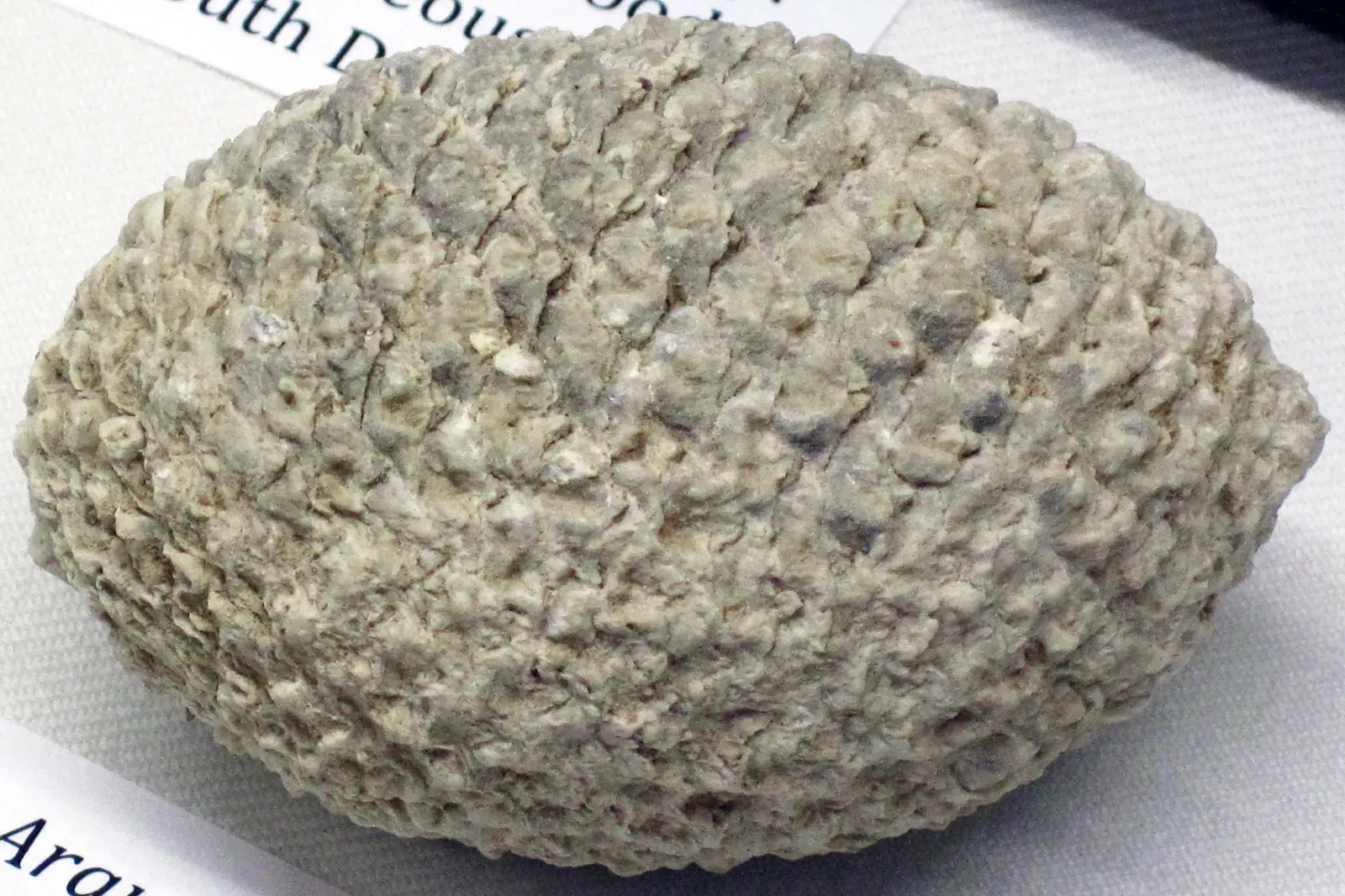
You might be surprised to learn that a grain of pollen, barely visible under a standard microscope, can tell you what forests looked like millions of years ago. Palynology is the analysis of fossil pollen and is used to reconstruct long-run changes in vegetation and climate, with each species of plant producing pollen grains of a distinct shape that can be used to identify the type of plant from which they came – and since pollen grains rarely rot, they are well preserved in sediment layers, allowing analysis to reveal what types of plants were growing when the sediment was deposited.
Oxygen isotopes take climate reconstruction to a whole new level of precision. Oxygen isotope records are preserved in the shells of marine organisms, and the proportion of oxygen-16 and oxygen-18 can be revealed by analyzing the chemistry of pristine fossils. Think of it like a thermometer frozen in stone. The fossils of larger organisms like corals or clams can be especially informative for revealing annual and seasonal temperature variations, because these marine animals live for multiple years secreting seasonal growth bands in a similar fashion to tree rings. Layer by layer, season by season, the ancient world reveals its temperature record.
4. The Story in the Sediment: Taphonomy and Site Formation
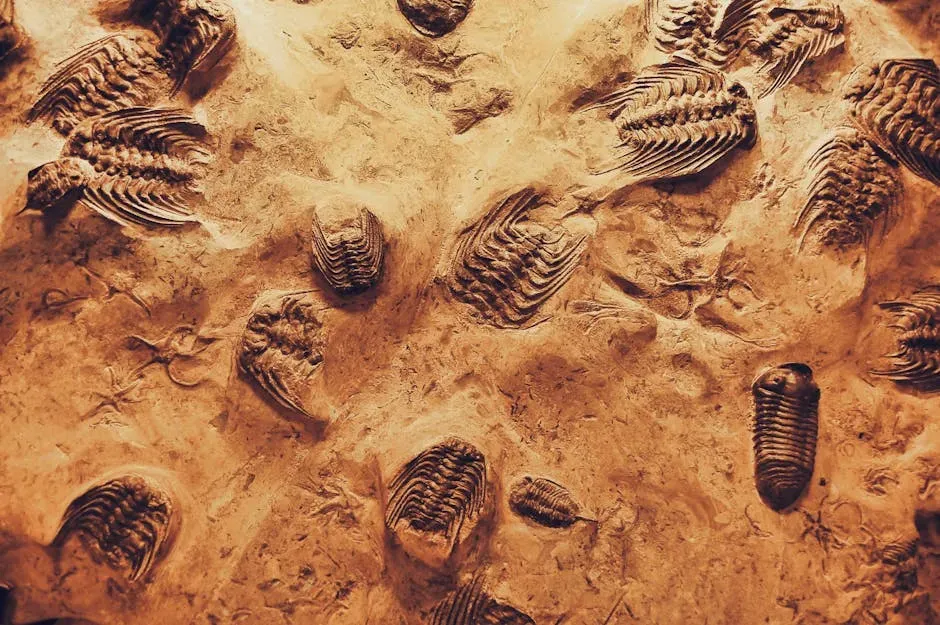
Not every fossil you find is exactly where the creature died, and understanding that distinction is what taphonomy is all about. Honestly, this is one of the most underrated tools in the entire field. Taphonomical analysis allows scientists to understand the processes that underlie site formation, as well as provide insights into the modification and composition of studied fossil materials, and taphonomy has become crucial to many scientific fields, providing conceptual advances through a renewal of models, protocols, and paradigms.
Fossil animals and plants do not normally preserve in completion or in their undisturbed habitats, with scavenging, erosion, or transportation complicating their interpretation – the study of these complications from fossilization is taphonomy, which is its own significant and developing field of palaeontology. It is a bit like a crime scene investigation. Each piece of information, like the degree of disarticulation, orientation of particles, or types of sediments, helps to develop a more complete picture of the past environment, and each piece on its own may not be sufficient to confidently characterize that environment but, taken together as multiple lines of evidence, they can tell a compelling story.
5. Fossils as Climate Detectives: Reading Plants and Leaves
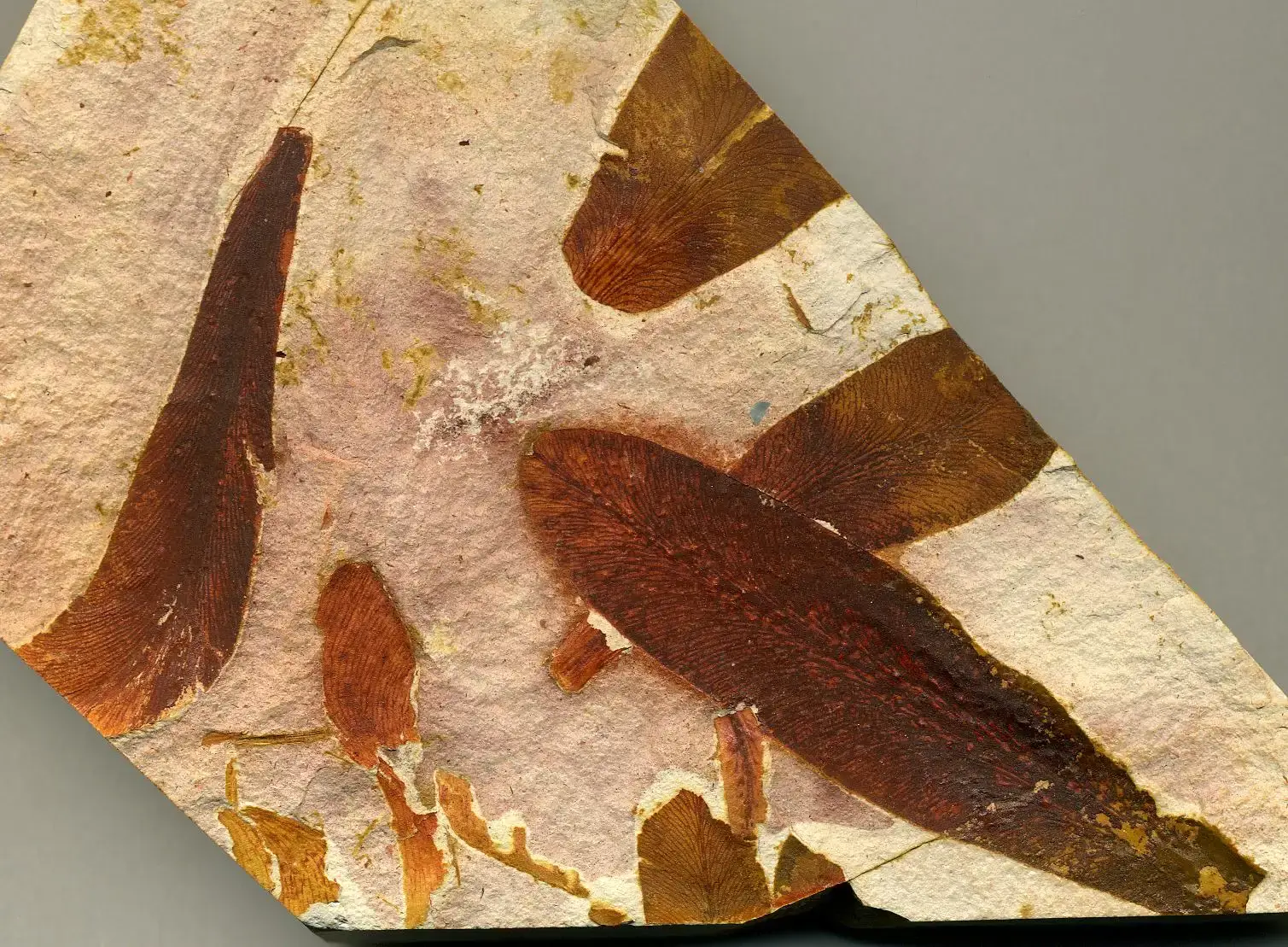
Here’s something that genuinely surprised me the first time I came across it: the shape of a fossil leaf can tell you the temperature of the environment it grew in. No kidding. Leaf size is related to water loss – in hot, dry regions, plants have either no leaves or very small ones, whereas in wetter places such as rainforests, leaves can get very large. Research has shown that the shape of the leaf margin, or edge, varies with mean annual temperature, with a higher proportion of plants with smooth margins indicating a higher temperature environment, while leaves with toothed edges tend to dominate in cooler climates.
Palaeobotanists study the fossils of ancient plants, which can be impressions of plants left on rock surfaces, or parts of the plants themselves such as leaves and seeds, and these fossils help scientists understand the evolution and diversity of plants in addition to being a key part of the reconstruction of ancient environments and climates. The results are sometimes jaw-dropping. At a small site in the Patagonia region of Argentina, palaeobotanists discovered the fossils of more than 100 plant species dating back about 52 million years, and prior to this discovery, many scientists believed South America’s biological diversity was a result of glaciers breaking up the continent two million years ago – but the Patagonian leaf fossils may disprove this theory entirely.
6. Rebuilding Bodies: CT Scanning and 3D Digital Reconstruction
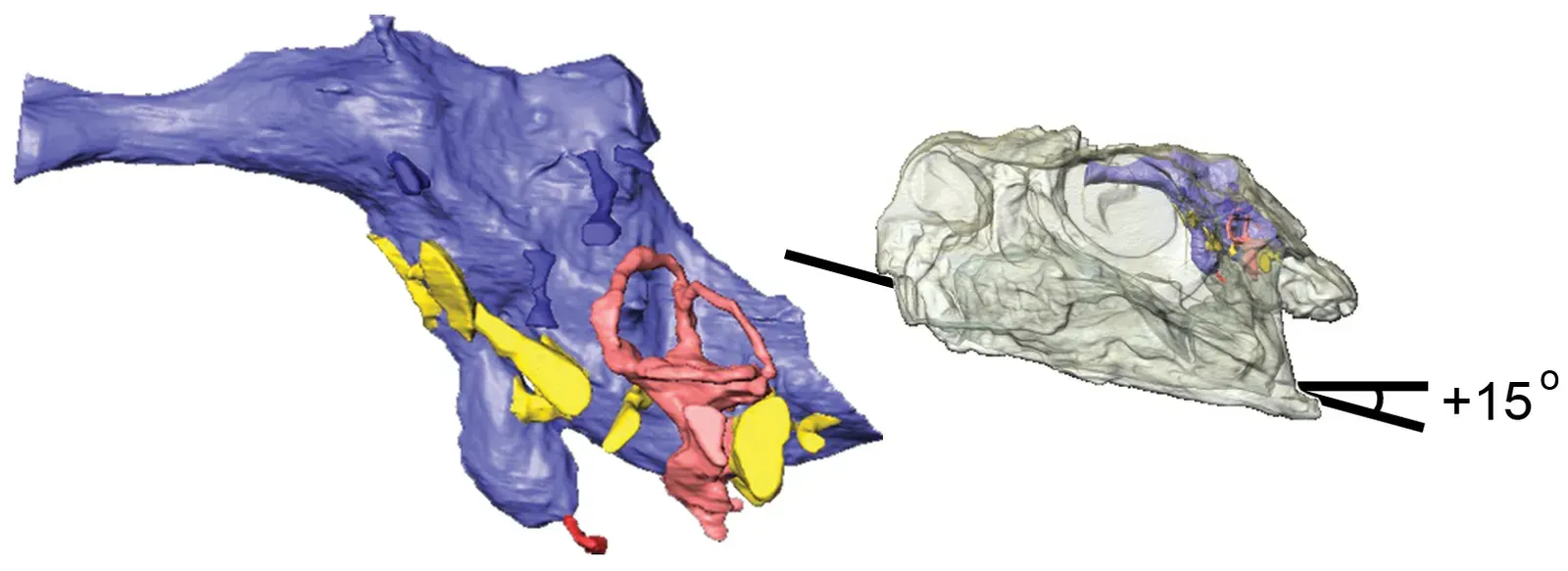
Palaeontology has experienced a transformative shift with the advent of digital technologies, with traditional methods such as manual reconstruction, molding, and casting – though foundational – often being time-consuming and risking damage to valuable specimens, leading the field to embrace virtual palaeontology, which employs three-dimensional digital tools to reconstruct, visualize, and study fossils. Think of it as building a digital twin of a creature that has been extinct for millions of years.
Electron microscopes allow palaeontologists to study the tiniest details of the smallest fossils, X-ray machines and CT scanners reveal fossils’ internal structures, and advanced computer programs can analyze fossil data and reconstruct skeletons. Once a skeleton is digitised, scientists can go even further. Biomechanical models combined with considerations of modern analogues provide powerful insight into the moving parts and skeletons of ancient organisms, and opportunities have been hugely expanded by the relative ease with which three-dimensional structures such as shells, bones, and skeletons may be scanned and imaged – these images may then be tested using standard engineering software to determine how the structure was shaped by stresses and strains of walking, running, feeding, or head-butting.
7. Behavioural Blueprints: Functional Morphology and Trace Fossils
One of the most fascinating puzzles in palaeontology is figuring out not just what an ancient creature looked like, but how it actually lived. Did it run across open grasslands or lurk in dense forest? Did it hunt alone or in packs? The study of functional morphology refers to the relationship between the shape and structure of features like teeth and bones to how animals use those features – for example, researchers studying the functional morphology of hominin feet, knees, and hip bones have been able to determine which fossil species were adapted to living in trees and which were bipedal, and by looking at how modern animals behave and what their bones look like, scientists can go back to the fossil record and reconstruct the behaviours of their ancient relatives.
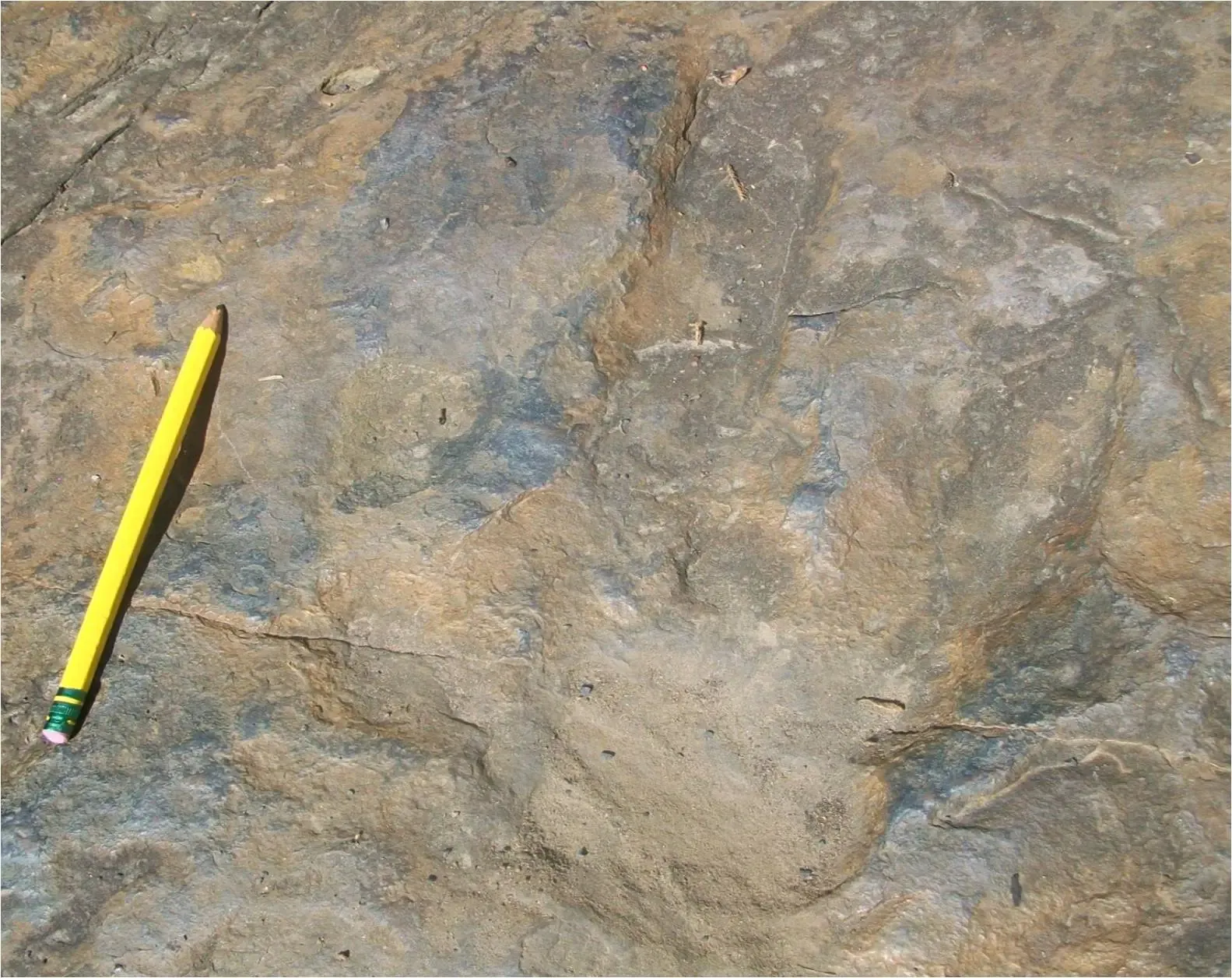
Trace fossils add another extraordinary layer to this puzzle. Ichnology specialises in trace fossils like footprints and trails, and these preserved tracks help scientists understand species behaviours, including predator-prey relationships, nesting habits, and how extinct animals used their environment. A footprint is so much more than a footprint. It can reveal weight, gait, speed, and even social behaviour. Trace fossils offer insights into substrate conditions and organism behaviours, while growth rings in fossil wood indicate climate seasonality, and stable isotope ratios in fossils provide data on ancient temperatures and precipitation.
8. Index Fossils and Biostratigraphy: The Clocks of the Rock Record
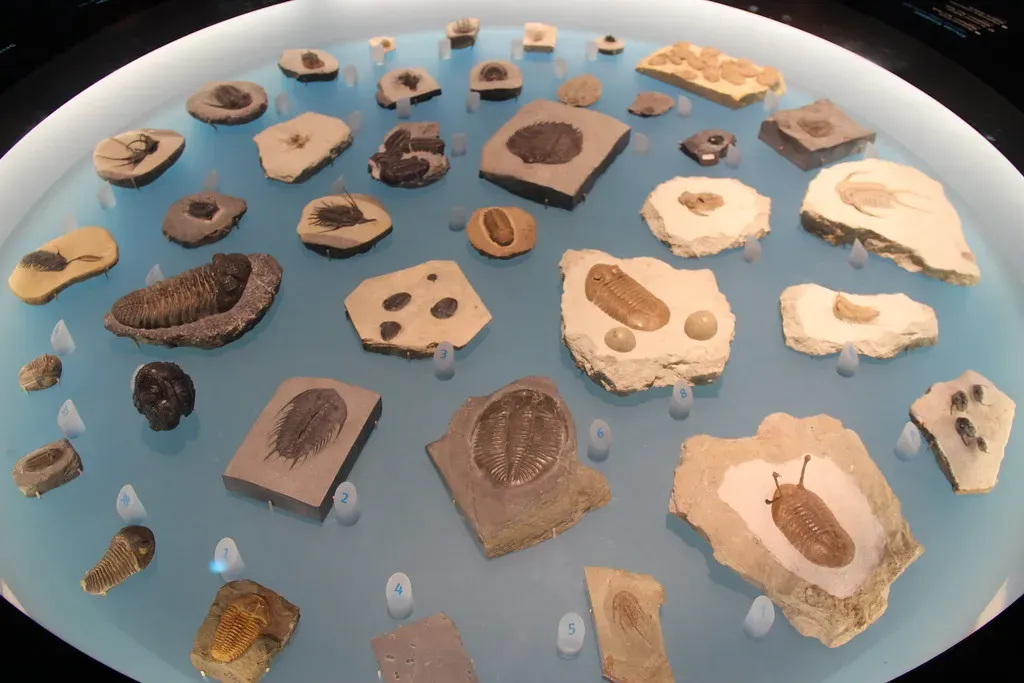
Some fossils are so geographically widespread and so time-specific that scientists can use them like timestamps in rock – anywhere on Earth. These are called index fossils, and they are genuinely one of the most elegant tools in the entire scientific toolkit. Index-fossil status is not available to just any organism – the best ones are geographically widespread and easy to identify, and they belong to species that existed for a relatively short time, though so long as a candidate fossil meets those criteria, stratigraphers are not picky, with coil-shelled ammonites, eel-like conodonts, turtles, dinosaurs, and mammals all having served as guides to geologic time.
What makes this approach so powerful is that it works across continents. These geological time units are correlated globally through combinations of assigned times, index fossils, paleomagnetism, and other methods, with the correlation of taxa with time being termed biochronology – and through biochronology, palaeontological events such as the evolution, extinction, or speciation of a taxon can be established at a point in time, and features such as mass extinctions can be identified. Still, no method is perfect on its own. The best policy, as many scientists argue, is to use both index fossils and radiometric dating so each can fact-check the other.
9. Molecular Palaeontology: Ancient DNA and the Genetic Record
This is possibly the most science-fiction-sounding method on the list, and yet it is very real. The ability to extract and analyse genetic material from ancient remains has rewritten entire chapters of evolutionary history. Molecular palaeontology represents one of the field’s most exciting modern developments, with genetic analysis allowing palaeontologists to examine hereditary differences in DNA, proteins, and chromosomes to establish evolutionary relationships. It is hard to say for sure just how far this will go, but the potential is staggering.
Ancient DNA preservation is rare and typically limited to fossils less than 100,000 years old under exceptional conditions, and most palaeontological work still relies on morphological analysis, isotope chemistry, and biostratigraphy rather than preserved genetic material – however, where ancient DNA is available, such as from frozen mammoths or specimens preserved in permafrost, molecular phylogenetics has proven revolutionary, helping clarify the evolutionary history of anatomically modern humans and determining when our lineage diverged from that of other great apes. Both DNA analysis and radiocarbon dating are invaluable tools for reconstructing past events and their timing, such as the colonisation of Europe by anatomically modern humans and Neanderthal extinction. The ancient past, it turns out, still has a genetic voice.
Conclusion: A World Lost, A World Found
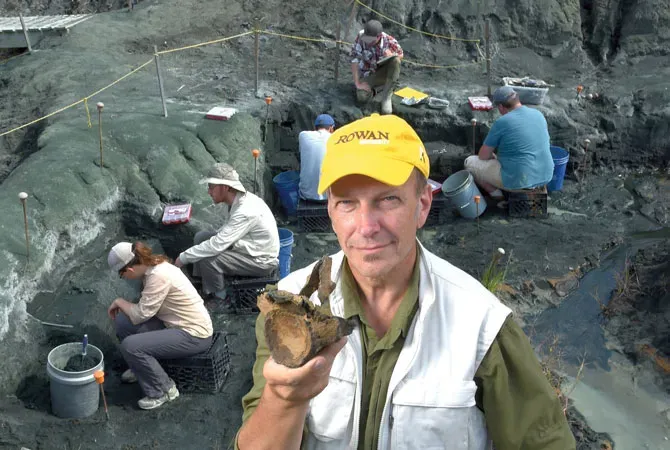
What palaeontologists do is nothing short of extraordinary. Armed with nothing more than fragments, chemistry, and decades of accumulated knowledge, they resurrect entire worlds that vanished long before humans ever existed. Palaeontology plays a vital role in helping us understand the history of life on Earth, with scientists able to reconstruct ancient environments, track the evolution of species, and identify past climate changes.
The nine methods explored here are not isolated tricks – they are part of a deeply interconnected scientific conversation. This knowledge is not just of academic interest, as it has practical implications for understanding current environmental challenges and predicting future changes – the study of past mass extinctions can inform our understanding of the current biodiversity crisis, and research into ancient climate patterns can help predict the impacts of contemporary climate change. Every fossil tells a story. Every rock layer holds a secret. The real wonder is that we have figured out how to listen.
So the next time you walk past a museum display of ancient bones, take a moment. Behind that skeleton is a web of science, creativity, and detective work spanning decades. What part of reconstructing do you find most fascinating? Tell us in the comments below.