
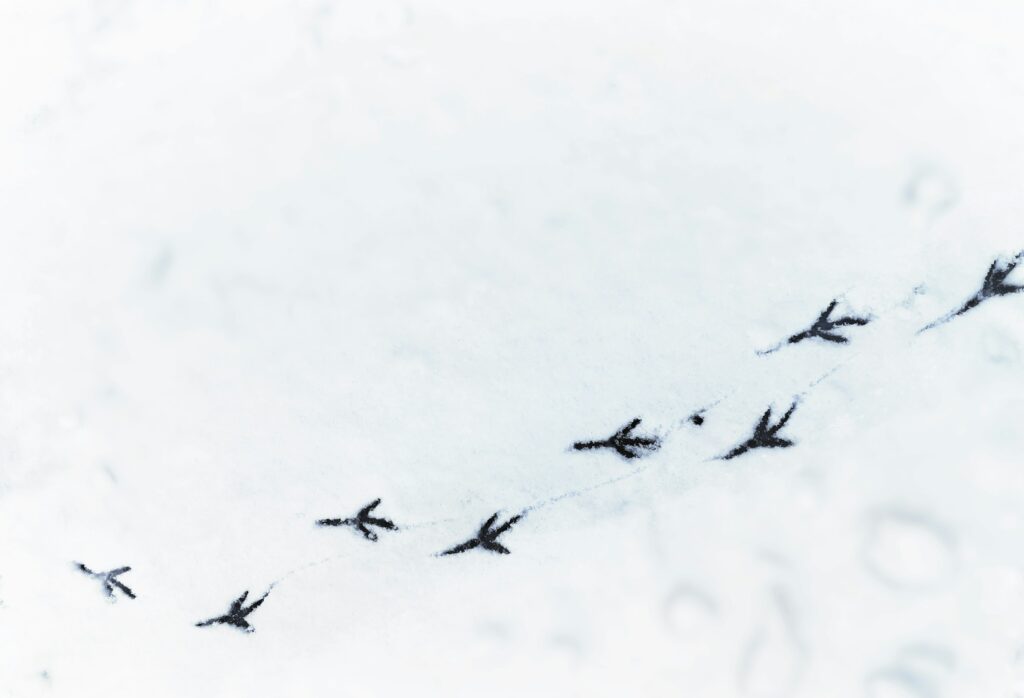
Imagine walking through a forest with no maps, no weather app, and no calendar – but still knowing who passed by, when, in what mood, and even what might happen next. For early humans, that level of insight often came from something most of us ignore today: tracks in the dirt. Footprints, claw marks, broken twigs, and disturbed sand were like unread messages scattered across the landscape, and our ancestors became very good at opening them.
Archaeologists and anthropologists are still piecing the story together, but a striking pattern is emerging: early humans did not just chase animals; they read them. Tracks were not simply clues to dinner. They were data about seasons, danger, opportunity, and change. When you look at the evidence side by side, it becomes hard to escape a bold conclusion – tracking was one of humanity’s first ways of doing what we now call “environmental science.”
1. Complex Tracking Skills in Hunter‑Gatherer Societies Today
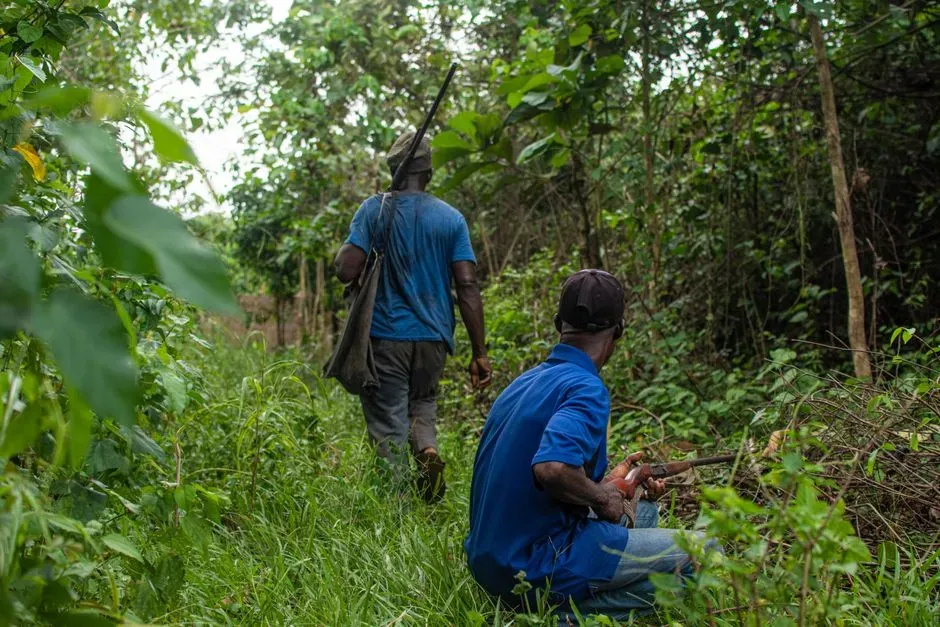
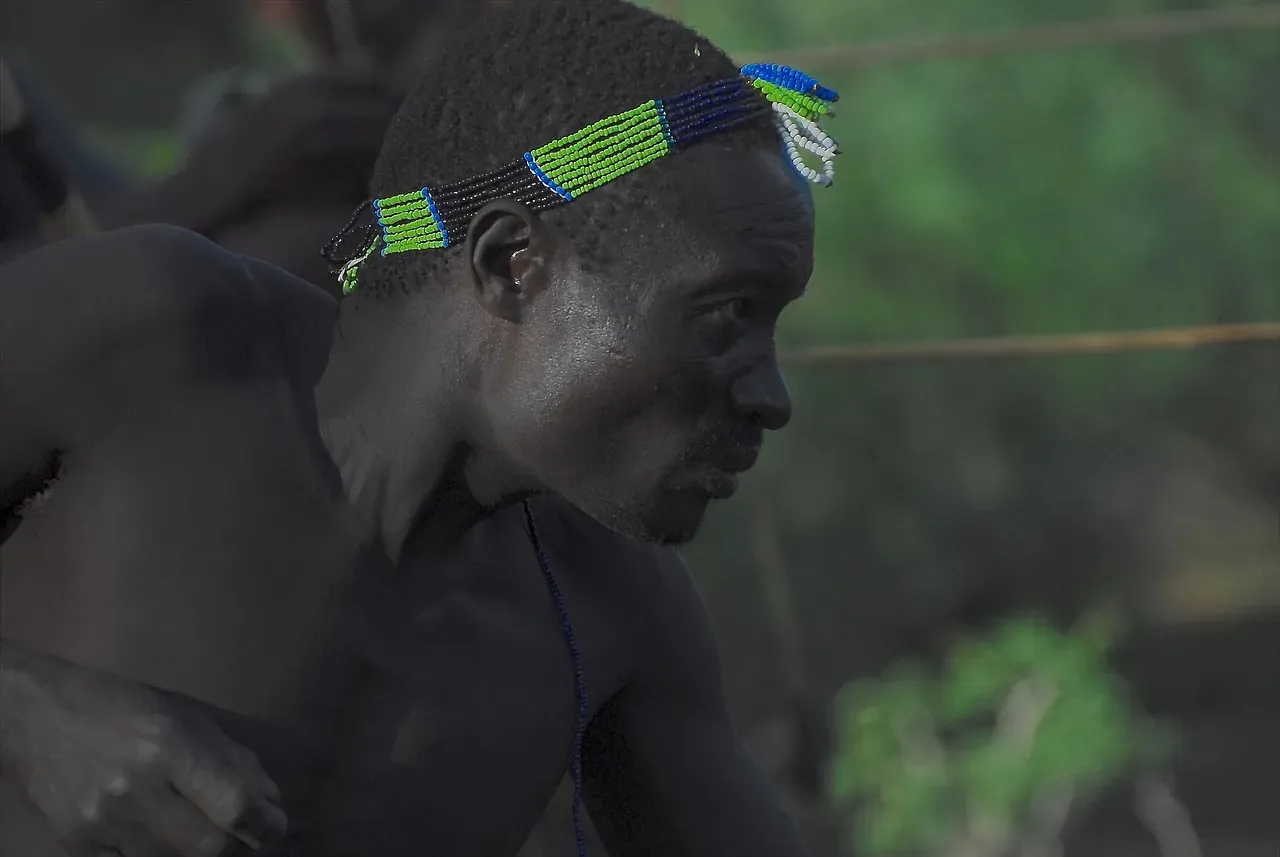
One of the strongest clues about early humans comes from people who still live by tracking right now. In several hunter‑gatherer societies, experienced trackers can tell the age, sex, speed, and even emotional state of an animal just from its footprints and the pattern of its movement. They do not treat tracks as random marks; they treat them as a story that can be followed, analyzed, and sometimes even predicted.
When anthropologists study these communities, they often find that tracking knowledge is deeply structured and taught over many years, almost like learning a language or a craft. That kind of complexity does not appear overnight. It strongly suggests that the roots of this skill run back tens of thousands of years, if not more, and that earlier humans were also using tracks not just to locate animals but to understand what was happening in their broader environment.
2. Fossil Footprints Show Early Attention to Subtle Ground Cues
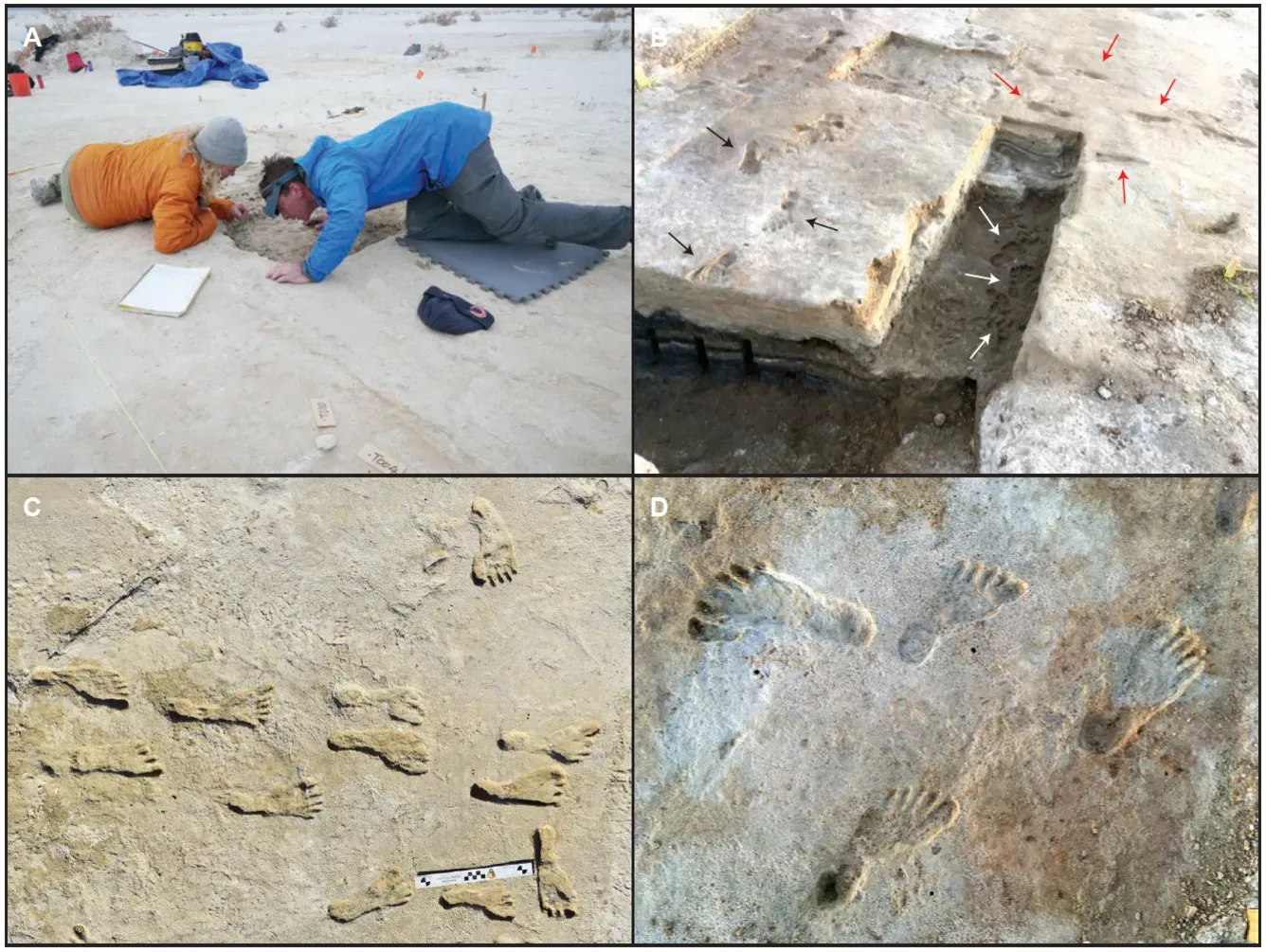
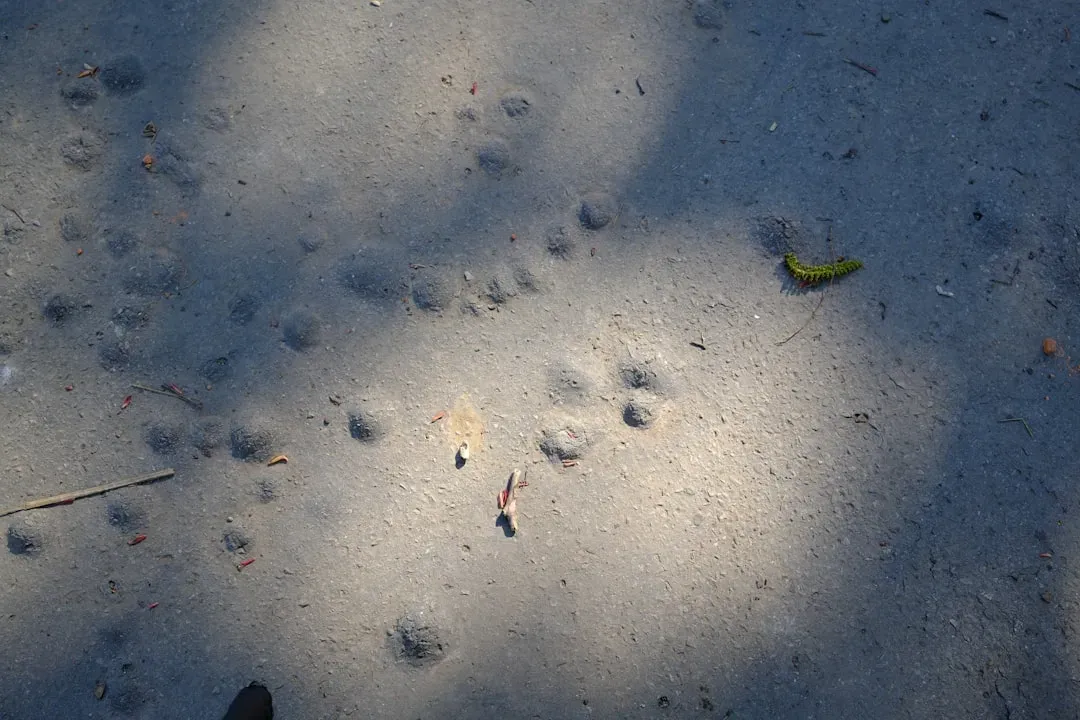
Fossilized hominin footprints – ancient human and human‑ancestor tracks preserved in mud and ash – offer another key hint. Sites in Africa, Europe, and the Middle East show trails that weave around hazard zones, skirt steep drops, or detour near water or likely animal paths. That tells us that early humans were already paying close attention to the ground and how it recorded movement and risk.
In some sites, footprints from humans and large animals overlap or intersect in complex ways, almost like layered pages of a very old book. To move safely through that kind of landscape, our ancestors would have had to notice and interpret subtle differences in freshness, direction, and depth of tracks. They were not just looking “out there” to the horizon; they were also looking “down there” at the soil and reading it for environmental context.
3. Tracking as an Early Form of Hypothesis and Testing
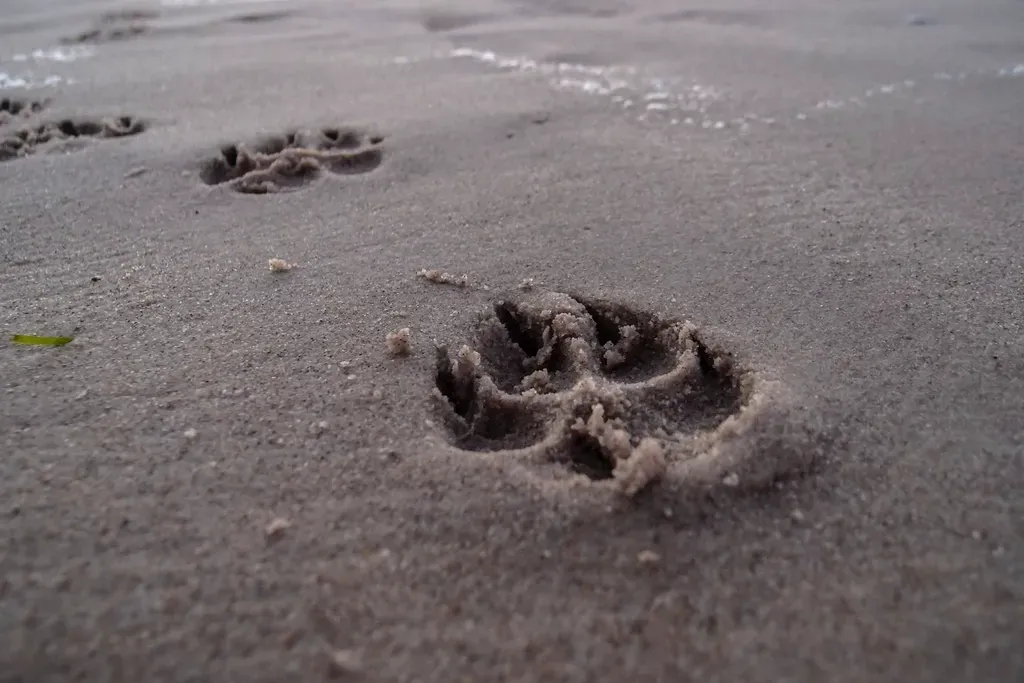
When a tracker sees a fresh hoofprint and decides which way to go, they are doing something surprisingly close to science: they form a hypothesis and then test it against new evidence. If they think an animal turned left, they follow that idea until the tracks confirm or contradict it. If they lose the trail, they circle back, search the surroundings, and adjust their assumptions.
Many anthropologists argue that this style of reasoning is deeply ancient and may have shaped the evolution of human intelligence. Using tracks as environmental information means constantly asking indirect questions about the world: When did this happen? What will happen next? How do these signs fit together? The landscape becomes a living lab, and animal tracks serve as measured, observable data points.
4. Seasonal Movements and Migration Patterns Read from Tracks
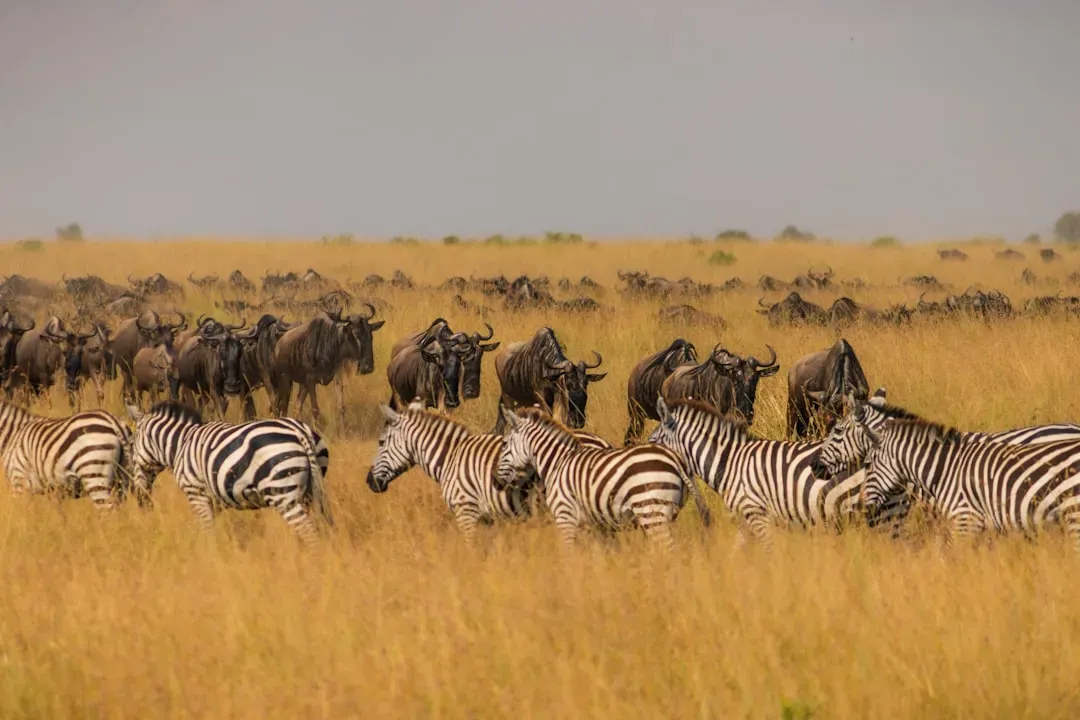
Animals rarely stay put. Herds shift with rainfall, predators adjust their ranges, and different species appear or disappear as seasons change. For early humans relying on wild game, noticing these patterns could mean the difference between abundance and famine. Tracks, droppings, and trail wear were natural indicators of when and where herds had passed, and how often a route was used.
Over time, repeated observations of tracks would build up into what we might call a mental database of migration routes and seasonal calendars. If hoofprints started appearing earlier in the year, that might signal a change in rainfall or vegetation. If a traditional trail went quiet, that silence itself was a piece of environmental information, hinting at drought, disease, or shifting habitats. In that sense, track reading doubled as long‑term climate and ecosystem monitoring, even if nobody used those modern labels.
5. Predator Awareness and Early Warning Systems
Tracks were not only about finding food; they were also about not becoming food. The sight of fresh big‑cat prints near a water source, or deep claw marks on a tree, could instantly change how a group moved or where they chose to camp. Early humans who could accurately judge the freshness and direction of dangerous animal tracks simply had a better chance of surviving the night.
This kind of vigilance turns tracks into an early warning system, long before fences or alarm devices existed. Reading the ground for predator activity allowed people to map invisible zones of higher risk. You can think of it a bit like checking a storm radar – but instead of colored pixels, the alerts were paw prints and disturbed soil, and the “radar” was a shared skill embedded in the group’s daily routines.
6. Storytelling Traditions Built Around Tracks and Signs
In many traditional societies, stories about animals, trails, and mysterious footprints are passed down from generation to generation. Those stories are not just entertainment; they also store practical knowledge about which paths are safe, which valleys hide dangerous predators, and how to read sudden changes in animal movements. When kids hear tales about an ancestor following a certain set of tracks, they are quietly learning a code for reading the landscape.
It is very likely that early humans did something similar, weaving tracking knowledge into myths, campfire retellings, and rituals. In that way, tracks became more than physical marks in the soil. They turned into shared mental maps and moral lessons about how to move in tune with the environment. When a sign on the ground is backed by a powerful story, people remember it – and they act on it.
7. Tool Use and Cooperative Hunting Based on Track Reading
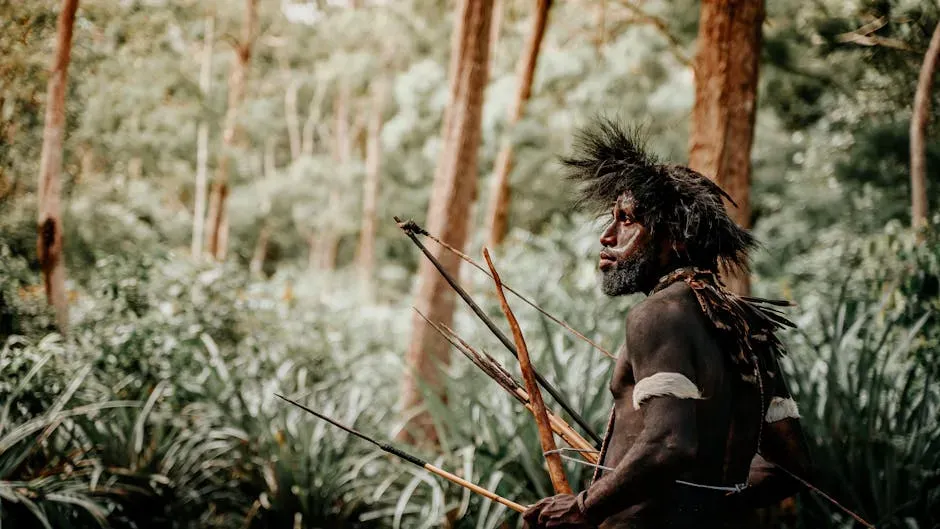
Some of the earliest evidence of coordinated hunting suggests that groups were planning ambushes, drives, or long pursuits rather than simply reacting to animals by chance. Planning like that depends heavily on knowing where animals are likely to move next, and tracks are the most obvious clues. If you know that a herd tends to funnel through a narrow valley, the disturbed ground and repeated footprints make that path visible even when the animals are gone.
That information then feeds directly into tool use and cooperation. People might position hunters at key choke points, prepare spears or projectiles for the expected encounter, and even time their approach based on how fresh the tracks look. In other words, reading tracks allowed early humans to turn raw environmental signals into strategy. That kind of behavior blurs the line between simple hunting and deliberate, information‑driven planning.
8. Cognitive Demands of Interpreting Tracks as Abstract Signs
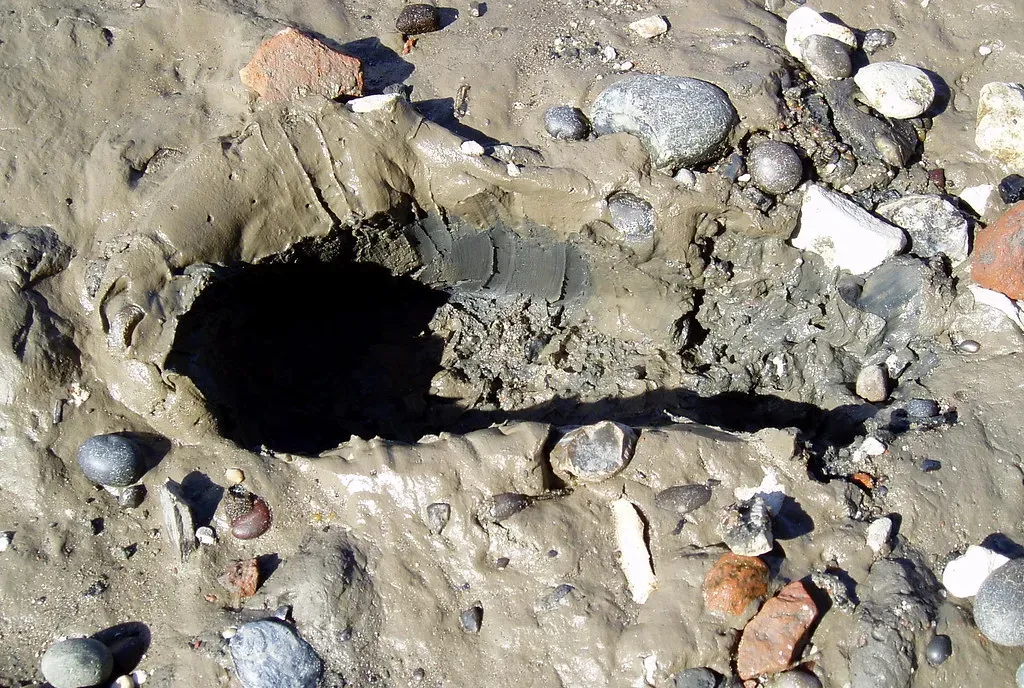
At first glance, a hoofprint might just look like a dent in the dirt. But to treat it as information, you have to do something mentally sophisticated: connect this mark, here and now, to an animal that is absent, in another place, at another time. That jump from visible sign to invisible cause is a form of abstract thinking, and it is central to how humans deal with symbols, maps, writing, and science later on.
Reading tracks also means juggling multiple variables at once – weight, speed, direction, overlapping prints, soil type, recent weather, and more. That is serious cognitive work. If early humans spent hours every day making sense of those patterns, it is not a stretch to say that the environment itself was training their brains. In my view, this is one of the most underrated drivers of human intelligence: the constant need to turn faint marks in the ground into reliable knowledge about a world you cannot see directly.
9. Parallels Between Tracking and Modern Environmental Monitoring
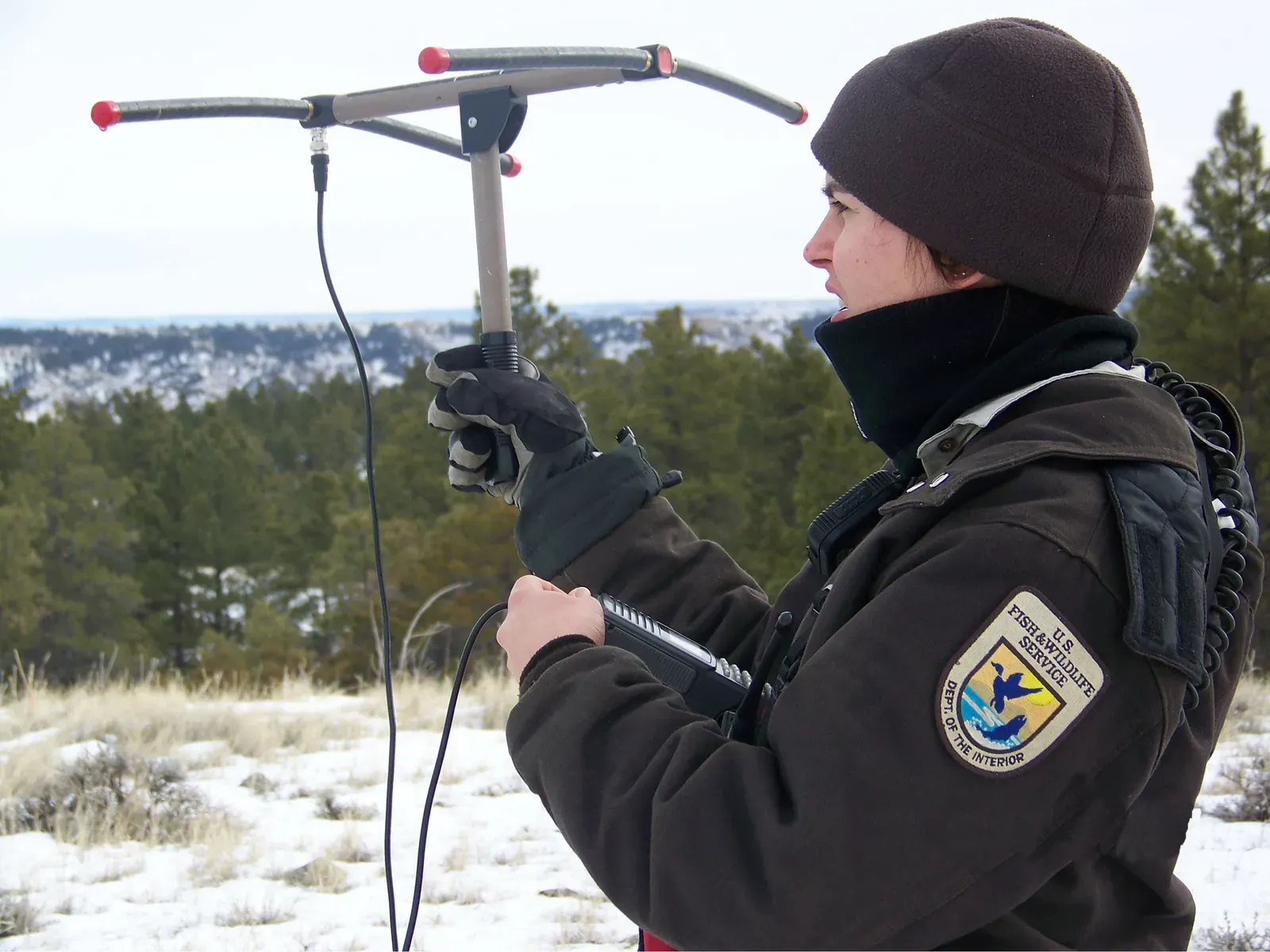
Look at how we track climate and wildlife today: satellite images, motion‑sensor cameras, population surveys, and GPS‑tagged animals. Strip away the technology, and the logic underneath is not all that different from what an ancient tracker did. We still infer invisible processes – migrations, ecosystem stress, predator–prey dynamics – from physical traces and patterns in the environment.
That parallel is more than poetic. It suggests that using animal tracks as environmental information was not a quirky side skill but a core way humans have always related to the natural world. The modern conservation biologist staring at a graph of animal movements, and the early human kneeling beside a fresh track, are basically doing the same thing: reading signs to understand what is happening out there, beyond direct sight, and deciding what to do next.
Conclusion: Tracking as the First Environmental Science
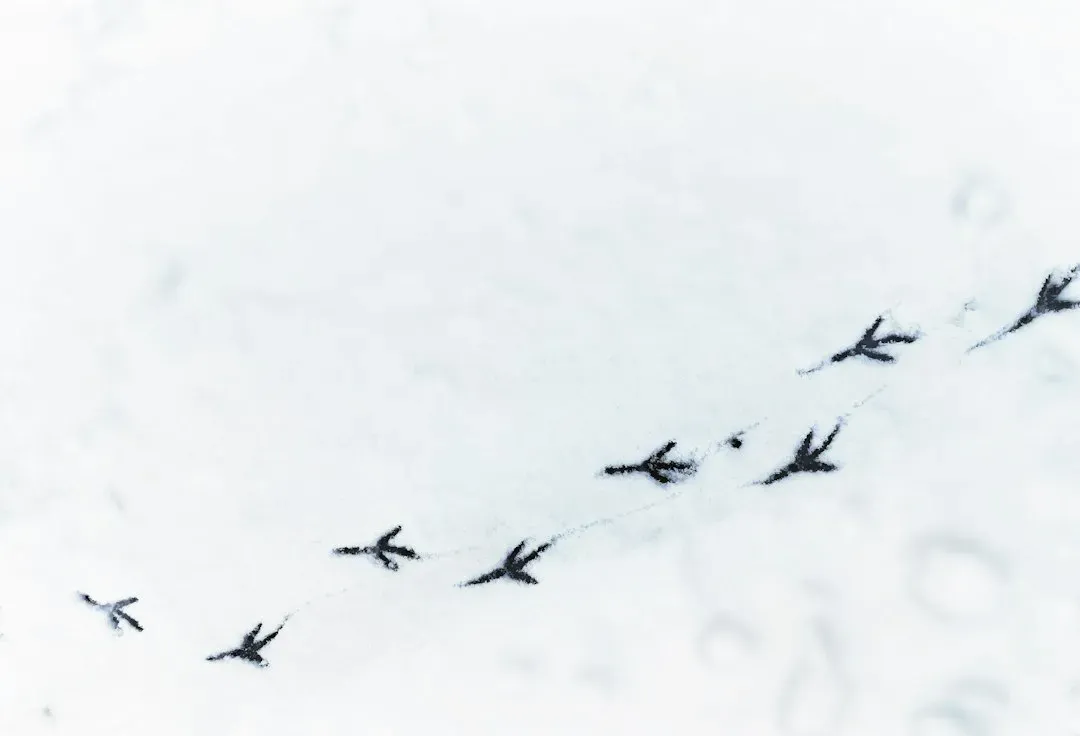
When you put all these clues together – the complexity of traditional tracking, fossil footprints, predator awareness, seasonal planning, storytelling, cooperation, and the heavy cognitive lifting involved – it becomes hard to see early hunters as mere opportunistic chasers of meat. They look much more like early field ecologists, constantly sampling the ground for data and updating their mental models of the world. In my opinion, calling tracking one of humanity’s first sciences is not an exaggeration; it is overdue credit.
I still remember the first time I tried to follow deer tracks in a muddy field and realized how much I was missing. What felt to me like a confusing mess was, to a skilled tracker, as informative as a news feed or traffic report. That experience made me rethink how our ancestors saw their world. Maybe the deeper question is not whether early humans read tracks as environmental information – but how much of that quiet literacy we have lost, and what it might change if we learned to read the ground again.