
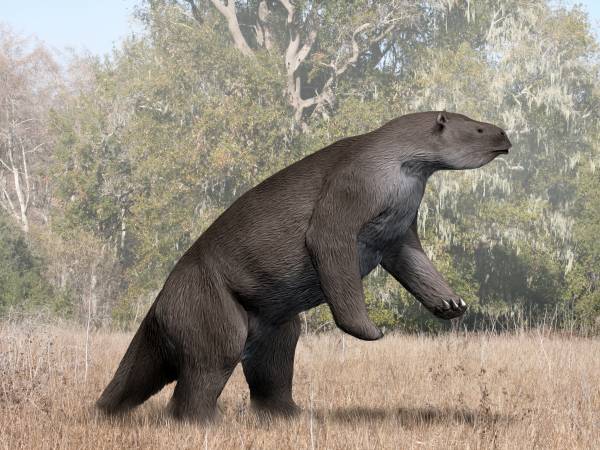
Picture walking through a scrubby woodland in South America ten or twenty thousand years ago and hearing something huge moving through the brush. It is not a mammoth or a bear, but a sloth the size of a car, standing up on its hind legs to pull down entire branches, snapping shrubs like matchsticks, and dropping piles of dung the size of buckets. Those extinct giants were not just background characters in an Ice Age movie; they were active engineers that helped shape what many American landscapes looked like, and even which plants survived.
Today, we mostly meet sloths as sleepy memes clinging to tropical branches, but their ancient relatives were ecological bulldozers. Evidence from fossils, plant chemistry, and modern plant distributions hints that giant ground sloths were part gardeners, part wrecking crew, and part long‑distance delivery service for seeds. Once you see this story, modern American ecosystems start to look a little haunted, full of plant species still waiting for partners that vanished thousands of years ago.
The Age Of Giant Ground Sloths: More Than Just Big, Slow Beasts
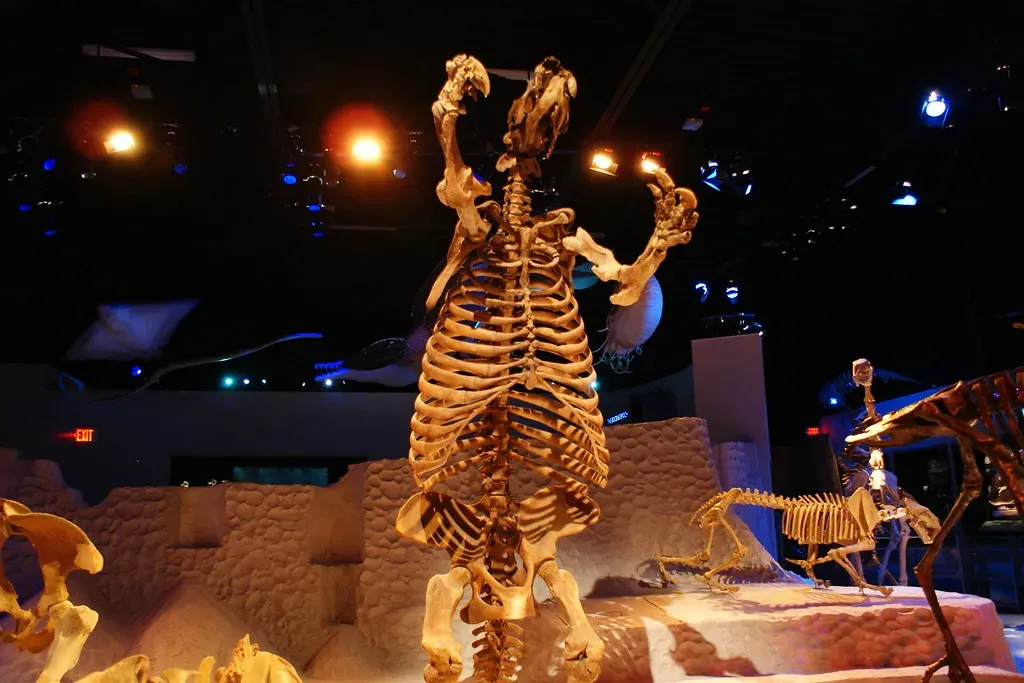
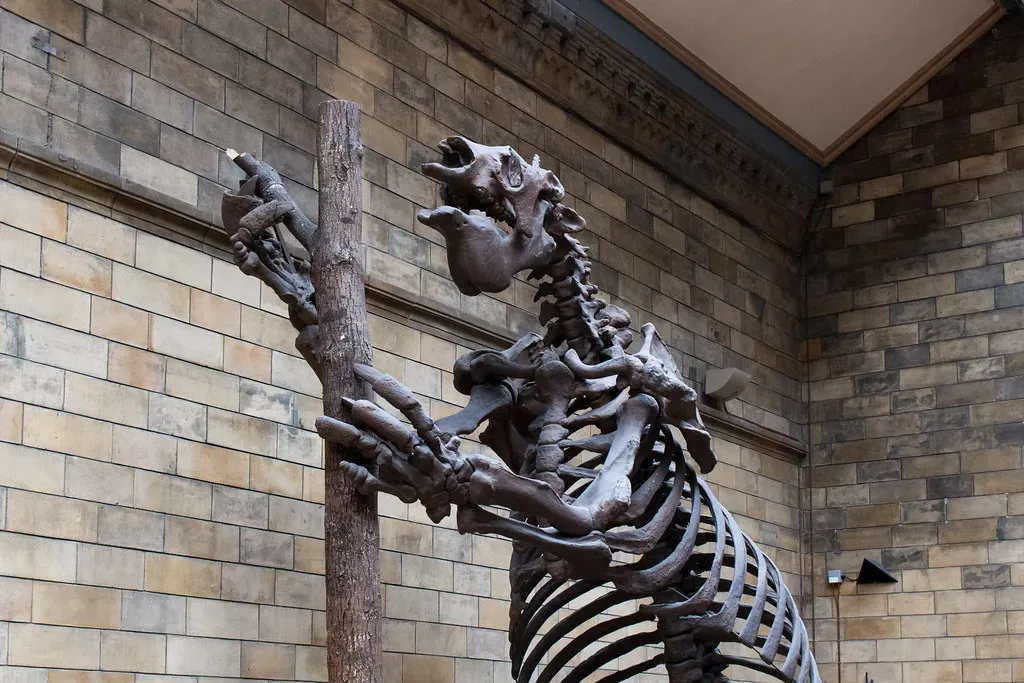
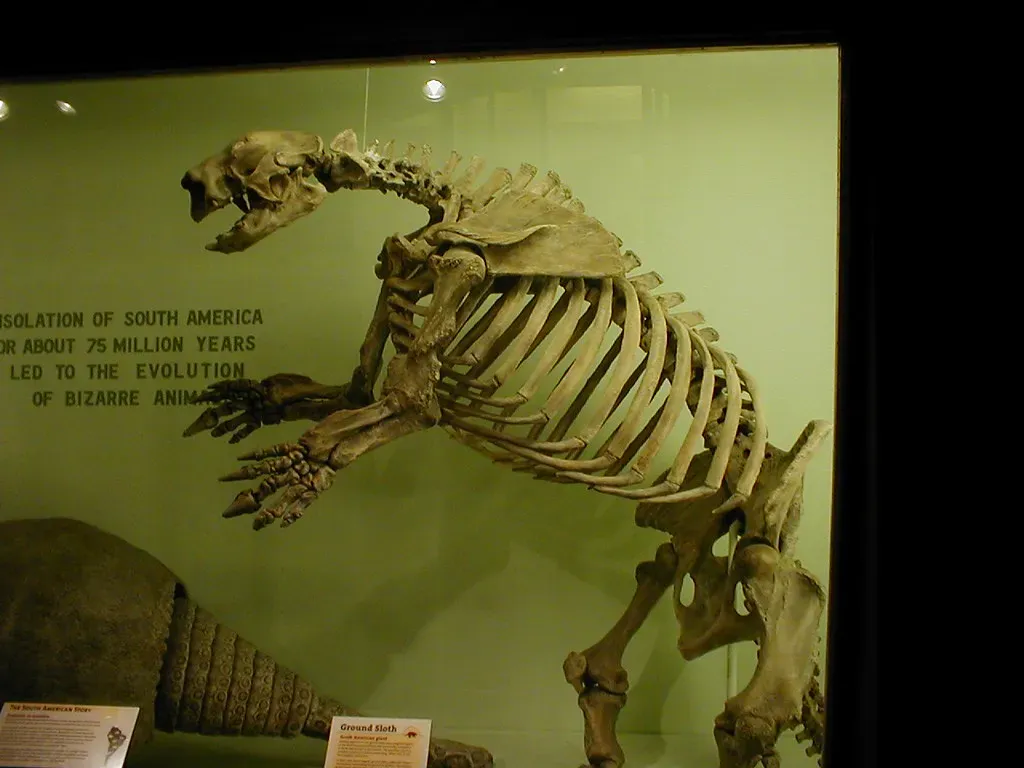
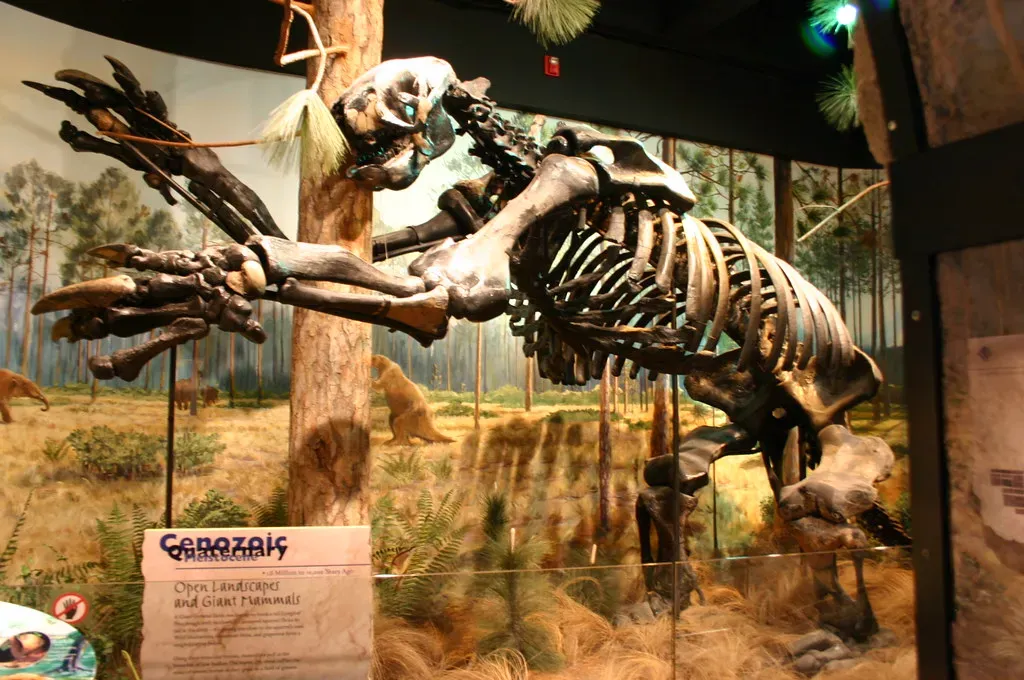
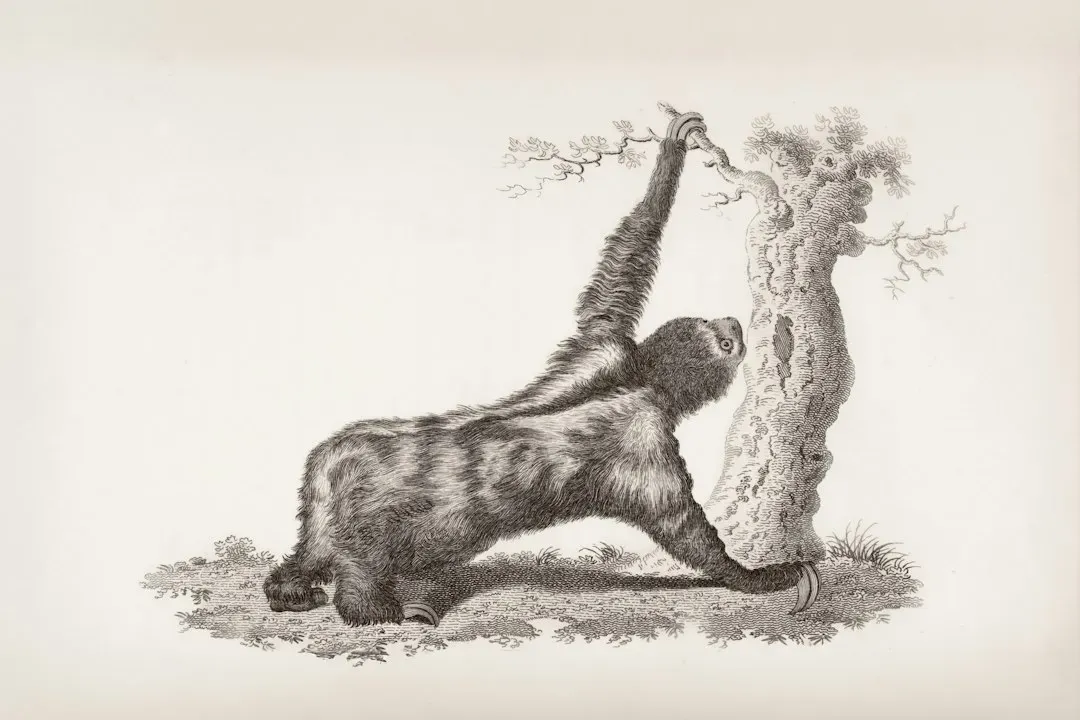
Start with the basics: these animals were enormous. Some species of ground sloth in the Americas reached the size of a small elephant, with powerful claws, barrel‑shaped bodies, and sturdy limbs that let them rear up to browse several meters off the ground. They lived across both North and South America in a variety of habitats, from open grasslands and savannas to woodlands and even more forested regions, which already hints at how flexible their diets and ecological roles must have been.
Despite the word “sloth,” they were not simply oversized versions of the slow tree dwellers we know today. Their skeletons suggest they could dig, push, and lean against trees, using muscle power to bring down branches or uproot plants. That kind of physical force, repeated day after day by whole populations of animals, does not leave a landscape untouched. It changes which plants get broken, which get eaten, and which manage to reproduce before the next giant comes lumbering through.
How Big Herbivores Quietly Re‑Engineer Landscapes
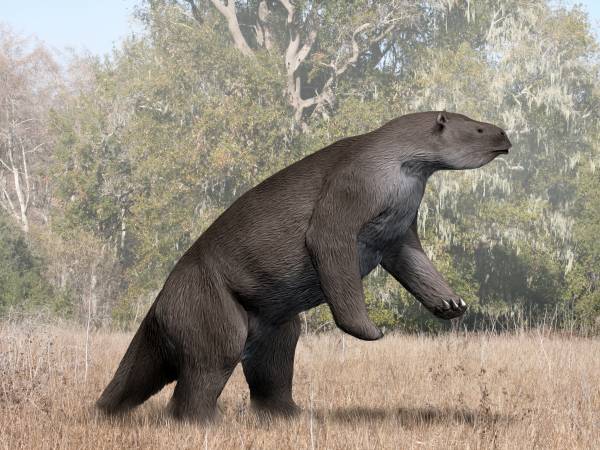
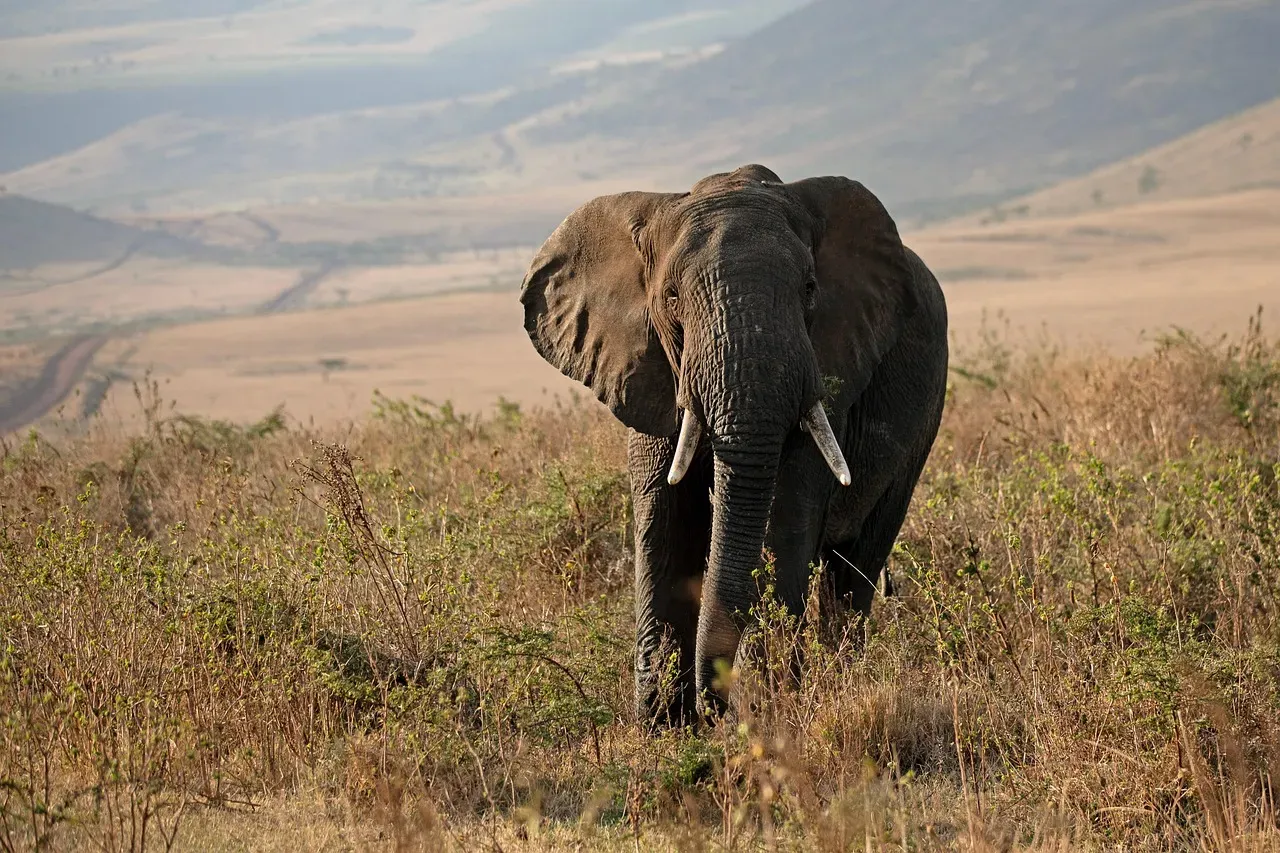
If you have ever watched elephants in a wildlife documentary pushing over trees and opening up thickets, you already have a mental model for what giant ground sloths may have been doing. Large herbivores are not passive grazers; they are more like slow‑motion storms, trimming some plants, crushing others, and fertilizing the soil as they move. Over thousands of years, that constant pressure shapes which plants dominate, how dense the vegetation becomes, and even how flammable a region is.
In the Americas before humans spread widely, giant ground sloths were part of a guild of huge plant‑eaters that included mammoths, mastodons, and other now‑extinct creatures. Together they likely kept some areas more open, maintained mosaics of forest and grassland, and prevented certain fast‑growing plants from taking over. When that many tons of herbivore biomass disappear in a relatively short evolutionary blink, it is naive to assume the plants just continued on unchanged.
Seed Dispersal: Sloths As Long‑Distance Plant Delivery Trucks
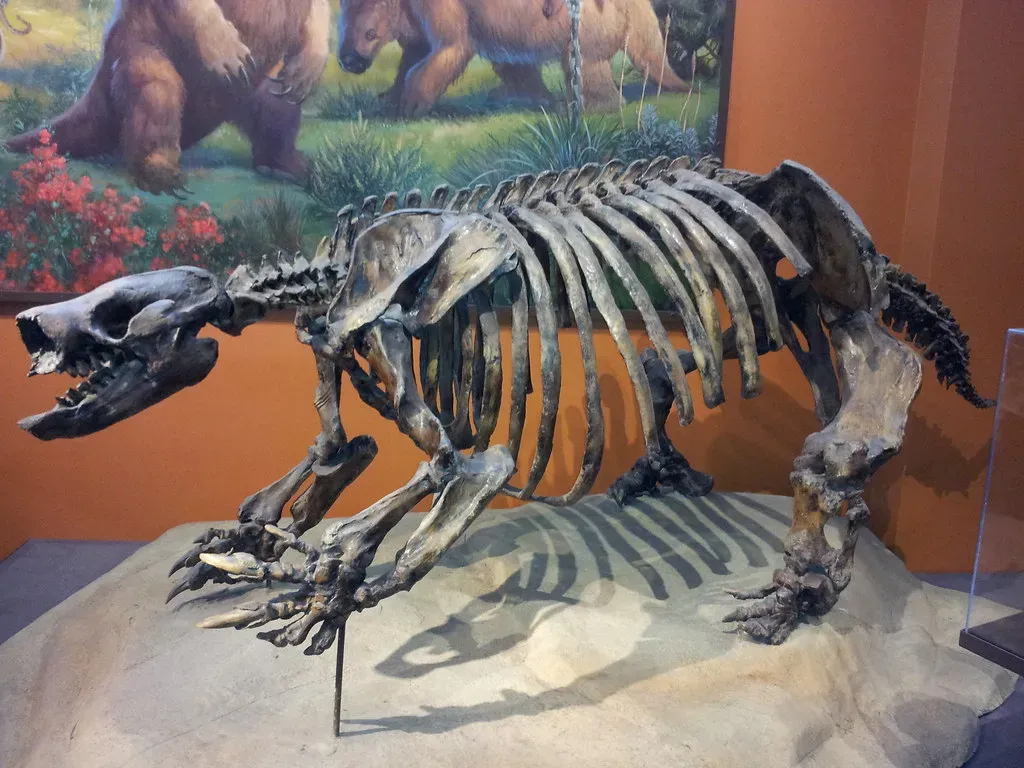
One of the clearest ways those sloths may have shaped plant life is through seed dispersal. Many plants depend on animals to move their seeds away from the parent tree, ideally with a bonus of fertilizer. Big animals with large guts are especially good at this; they can swallow hefty fruits or pods, carry them kilometers across the landscape, and then drop the seeds in nutrient‑rich dung. It is not romantic, but it is stunningly effective.
Researchers studying fossil dung and plant remains from the Pleistocene have found evidence that giant ground sloths consumed a mix of leaves, branches, and fruits. That diet makes them strong candidates as seed spreaders for plants with particularly big, tough fruits that smaller animals struggle to handle. In that sense, the sloths were walking planting machines, turning their daily foraging routes into invisible trails of germinating seeds that reshaped plant populations over centuries.
Ghost Fruits: Plants That May Still Miss Their Sloth Partners
Look around modern American forests and savannas and you still find plant species with fruits that seem oddly mismatched to their current animal neighbors. Some shrubs and trees produce large, thick‑skinned fruits or pods with big seeds that most of today’s mammal and bird species ignore or cannot swallow whole. Biologists sometimes call these “anachronistic” fruits, because they appear to belong to a different time with different dispersers.
The idea is that many of these plants evolved in partnership with now‑extinct megafauna, including giant ground sloths. When those animals vanished, the plants did not instantly change; evolution moves slower than extinction. So we end up with fruit that looks like they were designed for mouths that no longer exist. In my opinion, this is one of the most haunting parts of the story: modern plants carrying the evolutionary fingerprints of long‑gone gardeners.
From Browsers To Gardeners: How Sloths Selected Winners And Losers
Every bite a herbivore takes is a tiny vote for or against a plant’s future. If a plant is eaten to the ground every season, it needs strong defenses or fast regrowth to survive. If its seeds are destroyed in teeth instead of passing safely through the gut, its chances of spreading drop. Giant ground sloths, by choosing which leaves and shoots to nibble, effectively curated their own plant communities over evolutionary time.
Plants are not helpless in that process; they respond with thorns, bitter chemicals, tough leaves, or clever timing. Some may have become less palatable to sloths, nudging the giants toward less defended species. Others may have leaned into the relationship, offering nutritious fruits that encouraged sloths to carry their seeds far and wide. That push‑and‑pull arms race likely reshaped everything from plant chemistry to the height and form of certain shrubs and trees in the Americas.
Mysterious Middens And Frozen Clues: How We Know Any Of This
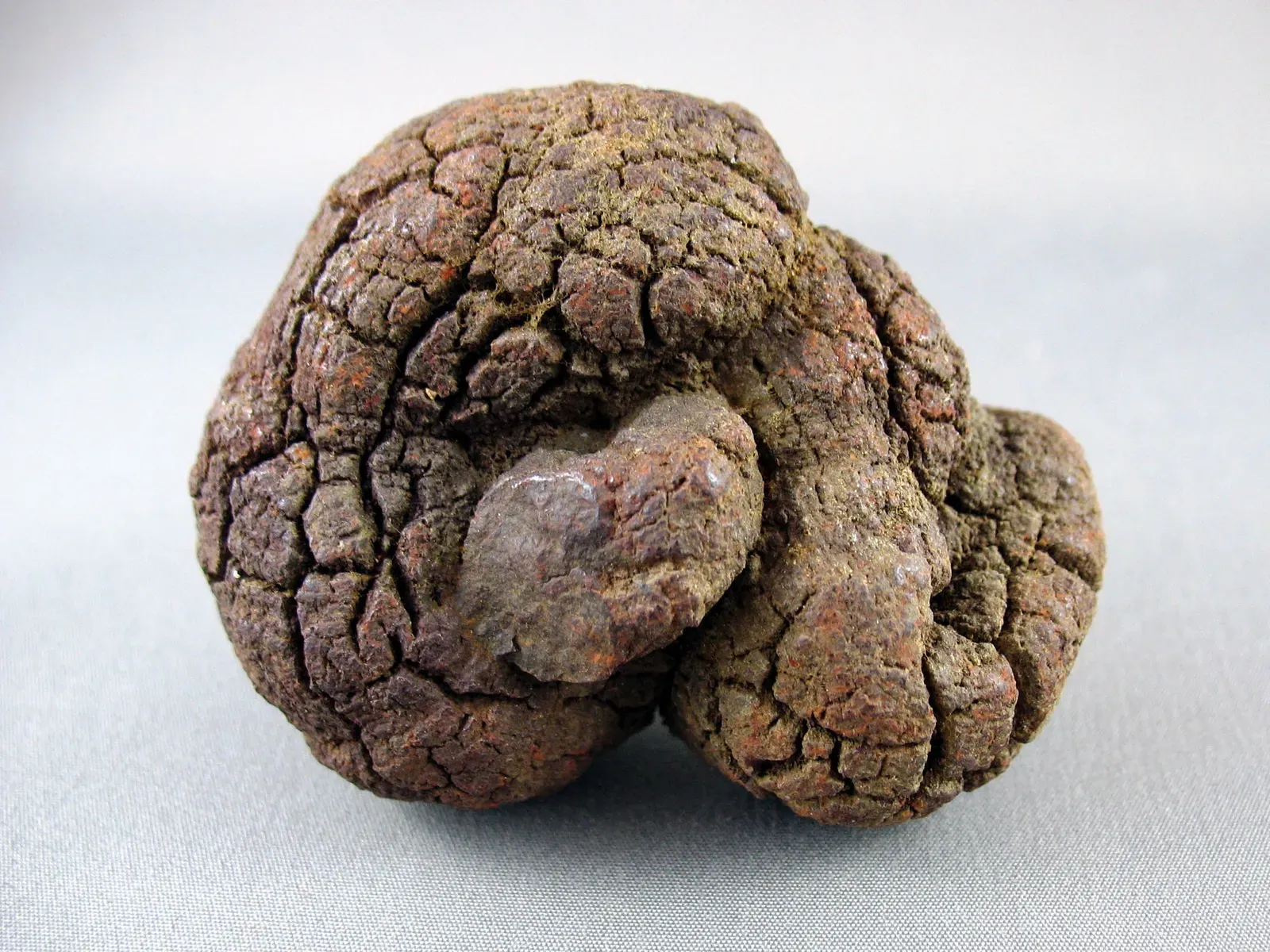
All of this might sound almost too cinematic, so it is fair to ask: how can scientists reconstruct the daily plant‑eating habits of animals that died out thousands of years ago? The answer lies in a surprisingly unglamorous source of data: preserved dung, plant fragments in fossil deposits, and even chemical traces locked into ancient soils and bones. These natural archives work like old notebooks, recording what plants were around, which parts got eaten, and how ecosystems were structured.
By analyzing plant microfossils, pollen, and stable isotopes, researchers can infer the types of vegetation that dominated a landscape and how much of it was being consumed by large herbivores. When those signals shift sharply around the time the megafauna disappear, it strongly suggests that animals like giant ground sloths were influencing plant communities. The picture is not perfect, but it is solid enough to say that these beasts were major players, not ecological extras.
When The Giants Vanished: Ecological Shockwaves Across The Americas
Roughly toward the end of the last Ice Age, many of the large mammals in the Americas disappeared in a relatively short geological window, and giant ground sloths were among them. Whether you lean more toward climate change, human hunting, or a messy combination of both, the outcome is the same: ecosystems that had evolved with big plant‑eaters suddenly lost them. It is a bit like taking all the maintenance crews off a city’s streets and then waiting to see what happens to traffic, sidewalks, and trash.
Since then, fire patterns, plant distributions, and even soil characteristics in many regions appear to have changed. Some scientists argue that wooded areas became denser in places where big herbivores once opened up patches by trampling and browsing. Others suggest that certain plant species declined or shifted their ranges when their primary seed dispersers disappeared. To me, it feels like the Americas are still in a long ecological hangover from the sudden exit of their biggest gardeners.
Modern Ecosystems, Missing Pieces: Why This Ancient Story Still Matters
You might reasonably ask why anyone should care about the dietary habits of animals that have been gone for thousands of years. The answer is that understanding those ancient relationships helps us make sense of the odd quirks in today’s ecosystems, from stubborn plant invasions to forests that regenerate differently than expected. When your mental model of a landscape accidentally leaves out a whole guild of giant herbivores, your predictions for how that landscape behaves can be badly off.
There is also a sobering modern echo: we are currently watching living megafauna decline across the world. If the loss of giant ground sloths and their peers reshaped the Americas so profoundly, what will the further loss of elephants, rhinos, and large herbivores do to today’s ecosystems? Recognizing that big animals are architects, not ornaments, should change how we think about conservation. We are not just saving species; we are trying to keep the engineers of whole landscapes on the job.
Conclusion: The Sloth‑Shaped Hole In The American Wild
When you zoom out and look at the evidence, it is hard not to see giant ground sloths as missing characters in the story of American plants. They were not gentle background browsers; they were movers of seeds, shapers of clearings, and constant forces pushing plants to adapt or disappear. I find it compelling, and frankly a bit unsettling, that so many modern species may still carry the imprint of relationships with mouths and guts that vanished long ago. The forests and scrublands we walk through today are, in a real sense, co‑written by animals we will never see alive.
My own take is that we underestimate how incomplete the modern world really is. We treat today’s ecosystems as the default, when they are probably more like a half‑finished canvas after the lead artist walked out. Remembering the role of giant ground sloths is a reminder that evolution is not just about who survives, but about who participates in building the stage on which life plays out. Next time you see a strange, oversized fruit or a stubborn thicket, it is worth asking: is this a quiet echo of a sloth that is never coming back, or a hint that our picture of “normal nature” is still missing a few giant pieces?