
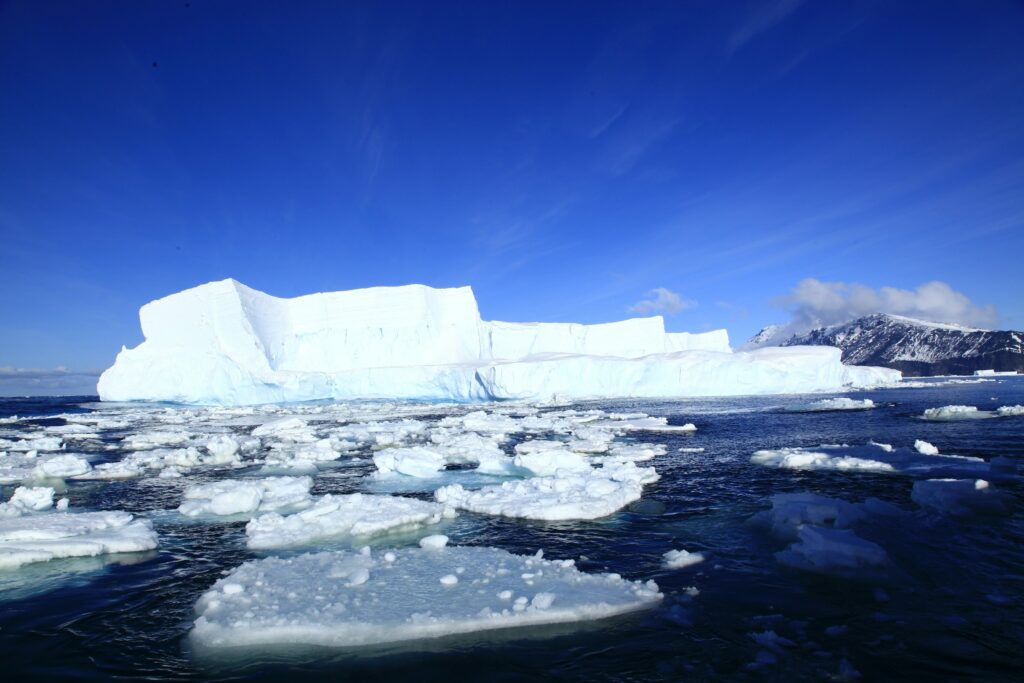
Imagine waking up in a world where your favorite city is buried under a mile of ice, coastlines sit dozens of miles farther out, and the place you call home does not even exist yet. That was reality at the peak of the last Ice Age, and when the ice finally began to melt, it rewrote the map of the planet and the rules of where people could survive. The end of the Ice Age was not just a climate story; it was a massive housing crisis, migration drama, and global remodeling project rolled into one.
We often talk about climate change as if it’s something new, but humans have already lived through one of the most dramatic climate shifts in history. As the ice sheets shrank and seas rose, entire regions opened up while others disappeared under water. What followed was a cascade of changes to food, water, safety, and opportunity that pushed our ancestors to move, adapt, innovate, and sometimes fail. Let’s walk through eight of the biggest ways the end of the Ice Age reshaped where humans could call home.
1. The Melting Ice Sheets Freed Up Huge New Lands
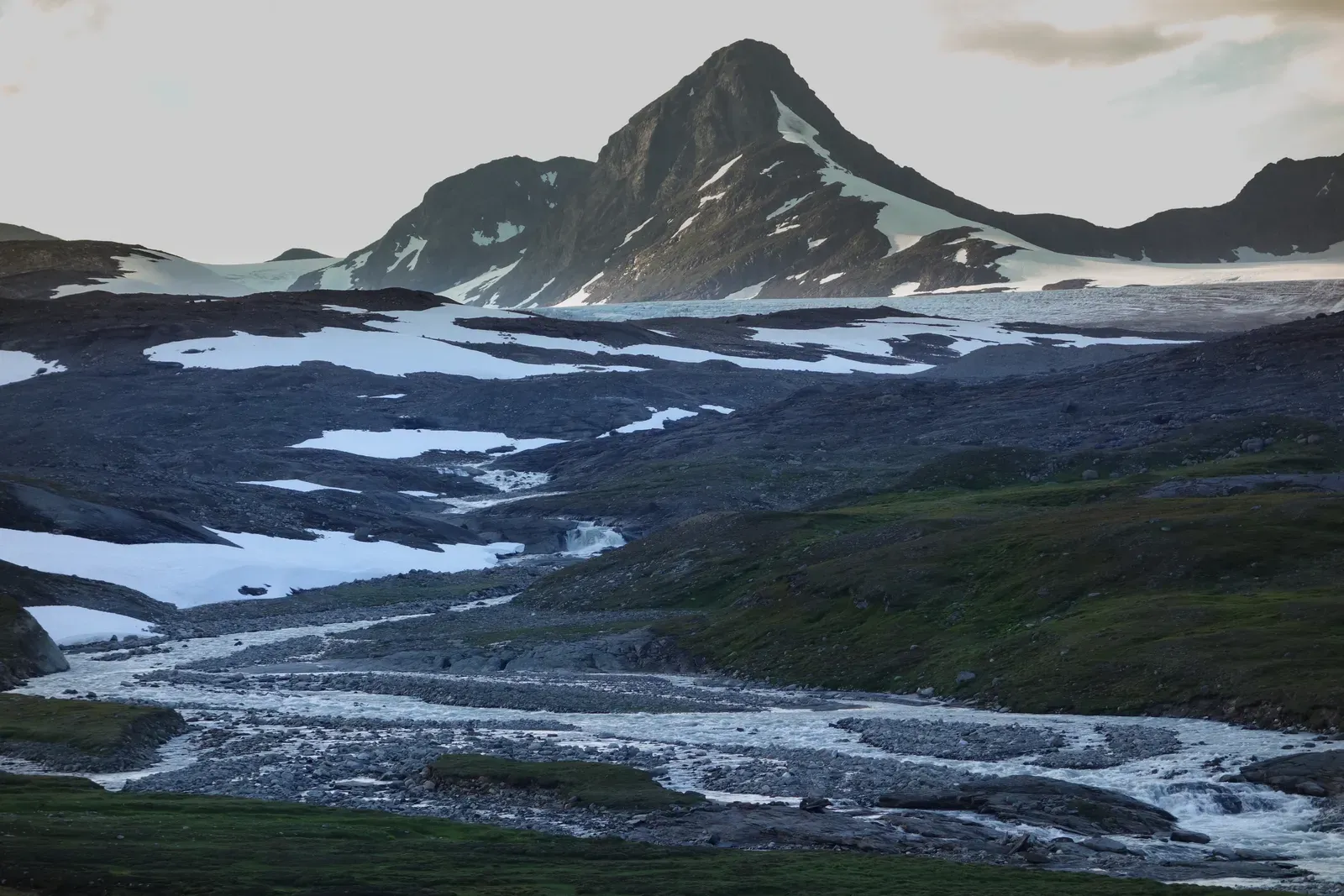
Here’s the wild part: during the last Ice Age, enormous ice sheets smothered much of North America, northern Europe, and parts of Asia under ice thicker than skyscrapers. Those frozen giants made huge swaths of the planet completely unlivable for humans, more like Antarctica than anything we’d recognize as home. As the climate warmed roughly eleven and a half thousand years ago and the Ice Age ended, those ice sheets retreated and exposed fresh ground that had been locked away for tens of thousands of years.
At first, those newly exposed landscapes were harsh – bare rock, melting glacial mud, and fragile pioneer vegetation. But once plants started to take root and animals moved in, humans followed, treating these areas like a new frontier. Northern Europe, Canada, and parts of Siberia slowly shifted from being lethal ice deserts to marginal, then viable, habitats. It was like an ultra slow-motion land release: every generation, there was just a bit more territory where people could push farther north and carve out a living.
2. Rising Sea Levels Drowned Ancient Coastal Homelands
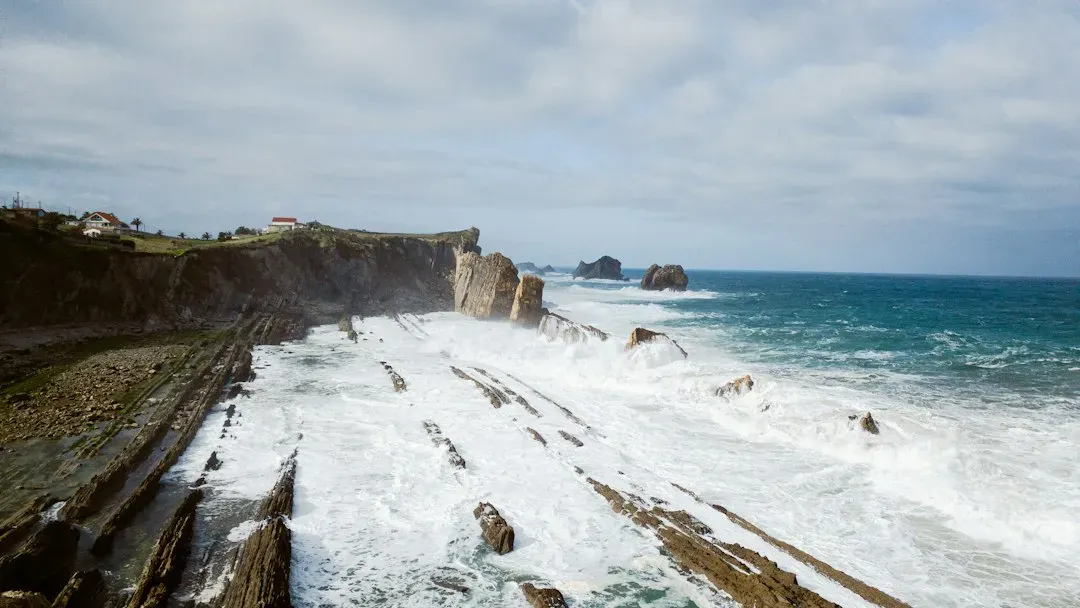
If the ice sheets were handing out new land in some places, they were stealing it in others. As all that meltwater poured into the oceans, global sea levels climbed dramatically, flooding coastlines and drowning low‑lying plains. Areas that once supported hunter‑gatherers, with rich fishing grounds and fertile estuaries, ended up beneath the waves. Think of it as millions of people’s “favorite spot by the river” vanishing over just a few thousand years.
Some of the most intriguing lost homelands are now continental shelves under shallow seas, like the flooded plains that once connected Britain to mainland Europe, or land bridges that linked continents. These were prime real estate in the late Ice Age, offering game herds, fresh water, and marine life. As seas rose, communities living there would have been gradually squeezed inland, sometimes forced into already occupied territories, sparking competition, cultural mixing, or both. That slow but relentless ocean creep dramatically pruned back where people could live along many coasts.
3. Land Bridges Appeared and Then Vanished, Redirecting Migration
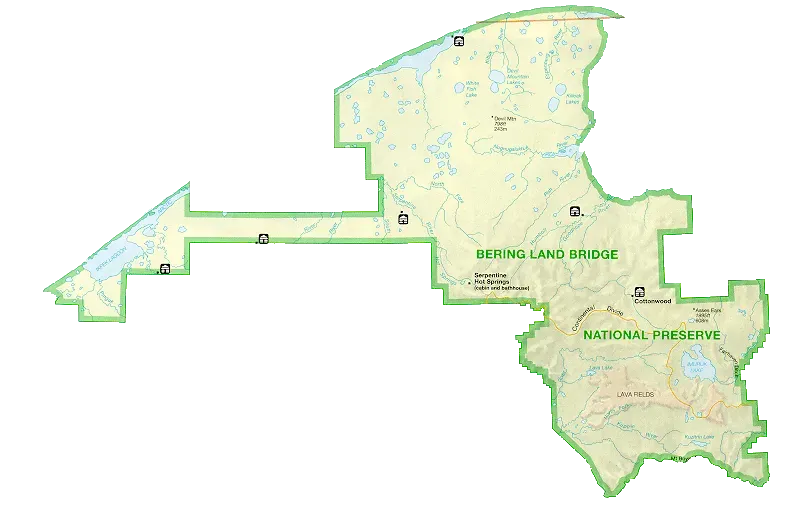
One of the most dramatic side effects of the Ice Age and its end was the way sea levels yo‑yoed, exposing and then submerging land bridges between continents. During the colder period, when much of the planet’s water was locked up as ice, sea levels were far lower, revealing natural highways across what are now seas. These routes made human migration into new regions possible in the first place, allowing people and animals to cross between lands that are separate today.
As the Ice Age ended and seas rose, those same bridges disappeared. That did more than change geography on a map – it cut off direct paths between populations. Once the water rose over these corridors, groups on either side became more isolated and had to adapt to their local landscapes without easy back‑and‑forth movement. In practical terms, the window for humans to enter certain regions eventually snapped shut, and from then on, where people could live depended far more on the land they already occupied and less on simple wandering into the next continent over.
4. Expanding Forests Transformed Open Hunting Grounds
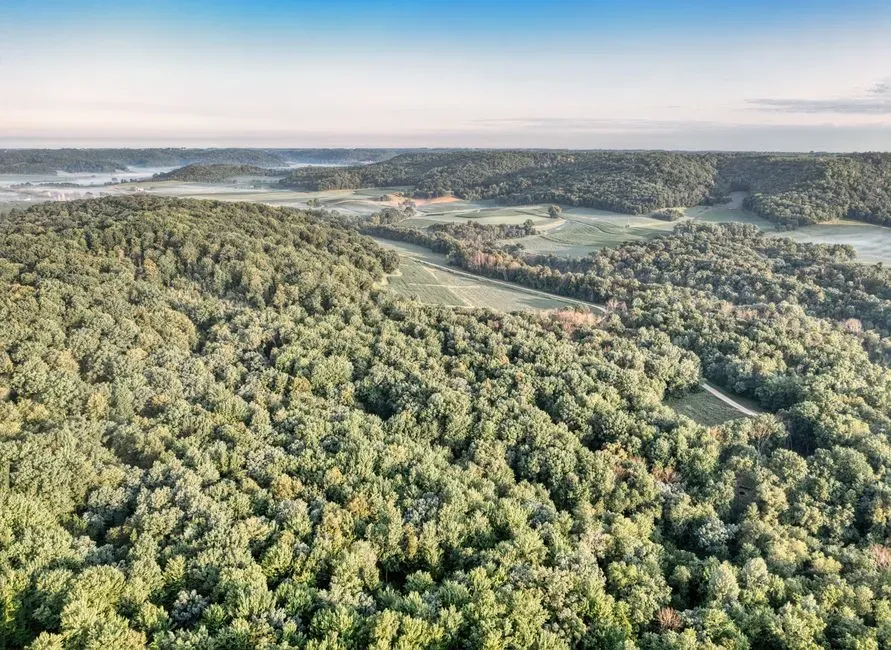
During the cold, dry peak of the Ice Age, huge areas of Eurasia and North America were covered in open steppe and tundra – the kind of wide, windswept, almost grassland‑like environment that supported massive herds of big animals. This “mammoth steppe” was a hunter’s dream: long sightlines, migratory herds, and room to follow game across vast distances. When the climate warmed and moisture increased, those open spaces did not stay open for long.
Forests advanced, first as scattered stands and then as continuous woods, turning open hunting plains into dense, shaded environments with very different resources. Instead of chasing megafauna across miles of grass, people had to learn to navigate trees, exploit smaller game, gather nuts and berries, and adapt technologies like bows, traps, and new kinds of tools. For many groups, this shift meant abandoning old ways of life tied to big herd migrations and learning to live in more localized, sometimes more constrained, forest habitats.
5. Changing Animal Populations Forced People to Rethink Home
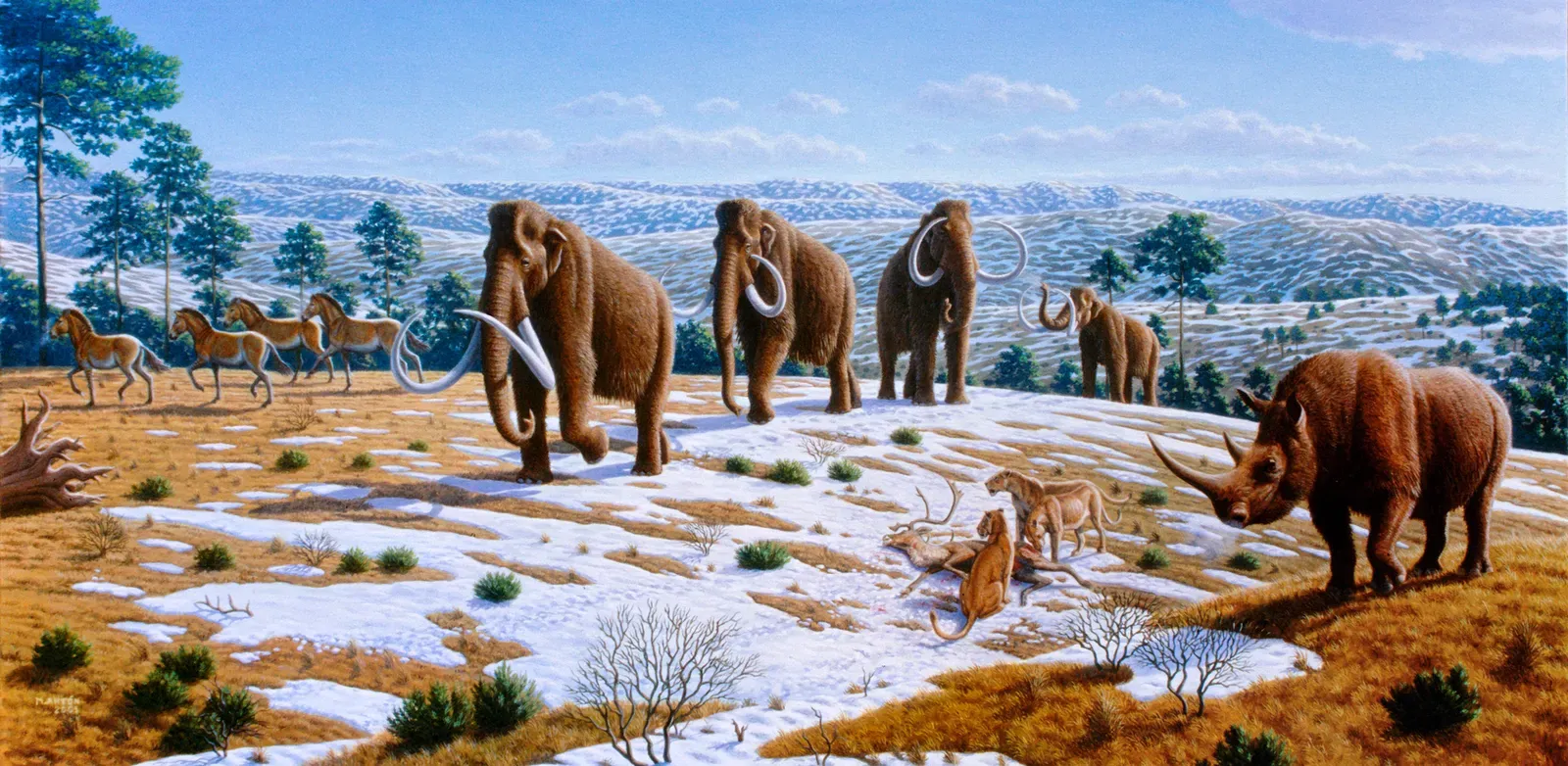
When the Ice Age ended, it was not only the ice that disappeared – many of the giant animals that thrived in cold open environments vanished too. Mammoths, woolly rhinos, giant deer, and other large Ice Age creatures either went extinct or saw their ranges shrink drastically. Whether driven mainly by climate change, human hunting, or a hard‑to‑untangle mix of both, the result for people was the same: the old game calendars and hunting routes fell apart.
Communities whose lives revolved around following large herds suddenly found those herds thinning out or vanishing altogether. That loss effectively made some regions less attractive or even unsustainable, pushing people to relocate toward places where smaller game, fish, or new plant resources offered more reliable food. In a way, the disappearance of these animals redrew the human map, turning some once‑prime habitats into abandoned “ghost ranges” and elevating river valleys, coasts, and forests as the new hot spots for survival.
6. Rivers, Lakes, and Wetlands Became Prime Real Estate
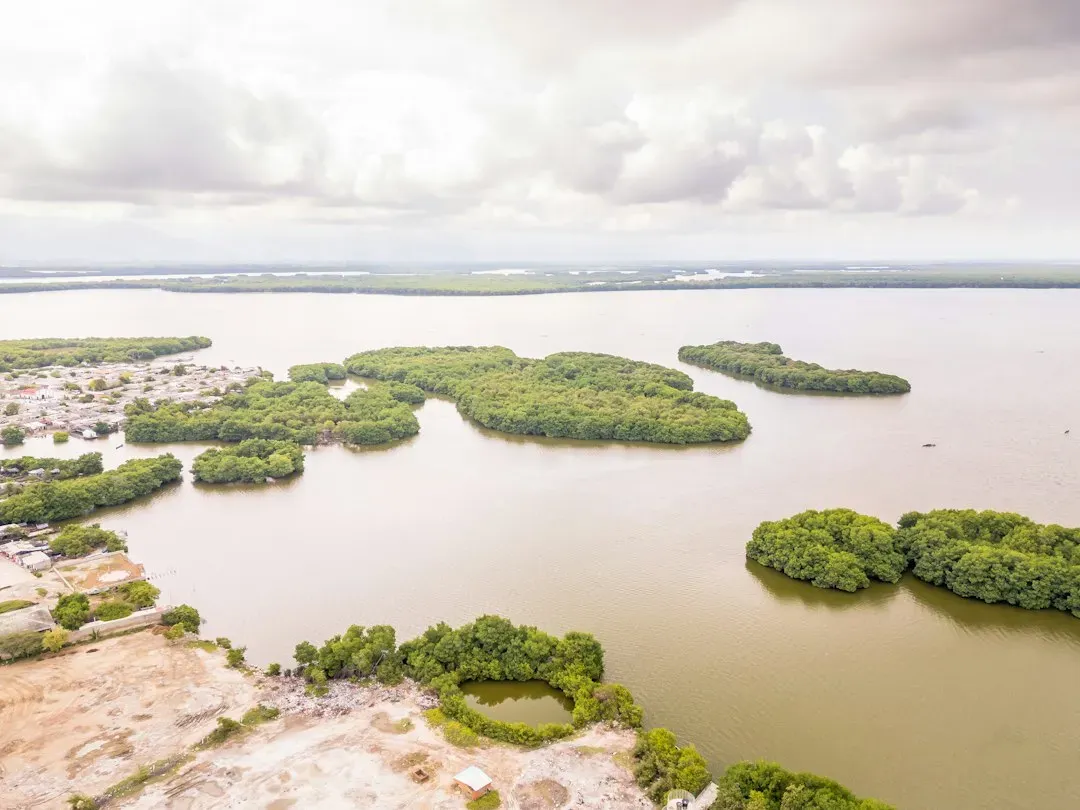
As glaciers melted, they did not just vanish – they carved and filled new basins, rerouted rivers, and left behind chains of lakes and wetlands. These water‑rich environments became magnets for human settlement because they concentrated so many resources in one place. Fish, waterfowl, edible plants, and fertile soils along their banks made them natural hubs in a post‑Ice Age world where old hunting territories were changing or collapsing.
For people used to roaming, waterside living offered a different model: more stability, seasonal camps, and eventually longer‑term or even semi‑permanent sites. The geography of rivers and lakes started to guide human movement in a stronger way, with communities clustering around reliable water sources rather than spreading thinly across drier landscapes. When you look at many enduring population centers today, they echo this same logic: where there is dependable water, humans tend to settle, especially after a period of upheaval.
7. New Coasts Opened Doorways to Marine‑Rich Lifestyles
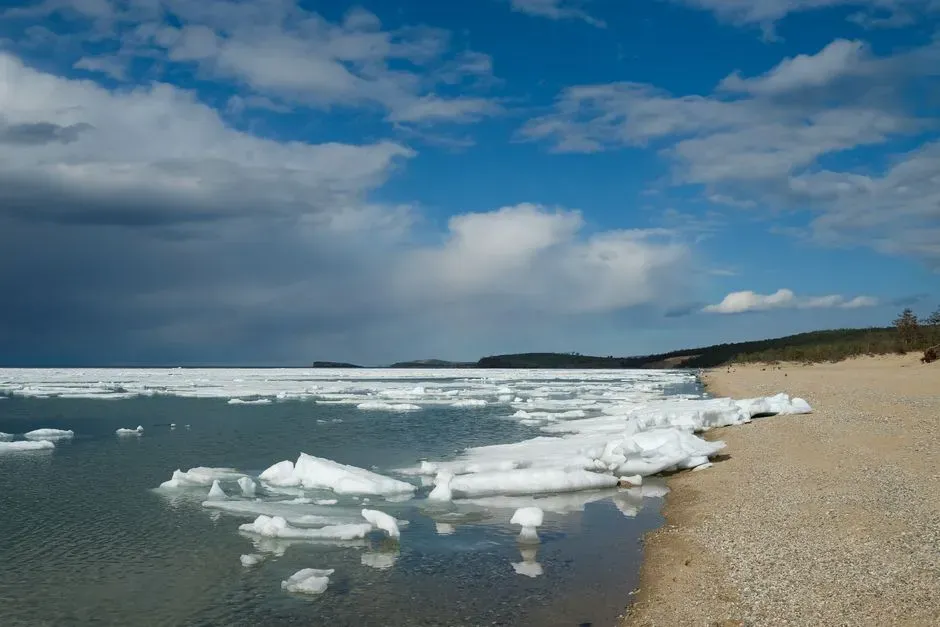
The end of the Ice Age erased some coasts but also created brand‑new shorelines as seas invaded former river valleys and lowlands. These younger coasts often came with rich marine ecosystems: tidal flats, estuaries, and near‑shore waters teeming with fish and shellfish. For people willing to experiment with boats, nets, and new fishing tools, these areas offered a surprisingly abundant way to live, sometimes more stable than chasing unpredictable land animals.
Shifting to coastal living was not just a small lifestyle tweak – it redefined where it made sense to build camps and communities. Places that had once been inland cliffs or river mouths became seaside spots with strategic advantages for travel and trade. I sometimes imagine a family deciding to gamble on this new “seafood economy,” moving closer to the water and slowly realizing that the tides could be just as dependable as a migrating herd had been to their grandparents. That kind of shift rooted people in specific, resource‑rich coastal zones that would anchor human populations for millennia.
8. Climate Stability Allowed Denser, More Permanent Settlements
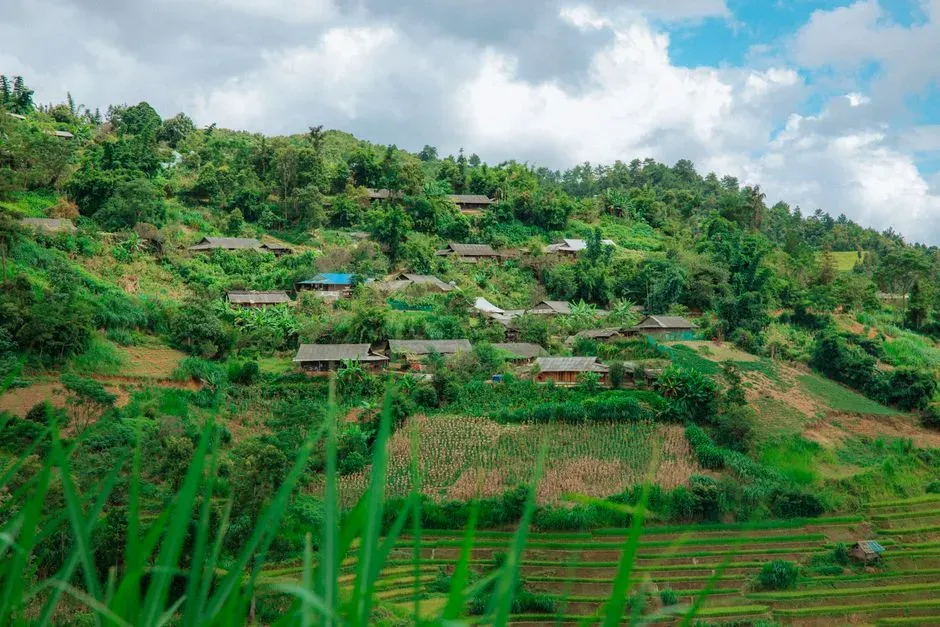
One of the less flashy but most important changes after the Ice Age was that the climate, while far from perfectly stable, became less wildly variable on human time scales. Instead of living on the edge of abrupt freezes or sudden warming pulses, people in many regions experienced more predictable seasons and temperatures. That predictability made it easier to plan ahead, store food, and invest effort in particular spots rather than constantly moving in fear that next year the environment would flip.
Over time, this greater stability encouraged denser and more permanent settlements, especially in regions with reliable resources like fertile floodplains or predictable rainfall. Once people started putting down deeper roots – building more substantial shelters, returning to the same spots year after year, experimenting with tending plants or managing herds – the definition of where humans could live expanded from “where we can follow the animals” to “where we can build a lasting home.” In my view, that shift in mindset, powered by the calmer post‑Ice Age climate, was one of the most profound changes in human history.
Conclusion: A World Still Shaped by Melting Ice
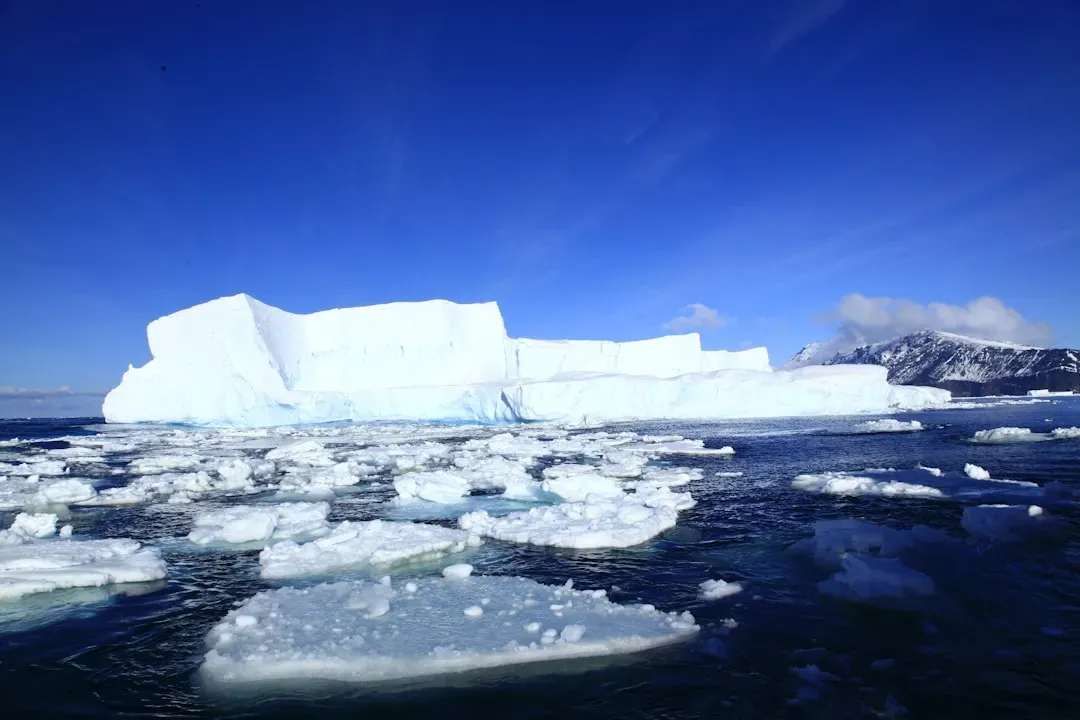
When you zoom out, the end of the Ice Age looks less like a gentle warming and more like a slow planetary earthquake that shook loose everything humans thought they knew about home. Ice sheets retreated, seas rose, forests surged, animals vanished, and waterscapes blossomed, forcing our ancestors to either adapt or be left behind. The places that became habitable, or suddenly uninhabitable, were not random – they followed the logic of climate, water, and living ecosystems, and people had to learn that logic the hard way.
To me, the most sobering part is how familiar this all sounds in the twenty‑first century, as we once again watch coastlines shift and climates change, only much faster this time. The last great deglaciation gave humans new opportunities, but it also pushed countless communities into stressful, sometimes desperate migrations. Remembering that our species has lived through a massive rearrangement of the world before should not make us complacent, but it should make us honest: where humans can live has never been fixed, and it will not be in the future either. The real question is whether we face the next round of changes with the same mix of resilience and reinvention – or wait until the water is at our door and the land has already moved on without us.