Everyone knows the Tyrannosaurus rex. The thundering footsteps, the tiny arms, the moment the cup of water starts to ripple. Hollywood has sold us the same apex predator story for decades, and we bought it completely. But here’s what the movies never told you: palaeontologists have been quietly building a very different case. Some of the most lethal predators ever to walk the earth didn’t crush bone like T. rex. They sliced, ambushed, coordinated, and in one case, hunted from the water. They were longer, faster, or smarter in the kill. And almost none of them ever made it to the big screen.
The nine animals below are not fringe theories or social media speculation. They come from peer-reviewed fossil evidence, trackway analysis, and bonebed discoveries that have genuinely shaken how palaeontologists rank predatory dinosaurs. Some of these have been known for decades and still get ignored by filmmakers. One was only described in the last few years. By the end of this list, the T. rex is still impressive. It just doesn’t hold the crown alone anymore.
#9 – Allosaurus: The Jurassic Butcher That Out-Hunted Its Size
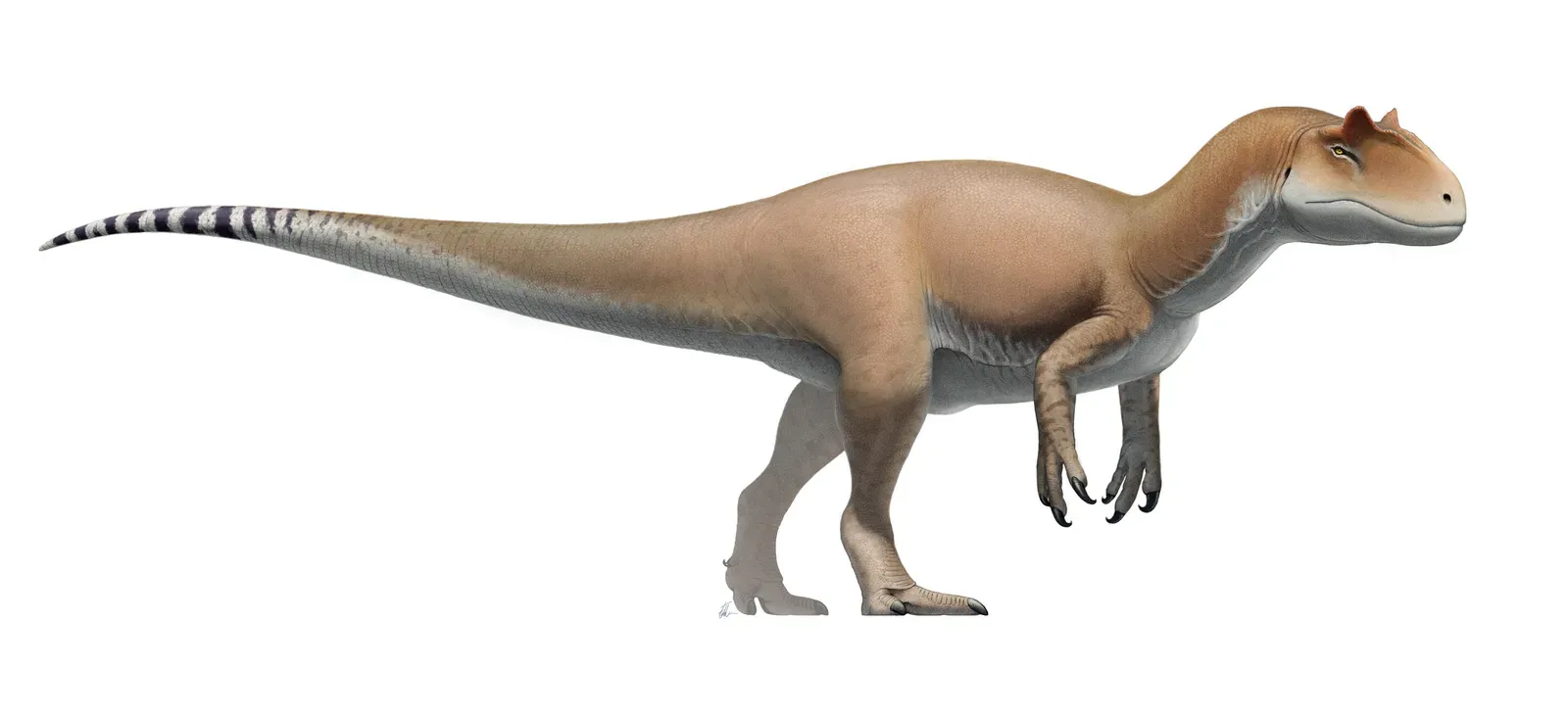
Allosaurus doesn’t get the respect it deserves, and that’s mostly Hollywood’s fault for making it look like a warm-up act. This Jurassic predator reached around 10 meters in length and carried a set of deeply serrated teeth designed not to crush but to carve. Where T. rex delivered a single bone-shattering bite and held on, Allosaurus used a hatchet-style attack, driving its upper jaw down like a weapon and pulling back, opening massive bleeding wounds. Against a creature the size of a Brachiosaurus, that strategy was brutally efficient.
What makes Allosaurus genuinely alarming to palaeontologists is the fossil evidence from sites like the Cleveland-Lloyd Dinosaur Quarry in Utah, where multiple individuals appear to have fed on the same large sauropod carcasses. Whether this reflects active coordinated hunting or opportunistic group feeding is still debated, but either way, multiple Allosaurus individuals converging on a single target changes the danger equation entirely. Its lighter, more agile frame also meant faster cornering and repeated strikes that a heavier tyrannosaur would have struggled to match. T. rex was the wrecking ball. Allosaurus was the blade.
Fast Facts
- Bite force estimated at roughly 3,572 N – less than a lion’s, but its skull could withstand forces up to 23 times that before yielding
- Carried 80 or more knife-like, front-and-back serrated teeth optimized for slicing, not bone-crushing
- Used a “hatchet” attack: jaws driven downward at high velocity like an axe, then slashed and pulled
- Fossils are the most common large predator remains in the Morrison Formation, suggesting enormous population success
- Lived approximately 155–148 million years ago during the Late Jurassic – roughly 80 million years before T. rex
#8 – Carcharodontosaurus: The Shark-Toothed Giant of Africa
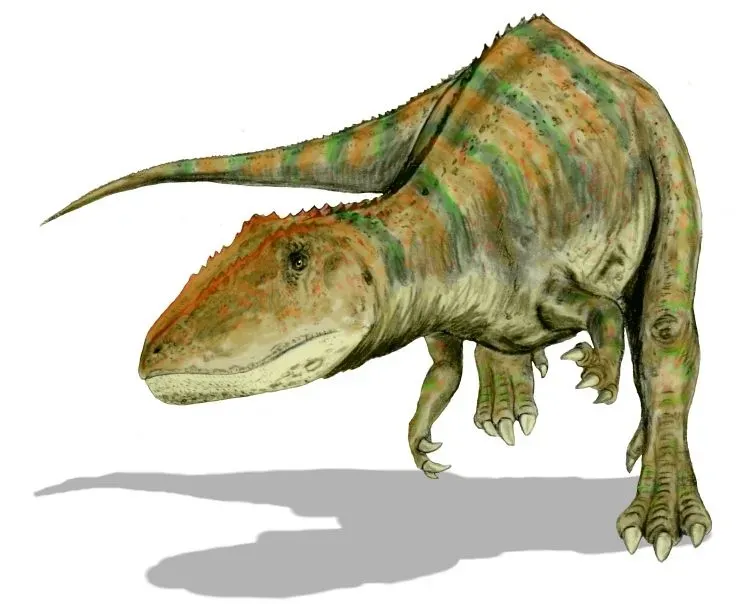
The name literally means “shark-toothed lizard,” and the fossil record backs up every syllable of that. Carcharodontosaurus stalked North Africa during the mid-Cretaceous and in several reconstructions edges out T. rex in total length, with a skull that could exceed 1.6 meters. But size alone isn’t the story. Its teeth were laterally compressed, serrated on both edges, and shaped almost identically to those of a great white shark. They were not built to grip or crush. They were built to slice through thick hide and muscle, opening wounds that caused catastrophic blood loss while the animal tried to flee.
This is where Carcharodontosaurus becomes genuinely unsettling as a predator. Its bite mechanics favored rapid, repeated strikes rather than a single sustained grip, which meant it could wound and disengage, wound and disengage, wearing prey down across distance. In the open terrain of Cretaceous North Africa, against enormous herbivores with nowhere to hide, that strategy was ruthless. Palaeontologists who have studied the skull proportions note that it likely had a wider gape than T. rex, giving it a reach advantage in the initial strike. It is one of the most dangerous animals that has ever lived on this planet. It has appeared in almost no major films.
#7 – Mapusaurus: The Pack-Hunting Titan Slayer
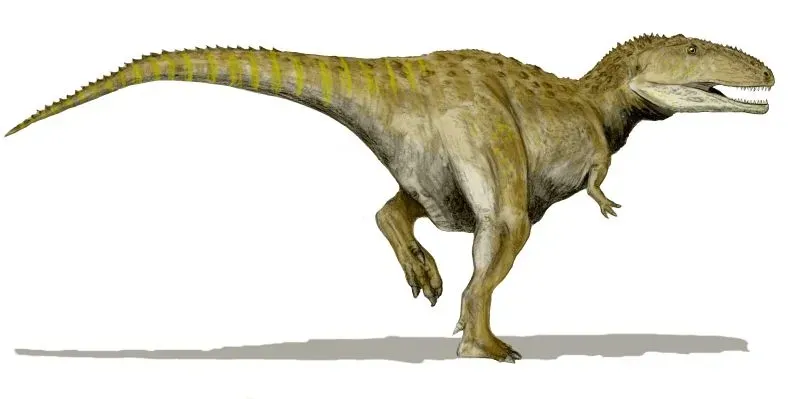
Mapusaurus fossils from Patagonia, Argentina, tell a story that should have made it a blockbuster villain years ago. The Candeleros Formation bonebed yielded remains of multiple Mapusaurus individuals of different ages preserved together, a pattern that strongly suggests social behavior in a predator stretching 10 to 12 meters. The leading hypothesis is that these animals hunted cooperatively, which would have made them capable of something no lone T. rex ever attempted: taking down Argentinosaurus, arguably the largest animal to ever walk on land.
Think about what that means in practice. Argentinosaurus estimates range from 70 to possibly 100 tonnes. A single Mapusaurus, for all its size and weaponry, could not bring that down alone. But a coordinated group attacking from multiple angles, targeting the flanks, the neck, the legs? The math changes completely. Mapusaurus also carried the carcharodontosaurid slicing teeth, meaning every attack opened another bleeding wound. Its longer limbs and lighter build compared to tyrannosaurs suggest it could sustain pursuit that a heavier predator would have abandoned. Palaeontologists who study group predation dynamics consider it one of the most strategically dangerous theropods ever documented.
At a Glance
- Bonebed excavated 1997–2001 in the Huincul Formation, Patagonia, yielded at least 7–9 individuals of varying ages
- Adults reached up to 12.5 meters (40 ft) in length – one of the longest carcharodontosaurids on record
- Teeth were blade-shaped, designed to slice flesh rather than crush bone, maximizing hemorrhagic damage per strike
- Shared its habitat with Argentinosaurus, a titanosaur estimated at up to 40 meters long and potentially 100 tonnes
- Named by Coria and Currie in 2006; its name means “Earth Lizard” from the Mapuche language
#6 – Giganotosaurus: The Argentine Length Champion
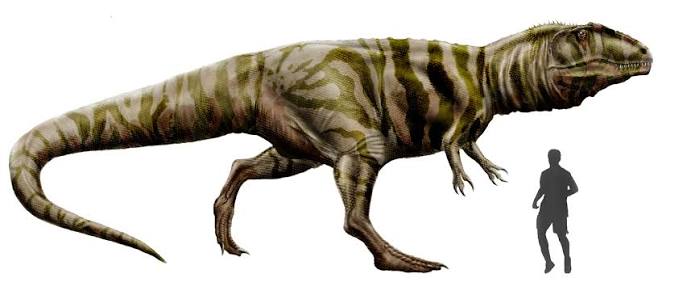
When Giganotosaurus carolinii was first described in 1995, it briefly knocked T. rex off its pedestal in the popular press before quietly being forgotten again. That’s a shame, because the fossil evidence is genuinely striking. Several reconstructions place it past 12 meters in total length with a skull that rivals or exceeds T. rex in size. It lived in what is now Patagonia alongside some of the largest titanosaur sauropods ever found, which tells you something important: the prey this animal regularly encountered was immense, and it still came out on top.
The key difference between Giganotosaurus and T. rex comes down to what their teeth were designed to do. T. rex teeth were thick, rounded, and built to handle bone. Giganotosaurus teeth were thinner, blade-like, and optimized for deep cutting through soft tissue. This made it a specialist in inflicting massive hemorrhagic wounds rather than pinning and crushing. Palaeontologists describe it as a predator that could wound efficiently at high speed and then track the damage it caused. Its lighter skeleton also gave it better acceleration over short distances. It was not a brute. It was a precision instrument scaled up to a terrifying size.
#5 – Utahraptor: The Oversized Sickle-Clawed Ambusher
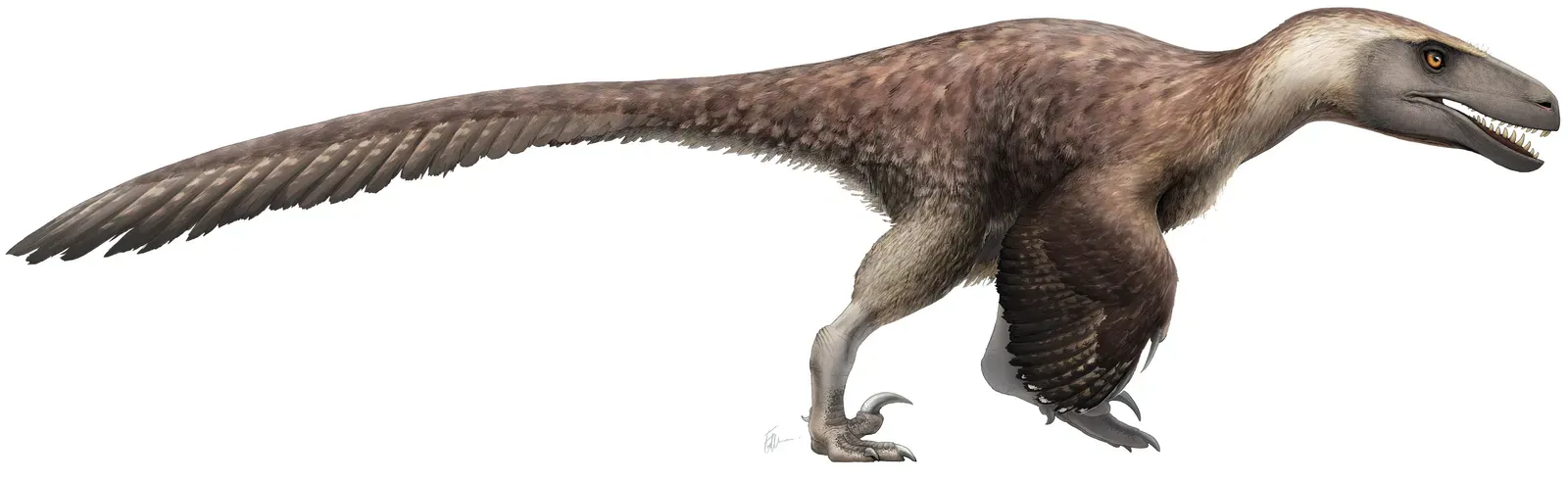
When Jurassic Park hit cinemas in 1993, audiences were terrified of Velociraptors portrayed as roughly human-sized killing machines. There was a darkly ironic problem with that: the filmmakers had essentially already stumbled onto the real Utahraptor without knowing it. Utahraptor ostrommaysorum, discovered in Utah and formally described that same year, reached close to 7 meters in length and weighed up to half a tonne. Its sickle claw measured around 24 centimeters. The movie raptors were basically a mislabeled version of a predator that actually existed and was significantly more dangerous.
What separates Utahraptor from the Hollywood raptor mythology is the combination of raw physical power with the intelligence and ambush capability associated with dromaeosaurs. It was not a fast, darting pursuit predator like its smaller cousins. It was heavy enough to pin large prey and strong enough to use those forelimb claws to hold struggling animals while delivering killing wounds. Bonebed evidence from Utah hints at possible group hunting behavior, which multiplies the threat considerably. An ambush from a single Utahraptor in dense terrain would have been nearly impossible to survive. A coordinated ambush from several would have been absolutely lethal to animals twice its size.
Quick Compare: Movie Raptor vs. Real Utahraptor
| Feature | Jurassic Park “Raptor” | Real Utahraptor |
|---|---|---|
| Length | ~1.8 m (Velociraptor actual) | Up to ~6–7 m |
| Weight | ~38–45 kg | ~280–500+ kg |
| Sickle claw | Exaggerated for drama | 24 cm – confirmed by fossil |
| Period | Late Cretaceous (film setting) | Early Cretaceous, ~135 mya |
#4 – Maip macrothorax: The Recently Uncovered Southern Nightmare
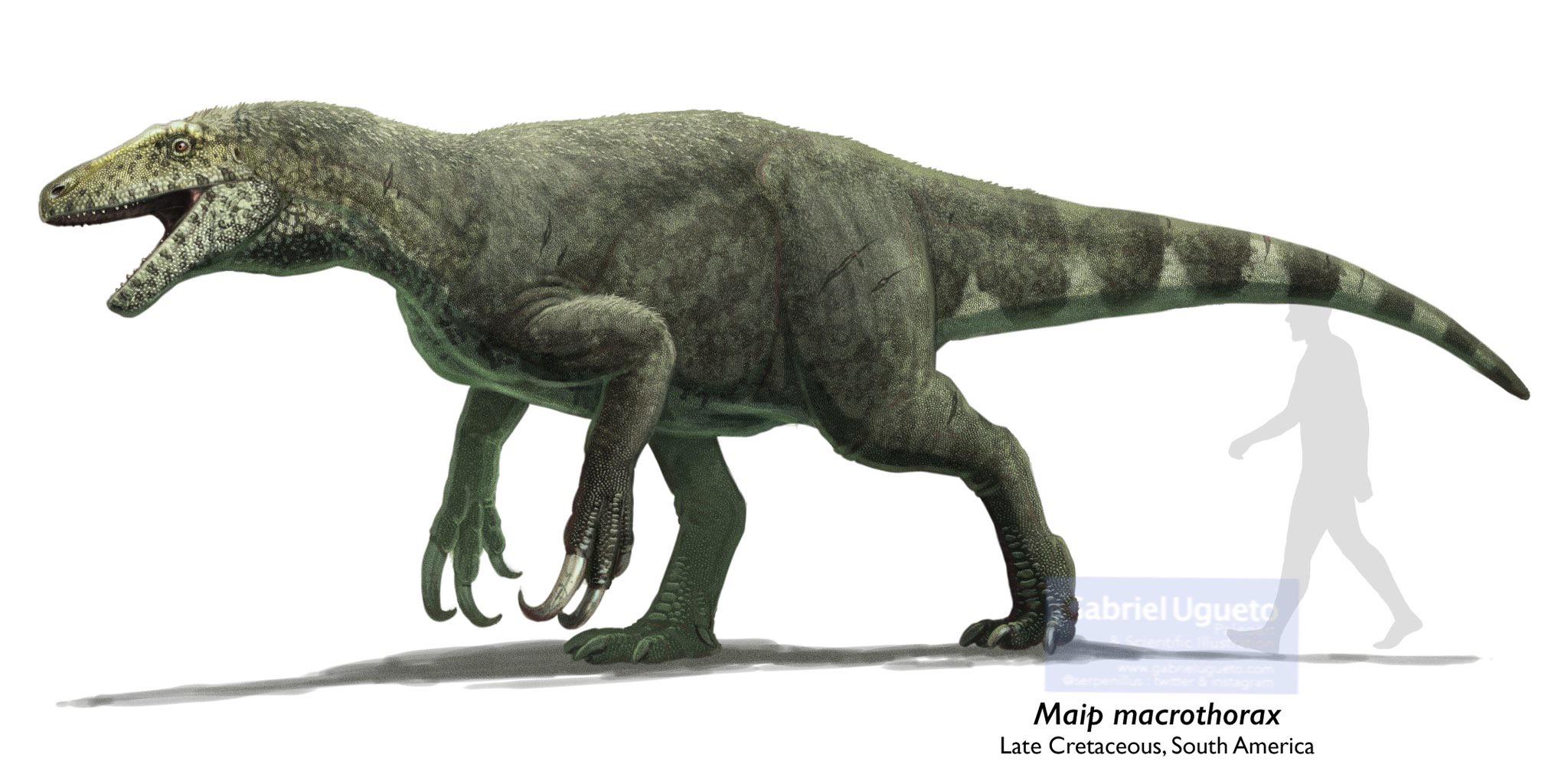
Most people have never heard of Maip macrothorax, and that is entirely because it was only formally described in 2022. That makes it one of the most recently named large theropods on this list and arguably the most underappreciated. Discovered in Argentina’s Patagonian deposits, Maip stretched an estimated 9 to 10 meters and belonged to the megaraptoran group, a lineage of predators defined by extraordinarily powerful forelimbs and massive hand claws. Its name translates roughly to “the shadow of death” from the indigenous Aónik’enk language, which the researchers considered fitting.
What makes Maip genuinely alarming, beyond its size and recent discovery, is the inferred hunting strategy. Megaraptorans are believed to have been grapple-and-kill predators, using their oversized arms and claws to seize prey and hold it immobile while delivering bites to vulnerable areas. Maip’s unusually deep chest, referenced directly in its species name macrothorax, suggests a powerful musculature supporting those forelimbs, making its grip potentially stronger than any comparable theropod in its ecosystem. It lived near the very end of the Cretaceous, meaning it was a contemporary of late-period giants. The fact that it has zero cinematic presence while inferior fictional monsters get sequels is one of palaeontology’s great PR injustices.
#3 – Acrocanthosaurus: The High-Spined Texas Predator
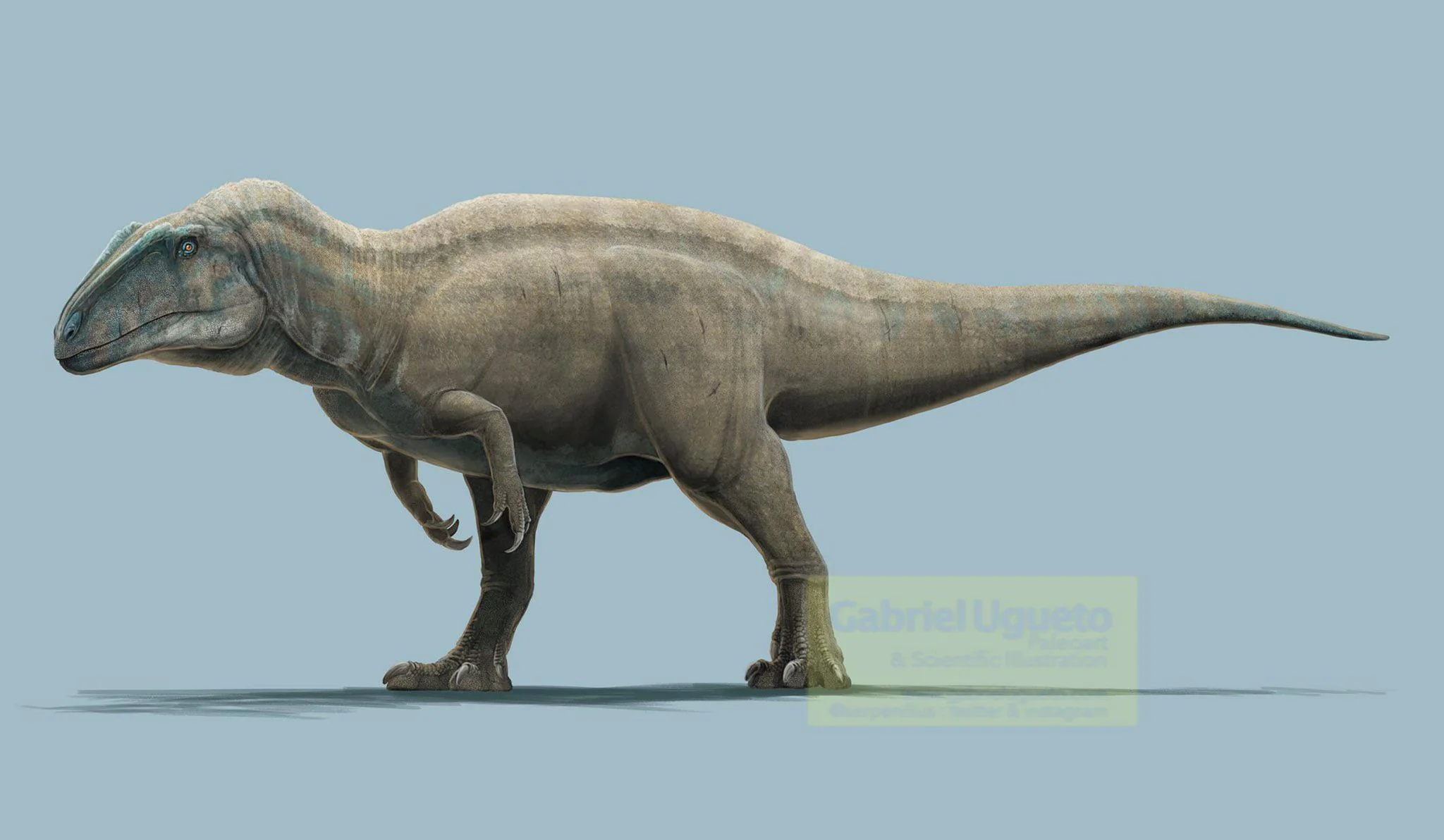
Acrocanthosaurus atokensis roamed what is now the American Southwest and Southeast during the Early Cretaceous, and it did so with a set of credentials that should have made it a household name. It measured 11 to 12 meters long and carried a row of elongated neural spines along its back that formed either a pronounced ridge or possibly a muscular hump, the function of which palaeontologists still debate. Bite force estimates place it close to T. rex levels, which is extraordinary given that it predates the tyrannosaur lineage’s peak dominance by tens of millions of years.
What the trackway evidence reveals about Acrocanthosaurus is particularly compelling. Fossil footprints from the Paluxy River site in Texas preserve what appears to be an Acrocanthosaurus actively stalking a large sauropod, with the predator’s tracks showing a direct, purposeful line toward the herbivore’s prints. This is not the behavior of an opportunistic scavenger waiting for something to die. This is an active hunt, recorded in stone. Palaeontologists who study these trackways describe it as one of the clearest behavioral snapshots of predation in the entire dinosaur fossil record. Acrocanthosaurus was not an accident of evolution. It was a refined, persistent, powerful killer operating at the top of a complex food web for millions of years.
Worth Knowing
- Lived approximately 113–110 million years ago – tens of millions of years before T. rex evolved
- Neural spines along its back were up to 3–4 times the height of the vertebrae themselves, forming a distinctive ridge or sail
- Fossil trackways at the Paluxy River, Texas show one of the most complete predator-pursuit sequences in the entire fossil record
- Operated across what is now Texas, Oklahoma, and the American Southeast as the dominant apex predator of its time
- Despite North American origins and dramatic anatomy, it has never featured as a lead antagonist in any major film franchise
#2 – Tyrannotitan: The Early South American Powerhouse
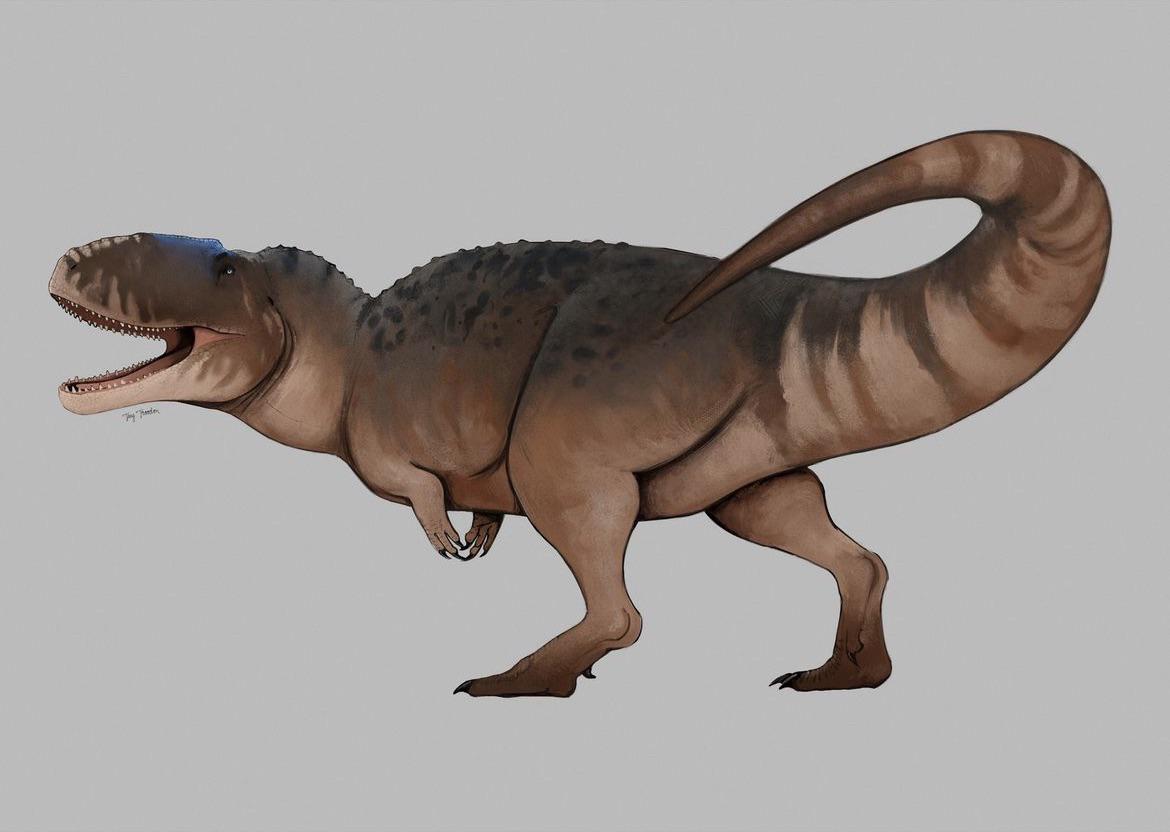
Tyrannotitan chubutensis from Patagonia deserves far more attention than its near-total absence from popular culture suggests. This carcharodontosaurid predator lived during the Early Cretaceous, which means it was terrorizing its ecosystem tens of millions of years before T. rex even existed. It reached lengths comparable to later tyrannosaurs and carried the same shark-blade slicing teeth that defined its family, combining substantial size with the precise, wound-inflicting bite mechanics that made carcharodontosaurids so effective against large prey.
What genuinely intrigues palaeontologists about Tyrannotitan is the multi-individual fossil formation where its remains were found. Multiple specimens recovered from the same deposit raise the possibility of social tolerance at minimum, and possibly cooperative hunting behavior, in an animal this size. If Tyrannotitan operated in any coordinated capacity, it would have been capable of tackling the enormous sauropods that dominated its South American environment in a way that made resistance essentially futile. The broader significance here is evolutionary: it proves that the combination of size, slicing weaponry, and potential social behavior was not a late-period accident. These traits were assembled and refined over an enormous span of geological time, long before Hollywood’s favorite predator appeared.
#1 – Spinosaurus: The Semi-Aquatic Length Record Holder
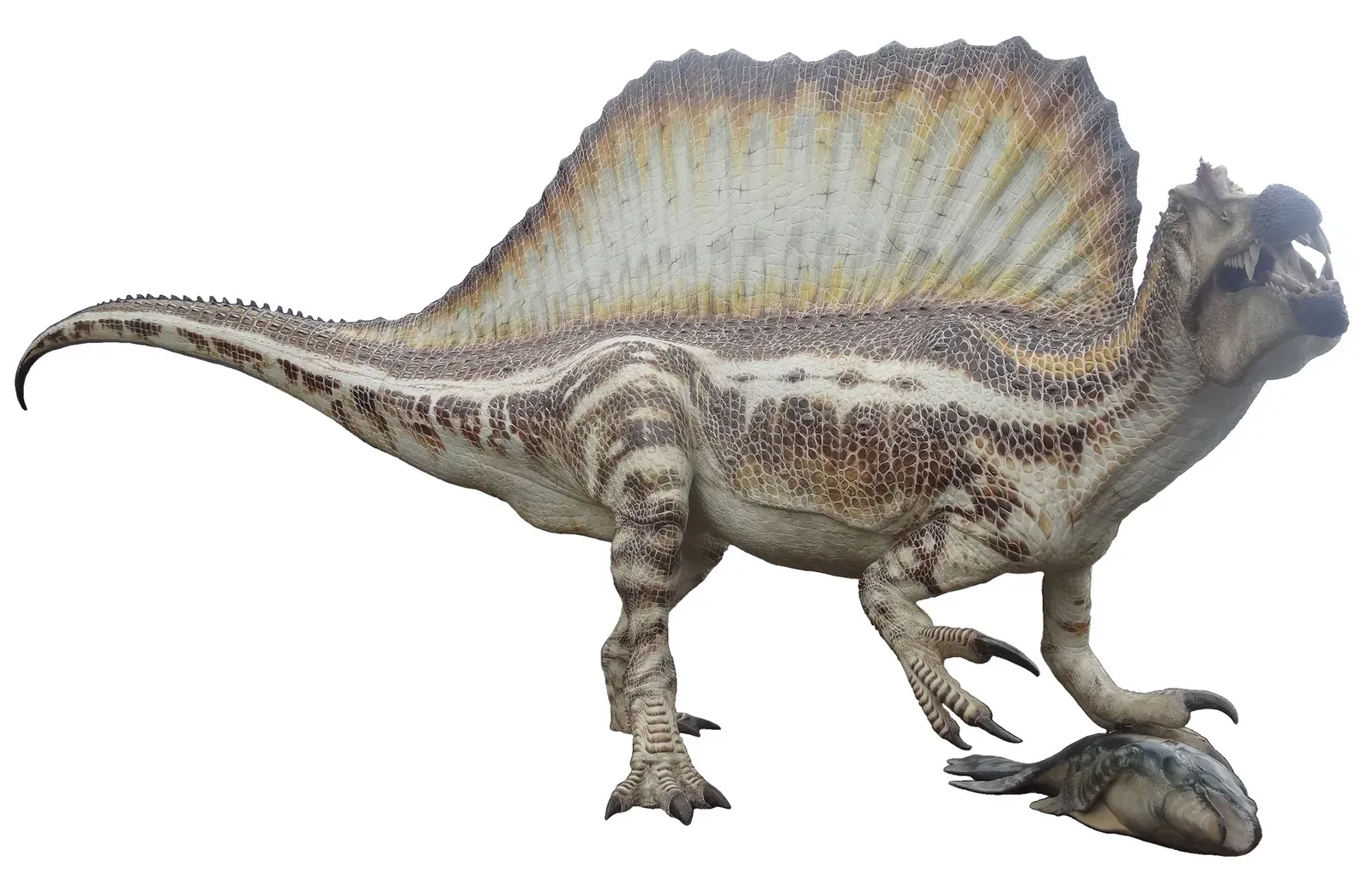
Spinosaurus aegyptiacus is the largest carnivorous dinosaur currently known to science, and it isn’t particularly close. Estimates based on revised skeletal reconstructions, particularly following the landmark 2020 study by Nizar Ibrahim and colleagues, place it at 14 to possibly 15 meters or more in length. That is longer than T. rex by a significant margin, longer than Giganotosaurus, longer than Carcharodontosaurus. But raw length is almost the least interesting thing about it. What makes Spinosaurus genuinely unprecedented is that it appears to have been semi-aquatic in a way no other large theropod was, hunting fish and aquatic prey in the river systems of Cretaceous North Africa while also being physically capable of operating on land.
Spinosaurus was the largest predatory dinosaur that ever lived. It was more at home in the water than on land, and that makes it unlike anything else we’ve ever found.
Nizar Ibrahim, Palaeontologist, University of Portsmouth
The 2020 research revealed that Spinosaurus had dense bones reducing buoyancy, short rear limbs repositioned for paddling, and a long flexible tail shaped for propulsion through water. Its elongated crocodilian snout was packed with conical teeth perfectly suited for gripping slippery fish. What this means in predatory terms is genuinely extraordinary: Spinosaurus could access prey resources in two completely different environments that no other large theropod could exploit. It faced less direct competition. It had more food security. And on the occasions it did encounter terrestrial prey near the water’s edge, its sheer size and ambush positioning from the river would have made the encounter catastrophic for the prey. Palaeontologists increasingly regard it not just as the longest theropod but as the most ecologically versatile predator the Mesozoic ever produced.
Why It Stands Out
- Estimated at 14+ meters in length – the longest predatory dinosaur currently known to science
- Bones were 30–40% denser than other theropods, reducing buoyancy and enabling wading over 6 feet deep without floating
- Fossils concentrated in Morocco’s Kem Kem beds and Egypt’s Bahariya Formation – ancient floodplain and river delta systems
- Conical, unserrated teeth interlocked to grip slippery aquatic prey – a completely different toolkit from every other large theropod
- The 2020 tail discovery confirmed a paddle-like, laterally compressed tail unique among dinosaurs, adding propulsive capacity in water
- Could exploit two entirely separate prey ecosystems – aquatic and terrestrial – that no other giant theropod could access
The Verdict
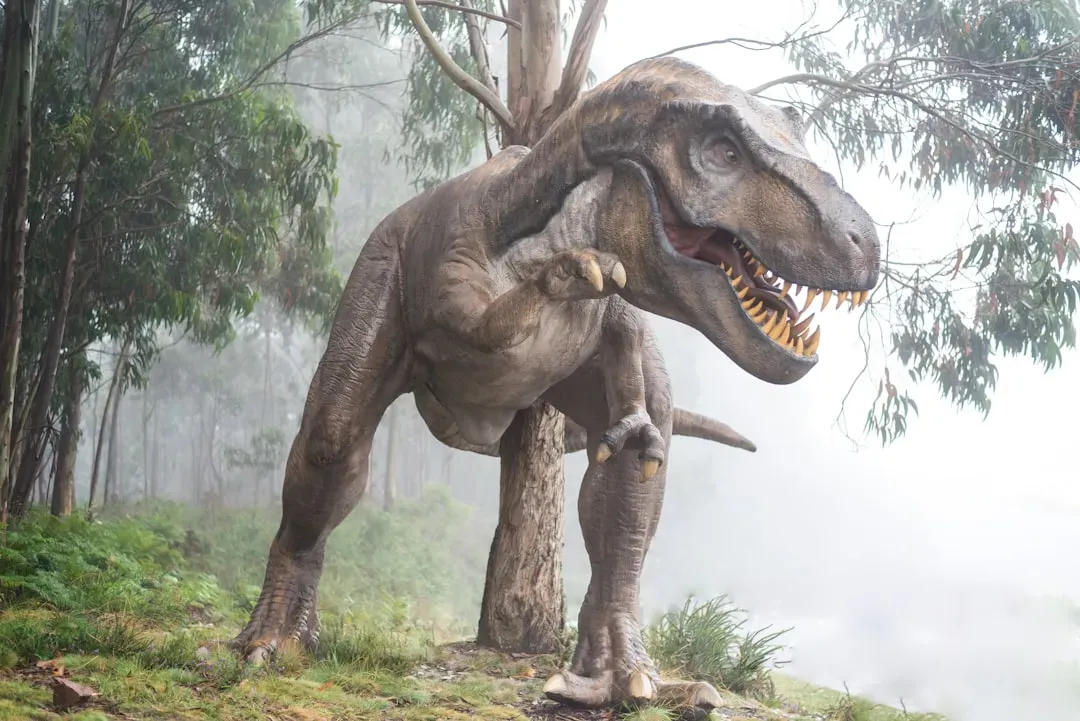
Here’s the honest opinion: T. rex was extraordinary. Its bite force remains unmatched among theropods. Its sensory capabilities were remarkable. It deserves its fame. But the fossil record has spent the last thirty years systematically dismantling the idea that it was uniquely dangerous in a category of its own. Spinosaurus was longer and ecologically untouchable in its range. Giganotosaurus and Carcharodontosaurus were arguably more efficient killers at scale. Mapusaurus and Utahraptor suggest that coordinated hunting multiplied danger in ways that sheer size never could. And Maip macrothorax only entered the scientific record two years ago, which means we are almost certainly still finding predators that would rewrite this list.
What is genuinely frustrating is that Hollywood keeps returning to the same handful of species while a roster of legitimately terrifying, scientifically documented predators sits ignored in the palaeontological literature. These animals are not obscure for lack of drama. They are obscure for lack of attention. The real question isn’t which of these was worst to encounter in the wild. The real question is why we keep settling for a smaller, less interesting version of prehistoric history when the full picture is so much more unsettling.