Imagine a giant, long-necked herbivore the length of a city bus, plodding across a vast ancient supercontinent, following rivers toward distant highlands – not because it had a map, but because its survival depended on it. When you think of dinosaurs, you probably picture them frozen in one spot, roaming a fixed prehistoric territory. The truth is far more remarkable.
Paleontologists have spent decades piecing together one of the greatest travel stories in Earth’s history. How did the same dinosaur families end up on opposite sides of the globe? How did creatures that couldn’t fly or swim oceans make it to isolated landmasses? The answers involve shifting continents, crumbling sea levels, chemical signals locked inside ancient teeth, and theories bold enough to spark serious scientific debate. Be surprised by what you are about to discover.
Theory 1: The Pangaea Superhighway – When One Continent Was Their Whole World
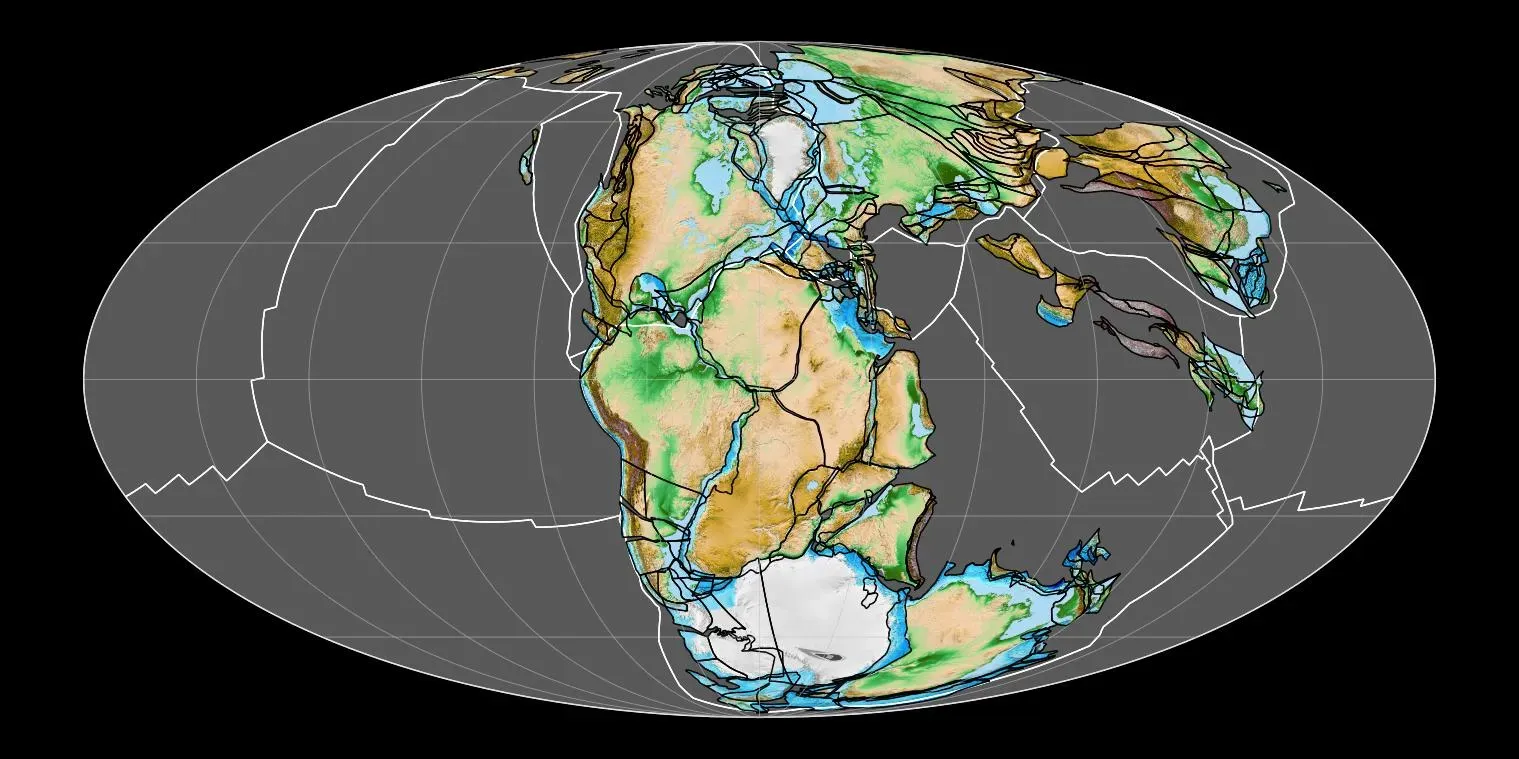
Here is the thing that blows most people’s minds right away. Before the world looked anything like it does today, there was essentially one giant landmass. Pangaea was a supercontinent that existed between roughly 270 and 200 million years ago, containing most of the world’s current continents in a single landmass. For dinosaurs, this was not a barrier. It was an open road.
Fossil records revealed that dinosaurs trekked across the supercontinent Pangaea some 230 to 66 million years ago. Think of it like a single, enormous continent-sized country where dinosaurs could walk from what is now South America all the way toward what would eventually become Europe, with absolutely nothing stopping them. Pangaea was the birthplace of the dinosaurs and other species that later colonized the entire planet.
Theory 2: South America as the Original Launchpad
You might assume that the migration story starts everywhere at once, but researchers have a far more specific and striking hypothesis about the origin point. After analyzing the relationship among early dinosaurs, paleontologists hypothesized that they were found in a part of Pangaea which is now known as South America. The dinosaurs then dispersed more than 220 million years ago across parts of Pangaea that later became separate continents. That is a staggering journey measured in tens of millions of years.
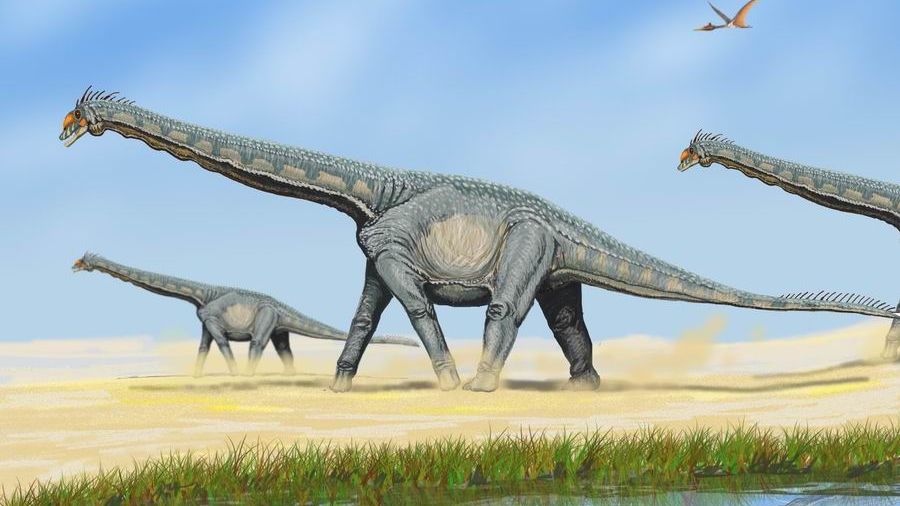
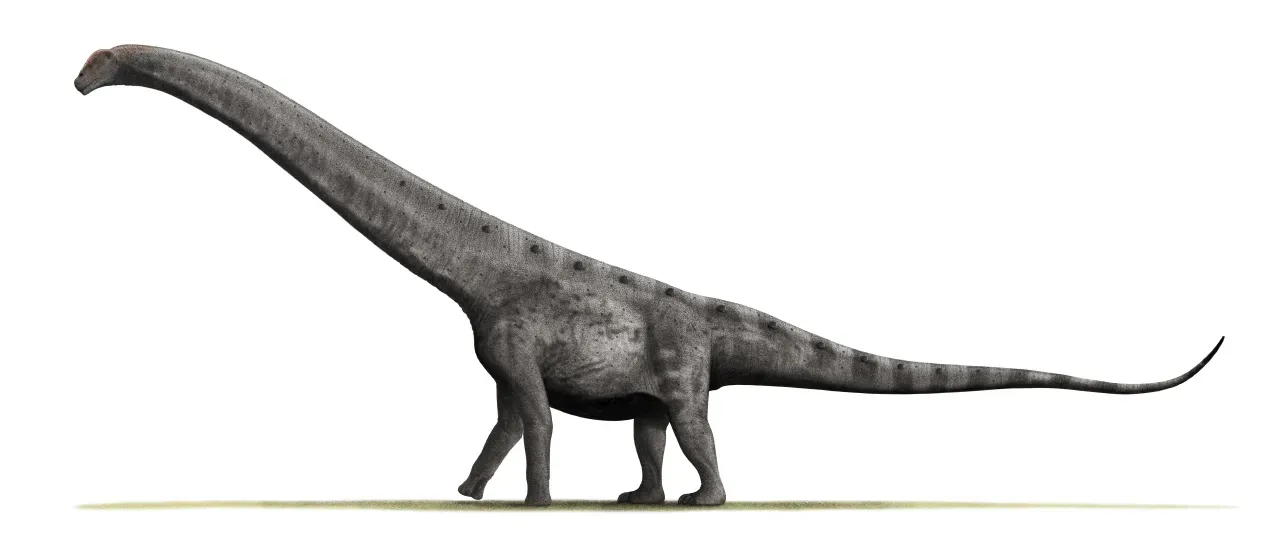
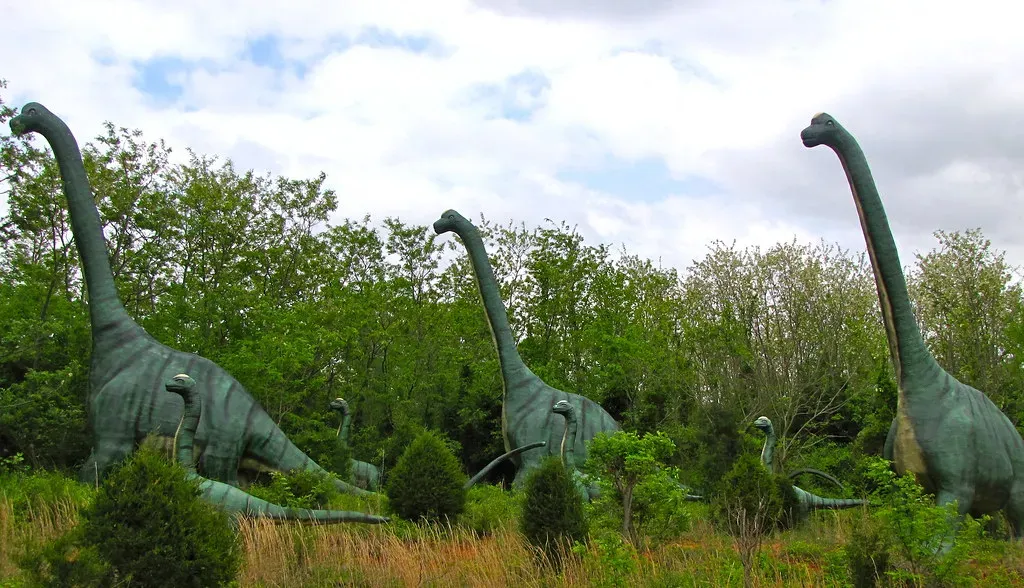
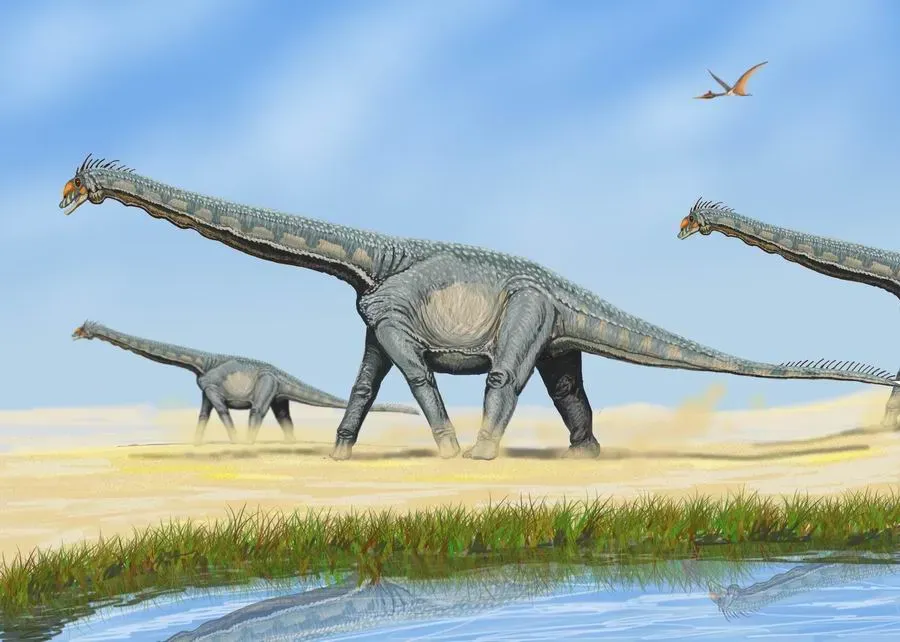
One well-documented migration route is the spread of sauropod dinosaurs, the colossal, long-necked herbivores. Evidence suggests that these massive creatures originated in South America and then dispersed northward, eventually reaching North America and Eurasia. This dispersal was facilitated by the gradual separation of the South American and African landmasses, creating new opportunities for these giants to explore and thrive in new environments. Honestly, when you picture a Brachiosaurus lumbering northward through lush Pangaean lowlands, it gives the whole story a certain epic quality that no documentary fully captures.
Theory 3: Climate Unlocked the Migration Routes
This is one I personally find jaw-dropping, because it suggests that weather – not geography – was the master key. Researchers theorize that plummeting CO2 levels and the sauropodomorph migration are linked. They suggest that the milder levels of CO2 may have helped remove climatic barriers that had limited the sauropodomorphs to South America. So the very atmosphere was, in a sense, a kind of fence that eventually came down.
Scientists explained that on a planet supercharged with CO2, there were likely climate extremes that would have prevented the dinosaurs from migrating. When the CO2 levels dipped 215 to 212 million years ago, the tropical regions may have become more mild, and the arid regions could have become less dry. Certain passageways may have developed, such as along rivers or lakes, that would have helped sustain the herbivores along the way. It is remarkable to think that something as invisible as atmospheric chemistry could open or close continental migration corridors for animals the size of houses.
Theory 4: Temporary Land Bridges and the Power of Shifting Seas
So what happened once the continents started pulling apart? You might assume the migrations simply stopped. They did not. Dinosaurs may have been able to move across continents, and between islands, by the formation of temporary land bridges, which could have formed because of fluctuating sea levels during the Cretaceous era. This is one of the most elegant solutions scientists have proposed, and it keeps popping up in research time and again.
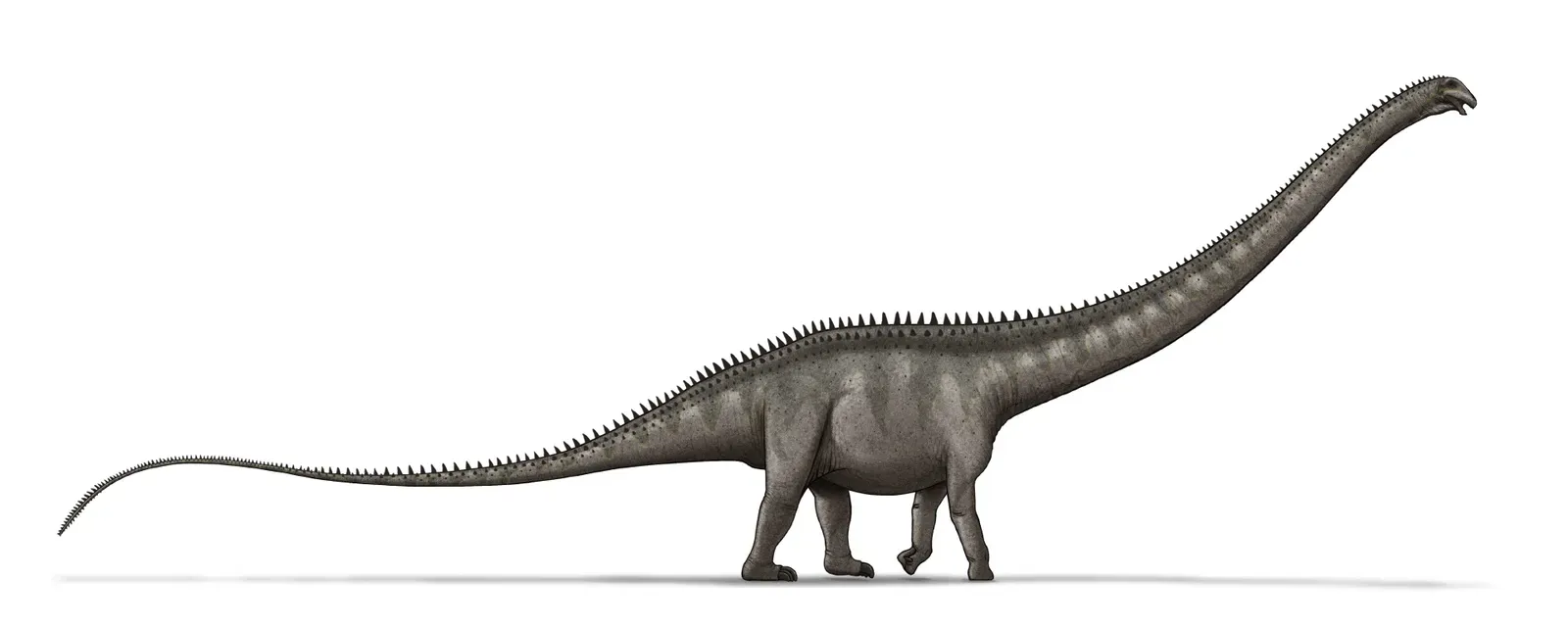
A land route may have connected eastern Canada and the Iberian Peninsula around 150 million years ago. That bridge would have allowed animals to hop between Europe and North America, including species of Supersaurus and Allosaurus alongside turtles, lizards, and early mammals. Tectonic activity could have lifted ocean shelves above sea level, creating narrow strips of land around 80 to 160 kilometers across. Picture a muddy, low-lying strip of land barely wide enough to see across – yet wide enough for an entire parade of prehistoric giants to cross.
Theory 5: Europe as a Migration Hub and Cradle of Speciation
Here is a theory that challenges the simple idea of migration as a one-way outward flow. One striking pattern is that although Europe shows a high degree of outward connectivity in the Jurassic and Early Cretaceous, there are no inward connections to Europe in the Early to Mid Jurassic. In other words, dinosaur families were leaving Europe while no new families were arriving on the continent. That pattern is genuinely strange, and researchers have wrestled with it.
Europe, with its extensive fossil record, may have served as a hub for dinosaur diversity, leading to migrations to other areas. This theory suggests that the availability of suitable habitats and resources, as evidenced by the fossil record, influenced the movement of dinosaurs over vast distances. Europe’s isolation and subsequent reconnection acted as a driving force for the evolution and expansion of new dinosaur groups. Let’s be real – it is a fascinating thought that Europe may have functioned like a prehistoric evolutionary pressure cooker, churning out new species that then spilled outward across the planet.
Theory 6: Island Hopping and the Stepping Stone Hypothesis
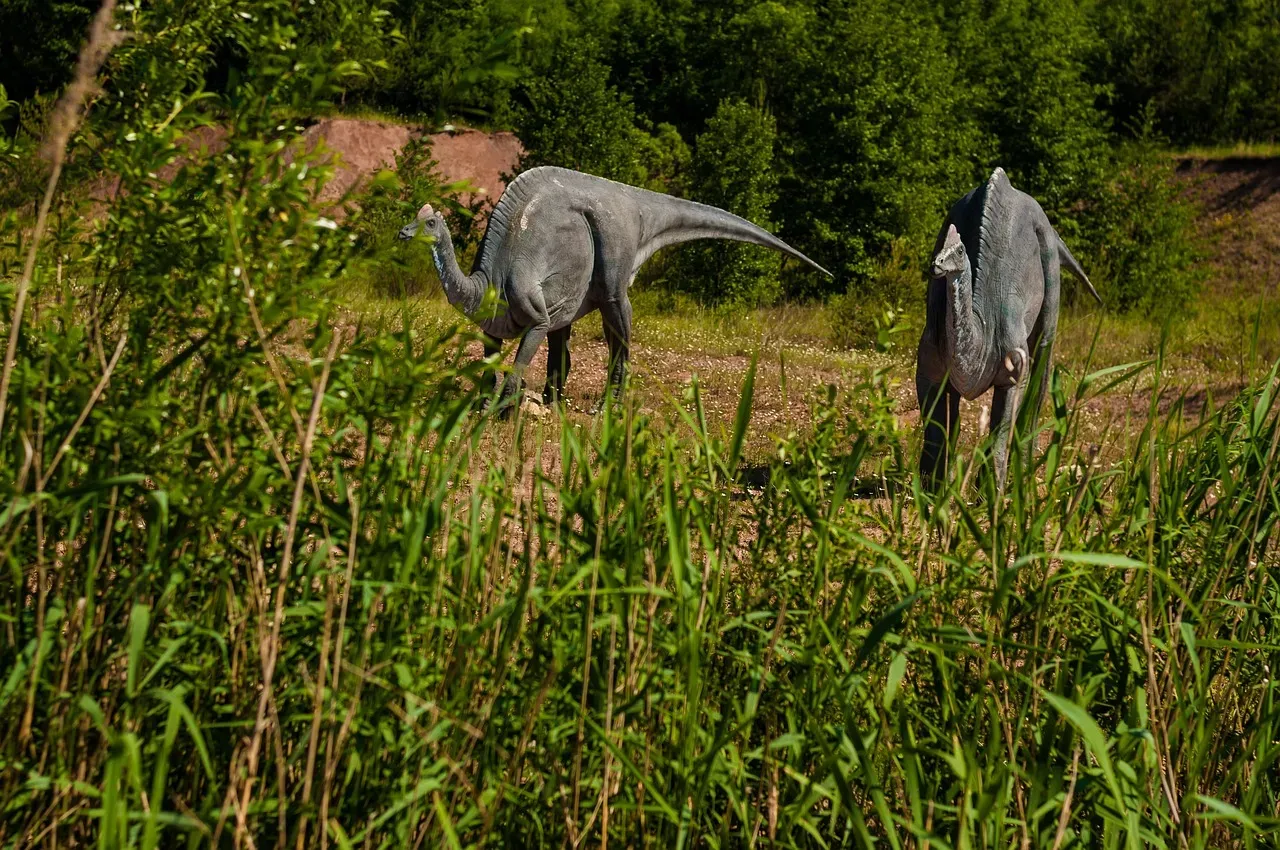
One of the most vivid and almost cinematic theories in paleontology is the idea that dinosaurs did not need a full land bridge. They may have hopped. The bridges may have been more like stepping stones than an unbroken migration highway. As paleontologist Anne Schulp noted, a narrow body of water is not impenetrable – you do not need a full bridge. Small gaps between ancient islands could have allowed animals to cross short stretches of shallow sea.
The land masses may not have been as strictly separated as often claimed, but connected by island archipelagos that allowed for island hopping as dispersal routes. Duckbill dinosaurs, for example, originated during the Late Cretaceous in North America and later spread via a land bridge to Eurasia. The unexpected discovery of duckbill dinosaurs in Africa further pushed researchers to consider these island-chain crossings as viable pathways. It sounds almost implausible – and yet the fossil evidence keeps pointing in that direction.
Theory 7: The River Corridor Theory – Following the Water
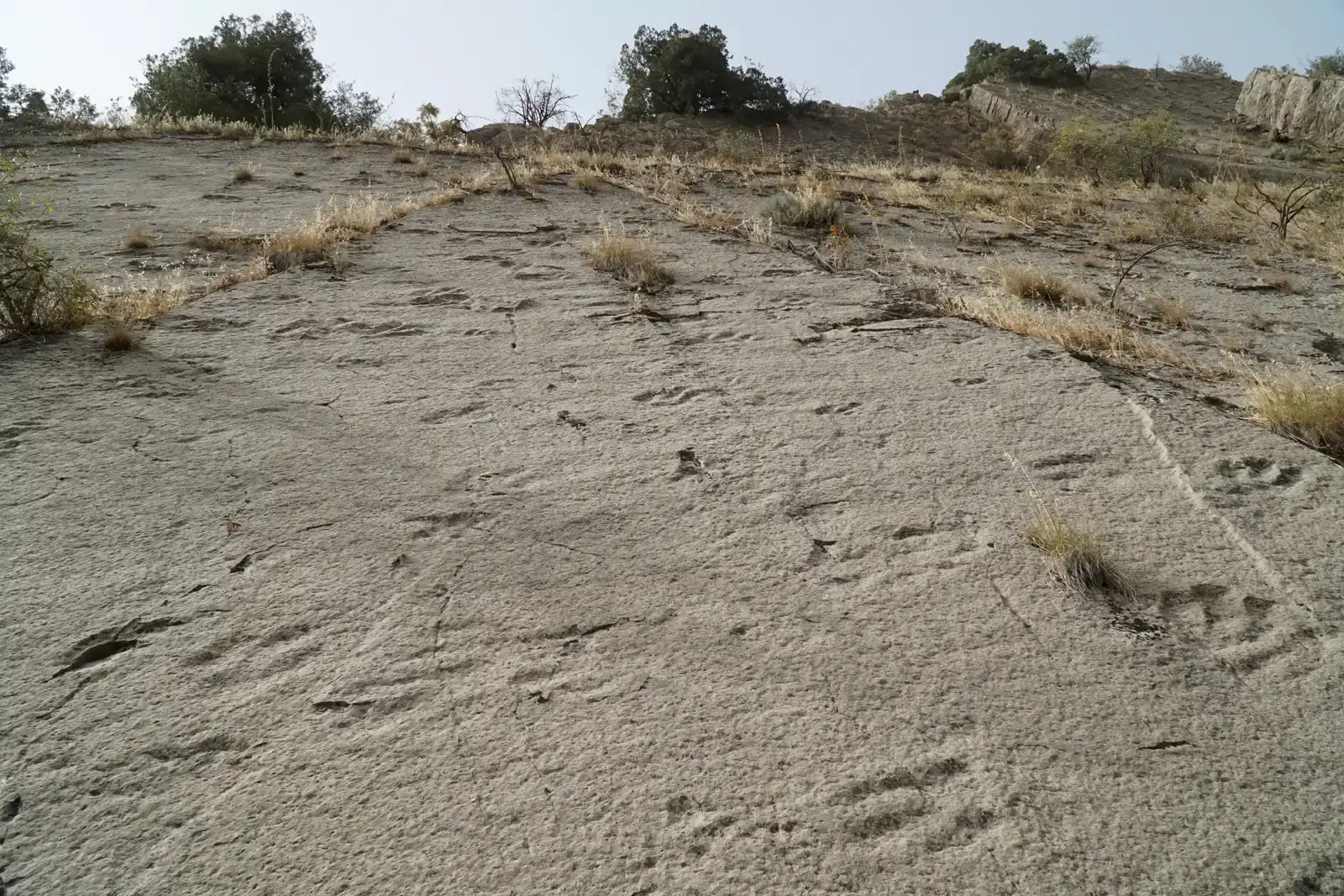
Some of the most compelling recent evidence for continental dinosaur movement did not come from bones or teeth. It came from footprints. Literally, footprints on opposite sides of what is now the Atlantic Ocean. A study led by paleontologist Louis L. Jacobs of Southern Methodist University catalogued more than 260 dinosaur tracks in both the Koum Basin of Cameroon and the Borborema region of Brazil, showing that in terms of age, these footprints were similar. That is an extraordinary match between two sites now separated by thousands of miles of ocean.
Together, the African and South American sites confirm that dinosaurs strolled across a contiguous landmass long after Pangaea began unraveling, using the same river corridors that would later drown beneath the Atlantic. Even as magma welled up offshore, rivers still braided across the future ocean floor, allowing wildlife to wander freely between the continents. Those paths are now exposed in two places more than 3,700 miles apart. Think about that the next time you look at a map of the Atlantic – somewhere beneath all that water lies an ancient dinosaur highway.
Theory 8: Isotope Analysis and the Chemical Fingerprint of Migration
This is the theory that transformed dinosaur migration from educated guesswork into something approaching hard science. When you eat and drink, your body absorbs the chemical signature of your local environment. Dinosaurs were no different. Bone histology reveals growth patterns similar to those seen in modern migratory animals. Perhaps most compelling are isotopic analyses of teeth and bones, which can indicate seasonal changes in diet and water consumption consistent with movement between different environments.
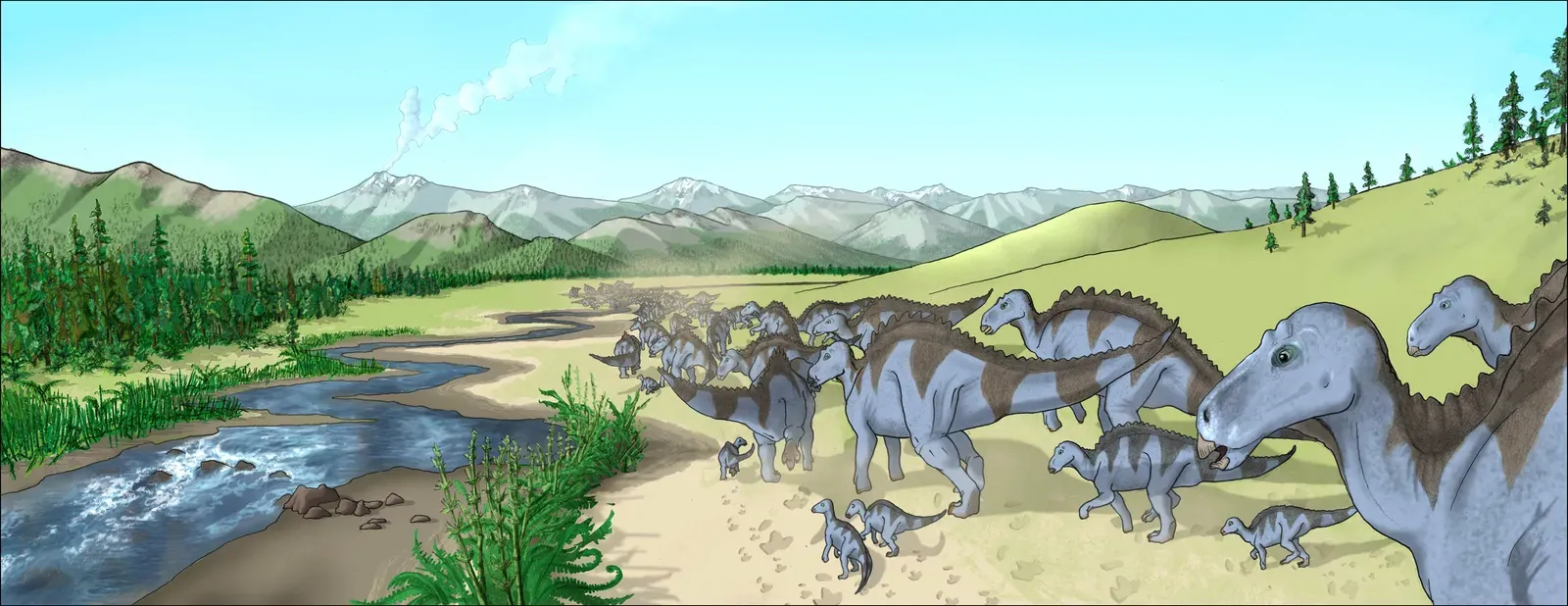
A fossil teeth analysis uncovered compelling evidence that dinosaurs migrated seasonally like modern-day birds or elephants. Chemical signals in prehistoric tooth enamel reveal that roughly bus-length Camarasaurus dinosaurs walked hundreds of miles on marathon migrations in late Jurassic North America, likely trudging from floodplain lowlands to distant uplands and back again as the seasons changed. Studies of Edmontosaurus fossils from the Late Cretaceous period suggest these herbivores migrated seasonally across distances of up to 2,600 kilometers in North America, with isotope analysis of their teeth revealing distinct changes in diet that correspond with different geographical regions. Essentially, the teeth are tiny time capsules recording every journey the animal ever took.
Theory 9: Arctic Residents, Not Migrants – The Year-Round Hypothesis
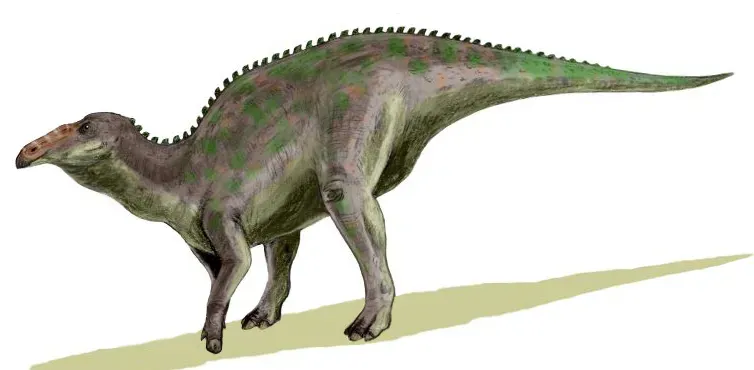
Here is the twist in the story that almost nobody expects. While most theories focus on how dinosaurs moved across continents, this one challenges the very assumption that certain dinosaurs moved at all. Paleontologists have long thought the Prince Creek Formation was once a dinosaur highway, with migrating hadrosaurs, ceratopsians, and theropods crossing a land bridge between Asia and North America and dispersing across the continent. The prevailing wisdom said these animals came and went with the seasons.
The discovery of the first juvenile dromaeosaurid lower jaw bone on the North Slope of Alaska supports a growing theory that some Cretaceous Arctic dinosaurs did not migrate with the seasons but were year-round residents. The baby fossil would have been the size of a small puppy, much too young to migrate. This is a genuinely radical idea – it forces us to reconsider whether migration was universal among dinosaurs, or whether some groups simply adapted, settled in, and stayed put through dark Arctic winters. It is hard to say for sure what that life looked like, but it paints a vivid and almost admirable picture of prehistoric resilience.
Conclusion
What makes dinosaur migration theories so endlessly captivating is that they are not just stories about ancient animals. They are stories about a planet still restlessly forming itself, with shifting landmasses, rising and falling seas, and atmospheres in constant flux. As research techniques continue to advance, our understanding of dinosaur migration behavior grows increasingly sophisticated, revealing these ancient animals as dynamic participants in complex, seasonally changing ecosystems rather than static inhabitants of unchanging prehistoric landscapes.
From temporary land bridges and river corridors to chemical fingerprints locked inside fossilized teeth, every new discovery adds another chapter to one of the longest and most dramatic journeys in the history of life on Earth. Even though the migration of dinosaur groups slowed down, it did not completely stop – movement of dinosaur groups between major continental land masses continued even when the continents appeared to be really isolated. The world kept changing, and dinosaurs kept moving.
Nine theories, hundreds of millions of years, and one inescapable conclusion: these creatures were far more adaptable, mobile, and remarkable than most of us ever imagined. What surprises you most – that they crossed entire oceans, or that some of them simply refused to leave home?