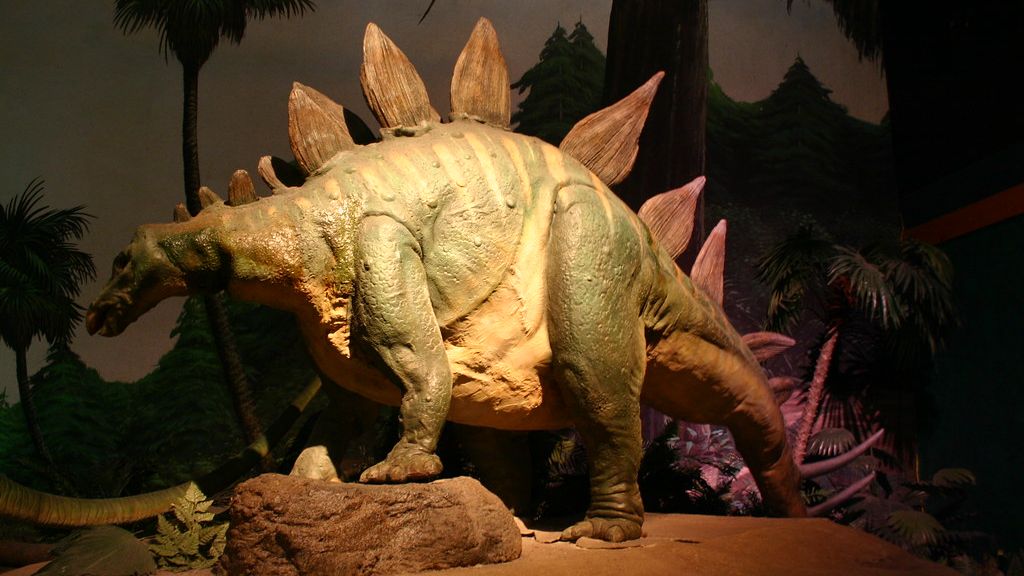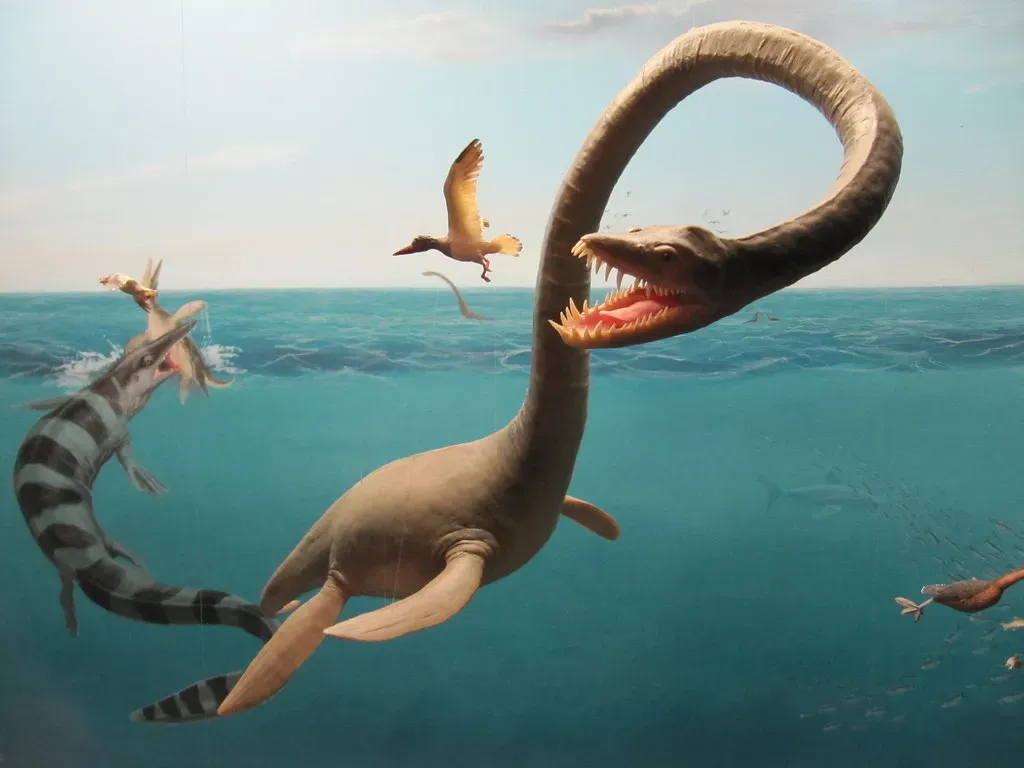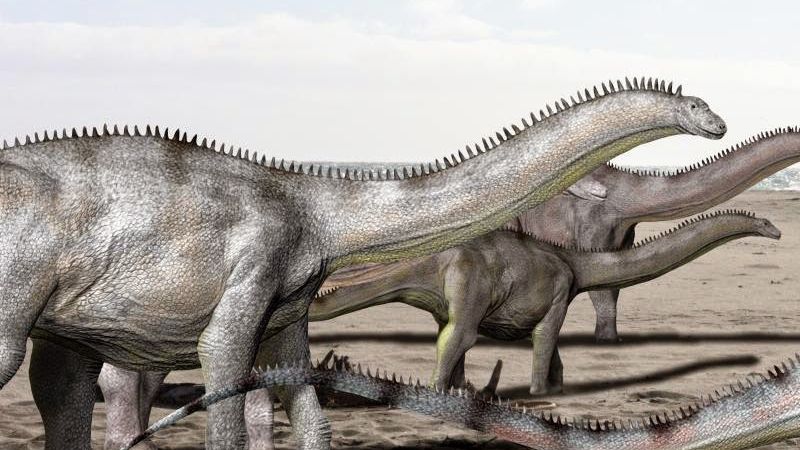
Picture a world where T-Rex roamed freely, where massive herbivores grazed across endless landscapes, and where the largest creatures ever to walk the Earth dominated every corner of the globe. Then, in what scientists call a geological instant, they were gone. That was roughly sixty-six million years ago, at the end of the Cretaceous period.
What actually happened during that fateful time continues to spark intense scientific debate, even in 2026. While most of us grew up hearing about the asteroid that killed the dinosaurs, the reality might be far more complex and intriguing than a simple space rock story. So let’s dive into the mystery.
The Asteroid Impact That Changed Everything
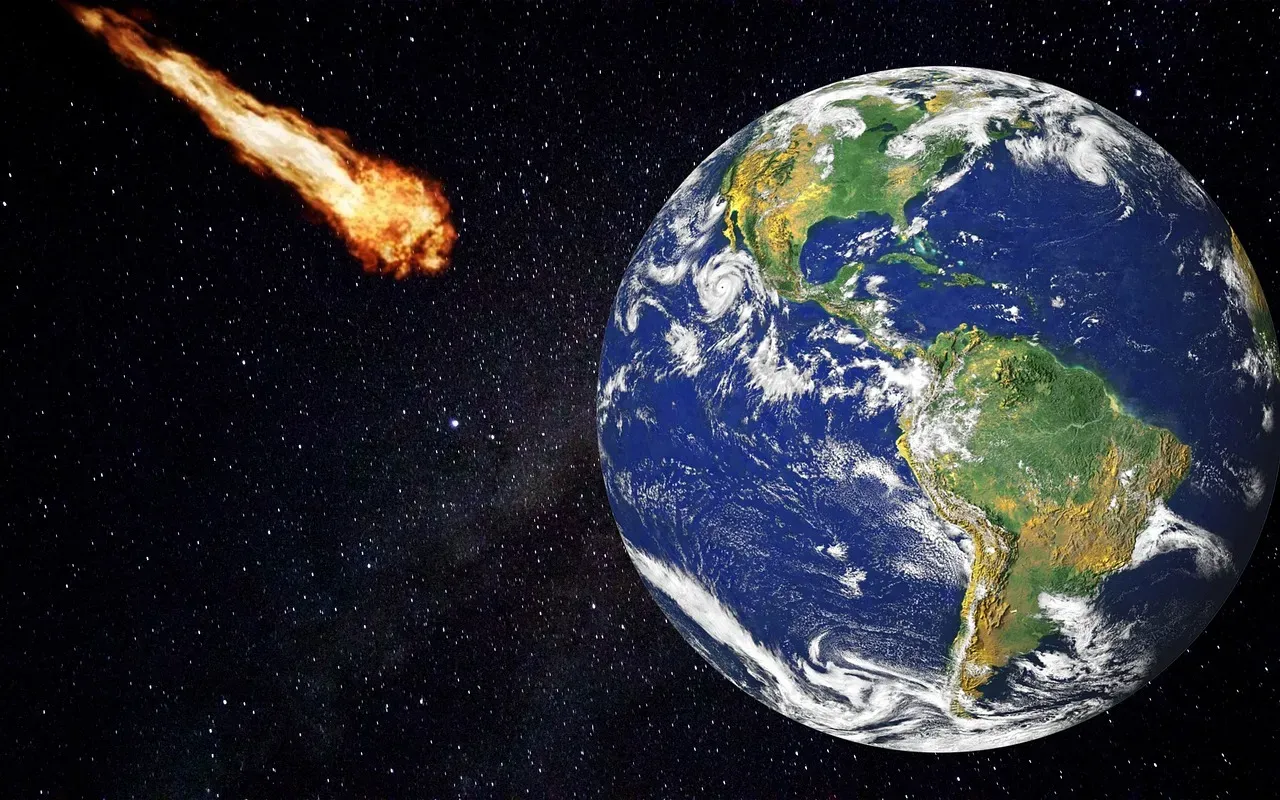
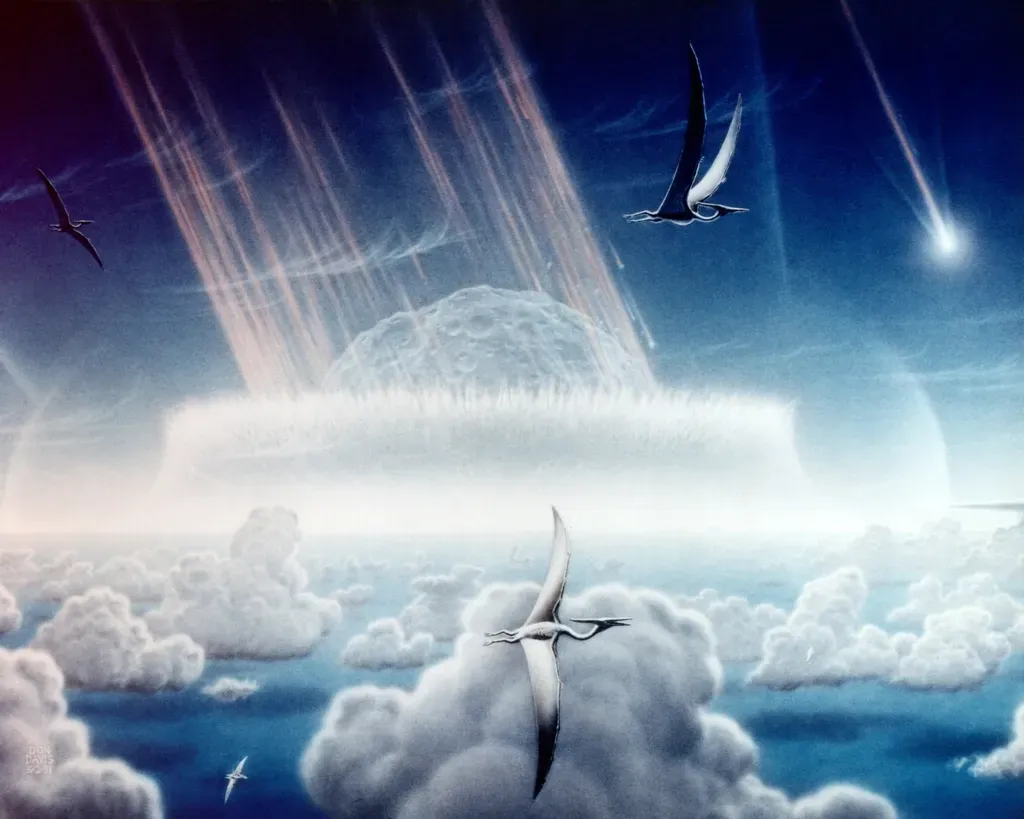
The discovery of the Chicxulub crater in the Yucatán Peninsula changed everything we thought we knew about dinosaur extinction. When you consider that this asteroid was likely between ten and fifteen kilometers wide, the sheer scale becomes mind-boggling. The asteroid hit at high velocity and effectively vaporized, creating total devastation in the immediate area.
Soot traveled all around the world, reducing the amount of light that reached Earth’s surface. This wasn’t just a localized disaster. The impact had knock-on effects up the food chain, causing the ecosystem to collapse. Think about it like dominos falling, one after another, until nothing was left standing.
The Iridium Layer Mystery
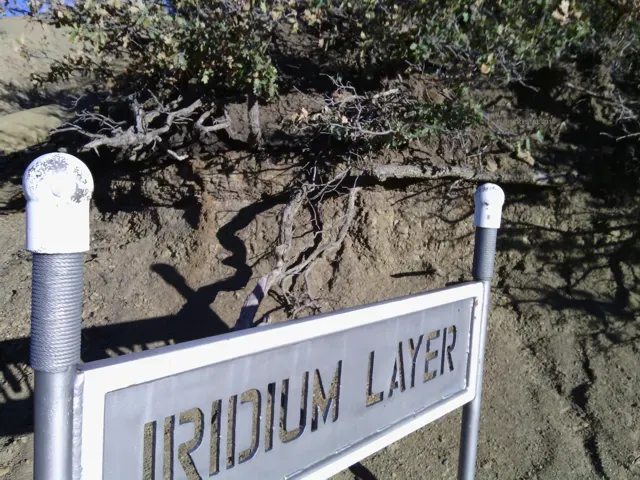
Here’s something that sounds like it’s straight out of a detective novel. Iridium is rare in Earth’s crust but present at elevated levels in certain types of asteroids, and an iridium spike in the geologic layer found all over the world is how the asteroid hypothesis was born. Scientists discovered this unusual chemical signature in a thin clay layer marking the exact moment dinosaurs disappeared from the fossil record.
In the crater, the sediment layer deposited in the days to years after the strike is so thick that scientists were able to precisely date the dust to a mere two decades after impact. That’s remarkably precise for something that happened so long ago. The evidence kept mounting, and by 2021, researchers found asteroid dust inside the impact crater itself, essentially closing the case for many scientists.
Deccan Traps Volcanism
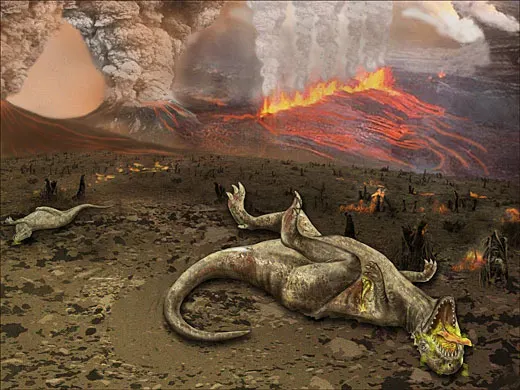
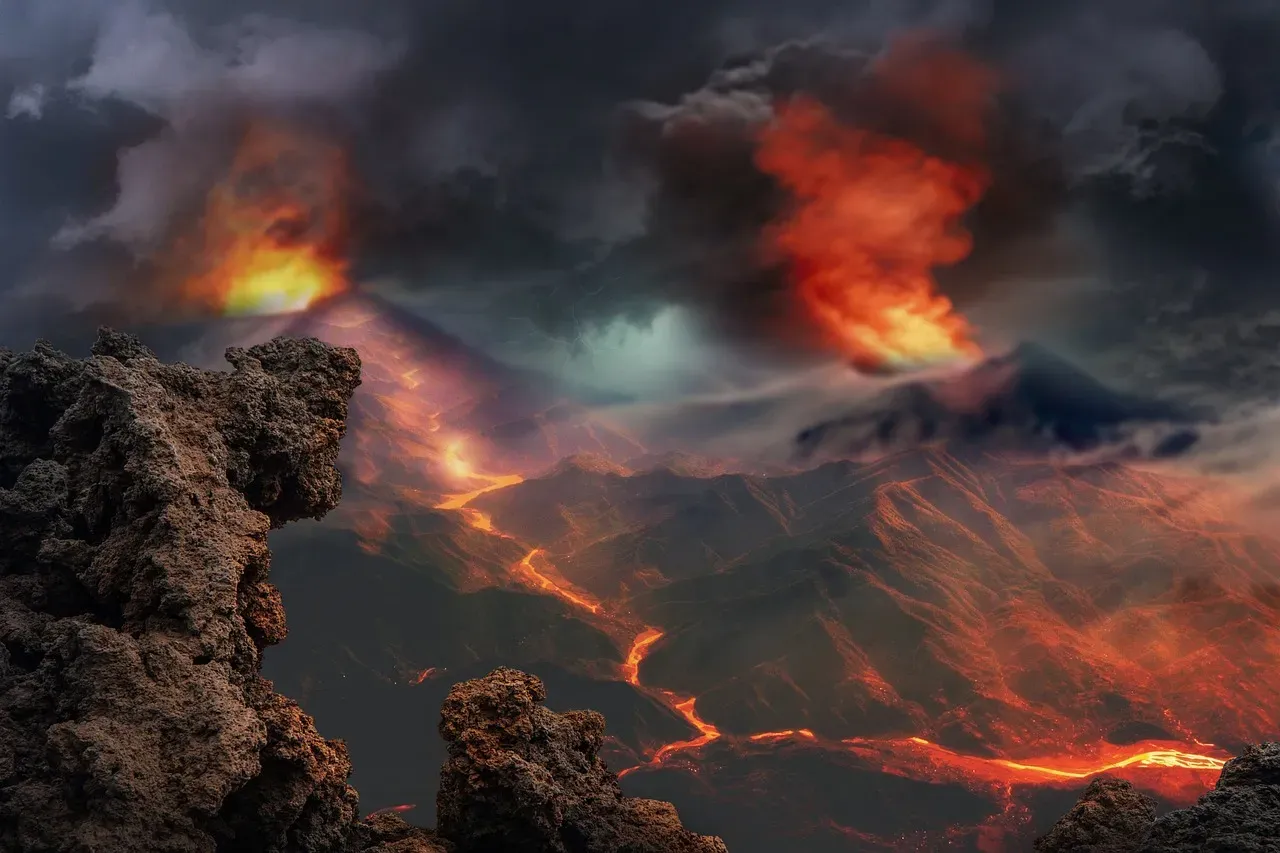
Let’s be real, though. Volcanoes make for an equally dramatic extinction story. The Deccan Traps date back to around sixty-six million years ago, and in some parts the volcanic layers are more than two kilometers thick. We’re talking about an absolutely massive volcanic event in what is now western India.
The massive volcanoes started erupting about four hundred thousand years before the Chicxulub impact and wrapped up about six hundred thousand years after the end of the Cretaceous period. Over the course of one million years, greenhouse gases from these eruptions could have raised global temperatures and poisoned the oceans. Some researchers believe these eruptions softened up ecosystems, making them vulnerable when the asteroid finally struck.
The Impact Winter Scenario
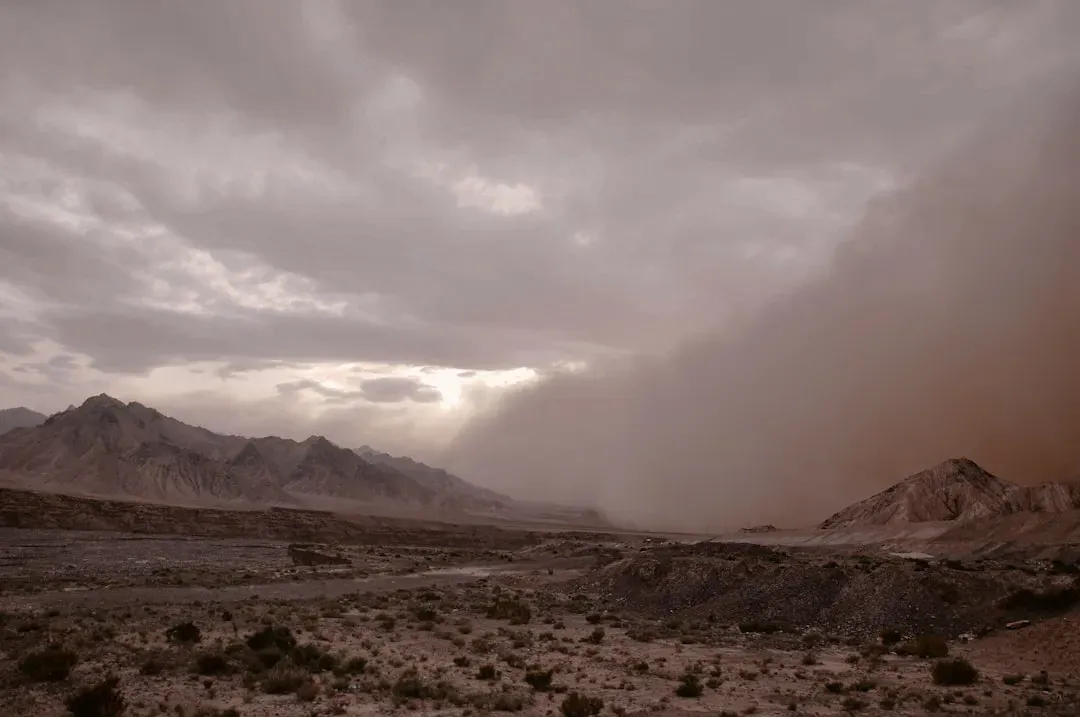
Extreme cooling associated with an impact winter has been evoked to explain the severity of the mass extinction, where the impact produced a cloud of dust and soot that temporarily blocked out the Sun. Imagine living in perpetual twilight for months or even years. Photosynthesis would grind to a halt, temperatures would plummet, and food chains would collapse from the bottom up.
The resulting soot would plunge the planet into darkness for at least two years, halting photosynthesis and lowering temperatures in many formerly temperate habitats. It’s hard to say for sure how long this lasted. The dust kicked up by the impact circulated in the atmosphere for no more than a couple of decades, which helps time how long extinction took.
Gradual Decline Before The Final Blow
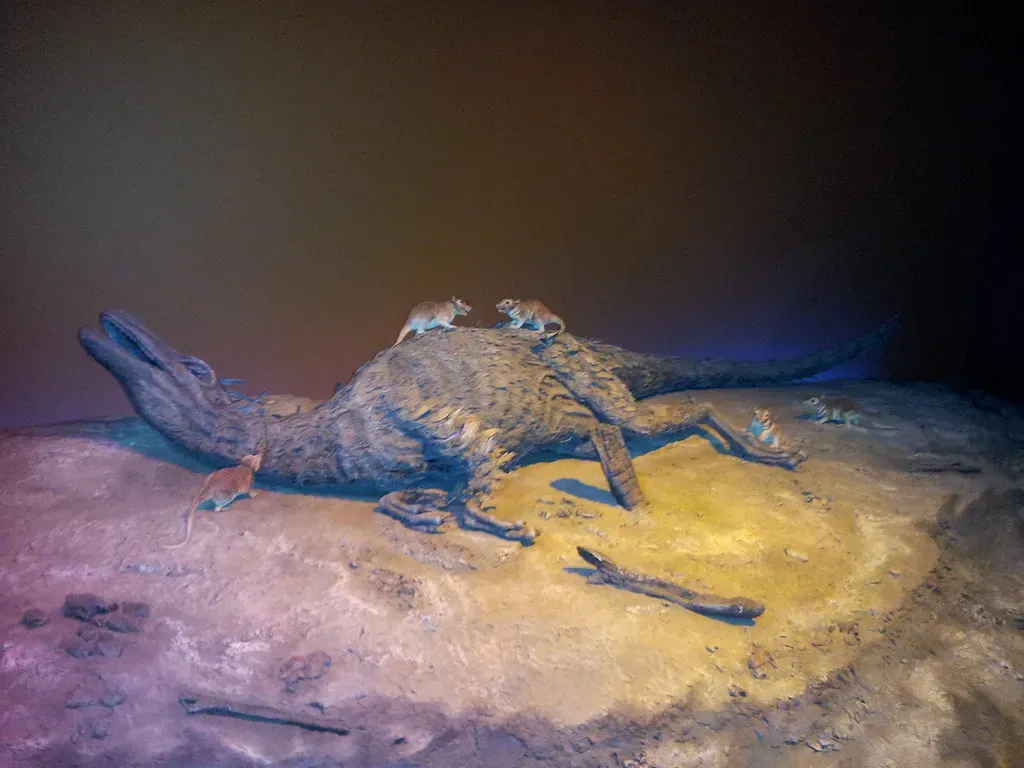
Not all scientists agree that dinosaurs were thriving right up until the moment of impact. Strong evidence suggests that dinosaurs began to decline well before the extinction due to both a marked increase of extinction from the late Campanian onwards and a decrease in their ability to replace extinct species. This suggests they were already in trouble.
The rate at which new dinosaur species evolved was slowing down, leaving them more vulnerable to extinction and unable to respond quickly to the final catastrophe event. Recent research from 2025, however, challenges this view. New research challenges the idea that dinosaur species gradually declined, suggesting that gaps in the fossil record might better explain the lack of specimens.
Climate Change and Temperature Shifts
Climate was changing dramatically during the late Cretaceous, independent of any asteroid or volcanic activity. Some four hundred thousand years before the impact, the planet gradually warmed by some five degrees Celsius, only to plunge in temperature right before the mass extinction. These weren’t minor fluctuations. They were massive swings that would have stressed ecosystems severely.
Long-term environmental changes likely made dinosaurs particularly prone to extinction because of a combination of global climate cooling, a drop in diversity of herbivorous dinosaurs, and age-dependent extinction. When herbivore populations dropped, carnivores had less to eat. Loss of key herbivorous dinosaurs would have made terminal Maastrichtian ecosystems more susceptible to cascading extinctions.
Sea Level Changes and Habitat Loss
A severe regression would have greatly reduced the continental shelf area, causing climate changes partly by disrupting winds and ocean currents and partly by reducing Earth’s albedo and increasing global temperatures. Think about how much of Earth’s biodiversity today exists in coastal regions. Now imagine those regions simply disappearing.
Marine regression resulted in the loss of epeiric seas, such as the Western Interior Seaway of North America, greatly altering habitats and removing coastal plains that had hosted diverse communities. This wasn’t a sudden event but rather a gradual process that reshaped continents. Dinosaurs that had adapted to coastal environments would have been forced to migrate or adapt rapidly.
The Double Catastrophe Hypothesis
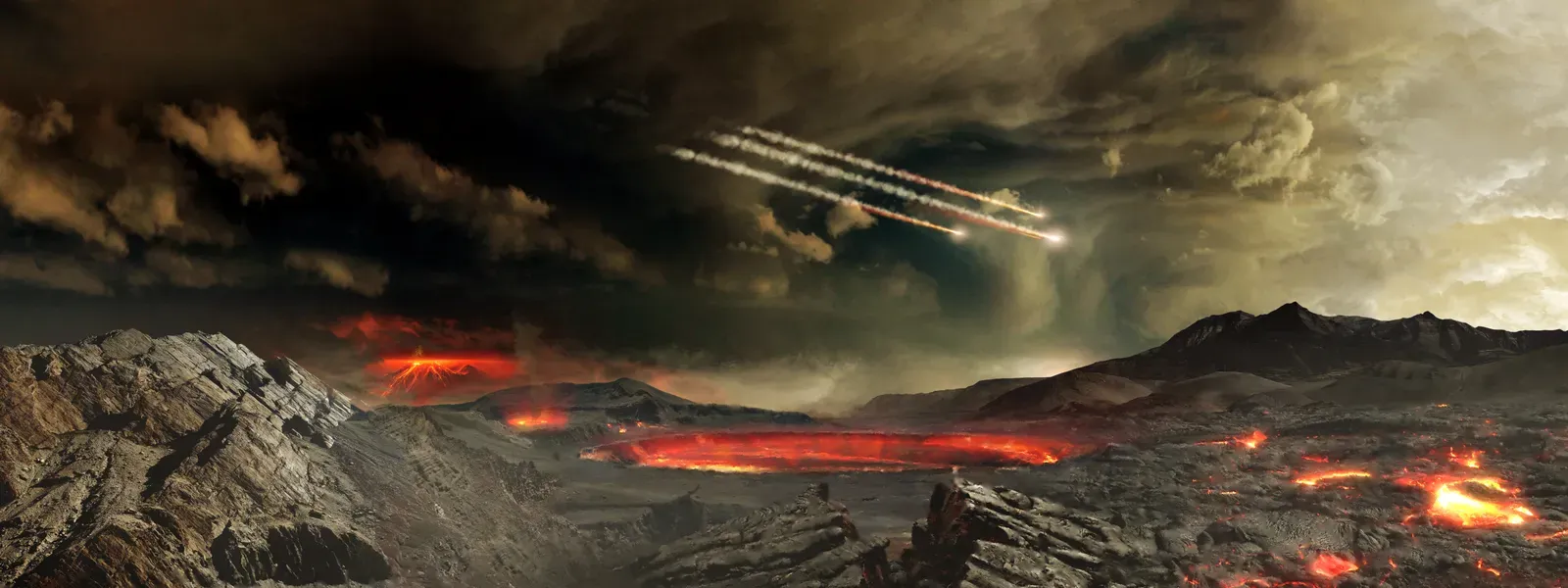
Maybe it wasn’t just one thing. A scenario combining volcanism, marine regression, and extraterrestrial impact suggests terrestrial and marine communities were stressed by habitat changes, with dinosaurs as the largest vertebrates being the first affected. It’s possible that the truth lies in a combination of factors.
The story emerging is that perhaps both might have been involved, with the end of the dinosaurs caused by a one-two punch. The asteroid may have slammed into a planet already reeling from the massive, extremely violent eruptions of volcanoes in the Deccan Traps. This makes intuitive sense when you think about it.
Regional Climate Variations and Migration
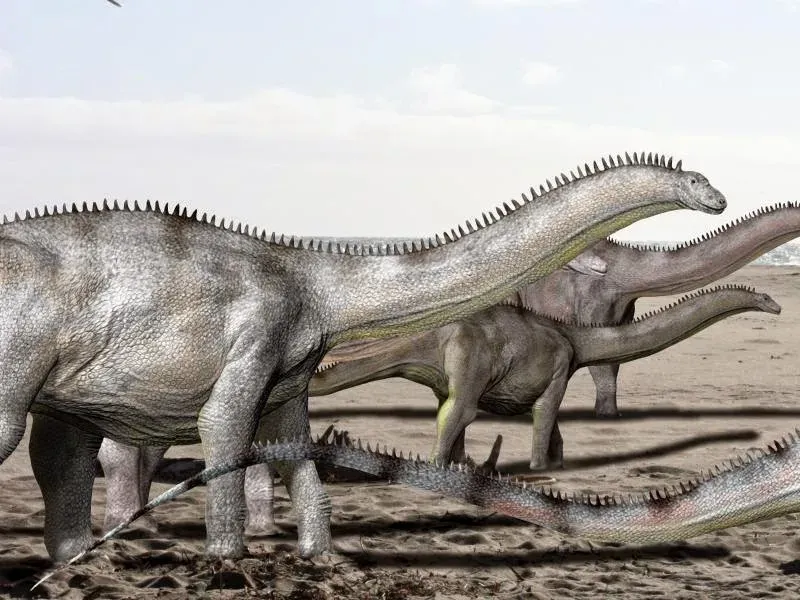
Not everywhere on Earth experienced the extinction in the same way. Analysis indicates a correlation between the abundance of dinosaur fossils in the Shanyang Basin and climatic changes, with dinosaur fossils gradually declining as precipitation and temperature increased. Regional differences mattered tremendously.
Rising temperatures and reduced availability of suitable nesting sites, influenced by increased precipitation, may have prompted dinosaurs to migrate in search of more hospitable habitats or face extinction. During the last four hundred thousand years of the Cretaceous period, no dinosaur fossils were discovered in this basin. Were they migrating, or were they already gone?
Conclusion
The question of what killed the dinosaurs turns out to be far more nuanced than a simple asteroid impact story. While the Chicxulub impact undoubtedly played a crucial role, the picture emerging in 2026 suggests a perfect storm of catastrophic events converging at roughly the same time. Massive volcanic eruptions, climate instability, habitat loss, and declining biodiversity all conspired to weaken ecosystems globally.
Then came the asteroid, delivering what may have been the final blow to creatures already struggling to survive. The extinction wasn’t just about a single moment of destruction. It was about an accumulating series of environmental stresses that made recovery impossible. What do you think was the decisive factor? The slow burn of volcanic winters, or the sudden shock of an asteroid? Tell us in the comments.