Most people picture Stonehenge, the Egyptian pyramids, or the ruins of Rome when they think of the world’s great ancient sites. It’s almost instinctive, really. There are many legendary places in the United States that are not only worthy of a visit but are just as important to our planet’s history and rival any other ancient place in the world. The problem? Most travelers simply don’t know they exist.
We tend to think of the United States as the home of all things bright, shiny, and new – not a land of ancient cultures. Yet, in fact, there are several places in America that rival some of the most important archaeological sites in Greece and Rome. From the sun-baked deserts of New Mexico to the misty bluffs of Ohio, these sites are waiting for you to discover them. Let’s dive in.
1. Cahokia Mounds, Illinois – America’s Forgotten Metropolis
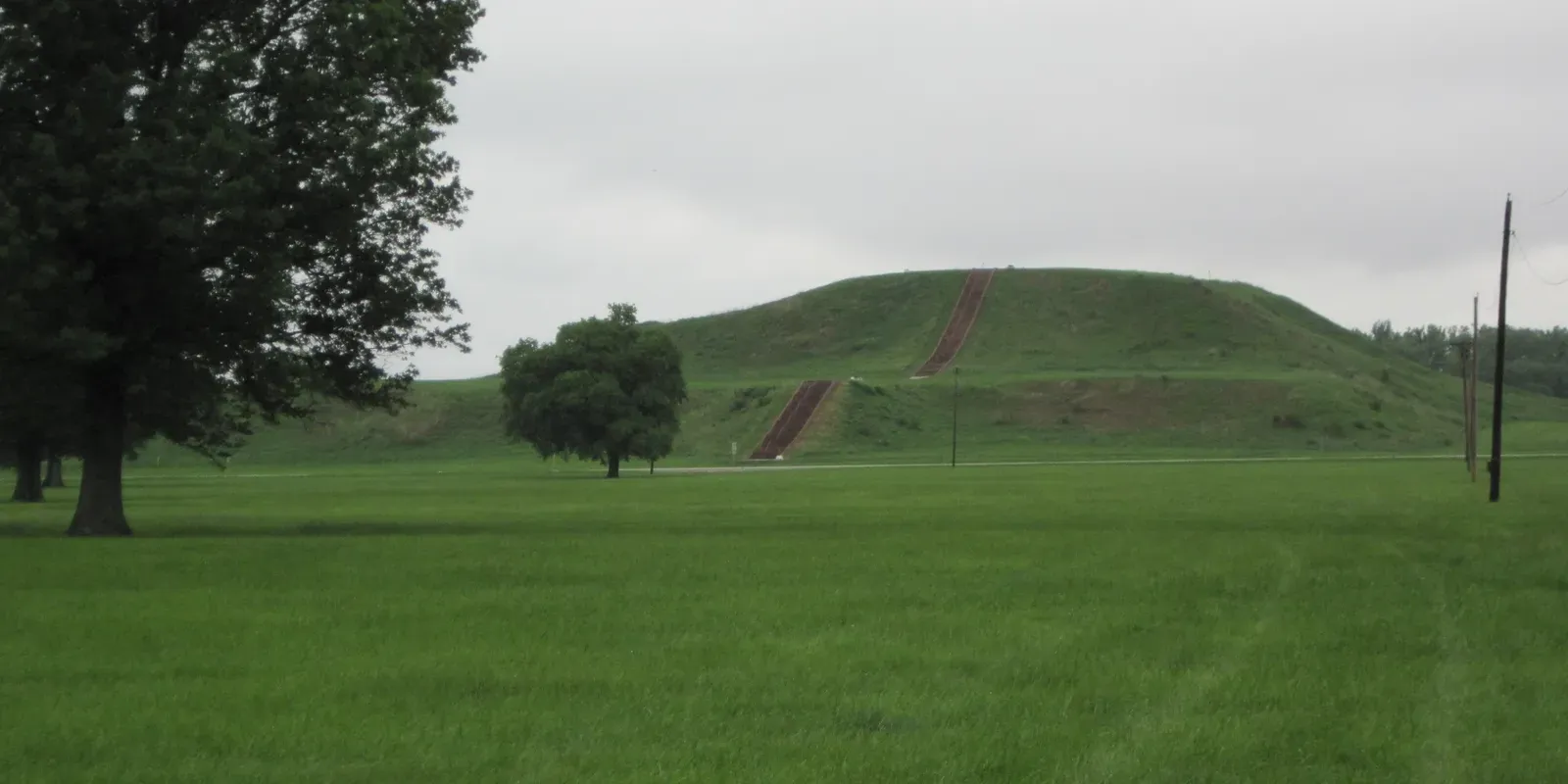
Here’s a fact that genuinely stopped me in my tracks: Cahokia Mounds near present-day St. Louis was once a Native American city that flourished between roughly 1050 and 1350 CE, and at its peak around 1100 CE, it covered about 6 square miles and included about 120 earthworks with a population between 15,000 and 20,000 people – making it the most extensive urban center in prehistoric America north of Mexico, larger than London at that same time. Think about that for a second. A thriving city, right in the heart of Illinois, that rivaled medieval European capitals in scale.
The city included sprawling public plazas and residential neighborhoods, but its most striking feature was its roughly 120 terraced earthen mounds, which often served as tomb complexes or platforms for important buildings. The largest, the so-called “Monks Mound,” still stands some 100 feet tall and was once topped by a temple or palace. Excavations at Cahokia have revealed evidence of human sacrifice as well as crafted stone figurines and a palisade solar calendar dubbed “Woodhenge.” When you visit today, you can explore interpretive trails, climb Monks Mound for sweeping views, and let the sheer scale of the place sink in. Honestly, it is one of the most underappreciated wonders on American soil.
2. Chaco Canyon, New Mexico – The Ancient Southwest’s Grand Capital
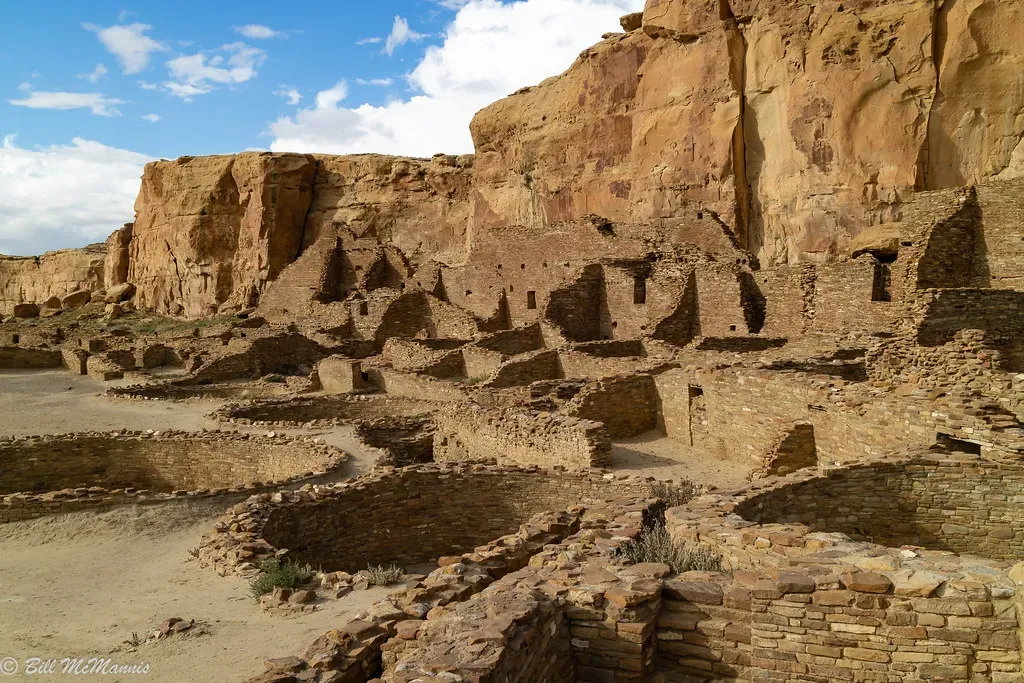
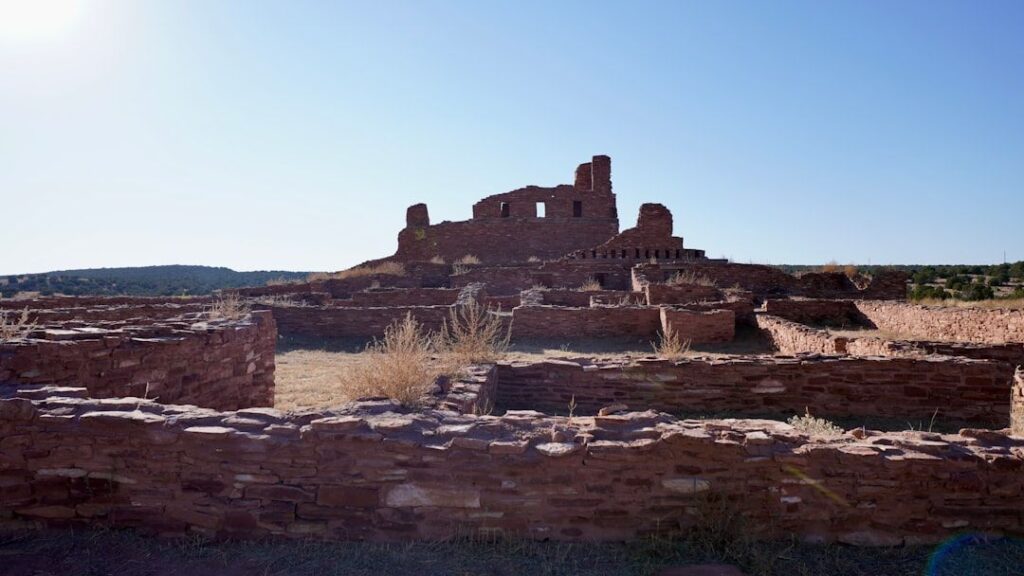
Between AD 900 and 1150, Chaco Canyon was a major cultural center for the Ancestral Puebloans. Chacoans quarried sandstone blocks and hauled timber from great distances, assembling fifteen major complexes that remained the largest buildings ever built in North America until the 19th century. If that does not impress you, I’m not sure what will. This was essentially the Times Square of the ancient Southwest – a place where everything important happened.
The structures were often aligned with solar, lunar, and cardinal directions and placed within a landscape surrounded by sacred mountains, mesas, and shrines. The buildings in the canyon are believed to be “public architecture” used periodically for times of ceremony and commerce. By 1050, Chaco had become the political, economic, and ceremonial center for the Chacoan culture. Roads connected the canyon to over 150 other great houses, including Aztec Ruins and Salmon Ruins to the north. If you visit, be prepared for a remote, dusty, and deeply humbling experience – and every bit of it is worth it.
3. Mesa Verde National Park, Colorado – Clifftop Cities in the Sky
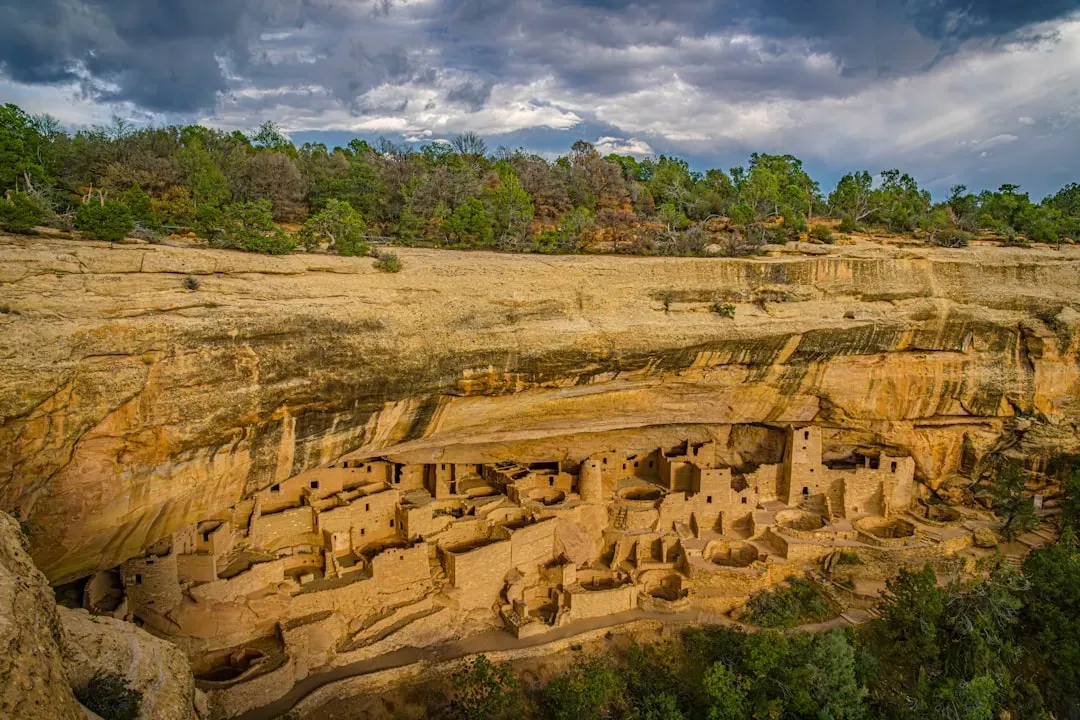
Nestled in the rugged cliffs of southwest Colorado, Mesa Verde National Park preserves the impressive cliff dwellings of the Ancestral Puebloans, dating back to approximately 600 CE. There is something almost surreal about looking up at a sheer canyon wall and realizing an entire community once lived there. These are not simple shelters. They are full neighborhoods, tucked into the rock like a secret the mountain decided to keep.
Located just south of the San Juan Skyway, Mesa Verde National Park is a collection of over 600 preserved cliff dwellings that housed the Ancestral Pueblo people in the 1200s. The park’s most spectacular site is the Cliff Palace, an immense structure that consists of 150 rooms and 23 kivas, which are spiritual spaces used for religious ceremonies. A variety of ranger-led tours can also guide you through the Long House, Balcony House, and Wetherill Mesa. The scale of what you find here is genuinely jaw-dropping, and no photograph fully does it justice.
4. Poverty Point, Louisiana – The Engineering Marvel Nobody Talks About
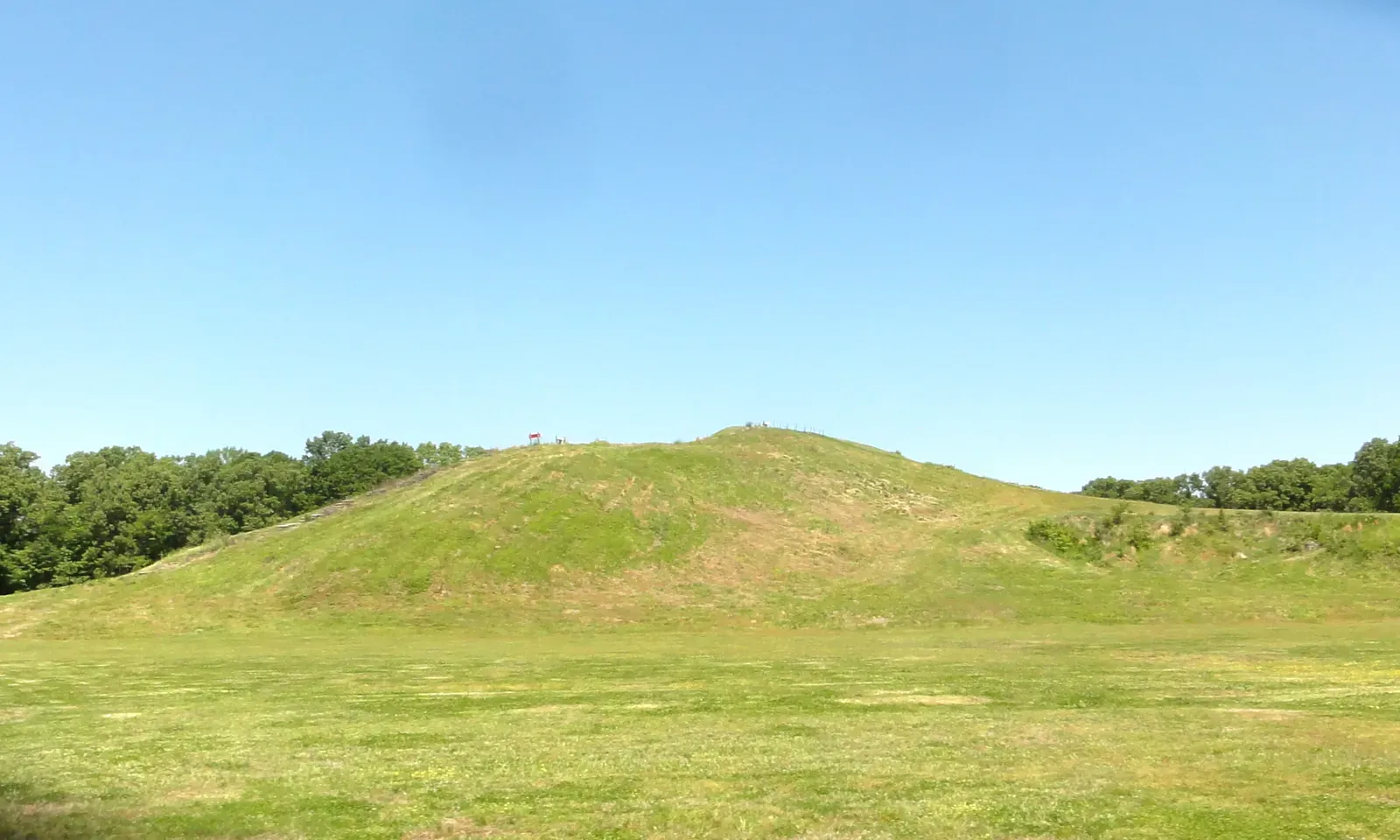
Let’s be real – Louisiana is not the first place most people think of when ancient civilizations come to mind. Yet Poverty Point, located in northeastern Louisiana, is a prehistoric earthwork complex dating to 1700 BC and recognized as a UNESCO World Heritage Site. This site features ceremonial mounds and ridges, highlighting its role as a trade and cultural hub for ancient peoples of the Lower Mississippi Valley. The builders, skilled engineers, created complex drainage systems and earthworks aligned with astronomical events. Artifacts like clay cooking balls and stone tools indicate extensive trade networks. We are talking about something nearly four thousand years old, built without metal tools or wheels.
The site’s layout includes six concentric ridges and massive earthworks, such as the 72-foot-tall Mound A, built primarily using basketloads of soil. Archaeological evidence suggests that Poverty Point served as a hub for trade, connecting various regions through the exchange of materials like stone, copper, and soapstone. Researchers remain intrigued by the advanced organizational skills required to create Poverty Point’s massive earthworks. This site challenges preconceived notions about the complexity of ancient societies, proving that even early cultures had the ability to undertake monumental projects and sustain economic networks. It is the kind of place that quietly rewires everything you thought you knew about early American history.
5. Serpent Mound, Ohio – The World’s Largest Effigy Mound
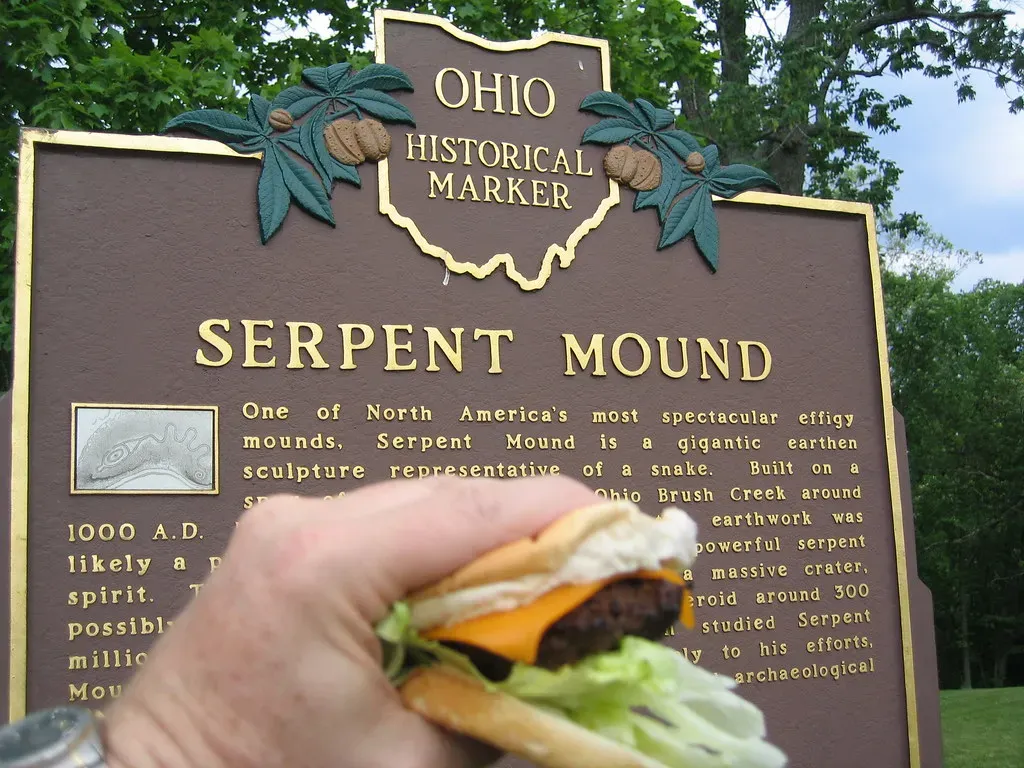
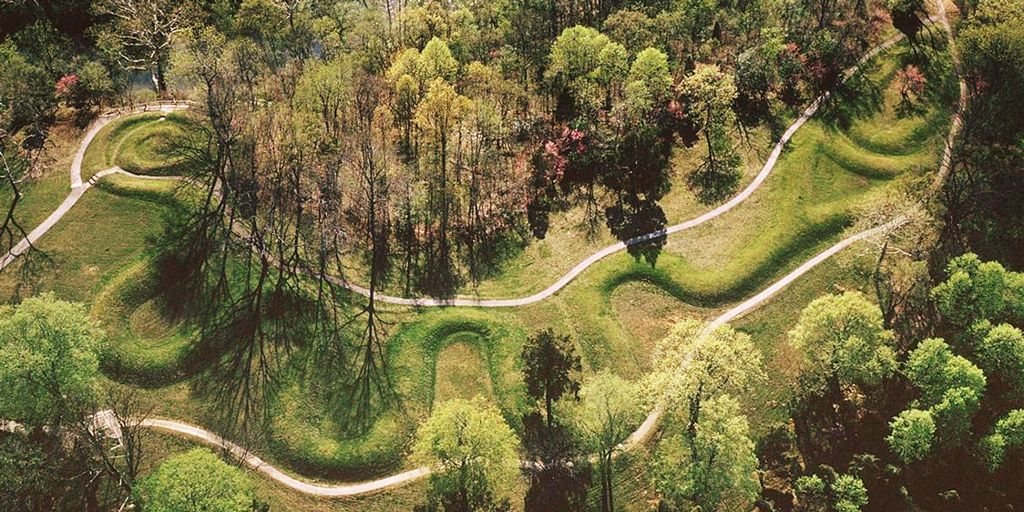
Few ancient sites in the world have the power to make you stop dead and just stare. The Great Serpent Mound is a 1,348-feet-long, four-feet-high prehistoric effigy mound located in Peebles, Ohio. It was built on what is known as the Serpent Mound crater plateau, running along the Ohio Brush Creek in Adams County. The mound is the largest serpent effigy known in the world. It is also one of the most mysterious, and archaeologists are still arguing about who built it and why – which, honestly, makes it even more fascinating.
It sits on the site of an ancient meteor impact dating to around 300 million years ago; the crater, measuring from roughly 5 to 8.7 miles in diameter, is known as Serpent Mound crater. Experts disagree about what the head of the mound represents, with some scholars positing the oval shape signifies an enlarged eye while others believe it is an object being swallowed by open jaws. Serpent Mound may have had a spiritual purpose, given that many native cultures in North and Central America revered snakes, attributing supernatural powers to the slithering reptiles. You can also visit on the second or fourth Friday of the month in 2026 to join a guided walking tour led by a local archaeologist – a genuinely special experience.
6. Taos Pueblo, New Mexico – A Living, Breathing Ancient Wonder
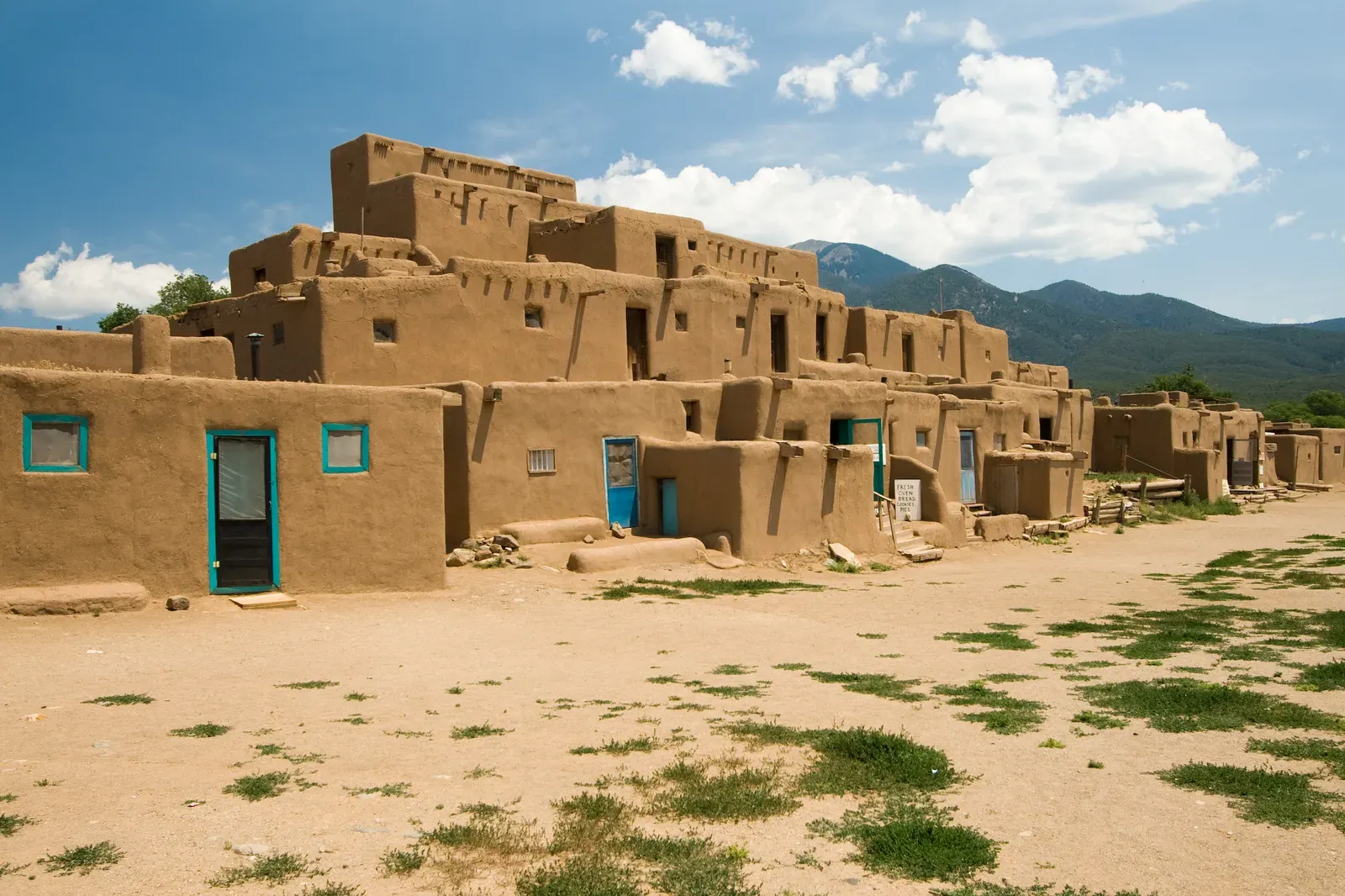
Most ancient sites are frozen in time. Taos Pueblo is not. Taos Pueblo in New Mexico is a testament to America’s ancient cultures and has been continuously inhabited for over 1,000 years. As a UNESCO World Heritage Site, it highlights traditional adobe architecture, with multi-storied homes crafted from sun-dried mud bricks to suit the arid environment. The Puebloans excel in pottery and jewelry, maintaining artisan skills through generations. Their community adheres to cultural and spiritual traditions, preserving language and customs despite external influences. There is no other place in the world quite like it – a real, inhabited ancient city still operating in the modern era.
Continuously inhabited for over 1,000 years, this multi-story adobe building continues to be occupied by the Tiwa-speaking Puebloan people. Consisting of two primary structures called the Hlauuma (north house) and Hlaukwima (south house) that are subdivided into smaller apartments for individual families, the site welcomes visitors who want to learn more about the rich culture of the approximately 150 permanent residents. Walking through Taos Pueblo feels less like visiting a museum and more like stepping respectfully into someone’s home – because that is precisely what you are doing.
7. Hopewell Ceremonial Earthworks, Ohio – The Ancient Network Builders
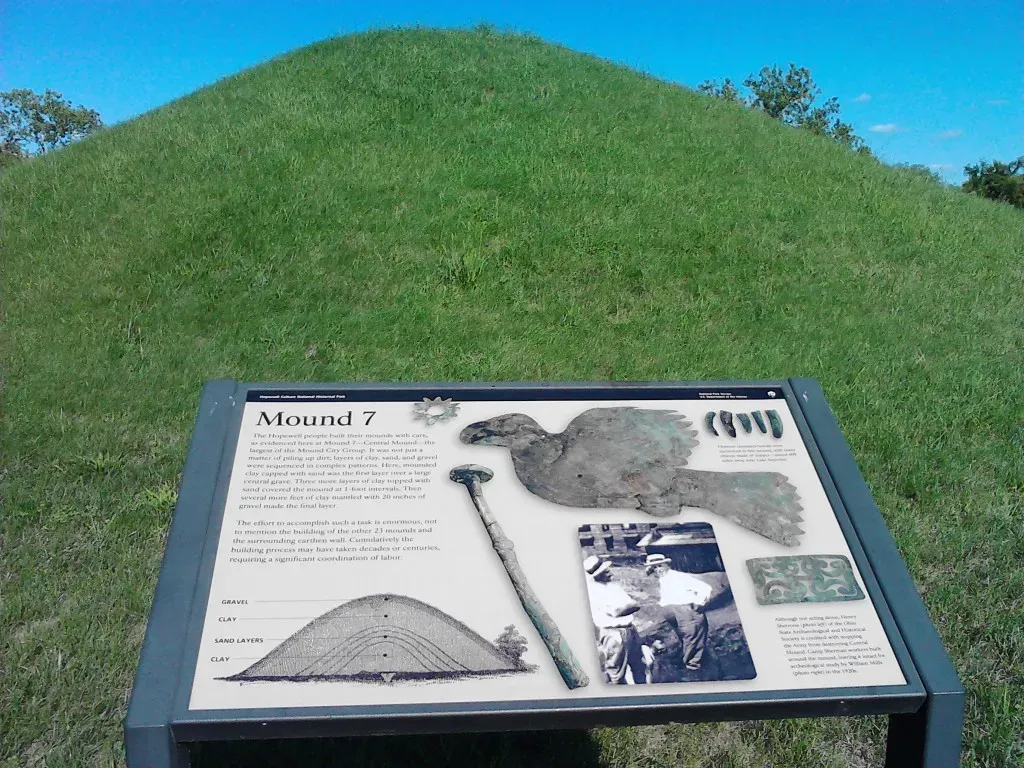
These sites were built by Indigenous cultures who left behind no written records, just their monumental works etched into the landscape. Some of these places align with celestial events in ways that seem almost impossible without modern instruments. Others required moving millions of cubic feet of earth without wheels, horses, or metal tools. The Hopewell people, in particular, were in a league of their own when it came to scale and precision.
Built nearly 2,000 years ago by the Hopewell people who resided in the Ohio River Valley, these earthworks were among the largest in the world and used as defensive structures as well as burial sites for the deceased. The Hopewell tradition created a trading network of Native American cultures interlinked and centered around the entirety of the eastern United States, from the Great Lakes to what is now the Florida panhandle. These people used rivers to travel amongst themselves for roughly six centuries from 100 BC, and developed a sophisticated interconnected and interdependent network. It is hard to say for sure just how vast their influence was, but the evidence points to something truly remarkable in scope.
8. Moundville Archaeological Park, Alabama – The Ancient “Big Apple” of the South
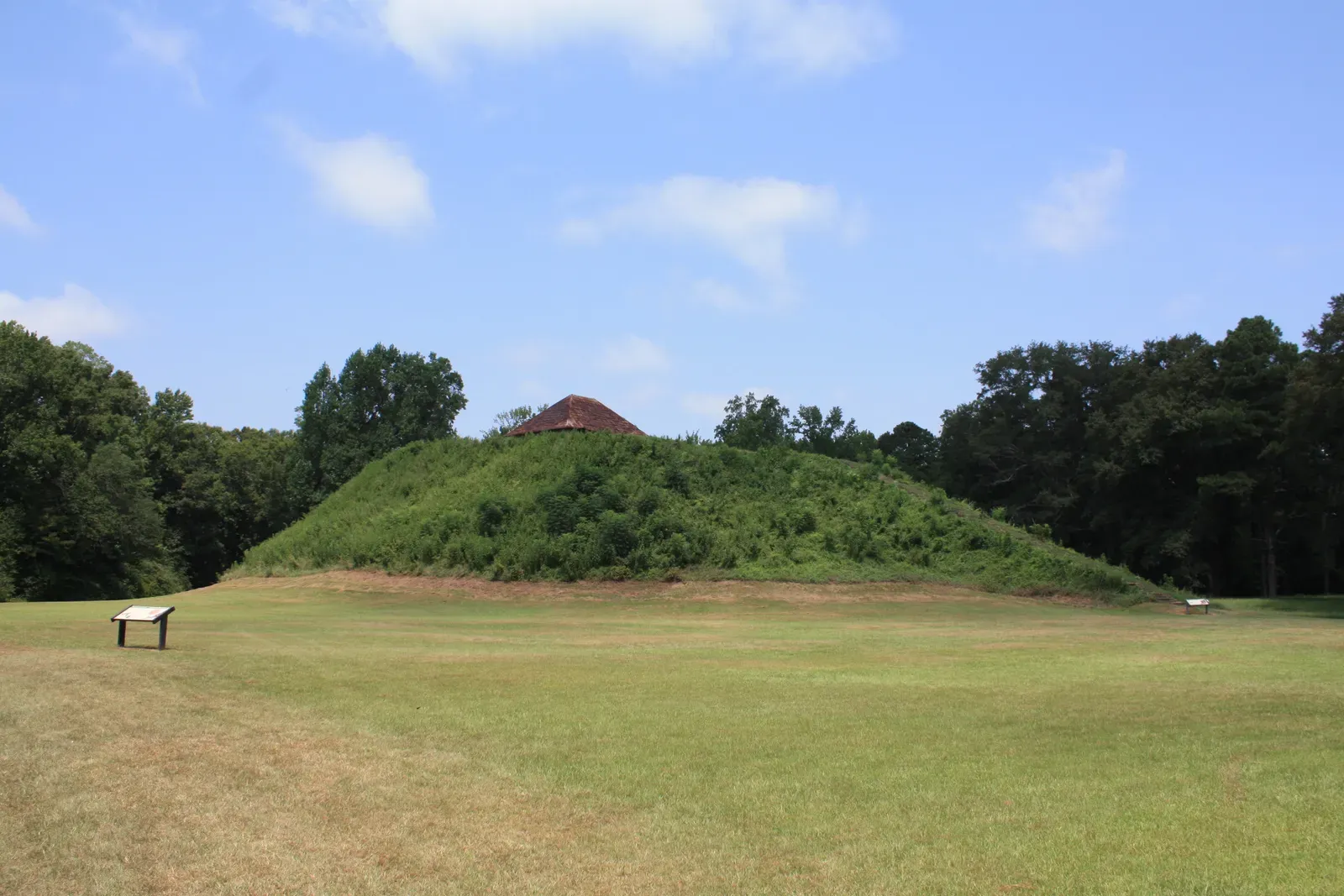
Occupied around 1000 to 1450 CE, Moundville Archaeological Park is believed to be the regional political and ceremonial center of the Mississippian culture. It currently spreads across 185 acres, but used to be a village that occupied 300 acres on a bluff overlooking the Black Warrior River. The village was surrounded by a bastioned wooden palisade, which contained 26 earthen mounds surrounding a central plaza. It sounds almost cinematic when you describe it, and visiting in person confirms that impression.
Step back into the 14th century at Moundville Archaeological Park in Alabama, known as the “Big Apple” of its time. This sprawling site features 29 flat-topped mounds arranged around an extensive central plaza. You can wander the grounds, then visit the onsite museum to view ancient artifacts, including the stone Rattlesnake Disk, one of the most famous works of art from the Native American Mississippian culture. The park also holds an annual festival celebrating the site and Native American culture, making it a vivid, not just static, encounter with the past.
9. Casa Grande Ruins National Monument, Arizona – The Desert’s Great Mystery
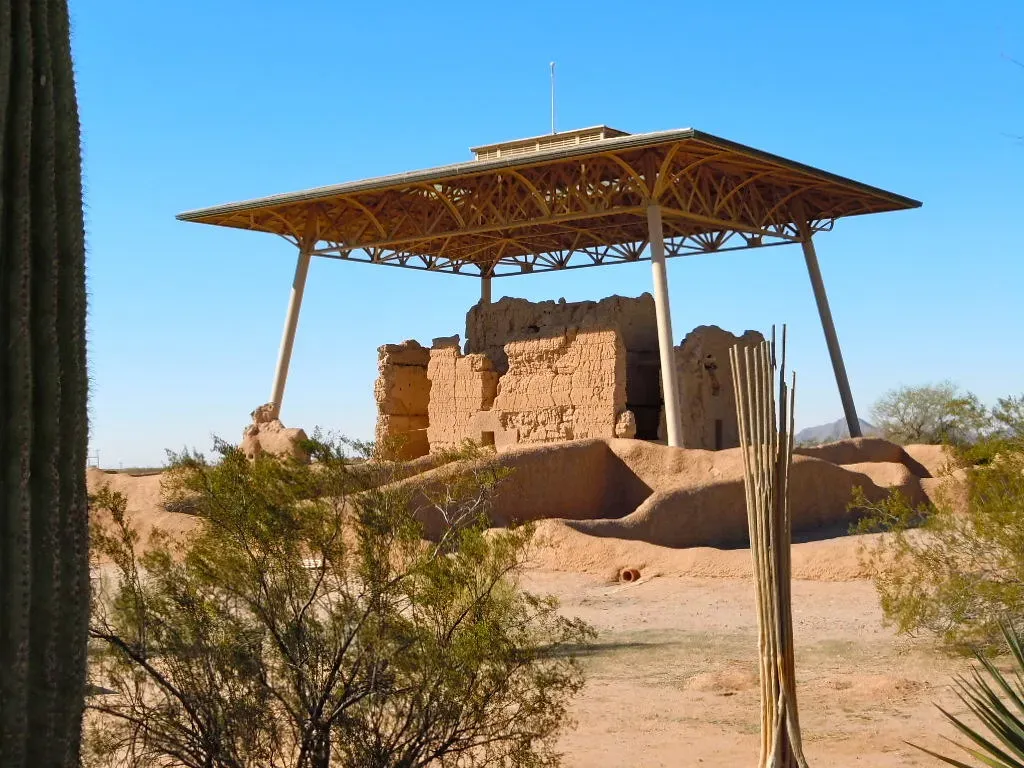
I know it sounds crazy, but a massive four-story structure built in the middle of the Sonoran Desert by people who left no written records is exactly what you find at Casa Grande. Located in the Arizona desert, Casa Grande Ruins National Monument preserves the ancient remnants of the Hohokam people. The centerpiece of this site is the “Great House,” a four-story structure built around 1350 AD and believed to have been used for ceremonies and gatherings. You can stroll through the desert grounds to explore this ancient ruin, plus a nearby ball court and platform mounds. Nobody fully knows what it was for, and that mystery is part of its undeniable pull.
The 14th century “great house” around which this monument is centered was once part of a chain of settlements along the Gila River and is considered one of the largest prehistoric structures ever built in North America. Prized as a trace of ancient Sonoran Desert dwellers who developed wide-scale irrigation farming and a large trade network before leaving the area around the year 1450, the Casa Grande was originally protected as our country’s first archaeological reserve, in 1892. The building, whose exact purpose remains unknown, gained national monument status from President Woodrow Wilson in 1918. Today, several Native American groups claim an ancestral link to the builders and occupants of the monument’s eponymous structure. Few places in America carry that kind of layered, unresolved history – and that is precisely what makes it unforgettable.
Conclusion
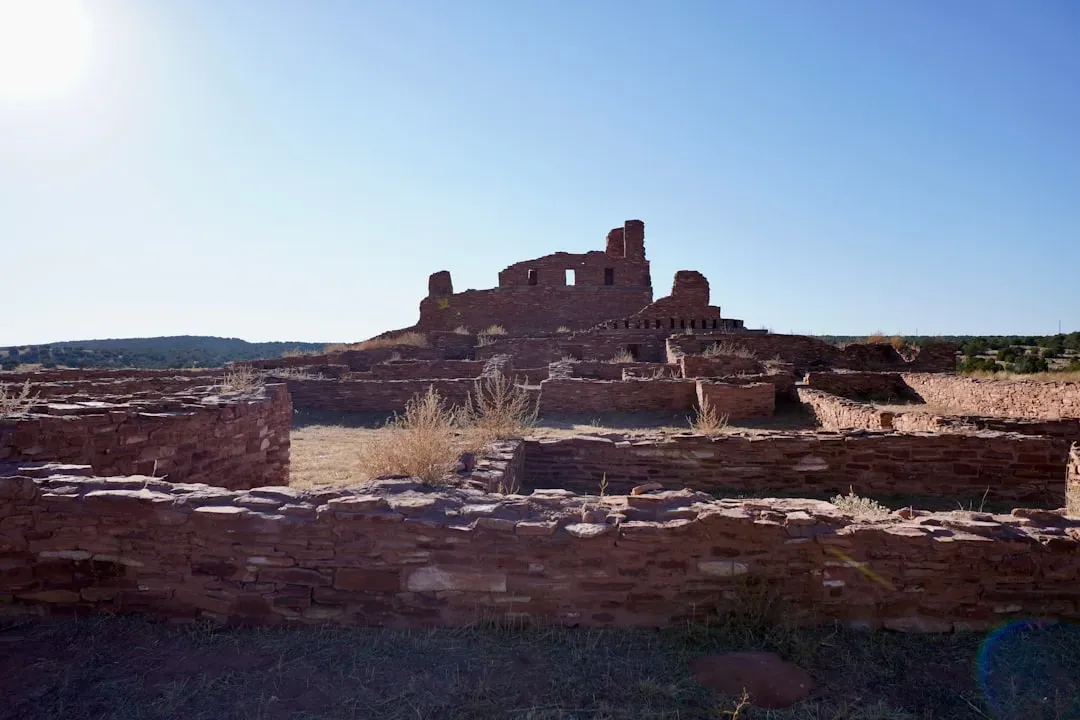
Here’s the thing: the United States does not get nearly enough credit for the depth and scale of its ancient history. What’s particularly fascinating is that many of these sites were built by cultures we once dismissed as simple hunter-gatherers or primitive farmers. That narrative has crumbled. The evidence shows us complex societies capable of multi-generational construction projects, continent-spanning trade networks, and mathematical precision that wouldn’t be matched for centuries. These nine sites prove that point better than any textbook ever could.
From the towering earthworks of Cahokia to the enigmatic coils of Serpent Mound, from the cliff-clinging rooms of Mesa Verde to the still-inhabited adobe walls of Taos Pueblo, America’s ancient landscape is staggering in its variety and ambition. These monuments deserve the same recognition and wonder we give to ancient wonders elsewhere in the world. The only question left is: which one will you visit first?