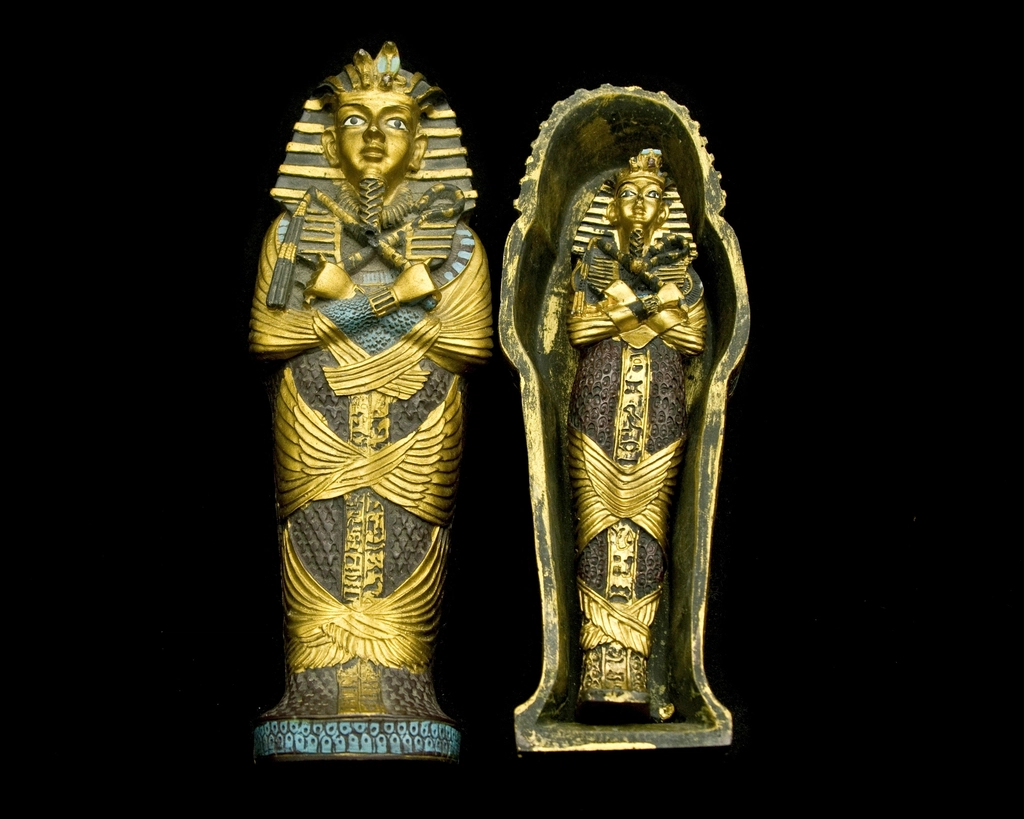
Walking through the story of Tutankhamun’s tomb is a bit like scrolling through the most mind‑bending mystery thread on the internet: every time you think you’ve got it figured out, a new detail refuses to make sense. The tomb was discovered in 1922, and yet, more than a century later, several objects inside still stubbornly defy complete explanation. We know a lot more than Howard Carter did when he peered in by candlelight, but some pieces simply will not reveal all their secrets.
What makes these objects so compelling is that they sit right at the edge of our knowledge. They are real, physical, catalogued, studied to exhaustion – and still not fully understood. As someone who has fallen down more Egyptology rabbit holes than I’d like to admit, I love these question marks even more than the answers. Let’s walk through nine of the strangest and most debated items from Tutankhamun’s tomb and see where the evidence stops and the mystery begins.
The Meteorite Iron Dagger With a Purpose No One Can Agree On
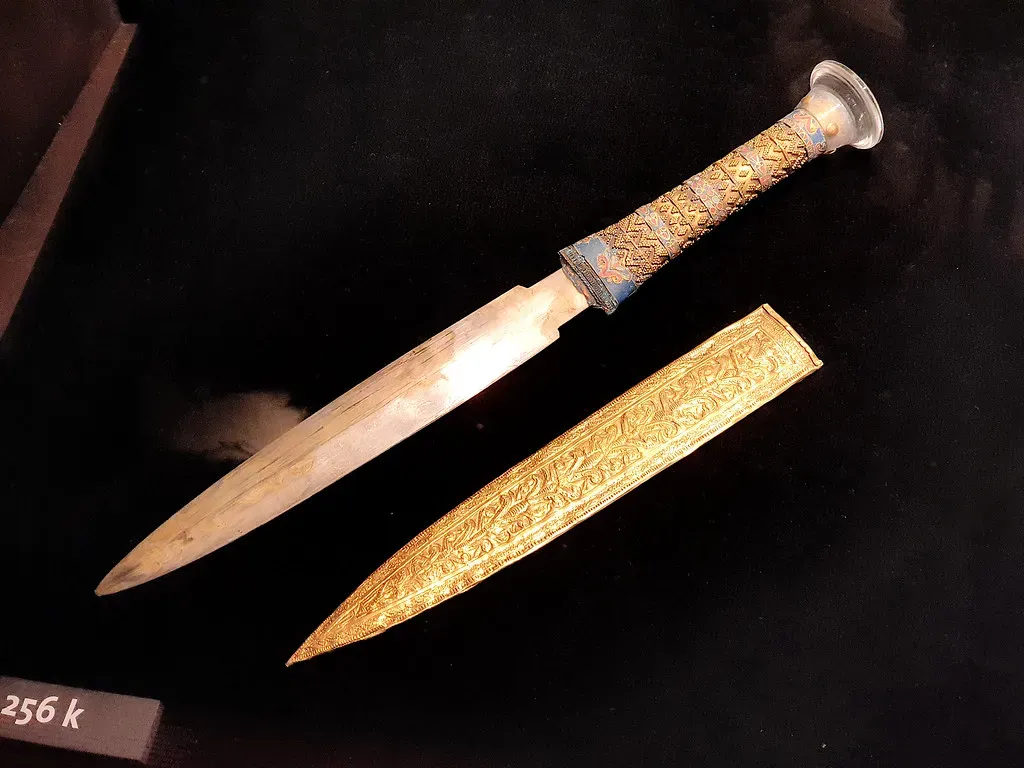
One of the most famous objects from Tutankhamun’s tomb is a gorgeous dagger with a blade made of iron from a meteorite. Scientists have confirmed its extraterrestrial origin through its high nickel and cobalt content, which matches meteorite composition rather than earthly iron ores. That part is well established; what is not so clear is why this knife, specifically, was placed on the young king’s mummy and what role it played in royal ideology or ritual.
In practical terms, the dagger is a lethal, well‑crafted weapon, but it also seems far too symbolic and precious to simply be “just a knife.” Some Egyptologists see it as a cosmic tool, tying the king to the sky gods and the stars, reinforcing the idea that the pharaoh becomes a star after death. Others suspect it might have had a specific role in funerary rites, perhaps connected to cutting bindings or symbolically opening a path to the afterlife. The texts we have do not spell this out, so the iron dagger hovers in a strange space between weapon, amulet, and cosmic icon – and no consensus quite nails it down.
The Mysterious Gold Dagger and Its Oddly Modern Craftsmanship
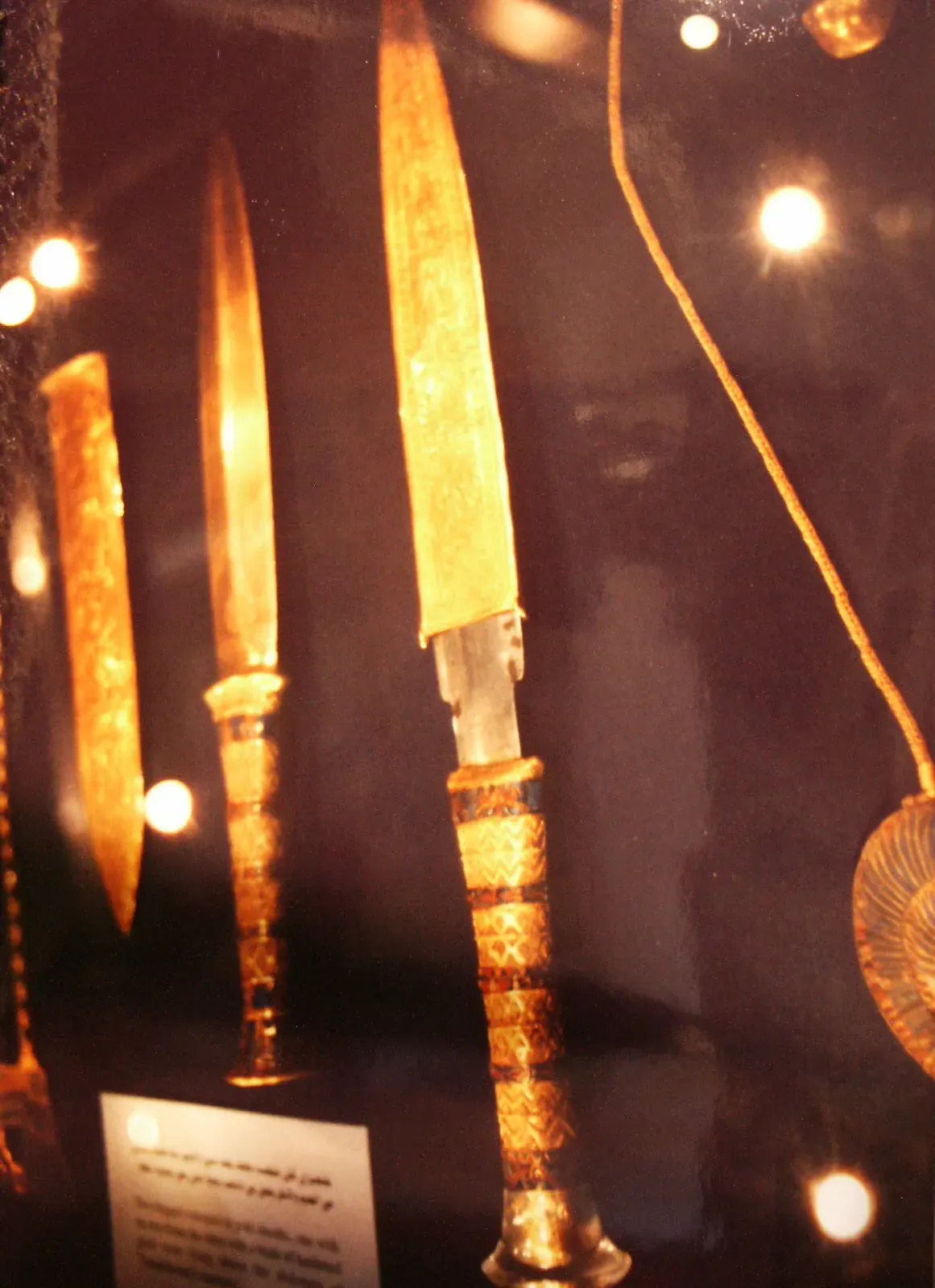
Alongside the meteorite blade, Tutankhamun was buried with a second, ornate gold dagger that puzzles researchers in a different way. The level of craftsmanship in the goldwork, the handle, and the sheath feels almost shockingly fine, even compared with other royal objects from the same period. Some scholars have argued that the precision of the inlay and the stylistic details seem slightly out of step with typical late Eighteenth Dynasty work, as if it might have an earlier or foreign origin.
There is also the open question of whether this dagger was made specially for Tutankhamun or adapted from an object belonging to someone else, possibly a predecessor. Egyptologists have floated ideas ranging from diplomatic gifts from powerful neighbors to heirloom pieces passed down the royal line, but the evidence is fragmentary at best. Without inscriptions that clearly link it to a known event or donor, the gold dagger sits in a grey area: unmistakably elite, jaw‑droppingly beautiful, and still frustratingly vague in terms of who made it, when exactly, and for what precise purpose in the burial ritual.
The So‑Called “Trumpets of Tutankhamun” and Their Unclear Role
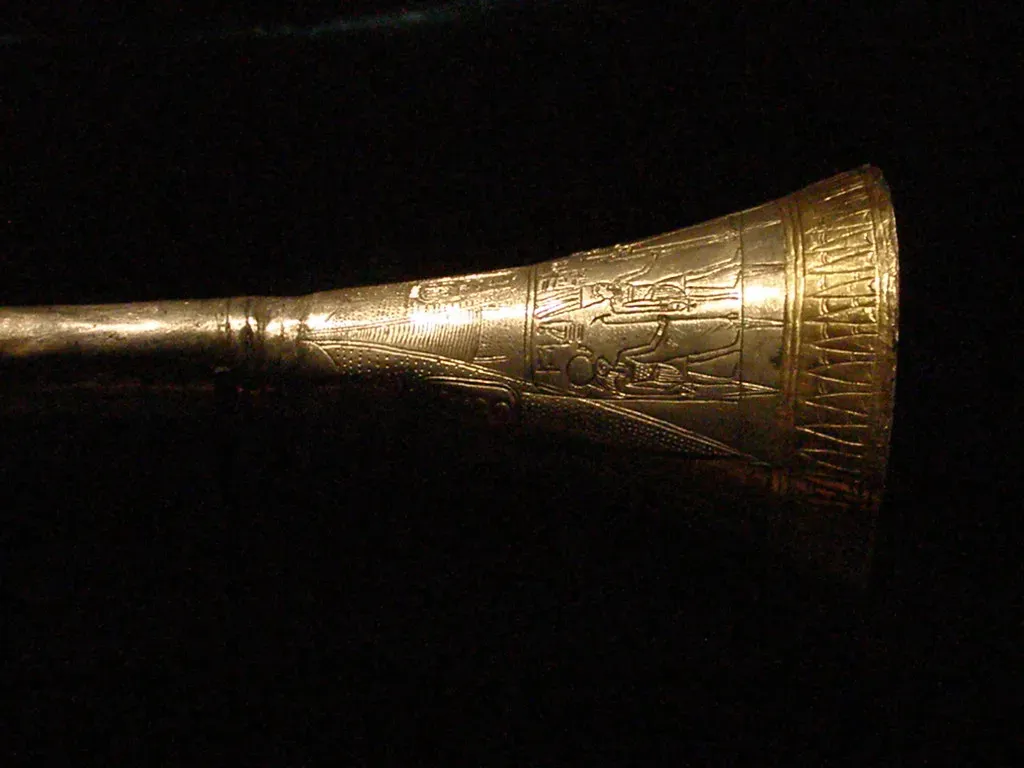
Two long, elegant instruments – often called Tutankhamun’s “trumpets” – were found in the tomb: one of silver, one of copper alloy, both with decorative elements that mark them as royal. Modern experiments have shown that they can be played and produce a deep, resonant sound, but what that sound meant in an ancient Egyptian context is still debated. Were they military instruments, ceremonial devices, or something more symbolic, like a tool to “call” the gods?
Egyptian art does depict long trumpets in military scenes, which supports the idea that they may have belonged to the king as commander‑in‑chief. On the other hand, burying them with the pharaoh suggests a function extending beyond battlefield use, possibly summoning or announcing the king’s presence in the afterlife. No accompanying text in the tomb explicitly says, “this trumpet does X,” so researchers are forced to piece together context from other sources. That gap leaves plenty of room for argument, and so far, no single interpretation has fully convinced everyone.
The Board Games: Leisure for the Dead or Cryptic Afterlife Manuals?
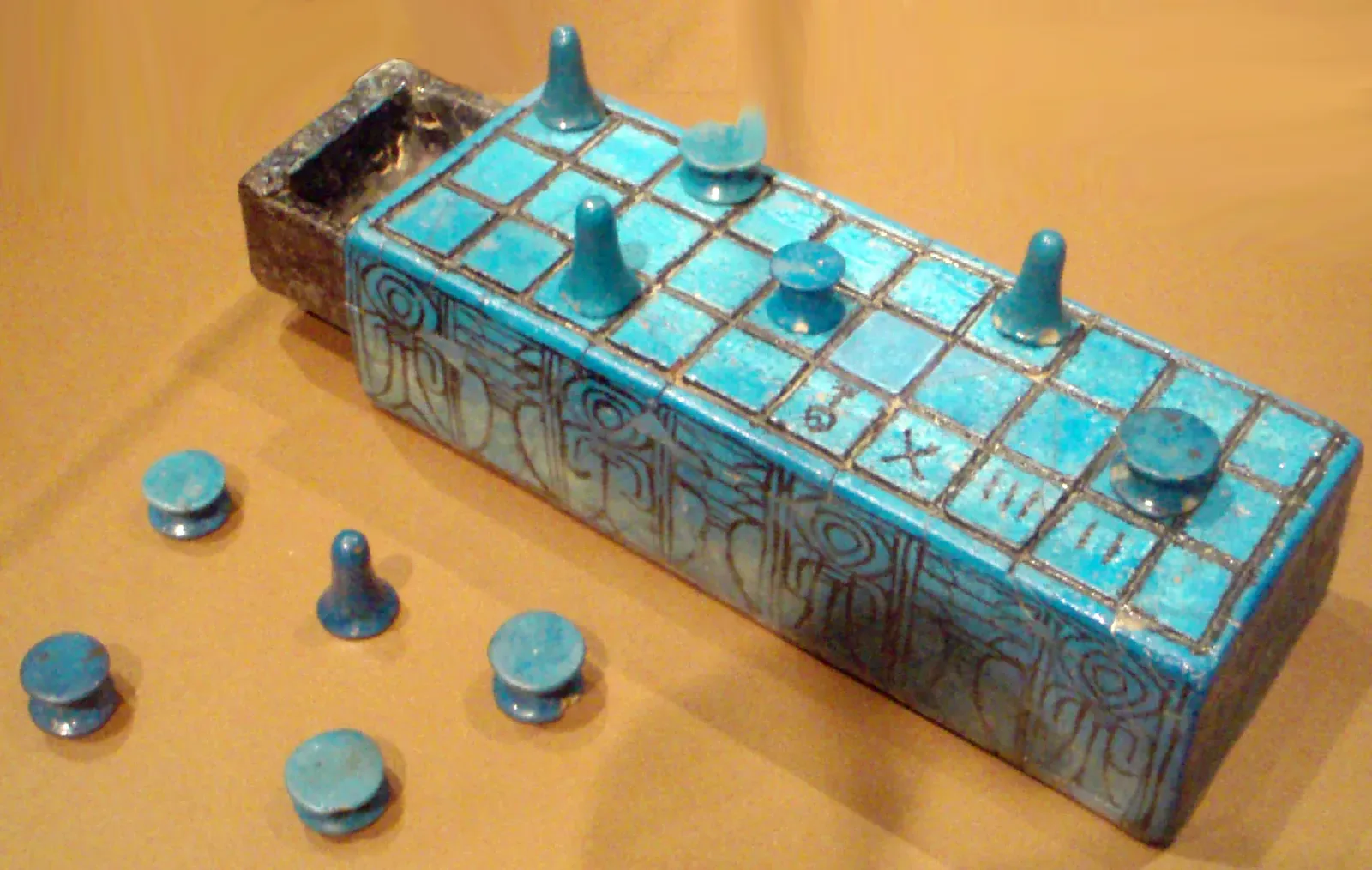
Tutankhamun’s tomb contained several gaming boards, including beautifully crafted senet sets and another game sometimes called “twenty squares.” On the surface, these look like luxury versions of everyday Egyptian pastimes, the ancient equivalent of burying someone with their favorite games console. But as scholars have dug deeper into texts and religious symbolism, it has become increasingly clear that senet was not just entertainment; it was tied to concepts of fate, movement through the cosmos, and passage into the afterlife.
The problem is that we still do not fully understand the rules, meanings, or layered symbolism of these particular royal sets. Some boards feature markings and iconography hinting at a spiritual journey, with the last squares representing safe arrival in the next world. Others are more minimal, resisting clear decoding. Are these boards literal tools the king’s spirit would “use,” heavily symbolic ritual objects, or both at once? Egyptology has advanced a lot of clever theories, but the exact blend of game and sacred text built into Tutankhamun’s boards is still not nailed down.
The Tiny Embalmed Fetuses and a Royal Story No One Can Reconstruct
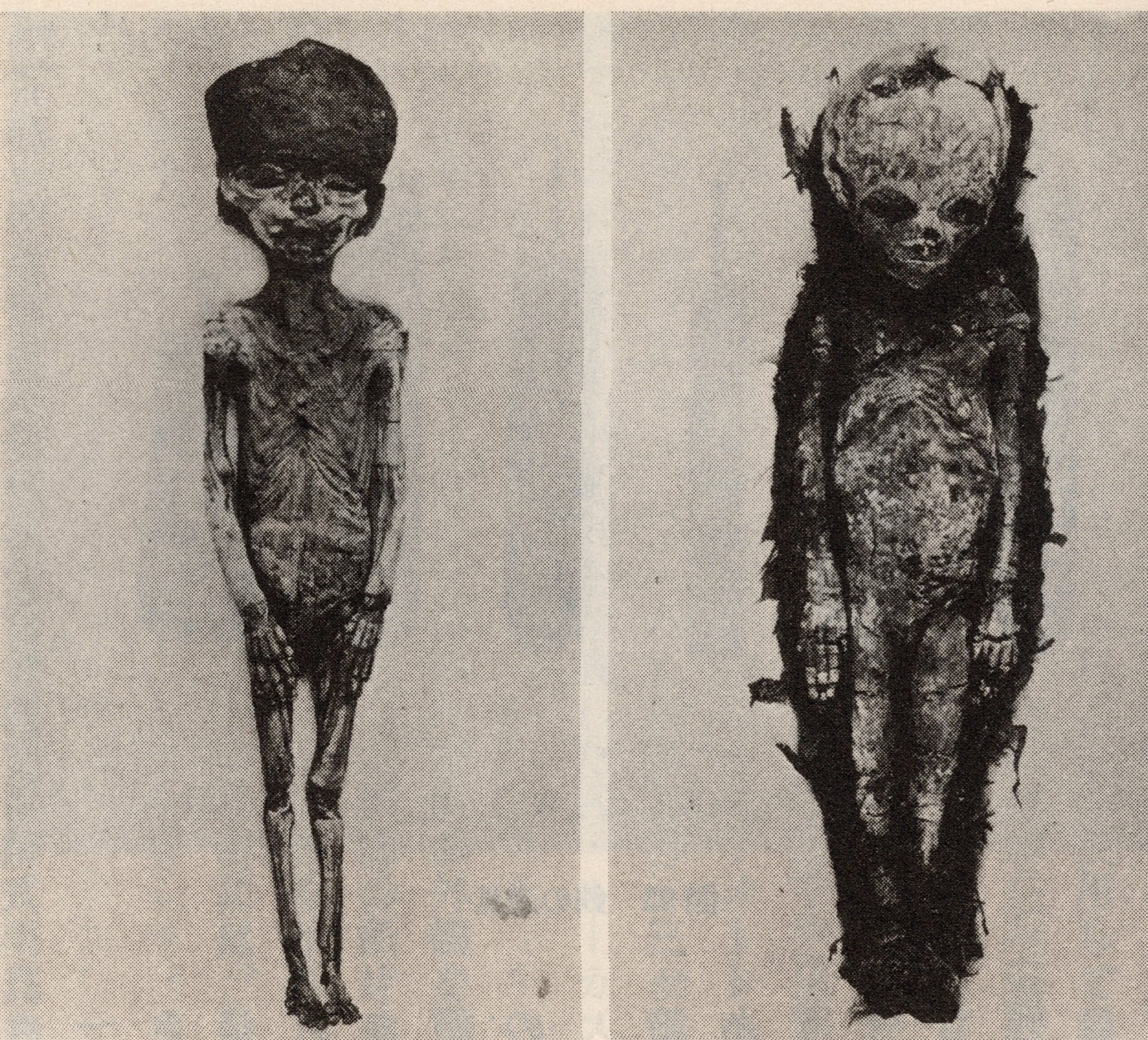
Among the most poignant and unsettling finds in the tomb were two tiny mummified fetuses, likely stillborn daughters related to Tutankhamun. Their presence raises a storm of questions that have not been fully resolved: Why were they placed in his tomb rather than buried separately? What did this say about royal lineage, succession crises, or the king’s personal life? Genetic studies have suggested family relationships, but the broader story remains frustratingly incomplete.
Some researchers think their inclusion was an attempt to secure the afterlife fate of the royal offspring, essentially ensuring that the entire branch of the family tree traveled together beyond death. Others read them as symbols of broken dynastic continuity at a time when the royal line was under strain. But we have no Egyptian text that explains how such tiny royals were supposed to function in the tomb’s spiritual program. What we are left with is a powerful emotional image and several partially supported scenarios, none of which fits comfortably enough to be called definitive.
The Shrunken Space of the Tomb Itself and Its Rushed, Reused Feel
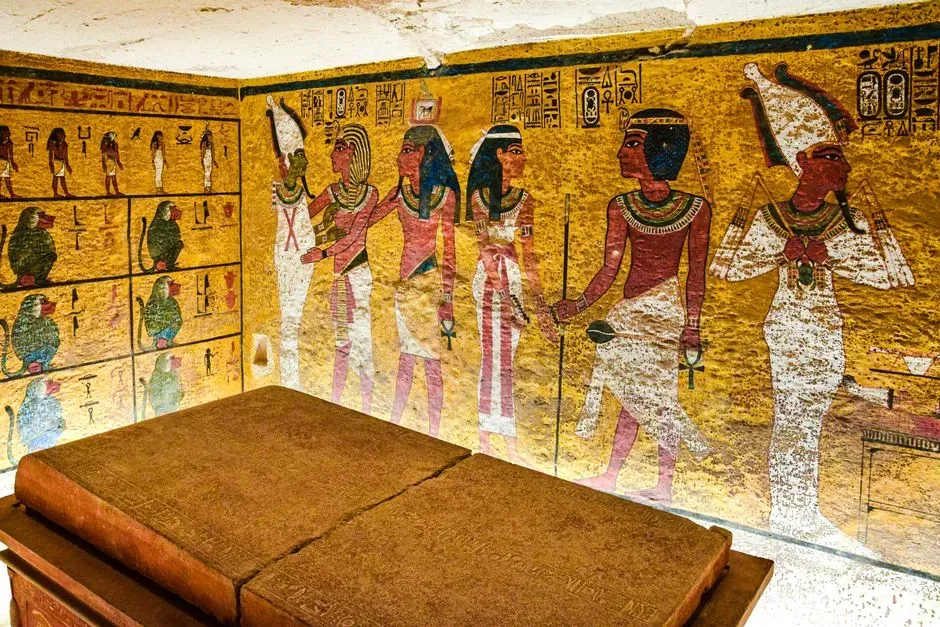
When you look at Tutankhamun’s fame, it is easy to assume his tomb must have been designed for a major pharaoh from the start. Yet the burial chamber is surprisingly small and oddly laid out compared with other royal tombs of the same period. Many Egyptologists now think it was originally intended for someone else – possibly a lesser royal or high official – and then hurriedly repurposed when the young king died unexpectedly. The result is a space that feels improvised, even patched together.
But here’s the catch: we still cannot point to a single, widely accepted “original owner” or a detailed scenario that fully explains every architectural quirk and decorative oddity. Some wall paintings look adapted in haste, while the orientation and scale of certain rooms do not cleanly match the norms of a king’s eternal mansion. The tomb’s plan has become an object of mystery in its own right, with scholars arguing over whether we are seeing crisis management after a sudden death, evidence of political turmoil, or something more subtle that we have not quite understood yet.
The Strange Mix of Foreign and Local Styles in Some Jewelry
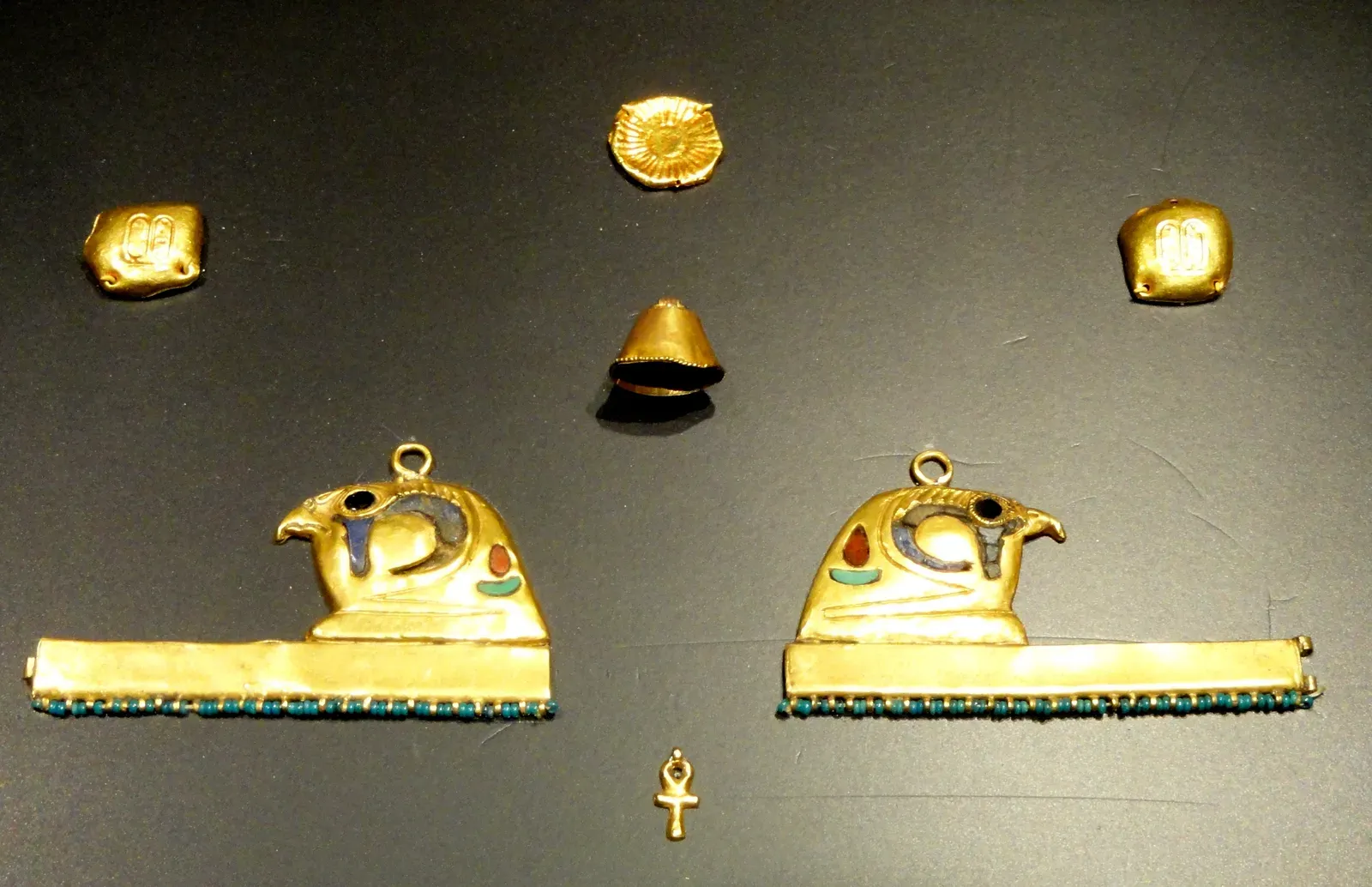
Tutankhamun’s jewelry collection reads like a masterclass in luxury design, but within that glittering mass, certain pieces stand out because they do not look fully “Egyptian” in style. Some amulets and inlays show motifs or techniques that seem influenced by neighboring cultures in the Near East, while still being integrated into Egyptian religious symbolism. This creates a kind of visual hybrid language that scholars can describe but not fully decode in terms of meaning and origin.
Were these items diplomatic gifts that the king chose to keep close in death, or were they Egyptian imitations of fashionable foreign designs? Did they carry special political weight, signaling alliances and power networks that we no longer see clearly? The archaeological record gives us materials, craftsmanship, and broad cultural parallels, but the specific story behind why this exact piece in that exact style was placed on the mummy or in a particular chest remains blurry. The result is a set of jewels that are technically understood but contextually still enigmatic.
The Unusual Resin, Oils, and Black Goo That Coated His Mummy
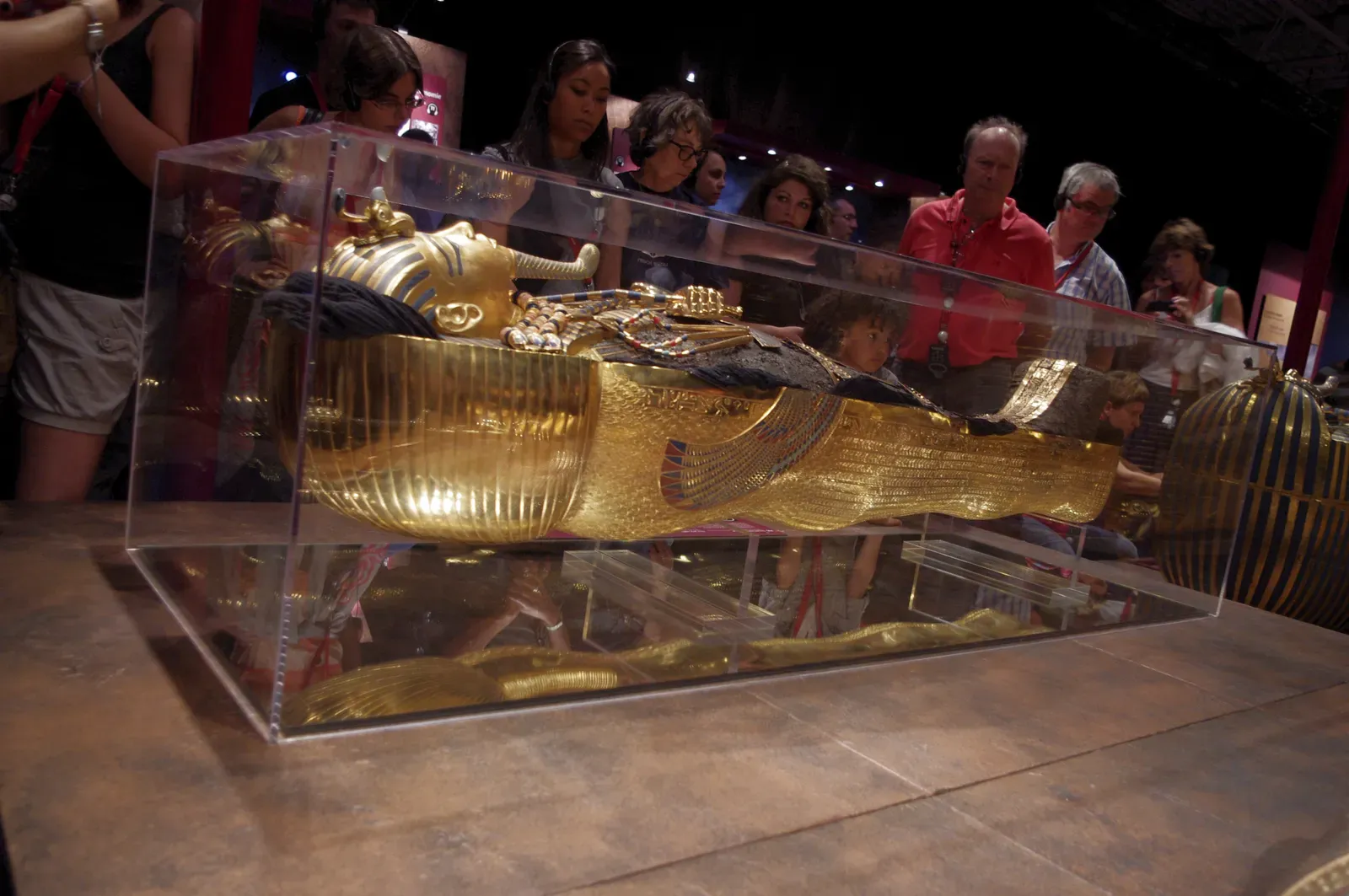
Anyone who has seen pictures of Tutankhamun’s mummy notices the thick, dark, almost tar‑like substance that coated the body and nested coffins. Analyses have shown that this “black goo” is a mixture of resins, oils, and possibly bitumen, but opinions differ on exactly which ingredients were used, in what proportions, and why such an excessive amount was poured over him. The sheer volume seems to go beyond standard embalming practice of the time, even for a king.
Some specialists argue that the goo was meant to ritualize the king as a form of the god Osiris, whose body was associated with black, fertile earth, and regeneration. Others think practical concerns were also at play, like sealing and protecting the body – though this may have ironically contributed to damage from heat generated in the reaction of oils and resins. The texts we have about mummification are often generic, not step‑by‑step manuals tied to a specific burial. That leaves the exact logic behind Tutankhamun’s thick resin bath in the realm of educated guesswork, not settled fact.
The Odd Assortment of Everyday Items: Toys, Food, and Personal Effects
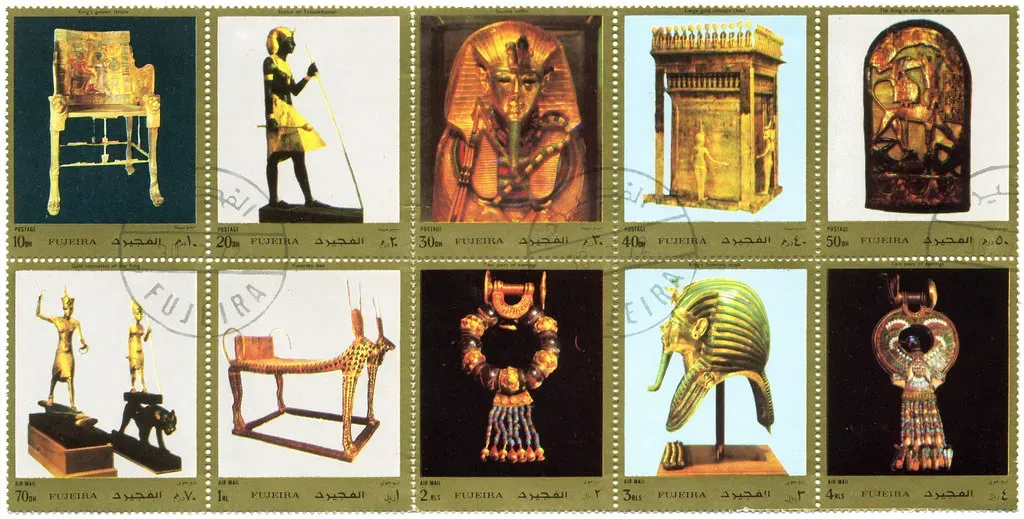
Beyond the gold mask and royal regalia, Tutankhamun’s tomb was crammed with what looks like a surprisingly down‑to‑earth hoard: chests of clothing, jars of food, walking sticks, chairs, even items that resemble toys or training equipment. On one level, this fits the Egyptian idea that the dead needed their familiar goods in the afterlife, but the exact mix and selection still raise questions. Why these particular items and not others we might expect? Why so many walking sticks for such a young king, for example?
Some scholars see these everyday objects as clues to the king’s health, personality, and lifestyle – possibly even hinting at physical disabilities. Others caution that the goods may not reflect Tutankhamun personally as much as they mirror standardized burial lists and the chaotic realities of a rushed interment, where whatever was available and suitably elite got packed in. Without detailed inventories written by the ancient embalmers themselves, we are left reading meaning into the assortment, knowing full well that we might be over‑interpreting, under‑interpreting, or simply missing a cultural logic that has not survived.
Conclusion: Why These Unanswered Questions Actually Matter
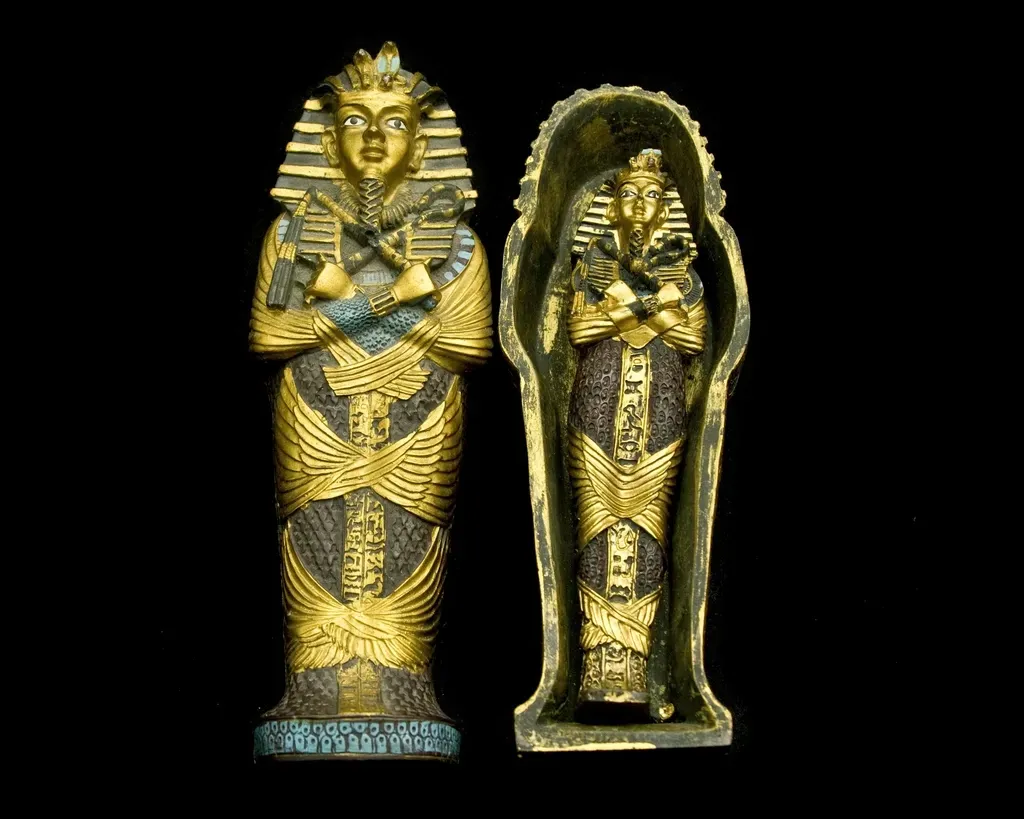
For me, the most striking thing about Tutankhamun’s unexplained objects is not that we “do not know” but that we know just enough to realize how much we are missing. The meteorite dagger, the trumpets, the fetuses, the black resin – they are like sharp, bright fragments of a story whose middle chapters were torn out long ago. Egyptologists are rightly cautious, piecing together science, texts, and context, but the picture we get is still full of tantalizing gaps, and I think that is precisely why this tomb continues to fascinate people who have never read a single excavation report.
If anything, I lean toward the opinion that we should resist the urge to force neat explanations on these objects just to feel comfortable. The tomb of Tutankhamun is a snapshot taken in the middle of a turbulent historical moment, after a religious revolution and during a fragile restoration of old traditions. Of course it looks messy, inconsistent, and a bit improvised. Those unresolved puzzles are not failures of scholarship – they are honest reminders of how complex real lives and real deaths are, even for kings. When you look at these nine mysterious objects, do you feel more drawn to the answers we have, or to the questions that stubbornly refuse to close?