When most people think of dinosaurs, the same names come rushing back every time. T. rex. Triceratops. Velociraptor. You have heard them since you were a child, and honestly, so has everyone else. While the spotlight often falls on iconic species like the Tyrannosaurus rex and Triceratops, the world of lesser-known dinosaur species is equally intriguing.
Here’s the thing though: the dinosaur family tree was enormous, and the rock stars of pop culture only represent a tiny sliver of it. There are roughly 700 known species of extinct dinosaurs, and the vast majority of them never got a single action figure or a blockbuster movie cameo. Some of the most fascinating, scientifically important, and downright bizarre creatures in Earth’s history are barely a footnote in your average history book. That’s about to change. Let’s dive in.
1. Deinocheirus: The Monster Nobody Could Figure Out
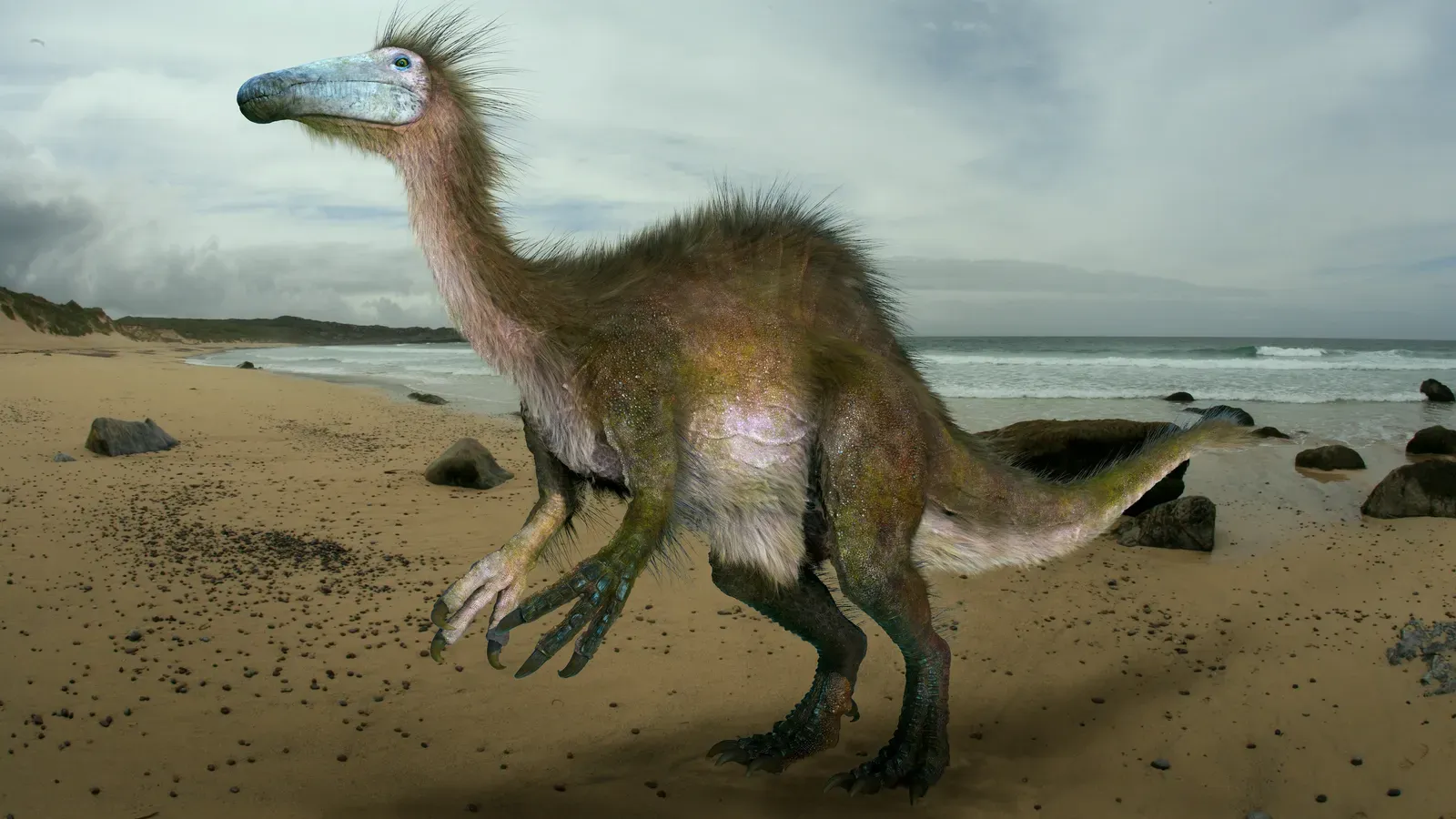
In 1965, a pair of large arms, shoulder girdles, and a few other bones of a new dinosaur were first discovered in the Nemegt Formation of Mongolia. In 1970, this specimen became the holotype of the only species within the genus, Deinocheirus mirificus; the genus name is Greek for “horrible hand.” No further remains were discovered for almost fifty years, and its nature remained a mystery. Think about that. For nearly half a century, scientists had nothing but two enormous arms to work with. The suspense in paleontology circles must have been almost unbearable.
Two more complete specimens were described in 2014, which shed light on many aspects of the animal. What they revealed was something nobody could have predicted. With a humped back similar to a camel’s and a duck-like beak, Deinocheirus was built for a specialized lifestyle. Initially thought to be a carnivore, further findings suggested it was omnivorous, feeding on plants and possibly fish. This is the kind of creature that makes you realize prehistoric Earth was genuinely stranger than fiction.
2. Therizinosaurus: The Plant-Eater with Nightmare Claws
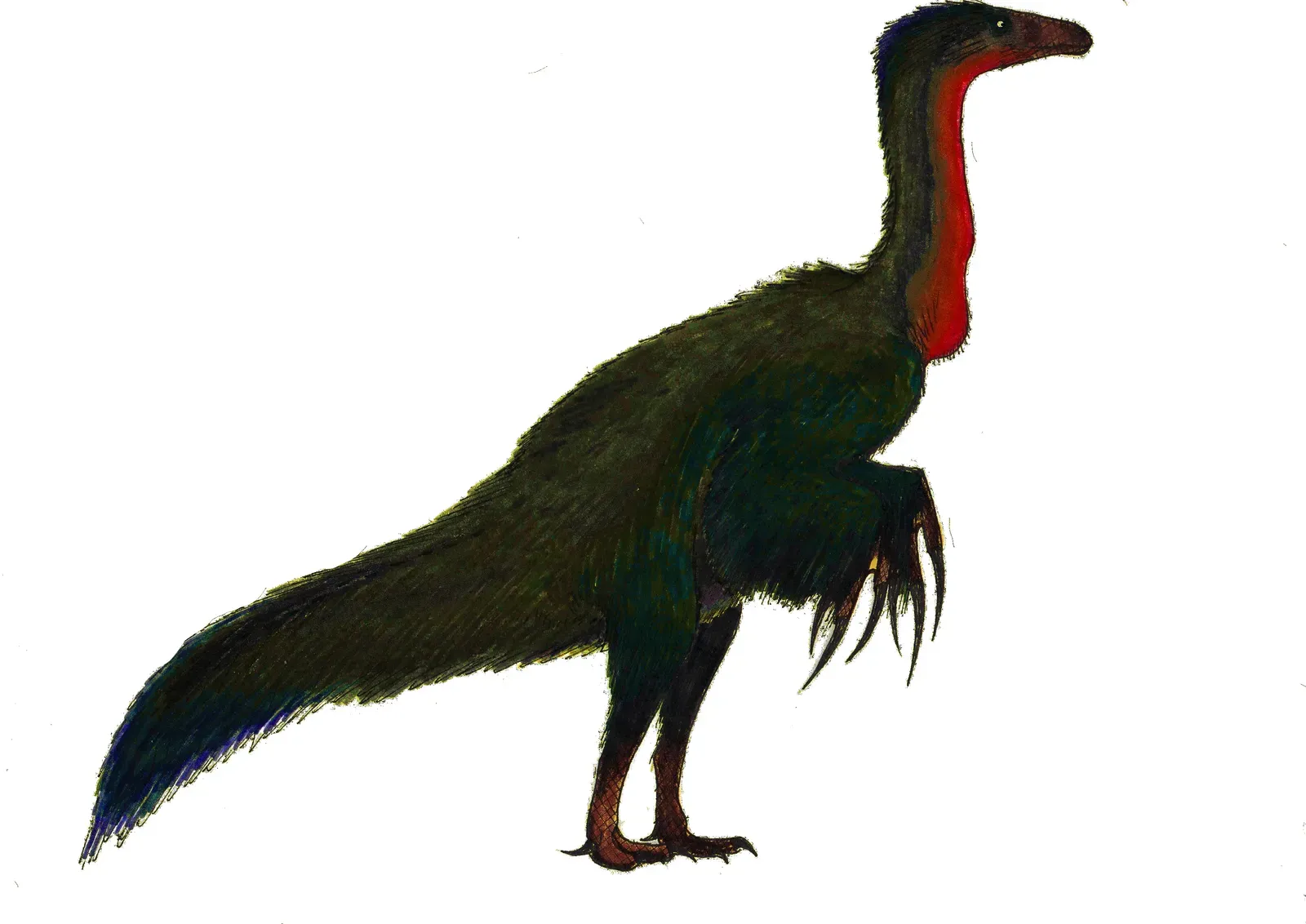
You would never guess from looking at it, but Therizinosaurus, despite having some of the most terrifying appendages of any land animal ever recorded, was almost certainly a plant-eater. The most distinctive feature of Therizinosaurus was the presence of gigantic unguals on each of the three digits of its hands. These were common among therizinosaurs but particularly large and stiffened in Therizinosaurus, and they are considered as the longest known from any terrestrial animal. The arm of Therizinosaurus covered 2.4 m (7.9 ft) in total length.
Like other members of its family, Therizinosaurus had a proportionally small skull, bearing a rhamphotheca (horny beak), atop a long neck; a semi-erect, bipedal gait; a large gut for foliage processing; and sparse feathering. Imagine a creature the size of a bus, built like something out of a horror film, calmly pulling leaves off trees. That’s Therizinosaurus in a nutshell. Scientists still puzzle over exactly how this dinosaur used its terrifying hand weapons.
3. Troodon: Possibly the Smartest Dinosaur That Ever Lived
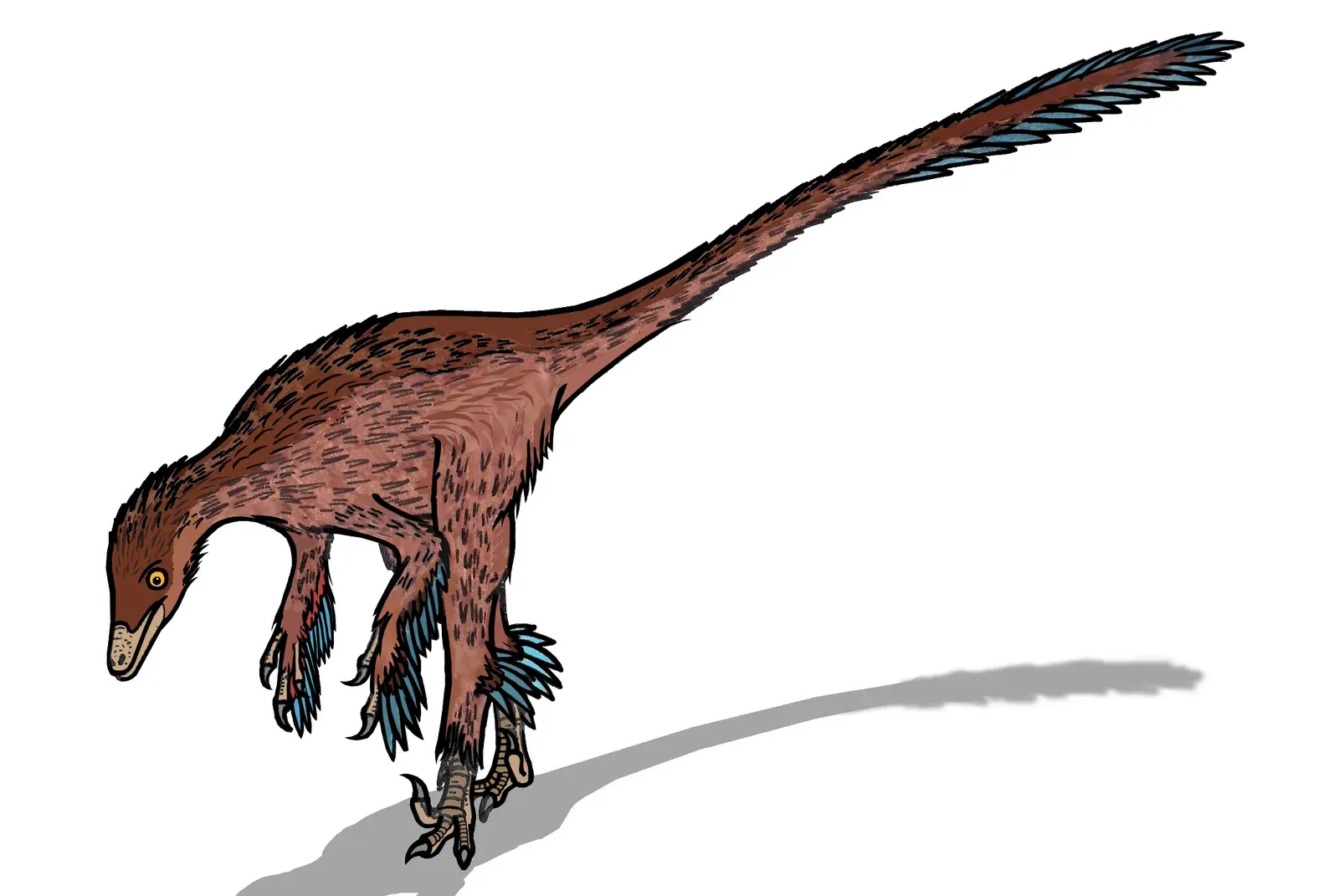
If any dinosaur had a shot at evolving intelligence given enough time, it was probably Troodon. Troodon’s brain was proportionately larger in relation to its body size than most other species of dinosaurs. This has led paleontologists to propose that Troodon was highly intelligent. That is genuinely exciting to think about. We are talking about an animal that was already developing the foundations of what makes a brain impressive.
The most distinguishing feature of Troodon was its very large, partly forward-facing eyes. This unique adaptation may have enabled the animal to have binocular vision, or overlapping fields of vision, similar to that of modern humans. Troodon wasn’t strictly a carnivore like many of its theropod cousins. With teeth that bear prominent serrations but are less robust than those of the most carnivorous dinosaurs, scientists believe Troodon had a possibly omnivorous diet. This means it might have eaten both meat and plants, adapting its diet to survive in diverse environments. It was, in a word, adaptable. The kind of animal that quietly thrives while the loudest creatures in the room get all the attention.
4. Pachyrhinosaurus: The Horned Giant Without Actual Horns
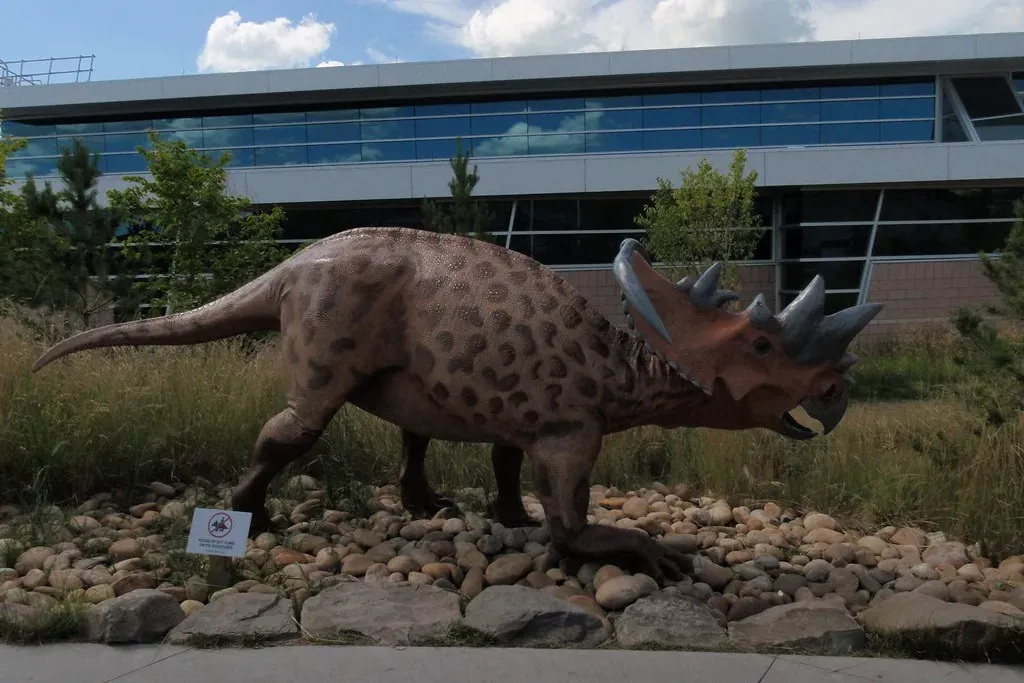
You have heard of Triceratops. But you may have never heard of its equally remarkable ceratopsian cousin that, oddly, chose a completely different approach to face design. Instead of horns, their skulls bore massive, flattened bosses: a large boss over the nose and a smaller one over the eyes. It sounds strange, and honestly, it looked strange too. Like nature decided to swap out a weapon for a battering ram.
When the area was finally excavated between 1986 and 1989 by staff and volunteers of the Royal Tyrrell Museum of Palaeontology, paleontologists discovered an amazingly large and dense selection of bones, up to 100 per square metre, with a total of 3,500 bones and 14 skulls. This was apparently the site of a mass mortality, perhaps a failed attempt to cross a river during a flood. Found amongst the fossils were the skeletons of four distinct age groups ranging from juveniles to full-grown dinosaurs, indicating that the Pachyrhinosaurus cared for their young. A herd of thick-nosed dinosaurs, likely caught in a flood while migrating. That’s a story that deserves its own documentary.
5. Kosmoceratops: The Most Ornamented Skull in Dinosaur History
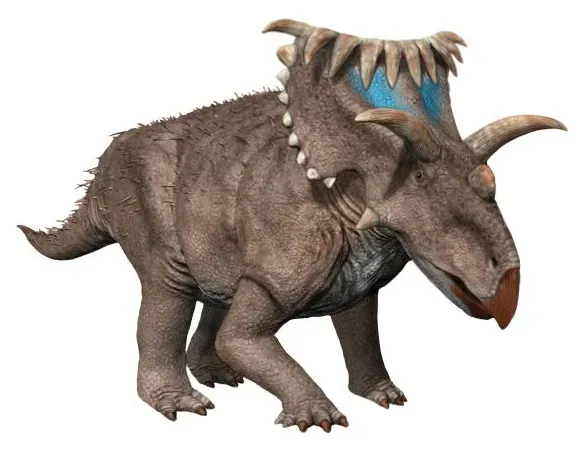
Here’s a dinosaur that looks like it dressed up for a costume contest and won every single category. With fifteen well-developed horns and horn-like structures, it possessed the most ornate skull of any known dinosaur species. Fifteen. The famous Triceratops had three horns, and we never stop hearing about it. Kosmoceratops had fifteen, and most people have never even heard its name.
Kosmoceratops is a genus of ceratopsid dinosaur that lived in North America about 76–75.9 million years ago during the Late Cretaceous period. Specimens were discovered in Utah in the Kaiparowits Formation of the Grand Staircase–Escalante National Monument in 2006 and 2007, including an adult skull and postcranial skeleton and partial subadults. While the horns above the eyes were oriented forwards or hindwards in most of its relatives, the horns of Kosmoceratops pointed up and to the sides, then downwards, ending in pointed tips. It is almost too eccentric to be real. Yet it walked this Earth, spectacular and overlooked.
6. Cryolophosaurus: Antarctica’s Rock Star Dinosaur
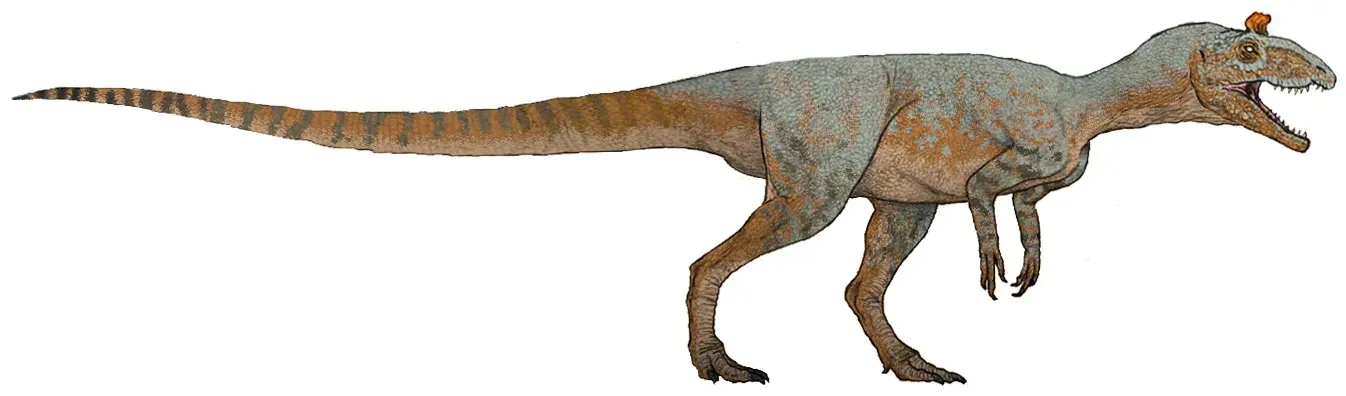
If you assumed Antarctica was just ice and penguins going back forever, Cryolophosaurus is here to correct you. Cryolophosaurus was the second dinosaur, and first theropod to be discovered in Antarctica. Let that sink in. A large, crested predatory dinosaur once roamed a continent that today is buried under kilometers of ice. In the Early Jurassic, Antarctica was closer to the equator and the world was considerably warmer than today, but the climate was still cool temperate, similar to that of modern southern Chile, and humid.
Antarctica’s first named dinosaur sported a pompadour-like crest across its head, earning the nickname “Elvisaurus” from some paleontologists. Found in 1991, this Early Jurassic predator lived when Antarctica was warmer and connected to other continents. The unusual sideways crest likely attracted mates and intimidated rivals. I think “Elvisaurus” might be the most perfect nickname in all of paleontology. It is hard to argue with it. It was one of the largest theropods of the Early Jurassic, with the subadult being estimated to have reached 6–7 metres (20–23 ft) long.
7. Giganotosaurus: The Titan That Could Have Eaten T. Rex for Breakfast
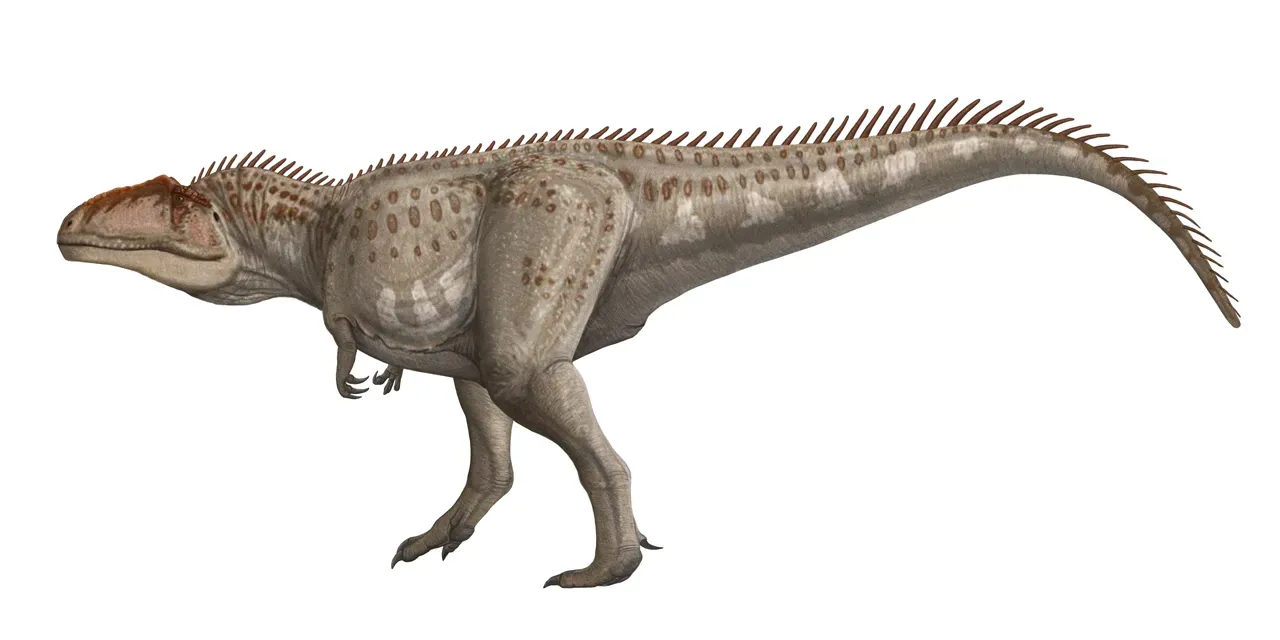
Let’s be real: if T. rex is the king of the dinosaurs in the popular imagination, then Giganotosaurus is the usurper that history conveniently forgot. Giganotosaurus was a Late Cretaceous, carnivorous theropod that lived in what is now South America. It had a somewhat bulky appearance, with thick legs, torso, and neck, and looked rather similar to the majority of giant theropods of the time. However, do not be fooled by its simplicity as Giganotosaurus was slightly larger than Tyrannosaurus rex.
In fact, Giganotosaurus is believed to have been the sole predator of Argentinosaurus, the largest land animal to ever exist. Giganotosaurus was also rather quick. It could run at a maximum speed of 50 kilometers per hour (31 mph), swifter than the fastest-recorded human in history. Think about that combination. Bigger than T. rex, faster than any human who has ever lived, and possibly hunting the largest animal to ever walk the planet. If that doesn’t deserve more recognition, it’s hard to say what does.
8. Nigersaurus: The Living Lawnmower of the Cretaceous
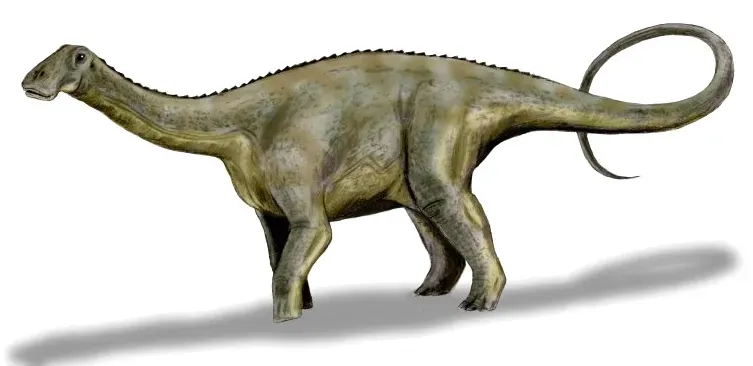
Most sauropods were giants with long necks reaching skyward for treetop leaves. Nigersaurus took a completely different approach to life. Nigersaurus, known as the “Mesozoic cow”, was a peculiar sauropod from the Middle Cretaceous Niger. While its relatives were craning upwards, Nigersaurus was grazing close to the ground, head down, quietly being extraordinary.
First found in 1976 but fully described in 1999, this African dinosaur munched plants with over 500 teeth in a wide, shovel-shaped mouth. Nigersaurus replaced its entire set of teeth every few weeks, creating a living lawnmower effect as it grazed close to the ground. Its unusual horizontal feeding style and delicate skull structure made it unlike other long-necked dinosaurs from the Cretaceous period. Five hundred teeth. A new set every few weeks. You could argue Nigersaurus had the most efficient eating system of any dinosaur ever discovered, and yet somehow, it rarely makes the highlight reel.
9. Amargasaurus: The Double-Spined Spectacle Nobody Talks About
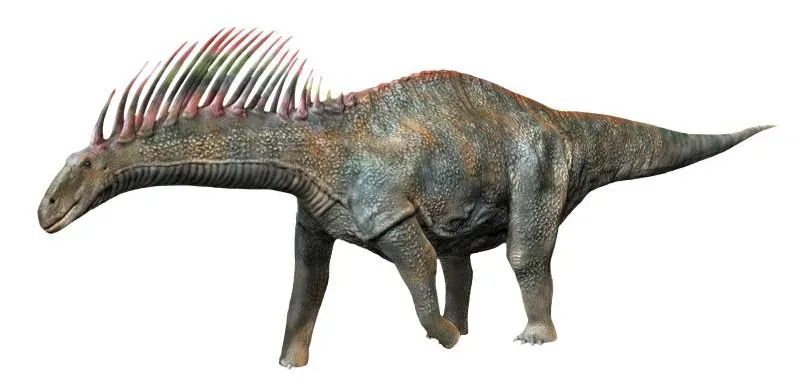
If you thought sauropods were just long, grey, gentle giants lumbering across plains, Amargasaurus will genuinely surprise you. This Argentine sauropod stood out from its bigger cousins with twin rows of tall spines running down its neck and back. Named in 1991, Amargasaurus might have used these spines to regulate body temperature or display to potential mates. Scientists debate whether the spines supported skin sails or stuck out like porcupine quills. Either way, this Early Cretaceous dinosaur would have cut a striking figure.
Beyond their fascinating appearances, lesser-known dinosaurs contribute significantly to our understanding of evolution. Amargasaurus is the perfect example of that. It challenges the comfortable assumption that sauropods were all cut from the same cloth. A creature with double rows of tall neck spines isn’t just visually arresting. It raises deep questions about display behavior, thermoregulation, and how diversity evolved within a single family of dinosaurs. Yet you almost never hear its name outside a niche paleontology conversation.
Conclusion: The Dinosaurs History Forgot Deserve Your Attention
These lesser-known dinosaurs, hidden in the shadows of their more celebrated counterparts, offer a unique glimpse into the nuanced and diverse tapestry of prehistoric ecosystems. From Deinocheirus keeping scientists guessing for nearly fifty years, to Kosmoceratops wearing the most extravagant skull in prehistoric history, to Troodon quietly evolving what might have been the foundation of genuine animal intelligence, the overlooked dinosaurs are, in many ways, the most interesting ones.
The next time someone brings up T. rex or Velociraptor, maybe throw a curveball. Ask them about the dinosaur that hunted in Antarctica, or the one with five hundred teeth, or the giant that was faster than any human alive. As these dinosaurs become household names, their unique features and evolutionary significance become woven into the fabric of collective knowledge, inspiring the next generation of paleontologists. History books have always had limited space, but curiosity has none. Which of these nine forgotten giants surprised you the most?