Have you ever felt most like yourself when you’re completely alone? Maybe you’ve noticed that after a weekend of solitude, you feel clearer, calmer, and more energized than after a packed social calendar. While society often celebrates constant connection and togetherness, there’s a growing recognition that some people genuinely flourish in their own company. It’s not about being antisocial or hiding from the world. Instead, it’s about finding fulfillment in quieter spaces where your thoughts can breathe and your creativity can roam free.
If you’ve ever wondered why certain individuals seem perfectly content spending Friday nights at home or taking solo vacations without a second thought, you’re about to discover what makes them tick. These aren’t people who fear connection or struggle with relationships. They simply possess unique personality traits that allow them to transform solitude from something most people avoid into a source of genuine power and peace. So let’s dive in and explore what sets these solitary souls apart.
You Guard Your Autonomy Like It’s Gold
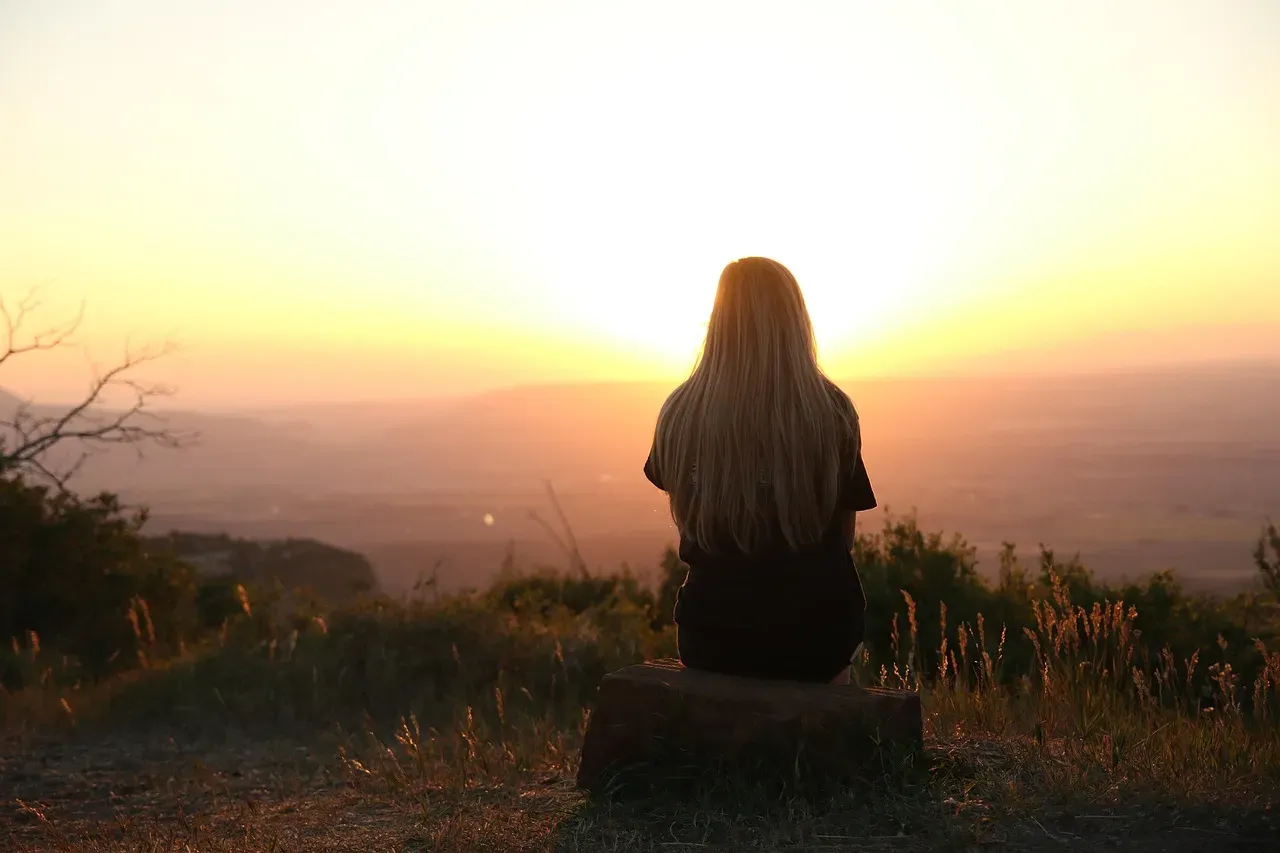
When you truly thrive alone, you place a high value on autonomy and feel most satisfied when your day reflects your personal values rather than someone else’s agenda. This shows up in surprisingly mundane moments. You might genuinely enjoy running errands solo because you can move at your own rhythm without negotiating every decision. No debates about which store to visit first or how long to linger in the book section.
On a deeper level, you probably have a clear sense of what matters to you, saying yes when something feels aligned and no when it doesn’t, guided by an inner compass that makes alone time feel natural. Research in personality psychology links healthy solitude with a sense of choice – when you choose to be alone, it feels like freedom, not rejection. This distinction matters enormously because it separates those from those who simply tolerate it.
You’re Not Fishing for Constant Approval
If you genuinely enjoy solitude, you probably don’t chase constant approval – not that you never care what people think, but your self-worth doesn’t rise and fall with every comment, like, or invitation. Let’s be real, most people feel pressure to stay visible, reply instantly, and accept every social invitation just to avoid being forgotten or judged. You’re more relaxed about this dynamic.
You know that real connections survive a quiet weekend, and instead of constantly asking “Do they like me?” you might ask “Do I like who I am with them?” which puts some power back in your hands. Because you don’t depend on constant feedback, you can enjoy activities that no one else sees – reading at night, learning a skill, or working on a personal project all feel meaningful on their own. There’s something quietly liberating about pursuing things simply because they matter to you, not because they’ll earn applause.
You’ve Mastered the Art of Self-Regulation
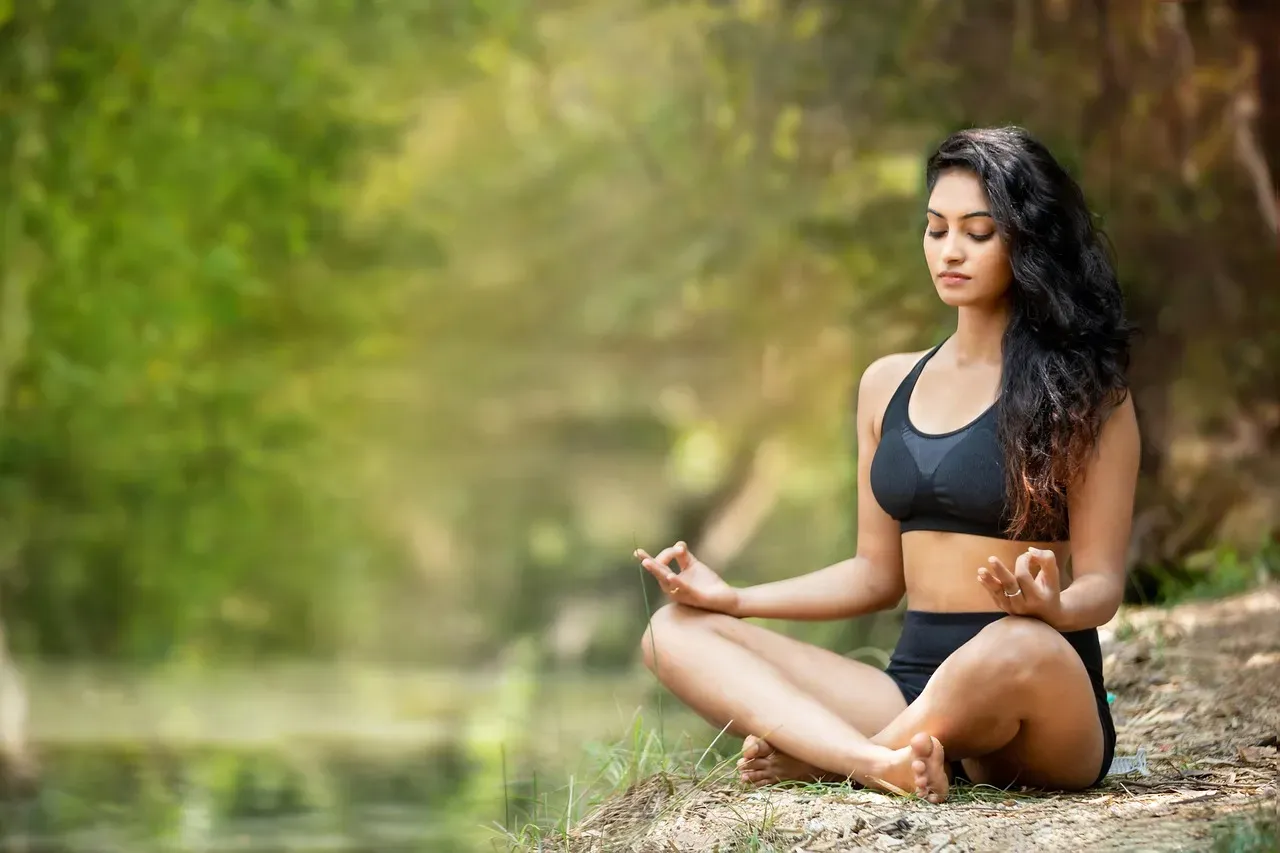
Research links positive solitude with better mood management, as people who view alone time as a choice often use it to calm down, reset, or think clearly before returning with more patience. Honestly, this doesn’t mean you never feel overwhelmed or lose your cool. You absolutely do, just like everyone else. The difference is that you trust your ability to return to center, often having a short list of things that help, like stretching, writing for ten minutes, or simply sitting in a quiet room.
Here’s the thing – this kind of healthy self-regulation can actually protect your relationships. Instead of unloading every raw emotion onto the nearest person, you process some of it privately first, then talk about it more clearly and kindly. It’s not about bottling things up or pretending everything’s fine. It’s about giving yourself space to understand your feelings before sharing them with others.
Your Boundaries Are Crystal Clear
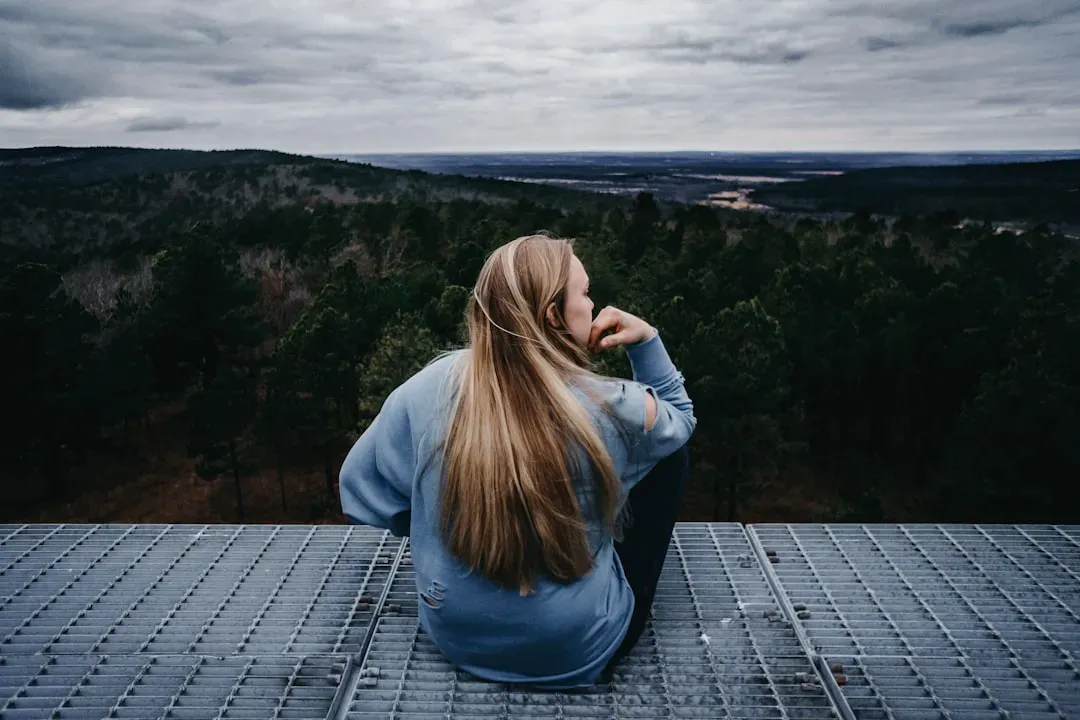
People who enjoy solitude usually have clearer personal boundaries, knowing where they end and others begin, feeling the difference between “their mood” and “my responsibility.” This might sound simple, but it’s actually quite rare. Think about how many people take on other people’s problems as their own or feel guilty for not fixing everyone’s bad day.
Those who feel at home in solitude usually set firm boundaries in their personal and professional lives, needing that buffer of alone time to recharge and protecting it by saying no to events when their social battery runs low or blocking off an entire weekend for rest. This isn’t being selfish – it’s honoring your needs. I know someone who schedules her alone time like a dentist appointment and refuses to break it unless absolutely necessary. That level of commitment to your own wellbeing is honestly refreshing in a world that constantly demands more from us.
Deep Thought Is Your Natural Habitat

Those who love their alone time usually pay close attention to their own thoughts, welcoming that quiet mental space even when it feels uncomfortable at first instead of scrambling to fill every silence with noise, slowing down to reflect on the day’s events or relationship dynamics. It’s hard to say for sure, but this capacity for introspection might be one of the most underrated strengths of solitary people.
People who enjoy being alone often value introspection highly, seeing solitude not as loneliness but as an opportunity for self-discovery and personal growth, understanding their values, identifying their passions, and making sense of their emotions through this self-understanding. This kind of deep thinking doesn’t just contribute to personal wellbeing. It guides better decision-making and helps you navigate life’s challenges with more wisdom and less panic.
Creativity Flows When You’re Solo
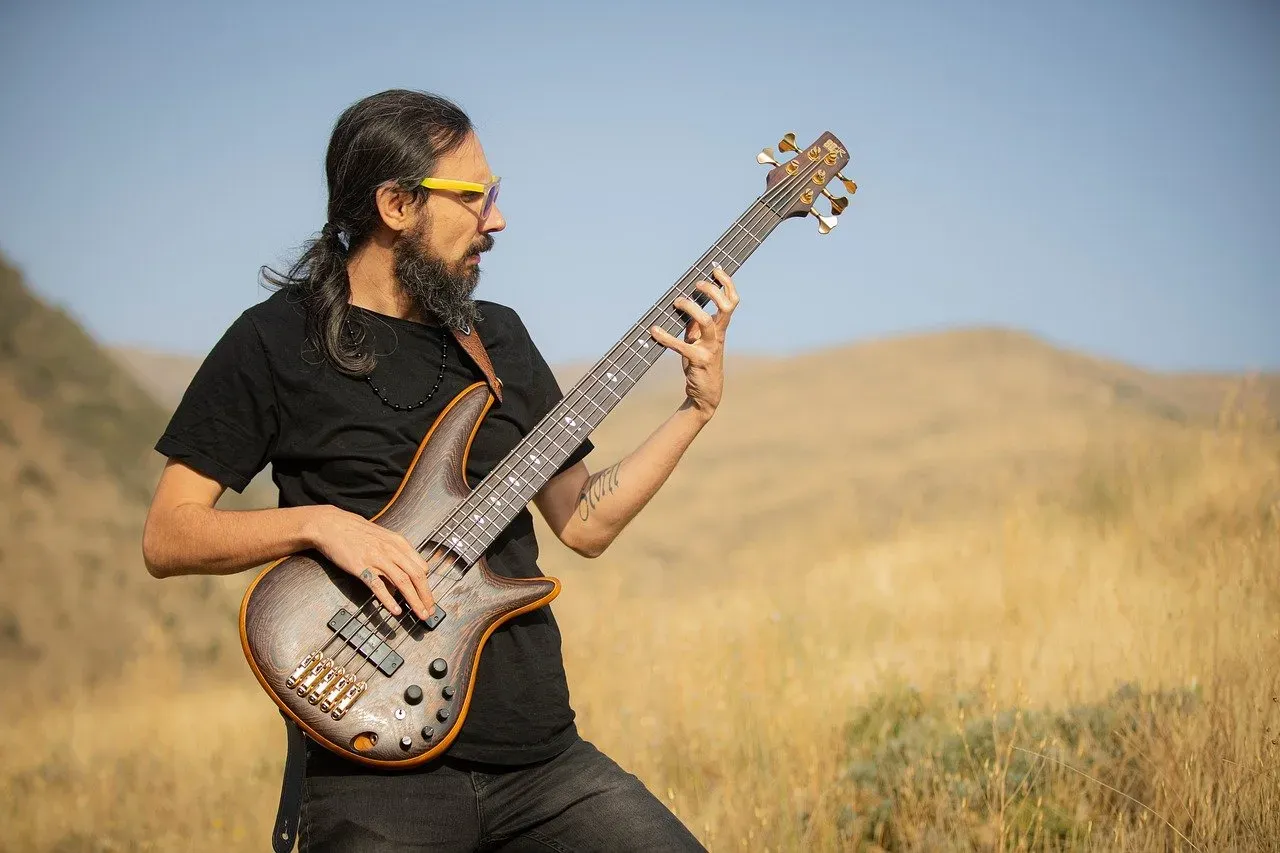
There’s a strong link between solitude and creativity – those who enjoy being alone often have high creativity levels, and when alone, they have freedom to let their minds wander, explore new ideas, and think outside the box in unrestricted mental space that serves as a breeding ground for creativity. A common trait among solo-inclined individuals is the ability to lose themselves in creative or thoughtful activities like painting, writing, designing, or simply daydreaming, thriving on projects that allow them to explore their imagination in solitude that isn’t a lonely place but an environment where ideas flow freely.
Think about it this way – when you’re alone, there’s no one critiquing your half-formed ideas or interrupting your flow with their own suggestions. Many breakthroughs happen when you’re alone, free from distractions or external input, and that creative spark leads to a sense of accomplishment, leaving individuals feeling energized rather than drained after finishing a painting or writing a chapter. That’s the kind of satisfaction you just can’t manufacture in a crowded room.
You’re Comfortable in Your Own Skin

Not everyone is comfortable being alone for extended periods, especially if they tie their sense of security to others’ presence or opinions, but those who genuinely enjoy their own company handle solitude with a certain calm. They can dine alone without feeling self-conscious, often travel solo embracing the adventure of a new place on their own schedule, and don’t need constant reassurance from friends or family to validate their decisions.
Being confident in solitude doesn’t imply never wanting company – instead, it reflects a healthy self-assuredness that says “I can take care of my needs,” a skill many people cultivate over time. There’s something powerful about knowing you don’t need anyone else to have a good time or feel complete. That confidence radiates outward and actually tends to make your social interactions richer when you do choose to engage.
You’re Open-Minded in Surprising Ways

People who like spending time alone, and people who are unafraid of being single, are also more likely than others to be open-minded. This might seem counterintuitive since people sometimes assume that loners are closed off or stuck in their ways. The opposite is often true.
Openness in personality psychology is characterized by being original, curious, and imaginative. When you spend substantial time alone with your thoughts, you have more mental space to question assumptions, explore unconventional ideas, and develop unique perspectives. People who enjoy being alone have a knack for independent thinking, not feeling the need to follow the crowd or succumb to peer pressure, instead forming their own opinions, backing their own ideas, and making decisions based on personal judgment. That kind of intellectual independence becomes increasingly valuable in a world where groupthink dominates so many spaces.
You’ve Built a Rich Inner World
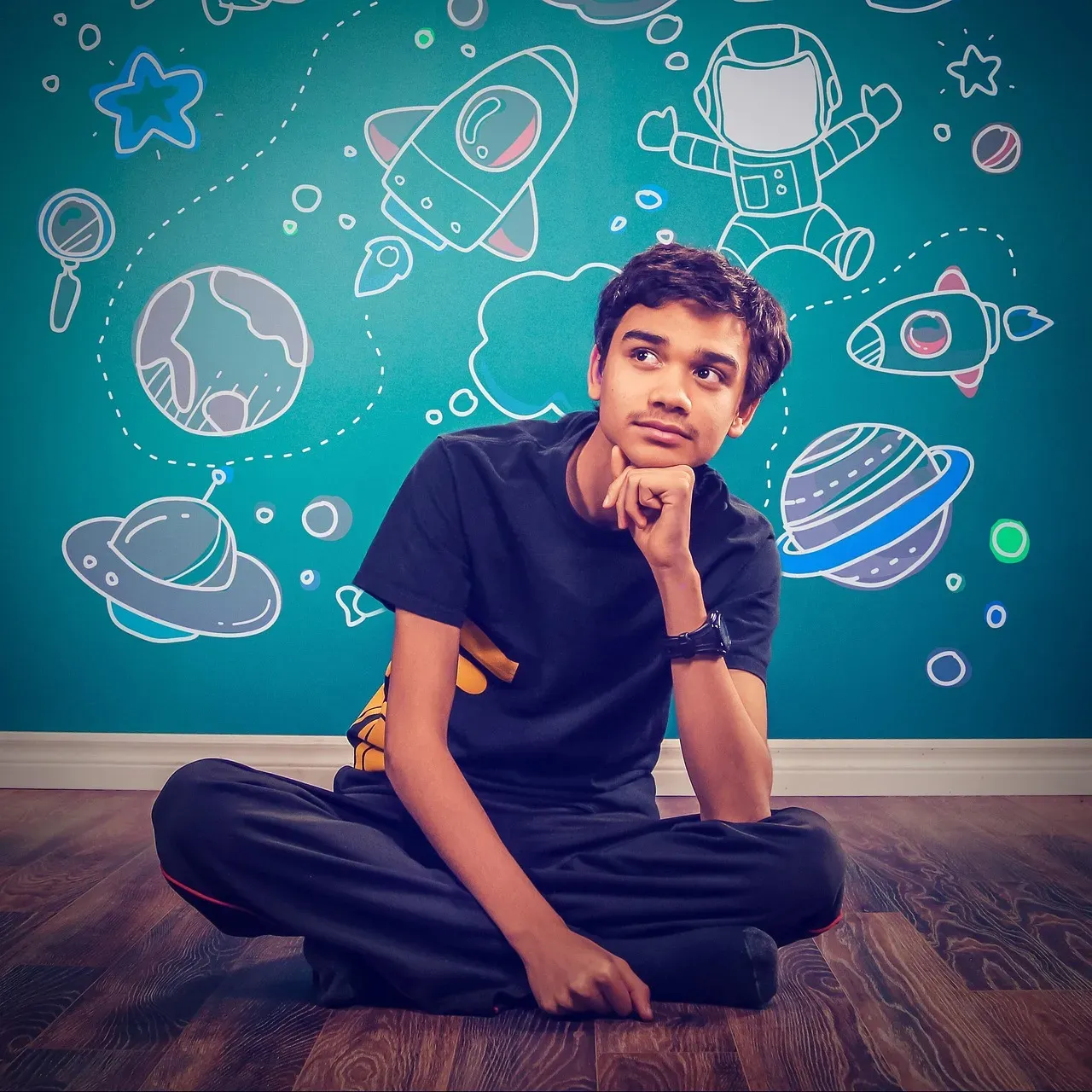
A big reason people enjoy being alone is that their inner landscape is vivid – they keep idea lists, tinker with side projects, sketch, read obscure history, write poems that no one sees, or build small apps for fun. Their love for intellectual and creative pursuits manifests in many ways, including reading as a source of escape and enrichment, writing as a channel for expression, meditation and mindfulness practices that ground them, artistic exploration in all forms, and strategic games that challenge their analytical mind – these quiet pursuits nurture their intellect while honoring their need for solitude.
Here’s what many people don’t understand about those . It’s not that you’re avoiding life or hiding from experiences. You’re simply living life in a different dimension, one that’s internal rather than external. That inner richness provides endless entertainment, stimulation, and satisfaction without needing constant external input. While others might feel empty without social stimulation, your mental world is so full that solitude never feels like deprivation – it feels like coming home.
Final Thoughts
Solitude isn’t emptiness – it’s space for creativity, clarity, and connection with oneself, and in learning to be alone, people have mastered one of life’s greatest strengths, the art of being whole on their own. If you recognize yourself in these nine personality quirks, there’s absolutely nothing wrong with you. You’re not broken, antisocial, or missing out on what makes life meaningful.
You’ve simply developed a different relationship with solitude than most people have. You’ve learned to find peace, inspiration, and fulfillment in your own company. That’s not a weakness or something to fix – it’s genuinely a superpower in a world that’s constantly demanding our attention and energy. What about you? Do these traits resonate with your experience?