

Have you ever had that nagging feeling someone isn’t quite being straight with you? That beneath all the polite nods and tight-lipped smiles, something darker is simmering? It’s one of the most uncomfortable sensations in human relationships. You can’t put your finger on it, yet you know something’s off.
Here’s the thing. Resentment rarely announces itself with fanfare. It doesn’t walk into the room and declare, “Hey, I’m holding a grudge against you!” Instead, it hides behind closed expressions, clipped responses, and behaviors that make you second-guess your own sanity. Understanding these subtle psychological signals can help you navigate the tricky waters of human emotion. Let’s dive into the hidden signs that someone might be harboring secret resentment toward you.
They Master the Art of Passive-Aggressive Communication

Passive aggressive comments or behaviors, including sarcastic remarks, are among the most common signs of resentment. You might notice this person wrapping their frustrations in jokes that cut a little too deep. They might say one thing, like agreeing cheerfully to help, but then act another way entirely, brooding and complaining while completing the task.
The insidious nature of passive aggression is that it gives them plausible deniability. If you confront them about a snide comment, they’ll likely claim you’re being too sensitive or that it was just humor. A common sign is when someone responds with an underlying tone of resentment, hostility or general displeasure, or makes a rude comment or joke that is indirectly intended to offend. Pay attention to the subtext of what they say – not just the words themselves.
Their Body Language Tells a Different Story

Words can lie, but bodies rarely do. You may find your partner or colleague rolling their eyes or crossing their arms but not acknowledging outright that they are upset. These micro-expressions happen so fast you might miss them if you’re not paying attention.
Researchers found that micro-bursts of contempt – eye-rolls, sneers, mocking tones – flag deep unspoken disdain. Watch for that brief flash of disgust when they think you’re not looking. A quick sneer, a subtle scoff, a momentary tightening of the jaw. These split-second reveals give away what they’re really feeling long before any verbal admission surfaces. The face doesn’t lie as easily as the mouth does.
They Suddenly Become Masters of Avoidance

Remember when this person used to be available, engaged, and present? Someone who was always an active participant in work meetings now rarely speaks, or is always too busy or has other excuses for not spending time with you. Plans start falling through with suspicious frequency. They’re mysteriously unavailable for coffee dates but seem fine hanging out in group settings where buffer people dilute the interaction.
Someone harboring resentment often finds your presence uncomfortable, as being alone with you means potentially facing the feelings they’re trying to avoid. So they unconsciously create barriers. This isn’t about legitimate scheduling conflicts. It’s about emotional distance, a protective wall they’ve built to shield themselves from confronting what’s really bothering them.
Communication Mysteriously Dries Up

A breakdown in communication can be a subtle warning sign – you used to get several texts a day from this person, and now you get only one or none. Their responses become shorter, less enthusiastic, stripped of the warmth that used to characterize your exchanges. Where there once was easy banter, now there’s awkward silence or perfunctory replies.
This shift isn’t accidental. When feeling resentful, people start avoiding the other person, focusing more on the real or perceived slight than the relationship itself, and the more they avoid, the more resentment builds. They’re essentially putting the relationship on ice, unable or unwilling to address what’s truly bothering them. The silence becomes its own message.
Jealousy Emerges in Unexpected Ways

A 2023 study exploring post-pandemic relationship satisfaction found that jealousy is a major sign of resentment. This isn’t just romantic jealousy. It shows up in friendships and work relationships too. One unmistakable sign is the subtle backhanded compliments – ones that sound like praise but leave a bitter aftertaste, like saying someone is lucky to have a great job, which can translate to wishing they had that success themselves.
Jealousy rears its ugly head when someone consistently downplays your achievements, finding ways to minimize them. You aced a project at work? They’ll find something wrong with it or attribute it to luck rather than skill. Got engaged? They’ll point out all the challenges of marriage instead of celebrating with you. This constant minimization is their resentment leaking out in small, poisonous doses.
They Keep an Invisible Scorecard
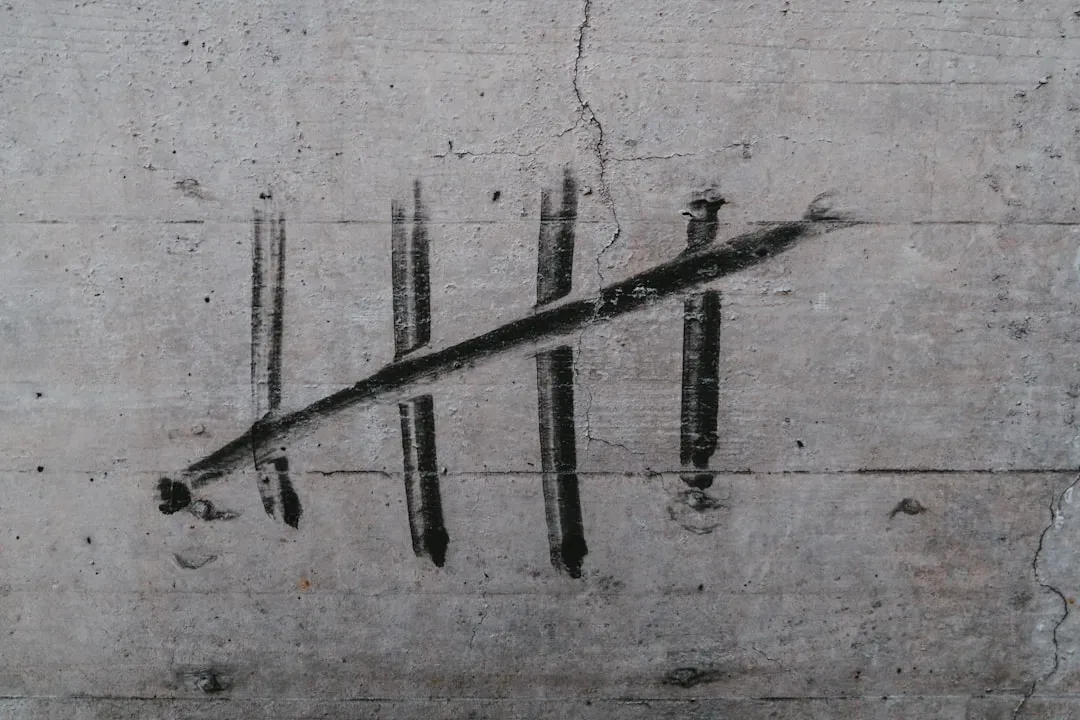
Do you find them mentally tallying up mistakes or shortcomings? This invisible ledger of grievances is a breeding ground for resentment, and it’s particularly insidious because it often happens unconsciously, coloring their perception over time. They remember every slight, every time you were late, every promise you didn’t keep – but they never bring it up directly.
A passive-aggressive person may never address their issues, but they will likely tally and keep track of times they felt wronged by others, and this silent scorekeeping justifies the subtle, passive behaviors that they enact. It’s exhausting being around someone who’s constantly keeping score because you can feel the weight of their unspoken grievances even if you don’t know what they are.
Old Wounds Keep Resurfacing

Resentful people often find it hard to let go of past mistakes or misunderstandings, and if someone keeps bringing up old incidents, especially ones where they felt wronged, it’s a clear sign they’re holding onto resentment. They might not express their feelings directly, but the fact that these memories keep bubbling up tells you everything.
This inability to move forward is particularly telling. Healthy relationships involve forgiveness and letting go, but resentment acts like emotional rust – corroding everything it touches. Resentment is about re-experiencing past wrongs and the associated anger, holding onto that anger and thinking about the event over and over such that the past clouds perception of the current. They’re trapped in a loop of replaying old hurts, unable to find a way out.
Forced Niceness That Feels Hollow

Oddly enough, sometimes resentment manifests as excessive niceness. Individuals harboring resentment might sometimes go to great lengths to appear overly nice, using this behavior as a disguise for their true feelings by showering you with excessive kindness or generosity to sidestep potential conflict, though this forced amiability often comes across as disingenuous and can leave you feeling uneasy.
There’s something performative about their friendliness. It lacks authenticity, warmth, genuine connection. You can sense the effort behind it, like they’re acting a part rather than being themselves. Signs include the need for emotion regulation, faking happiness while with a person to cover true feelings toward them. Trust your instincts when something feels off about someone’s niceness – it often is.
They Practice Selective Incompetence

When everyday cooperation becomes a struggle through a pattern of selective incompetence, deeper resentment is usually driving the behavior. They suddenly “forget” how to do tasks they’ve done a hundred times before. They complete jobs so poorly you end up redoing them yourself, which was probably their goal all along.
This refers to feigning inability to perform tasks as a way of avoiding responsibilities or expressing resentment, allowing the individual to resist demands indirectly while maintaining an appearance of incompetence rather than defiance. It’s frustrating because you know they’re capable, but they’re choosing not to apply their skills. This is resistance disguised as helplessness, and it’s one of the most maddening forms resentment can take.
Conclusion: Reading Between the Lines

Psychology shows us that hidden resentment rarely stays truly hidden – it seeps out in predictable ways, creating subtle but unmistakable patterns in how people interact with us. Learning to recognize these signs isn’t about becoming paranoid or constantly analyzing every interaction. It’s about developing emotional intelligence and understanding the complex ways humans communicate displeasure when they can’t or won’t do it directly.
Resentment thrives in silence, and when we pretend everything is fine while these patterns play out, we’re enabling the very dynamic that’s damaging our connections. If you notice several of these signs in someone close to you, it might be time for an honest conversation. Opening the door to direct communication, even when it’s uncomfortable, is often the only way to clear the air and salvage the relationship. Have you ever spotted these signs in someone you know? What did you do about it?


