
Have you ever felt like something’s off with someone but you can’t quite put your finger on it? Maybe they smile and say everything’s fine, yet there’s this weird tension hanging in the air. Like their words don’t quite match the energy they’re giving off. Here’s the thing: resentment rarely announces itself with fanfare. Instead, it hides behind tight-lipped smiles and veiled comments, quietly poisoning interactions before you even realize what’s happening.
Understanding these psychological clues isn’t about becoming paranoid or second-guessing everyone around you. It’s about tuning into the subtle signals that tell you when someone’s harboring negative feelings they haven’t voiced. Recognizing resentment early can save relationships, improve your workplace dynamics, and give you the clarity to address issues before they explode into something bigger. So let’s dive into the hidden signs that someone might be .
They’re Suddenly Overly Polite with You

You might think politeness is always a good thing, right? Not necessarily. When someone becomes unusually polite or formal with you, it can be a major red flag. Think about it like this: real relationships have a natural flow, a casual back-and-forth. When someone starts acting like they’re addressing a stranger at a business conference, something’s probably brewing beneath the surface.
Over-politeness can be a defense mechanism designed to keep feelings of resentment at bay. They’re putting up an invisible wall between you and them. The warmth is gone, replaced by stiff thank-yous and carefully measured responses. It’s their way of maintaining distance while avoiding direct confrontation about what’s really bothering them. Real love and genuine connection aren’t about being overly polite – they’re about being real.
Their Body Language Tells a Different Story

Body language can reveal resentment when you find someone rolling their eyes or crossing their arms but not acknowledging outright that they are upset. These nonverbal cues speak volumes when words fail or when someone’s trying to hide their true feelings. Watch for the person who tenses up when you enter the room or avoids making eye contact during conversations.
Maybe they turn their body away from you during meetings, or their hugs feel stiff and obligatory instead of warm. Physical expressions matter because unlike many emotions, resentment does not have physical tags exclusively related to it, however physical expressions associated with related emotions such as anger and envy may be exhibited, such as furrowed brows. The disconnect between what they say and what their body communicates is often the first clue that resentment has taken root. Pay attention to those little shifts in posture, facial expressions, and personal space – they’re telling you something important.
Passive-Aggressive Comments Become Their Language

Common signs of resentment include passive aggressive comments or behaviors, including sarcastic remarks. You know exactly what I’m talking about – those backhanded compliments that sound nice on the surface but leave you feeling oddly insulted. Something like, “Wow, you actually showed up on time today,” or “I’m surprised you pulled that off.”
One unmistakable sign is the subtle backhanded compliments that sound like praise but leave a bitter aftertaste, such as “Wow, you’re so lucky to have such a great job” which can translate to “I wish I had your success, and it’s kind of annoying that you do”. This indirect communication style allows them to express their frustration without actually owning it. They get to vent their negative feelings while maintaining plausible deniability. If you call them out, they can always say, “What? I was just joking!” Honestly, it’s exhausting to be on the receiving end of this kind of communication.
They Give You the Silent Treatment

Silence can be golden, sure, but not when it’s weaponized. Withdrawal is a sign when someone who was always an active participant in work meetings now rarely speaks. The silent treatment is a classic form of passive aggression and a telltale sign that resentment has burrowed deep. Instead of talking through their feelings like adults, they retreat into their shell, creating an invisible wall you can’t seem to break through.
This is a classic sign of resentment, a form of passive aggression where instead of communicating openly about the issues, couples tend to retreat into their shells, building an invisible wall between them. It’s their way of punishing you without actually saying what’s wrong. When you ask what’s bothering them, they might respond with a clipped “nothing” or “I’m fine,” even though their behavior screams otherwise. The emotional distance this creates can feel suffocating, and it prevents any real resolution from happening.
They’re Keeping Score of Every Little Thing

Have you noticed someone mentally tallying up every favor they’ve done for you or every time you’ve supposedly let them down? Keeping score means mentally tallying up your partner’s mistakes or shortcomings, creating an invisible ledger of grievances that is a breeding ground for resentment. This scorekeeping mentality is toxic because it turns relationships into transactions rather than genuine connections.
They remember every single time you were late, every occasion you forgot to text back, every perceived slight from months or even years ago. During arguments, they pull out this mental list like ammunition, throwing past mistakes in your face. Score keeping includes counting who did what, who booked the appointments, who handled family members, who paid the bills, signaling unmet needs and perceptions of being treated unfairly. This pattern signals deep-seated resentment because instead of addressing issues in the moment, they’re stockpiling grievances for future battles.
They Avoid Spending Time with You

Avoidance happens when the person is always too busy or has other excuses for not spending time with you. Suddenly, they have a million reasons why they can’t grab coffee, attend your event, or just hang out like you used to. Their calendar is mysteriously full every time you try to make plans, yet you see them socializing with others just fine.
This withdrawal isn’t accidental – it’s intentional. When you’re feeling resentful, you could start avoiding the other person, telling yourself that your feelings are justified and focusing more on the real or perceived slight than the relationship itself. They’re creating physical and emotional distance because being around you has become uncomfortable or triggering for them. Instead of confronting whatever’s bothering them, they take the easier route: disappearing from your life bit by bit. The hard truth is that avoidance only deepens resentment over time.
They Downplay Your Achievements

Jealousy can rear its ugly head when someone consistently downplays your achievements, finding a way to minimize it when you aced a project at work. Let’s be real – when someone who used to cheer you on suddenly finds ways to diminish your success, it stings. Maybe you got a promotion and instead of celebrating with you, they immediately point out how much harder your job will be now. Or you share exciting news and they respond with a lukewarm “oh, that’s nice” before changing the subject.
This behavior often stems from envy and insecurity, but it manifests as resentment toward you. They might feel threatened by your success or worry that you’re moving ahead while they’re stuck. Rather than dealing with their own feelings of inadequacy, they project negativity onto your accomplishments. It’s a subtle form of undermining that chips away at your confidence and the relationship itself. True friends and supporters lift you up, not tear you down.
Criticism Becomes Their Default Mode
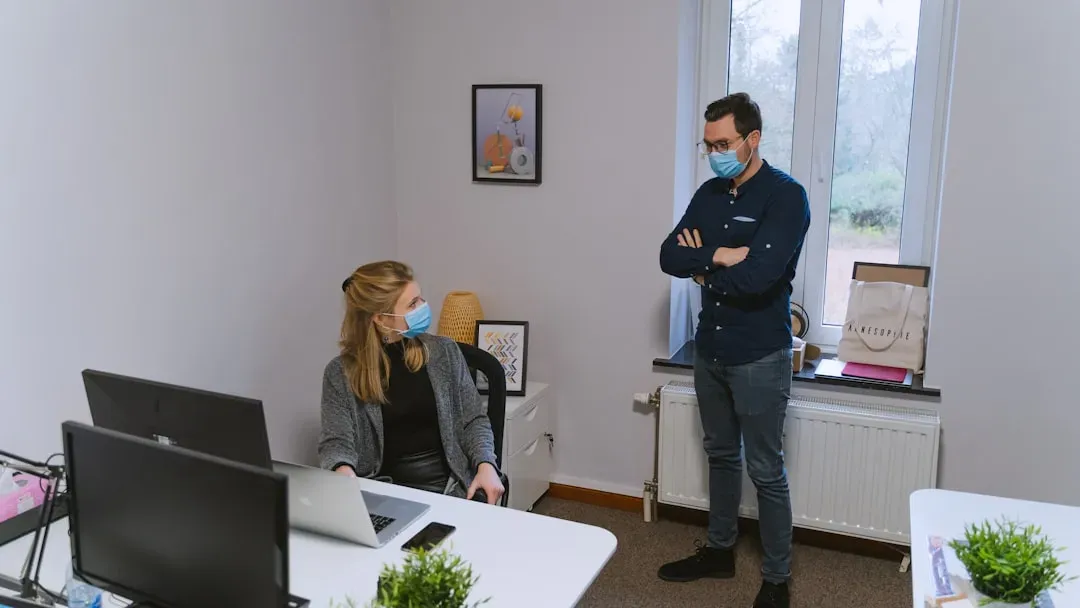
According to Dr. John Gottman, criticism is one of the biggest signs of trouble in a relationship, part of his four horsemen of a relationship apocalypse which include criticism, contempt, defensiveness and stonewalling. When someone starts nitpicking everything you do, from how you load the dishwasher to how you phrase your emails, resentment is likely simmering underneath.
Signs of resentment can be insidious and small verbal and nonverbal behaviors, such as eye-rolling, sighing, criticizing, a general lack of respect or value for your partner’s opinions or actions, and invalidation that overtime builds up. The criticism might seem petty on the surface – after all, who really cares about how the dishwasher is loaded? But it’s never really about the dishes. It’s about feeling unappreciated, unseen, or frustrated for weeks or months. The criticism is just how those deeper feelings leak out when they’re not addressed directly.
Their Compliments Feel Like Attacks

Sometimes the most hurtful comments come disguised as compliments. Sarcastic or snarky comments or backhanded compliments can be a telltale sign of resentment. You know the type: “Wow, you actually cleaned the kitchen for once,” or “That outfit is surprisingly flattering on you.” These aren’t genuine compliments – they’re veiled insults wrapped in a thin layer of politeness.
The key word here is “surprisingly” or “actually” or “for once” – language that implies you usually fall short of expectations. This communication style lets them express their frustration while maintaining a veneer of niceness. It’s hard to say for sure whether they’re being intentionally hurtful or if the resentment is just bubbling out unconsciously. Either way, when compliments consistently feel like little jabs rather than genuine appreciation, you’re dealing with someone who’s harboring some serious negative feelings toward you.
Conclusion
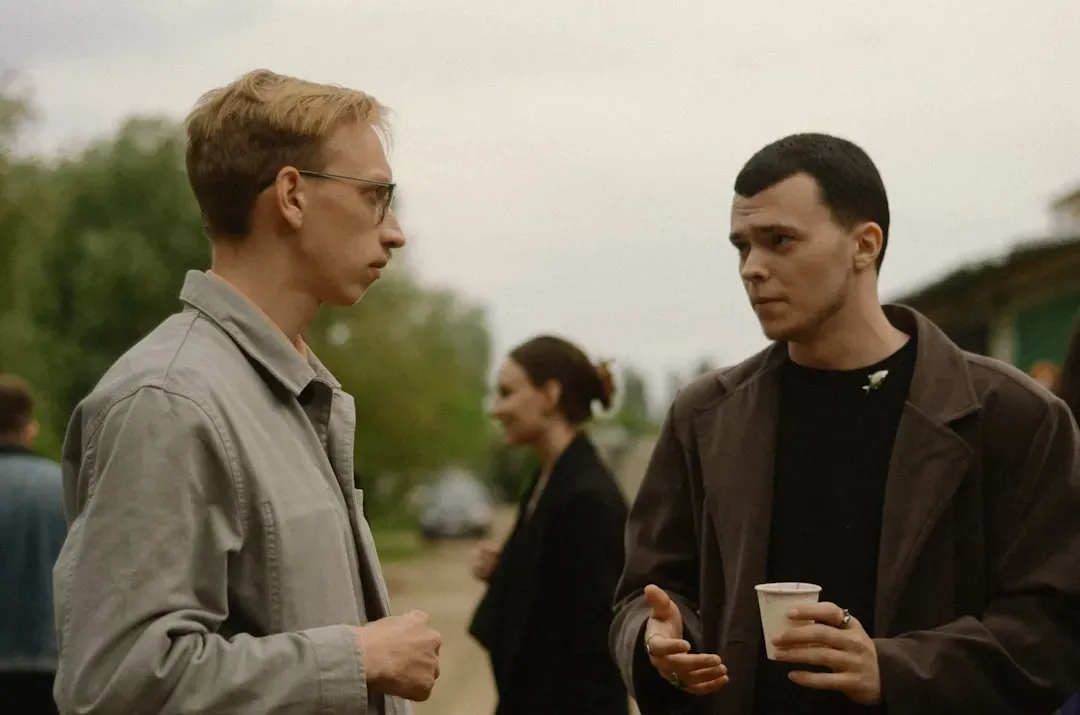
Recognizing these psychological clues isn’t about becoming hypervigilant or assuming the worst in everyone. It’s about developing emotional awareness and catching relationship problems before they become irreparable. Resentment can build over time, so it’s important to pay attention to the signs before it becomes too much. When you spot these patterns early, you have a chance to open up honest conversations, address underlying issues, and potentially save relationships that matter to you.
Remember that resentment rarely appears overnight. It accumulates slowly through unspoken frustrations, unmet expectations, and unresolved conflicts. The good news? With awareness, communication, and genuine effort, resentment can be addressed and healed. Have you noticed any of these signs in your own relationships? What steps will you take to address them? The sooner you act, the better your chances of rebuilding trust and genuine connection.