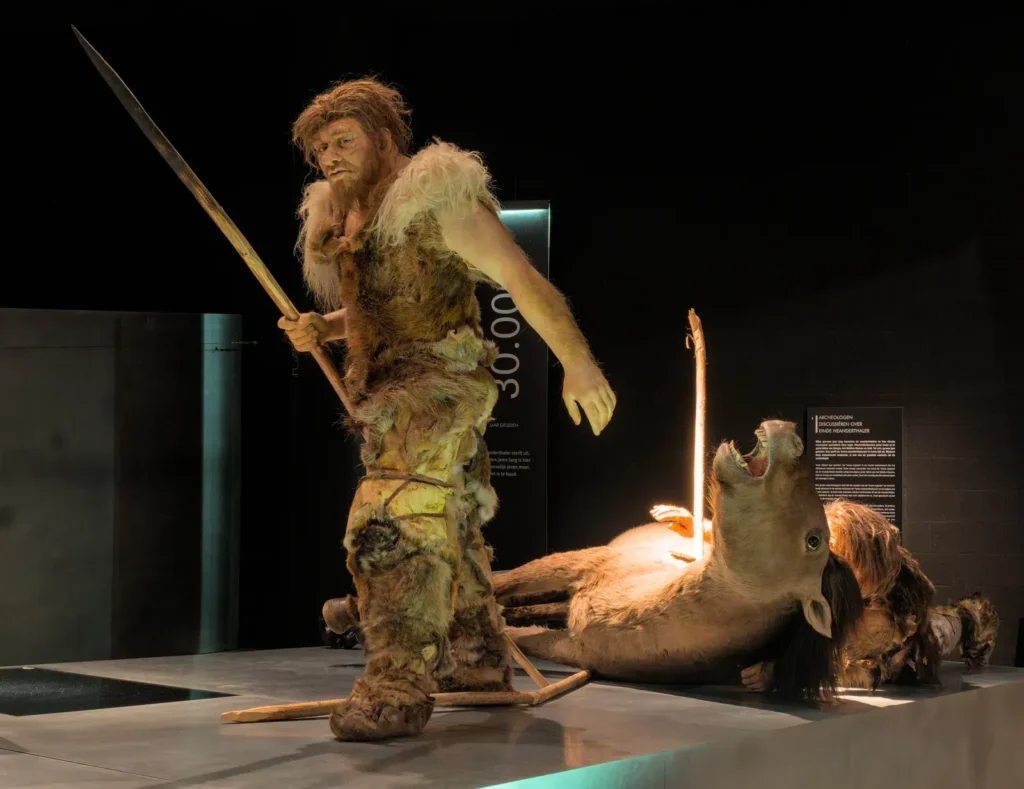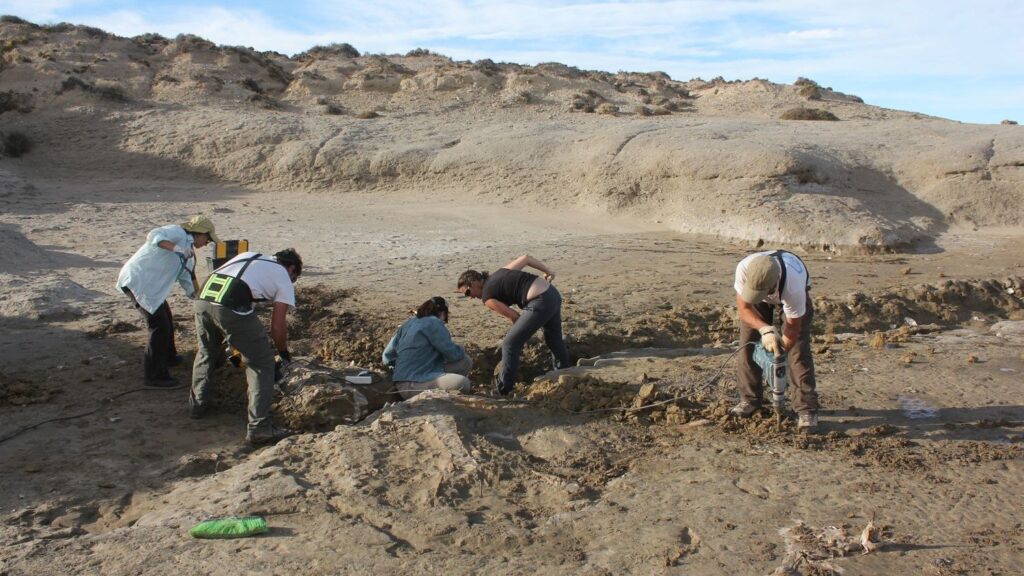
Picture this: no grocery stores, no running water, no shelter unless you build it yourself, and predators that could eat you before breakfast. That was everyday life for our prehistoric ancestors, and it was anything but easy. The world they navigated was raw, unforgiving, and completely indifferent to whether you made it or not.
Most of us today, honestly, would not last a week. Aside from a precious few who have gone out of their way to learn basic survival skills, most of us today would be utterly hopeless if suddenly forced to fend for ourselves using only the resources around us. Still, there are certain traits, instincts, and abilities that some people carry right now, in 2026, that would have made them genuine survivors in that brutal, ancient world. Curious whether you’d make the cut? Let’s dive in.
You Know How to Make and Control Fire
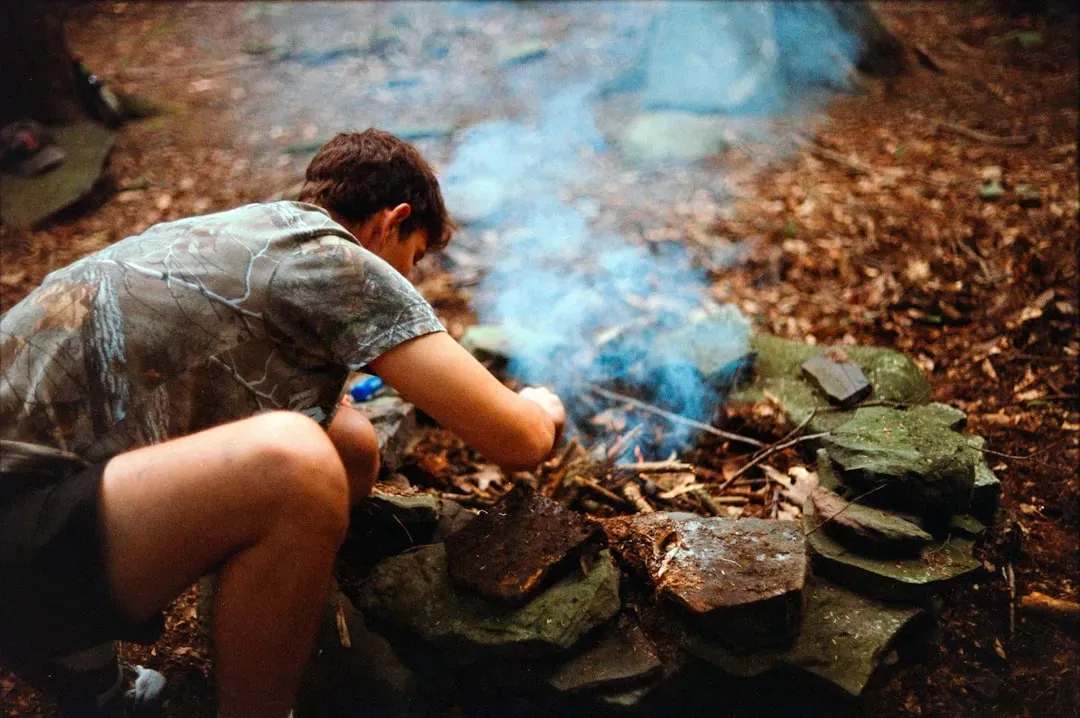
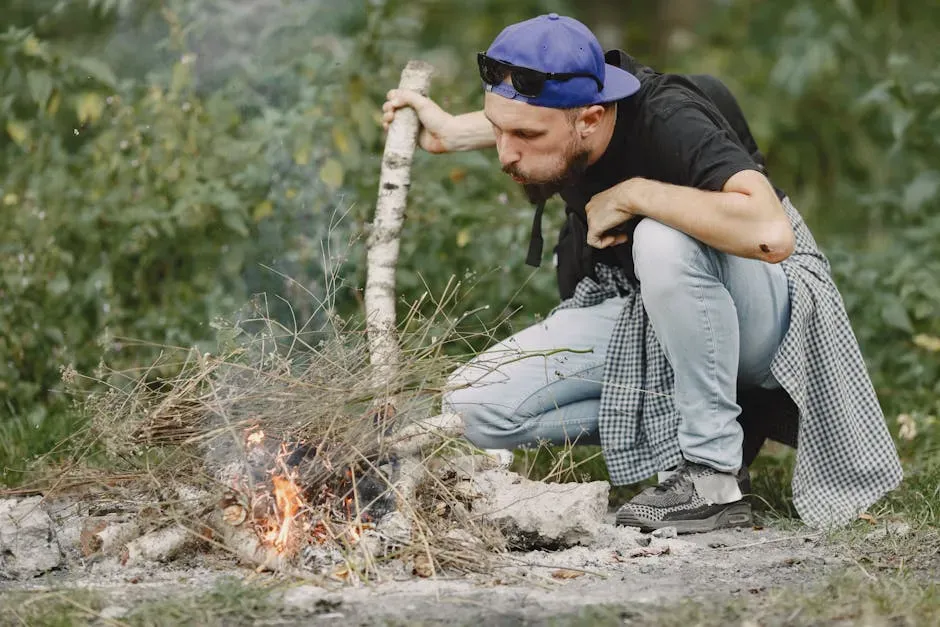
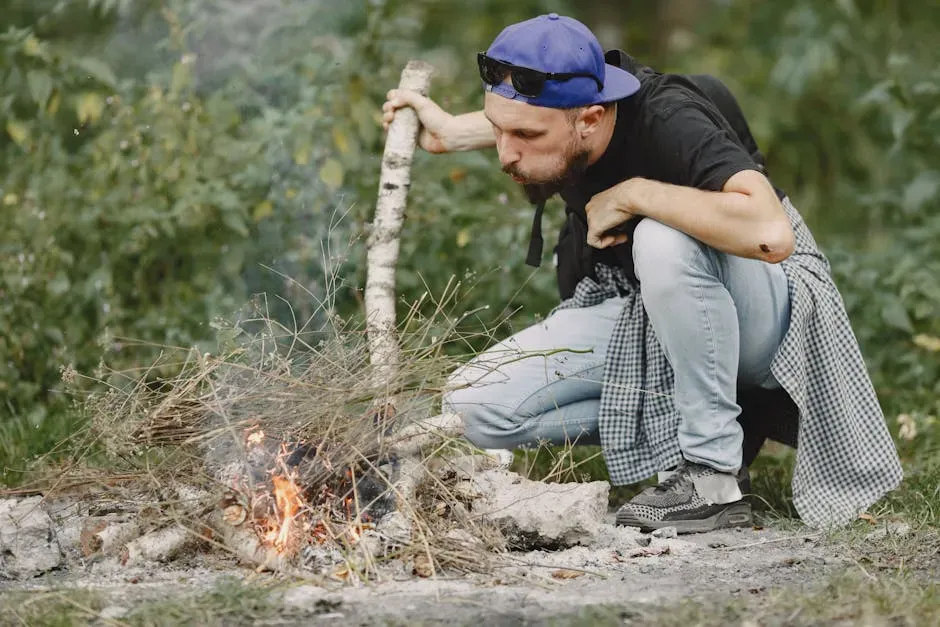
Let’s be real – fire was everything in the prehistoric world. Fire provided a source of warmth and lighting, protection from predators, a way to create more advanced hunting tools, and a method for cooking food. Without it, you were cold, exposed, and almost certainly on something else’s dinner menu. The ability to conjure flame from nothing wasn’t a party trick; it was survival itself.
If you’ve ever successfully started a fire using friction or flint, you already have a leg up on nearly every modern human alive. Rubbing two sticks together will make fire, but doing it successfully requires some know-how. It is one of our most ancient techniques for creating fire from the natural environment, and most methods involve spinning a drill back and forth on a board, with reciprocation being the key to most friction methods. Beyond warmth, fire also enabled new forms of social life. Evening gatherings around a hearth would have provided time for planning, storytelling, and strengthening group relationships, which are behaviors often associated with the development of language and more organized societies.
You’re a Natural Problem-Solver and Tool-Maker
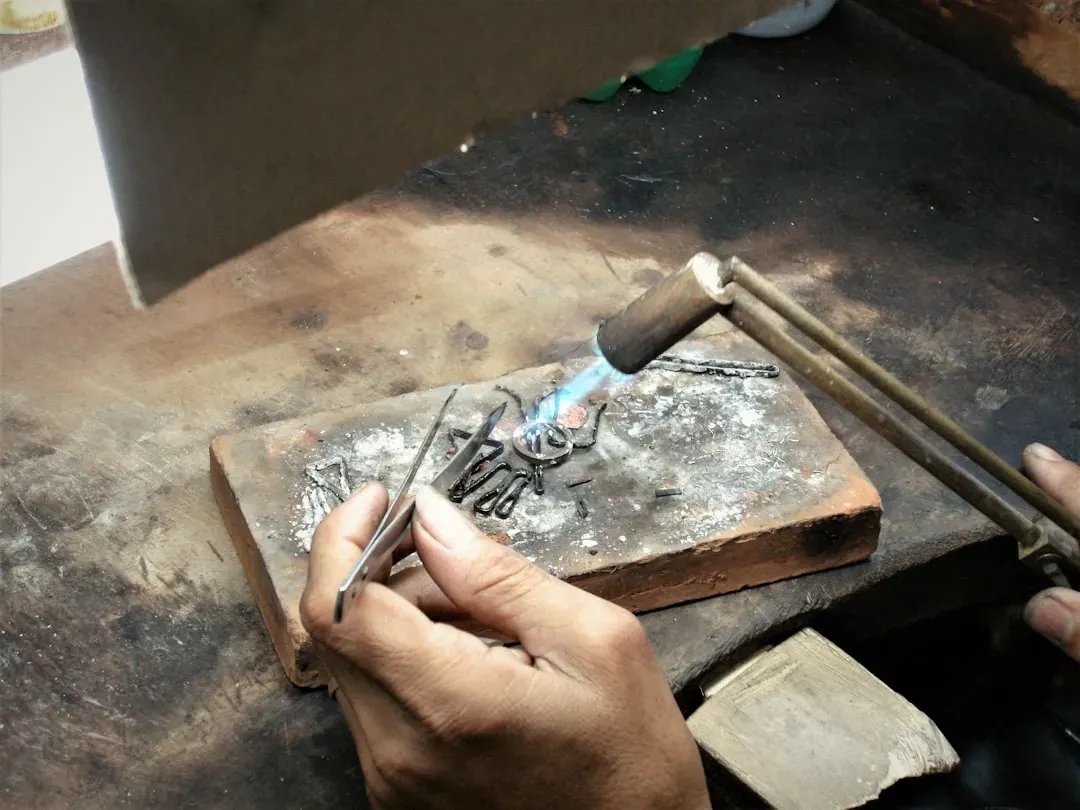
Think about the last time something broke and your first instinct was to fix it with whatever was nearby. That’s closer to prehistoric genius than you might think. The development of tool-making skills required cognitive abilities and social learning, leading to more complex social structures and foraging strategies. In the ancient world, the person who could turn a rock into a blade was practically a god among their group.
You can use different stone-working techniques to create razor-sharp blades from common rocks all around the world. By striking a thin edge on a piece of flint or quartz with a small stone cobble, you can drive off a sharp stone flake that can be used for many camp tasks, from slicing rope to cutting up food. I think the real sign of prehistoric survival potential isn’t owning tools, it’s being able to improvise them. Stone tools were crucial for survival, allowing humans to process food and adapt to different environments, and the development of tool-making skills required cognitive abilities and social learning.
You’re Good at Reading Animal Behavior and Tracking
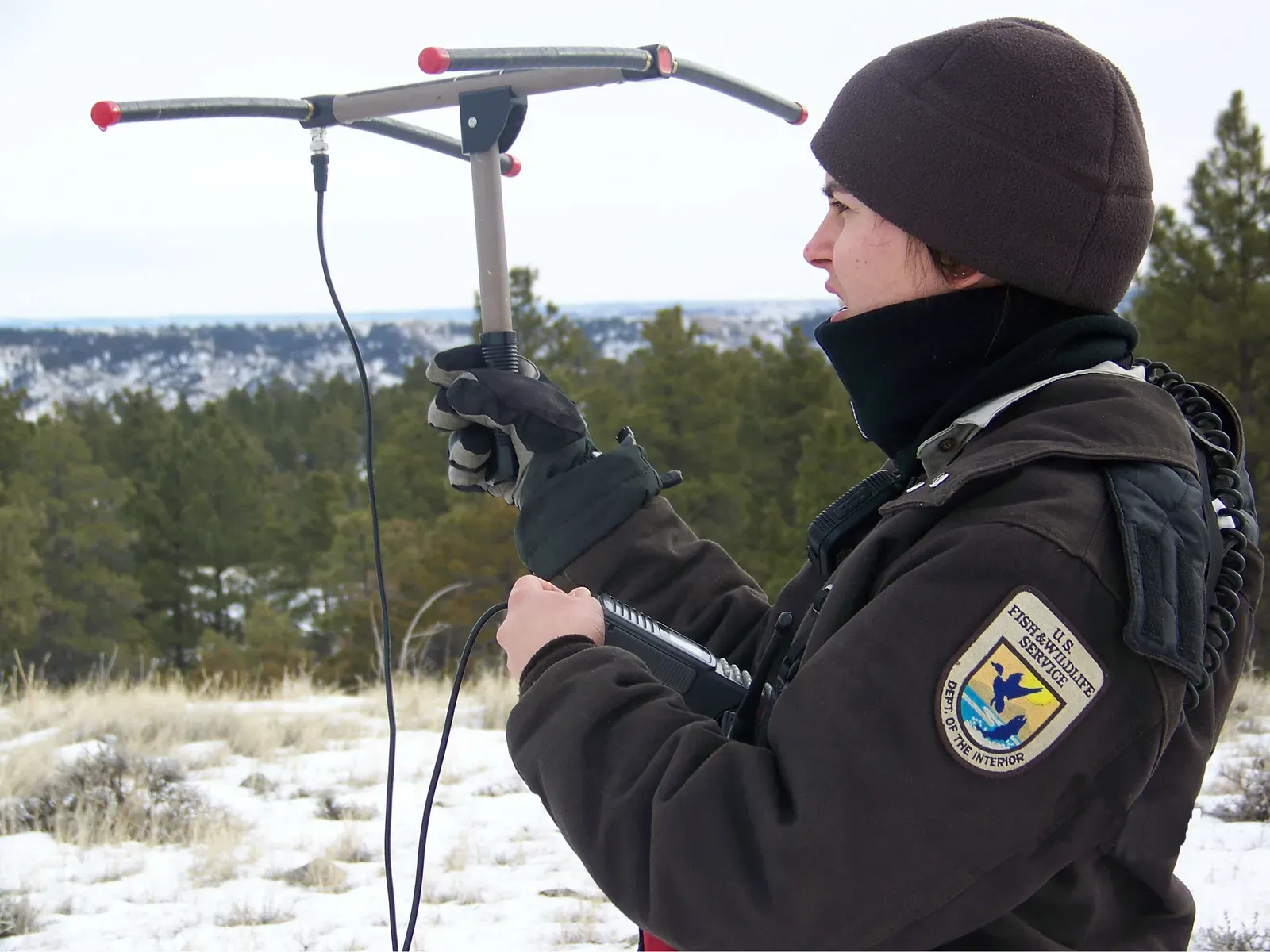
You don’t need to be a wildlife biologist to have this instinct. Some people just notice things – the way birds scatter before a predator arrives, or how certain animals move when they sense danger. Our ancestors were skilled in tracking game animals and predators. While this art form isn’t used by most people today, tracking can still be a lifesaver in certain situations. Staying alert and reading the signs can warn you of dangerous creatures in your area and help you locate wild game animals for food.
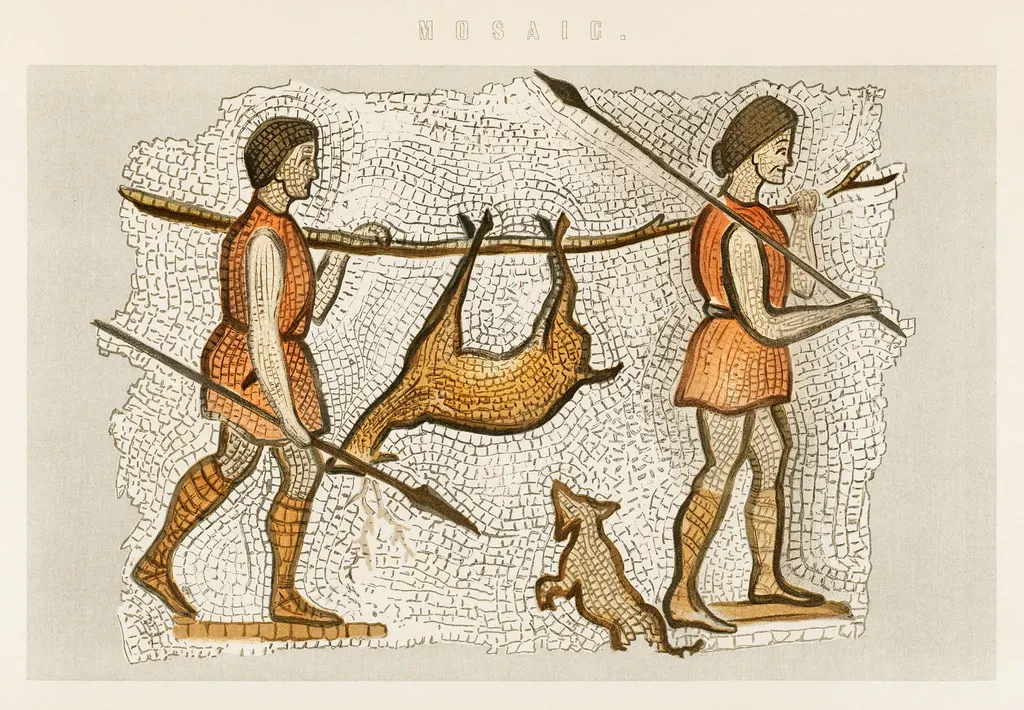
This skill wasn’t optional back then. Knowing which animal made which track and how long ago it was made were things every hunter would need to know. They could look at any footprint and tell you which animal it was and even if it was running or walking, a skill that made the difference between your people going hungry for a few days or not. Think of it like reading a language written in mud and leaves. If you’re someone who can pick up on environmental cues quickly and naturally, you would have been enormously valuable to any prehistoric group.
You Instinctively Know Which Plants Are Safe to Eat
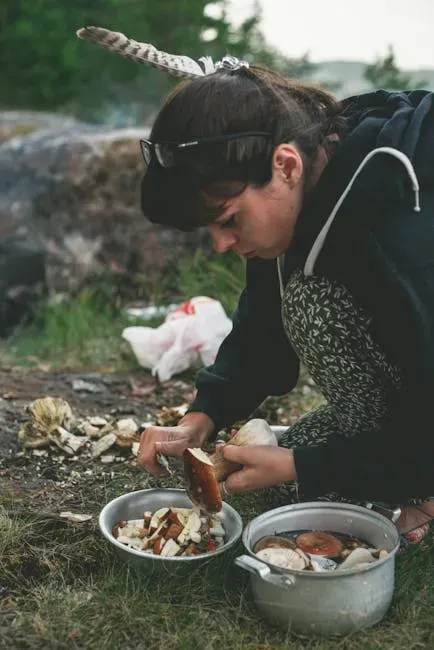
Here’s where things get truly life-or-death. Plant foods vary a lot between environments. Every time a human went to a new place, they had to learn what was edible, what was going to kill them, and what was medicine. Getting that wrong, even once, could be fatal. The prehistoric forager wasn’t just hungry; they were basically running a daily chemistry experiment with their own body.
In prehistoric times, populations picked wild, edible plants to provide for their food needs. According to the season, nuts and roots were gathered to be preserved while fresh fruit and vegetables were consumed immediately. Research has shown that plants were the staples. They were the foods that formed the basis of calories in most environments, according to paleobiologist Dr. Amanda Henry of Leiden University. Tubers and cereals are full of starch, making them good sources of glucose, which is important for brain growth as well as energy. If you’ve ever instinctively known whether something in the wild looked edible or dangerous, you carry a genuinely ancient and powerful skill.
You Thrive in Social Groups and Naturally Cooperate
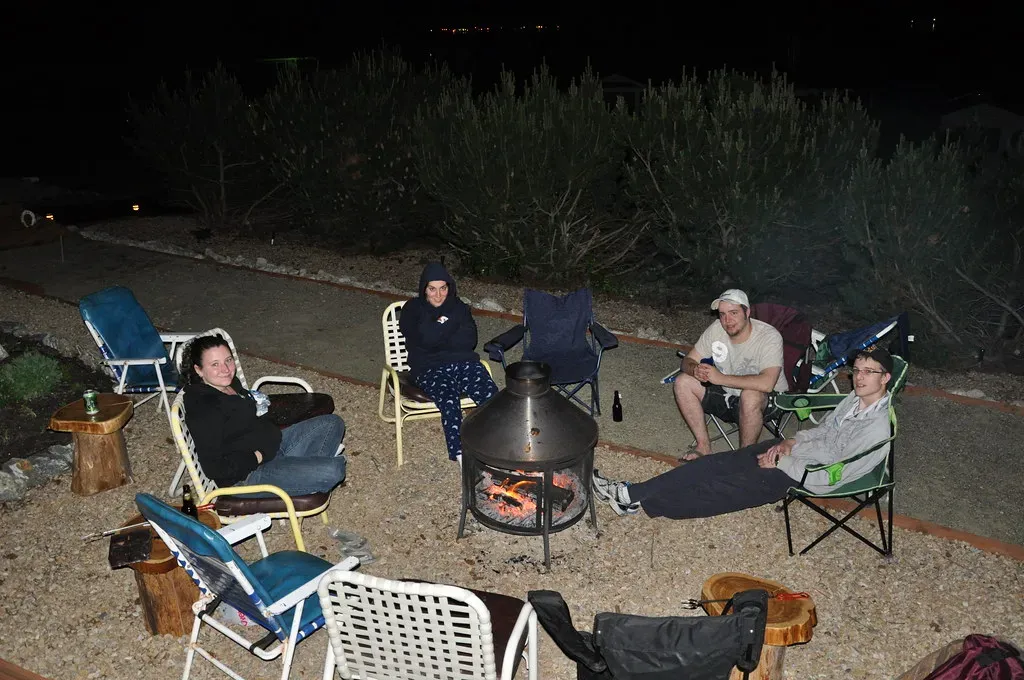
You might not think of being a “team player” as a survival skill. It absolutely was. In fact, it may have been the single most important trait a prehistoric human could possess. Sharing food, caring for infants, and building social networks helped our ancestors meet the daily challenges of their environments. Over time, early humans began to gather at hearths and shelters to eat and socialize. Solo survival was for those who had no other option.
Survival was difficult, and cooperation was vital. This led to the development of egalitarian societies where resources were shared and everyone contributed to the group’s well-being. While men and women had different responsibilities, they worked together to ensure the group’s survival. Research even confirms that cooperative behaviors are needed for survival in the harshest conditions, and the degree of cooperation significantly impacts survival during periods of extreme climatic deterioration. If you’re someone who naturally organizes people, delegates tasks, and keeps the group together under pressure, ancient hunter-gatherers would have called you a leader.
You Can Navigate Without Technology

Put your phone down for a second. Now imagine navigating across dozens of miles of wilderness with absolutely nothing to guide you but the sun, the stars, and the landscape. That was Tuesday for our prehistoric ancestors. Navigation today consists of looking at your phone or GPS and going where whatever program you’re using tells you to. Without them, most people wouldn’t even know which direction to walk in, never mind find a specific point dozens of miles away. Using the sun and landscape to find your way was something you learned very well if you didn’t want to end up stranded.
It’s hard to say for sure how many people today could genuinely navigate by nature alone, but I suspect it’s very few. Through music, dance, and art, our ancestors collected and transmitted vast amounts of information about the seasons, edible plants, animal migrations, and weather patterns. The elaborate cave paintings at sites like Lascaux and Chauvet in France display the intimate understanding that late Ice Age humans possessed about the natural world. If you have a sharp spatial memory, a strong sense of direction, and feel genuinely at ease outdoors, you carry the bones of a prehistoric navigator.
You’re Highly Adaptable to Changing Conditions
Prehistoric environments weren’t static. They shifted, flooded, froze, and burned. The humans who made it through were not the strongest or even the fastest. They were the most adaptable. Unstable climate conditions favored the evolution of the roots of human flexibility in our ancestors. The narrative of human evolution that arises from analysis stresses the importance of adaptability to changing environments, rather than adaptation to any one environment, in the early success of the genus Homo.
Think of adaptability like water. Water doesn’t fight the shape of the container; it just fills it. That was the mindset of a surviving prehistoric human. Early Homo shifted to a more diverse diet that included more meat and tough plants, and this diversity in diet and the extra calories it could provide, together with tool use and social cooperation, might help explain the increase in average body size seen with early Homo. If you’re the person who pivots quickly when plans fall apart, stays calm in chaos, and figures out a new route when the original one is blocked, you have one of the most essential prehistoric survival traits there is.
You Know How to Find, Purify, and Manage Water

Water is life. That sentence was not a metaphor in the prehistoric world. It was a cold, literal fact. Dehydration can kill us in a matter of days, so drinking enough is key. However, we’re vulnerable to many different organisms found in raw water all over the globe, and from viruses and bacteria to amoeba and parasitic worms invisible to the naked eye, microorganisms that live in surface water can easily turn a lifesaving liquid into a deadly drink.
The prehistoric solution was ingeniously simple. One of the oldest and most reliable methods for disinfecting raw water is boiling, and there is an ancient way to do it without a pot or kettle – rock boiling. By heating small stones collected from a dry area for 30 to 45 minutes in a fire, you can drop these rocks one by one into a vessel to boil the water. If you’re someone who naturally thinks about water sources when out in nature, who notices where streams run or where dew collects on leaves in the morning, you have a skill set your prehistoric ancestors would have deeply respected.
You Can Learn New Skills Quickly and Pass Them On

This last one surprises most people. Survival in the prehistoric world was not just about brute strength or even physical endurance. It was about your brain. Specifically, your ability to observe, learn, absorb, and then teach. With the advent of language, knowledge about the natural world and new technologies could be shared between neighboring bands of humans and also passed down from generation to generation via storytellers. The group that could accumulate and transmit knowledge had a decisive edge over one that couldn’t.
The biggest lost skill for survival is not any one technique or prehistoric craft, but instead the loss of culturally and generationally developed subsistence patterns specific to an environment. The basic structure of the human brain has remained essentially unaltered for tens of thousands of years, but the information processed within it has changed dramatically over time. Today, we require an entirely new set of skills to get by, but at the expense of our ancient know-how. If you can watch someone do something once and replicate it, if you’re a natural teacher who passes on what you know clearly and quickly, you possess a gift that would have made you indispensable to any prehistoric community. That, honestly, might be the most human survival skill of all.
Would You Have Made It?
Surviving wasn’t about being superhuman. It was about a specific combination of awareness, resourcefulness, cooperation, and grit. The signs listed here aren’t relics of a dead past; they are living traits, ones that some people reading this right now genuinely possess. The resilience and innovation of early humans allowed them to thrive in challenging environments, relying on their natural surroundings for resources and adapting to changes and challenges as they arose.
What’s fascinating is that these traits haven’t disappeared from the human gene pool. They’ve just been buried under convenience and technology. If you recognized yourself in several of these signs, it means something real about who you are. You carry ancient strengths, the kind that kept the human species alive through ice ages, predators, and every kind of environmental catastrophe imaginable.
The next time you feel oddly at home in the woods, find yourself reading the weather without checking an app, or instinctively know how to calm a group in crisis, consider this: maybe you were built for a world a little wilder than the one we live in. How many of these signs did you recognize in yourself?