You might think of climate change as a modern crisis, something born of smokestacks and exhaust pipes. But here’s the thing: Earth’s climate has been reshaping life on this planet for hundreds of millions of years, long before humans ever showed up to the party. The sheer scale of what prehistoric climate swings have done to life – what they erased, what they created, what they forced to evolve – is nothing short of jaw-dropping.
From a planet entirely frozen in ice to a hothouse world where ancient oceans couldn’t hold enough oxygen for creatures to breathe, the story of prehistoric climate is a wild, violent, and endlessly fascinating ride. Buckle up, because what you’re about to discover might completely change how you see the world you live in today. Let’s dive in.
The Snowball Earth Freeze That Nearly Ended Everything – and Then Sparked Life
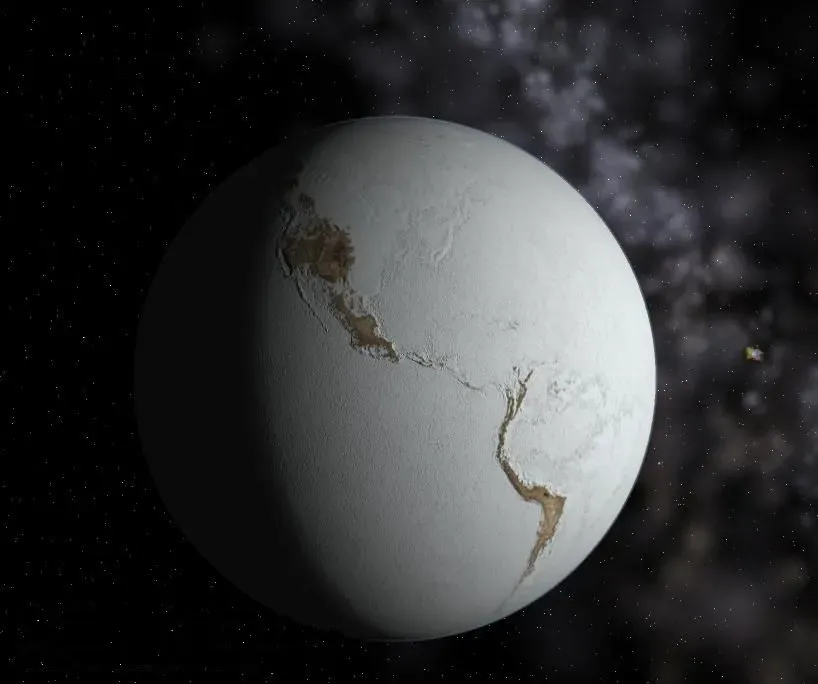
Imagine every ocean on the planet sealed under a thick sheet of ice. Not just the poles, but every last inch of the equator too. That’s not science fiction – that’s what scientists believe actually happened around 600 to 700 million years ago during a period called the Cryogenian. During this period, Earth was completely covered in ice, even at the equator. Scientists call this “Snowball Earth,” yet these freezing cold temperatures likely led to an explosion of life in the oceans, which was responsible for the start of most living things we see today.
The idea behind the Snowball Earth hypothesis is that a runaway albedo effect – ice and snow reflecting solar radiation – may have caused the complete freezing of land and ocean surfaces, collapsing biological activity. The ice-covered Earth would only melt once carbon dioxide from volcanoes reached high concentrations. Think of it like a pot with a lid on it: pressure builds until something finally gives. When it did, the biological response was extraordinary.
The Cambrian Explosion: Warmth, Rising Seas, and the Birth of Animal Life
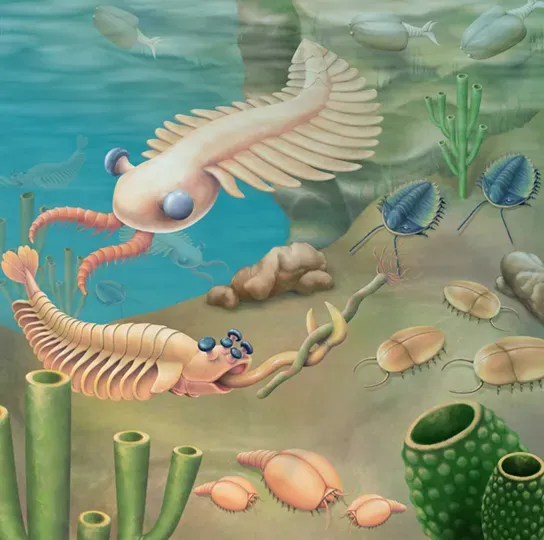
The Cambrian period, part of the Paleozoic era, produced the most intense burst of evolution ever known. The Cambrian Explosion saw an incredible diversity of life emerge, including many major animal groups alive today – among them the chordates, to which vertebrates like humans belong. Honestly, if you could go back in time and look into those ancient shallow seas, you’d be forgiven for thinking you’d stumbled into an alien world.
The warming climate and rising sea levels flooded low-lying landmasses, creating shallow marine habitats ideal for spawning new life forms. It may also be that oxygen in the atmosphere, thanks to photosynthesizing cyanobacteria and algae, reached levels needed to fuel the growth of more complex body structures and ways of living. This dissolved oxygen may have triggered the Cambrian Explosion, when most of the major groups of animals, especially those with hard shells, first appeared in the fossil record.
The “Great Dying”: When Climate Wiped Out Nearly All Life on Earth
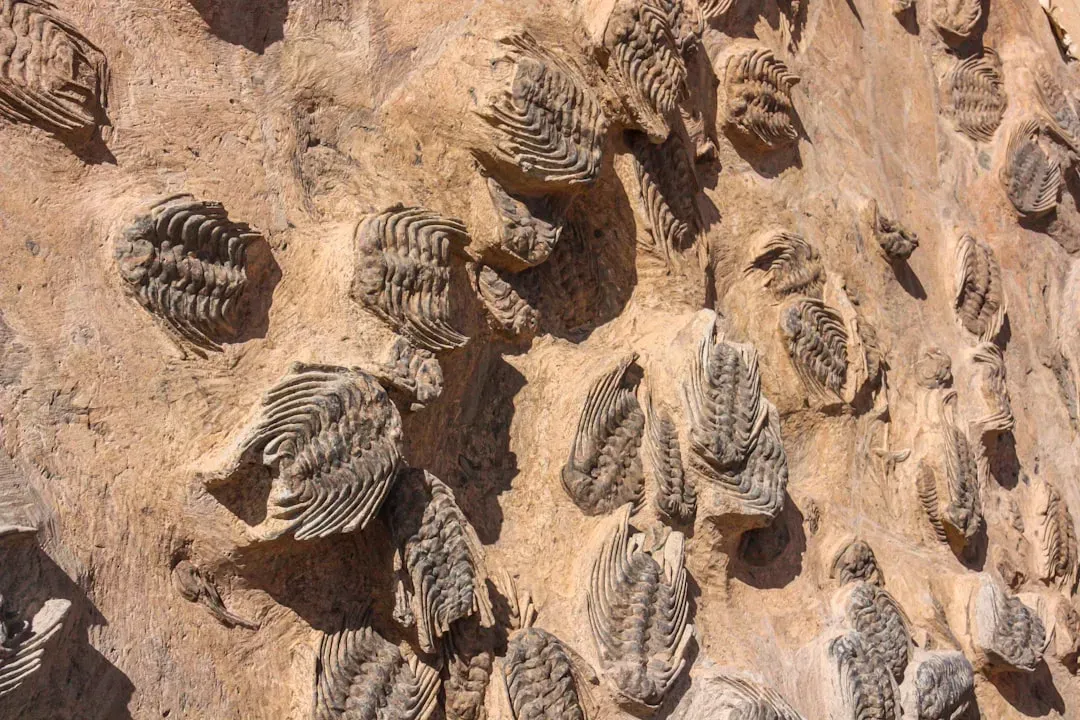
Here is something that should genuinely shake you: roughly 252 million years ago, life on this planet almost stopped existing altogether. Somehow, most of the life on Earth perished in a brief moment of geologic time. Scientists call it the Permian-Triassic extinction, or “the Great Dying.” Whatever happened was much worse than the better-known event that ended the dinosaurs – no class of life was spared. Trees, plants, lizards, proto-mammals, insects, fish, mollusks, and microbes were all nearly wiped out. Roughly nine in ten marine species and seven in ten land species vanished.
The scientific consensus is that the main cause of the extinction was massive volcanic eruptions that created the Siberian Traps, releasing sulfur dioxide and carbon dioxide – resulting in oxygen-starved oceans, elevated global temperatures, and acidified oceans. New research combining ocean condition models with animal metabolism data shows that the Permian mass extinction in the oceans was caused by global warming that left animals unable to breathe. As temperatures rose and the metabolism of marine animals sped up, the warmer waters could not hold enough oxygen for them to survive.
How a Frozen Planet Forced the Rise of the Dinosaurs
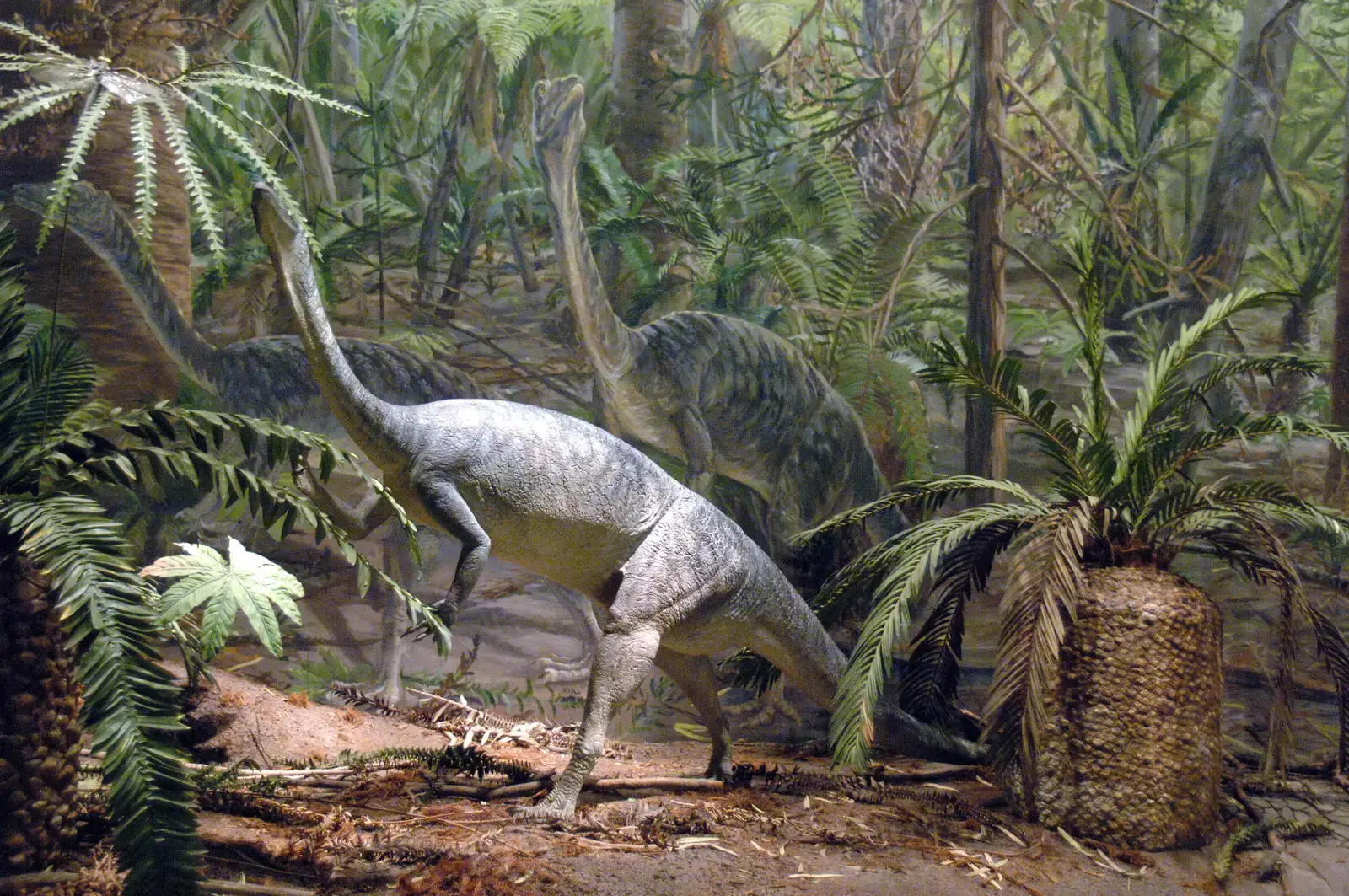
Most people assume dinosaurs simply appeared and dominated. The reality is far more dramatic. After the Great Dying reset life’s rulebook, a recovering Earth gradually warmed through the Triassic period. New types of animals emerged in the seas and on land in the aftermath of the Great Dying, including ancient crabs, lobsters, marine reptiles, and the four-limbed land reptiles that eventually evolved into dinosaurs. Without that catastrophic climatic wipeout creating a vacuum, those creatures may never have had the opportunity to rise.
All Triassic archosaurs, apart from dinosaurs, pterosaurs, and crocodiles, went extinct at the end of the Triassic. This opened up many of the environments that the archosaurs had occupied, paving the way for the surviving dinosaurs to take their place. It’s almost like a cosmic reshuffling of the deck. Climate dealt the cards, and the dinosaurs happened to win the hand.
Antarctica’s Deep Freeze and How Ocean Currents Rewrote Ecosystems
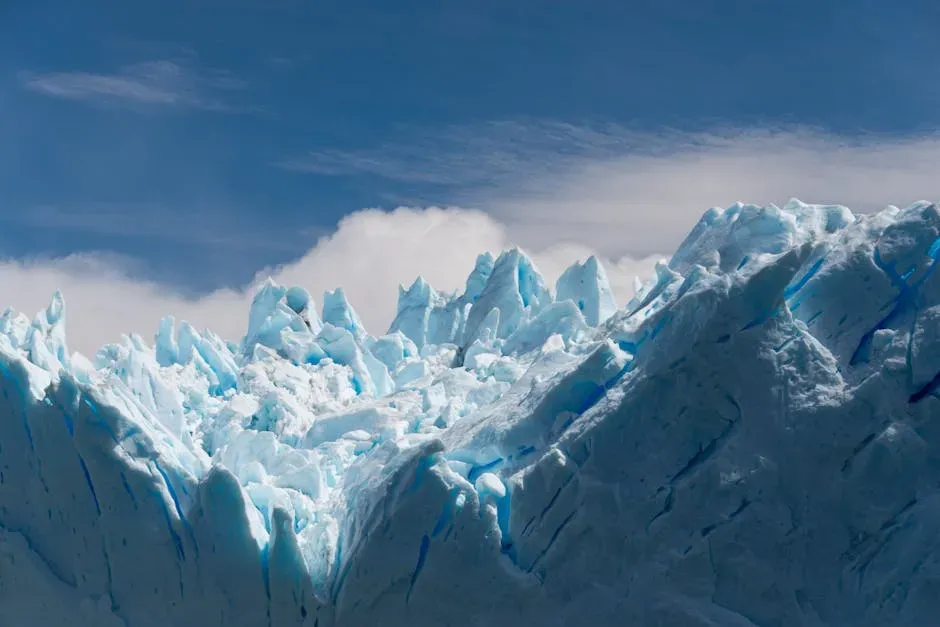
You’ve probably never thought about the opening of a seaway as a world-changing event. But here’s why you should. The separation of Antarctica allowed for unrestricted west-to-east flow of water around it, known as the Antarctic Circumpolar Current, which effectively isolated the southern ocean from the warmer waters of the Pacific, Atlantic, and Indian Oceans. The region cooled significantly, and by 35 million years ago, glaciers had started to form on Antarctica.
At around 15 million years ago, the formation of the Isthmus of Panama connected North and South America, preventing water from flowing between the Pacific and Atlantic Oceans and reducing heat transfer from the tropics to the poles. This created a cooler Antarctica and larger Antarctic glaciers, which in turn increased Earth’s reflectivity – a positive feedback loop of further cooling: more ice, more reflection, more cooling, more ice. Think of it as a thermostat that got stuck, and nobody could switch it off.
How Ice Ages Literally Rewired Human Evolution
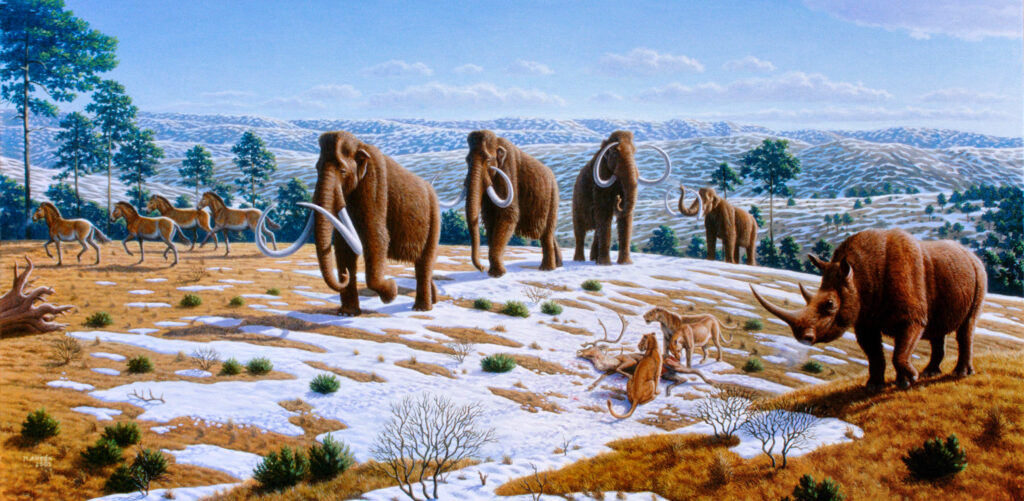
Let’s get personal for a moment. You exist precisely because your ancestors were put under extraordinary pressure by shifting climates. Research suggests that dramatic environmental changes played a role in major evolutionary changes like the origin of our own species. Over the last 25 years, scientists exploring human origins have become increasingly interested in the ways that changing climate and variable ecological conditions, like droughts and freezing temperatures, helped guide evolution.
A key hypothesis, developed by Dr. Rick Potts of the Human Origins Program, is called variability selection. This idea calls attention to the variability observed in all environmental records and the fact that the genus Homo was not limited to a single type of environment. Over the course of human evolution, human ancestors increased their ability to cope with changing habitats rather than specializing in a single type of environment. In other words, uncertainty itself made you smarter. I think that’s one of the most extraordinary things science has ever told us.
Milankovitch Cycles: When Earth’s Own Orbit Controlled Who Survived
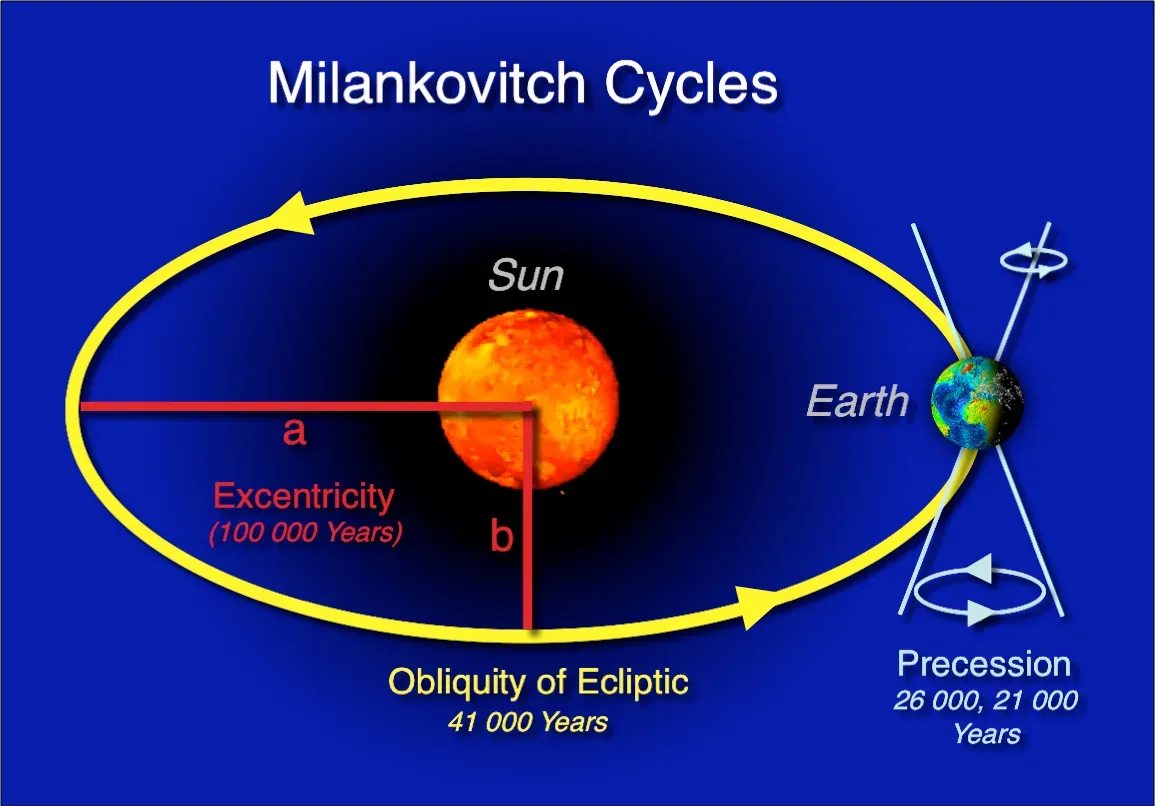
Here’s a mind-bending thought: the shape of Earth’s orbit around the sun – something you’d never see or feel in your daily life – has been one of the most powerful drivers of life’s fate on this planet. Earth’s elliptical orbit around the sun changes its shape slightly on periods of 100,000 and 400,000 years, known as Milankovitch cycles. This, along with periodic wobbles of Earth on its axis, causes the levels of solar radiation received to wax and wane, sending the planet through periods of natural climate change. These shifts occur on far longer timescales than today’s climate change, but over time ice ages and warm eras dramatically altered habitats around the world.
Astronomically forced changes in temperature, rainfall, and terrestrial primary production had a major impact on the observed distributions of hominin species. During the Early Pleistocene, hominins settled primarily in environments with weak orbital-scale climate variability. Climatic shifts also led to the expansion of the niche for Homo species, where Homo erectus and Homo sapiens migrated out of Africa into Europe and adapted to boreal and temperate forests. Your family’s ancient migration story was, in part, written in the stars.
Prehistoric Climate Shifts That Forced the Birth of Agriculture
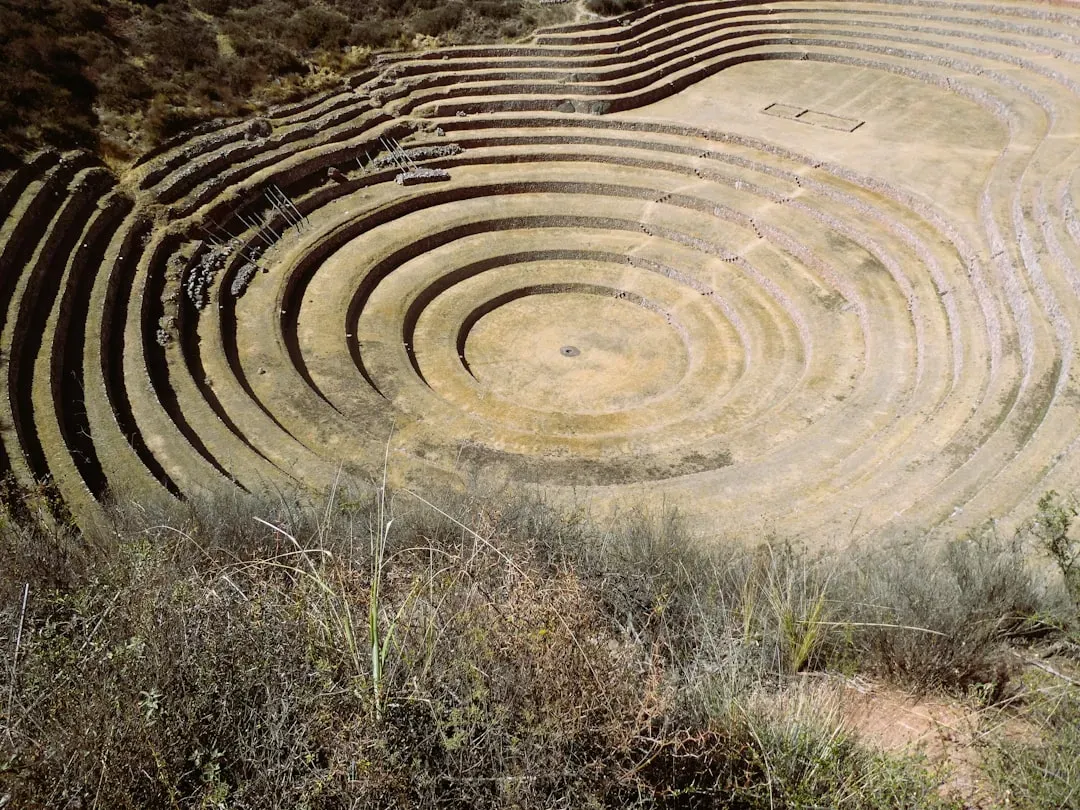
Let’s be real: civilization as you know it – cities, writing, religion, art, the internet – all of it traces back to one pivotal shift: humans settling down and farming. And that, too, was driven by climate. Human civilization is roughly 12,000 years old, as defined by the start of permanent settlements and agriculture. Agriculture became established as the glaciers retreated from the last ice age, and modern society has developed entirely in our current geological epoch, the Holocene.
During the Paleoindian period, which began roughly 13,500 years ago, humans lived in small nomadic bands and hunted big game such as caribou. The Archaic period, which began in the Northeast about 11,250 years ago, was marked by a shift to smaller game, the rise of fishing, and semipermanent base camps. The Woodland period, starting about 3,000 years ago, saw the beginning of agriculture and full-fledged village life. Each of these cultural leaps tracked with a measurable shift in climate. It wasn’t just coincidence.
Ancient Warming Events That Prolonged Themselves for Hundreds of Thousands of Years
Perhaps the most sobering prehistoric climate event for us to understand today is the Paleocene-Eocene Thermal Maximum. It wasn’t just a temperature spike. It was a warming event that, once triggered, kept going for an almost incomprehensible stretch of time. A rapid rise in temperature on ancient Earth triggered a climate response that may have prolonged the warming for many thousands of years. Scientists found evidence of a climate feedback that could explain the long duration of the Paleocene-Eocene Thermal Maximum, which is considered the best analogue for modern climate change.
Global temperatures increased dramatically during the PETM, radically changing conditions on Earth. Severe storms and flooding became more common, and the warm, wet weather led to increased erosion of rocks. As erosion wore down mountains over thousands of years, carbon was released from rocks and transported by rivers to oceans, and along the way some of the carbon entered the atmosphere as greenhouse gas. It’s a chain reaction you can barely wrap your head around – warming triggers erosion, erosion releases more carbon, more carbon triggers more warming. Sound familiar?
Conclusion
The story of prehistoric climate and its impact on life is not just a scientific curiosity. It is, in the most literal sense, your origin story. Every feature of the world you inhabit – the animals that surround you, the crops that feed you, the very form of your body and the complexity of your brain – was shaped by climate events that unfolded over millions of years. Studying the deep history of Earth’s climate is important for understanding the past. It explains why certain animals and plants live where they do, and it shows us how the Earth and life on Earth responds to change.
What’s both humbling and urgent is this: the same mechanisms that wiped out nearly all marine life, forced our ancestors to walk upright, and ultimately gave rise to human civilization are still at work today. The pace has simply changed. History doesn’t repeat itself exactly, but it echoes with unmistakable clarity. The real question is whether you think we’re listening closely enough.