For almost thirty years, one dinosaur has haunted our collective imagination as a scaly, man-sized genius that could open doors, coordinate ambushes, and outthink armed adults. That image is so ingrained that most people would swear it’s basically accurate.
It isn’t. Fossil hunters digging through the deserts of Mongolia have spent decades quietly dismantling almost every part of that legend, bone by bone. What they found instead is stranger, smaller, and honestly a little funnier than anything Hollywood dared put on screen.
#1 – They Were Turkey-Sized, Not Human-Sized Killers
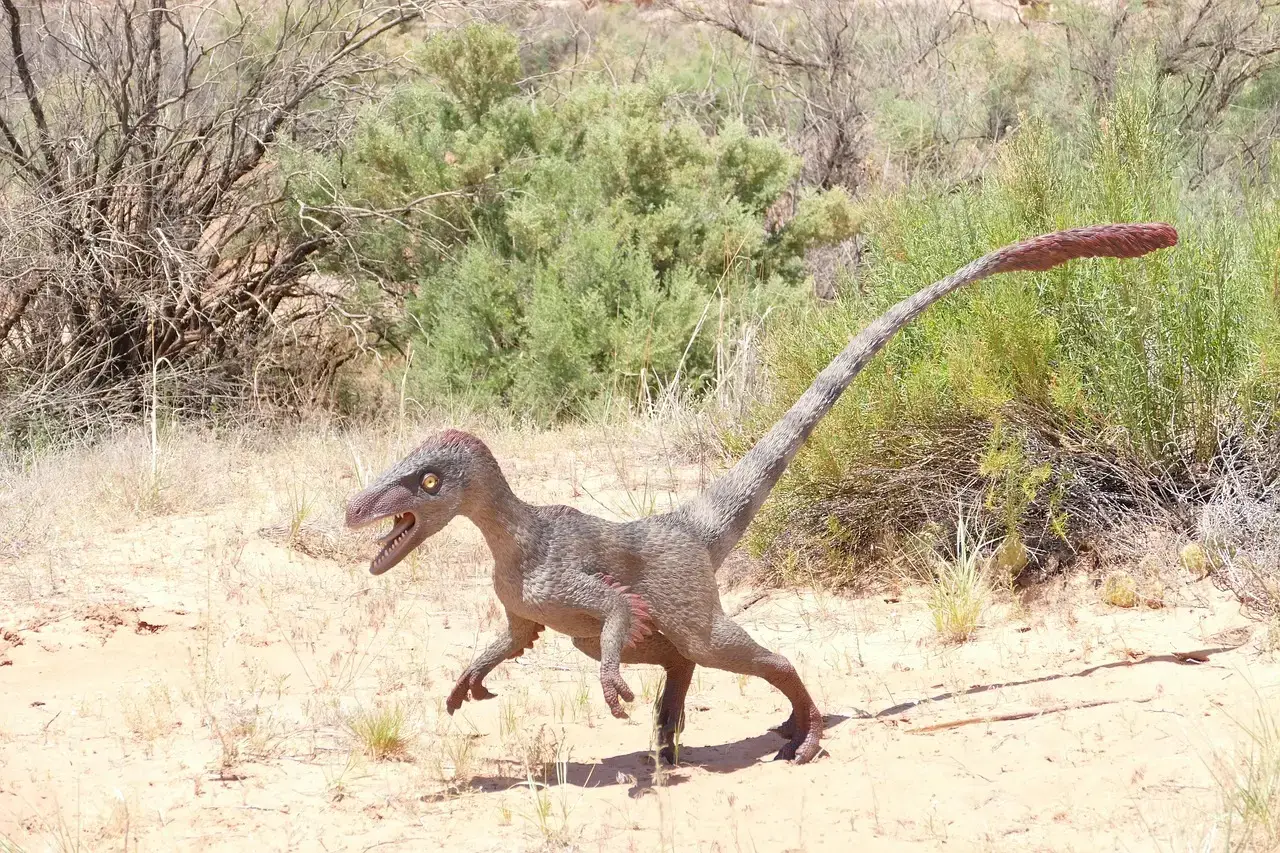
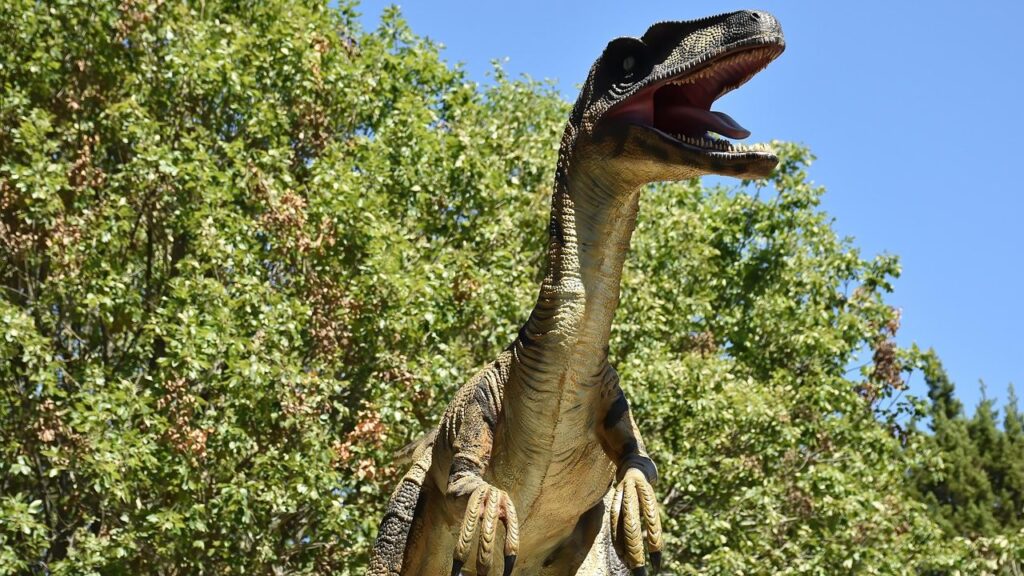
Forget the raptors that stood shoulder-to-shoulder with Muldoon in that Jurassic Park paddock. Real Velociraptor adults measured about 2 meters from snout to tail, but stood only around half a meter tall at the hip, and weighed somewhere between 7 and 15 kilograms. That’s roughly the size of a large turkey, not a person.
That tiny frame changed everything about how the animal actually survived. A body that light couldn’t overpower large prey through brute strength, so it had to rely on speed, surprise, and precision instead. A real Velociraptor could have walked into a modern kitchen without so much as brushing the cabinets, which makes the door-opening scene almost comically oversized in hindsight.
Fast Facts
- Adult Velociraptors grew up to 6.8 feet (2 meters) long, 1.6 feet (0.5 meter) tall at the hip and weighed up to 33 lbs.
- Body mass sat in the 7 to 15 kilogram range, roughly the weight of a large turkey
- In 1924, Henry Fairfield Osborn, then-president of the American Museum of Natural History, named Velociraptor.
- Confirmed fossils come only from Mongolia and northern China, never North America
#2 – Feathers Covered Their Bodies, Not Reptile Scales
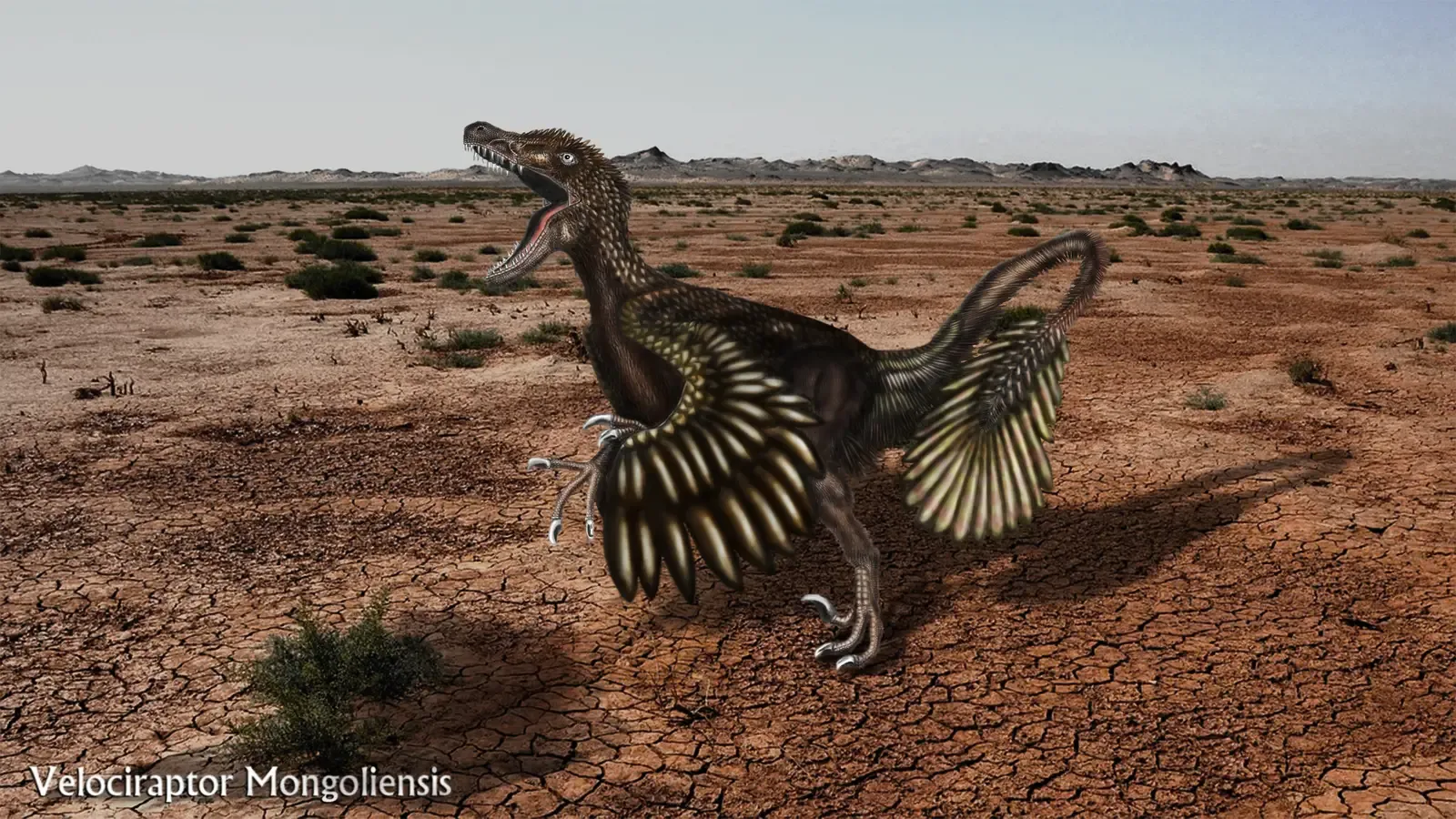
Here’s the update that really should have made it into the sequels: Velociraptor was covered in feathers, not the slick reptilian skin the films gave it. Paleontologists found quill knobs, small bumps on the forearm bones, that only appear in animals anchoring real feather shafts. That’s not speculation from an artist’s sketchbook; it’s structural evidence embedded directly in the fossil.
Those feathers likely weren’t for flying. They probably helped regulate body temperature and may have played a role in display, the dinosaur equivalent of showing off. Picture something closer to an furious, sickle-clawed turkey stalking across a dune, and you’re much closer to the truth than anything wearing scales.
#3 – There’s Almost No Fossil Evidence of Pack Hunting
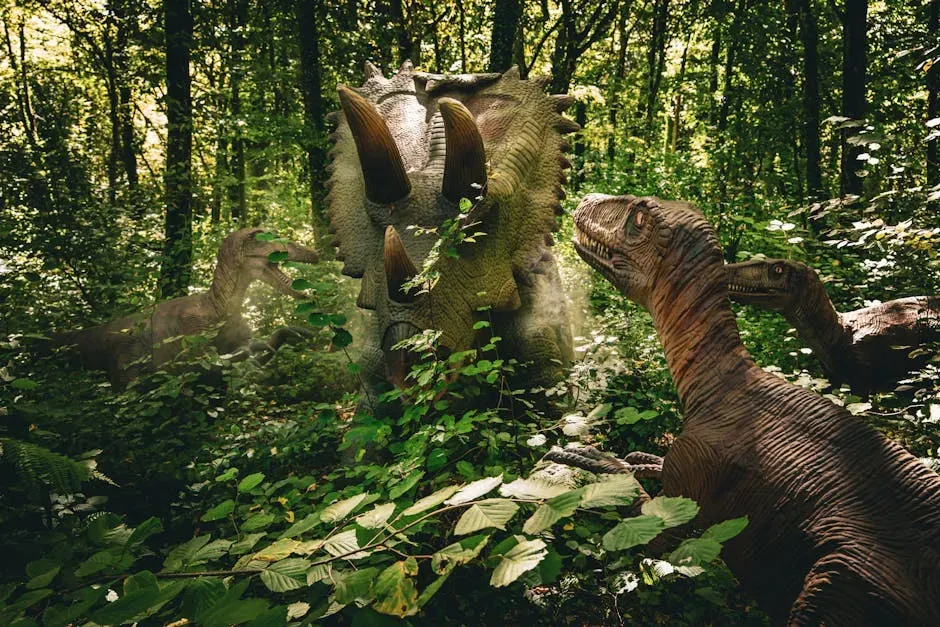
The pack-hunting scenes are arguably the most iconic part of the franchise, raptors working together like a coordinated strike team. The fossil record just doesn’t back that up. Most dromaeosaur specimens have been found alone, and paleontologists haven’t uncovered the multiple same-age skeletons or shared trackways you’d expect from a real group ambush.
Modern birds of prey sometimes cooperate while hunting, and it’s tempting to assume their extinct relatives did too. But assumption isn’t evidence, and right now the bones simply aren’t telling that story. No mass graves, no synchronized footprints, nothing that screams organized wolfpack tactics.
#4 – Their Brains Barely Beat an Opossum’s
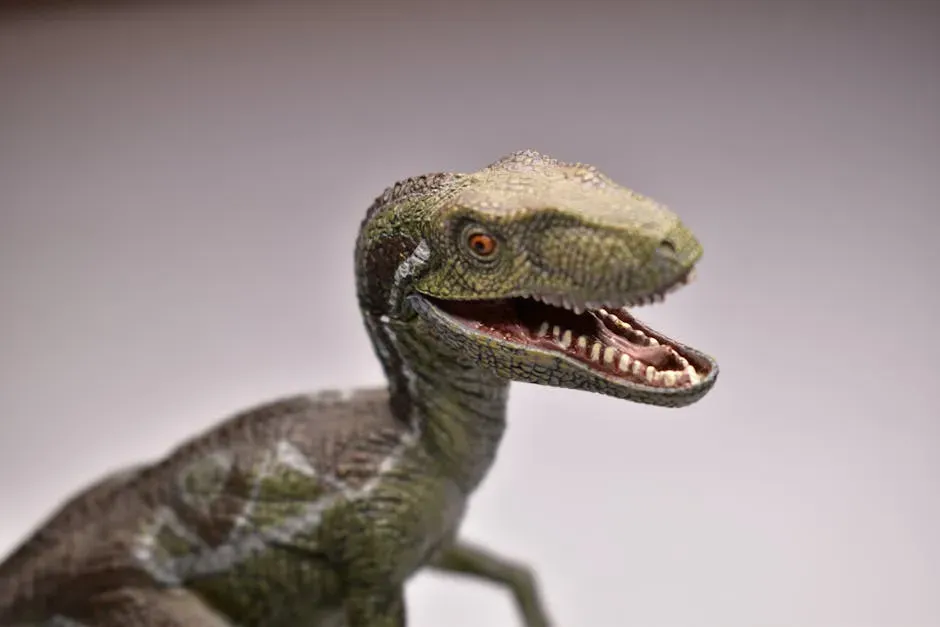
Movie raptors could apparently strategize, test electric fences, and remember grudges. Real Velociraptor brains tell a much humbler story. Their brain-to-body ratio sat above the dinosaur average, which is genuinely impressive, but it landed well below what you’d see in mammals of similar size.
Endocasts, essentially internal skull scans that map brain shape, show decent sensory processing and enough flexibility for clever ambush hunting. What they don’t show is anything close to primate-level problem solving. If you want a fair modern comparison, think opossum, not dolphin. Smart enough to survive, nowhere near smart enough to plan a heist.
Quick Compare: Brainpower
- Velociraptor: above-average dinosaur intelligence, good senses, sharp ambush instincts
- Opossum: the closest modern stand-in for that same rough level of problem-solving
- Dolphin or chimp: far higher relative brain size, capable of genuine planning and tool use
- Movie raptor: pure fiction, somewhere well past human-level cunning
#5 – That Sickle Claw Was a Grappling Hook, Not a Slasher
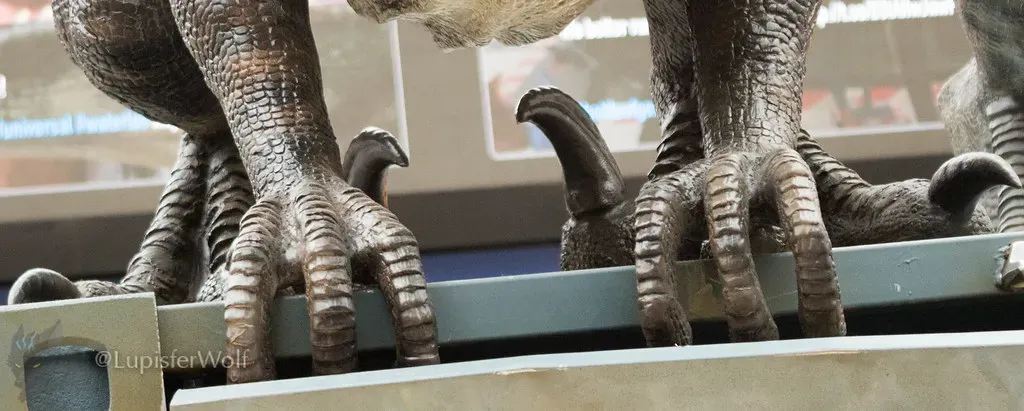
The image of a raptor disemboweling prey with one brutal kick is pure cinema, and biomechanical studies suggest it’s mostly wrong. That enlarged, curved claw on the second toe was better shaped for gripping and pinning than slicing. Researchers looking at the wear patterns didn’t find the kind of damage you’d expect from repeated slashing attacks.
The more likely hunting method was almost the opposite of dramatic. Velociraptor probably used that claw to hook into struggling prey and hold it in place while biting down, closer to how a modern hawk secures a rabbit than a gladiator finishing off an opponent. Effective, sure. Cinematic, not really.
#6 – They Lived in the Late Cretaceous, Millions of Years After the Jurassic
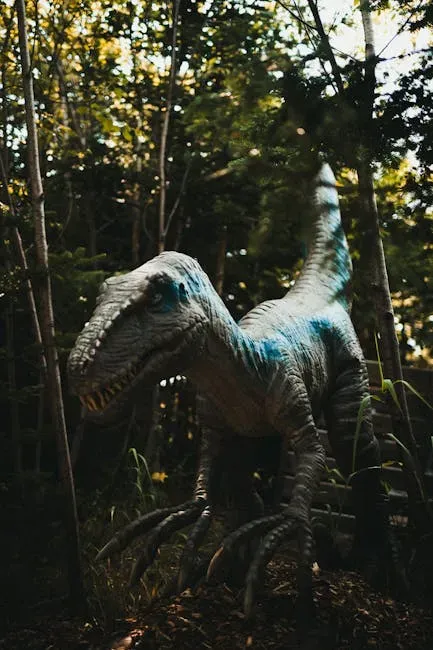
Here’s a detail that undercuts the entire franchise name. Velociraptor fossils date to roughly 75 to 71 million years ago, which puts them firmly in the Late Cretaceous period, not the Jurassic. By the time these animals existed, the actual Jurassic period had already been over for tens of millions of years.
That timing places Velociraptor alongside flowering plants and bird groups that would look far more familiar to modern eyes than the earlier Jurassic ecosystems shown on screen. The name simply sounded better than the truth. Nobody was going to title a blockbuster “Cretaceous Park,” even if that’s technically the correct era.
Worth Knowing
- Velociraptor lived roughly 75 to 71 million years ago, squarely in the Late Cretaceous, not the Jurassic
- The confusion began when the author of the original Jurassic Park novel chose the name Velociraptor for his creature, largely because he felt it sounded more dramatic.
- The dinosaur that closely matched the size of the movie’s creatures was Deinonychus, a dromaeosaurid that reached lengths of about 3.4 meters (11 feet), yet the smaller Asian animal’s name stuck
- By the time Velociraptor evolved, the Jurassic period had already been over for tens of millions of years
#7 – They Likely Hunted Alone, Not in Wolf-Like Packs
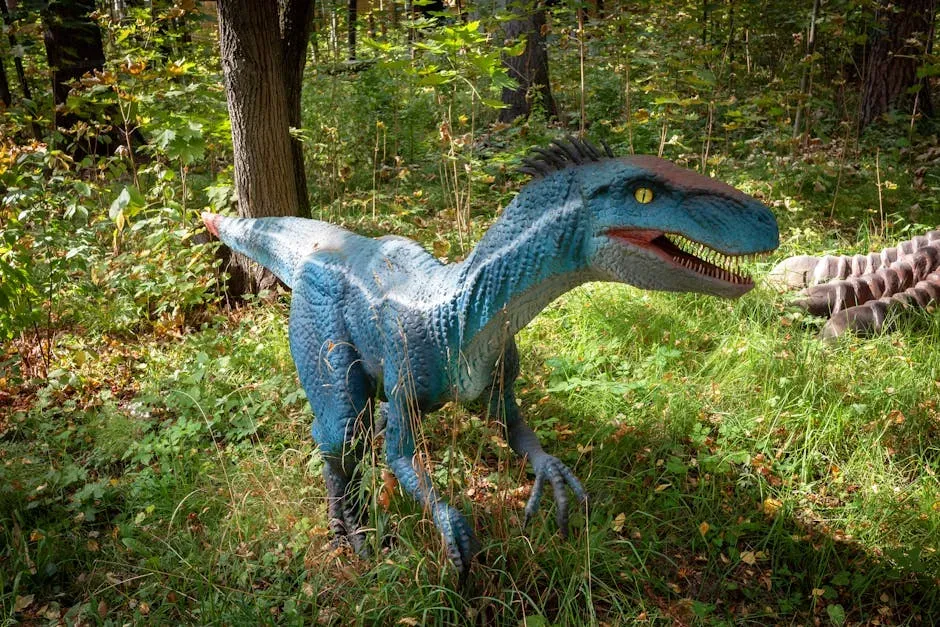
Even setting aside the missing pack-hunting evidence, there’s reason to think Velociraptor may have simply preferred its own company. Small body size and the available fossil record both point toward solitary ambush tactics rather than any kind of organized social hierarchy. That doesn’t mean total isolation. Individuals may have tolerated each other near a carcass the way Komodo dragons do today, opportunistically feeding side by side without any real cooperation.
What almost certainly didn’t exist is the tight-knit, emotionally bonded raptor squad from the films, the kind that mourns a fallen member and plots revenge. That’s a story built for a screenplay, not a skeleton. The real animal’s social life was probably a lot lonelier and a lot less dramatic.
#8 – Home Was a Brutal Desert, Not a Lush Jungle
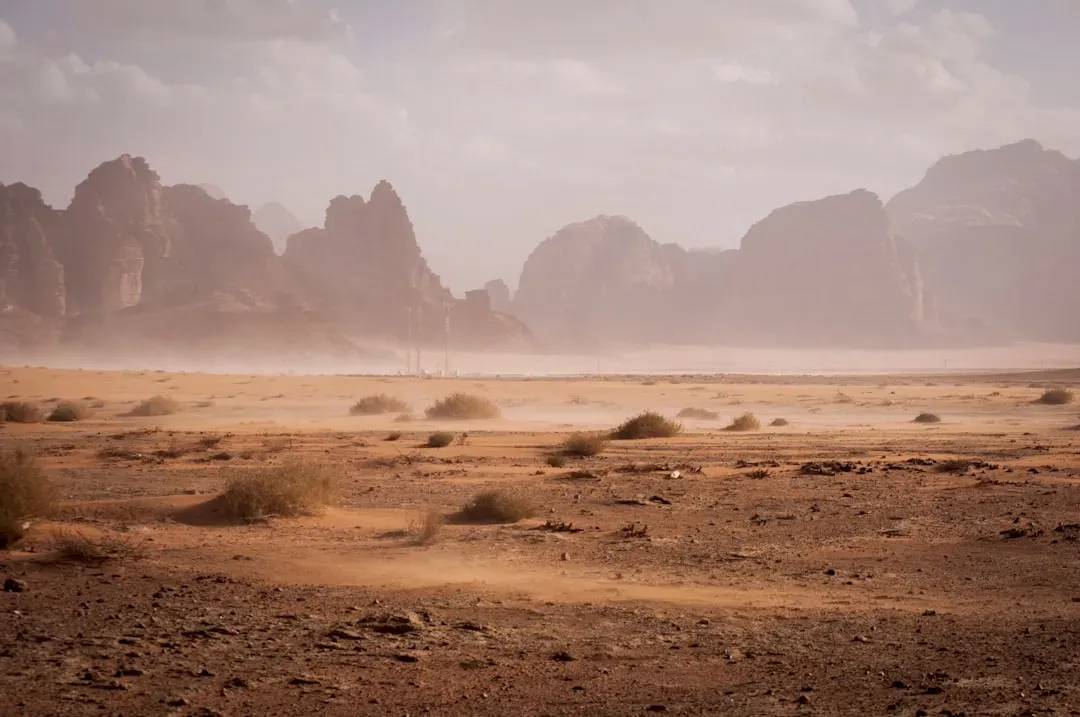
Most Velociraptor specimens have turned up in the dry dune fields of ancient Mongolia and northern China, not the humid, fern-covered jungle islands of the movies. That landscape would have meant scorching days, cold nights, and scarce water, a genuinely harsh place to make a living as a predator.
Those feathers weren’t just decoration in that environment. They likely helped trap warmth during freezing nights and provided some shade from the daytime sun. Strip away the misty forest backdrop, and picture something closer to the modern Gobi Desert, and you get a far more accurate, far less romantic setting for these animals.
#9 – Their Cousins Had Four Wings and May Have Glided Through the Air
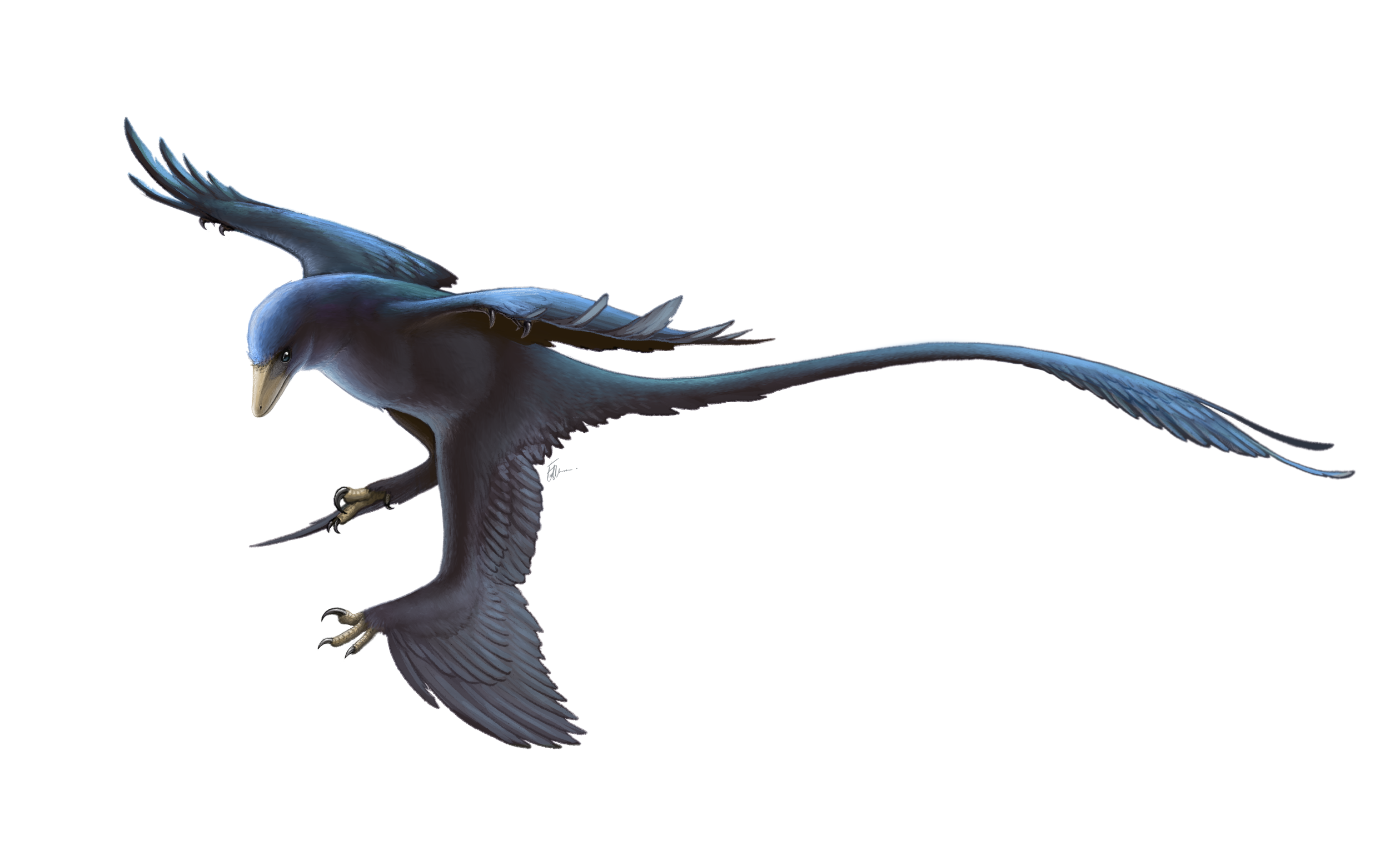
Save the strangest discovery for last. True Velociraptor itself shows no adaptations for flight, but some of its closest dromaeosaur relatives grew long feathers on both their arms and their legs, essentially giving them four wings. That kind of plumage may have allowed controlled gliding or a slow, managed descent from height.
That single discovery pushes the origin of complex feathers back earlier than most researchers expected, and it reframes the entire raptor family as far more bird-like than the movies ever let on. Somewhere out there, millions of years before true powered flight evolved, a four-winged raptor relative may have been leaping off a ridge just to see how far it could glide.
At a Glance: The Four-Winged Cousin
- Microraptor fossils were first found in Liaoning, China.
- The fossils date back to about 125 million years ago, during the early Cretaceous period.
- Roughly crow-sized, with an estimated live weight of ≈1 kg and measuring ≈77 cm in length
- Microraptor’s wingspan was about 77 cm (30 inches) wide.
- Likely used a biplane-style wing arrangement to glide between trees rather than fly under its own power
The Bottom Line
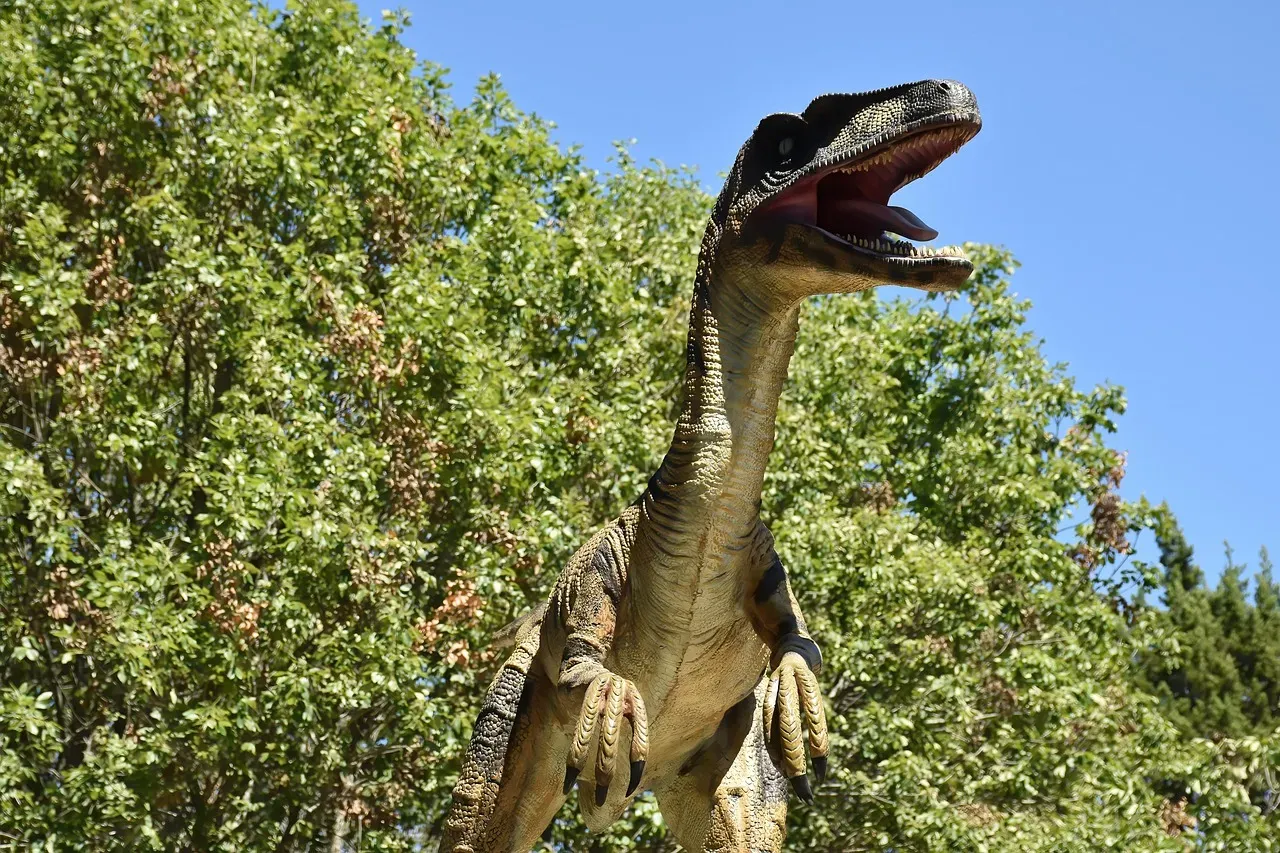
The Velociraptor from the movies isn’t really Velociraptor at all. It’s a different, much larger dinosaur wearing the wrong name, dressed in the wrong skin, and given credit for social skills the fossils simply don’t support. The real animal was small, feathered, likely solitary, and living in a desert that had nothing in common with a tropical island.
None of that makes it less interesting. If anything, a turkey-sized, feathered ambush predator that hooked its prey with a grappling-claw toe is a weirder, more believable monster than anything a screenwriter invented. Hollywood gave us the myth. The fossils gave us something better: the truth.