When most people think about dinosaur discoveries, their minds jump straight to Tyrannosaurus rex, Triceratops, and Velociraptor. These icons hog the spotlight, and honestly, who can blame the public? They’re spectacular. Yet the world of paleontology is bursting with finds that are, arguably, just as jaw-dropping – sometimes even more scientifically significant – and yet they barely get a mention outside academic circles.
Some of these discoveries rewrote entire chapters of evolutionary biology. Others preserved details so extraordinary that even seasoned scientists had to pause and catch their breath. So if you’ve always thought of dinosaur science as a story already told, prepare to be genuinely surprised. Let’s dive in.
Deinonychus: The Discovery That Literally Changed Everything
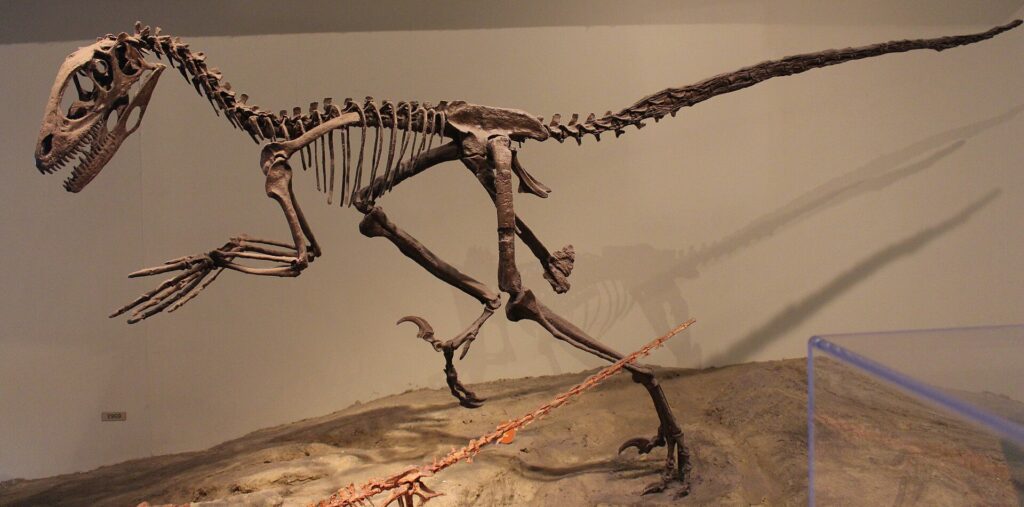
Here’s a surprising truth: the Velociraptors that terrified audiences in Jurassic Park were, in reality, based almost entirely on a different dinosaur. Paleontologist John Ostrom’s study of Deinonychus in the late 1960s revolutionized the way scientists thought about dinosaurs, leading to the “dinosaur renaissance” and igniting the debate on whether dinosaurs were warm-blooded or cold-blooded. Before this, the popular conception of dinosaurs had been one of plodding, reptilian giants. In a sense, without Deinonychus, you don’t get Jurassic Park.
Ostrom’s description of Deinonychus in 1969 has been described as the most important single discovery of dinosaur paleontology in the mid-20th century. The discovery of this clearly active, agile predator did much to change the scientific and popular conception of dinosaurs, and opened the door to speculation that some dinosaurs may have been warm-blooded. This development has been termed the dinosaur renaissance. It’s hard to think of any single find that reshaped an entire scientific field this thoroughly – and yet most casual dinosaur fans could not even tell you the name Deinonychus.
Borealopelta: The Armored Dinosaur That Still Looks Alive
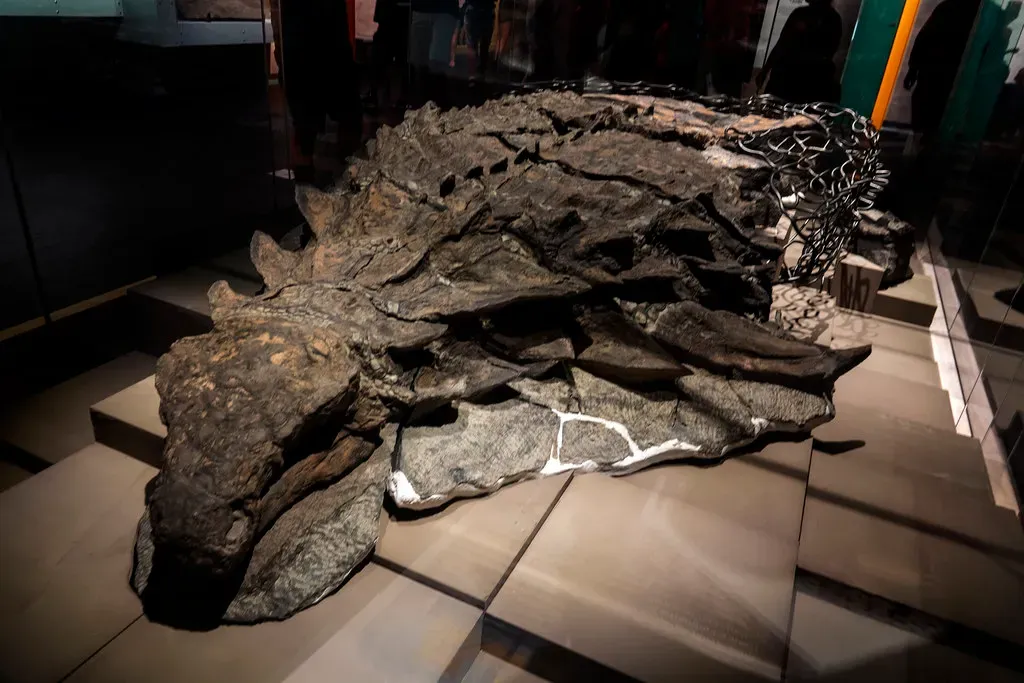
Imagine a dinosaur fossil so extraordinarily preserved that you could almost believe the creature was simply taking a nap. Borealopelta, meaning “northern shield,” is a genus of nodosaurid ankylosaur from the Lower Cretaceous of what is today Alberta, Canada. It contains a single species, B. markmitchelli, named in 2017 from a well-preserved specimen known as the Suncor nodosaur. Discovered at an oil sands mine north of Fort McMurray, Alberta, the specimen is remarkable for being among the best-preserved dinosaur fossils of its size ever found. It preserved not only the armor in their life positions, but also remains of their keratin sheaths, overlying skin, and stomach contents from the animal’s last meal. Think about that for a second – this thing still has its last meal inside.
An analysis of the fossilized skin of Borealopelta markmitchelli, the most well-preserved of the armored dinosaurs ever unearthed, revealed that the ancient creature had a reddish-brown coloration and camouflage in the form of countershading, and that despite being the size of a tank, it was still hunted by carnivorous dinosaurs. The discovery that Borealopelta possessed camouflage coloration indicates that it was under threat of predation, despite its large size, and that the armor on its back was primarily used for defensive rather than display purposes. Even with what amounts to a full suit of natural armor, this creature still feared being eaten. That is genuinely chilling.
Deinocheirus: The Mystery Arms That Baffled Science for Decades
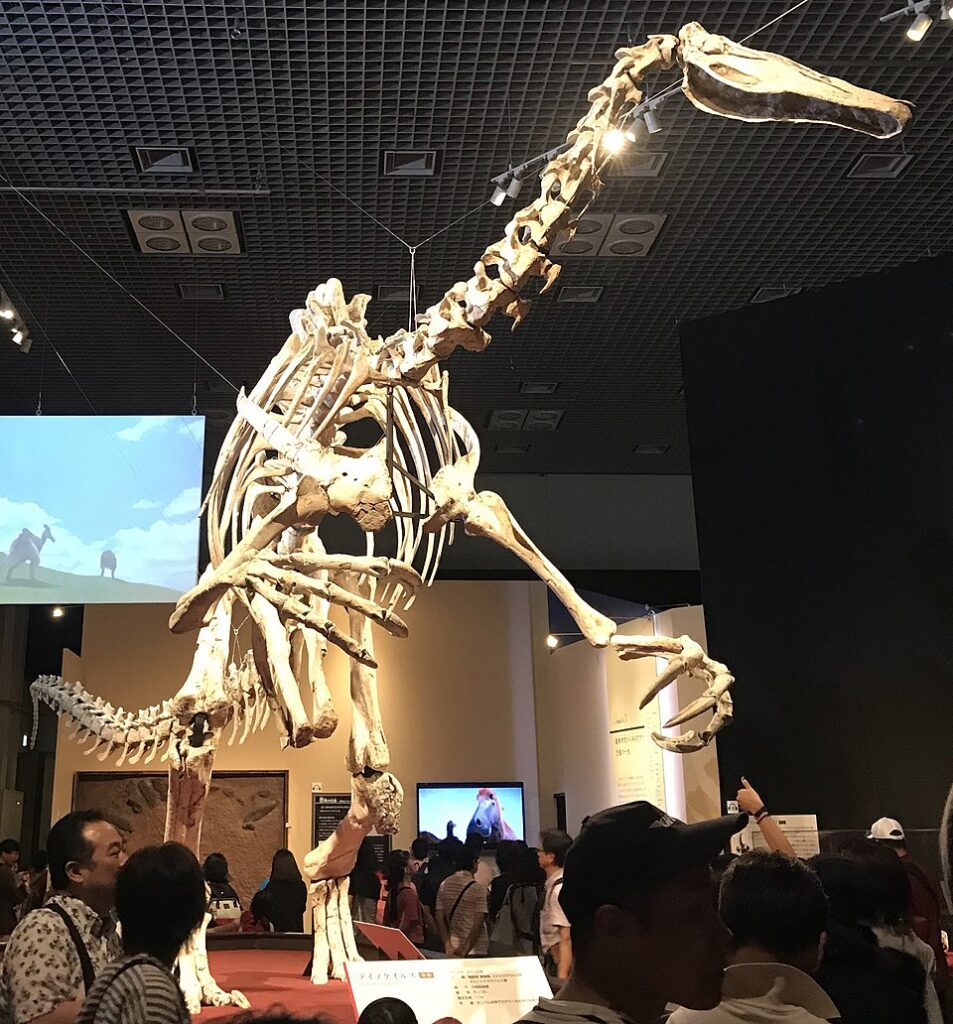
For roughly forty years, paleontologists knew only one thing about Deinocheirus: it had enormous arms. That was it. No list of the biggest dinosaur discoveries of the decade would be complete without mentioning Deinocheirus. This dinosaur was named in 1970 from a set of enormous arms. It was thought that the rest of the animal was lost. Decade after decade, no one found another. Imagine being a paleontologist knowing those colossal limbs existed but having absolutely no idea what the rest of the creature looked like. The frustration must have been maddening.
Then an additional two skeletons were uncovered, although some fossil rescue work was required to recover one of the skulls that had wound up on the black market. In the end, the bones revealed an animal far stranger than paleontologists ever expected – an enormous “ostrich mimic” dinosaur with a sail on its back and a shovel-like face. Paleontologists who grew up wondering what the rest of the animal looked like were overjoyed. It turned out to be one of the strangest animals ever to walk the Earth – and it gets almost zero mainstream attention.
Haolong dongi: The Hollow-Spiked Dinosaur From China
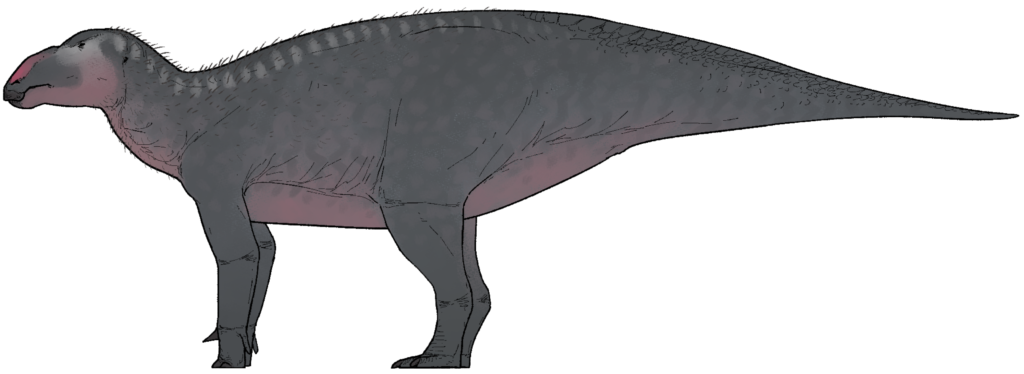
You might expect that after more than two centuries of excavating the iguanodontian family of dinosaurs, there would be nothing truly shocking left to find. You would be wrong. Scientists in China have uncovered an exceptionally preserved juvenile iguanodontian with fossilized skin so detailed that individual cells are still visible. Even more astonishing, the plant-eating dinosaur was covered in hollow, porcupine-like spikes. This is a type of body covering never before documented in any dinosaur ever found.
The newly identified species has been named Haolong dongi, honoring Dong Zhiming, a pioneering Chinese paleontologist. Haolong dongi was a herbivore, meaning it fed on plants rather than other animals. During the Early Cretaceous period, when it lived, small carnivorous dinosaurs hunted in the same ecosystems. The hollow spikes may have served as a defensive adaptation, functioning in a way similar to the quills of a porcupine by discouraging predators from attacking. However, defense may not have been their only purpose. Researchers suggest the spikes could also have helped regulate body temperature, a process known as thermoregulation. This find, published in early 2026, is still fresh and barely known to the general public.
Zavacephale: The Head-Butting Dinosaur That Rewrote the Timeline
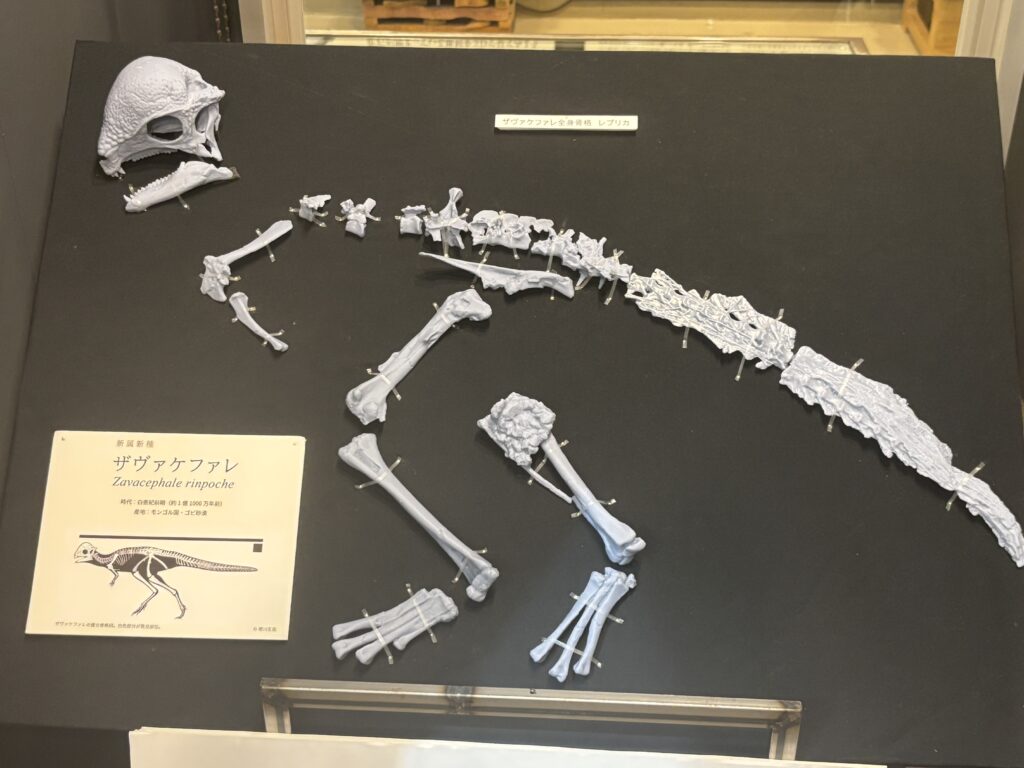
Pachycephalosaurs are the head-butting dinosaurs – recognizable for their dramatically domed skulls. Scientists believed they evolved this trait at a specific point in their history. Then Zavacephale showed up and quietly dismantled that assumption. Zavacephale is the oldest pachycephalosaur yet discovered, making it even more remarkable that it is also the most complete dinosaur of its family ever described. Contrary to paleontologists’ expectations, Zavacephale already had a domed skull, 14 million years before paleontologists thought these dinosaurs evolved the characteristic trait. It appears that the dinosaur’s dome developed well before the animal finished growing, suggesting it was important for visual displays or perhaps even head-butting.
Some fossils are so exciting that when first shown at academic conferences, they draw audible gasps even from experienced paleontologists. Zavacephale is one of these. The stunning skeleton of this one-metre-long plant-eating dinosaur was discovered in 110-million-year-old rocks in the Gobi Desert of Mongolia. Zavacephale is the oldest known member of the pachycephalosaurs, a group of dinosaurs famed for their domed skulls, probably used to butt heads like today’s bighorn sheep. It’s hard to say for sure, but the sheer emotional reaction from trained scientists at a conference speaks volumes about just how extraordinary this discovery truly is.
Istiorachis: The Sail-Backed Ornithopod of the Isle of Wight
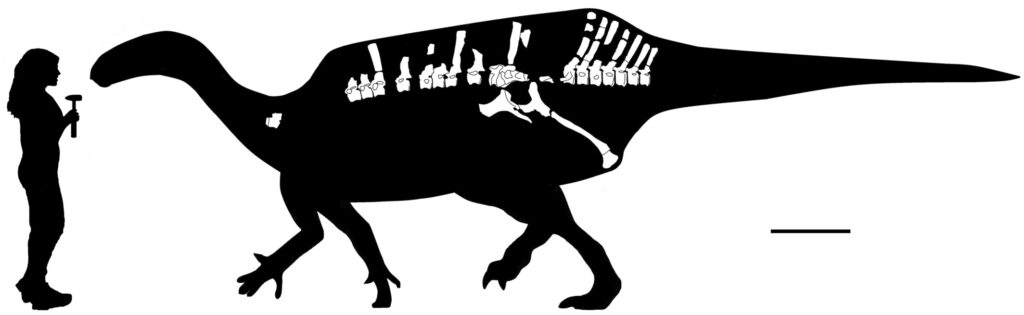
The Isle of Wight has been producing dinosaur fossils for nearly two centuries. You would think the well had run dry. Yet a retired doctor turned paleontologist proved that assumption spectacularly wrong. Jeremy Lockwood, a retired doctor turned dinosaur expert, has since 2021 named three new species of large ornithopods, one of the most common groups of plant-eating dinosaurs. These new species are closely related to Iguanodon, a four-legged ornithopod from Belgium with a very distinctive thumb spike. Lockwood’s latest discovery, the six-metre-long Istiorachis, is another herbivorous ornithopod with a striking sail-like structure running along its back. This sail may have been a display structure used to attract mates and to deter predators by making this 128-million-year-old animal look bigger.
Let’s be real – a large, sail-backed dinosaur discovered on a tiny British island by someone who previously spent their career in medicine is one of the best origin stories in modern paleontology. Dinosaur fossils have been common discoveries in the rapidly eroding Cretaceous Period-aged cliffs of the Isle of Wight, off the south coast of England, for nearly two centuries. Yet, even here, there is much to learn. This story is a perfect reminder that in paleontology, the next big discovery can come from anywhere – or anyone.
Ubirajara jubatus: The Shoulder-Ribboned Showstopper From Brazil
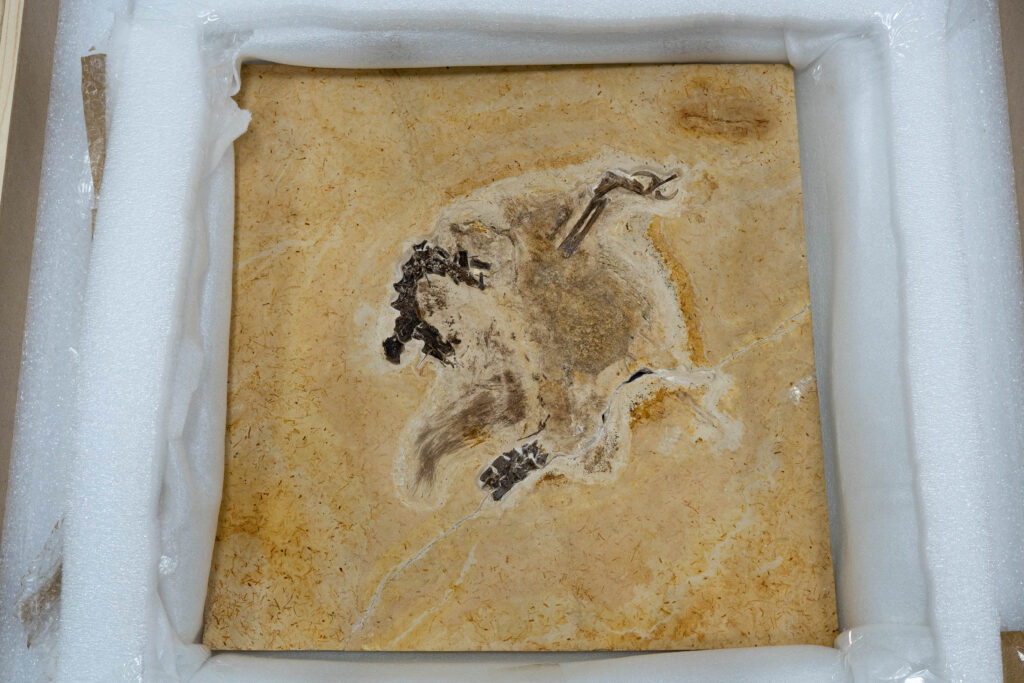
South America has given us some colossal dinosaur discoveries over the decades, but most of them involve sheer size. Ubirajara jubatus breaks that mold completely. Paleontologists have described Ubirajara jubatus, a small feathered dinosaur from Cretaceous deposits in Brazil. The Ubirajara’s ornate, ribbon-like display feathers projecting from its shoulders and a distinctive mane-like covering along its back were the first such structures found in a non-avian dinosaur from South America. Picture something like a peacock crossed with a velociraptor, strutting through the ancient forests of what is now Brazil.
The discovery also sparked international debate regarding fossil ownership, underscoring the broader ethical and cultural questions intertwined with modern paleontology. So this single small dinosaur managed to simultaneously push the frontiers of our understanding of display behavior and ignite a major global conversation about who has the right to study, hold, and display fossil heritage. That is a remarkable amount of weight for one small, ribbon-shouldered creature to carry. It deserves far more recognition than it currently gets.
Fona: The Burrowing Dinosaur Nobody Talks About
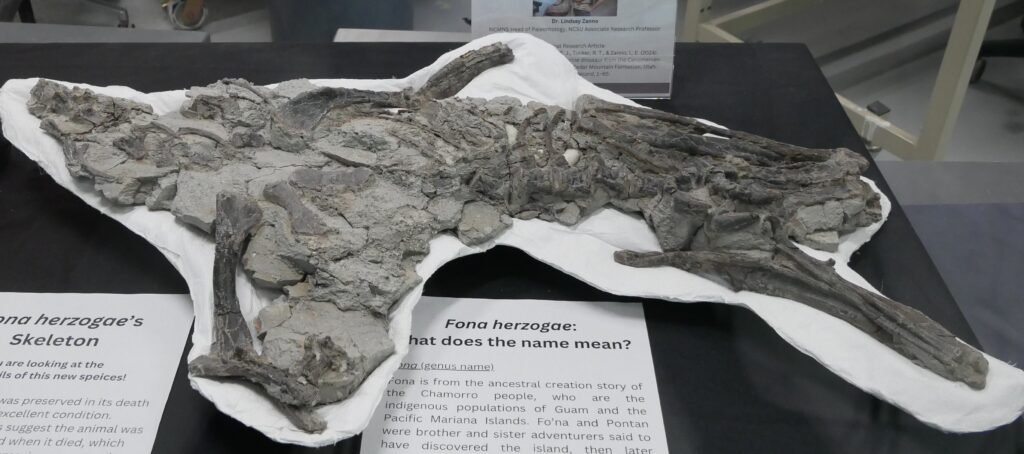
Most people imagine dinosaurs as creatures of the open landscape – striding through forests, wading into rivers, charging across plains. The idea that some of them dug underground dens feels almost too strange to be true. Dinosaurs didn’t just walk the Earth during the Mesozoic. They also burrowed into it. Since 2007, paleontologists have known that some small, beaked, herbivorous dinosaurs created underground dens. A new dinosaur found in eastern Utah now pushes back the age of the earliest burrowing dinosaurs and hints that some of its relatives dug into the ground, too.
Revealed in the Anatomical Record, the small dinosaur is named Fona. The dinosaur is known from several skeletons that are remarkably complete compared with other dinosaurs known from the same Early Cretaceous rocks. Bolstered by skeletal clues related to digging, paleontologists think that Fona could burrow into the ground and was sometimes preserved in its dens. The relationship of the dinosaur to later species that seem to show burrowing adaptations suggests that these small dinosaurs evolved to be burrowers through the Cretaceous. Think of it like the prehistoric equivalent of a prairie dog, quietly going about its subterranean business while giants roamed above. Honestly, Fona sounds like one of the most relatable dinosaurs ever discovered.
Huayracursor: The Ancient Ancestor That Revealed How Long Necks Began
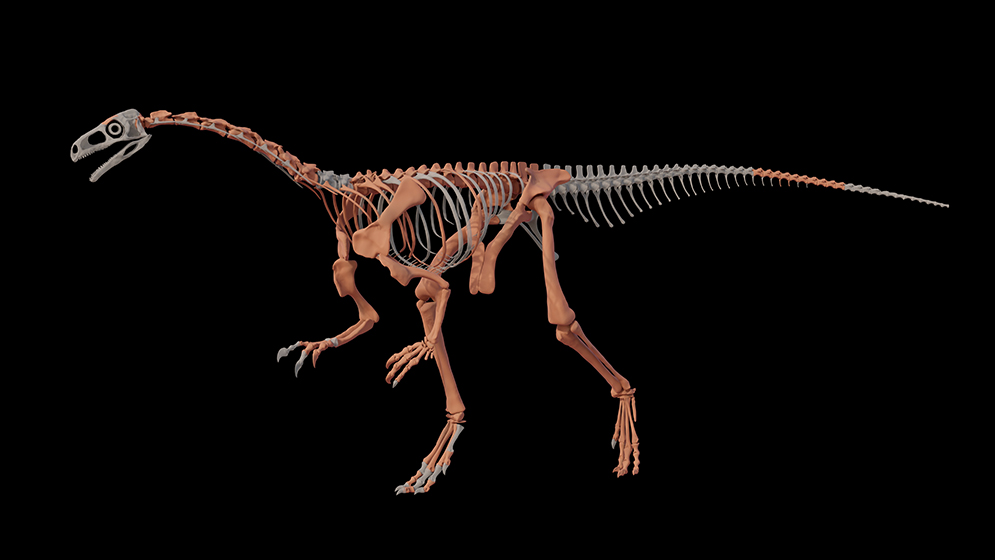
Everyone loves the giant, long-necked sauropods. Brachiosaurus. Diplodocus. Patagotitan. They are the undisputed celebrities of the plant-eating world. Yet how that extraordinary neck elongation began is a question that has puzzled scientists for generations. A discovery in the mountains of Argentina offered a remarkable answer. The 2-metre-long Huayracursor was described from 228-million-year-old rocks in the Andes, making it one of the oldest known sauropod ancestors. It has a much longer neck than other species from the dawn of dinosaur evolution, revealing the earliest stages in the evolution of the extreme neck elongation seen in later sauropods.
Important new information on sauropod origins came from the Triassic Period rocks of Argentina, long a key source of dinosaur discoveries. Huayracursor acts like a living bridge in the fossil record – a creature showing you the very first tentative steps toward the towering, architectural necks that would eventually define an entire dinosaur group. It is not glamorous, it is not enormous, but it fills in a gap in the evolutionary story that scientists had been searching for. That, to me, is the kind of discovery that deserves a headline far more than another T. rex tooth.
Conclusion: The Best Stories Are Often the Ones Nobody’s Heard
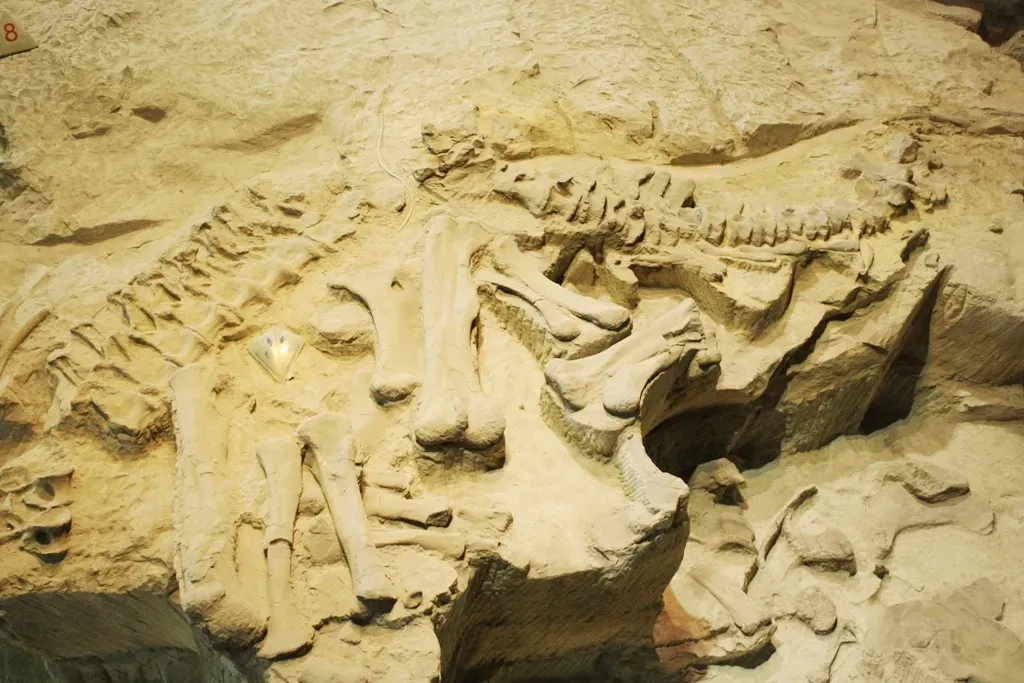
A golden era in dinosaur science is driving this fascination with dinosaurs. Around 1,400 dinosaur species are now known from more than 90 countries, with the rate of discovery accelerating in the last two decades. Every few weeks, somewhere on this planet, a new species is being named – and many of those species are quietly extraordinary. The nine discoveries you have just read about are proof that the most scientifically important finds are not always the ones that make the biggest pop culture splash.
The next time you feel like everything in paleontology is already known, remember the decades-long mystery of Deinocheirus’s missing body, or the armored giant that still needed camouflage, or the tiny burrowing dinosaur living its whole life underground. Science is still full of surprises, and paleontology perhaps more than most fields. So which of these nine discoveries surprised you the most – and which one do you think the world deserves to know about? Tell us in the comments.