Most people picture dinosaurs as relics of a distant, almost unimaginable past – creatures that vanished and left nothing behind but bones in rock. That picture is incomplete in ways that might genuinely surprise you. The world you live in today, from the shape of rivers to the birds outside your window, carries a deep imprint left by animals that went extinct roughly 66 million years ago.
Their influence didn’t stop at the asteroid. It echoes through the structure of forests, the habits of mammals, the very landscape your food grows in. You’re not just looking at a world that survived without dinosaurs – you’re looking at a world that was fundamentally built by them, and then rebuilt in their absence.
1. They Were the Original Architects of River Systems
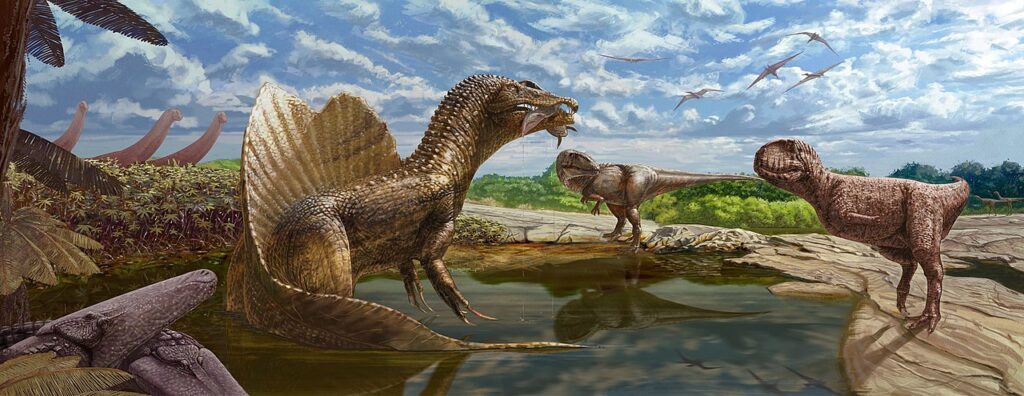
You might not immediately connect the winding rivers on a modern map to creatures that haven’t walked the Earth in tens of millions of years, but the link is real. Dinosaurs were “ecosystem engineers,” preventing dense forests from growing. That single fact had enormous downstream consequences, literally. Once dinosaurs were extinguished, forests were allowed to flourish, and this had a strong impact on rivers: the newly dense forests stabilized sediments and corralled water into rivers with broad meanders.
Research from the University of Michigan, published in the journal Communications Earth & Environment, helped clinch this connection. Dinosaurs had such an immense impact on Earth that their sudden extinction led to wide-scale changes in landscapes, including the shape of rivers, and these changes are reflected in the geologic record. The rivers you see today, stable and meandering through forested landscapes, owe their character in part to a world that only became possible once the great herbivores were gone.
2. Their Disappearance Unlocked the Age of Flowering Plants

You probably haven’t thanked a dinosaur for the flowers on your table, but the connection between dinosaurs and modern plant life is more nuanced than it might first appear. Flowering plants began to appear more commonly in the Cretaceous, in the last 70 million years of the age of dinosaurs, but it seems that dinosaurs didn’t choose to eat them, continuing to feed on ferns and conifers. It was only after the dinosaurs had gone that angiosperms really took off in evolutionary terms.
When the dinosaurs died out, modern groups of animals could fill their places, but they did far more than simply replace them. Angiosperms became hugely diverse, and they created enormous numbers of niches for other plants and animals, resulting in many more species per hectare of Earth’s surface than would have existed otherwise. In a very real sense, every flowering meadow and fruit-bearing tree you encounter today reflects what became possible after the dinosaurs cleared the stage.
3. They Shaped the Evolutionary Arms Race That Still Drives Animal Life
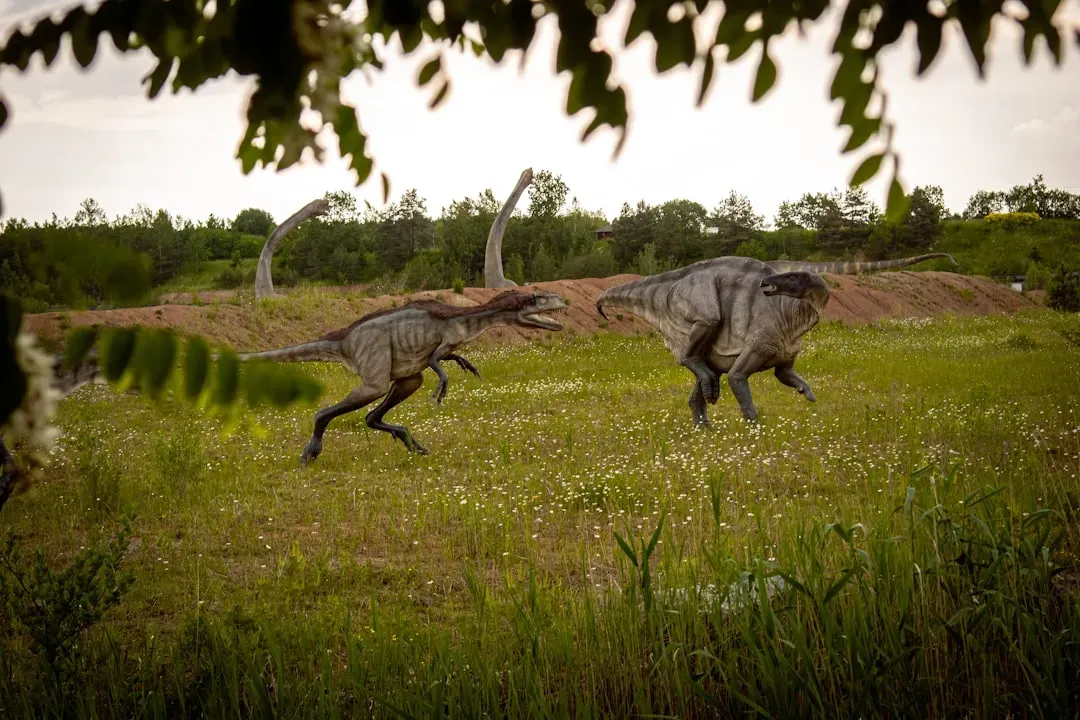
You live in a world where deer flee at the snap of a twig, where birds hold impossibly still against a branch, where insects have evolved a thousand disguises. Much of that nervous, watchful quality of animal life traces back to the pressure that large predatory dinosaurs placed on every creature around them. Defensive traits like horns, spikes, and camouflage became common because dinosaurs were very good at hunting, and these evolutionary arms races didn’t just vanish with the dinosaurs – they carried forward, influencing everything from how deer respond to threats to how birds camouflage their eggs.
Herbivorous dinosaurs evolved size, armor, horns, and herding behaviors in response to predation pressure, and the balance between predator and prey drove evolutionary innovation on a grand scale. That innovation didn’t stop when the dinosaurs died. It became the baseline from which every modern prey animal’s survival instincts were built. The anxiety in nature that you observe today is, in part, a very old inheritance.
4. They Gave Rise to the Birds You See Every Day
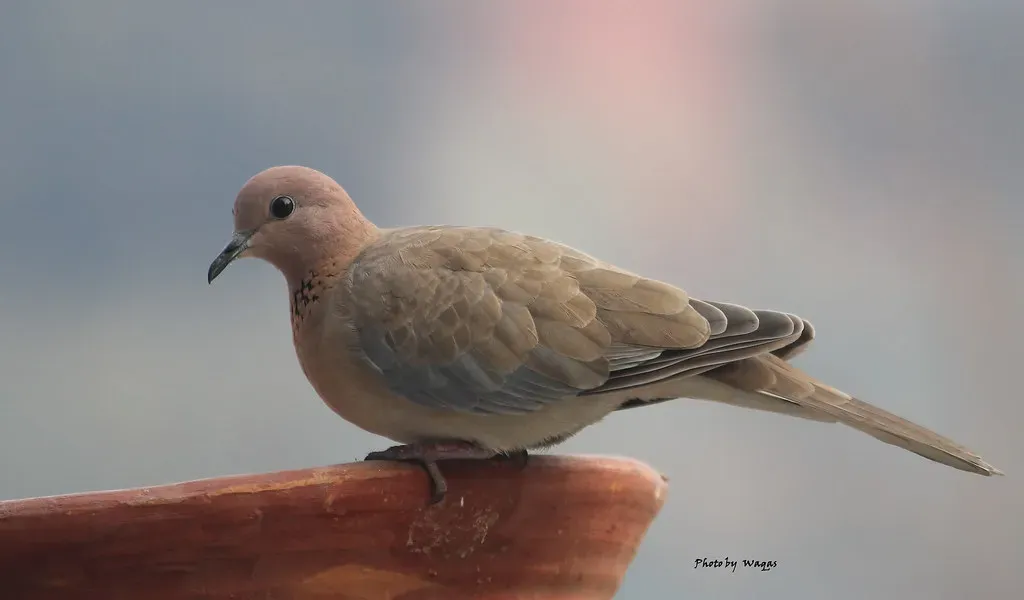
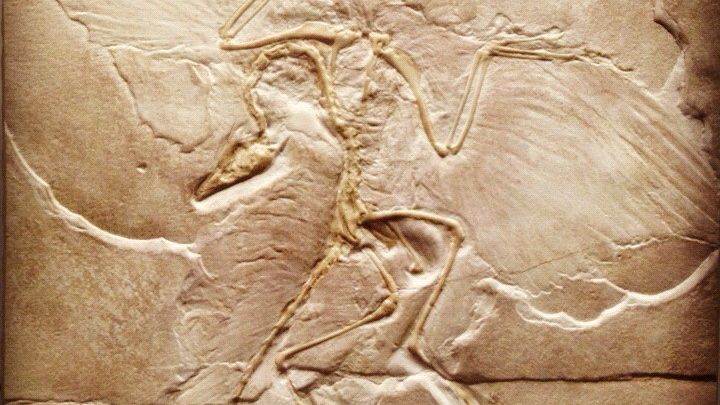
Every time you see a bird in flight, you’re watching a direct continuation of a dinosaur lineage. The fossil record shows that birds are feathered dinosaurs, having evolved from earlier theropods during the Late Jurassic epoch, and they are the only dinosaur lineage known to have survived the Cretaceous-Paleogene extinction event approximately 66 million years ago. That’s not a loose metaphor – it’s a precise biological fact.
The surviving lineages of neornithine birds, including the ancestors of modern ratites, ducks and chickens, and a variety of waterbirds, diversified rapidly at the beginning of the Paleogene period, entering ecological niches left vacant by the extinction of Mesozoic dinosaur groups. Birds, with over 11,000 living species, are now among the most diverse groups of vertebrates. That staggering diversity of modern avian life, pollinators, seed dispersers, pest controllers, and apex hunters alike, all flows from a lineage that dinosaurs began.
5. They Forced Mammals Out of the Shadows and Into the Daylight
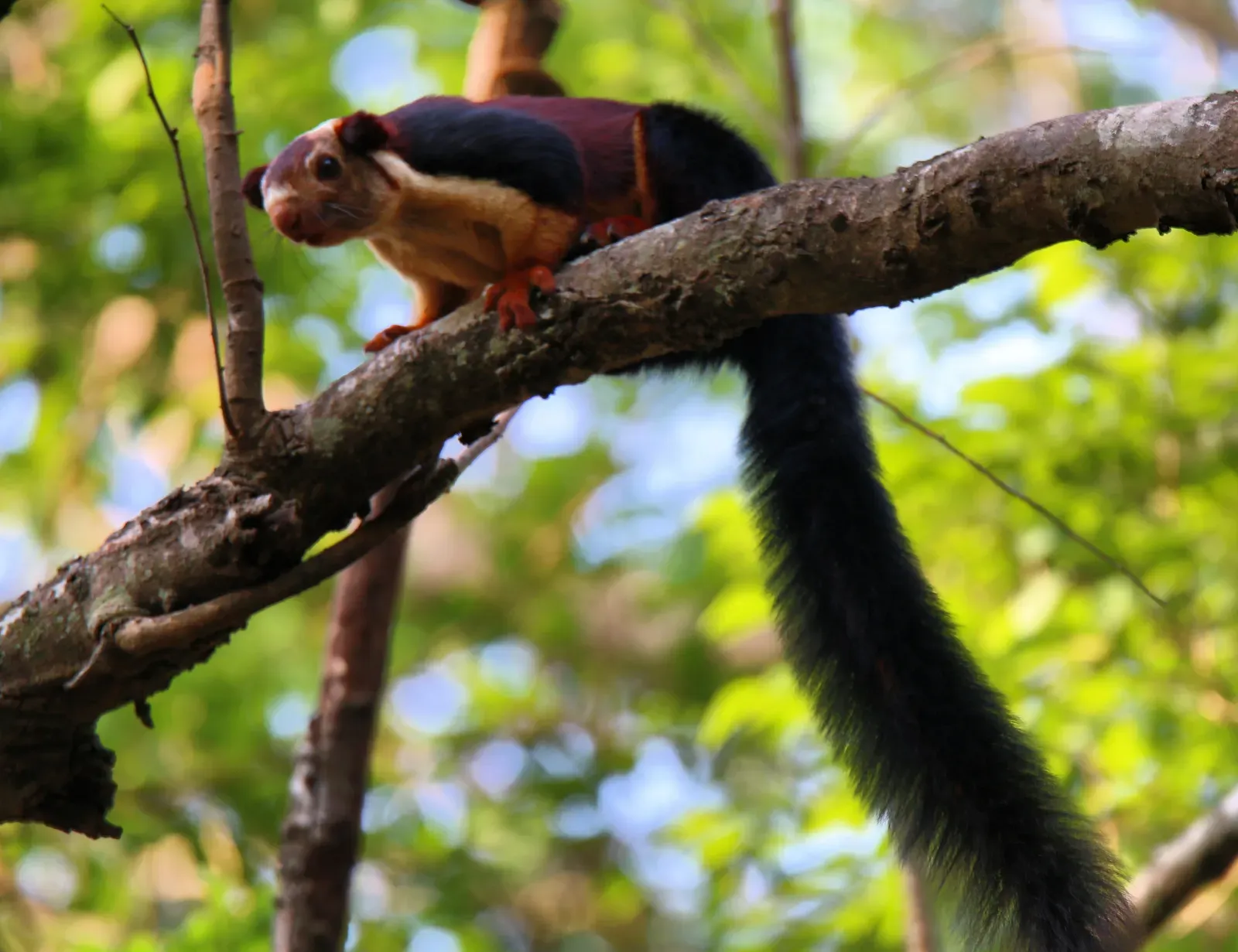
For tens of millions of years while dinosaurs dominated, early mammals were effectively confined to the margins. Small, mostly nocturnal, and limited in size, they had little room to expand. The most fundamental change after the extinction was the emergence of diurnal mammals active during the daytime, after they had been confined to more furtive nocturnal foraging or hunting by the dominance of the dinosaurs. The moment that pressure lifted, everything changed.
The extinction also provided remarkable evolutionary opportunities. In its wake, many groups underwent adaptive radiation, a sudden and prolific divergence into new forms and species within the disrupted and emptied ecological niches. Mammals in particular diversified in the following Paleogene Period, evolving new forms such as horses, whales, bats, and primates. You, reading this now, are a product of that explosion. Without the dinosaurs holding mammalian evolution in check, the world you inhabit simply would not exist.
6. Their Bones Enriched the Soil Beneath Modern Landscapes
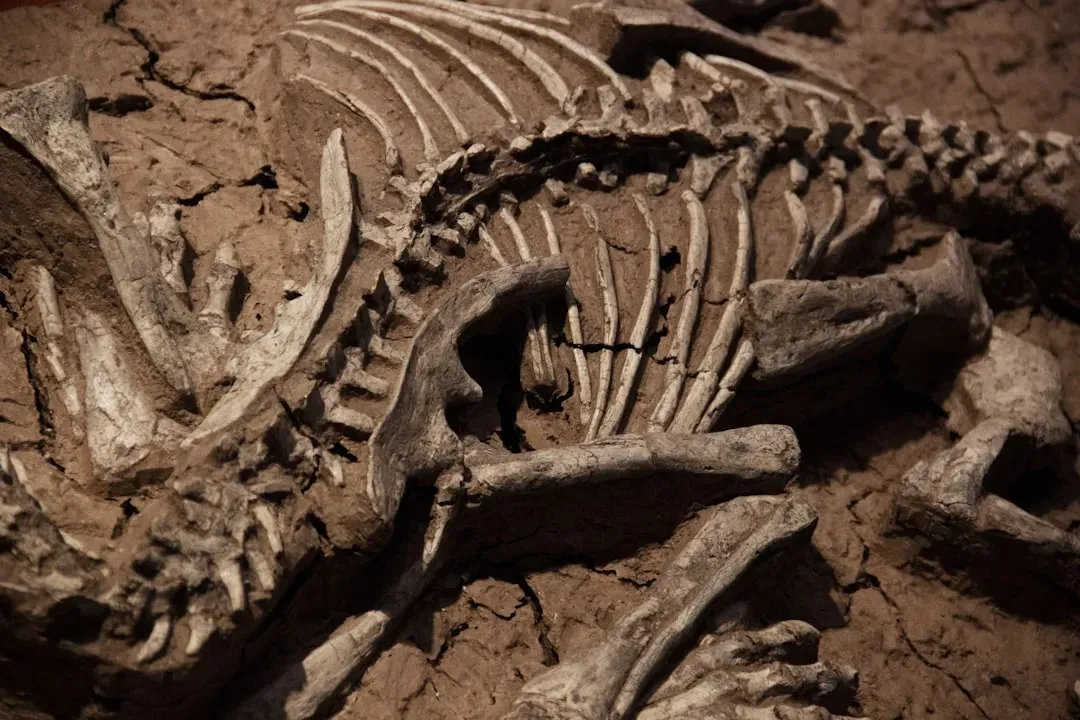
It might sound unexpected, but the decomposition of dinosaur remains over millions of years contributed to the mineral composition of soils in certain regions of the planet. Dinosaur bones have added minerals and nutrients to the soil for millions of years, and in some fossil-rich areas those remains still influence plant life by enriching the ground beneath them. This is not a trivial effect – it touches the base of modern food chains in those regions.
Even in death, dinosaurs contributed to the base layers of modern biodiversity, especially in regions like the Gobi Desert or North America’s badlands. The vegetation patterns you’d see in some of those landscapes, the specific species that thrive there, partly reflect the slow, ancient chemistry of bones dissolving into earth over geological time. It’s a quiet form of ecological legacy, but it’s there.
7. Their Feeding Habits Drove Plant Defenses That Still Exist Today
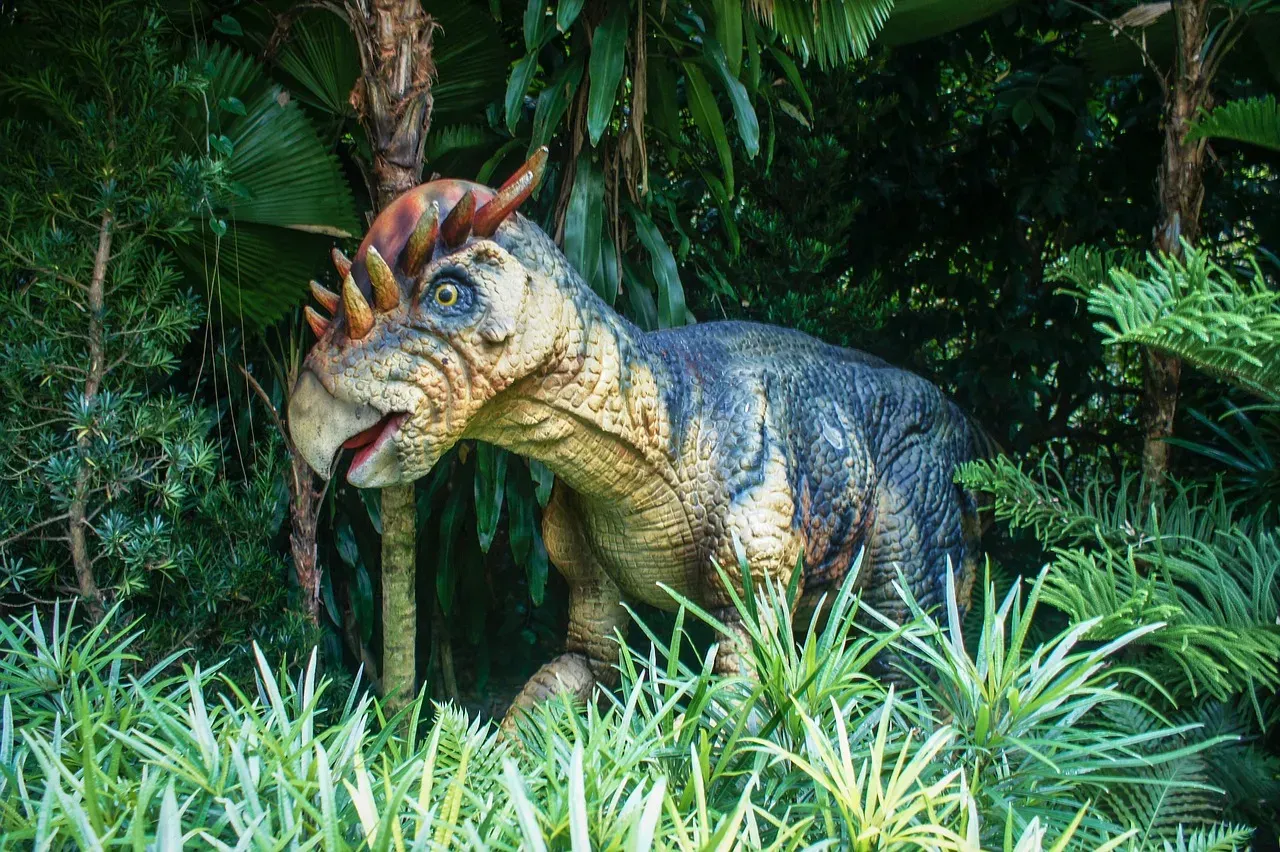
Plants didn’t just sit passively while dinosaurs ate them for over 160 million years. They fought back, slowly and chemically, and those battles left lasting marks on plant anatomy still visible today. Unlike animals, plants can’t run away or otherwise evade their attackers, and so many plants evolved defenses to discourage animals from eating them, including burning oils, toxic chemicals, thorns, and microscopic spicules of silica. A study published in the Proceedings of the Royal Society B suggests that sauropod dinosaurs may have influenced the evolution of one such plant defense.
Among the trends researchers noticed was that seed-containing cones began increasing the amount of protective tissue around their seeds during the middle of the Jurassic. A group of trees technically known as the Araucariaceae, popularly called monkey puzzles, was among the first conifers to develop large, well-protected cones, and these trees have been cited as an important food source for the large sauropod dinosaurs that proliferated during that era. When you encounter a thorny plant or a tightly armored seed today, you may be looking at an evolutionary strategy that dinosaurs first provoked into existence.
8. They Structured How Ecological Scavenging Works
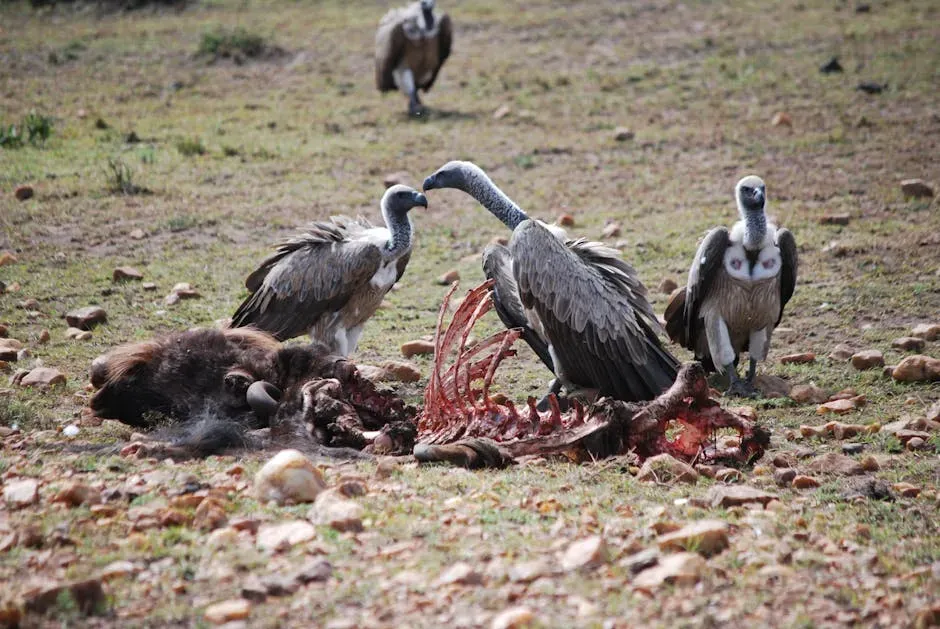
Modern scavengers like vultures, hyenas, and certain beetles play a role so critical to healthy ecosystems that their absence causes rapid ecological collapse. That role didn’t emerge from nowhere. The ecological role of large-scale scavenging passed to vultures, hyenas, and other scavengers that help recycle nutrients and keep disease in check. These animals are essential to healthy ecosystems, and their role today is a direct continuation of what began millions of years ago with dinosaur-era clean-up crews.
As a major component of their environments in terms of diversity and biomass, dinosaurs influenced various ecological processes, affecting other non-dinosaurian species. The scale of dinosaur carcasses in the Mesozoic created a sustained, massive resource base for decomposers and scavengers. That ecological niche, once carved deep into the structure of terrestrial life, has never gone away. Today’s carrion feeders are filling a slot in the food web that dinosaurs helped establish.
9. Their Extinction Reorganized the Entire Structure of Terrestrial Life
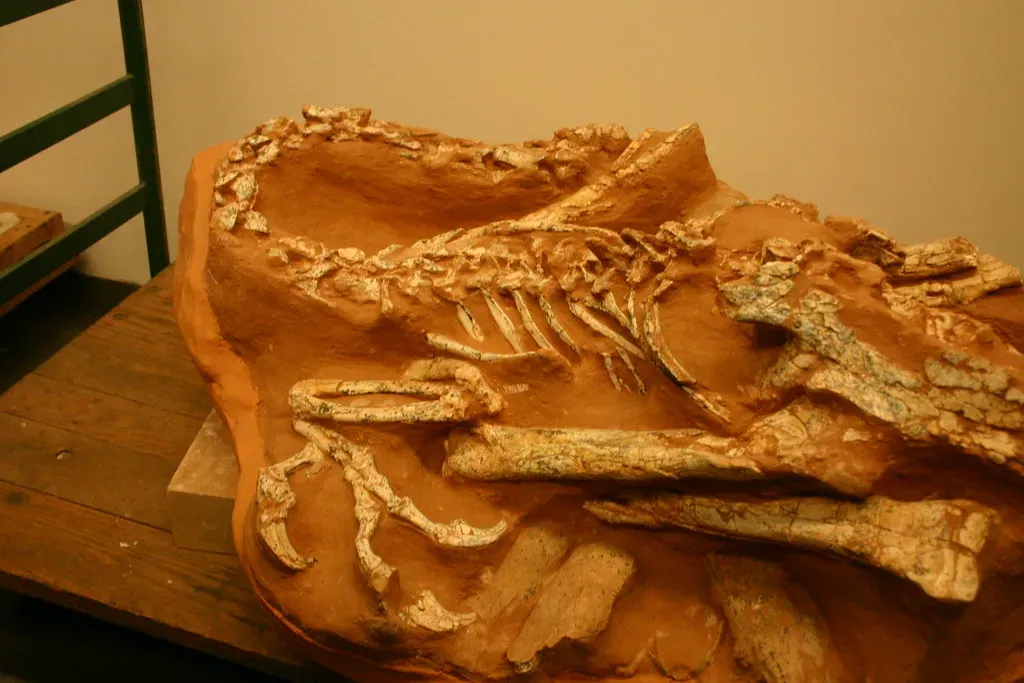
You might think of the end-Cretaceous extinction as simply a catastrophic end. In ecological terms, it was also a dramatic beginning. The Cretaceous-Paleogene boundary marks Earth’s most recent mass extinction, when over 75 percent of species went extinct. In the terrestrial realm, the mass extinction was followed by a radiation of modern clades, particularly placental mammals, crown birds, and angiosperms. Every major group of animals that dominates the land today expanded into the space that dinosaurs had occupied.
The open niche space and relative scarcity of predators following the K-Pg extinction allowed for adaptive radiation of various avian groups. Ratites, for example, rapidly diversified in the early Paleogene and are believed to have convergently developed flightlessness at least three to six times, often fulfilling the niche space for large herbivores once occupied by non-avian dinosaurs. Modern mammals diversified after the mass extinction of dinosaurs 66 million years ago, with key adaptations such as warm-bloodedness, intelligence, care for offspring, and adaptable dentitions being important drivers of their evolution. The living world you know was not just shaped by dinosaurs while they lived, but reorganized by their absence in ways that continue to define every ecosystem on the planet today.
Conclusion
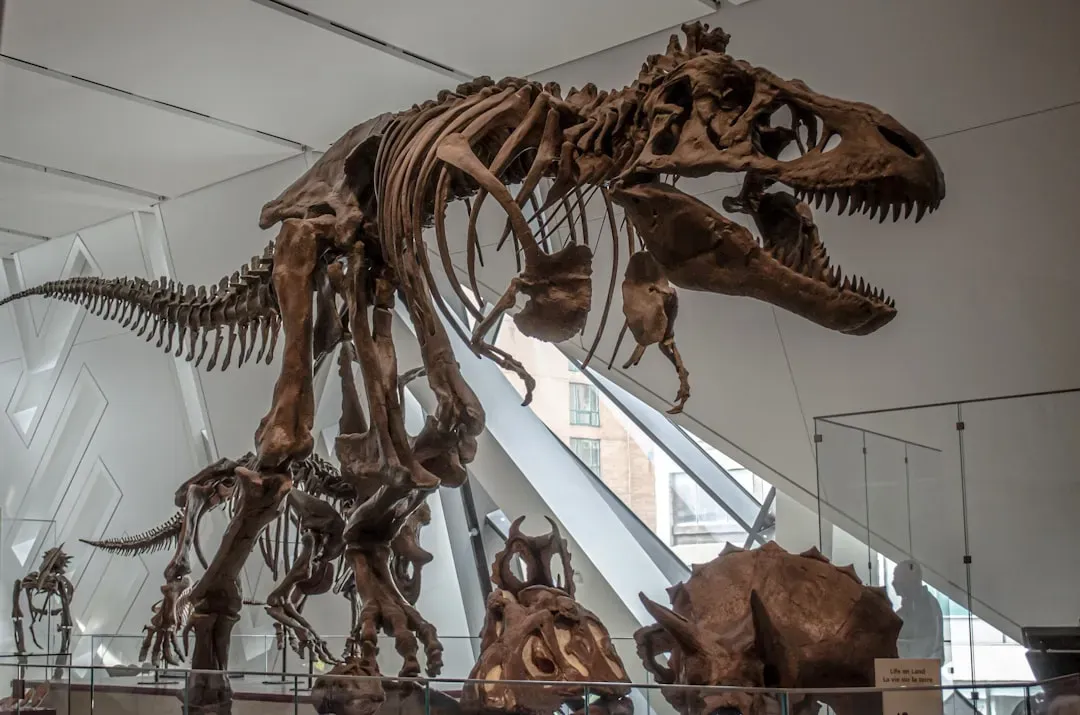
Dinosaurs are often treated as a closed chapter – studied, admired in museums, and then mentally filed away as something separate from the living world. The evidence tells a different story. The rivers that carve through continents, the flowers that power most terrestrial food chains, the mammals that fill every ecological niche from ocean to mountaintop, and the birds outside your window – all of them carry the structural memory of 160 million years of dinosaur dominance and the ecological upheaval of their extinction.
You don’t need to go to a museum to find dinosaurs. Their legacy is woven into the ground beneath your feet, the trees providing your shade, and every creature that watches the sky for predators it learned to fear through an arms race that started before humans were even a distant possibility. In that sense, the age of dinosaurs never fully ended. It just changed form.