Have you ever wondered what it takes to spend weeks or even months carefully brushing dirt away from ancient bones, never knowing if your efforts will yield something extraordinary? Geologists and paleontologists work in extreme conditions, under intense sun, on steep terrain, sometimes going hours without finding a single fragment worth keeping. Their work demands a level of patience that most of us can barely fathom. Yet the lessons they’ve learned through countless hours of painstaking excavation can teach us how to slow down, stay focused, and find calm even when progress seems invisible.
Let’s be real: we live in a world that rewards speed and instant results. Waiting feels like punishment. Cultural shifts, particularly when it comes to technology, have primed us to expect immediate gratification through simple clicks, fast deliveries, and instant answers. Learning to cultivate deep patience might be one of the most radical things you can do in 2026.
Focus on the Smallest Possible Task

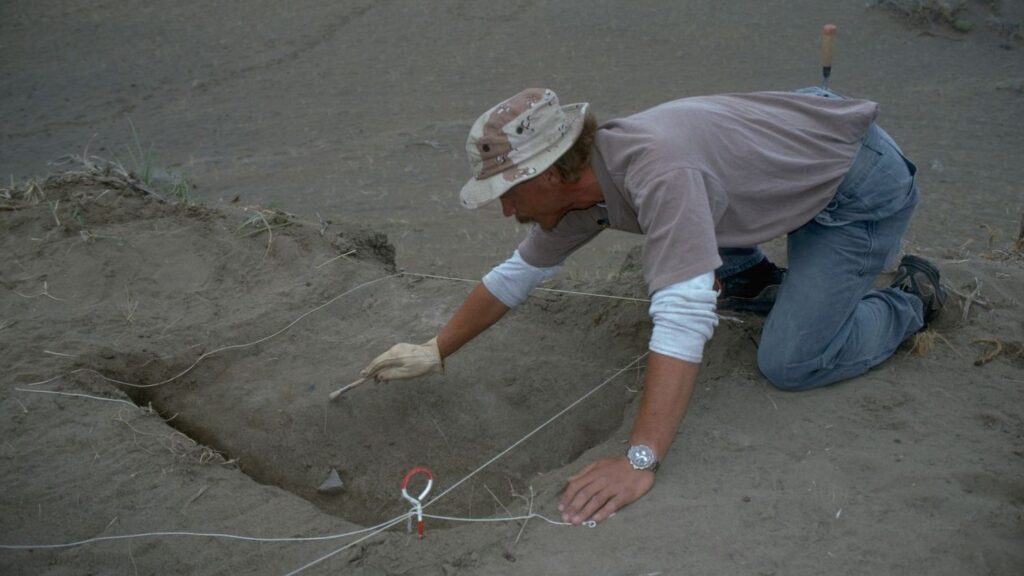
When paleontologists attack a bone, they don’t think about trying to get all the rock off and reveal the entire specimen, as that would drive them insane; instead they focus on pushing back the rock a micrometer at a time. This approach transforms an overwhelming project into something manageable. Think about how often you feel paralyzed by the enormity of what’s ahead of you.
An intern sifting through dirt never thought about the amount remaining in the tray or closet, just focused on a little pile, and this early lesson in discipline set them up perfectly for fossil preparation work. When you narrow your attention to what’s directly in front of you, time stops feeling like an enemy. Your breathing steadies. Honestly, this technique has saved me more times than I can count when facing projects that felt impossible.
Train Your Mind with Small Irritations First

Patience professionals recommend training ourselves with little pains and irritations like bites, stings, rashes, heat, cold, rain, waiting in line, and driving in traffic so that when big adversities come, we’ll have developed the patience we need. It’s like lifting lighter weights before attempting a personal record. You wouldn’t expect to bench press twice your body weight without practice, right?
Start viewing daily annoyances as your training ground. That slow cashier isn’t ruining your day; they’re giving you an opportunity to strengthen your patience muscles. The more you exercise these muscles, the stronger they will become. I know it sounds crazy, but the next time you’re stuck in traffic, try thanking it for the chance to practice staying calm.
Recognize and Label Your Impatience

The first step in growing patience is getting in touch with the addictive quality of its opposite: anger, irritation, blaming, shaming, which usually starts with slight discomfort and tensing in the stomach area along with the interpretation that things aren’t going our way. Most of us react before we even realize we’re upset. Geologists working in the field learn to pause and assess before making their next move.
Recognizing that patience improves wellbeing is easier than cultivating it; identifying what brings impatience and the emotions felt is the first step, and once triggers are identified, a plan can be made ahead of time. Keep a mental note of what sets you off. Is it technology failing? People moving slowly? Things not happening on your timeline? Name it, and you’ve already reduced its power over you.
Change Your Relationship with Discomfort

Many of us believe that being comfortable is the only state we’ll tolerate, but learning to say “this is merely uncomfortable, not intolerable” can be transformative. If excavators get impatient and jump ahead, they may break a hidden bone in the process, and though no one tries to break a fossil, it just happens. Rushing because you’re uncomfortable with waiting almost always makes things worse.
Developing tolerance for discomfort is essential; simple acts like resisting the urge to scratch an itch or delaying gratification strengthen the mind’s capacity to endure irritation or delay, and engaging in small challenges builds resilience gradually. Here’s the thing: patience isn’t about suffering. It’s about expanding the range of experiences you can handle without losing your cool. That’s actual freedom.
Understand That Nothing Unfolds on Your Schedule

Within the context of mindfulness, patience is seen as a kind of attitude toward life that accepts the timing of things, demonstrating that we understand things must unfold in their own time. It can take a day or weeks to uncover a fossil, sometimes requiring multiple field seasons, depending on how hard the rock is and how much overburden covers the fossil. Nature operates on geological time, not human convenience.
The vast majority of breakthrough moments rest on invisible groundwork done beforehand. All hot streaks rest on a foundation of prior work during which improvement was much less apparent, and if these individuals had given up or switched approaches too early, their breakthroughs wouldn’t have occurred. Your impatience might be the only thing standing between you and something remarkable.
Practice Mindfulness to Stay Present
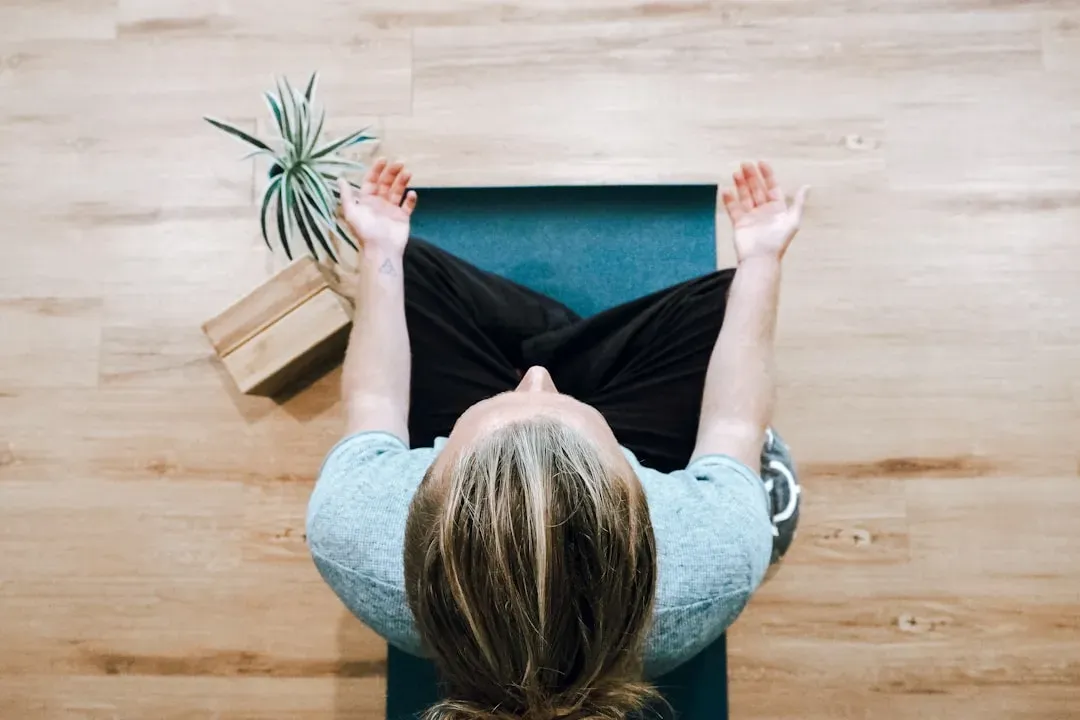
Mindfulness is a practice that encourages being in the present moment without judging, though it sounds simple, actually paying attention to what you’re doing and how you’re feeling can be challenging since we get caught up in what’s next on our to-do list. When you practice mindfulness, you become more aware of your thoughts and feelings, allowing you to recognize emotional triggers early and manage impulses to respond thoughtfully rather than react impulsively.
Developing mindfulness naturally strengthens our patience. Even short sessions make a difference. You don’t need to meditate for hours. Five minutes of focused breathing before a challenging task can completely shift your approach. I think people overcomplicate mindfulness when really it’s just about noticing what’s happening right now without immediately trying to change it.
Keep Your Eyes on Long-Term Goals

Patience is one of the backbones of achieving long-term goals, helping us stay committed and focused, ignoring instant gratification and prioritizing more substantial, lasting rewards. Fossil specimens have to survive for millions of years, withstanding earthquakes, volcanic activity, and immense pressure from surrounding rock layers, which makes each specimen important as it has the potential to add to scientific knowledge.
In moments of impatience, remind yourself of your long-term goals and the values that guide your actions; if what matters most is connections with loved ones, it will help you be more patient when they do something frustrating, as aligning responses with deeper intentions fosters patience. Write down what really matters to you. Put it somewhere visible. When you’re about to lose your cool, glance at it and ask yourself if your reaction serves that bigger picture.
Embrace the Process, Not Just Results
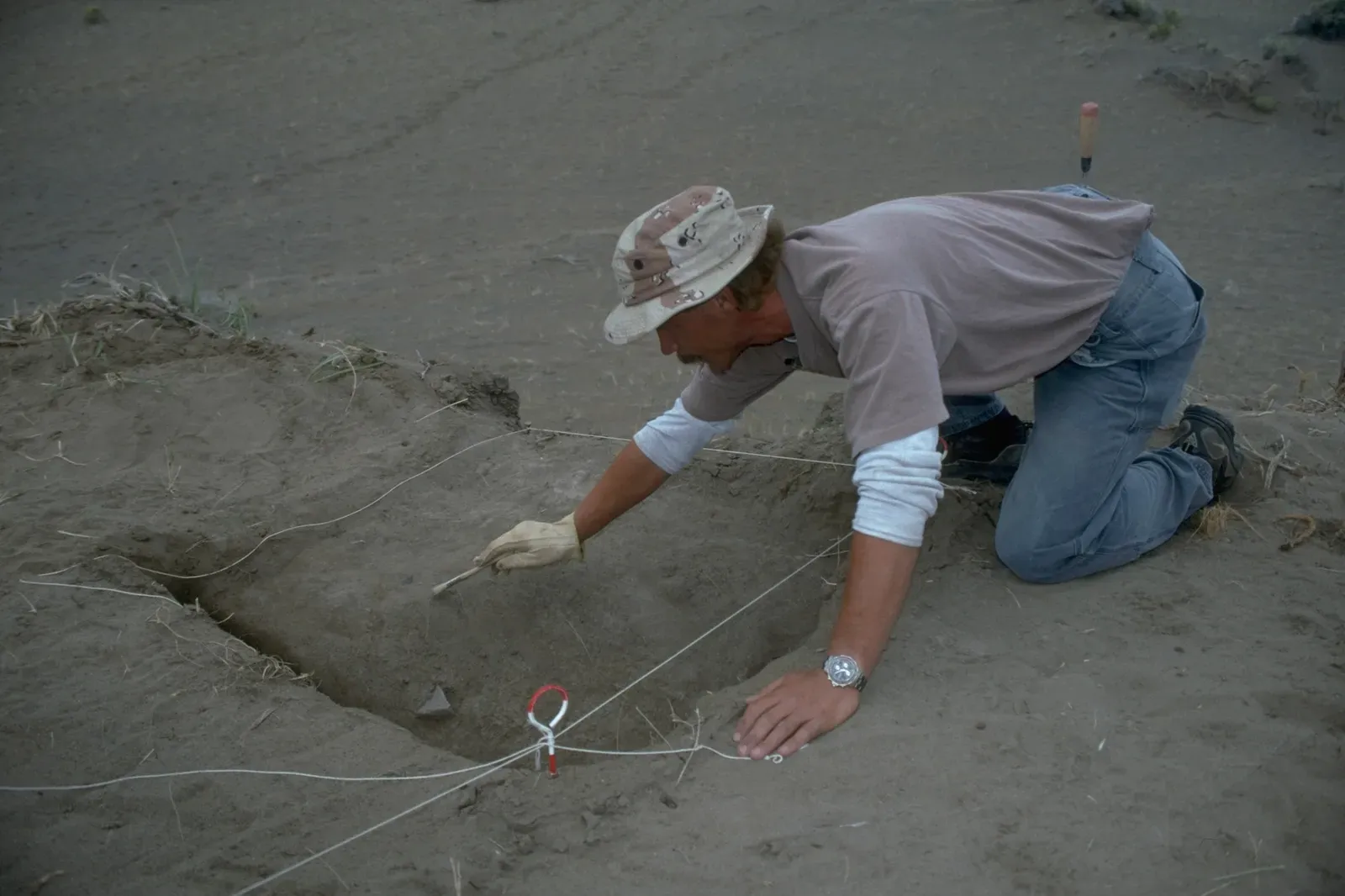
After working on several hard excavations, finding a new bone brings two reactions: first “Yeah, I found another bone,” soon followed by “Uh-Oh, I found another bone,” as you contemplate all the work ahead, but still you got to love it. Geologists learn to find satisfaction in the work itself, not just the discovery. That shift in perspective changes everything.
It’s important to dig slowly and deliberately, examining every piece of rock that breaks away, since as rock breaks or cleaves, pieces of the fossil may remain in the broken fragment. Nearly half of life happens in the messy middle, not at the finish line. If you only feel good when you’re done, you’re missing most of your life.
Build Your Emotional Regulation Skills

Emotional regulation involves the ability to manage and respond to emotional experiences in a healthy way, and higher emotional regulation skills mean you can calm feelings of frustration or anger, making it easier to wait calmly; research shows people adept at emotional regulation tend to be more patient. Patient people tend to experience less depression and negative emotions, perhaps because they cope better with upsetting or stressful situations, and they rate themselves as more mindful and feel more gratitude and connection.
Managing frustrations involves accepting that some circumstances are beyond your control; instead of reacting negatively, focus on your responses, and techniques such as deep breathing, counting to ten, or taking short breaks can help maintain calmness. Honestly, learning to pause for just ten seconds before responding to something irritating has probably saved several of my relationships. It’s such a simple tool, yet most of us never use it.
Conclusion

Anyone can be patient and everyone can be impatient; patience isn’t something you’re born with, it’s just something you do, like a sport you have to practice to get better at, and next time you start to feel impatient, just focus on the little things and change your perspective. The geologist brushing dust off a fossil that’s been buried for millions of years understands something profound: some things simply cannot be rushed.
Developing patience requires dedication and is a slow process with setbacks from time to time; ironically, the process requires patience, but the benefits of improved relationships, attaining goals, and improved wellbeing are worth the effort. You’re not going to master this overnight, and that’s actually the point. Be kind to yourself as you practice. What’s one area of your life where you could benefit from a little more patience? Maybe today’s the day to start there.