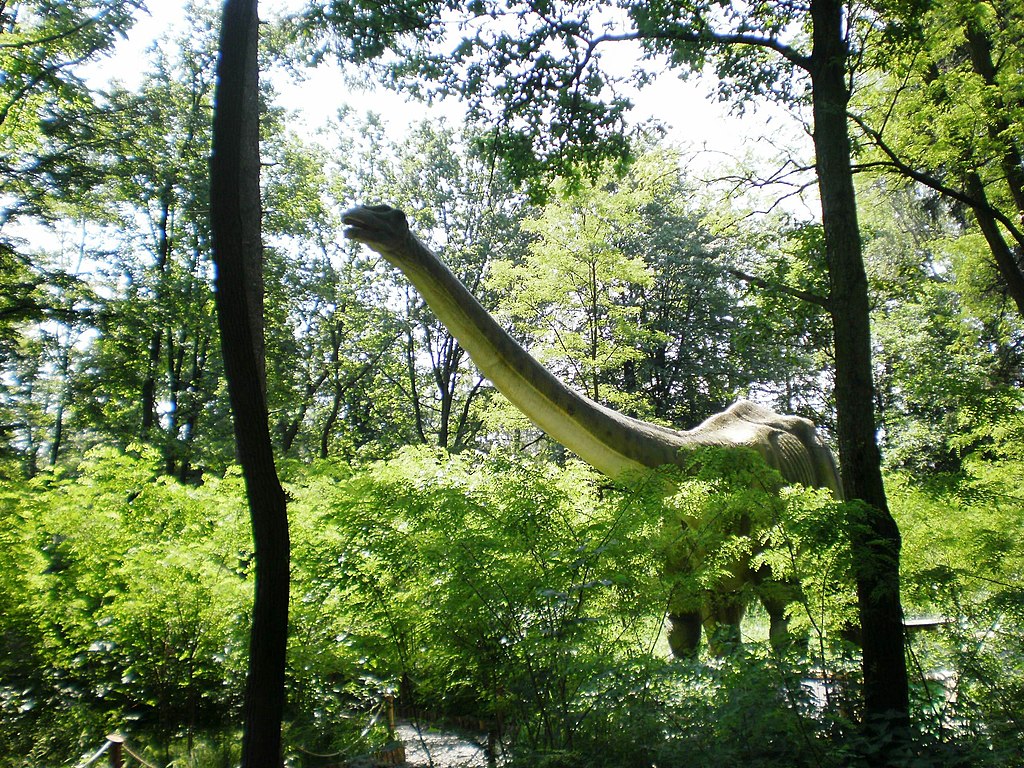
The Brontosaurus stands as one of the most recognizable dinosaurs in popular culture, with its long neck, massive body, and whip-like tail capturing the imagination of generations. Yet this iconic creature has a peculiar scientific history that involves disappearance, rejection, and an unexpected resurrection. For nearly a century, paleontologists insisted the Brontosaurus never existed at all—only to reverse course in 2015 with a stunning scientific rehabilitation. This remarkable scientific saga involves competing fossil hunters, academic rivalries, evolving classification methods, and the painstaking analysis of ancient bones. The story of how the Brontosaurus disappeared from scientific recognition and then dramatically returned offers fascinating insights into how science works, how knowledge evolves, and how even experts can sometimes need to reconsider long-held conclusions.
The Original Discovery: O.C. Marsh and the Bone Wars
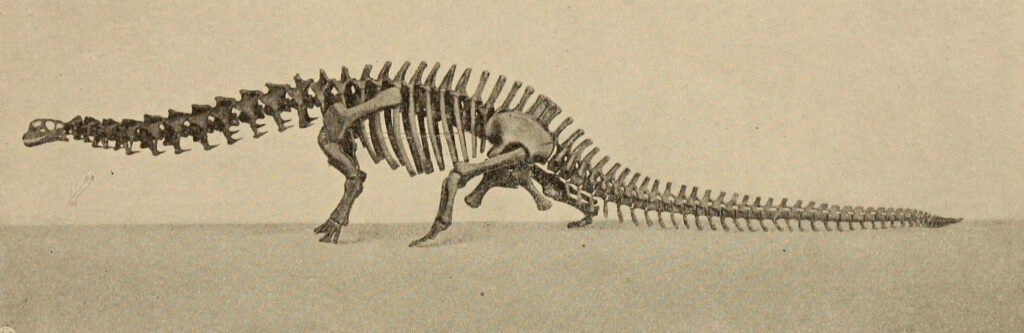
The Brontosaurus was first named and described in 1879 by paleontologist Othniel Charles Marsh during a period of intense fossil-hunting competition known as the “Bone Wars.” Marsh, working at Yale University, was engaged in a bitter rivalry with Edward Drinker Cope of the Academy of Natural Sciences in Philadelphia. Their competition drove both men to discover and name dozens of new dinosaur species at a frantic pace, sometimes with inadequate scientific scrutiny. The name Brontosaurus, meaning “thunder lizard,” was applied to a spectacular skeleton Marsh’s team discovered in Wyoming. This massive sauropod dinosaur captured public imagination with its long neck and tail, becoming one of the most famous dinosaur species almost immediately after its announcement. The fossil was so impressive that, despite scientific controversies that would later emerge, the Brontosaurus quickly became cemented in popular culture as the quintessential dinosaur.
The First Dismissal: Elmer Riggs’ 1903 Reclassification
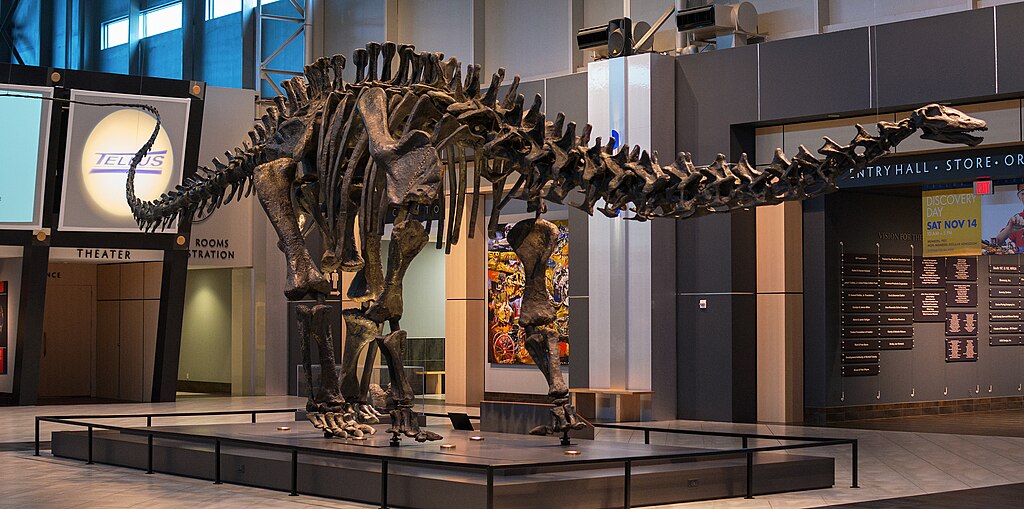
The scientific demise of the Brontosaurus began surprisingly early, just two decades after its initial discovery. In 1903, paleontologist Elmer Riggs published a paper in which he compared Marsh’s Brontosaurus excelsus skeleton with the previously discovered Apatosaurus ajax (also named by Marsh). Riggs concluded that the differences between the two specimens were insufficient to justify separate genera, determining they were merely different species within the same genus. According to scientific naming conventions, the older name,—Apatosaur, s—took priority, effectively demoting Brontosaurus to a junior synonym. In Riggs’ own words, “the genus Brontosaurus shall henceforth be regarded as a synonym.” This technical reclassification should have spelled the end for the Brontosaurus as a valid scientific name, relegating it to the dustbin of taxonomic history as simply another species of Apatosaurus: Apatosaurus excelsus.
The Cultural Persistence of the Brontosaurus

Despite its official scientific demotion, the Brontosaurus name showed remarkable staying power in popular culture throughout the 20th century. The iconic dinosaur continued to appear in museums, books, films, and educational materials long after scientists had officially reclassified it. The American Museum of Natural History in New York displayed a “Brontosaurus” skeleton until the 1990s, influencing generations of visitors. Children’s books routinely featured the thunder lizard alongside Tyrannosaurus rex and Triceratops as dinosaur staples. Fred Flintstone’s Brontosaurus burgers and the Land Before Time’s lovable “long-neck” character reinforced the dinosaur’s cultural prominence. This peculiar disconnect between scientific consensus and public awareness created a situation where most people remained completely unaware that paleontologists had dismissed the very existence of the creature as a distinct genus nearly a century earlier.
Why Apatosaurus Took Precedence: Rules of Scientific Naming
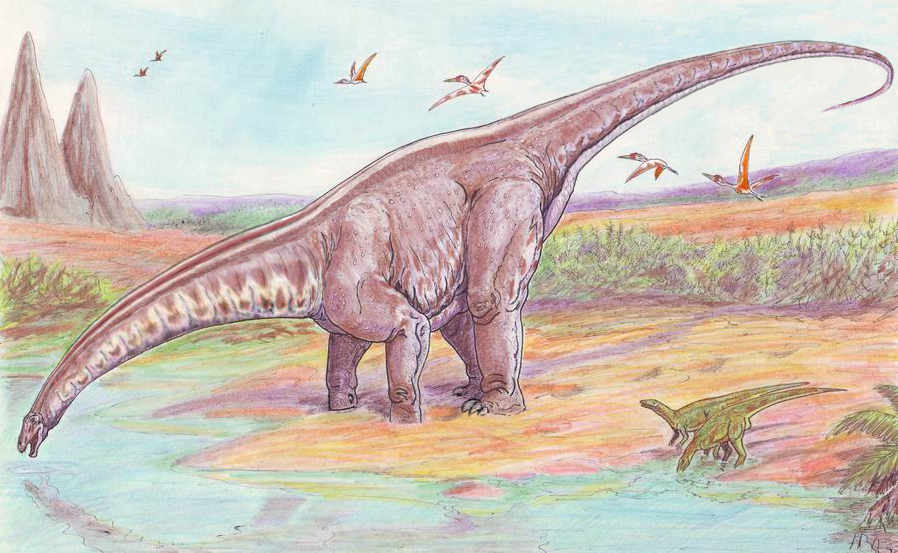
The apparent disappearance of Brontosaurus from scientific literature was not due to any discovery that the animal never existed, but rather the strict application of taxonomic priority rules. In scientific classification, when two organisms are determined to belong to the same genus, the oldest published name must be used according to the International Code of Zoological Nomenclature. Since Marsh had named Apatosaurus ajax in 1877, two years before naming Brontosaurus excelsus in 1879, the Apatosaurus name automatically took precedence when Riggs determined they belonged to the same genus. This principle of priority ensures stability in scientific naming by preventing the continuous renaming of organisms. The situation was further complicated by the fragmentary nature of many early dinosaur discoveries and the competitive rush to name new species during the Bone Wars, which sometimes led to hasty classifications that would require later revision. For scientists, taxonomy isn’t merely about labels but about accurately representing evolutionary relationships.
The Dinosaur Renaissance and Growing Skepticism

During the “Dinosaur Renaissance” that began in the 1960s, paleontologists dramatically revised their understanding of dinosaurs, viewing them as active, warm-blooded animals rather than slow, cold-blooded reptiles. This period of scientific re-evaluation also brought increased scrutiny to historical dinosaur classifications. Researchers began conducting more careful comparisons of fossil material, applying more rigorous standards to taxonomic decisions than had been used during the rush of the Bone Wars. The consensus continued to favor Riggs’ 1903 reclassification, with scientific papers and textbooks firmly establishing that Brontosaurus was not a valid genus. Renowned paleontologists like Robert Bakker challenged this view occasionally, suggesting the animals were distinct enough to warrant separate genera, but these remained minority positions without sufficient evidence to overturn the established classification. The scientific community generally maintained that people continuing to use “Brontosaurus” were simply perpetuating an outdated error.
The Infamous Head Controversy
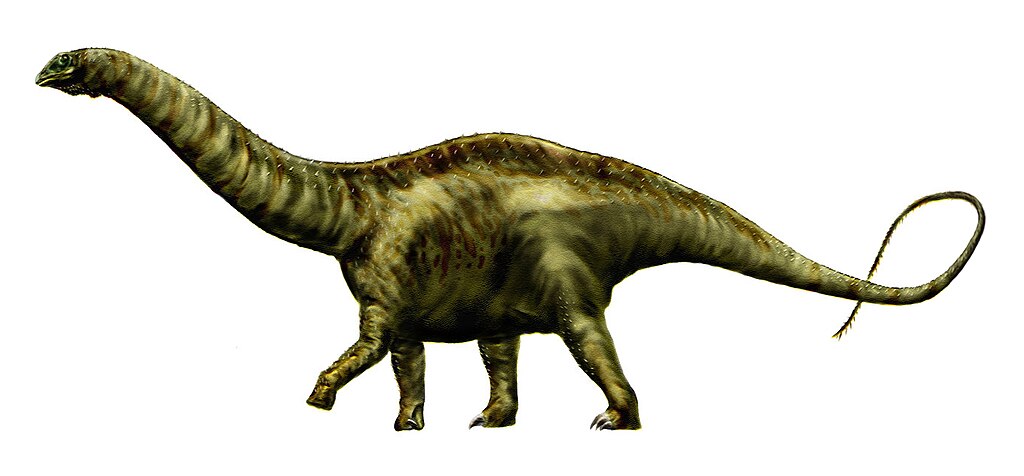
One of the most notorious chapters in the Brontosaurus saga involves its depicted head, which was completely wrong for decades. When Marsh first assembled his Brontosaurus skeleton, it lacked a skull, so he speculatively added a skull from another location that was actually from a Camarasaurus—a different sauropod with a more boxy, blunt head. This incorrect pairing persisted in museum displays and scientific illustrations for decades, creating a profoundly inaccurate public image of what the dinosaur looked like. By the 1970s, paleontologists widely recognized that Apatosaurus (including the specimen formerly called Brontosaurus had a longer, more horse-like skull similar to that of Diplodocus. This skull controversy added another layer of confusion to the Brontosaurus identity crisis, as the dinosaur most people visualized when hearing the name had never actually existed in that form. Museums gradually updated their displays, but the incorrect image had already become deeply embedded in popular culture.
The 2015 Revival: New Research Challenges Old Conclusions
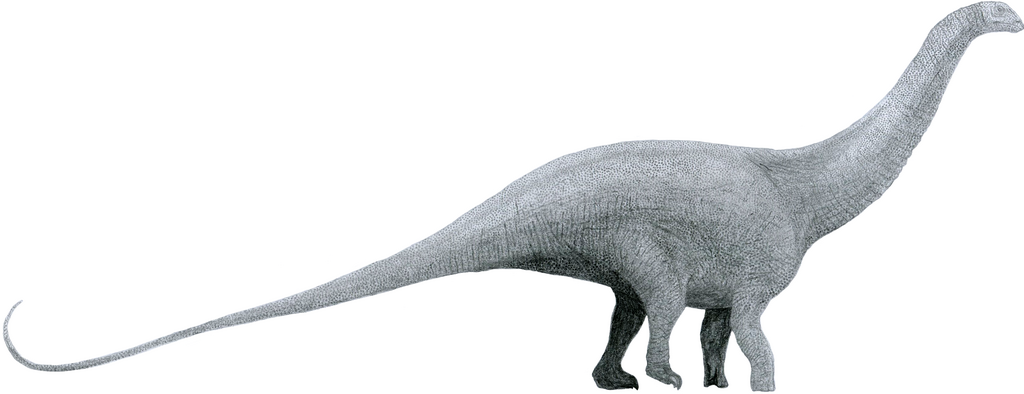
The scientific resurrection of Brontosaurus came in April 2015 with the publication of an extensive study in the journal PeerJ by paleontologist Emanuel Tschopp and colleagues. This research team conducted the most comprehensive analysis ever attempted of diplodocid dinosaurs, the family that includes both Apatosaurus and the disputed Brontosaurus. Using advanced statistical methods and examining 477 different anatomical features across 81 specimens, they were able to detect subtle but significant differences between the dinosaurs. Their extensive analysis revealed that the differences between Apatosaurus and the specimens previously called Brontosaurus were substantial enough to justify separate genera classifications after all. This conclusion directly contradicted Riggs’ 1903 determination and a century of scientific consensus. The researchers found that the various Brontosaurus species formed their distinct evolutionary group, separate from true Apatosaurus specimens, providing strong evidence that Brontosaurus deserved to be reinstated as a valid genus.
The Anatomical Differences That Distinguish Brontosaurus
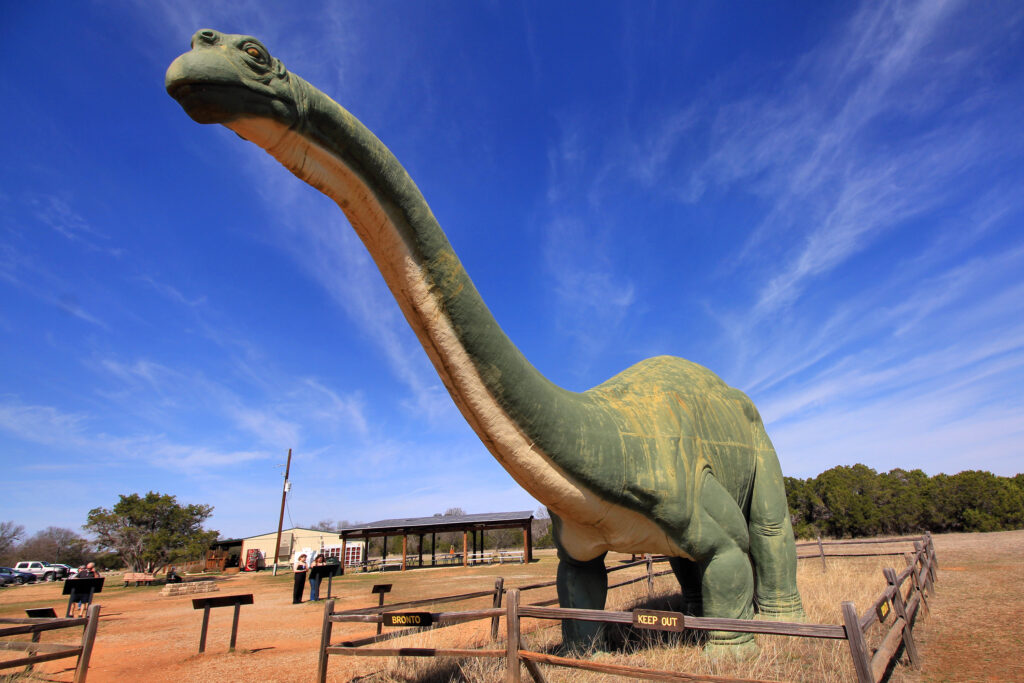
The revival of Brontosaurus hinged on identifying consistent anatomical differences that distinguished it from Apatosaurus. According to Tschopp’s research, Brontosaurus had a more slender build compared to the robust Apatosaurus. Specific differences included the shape of the bones in the shoulder girdle, with Brontosaurus having a less robust scapula (shoulder blade). The neck vertebrae of Brontosaurus were structured differently, with more slender features compared to the stouter vertebrae of Apatosaurus. The sacrum—the vertebrae connecting to the hip bones—showed distinctive features in Brontosaurus, including different patterns of fusion. The hindlimbs also displayed subtle but consistent differences in proportion and structure between the genera. While these differences might seem minor to casual observers, they represent significant evolutionary distinctions that reflect different adaptations and lifestyles. The comprehensive statistical analysis demonstrated that these weren’t random variations but consistent patterns that justified separate classification.
How Modern Technology Aided the Reclassification
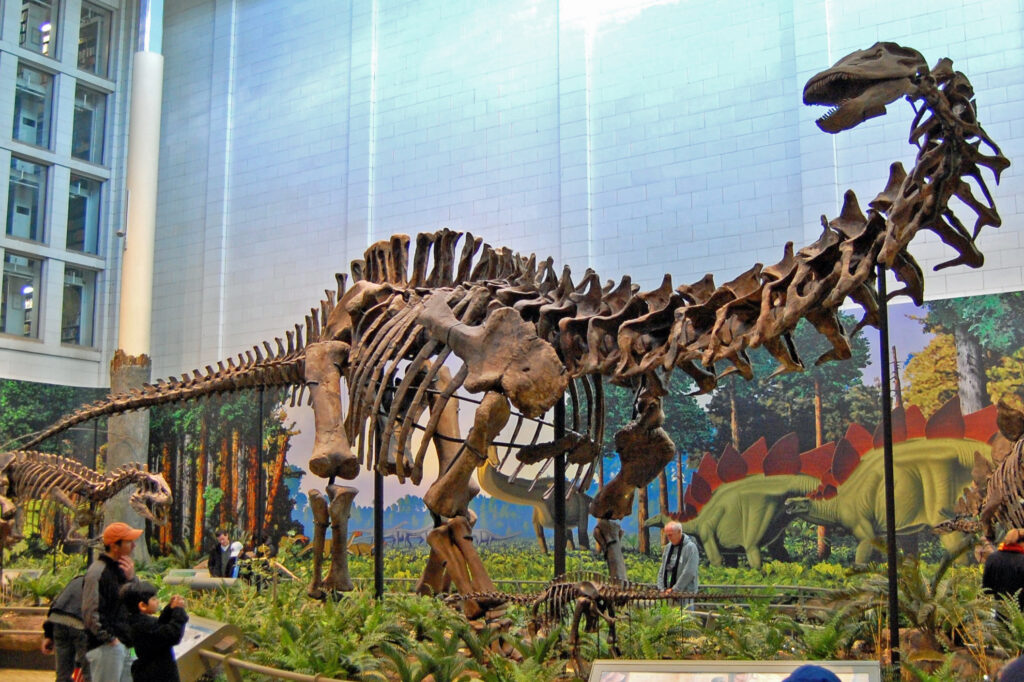
The resurrection of Brontosaurus would not have been possible without advances in technology and methodology that revolutionized how paleontologists analyze fossils. Three-dimensional scanning technologies allowed researchers to create detailed digital models of fossils, enabling more precise measurements and comparisons than were possible for earlier scientists working with physical specimens. Advanced statistical techniques, particularly phylogenetic analysis using maximum parsimony and Bayesian methods, provided tools to objectively evaluate the significance of anatomical differences across many specimens simultaneously. Computer algorithms helped scientists determine which classification arrangements best explained the observed patterns of similarities and differences. The increasing digitization of museum collections also enabled Tschopp’s team to examine specimens housed in multiple institutions across different continents without extensive travel. These technological advances allowed for a much more thorough and objective analysis than was possible for Riggs in 1903, who had to rely on direct observation and manual measurements of a limited number of specimens.
Scientific Reactions to the Reclassification
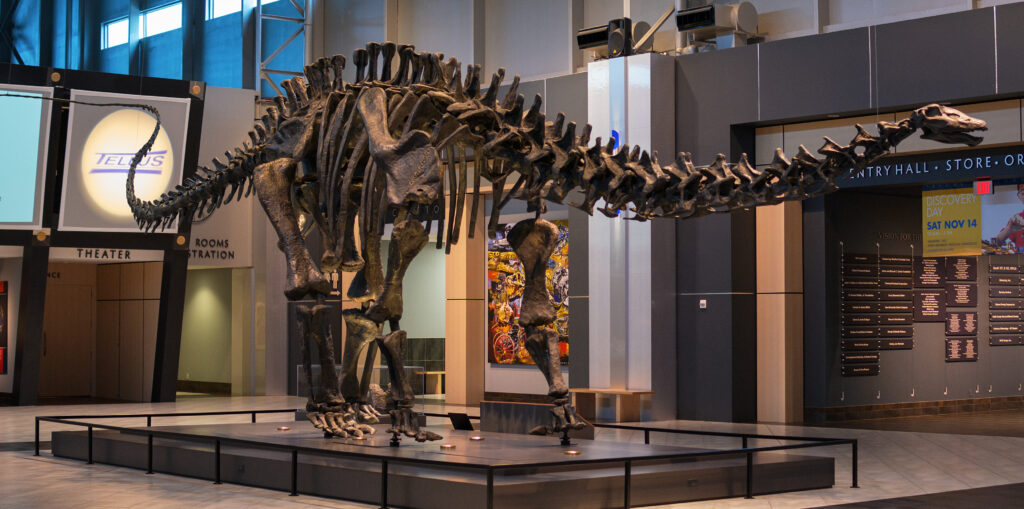
The scientific community’s response to the Brontosaurus revival was cautiously positive but not unanimously enthusiastic. Many paleontologists praised the thoroughness of Tschopp’s research, acknowledging that the extensive dataset and rigorous methodology provided compelling evidence for the distinction between Apatosaurus and Brontosaurus. Several prominent researchers publicly supported the reclassification, noting that it demonstrated how science can self-correct when new evidence emerges. However, some specialists remained skeptical, pointing out that genus-level classifications in dinosaur paleontology involve subjective judgments about how much anatomical difference constitutes a genus boundary. A few paleontologists argued that the observed differences, while statistically significant, might still be better classified as species-level variations within Apatosaurus rather than justifying separate genera. Despite these reservations, the majority of subsequent scientific literature has accepted the resurrection of Brontosaurus, with most new publications treating it as a valid genus distinct from Apatosaurus.
Public Response and Media Coverage
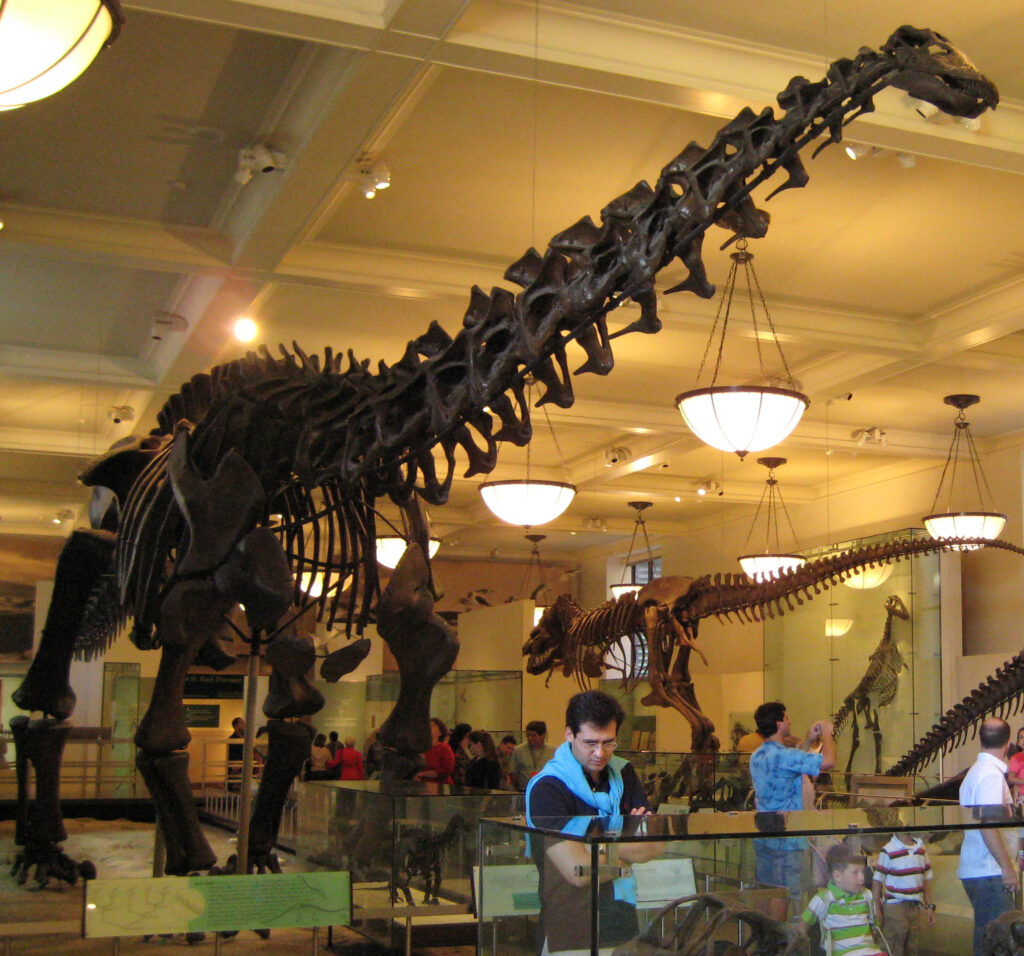
The announcement of Brontosaurus’s scientific comeback generated substantial public interest and widespread media coverage in 2015. Major news outlets like The New York Times, National Geographic, and BBC ran prominent stories about the dinosaur’s “resurrection,” often framing it as a vindication for generations who had grown up loving a dinosaur that scientists insisted didn’t exist. The story resonated particularly strongly because Brontosaurus had remained so firmly established in popular culture despite its scientific rejection. Social media platforms were filled with celebratory posts and memes about the thunder lizard’s triumphant return. Some museums quickly updated their signage and educational materials to reflect the reclassification, though others took a more cautious approach, waiting to see if the scientific consensus would solidify around the new classification. The public reaction highlighted the special place this dinosaur holds in the collective imagination and revealed how even technical taxonomic issues can generate widespread interest when they involve beloved cultural icons.
What the Brontosaurus Saga Reveals About Science
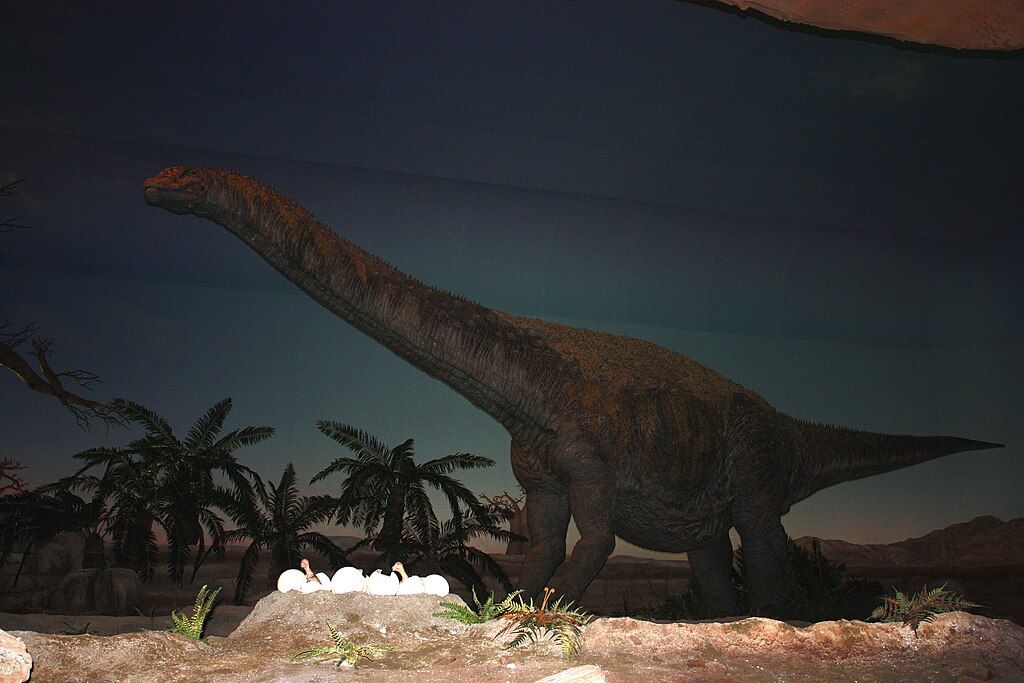
The remarkable journey of Brontosaurus—from discovery to rejection to resurrection—offers valuable insights into how science functions as a self-correcting process. Rather than representing failure, this taxonomic reversal demonstrates science working as intended, with conclusions constantly subject to revision when better evidence or methods become available. The saga highlights the provisional nature of scientific knowledge, where even century-old consensus can be overturned by more comprehensive analysis. It also illustrates the increasing rigor of modern paleontological methods, which have evolved from the sometimes hasty classifications of early fossil hunters to sophisticated statistical analyses of large datasets. Additionally, the Brontosaurus story reveals the complex relationship between scientific classification and cultural understanding, showing how popular names and concepts can persist despite scientific reclassification. Perhaps most importantly, this case demonstrates that scientific disagreement and revision should be seen not as weaknesses but as strengths of the scientific method—signs of a healthy discipline where evidence ultimately prevails over authority or tradition.
Brontosaurus in Modern Classification

In current dinosaur taxonomy, Brontosaurus is recognized as a genus within Diplodocidae, a family of sauropod dinosaurs that lived during the Late Jurassic period approximately 150 million years ago. The genus currently includes three valid species: Brontosaurus excelsus (the original species named by Marsh), Brontosaurus yahnahpin (formerly classified as “Eobrontosaurus”), and Brontosaurus parvus (previously classified as an Apatosaurus species). These massive herbivores inhabited what is now the western United States, with fossils primarily recovered from the Morrison Formation across Colorado, Wyoming, and Utah. Anatomically, Brontosaurus is characterized as a large sauropod with a long neck, small head, robust body, and lengthy tail, measuring up to 72 feet in length and potentially weighing around 15-20 tons. While closely related to Apatosaurus, modern classification recognizes Brontosaurus as more slender in build, with distinct features in its vertebrae, shoulder girdle, and pelvic structure that justify its separate generic status. This current classification remains subject to future revision as new fossils are discovered and analytical methods continue to advance.
Conclusion

The story of Brontosaurus offers a fascinating glimpse into the evolving nature of scientific knowledge. Far from being a simple mistake or correction, this tale demonstrates how science progresses through careful re-examination of evidence and willingness to challenge established views. The thunder lizard’s journey from scientific validity to rejection and back again reflects changing methodologies in paleontology and taxonomy, from the competitive fossil hunting of the 19th century to today’s sophisticated computational analyses. For the public, the resurrection of Brontosaurus feels like vindication—the beloved dinosaur they never stopped believing in has returned to scientific legitimacy. Yet for scientists, it represents something equally valuable: a reminder that classification systems are human constructs designed to help us understand evolutionary relationships, always subject to refinement as our knowledge and tools improve. The Brontosaurus, now firmly back in scientific literature, reminds us that science at its best is not about unchanging certainty but about the endless pursuit of more accurate understanding.