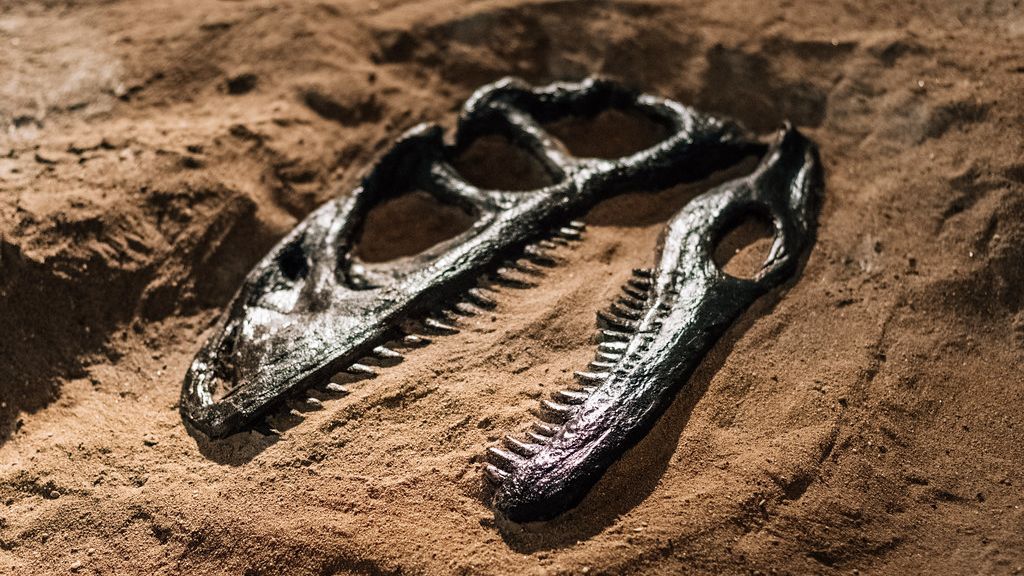
For generations, our understanding of dinosaurs has been shaped by museum exhibits, textbooks, and popular media that often depict these ancient creatures with nostrils positioned at the tip of their snouts. This seemingly intuitive placement mirrors what we observe in many modern animals. However, recent paleontological research has dramatically shifted our understanding of dinosaur respiratory anatomy. Scientists now believe that for many dinosaur species, especially larger ones, the actual location of their breathing apparatus was quite different from these traditional depictions. This revelation not only alters how we perceive these prehistoric beasts but also offers fascinating insights into their physiology, behavior, and evolutionary adaptations.
The Traditional View: Nostrils at the Snout’s Tip
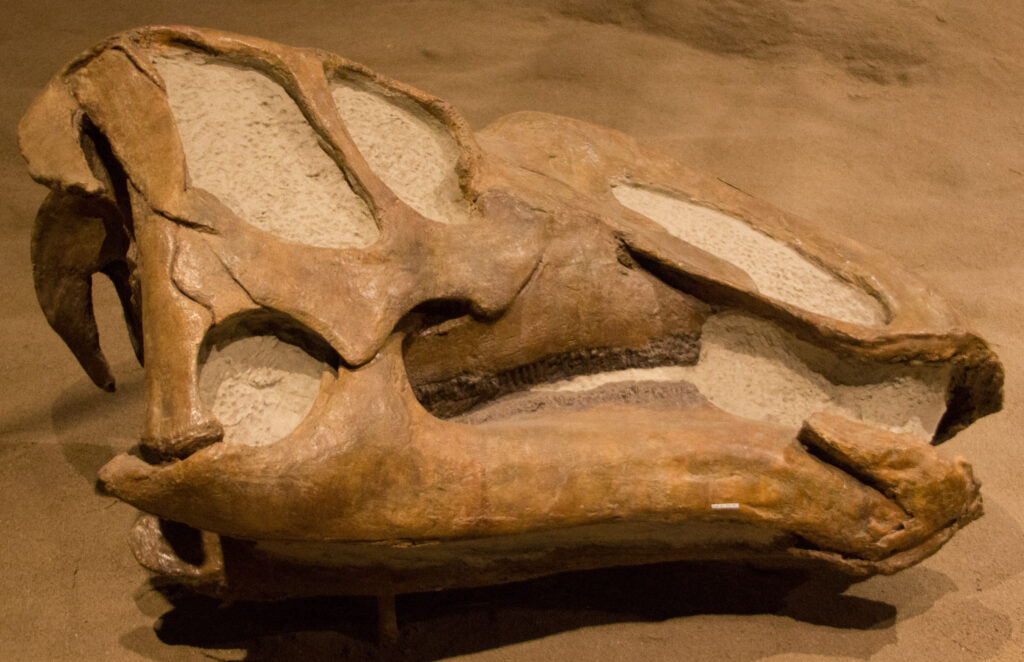
For decades, paleontologists and artists have reconstructed dinosaurs with nostrils positioned at the tip of their snouts, similar to those of modern mammals and reptiles. This placement seemed logical based on comparative anatomy with living animals and the apparent nasal openings visible in many fossilized dinosaur skulls. Museum displays worldwide reinforced this image, showing dinosaurs with forward-facing nostrils at the end of their snouts. Early scientific illustrations and popular culture, from children’s books to films like Jurassic Park, perpetuated this anatomical assumption. The conventional thinking reasoned that since most vertebrates breathe through nostrils at the tip of their snouts, dinosaurs likely followed the same pattern. This representation remained largely unchallenged until the late 1990s, when researchers began to reexamine dinosaur skull anatomy with fresh perspectives.
The Crucial Distinction: External vs. Internal Nasal Openings

To understand the revolution in dinosaur nostril placement, it’s essential to distinguish between different skull features. Dinosaur skulls have two sets of nasal openings: the external nares (the outer nostril openings visible in the skull) and the internal nares (openings that connect to the throat). While the external nares can be observed in fossils, the actual position of the fleshy nostrils in the living animal doesn’t necessarily correspond directly with these openings. Soft tissues rarely preserve in the fossil record, forcing paleontologists to make educated inferences about these structures. The bony external nares in dinosaur skulls are often quite large and positioned further back on the skull than previously assumed, particularly in larger species. This anatomical reality prompted scientists to reconsider where the actual breathing apparatus would have been located when these animals were alive, leading to significant revisions in our understanding of dinosaur respiratory systems.
The Groundbreaking Research of Lawrence Witmer
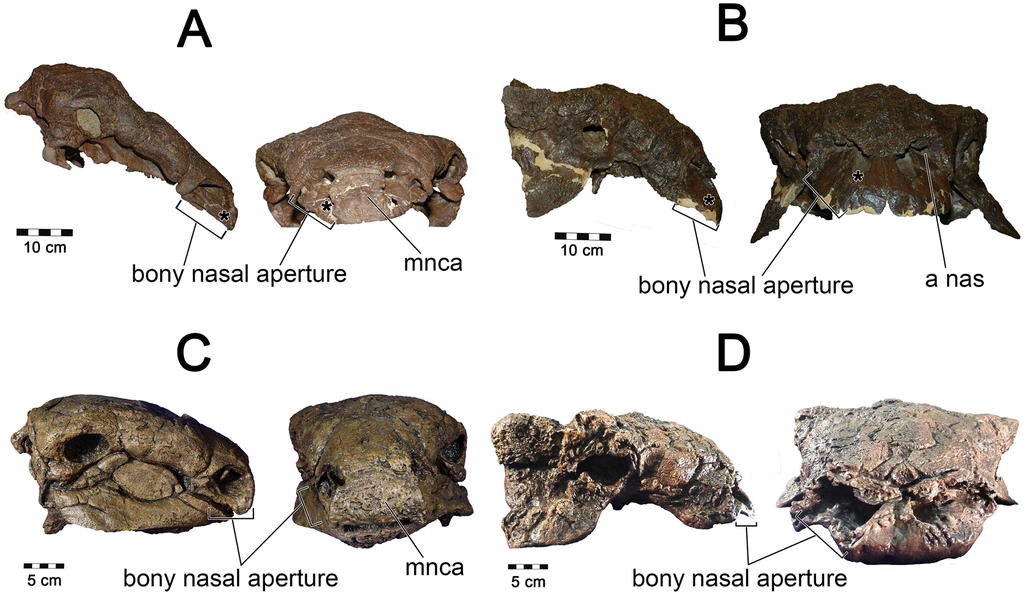
The paradigm shift in understanding dinosaur nostril placement largely stemmed from the pioneering work of paleontologist Lawrence Witmer from Ohio University. In 2001, Witmer published a landmark study in the journal Science that challenged conventional wisdom about dinosaur nostril placement. Using comparative anatomy and examining the relationship between soft tissues and bones in modern animals, Witmer determined that dinosaur nostrils were likely positioned much further back on the snout than traditionally depicted. His research team carefully studied the nasal regions of living dinosaur relatives, including birds and crocodilians, to understand how soft tissues correlate with underlying bone structures. By applying this “extant phylogenetic bracket” approach, Witmer demonstrated that the fleshy nostrils of dinosaurs were probably located higher and further back on the snout, closer to the eyes than to the tip. This revolutionary finding changed not only how we visualize dinosaurs but also opened new questions about their respiratory physiology and evolutionary adaptations.
Modern Analogs: Clues from Living Relatives

Living dinosaur relatives provide crucial insights into prehistoric nostril placement. Birds, the direct descendants of theropod dinosaurs, have nostrils that are often positioned away from the tip of their beaks. Crocodilians, which share a common ancestor with dinosaurs, feature nostrils atop their snouts rather than at the tip. Examining these modern animals reveals a pattern: in many reptiles and birds, the fleshy nostril opening doesn’t align perfectly with the front edge of the bony nasal opening. Instead, there’s often a considerable offset, with soft tissue extending the nasal passage. Comparative studies show that in most vertebrates, the actual breathing opening sits in the middle or rear portion of the bony nasal cavity rather than at its front edge. These observations from living species strongly support the revised placement of dinosaur nostrils and highlight the limitations of earlier reconstructions that relied too heavily on mammalian models without considering the broader evolutionary context of reptilian and avian respiratory systems.
The Implications for Sauropods: Long-Necked Giants
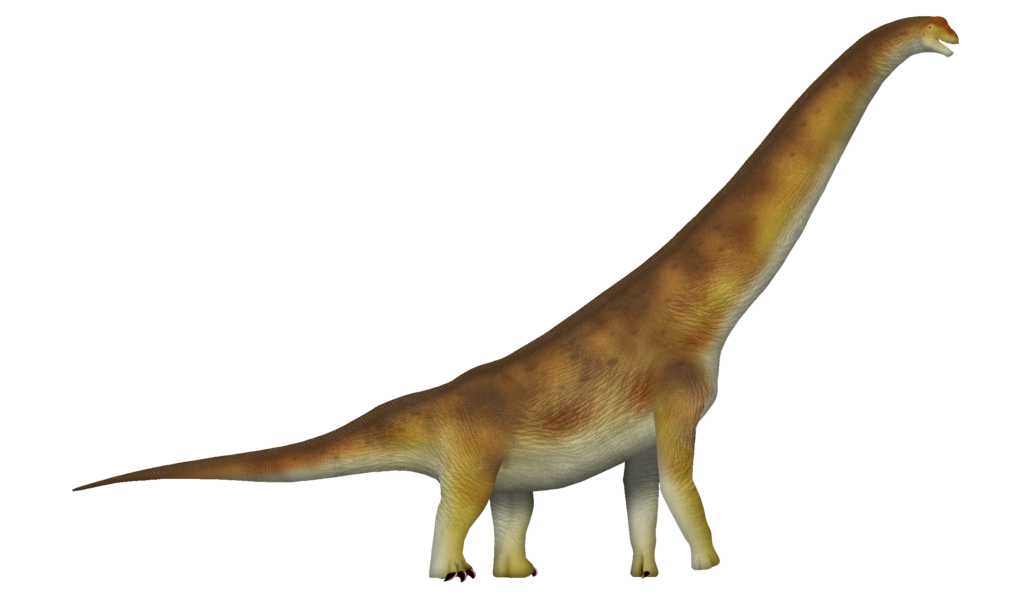
The repositioning of nostrils has particularly profound implications for our understanding of sauropods, the enormous, long-necked dinosaurs like Brachiosaurus and Diplodocus. Traditional depictions showed these giants with nostrils at the tip of their snouts, but Witmer’s research suggests their nostrils were located high on their heads, near their eyes, in what appears to be a crest-like structure. This dramatic repositioning solves several physiological puzzles that had long troubled paleontologists. With nostrils positioned higher on the head, sauropods could more effectively breathe while partially submerged in water without having to lift their entire massive heads. The higher placement would have also kept their airways further from vegetation and debris during feeding, reducing the risk of inhaling particles. Additionally, the increased distance between the mouth and the nostrils would have allowed for more efficient thermoregulation by reducing the heating of inhaled air by food being processed in the mouth. This revised understanding transforms our perception of how these colossal creatures interacted with their environment.
Theropod Respiration: Predators with Sophisticated Breathing
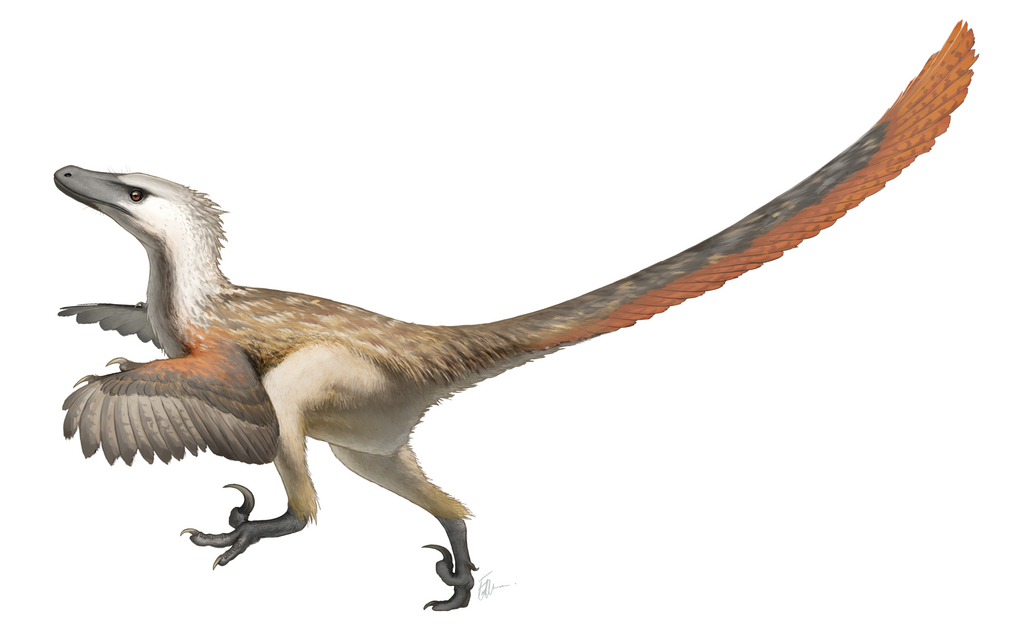
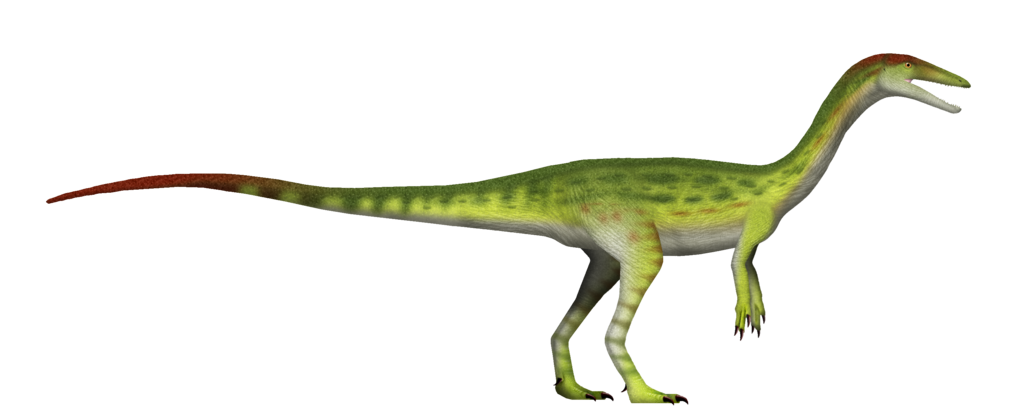
For theropod dinosaurs – the bipedal, often carnivorous group that includes Tyrannosaurus rex and Velociraptor – nostril placement reveals sophisticated respiratory adaptations. Research indicates their nostrils were positioned further back along the snout than traditionally depicted, sitting approximately halfway between the tip and the eyes. This placement would have provided several advantages for active predators, including improved air filtration and better olfactory capabilities. The recessed position created a longer nasal passage, allowing incoming air to be warmed, humidified, and filtered more effectively before reaching the lungs. For theropods that evolved into birds, this arrangement likely contributed to the development of their highly efficient respiratory systems. CT scans of theropod skulls have revealed complex internal structures suggesting elaborate nasal passages with potential temperature-regulating functions. These findings indicate that theropods possessed more sophisticated breathing apparatus than previously thought, which may have supported their active hunting lifestyles and potentially even contributed to their eventual evolution toward endothermy (warm-bloodedness).
Hadrosaur Headgear: Nasal Passages and Crests
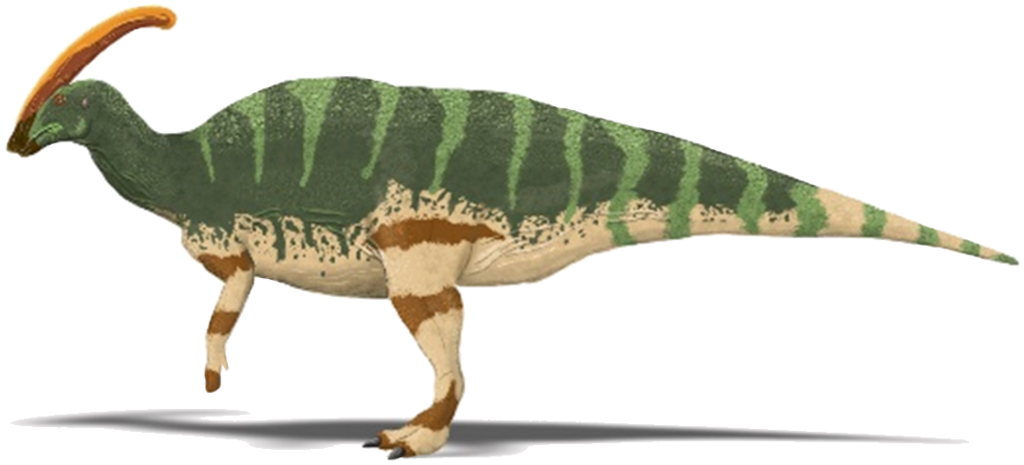
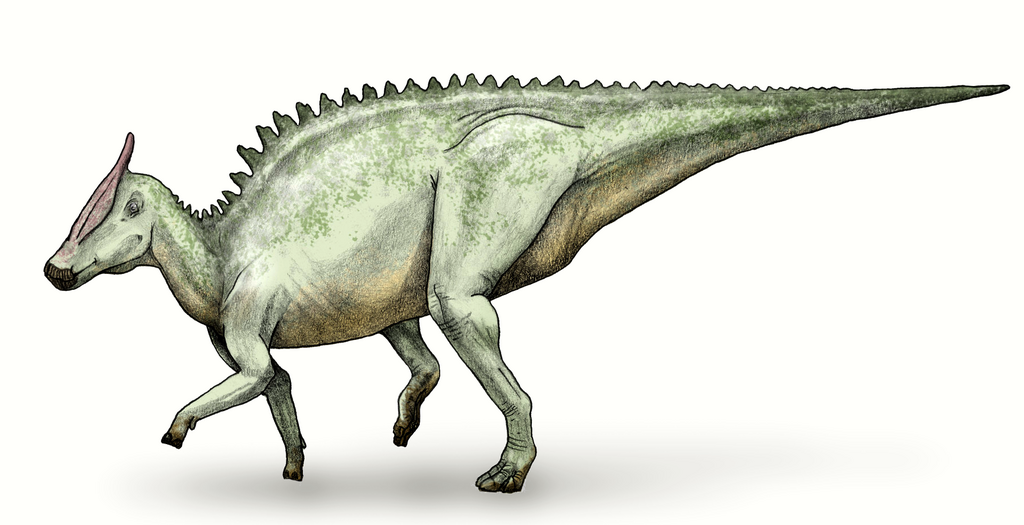
Duck-billed dinosaurs (hadrosaurs) present some of the most fascinating examples of specialized nasal anatomy among dinosaurs. Species like Parasaurolophus and Corythosaurus possessed elaborate hollow crests extending from their skulls, structures that have puzzled scientists for generations. Advanced scanning technology has revealed that these crests contained elongated, looping nasal passages that connected to the respiratory system. While initially thought to serve primarily as resonating chambers for vocalization, research now suggests these complex nasal structures likely served multiple functions. The extended nasal passages would have efficiently conditioned inhaled air, regulating its temperature and humidity before it reached the lungs. These structures might have also enhanced the dinosaurs’ sense of smell, crucial for detecting predators and finding food. The position of the actual breathing nostrils in hadrosaurs was likely at the base of these crests rather than at the tip of the snout, fundamentally changing our understanding of how these dinosaurs breathed and interacted with their environment. The elaborate nasal architecture of hadrosaurs represents one of the most specialized respiratory adaptations in dinosaur evolution.
Respiratory Efficiency: Advantages of Recessed Nostrils
The repositioning of dinosaur nostrils away from the snout tip offered significant physiological advantages. Recessed nostrils created longer nasal passages that served as efficient heat and moisture exchangers, helping dinosaurs conserve water and energy. When breathing out, the longer passages allowed moisture from exhaled breath to condense on nasal tissues, reducing water loss – a crucial adaptation for large-bodied animals with substantial respiratory demands. This positioning also provided enhanced filtration capability, with incoming air passing through more tissue surfaces that could trap dust and particles before they reached sensitive lung tissue. For dinosaurs living in arid environments, these adaptations would have been particularly beneficial for water conservation. Additionally, the recessed position protected the nostrils from direct exposure to environmental hazards, including water, mud, or vegetation during feeding. Modern desert-dwelling reptiles demonstrate similar adaptations, with nasal passages that efficiently recover moisture from exhaled air, suggesting dinosaurs likely employed comparable physiological strategies to manage their respiratory needs in challenging environments.
The Olfactory Connection: Smelling and Breathing

The repositioning of dinosaur nostrils has profound implications for understanding their sense of smell. With nostrils located further back on the snout, dinosaurs possessed longer nasal passages that accommodated more extensive olfactory tissue. This arrangement likely enhanced their ability to detect and process odors, potentially making their sense of smell more acute than previously thought. For predatory dinosaurs, an enhanced olfactory system would have been crucial for tracking prey, while herbivores would have benefited from the ability to detect both predators and suitable vegetation. Studies of brain endocasts (casts of the cranial cavity) in various dinosaur species reveal significant development of the olfactory bulbs, suggesting smell was an important sense for many dinosaurs. The lengthened nasal passages created by recessed nostrils would have allowed for more complex airflow patterns, potentially enabling dinosaurs to better distinguish between different odors. This revised understanding suggests that dinosaurs may have relied more heavily on olfaction for navigation, foraging, and social interactions than earlier models indicated, reshaping our understanding of their sensory world.
Technological Breakthroughs: How We Know What We Know
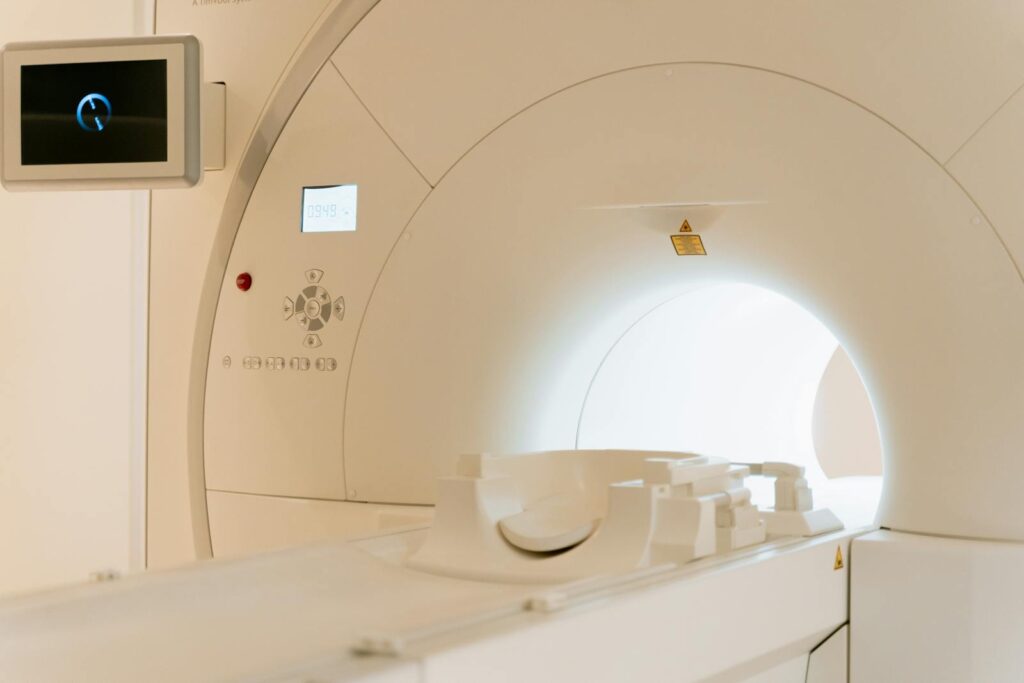
Modern technology has revolutionized our understanding of dinosaur respiratory anatomy. Computed tomography (CT) scanning allows paleontologists to examine the internal structures of fossilized skulls non-destructively, revealing nasal passages, air sinuses, and other respiratory features in unprecedented detail. These scans have mapped the complete nasal passages of various dinosaur species, showing their true complexity and extent. Advanced computational fluid dynamics has enabled scientists to model airflow through these reconstructed passages, providing insights into breathing efficiency and thermoregulation. 3D printing technology now allows researchers to create physical models of these internal structures for further study and visualization. Synchrotron radiation imaging, which uses extremely powerful X-rays, can detect minute details in fossils that conventional methods miss, revealing subtle anatomical features of the nasal region. Additionally, electron microscopy has allowed examination of preserved soft tissue impressions in exceptional fossils, occasionally providing direct evidence of respiratory structures. These technological advances have transformed paleontology from a largely descriptive science to one capable of sophisticated functional analysis, dramatically enhancing our understanding of dinosaur physiology.
Evolutionary Context: The Development of Dinosaur Breathing
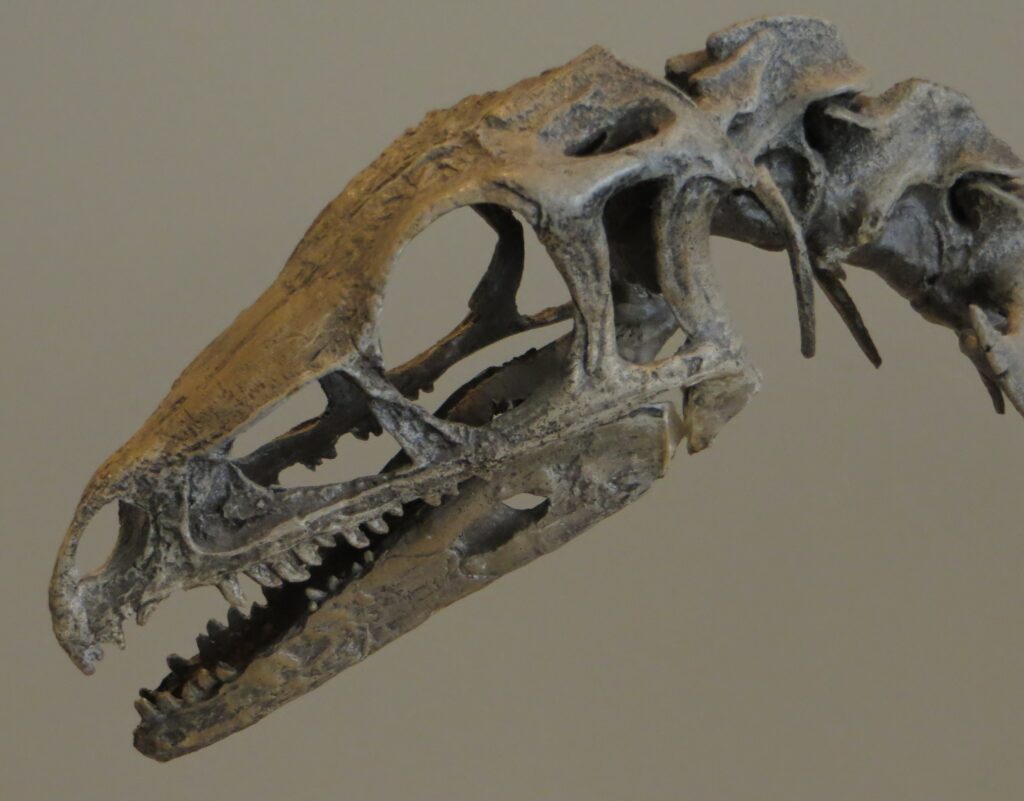
The positioning of dinosaur nostrils represents a fascinating evolutionary story spanning millions of years. Early archosaurs, the ancestors of both dinosaurs and crocodilians, likely had nostrils closer to the tip of the snout, similar to many living reptiles. As dinosaurs evolved and diversified, their respiratory systems underwent significant modifications to support their increasingly active lifestyles and larger body sizes. The shift toward more recessed nostrils appears to have developed gradually across different lineages, with the most extreme examples found in later, more specialized groups. This evolutionary trend correlates with the development of other respiratory specializations, including air sacs and pneumatic bones, which eventually led to the highly efficient avian respiratory system. The positioning of nostrils higher and further back on the skull may have been an adaptation that co-evolved with increasingly efficient lung systems. For sauropods, the dramatic repositioning of nostrils may have been driven by their massive size and long necks, which created unique respiratory challenges. Understanding these evolutionary patterns provides valuable context for interpreting the variations in nostril placement across different dinosaur groups and offers insights into how respiratory anatomy influenced their remarkable evolutionary success.
Changing Face of Dinosaurs: Impact on Visual Reconstructions
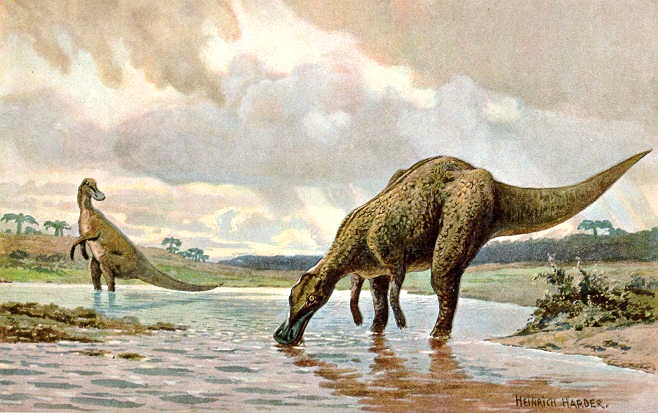
The revised understanding of dinosaur nostril placement has significantly transformed how these ancient creatures are visually represented in scientific and popular contexts. Modern paleoartists now depict dinosaurs with nostrils positioned higher and further back on the snout, creating appearances that sometimes look strikingly different from traditional representations. Museum exhibits worldwide have gradually updated their dinosaur models to reflect this anatomical correction, though many older displays still show the outdated forward-positioned nostrils. Documentary productions, including major series like the BBC’s “Walking with Dinosaurs,” have incorporated these revisions, helping to familiarize the public with more accurate dinosaur appearances. Digital modeling used in scientific research and entertainment now routinely places nostrils in their corrected positions, gradually shifting public perception. This seemingly small anatomical detail transforms the entire facial expression and perceived personality of reconstructed dinosaurs, often making them appear more reptilian or bird-like and less mammalian. The evolution in dinosaur facial reconstruction serves as a powerful reminder of how scientific understanding constantly evolves, and how seemingly minor anatomical details can substantially change our perception of extinct organisms.
Ongoing Debates and Future Research Directions
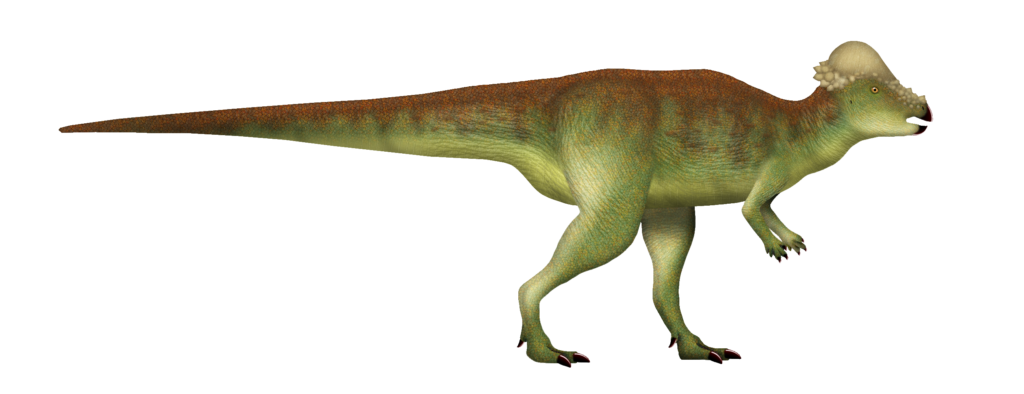
While the general repositioning of dinosaur nostrils is widely accepted, numerous questions remain unanswered in this fascinating area of research. Scientists continue to debate the precise nostril placement in specific dinosaur groups, particularly those with unusual skull morphologies like ceratopsians (horned dinosaurs) and pachycephalosaurs (dome-headed dinosaurs). The functional relationship between nostril position and specialized behaviors, such as aquatic feeding or specialized vocalization, remains an active area of investigation. Researchers are particularly interested in understanding how nostril position might have influenced thermoregulation in different-sized dinosaurs across various paleoclimates. New fossil discoveries, especially those preserving rare soft tissue impressions around the nasal region, may provide crucial evidence to refine current models. Advanced scanning techniques being developed may soon allow detection of blood vessel pathways and nerve channels in fossil skulls, potentially revealing more details about respiratory soft tissues. The study of dinosaur nostril placement represents an exciting frontier where paleontology, comparative anatomy, physics, and computational modeling intersect, promising continued revelations about how these magnificent creatures breathed and experienced their ancient world.
Conclusion
The journey to understand dinosaur nostrils exemplifies how paleontology continues to evolve with new evidence and methodologies. What once seemed a straightforward anatomical feature – where dinosaurs breathed from – has revealed itself to be a complex scientific puzzle with far-reaching implications for understanding dinosaur physiology, behavior, and evolution. The repositioning of dinosaur nostrils from the tip of the snout to higher, more posterior locations has transformed not only how we visualize these ancient creatures but also how we understand their sensory capabilities, respiratory efficiency, and evolutionary adaptations. As technology advances and new fossils emerge, our picture of dinosaur respiratory biology will undoubtedly continue to develop, reminding us that even for creatures that vanished millions of years ago, scientific discovery remains an ongoing, dynamic process that constantly refines our window into the prehistoric world.