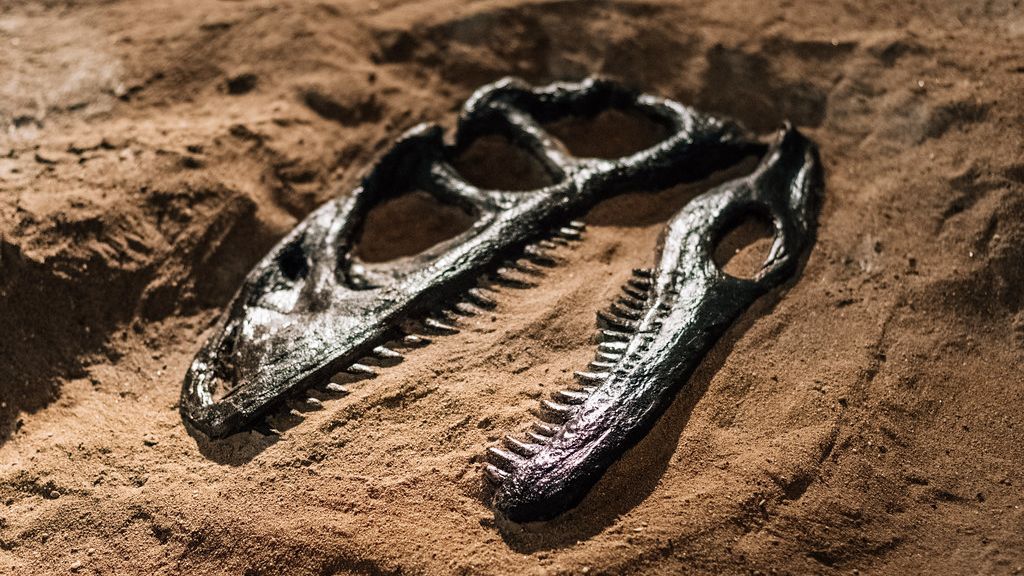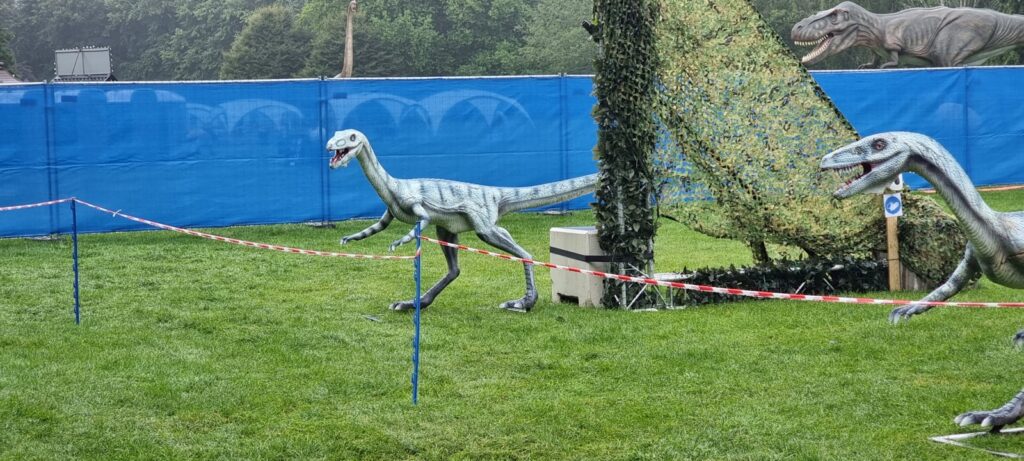
The question of whether dinosaurs could have used tools takes us on a fascinating journey through paleontology, evolutionary biology, and cognitive science. For decades, scientists have debated the intellectual capabilities of these magnificent creatures that dominated Earth for over 165 million years. While we typically associate tool use with mammals like primates and particularly humans, recent discoveries about bird intelligence and dinosaur brain structures have opened new possibilities. This article explores the intriguing possibility of dinosaur tool use, examining the evidence, biological capabilities, and scientific theories that might reshape our understanding of these ancient beings.
The Definition of Tool Use in Animals
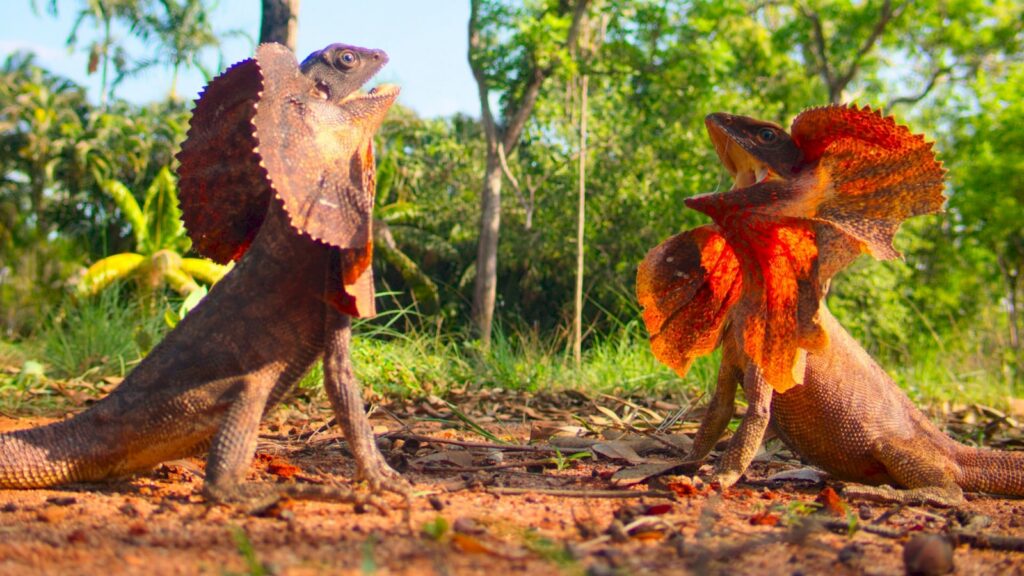
Before we can speculate about dinosaur tool use, we must establish what constitutes tool use in the animal kingdom. Biologists define tool use as the manipulation of an object not part of the animal’s body to achieve a goal, such as acquiring food, defense, or comfort. This definition encompasses behaviors ranging from chimpanzees using sticks to extract termites to crows fashioning hooks from twigs. The key elements include intentionality, understanding of cause and effect, and the ability to manipulate objects with precision. Tool use represents a cognitive milestone that was once thought unique to humans but has since been documented in numerous species across diverse phylogenetic groups, suggesting that the cognitive foundations for tool use may have deeper evolutionary roots than previously recognized.
Dinosaur Brain Structure and Cognition
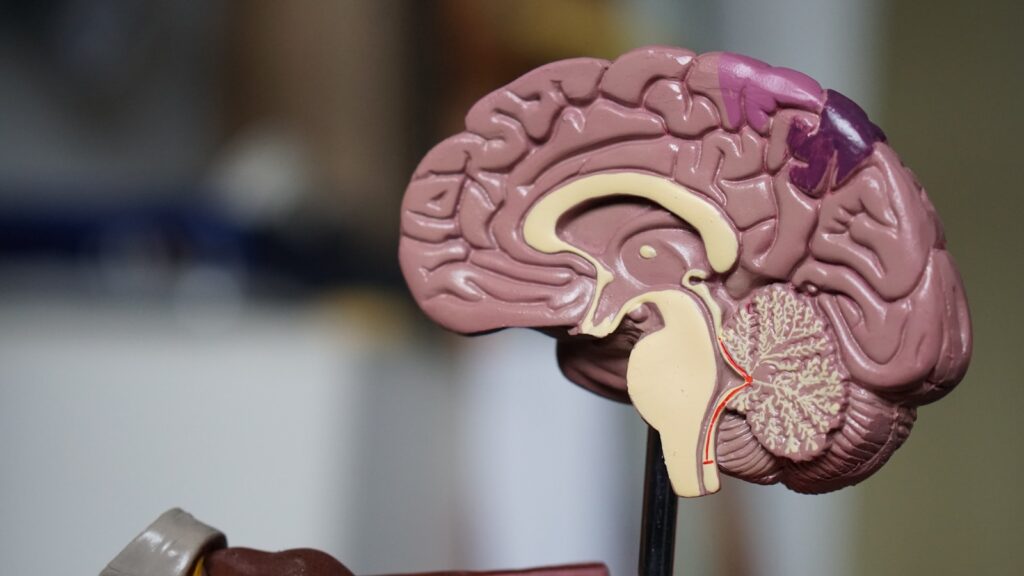
The cognitive capabilities of dinosaurs can partially be inferred through endocasts—models of brain cavities created from fossil skulls. These endocasts reveal brain size relative to body mass (encephalization quotient) and the proportional development of different brain regions. Some dinosaurs, particularly theropods like Troodon and certain dromaeosaurs, possessed relatively large brains for their body size compared to other dinosaurs. Studies suggest these dinosaurs had enlarged cerebral hemispheres and well-developed optic lobes, indicating enhanced sensory processing and potentially higher cognitive functions. The cerebellum, which coordinates complex movements including fine motor skills necessary for tool manipulation, was also developed in these species. While dinosaur brains were structured differently from mammalian brains, some species possessed neural equipment potentially sophisticated enough to support basic problem-solving abilities.
The Avian Connection: Birds as Living Dinosaurs
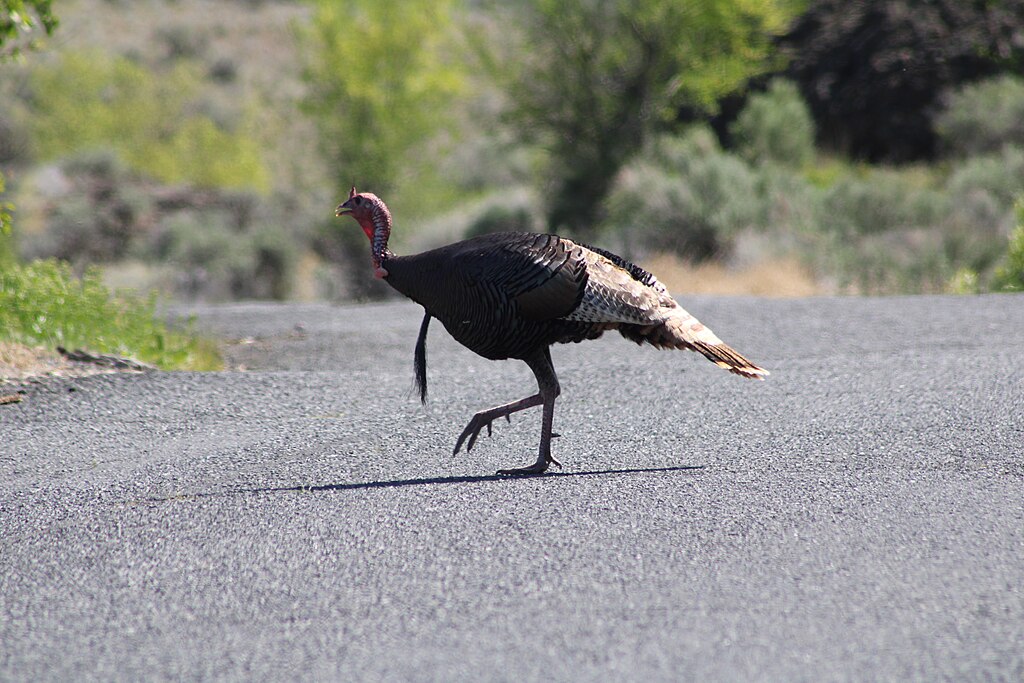
Modern birds are not merely related to dinosaurs; they are technically avian dinosaurs, the surviving descendants of theropod dinosaurs. This evolutionary relationship provides a crucial window into dinosaur capabilities. Many bird species demonstrate remarkable tool use—New Caledonian crows craft specialized tools from materials in their environment, while Egyptian vultures drop stones to crack ostrich eggs. Parrots manipulate objects with remarkable dexterity and problem-solving skills. If these cognitive abilities evolved within the dinosaur lineage rather than independently in birds, it suggests the neural foundations for tool use may have been present in their non-avian dinosaur ancestors. The sophisticated tool use observed in corvids (crows and ravens) is particularly significant, as their relatively small brains prove that absolute brain size isn’t the sole determinant of cognitive complexity.
Anatomical Prerequisites for Tool Use
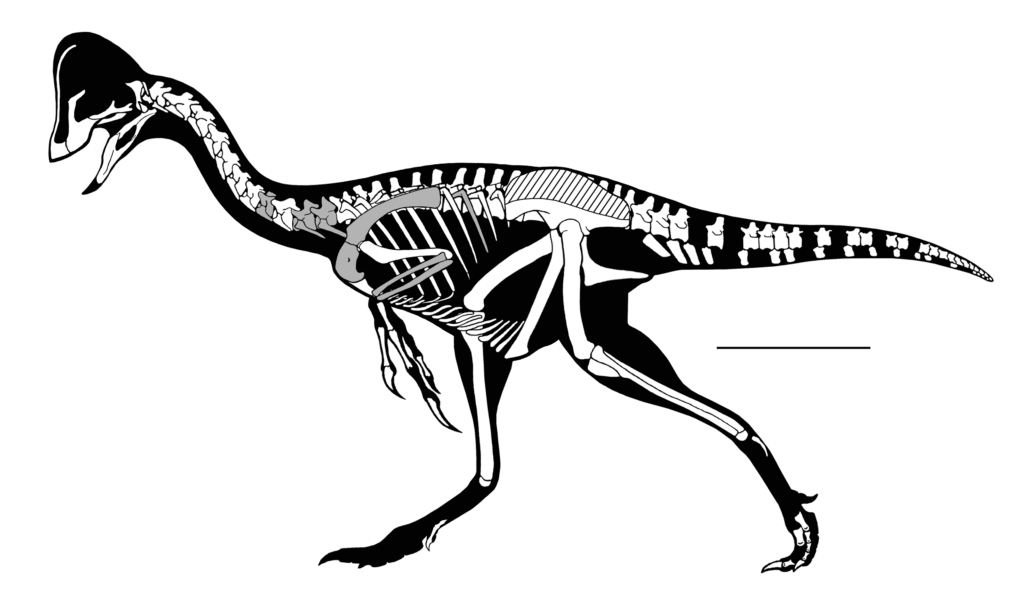
Physical capabilities present another crucial consideration in the question of dinosaur tool use. Effective tool manipulation typically requires appendages capable of precision gripping and control. Among dinosaurs, certain theropods possessed hands with opposed digits allowing for grasping objects. Deinonychus and Velociraptor, for instance, had three-fingered hands with mobility and strength potentially suitable for manipulating objects. Other dinosaurs like Stenonychosaurus had elongated, dexterous fingers potentially capable of fine manipulation. The semi-opposable first digit in some theropod hands might have functioned somewhat like a thumb, enhancing grasping ability. However, many dinosaur groups, including the massive sauropods and armored ankylosaurs, had limb structures primarily evolved for locomotion or defense rather than manipulation, making tool use biomechanically unlikely for these species.
Theoretical Tool Use Scenarios Among Dinosaurs

If we accept the possibility that some dinosaurs possessed both the cognitive and physical capabilities for tool use, what might this have looked like in practice? Paleontologists have proposed several plausible scenarios. Small, intelligent theropods might have used sticks or other objects to probe for insects in crevices or under bark, similar to how modern birds use tools for foraging. Rocks could have been employed as hammers to break open tough-shelled prey or eggs. More speculatively, objects might have been utilized as weapons, either held in clawed hands or possibly thrown. Some have even suggested the possibility of nest construction being enhanced with deliberately placed materials serving specific functions beyond mere decoration. While highly speculative, these scenarios align with the ecological pressures and potential capabilities of certain dinosaur species.
The Fossil Record: Absence of Evidence
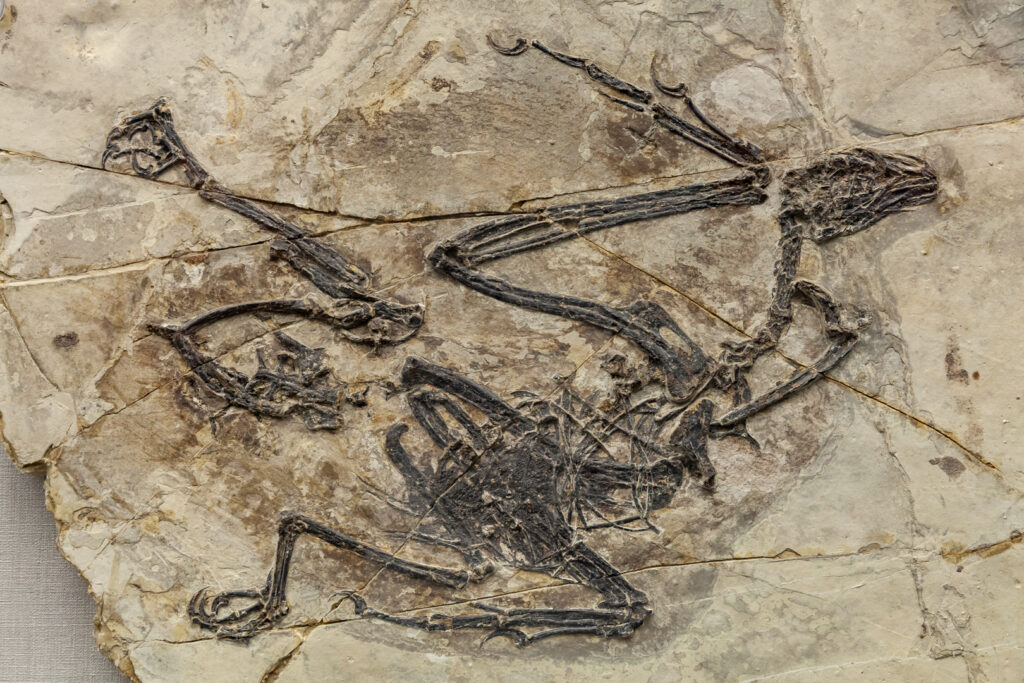
Despite these intriguing possibilities, the fossil record has not yet yielded conclusive evidence of dinosaur tool use. Unlike stone tools created by early hominids, which preserve well and bear distinctive marks of deliberate crafting, potential dinosaur tools would likely have been unmodified natural objects like sticks or rocks—items indistinguishable from naturally occurring materials. The preservation bias in paleontology further complicates matters, as organic materials like wooden tools rarely fossilize. Additionally, the contextual association necessary to identify tools—finding them in direct association with dinosaur remains in a way that suggests deliberate use—presents an extremely challenging evidential hurdle. This absence of evidence, however, doesn’t constitute evidence of absence; the paleontological record preserves only a tiny fraction of prehistoric life and behavior.
Troodontids: The Brainiest Dinosaurs

Among non-avian dinosaurs, the troodontids consistently emerge as the most promising candidates for potential tool users. These small, bird-like theropods possessed the highest encephalization quotients among dinosaurs, with brain-to-body ratios approaching those of some modern birds. Stenonychosaurus (formerly called Troodon) had large, forward-facing eyes suggesting good depth perception—crucial for manipulating objects—and enlarged brain regions associated with sensory processing and motor control. Their hands featured relatively long, flexible fingers potentially capable of manipulating objects with precision. Paleontological evidence indicates these dinosaurs were likely nocturnal hunters with keen senses and possibly complex social behaviors. If any non-avian dinosaur group possessed the neurological complexity for tool use, troodontids represent the most compelling possibility based on current evidence.
Social Intelligence and Tool Use
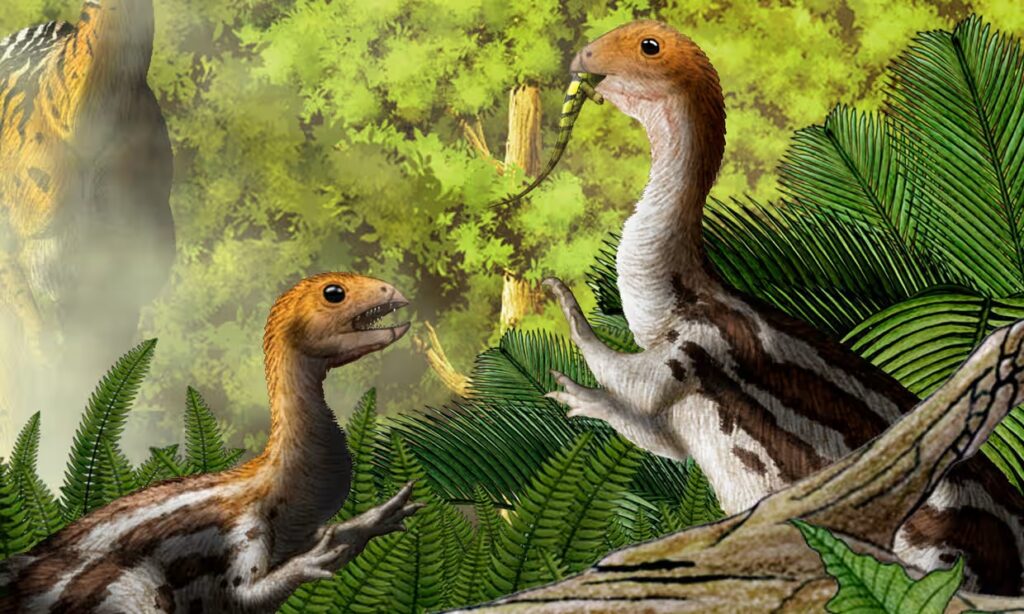
The relationship between social complexity and cognitive development provides another perspective on dinosaur tool use potential. In modern animals, tool use frequently correlates with sophisticated social structures, as social learning facilitates the transmission of tool-using behaviors across generations. Evidence suggests many dinosaur species were social animals, living in groups and potentially engaging in complex intraspecies communication. Trackways revealing multiple individuals moving together, nest colonies indicating communal breeding grounds, and anatomical features suggesting visual signaling all point to social behaviors among various dinosaur lineages. This social complexity, particularly in species like velociraptors and other dromaeosaurs that may have hunted in coordinated packs, could have created selective pressures favoring enhanced cognitive abilities that might have included rudimentary tool use.
Dinosaur Nests as Potential Evidence of Proto-Tool Use

Some paleontologists suggest that sophisticated nest construction might represent a form of extended phenotype or proto-tool use among certain dinosaurs. Oviraptor nests show evidence of complex construction, with eggs arranged in circular patterns and potentially covered with vegetation for temperature regulation. Maiasaura (“good mother lizard”) appears to have built nests with specific materials to facilitate egg incubation. Particularly intriguing are nests attributed to certain theropods that contain arranged stones or other materials potentially serving specific functions beyond simple containment of eggs. While nest building is instinctual in many modern birds, the deliberate selection and arrangement of materials for functional purposes approaches the conceptual boundary of tool use. These behaviors might represent an evolutionary precursor to more sophisticated object manipulation.
Environmental Pressures and Evolutionary Incentives

Evolutionary pressure provides the driving force behind adaptive traits, including cognitive abilities and tool use. For dinosaurs to have developed tool-using behaviors, there would need to be significant selective advantages conferring reproductive success on individuals capable of such behavior. Certain ecological niches might have provided these incentives, particularly for smaller theropods competing in environments where prey was difficult to access without manipulation. The Cretaceous period saw increasingly complex ecosystems with diverse plant and animal communities, potentially creating evolutionary arms races that rewarded cognitive flexibility. Climate fluctuations during the Mesozoic era could have created additional pressures favoring adaptability and problem-solving. Under such conditions, even rudimentary tool use might have provided significant advantages in resource acquisition or predator avoidance for cognitively advanced dinosaur species.
Comparative Studies with Modern Reptiles

While birds provide one relevant comparative group for understanding dinosaur capabilities, modern reptiles offer another perspective. Contrary to outdated stereotypes of reptiles as “primitive” or unintelligent, recent research has revealed surprising cognitive abilities in several reptile groups. Certain monitor lizards demonstrate problem-solving abilities and can learn through observation. Crocodilians, the closest living relatives to dinosaurs besides birds, engage in coordinated hunting tactics and use sticks as lures to attract nesting birds—behavior that borders on tool use. American alligators have been observed using sticks balanced on their snouts during bird nesting seasons, effectively creating bait to attract nest-building birds. These observations suggest that the capacity for sophisticated cognitive behaviors exists even in non-avian reptile lineages, strengthening the plausibility of similar or more advanced capabilities in certain dinosaur groups.
Scientific Debate and Skepticism

The scientific community remains divided on the question of dinosaur tool use, reflecting broader methodological tensions in paleontology. Skeptics emphasize the lack of direct evidence and caution against anthropomorphizing dinosaurs or projecting modern animal behaviors onto extinct species without sufficient justification. They argue that convergent evolution could account for tool use in birds without implying similar capabilities in their dinosaur ancestors. Proponents counter that dismissing the possibility ignores the growing evidence of dinosaur intelligence and the evolutionary continuity between non-avian dinosaurs and their tool-using avian descendants. The debate ultimately reflects the challenges of inferring behavior from fossil evidence and the tension between conservative scientific caution and speculative reconstruction based on evolutionary principles. Both approaches contribute valuable perspectives to our understanding of dinosaur capabilities.
Future Research Directions

Resolving questions about dinosaur tool use will require interdisciplinary approaches combining multiple lines of evidence. Advanced neuroimaging techniques applied to exceptionally preserved fossils may reveal more detailed information about brain structures and potential cognitive capabilities. Refined biomechanical models can better simulate the manipulative capabilities of dinosaur forelimbs, testing physical feasibility of tool manipulation. Evolutionary developmental biology (evo-devo) studies examining the genetic basis for tool-using behaviors in modern birds could help identify when these traits may have emerged in the dinosaur lineage. The growing field of paleorneurology, which studies ancient brain structures, continues to develop new methods for inferring cognitive capabilities from endocasts. Expanded comparative studies across living archosaurs (birds and crocodilians) may further illuminate the cognitive potential present in this evolutionary lineage.
Conclusion: Reassessing Dinosaur Intelligence
While definitive evidence of dinosaur tool use remains elusive, the question itself has driven remarkable advances in our understanding of dinosaur cognition and capabilities. The traditional view of dinosaurs as lumbering, instinct-driven reptiles has given way to a more nuanced appreciation of their diverse cognitive abilities, with some species likely possessing intelligence comparable to modern birds. Whether or not any non-avian dinosaurs actually used tools, the scientific exploration of this possibility has enriched our understanding of these fascinating creatures. The cognitive foundations for tool use were likely present in at least some dinosaur lineages, particularly among the theropods that would eventually give rise to birds. As research continues, we may yet discover that the remarkable tool-using abilities observed in corvids and other birds represent not a recent evolutionary innovation but the inheritance of cognitive capabilities with roots stretching back to the age of dinosaurs.