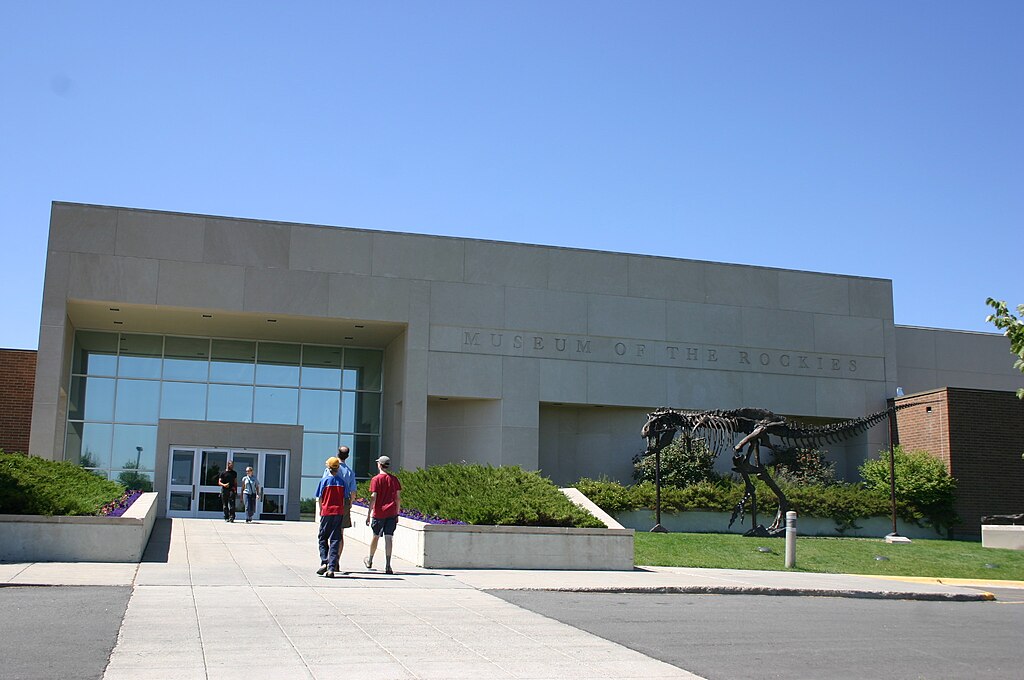
The Museum of the Rockies, nestled in Bozeman, Montana, stands as one of North America’s premier paleontological institutions. This world-class museum houses one of the largest collections of dinosaur fossils in the world, making it a true mecca for anyone fascinated by these prehistoric creatures. Under the guidance of renowned paleontologist Jack Horner, who served as the museum’s curator for decades and consulted on the “Jurassic Park” films, the Museum of the Rockies has established itself as an essential destination for both serious researchers and curious visitors. Its combination of groundbreaking scientific research, impressive displays, and educational programming offers a comprehensive dinosaur experience unlike any other in the United States.
A Treasure Trove of Tyrannosaurus Rex Specimens
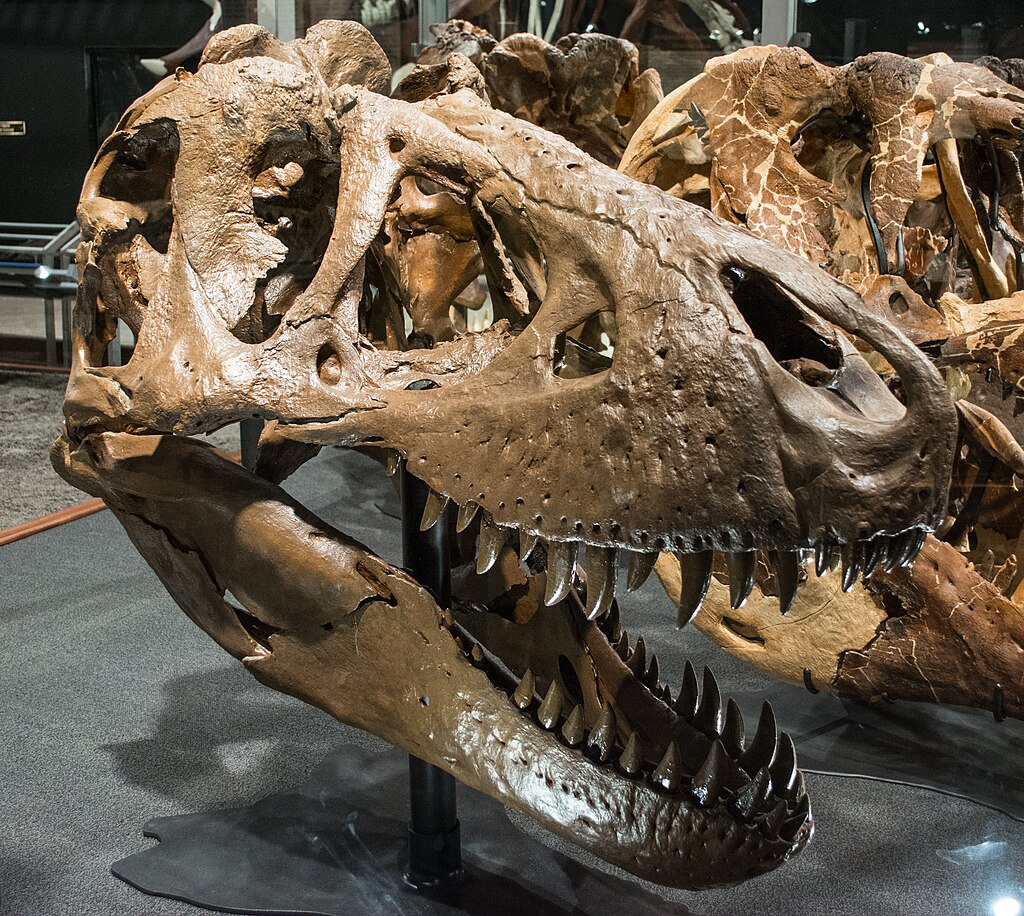
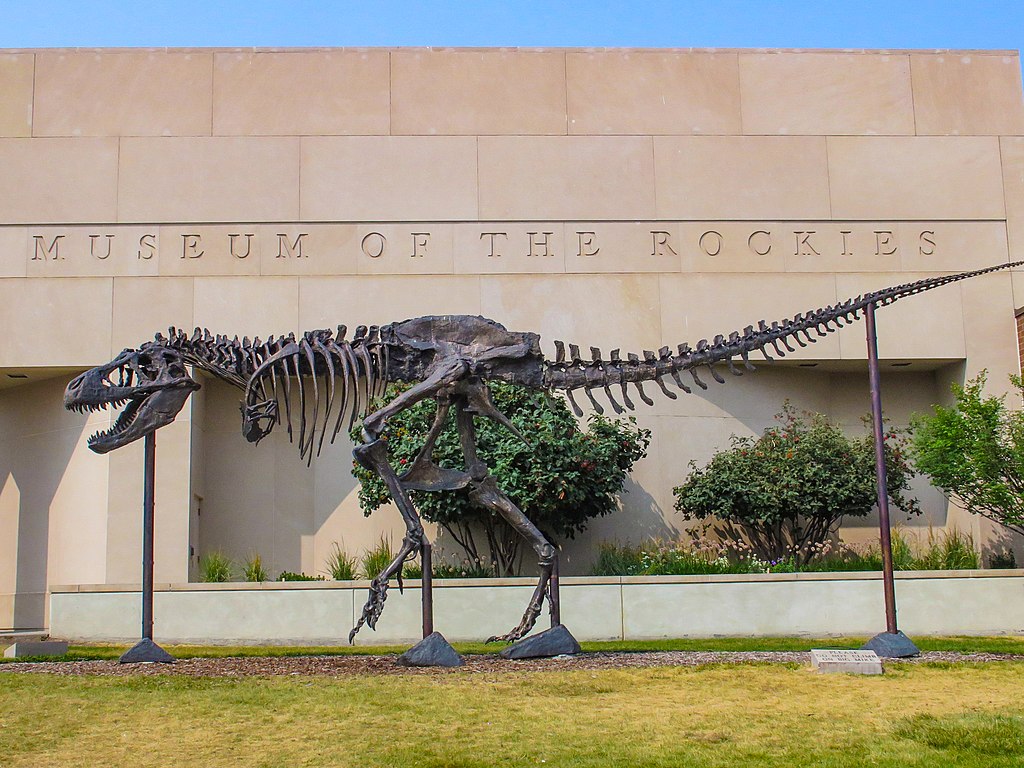
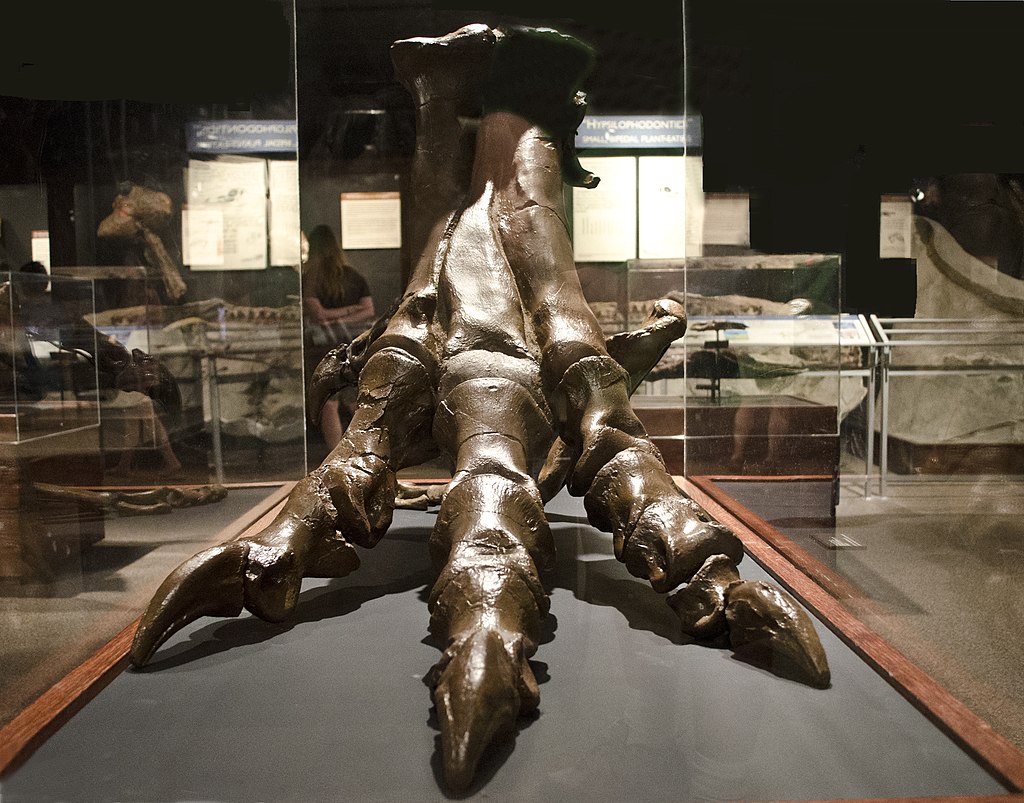
The Museum of the Rockies boasts one of the most impressive collections of Tyrannosaurus rex specimens in the world, making it a paradise for enthusiasts of this iconic predator. Among its crown jewels is “B-Rex,” a T. rex fossil that contained preserved soft tissue—a revolutionary discovery that changed our understanding of dinosaur preservation. Visitors can marvel at multiple T. rex skeletons in various poses, showcasing different aspects of the animal’s anatomy and lifecycle. The museum’s collection includes specimens ranging from juveniles to fully grown adults, providing unprecedented insights into how these magnificent creatures developed throughout their lives. This concentration of T. rex material in one location offers visitors a rare opportunity to comprehend the true nature of these apex predators beyond the typical Hollywood portrayals.
The Legacy of Jack Horner

The Museum of the Rockies owes much of its dinosaur prestige to paleontologist Jack Horner, whose 33-year tenure as curator transformed the institution into a dinosaur research powerhouse. Horner made groundbreaking discoveries about dinosaur behavior, particularly through his work on nesting grounds that revealed dinosaurs cared for their young—challenging long-held assumptions about reptilian parenting. His identification of Maiasaura, the “good mother lizard,” revolutionized our understanding of dinosaur social behavior and reproduction. Horner also served as the technical advisor for all the Jurassic Park films, bringing scientific credibility to these blockbusters while using his position to advance public understanding of paleontology. The museum continues to build on Horner’s legacy through ongoing research programs and excavations throughout Montana’s fossil-rich landscapes.
The Siebel Dinosaur Complex
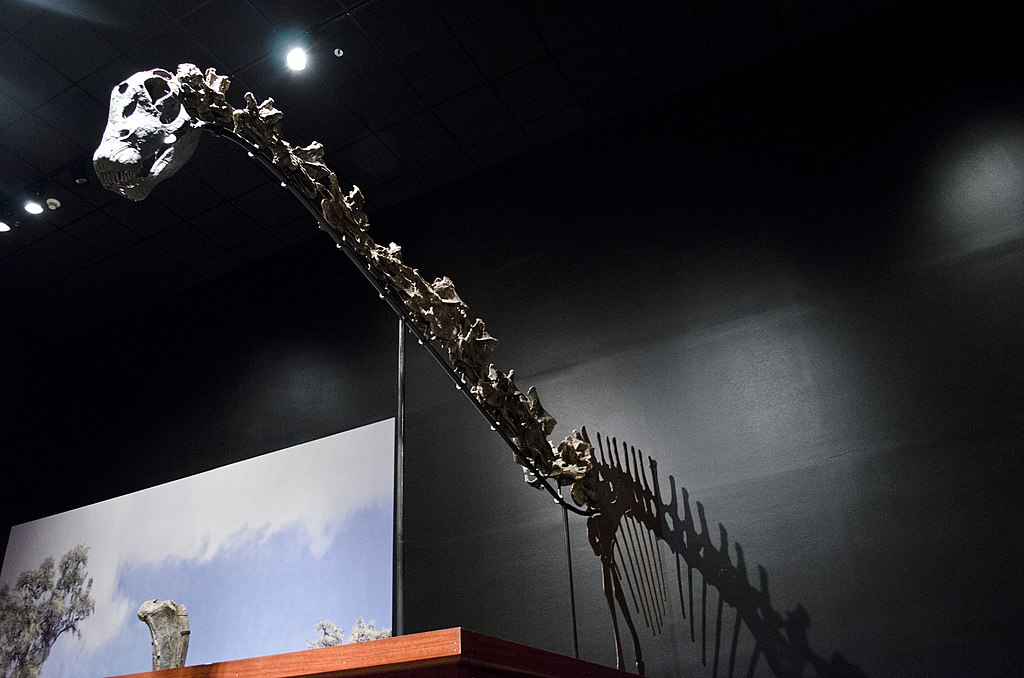
The heart of the Museum of the Rockies’ dinosaur exhibition is the Siebel Dinosaur Complex, an expansive gallery space dedicated to showcasing Montana’s incredible dinosaur heritage. This 20,000-square-foot exhibition area features dozens of mounted skeletons, including the world’s largest Tyrannosaurus rex skull and one of the most complete Triceratops specimens ever discovered. The complex is organized chronologically, allowing visitors to walk through time from the Cretaceous period to the present day, witnessing the evolution and eventual extinction of these magnificent creatures. Interactive displays throughout the complex explain dinosaur biology, behavior, and the paleontological processes that allow scientists to understand these animals millions of years after their extinction. The meticulous attention to scientific accuracy in these exhibits sets the Museum of the Rockies apart from many other natural history museums.
Montana’s Dinosaur Trail Connection
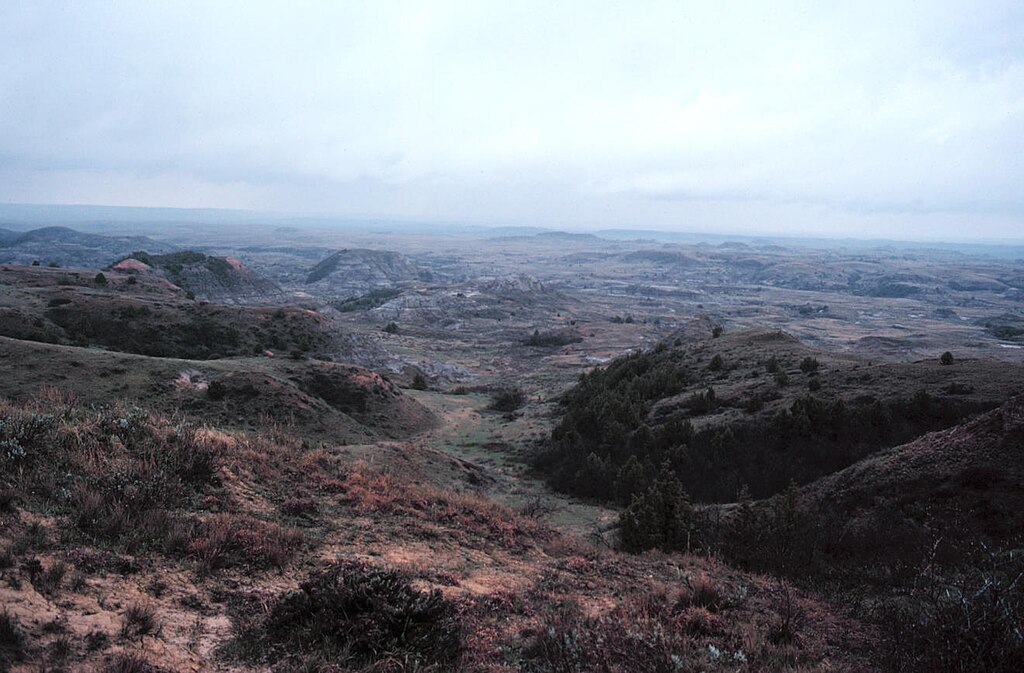
The Museum of the Rockies serves as the crown jewel of Montana’s Dinosaur Trail, a network of 14 museums and field sites across the state that highlight Montana’s exceptional dinosaur heritage. This designation recognizes Montana as one of the world’s richest dinosaur fossil regions, with the Hell Creek Formation yielding countless significant specimens over the decades. Visitors to the museum gain context about how Montana’s unique geological history created perfect conditions for both dinosaur habitation and fossil preservation. The museum provides maps and information about other Dinosaur Trail locations, encouraging enthusiasts to extend their paleontological journey throughout Montana’s fossil country. This connection to the broader landscape helps visitors understand that the museum’s specimens aren’t isolated curiosities but part of a rich regional prehistoric ecosystem.
Groundbreaking Research Facilities
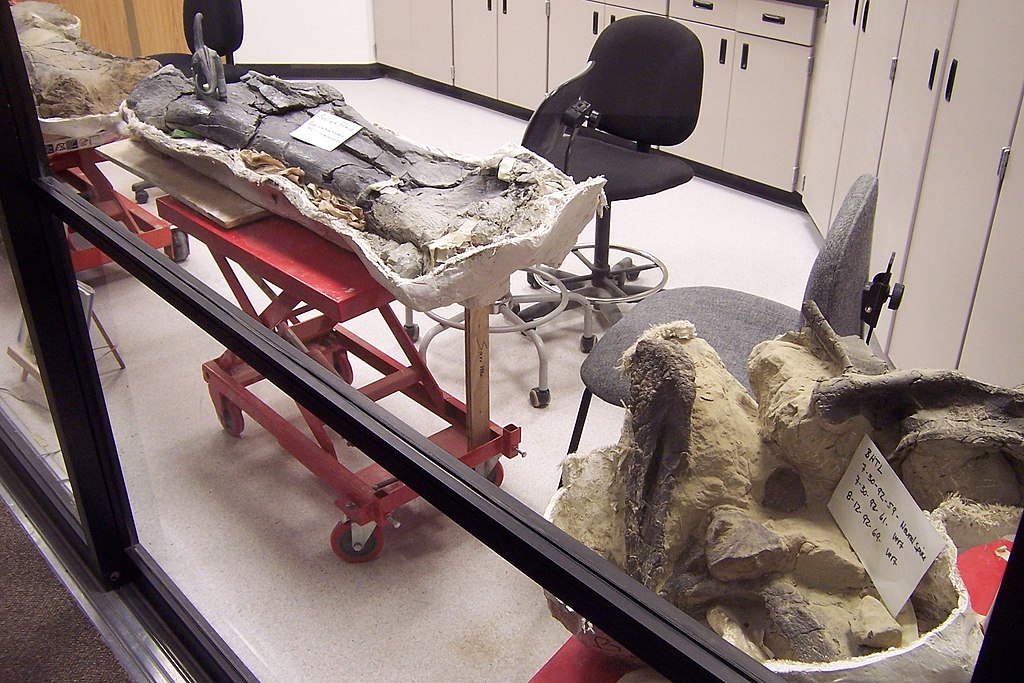
Behind the public exhibitions lies the Museum of the Rockies’ impressive research infrastructure, which continues to produce significant scientific discoveries. The museum houses state-of-the-art laboratories where fossils are prepared, studied, and analyzed using cutting-edge technology like CT scanning and molecular testing. These facilities support visiting researchers from around the world who come to study the museum’s extensive collections. The museum’s connection with Montana State University creates a dynamic research environment where undergraduate and graduate students participate in real paleontological work. Visitors can observe fossil preparation through large windows into the working labs, providing a rare glimpse into the painstaking process of transforming field discoveries into scientific knowledge. This transparency showcases the real scientific work that underlies the museum’s exhibitions and educational programs.
The Hall of Horns and Teeth
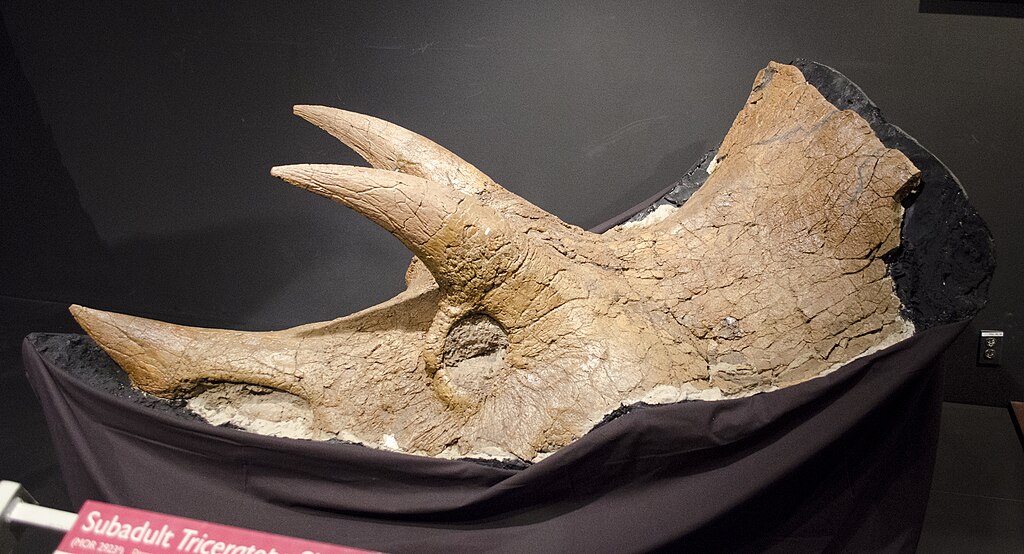
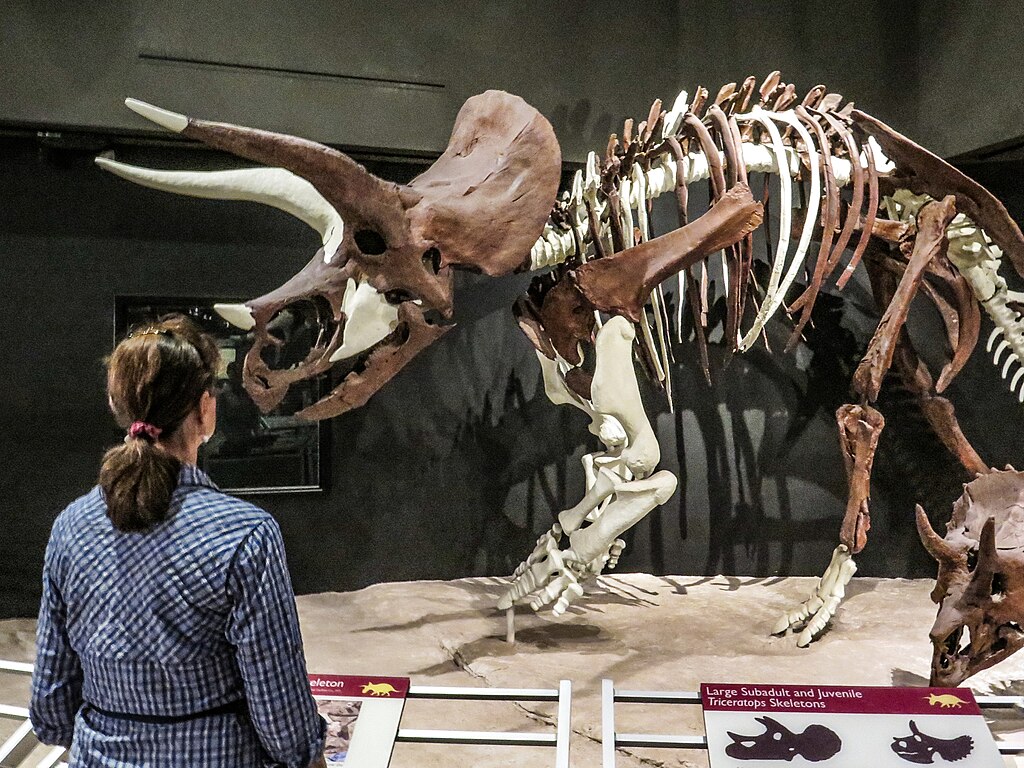
One of the museum’s most distinctive exhibits is the Hall of Horns and Teeth, which focuses specifically on the incredible diversity of horned dinosaurs (ceratopsians) found in Montana and surrounding regions. This specialized gallery contains the world’s most comprehensive collection of Triceratops specimens, showcasing dozens of skulls that demonstrate the variation within this species. Visitors can examine how these defensive features evolved through time, with clear explanations of their likely functions in defense, species recognition, and mating displays. The exhibit challenges visitors to consider how scientists interpret these anatomical features and what they tell us about dinosaur biology and behavior. The dramatic display of multiple horned skulls creates an unforgettable visual experience that highlights the strange and wonderful adaptations of these plant-eating dinosaurs.
Growth Series Displays
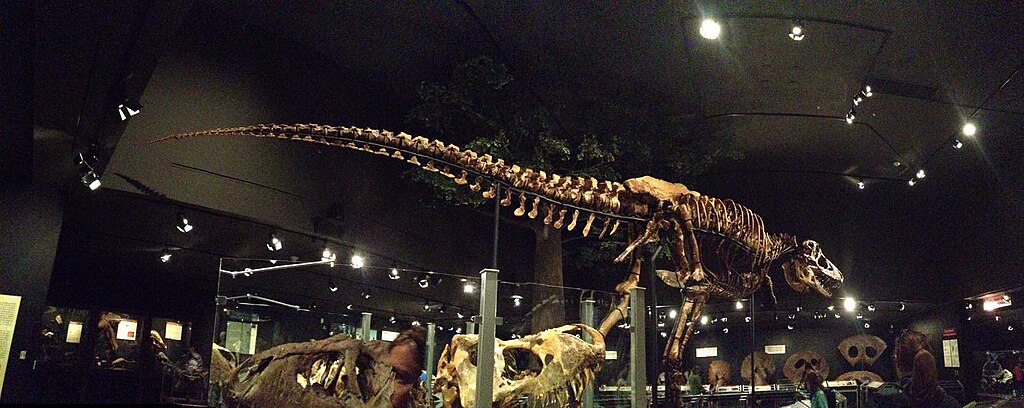
The Museum of the Rockies pioneered the concept of “growth series” displays, which show the same dinosaur species at different life stages from hatchling to adult. These revolutionary exhibits demonstrate how dinosaurs changed dramatically as they grew, with proportions, features, and even ecological roles shifting throughout their development. The Tyrannosaurus rex growth series is particularly impressive, showing how the fearsome predator began life as a relatively slender, agile hunter before developing into the massive apex predator we typically envision. These displays are based on actual fossil evidence, not speculation, giving visitors unprecedented insight into dinosaur life histories. The growth series concept has transformed how paleontologists understand dinosaur biology and has been adopted by other museums worldwide, though none match the comprehensiveness of the Museum of the Rockies’ displays.
Maiasaura Nesting Grounds
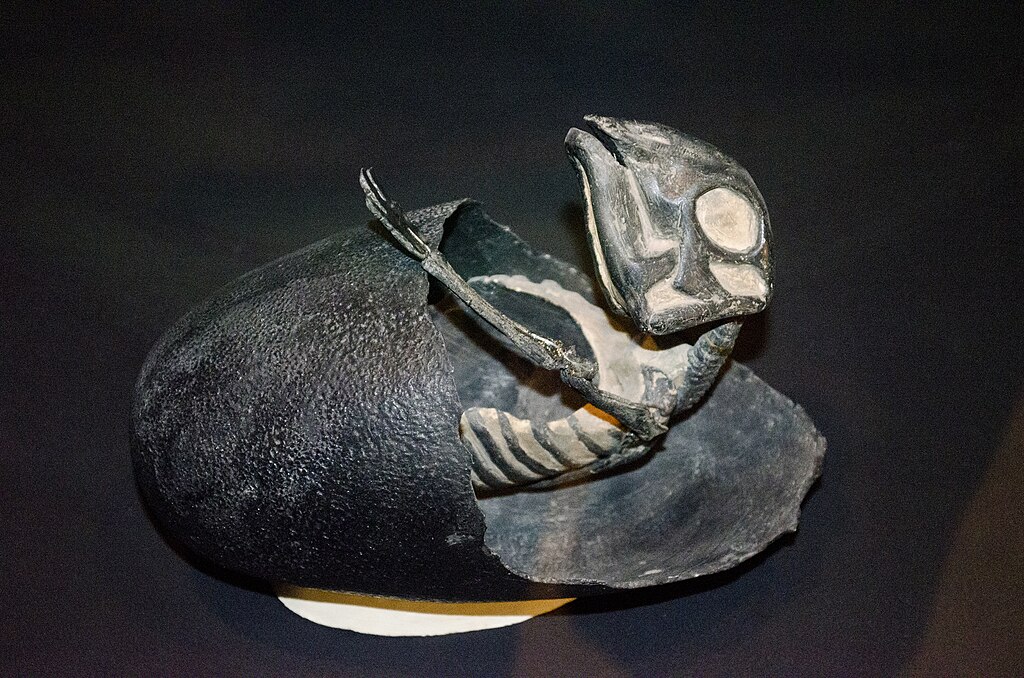
The Museum of the Rockies features a remarkable recreation of the Maiasaura nesting grounds discovered by Jack Horner in the 1970s—a find that revolutionized our understanding of dinosaur behavior. This exhibit showcases actual fossilized eggs, nests, and baby dinosaurs arranged as they were found in the field, providing compelling evidence that at least some dinosaurs cared for their young in large nesting colonies. Visitors can see the different growth stages of Maiasaura, from embryos to adults, all found at the same site and suggesting long-term parental care. The display includes detailed explanations of how paleontologists interpreted this site and what it reveals about dinosaur social behavior. This exhibit represents one of the most important paleontological discoveries of the 20th century and continues to challenge our preconceptions about dinosaur behavior and intelligence.
The Living History Farm Connection
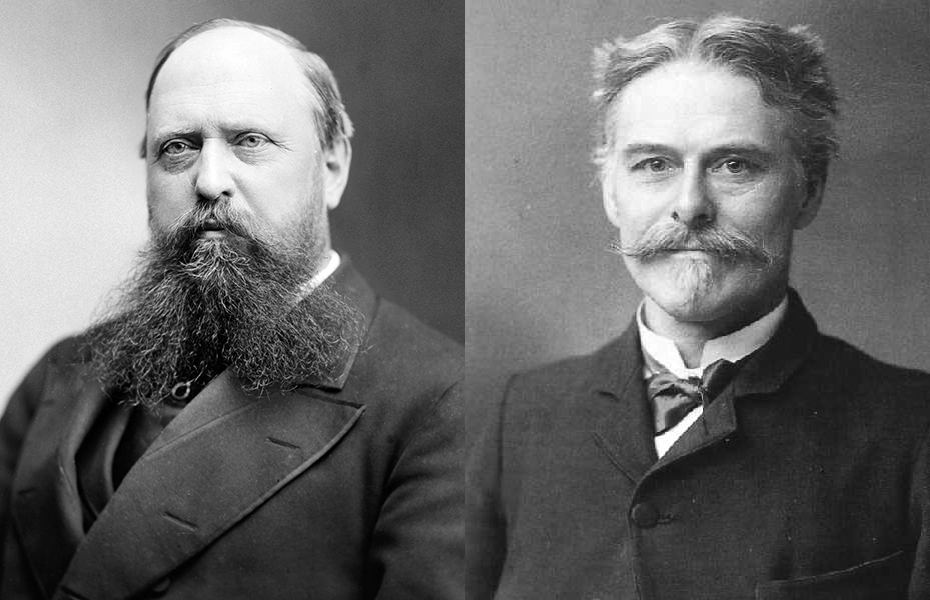
The Museum of the Rockies offers a unique perspective on time through its adjacent Living History Farm, which provides context for understanding how humans have studied and interpreted dinosaur fossils throughout Montana’s settlement period. This 1890s working farm demonstrates the era when the first major dinosaur discoveries were being made in Montana, contextualizing the history of paleontology in the region. Visitors can learn how early fossil hunters operated without modern technology, often making groundbreaking discoveries with simple tools and determination. The farm includes exhibits about the “Bone Wars” period of competitive fossil hunting that shaped early American paleontology and Montana’s role in these scientific rivalries. This juxtaposition of prehistoric life with pioneer history creates a thought-provoking contrast that enhances visitors’ appreciation for both the ancient past and the human effort to understand it.
Educational Programs for Aspiring Paleontologists
The Museum of the Rockies excels in offering educational programming that inspires the next generation of dinosaur enthusiasts and scientists. Their “Dinosaur Dig Experience” allows participants to join actual paleontological excavations under expert guidance, working alongside scientists to uncover real fossils in Montana’s fossil-rich badlands. For younger visitors, the museum offers paleontology camps where children learn fossil preparation techniques, dinosaur biology, and field methods in age-appropriate formats. School programs aligned with national science standards bring thousands of students through the museum annually, using dinosaurs as an engaging gateway to broader scientific concepts. Distance learning programs extend the museum’s reach beyond Montana, allowing classrooms anywhere to virtually explore the collections and interact with museum educators. These educational initiatives have launched countless scientific careers and fostered a deeper public appreciation for paleontology.
Temporary Exhibitions and Rotating Displays
The Museum of the Rockies maintains a dynamic exhibition schedule with changing displays that ensure even repeat visitors discover something new. These temporary exhibitions often showcase recent discoveries, traveling collections from other institutions, or specialized aspects of paleontology not covered in the permanent galleries. Recent exhibitions have explored topics like dinosaur intelligence, the transition from dinosaurs to birds, and the latest techniques in paleontological research. The museum frequently premieres new fossil specimens before they’re published in scientific literature, giving visitors a preview of discoveries that will later make headlines. These rotating exhibits keep the museum experience fresh and reflect the constantly evolving nature of dinosaur science. Members receive special preview opportunities for new exhibitions, making museum membership particularly valuable for dinosaur enthusiasts who want to stay current with paleontological developments.
Planetarium and Broader Earth Sciences Context
The Museum of the Rockies places dinosaur evolution within the broader context of Earth’s history through its Taylor Planetarium, which offers shows about cosmic evolution and extinction events. This 40-foot dome theater presents programs that help visitors understand the astronomical factors that influenced dinosaur evolution and extinction, including meteor impacts and climate changes. The planetarium shows explain how the position of continents during the Mesozoic Era created the environments where dinosaurs thrived, providing essential context for the fossil exhibits. These presentations use cutting-edge visualization technology to travel back in time, showing how Montana’s landscape appeared during the age of dinosaurs. By connecting dinosaur history to astronomy, geology, and climate science, the museum provides a comprehensive understanding of the complex factors that shaped dinosaur evolution and eventual extinction.
The Museum Store: Taking the Experience Home
The Museum of the Rockies’ gift shop offers dinosaur enthusiasts the opportunity to take home scientifically accurate mementos of their visit, with merchandise that goes far beyond typical museum souvenirs. The store stocks an impressive selection of paleontology books ranging from children’s literature to technical scientific publications, many authored by researchers associated with the museum. Visitors can purchase cast replicas of fossils from the museum’s collection, created with meticulous attention to detail and accompanied by educational information. The shop specializes in educational toys and kits that encourage hands-on learning about paleontology, from excavation sets to detailed dinosaur models reviewed for accuracy by the museum’s scientists. Unlike many museum stores, the Museum of the Rockies ensures that even its souvenirs serve an educational purpose, extending the learning experience beyond the visit itself.
Why Every Dinosaur Enthusiast Should Visit
The Museum of the Rockies offers an unparalleled dinosaur experience that combines scientific rigor with engaging presentation. Its location in the heart of one of the world’s richest dinosaur fossil regions provides context that enhances the museum experience, while its active research program ensures the exhibits reflect the latest scientific understanding. For dinosaur enthusiasts, this museum represents not just a collection of impressive fossils, but a window into an ongoing scientific process of discovery and interpretation. Whether you’re a casual fan fascinated by these prehistoric giants or a serious amateur paleontologist, the Museum of the Rockies delivers an experience that will deepen your appreciation and understanding of dinosaurs and the world they inhabited. In the landscape where these magnificent creatures once roamed, the Museum of the Rockies stands as both a testament to their legacy and to humanity’s enduring fascination with our planet’s extraordinary past.