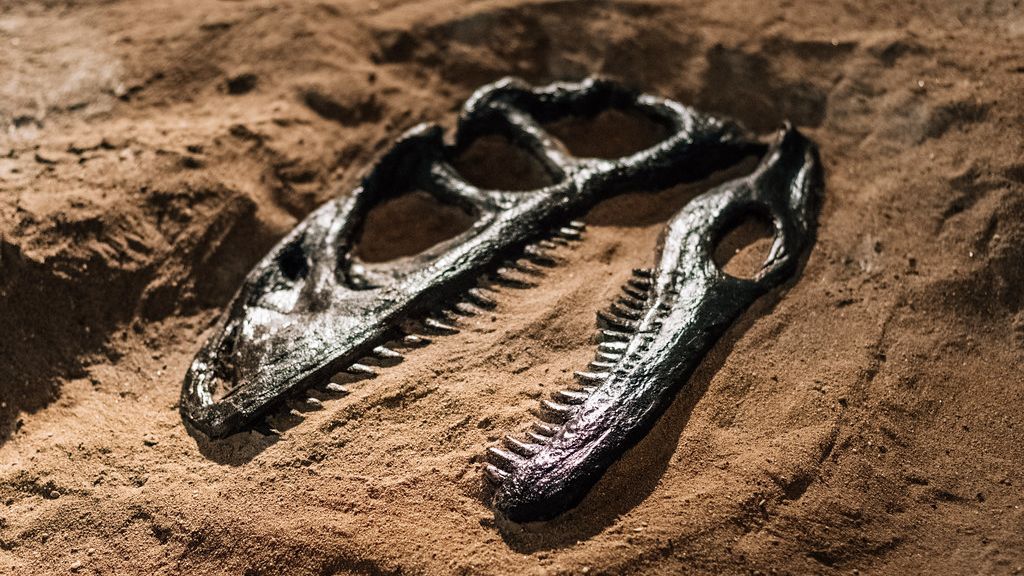
The natural world has always been a remarkable showcase of adaptation and innovation. Throughout Earth’s history, animals have demonstrated incredible ingenuity in finding or creating shelter—using caves, constructing nests, or burrowing underground. But one of the most fascinating and perhaps overlooked phenomena in natural history is the utilization of bones as shelters. Paleontological evidence suggests that several prehistoric creatures indeed used the skeletal remains of other animals as protective dwellings, hunting blinds, or nesting sites. This practice, while not widespread, offers a fascinating glimpse into prehistoric ecological relationships and survival strategies that evolved long before human civilization.
The Concept of Osseous Architecture
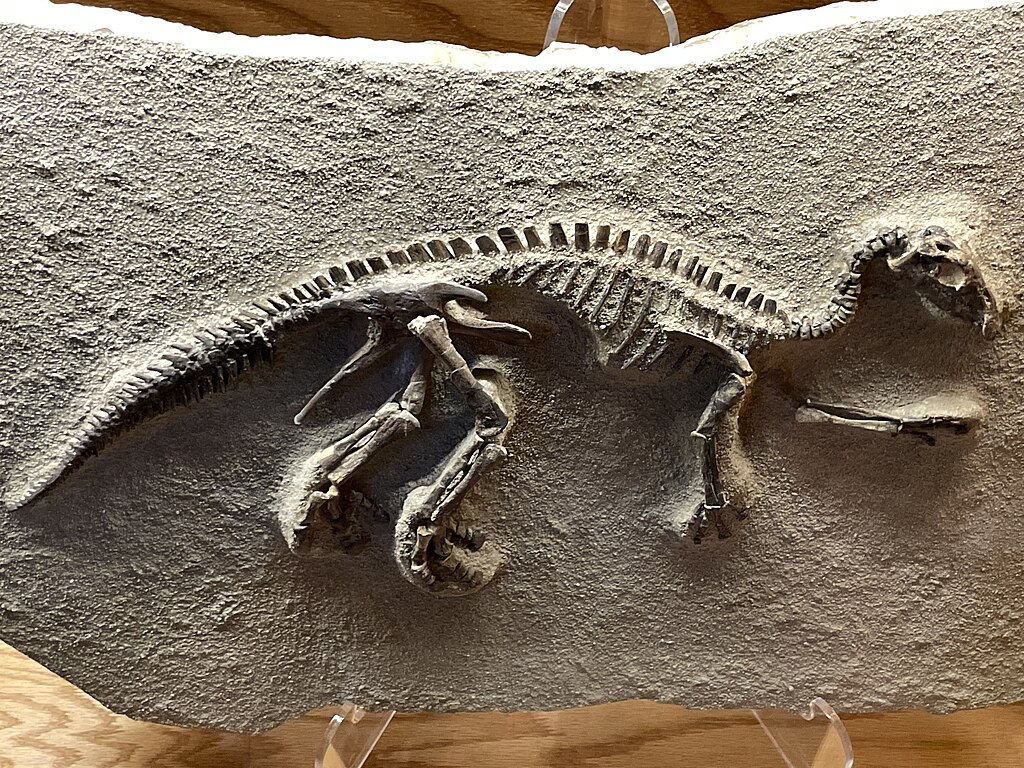
Osseous architecture—the use of bones as structural elements—represents a unique ecological adaptation. Unlike purpose-built structures such as beaver dams or bird nests, bone shelters were opportunistic repurposing of existing biological materials. The structural properties of bones—their durability, hollow spaces, and protective qualities—made them potentially valuable resources in harsh prehistoric environments. The composition of bone, primarily hydroxyapatite and collagen, creates a material that can withstand significant environmental pressures while providing insulation properties. This natural composite material offered prehistoric creatures ready-made shelters that required minimal modification, especially when utilizing larger skeletal elements from megafauna. Evidence suggests that these osseous shelters were not merely incidental arrangements but deliberate utilizations of available resources.
Evidence from the Fossil Record
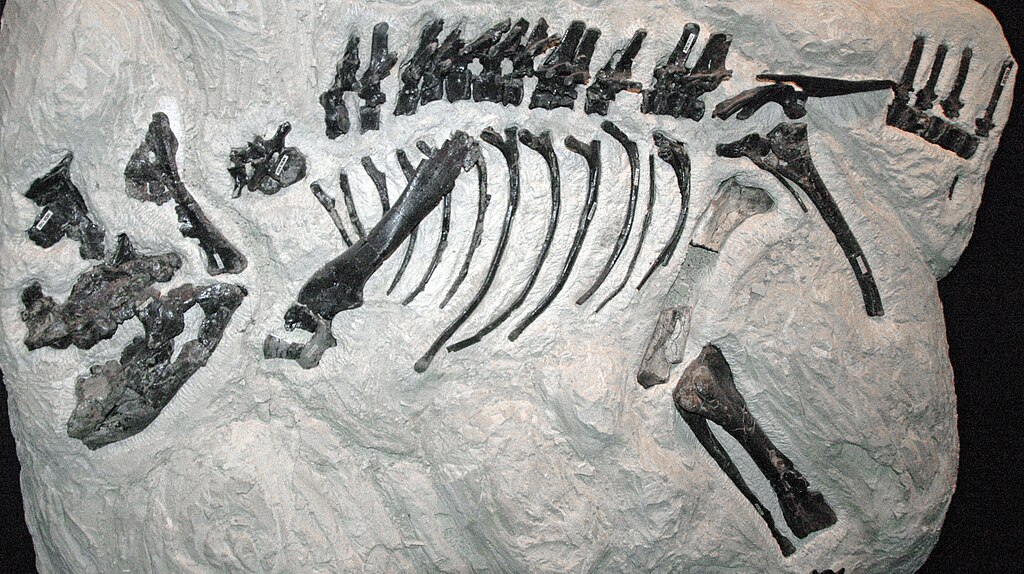
The fossil record provides compelling, though limited, evidence of bones being used as shelters. Paleontologists have discovered several significant sites where smaller creatures appear to have inhabited the skeletal remains of larger animals. One notable example comes from Late Cretaceous deposits in Mongolia, where small mammals were found preserved within dinosaur skulls, positioned in ways suggesting habitation rather than random fossilization. Taphonomic analysis—the study of how organisms decay and become fossilized—has revealed wear patterns and modifications on some fossil bones consistent with continuous occupation. Trace fossils, which record the behavior of ancient organisms, occasionally show evidence of creatures repeatedly entering and exiting larger bone structures. These findings collectively suggest that bone utilization as shelter was a genuine ecological phenomenon, though interpretations must remain cautious due to the fragmentary nature of the fossil record.
Prehistoric Mammals and Cranial Dwellings
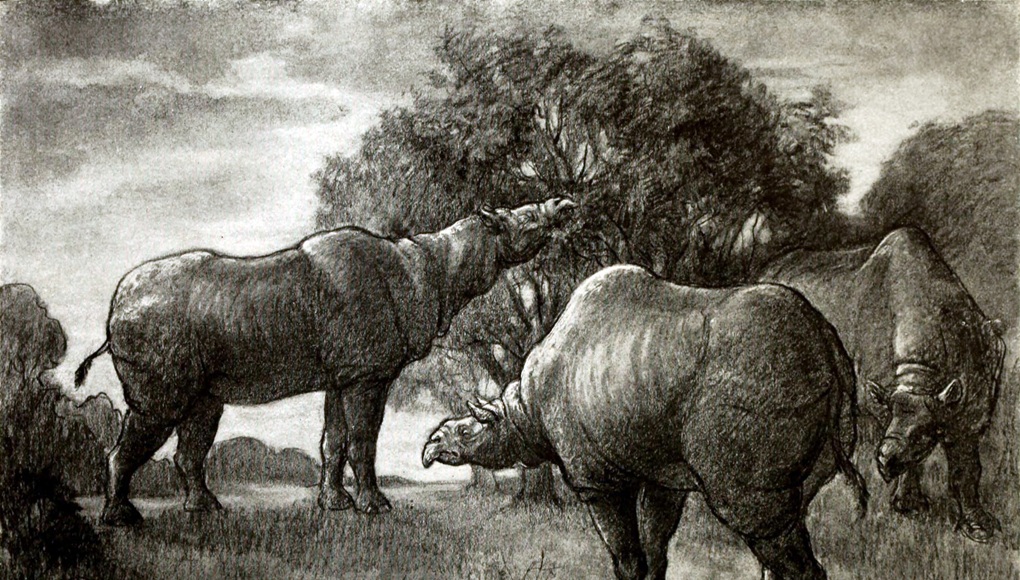
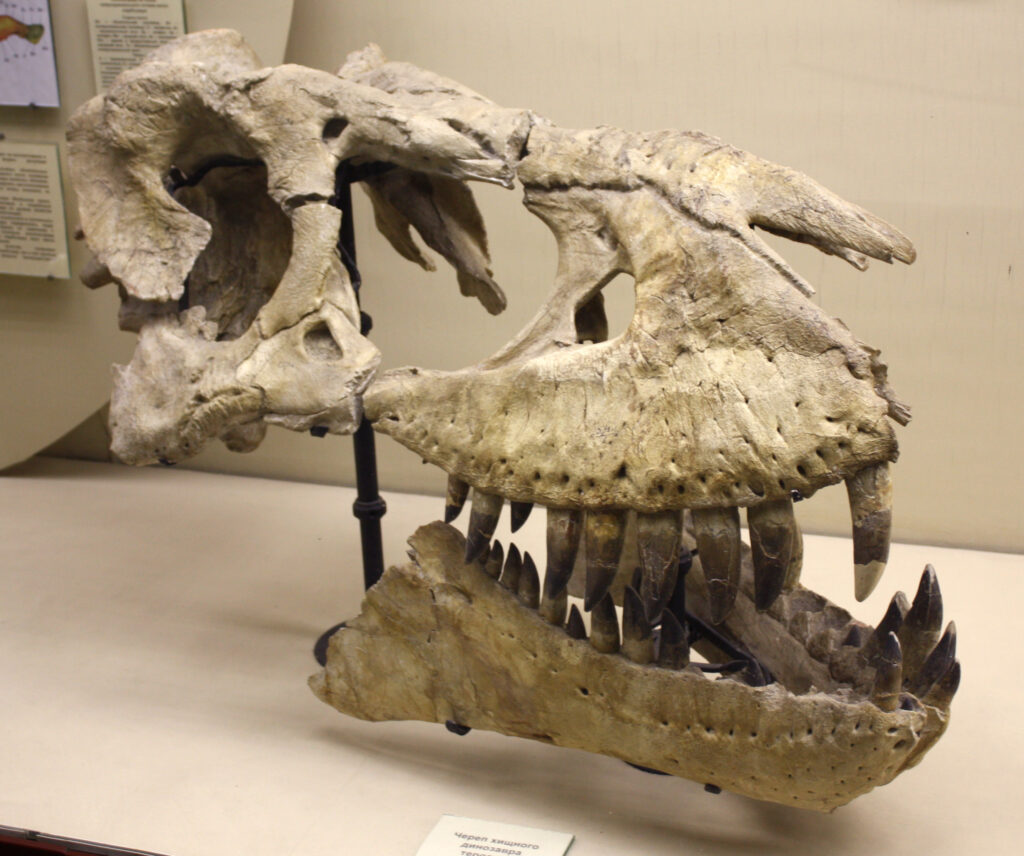
Small prehistoric mammals appear to have been particularly adept at utilizing cranial structures as dwellings. The cranium, with its natural dome shape and protective properties, created ideal micro-habitats for creatures seeking shelter. Paleontological discoveries in the Gobi Desert have unearthed evidence of small mammals that likely inhabited the skull cavities of deceased dinosaurs. These early mammals, similar in size to modern shrews or mice, would have benefited tremendously from the protection offered by thick dinosaur skulls. The brain case and sinus cavities provided natural compartments that could shield inhabitants from predators and harsh weather conditions. Additionally, the thermal properties of bone would have offered insulation advantages in extreme temperature environments, potentially allowing for energy conservation during challenging seasons. The relationship between these mammals and their bone dwellings represents one of the earliest examples of one species opportunistically benefiting from the remains of another.
Dinosaur Bones as Protective Structures
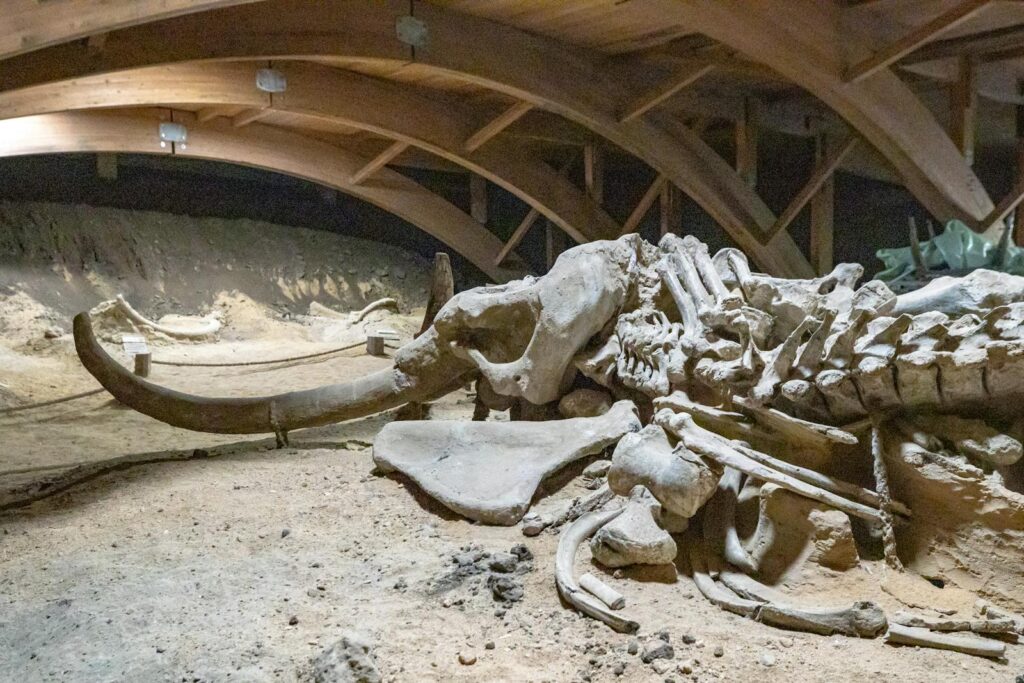
The massive skeletal elements of dinosaurs created unprecedented opportunities for shelter-seeking organisms. Following the death of large dinosaurs, their skeletal remains could persist in the environment for decades before complete decomposition or burial, creating temporary but stable habitat structures. Rib cages, in particular, formed natural frameworks similar to modern architectural domes, potentially sheltering smaller creatures from predators and environmental extremes. Fossil evidence from several formations worldwide suggests that these dinosaur “bone yards” became ecological hotspots, supporting diverse communities of smaller creatures. The protection offered by these massive bone structures would have been particularly valuable in open, exposed environments where other shelter options were limited. Interestingly, some paleontologists theorize that certain scavengers may have evolved behaviors specifically to exploit these bone resources, not just for nutrition but for the secondary habitat benefits they provided.
Marine Examples of Bone Utilization
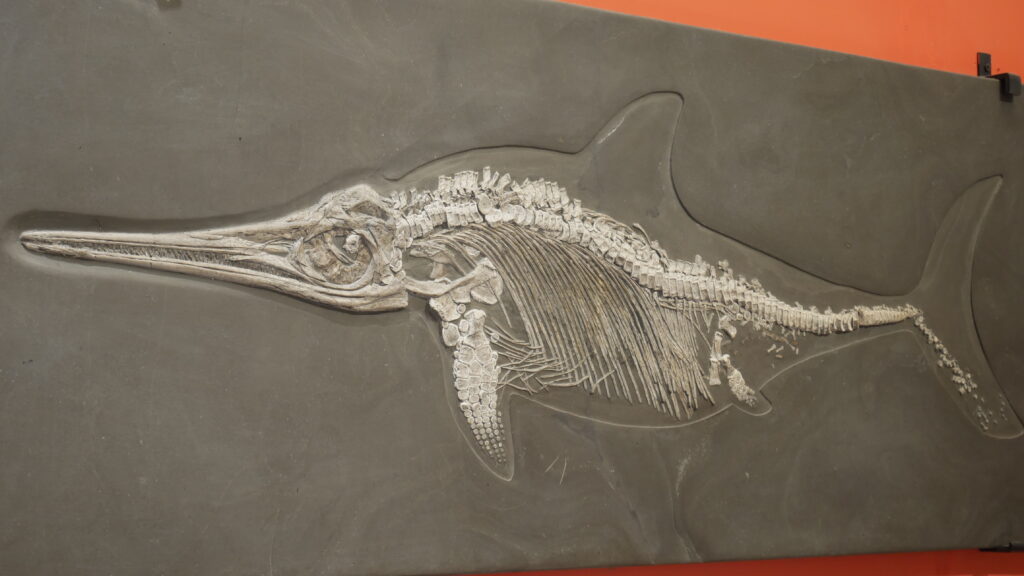
The phenomenon of bone utilization as shelter wasn’t limited to terrestrial environments. In prehistoric oceans, the skeletal remains of marine megafauna created substantial structures on the seafloor. The massive skulls and rib cages of ancient whales, for instance, could persist for years on the ocean bottom, creating reef-like environments that smaller creatures colonized. Fossil evidence from marine deposits occasionally shows smaller creatures preserved within or immediately adjacent to larger skeletal elements, suggesting habitation relationships. These “whale fall” ecosystems, as they’re known in modern oceans, created important habitat transitions in prehistoric seas as well. The calcium-rich environment of decomposing bones also altered local ocean chemistry, potentially benefiting creatures with calcium-dependent shells or exoskeletons. This marine example demonstrates how bone utilization transcended environmental boundaries, occurring in multiple ecological contexts throughout prehistoric times.
Nesting Behaviors Within Skeletal Remains
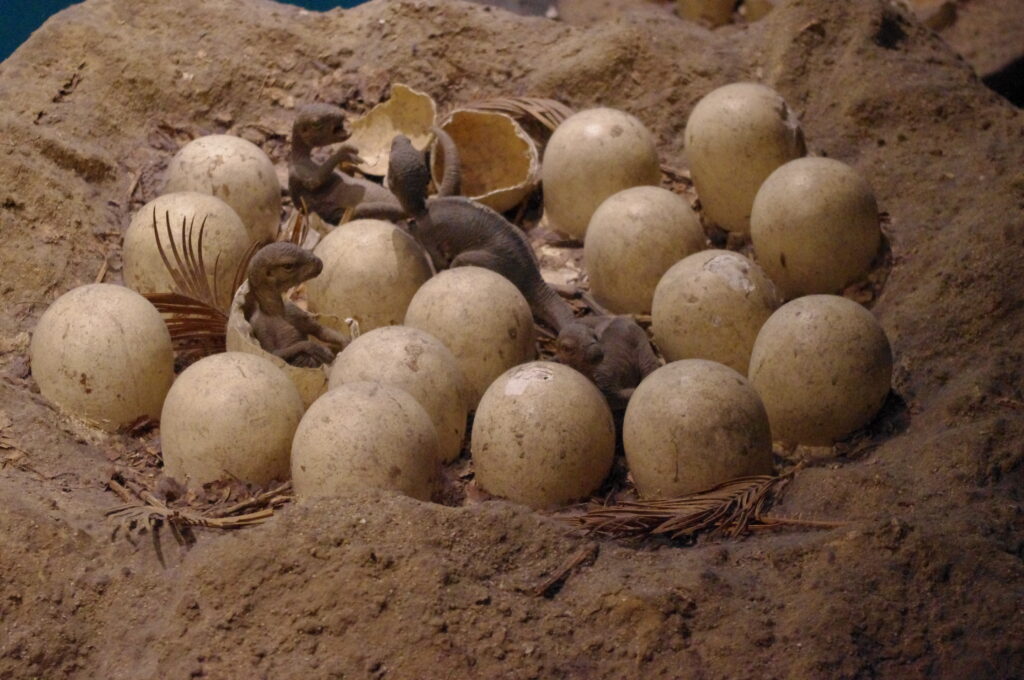
Perhaps the most well-documented use of bones as shelter relates to nesting behaviors. Several fossil discoveries show evidence of smaller creatures creating nests within the protective confines of larger skeletal elements. These osseous nesting sites offered significant advantages—protection from predators, shelter from the elements, and in some cases, beneficial microclimates for egg incubation. In the Morrison Formation of the western United States, paleontologists have discovered evidence suggesting small dinosaurs potentially nested within the rib cages of larger sauropods. The orientation and preservation of these nests indicate deliberate selection rather than random deposition. For flying or gliding creatures, elevated bone structures may have provided nesting platforms safe from ground-dwelling predators. This reproductive adaptation shows how bone utilization may have directly influenced survival rates and evolutionary success for certain species.
Turtle Shells as Microhabitats

The durable shells of prehistoric turtles represent a specialized case of osseous shelter utilization. Following the death of large ancient turtles, their carapaces could persist in the environment for extended periods, creating dome-like shelters that smaller creatures could exploit. Paleontological evidence from several formations shows smaller vertebrates and invertebrates preserved within ancient turtle shells, positioned in ways suggesting habitation rather than random fossilization. The natural shape of turtle shells created ideal microhabitats—protected from above by the durable carapace and often partially buried, providing additional thermal stability. Modern ecological studies show similar phenomena with contemporary turtle shells, suggesting this relationship has deep evolutionary roots. The chemical composition of turtle shells, primarily bone covered with keratin, created structures resistant to decomposition and therefore available as shelter resources for significantly longer periods than more conventional skeletal elements.
Predators and Bone Accumulation Sites
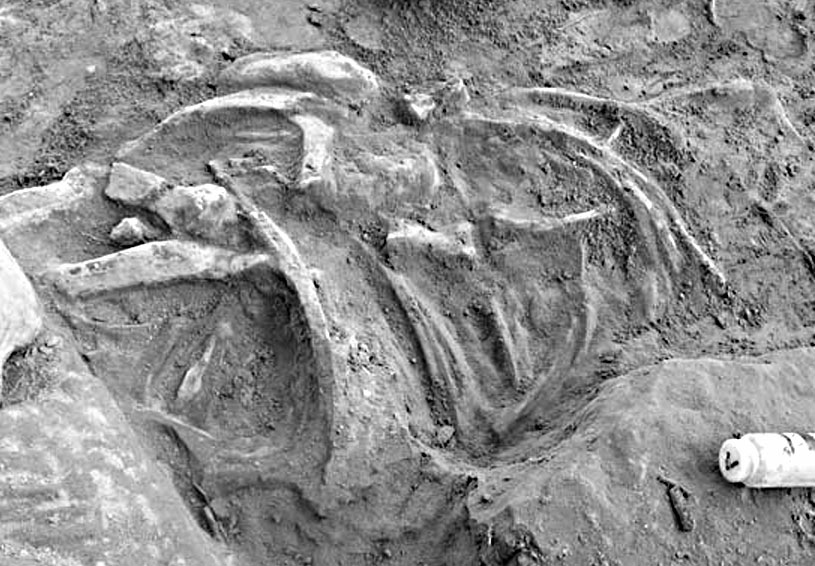
Some prehistoric predators may have unintentionally created bone shelter opportunities through their hunting behaviors. Large carnivores often accumulated bones at feeding or denning sites, creating concentrated bone assemblages that smaller creatures could later exploit. Fossil evidence from predator dens sometimes shows signs of secondary habitation by smaller species after the predator abandoned the site. These bone accumulation zones became ecological hotspots, offering both nutritional resources (residual marrow, decomposer organisms) and structural shelter. In some cases, smaller predators may have deliberately used these bone piles for ambush hunting, utilizing the camouflage and concealment they provided. This complex relationship between predator behavior and bone utilization demonstrates the interconnected nature of prehistoric ecosystems. The behavioral ecology behind these interactions suggests sophisticated resource utilization strategies evolved long before human influence.
Modern Analogues: Contemporary Bone Utilization
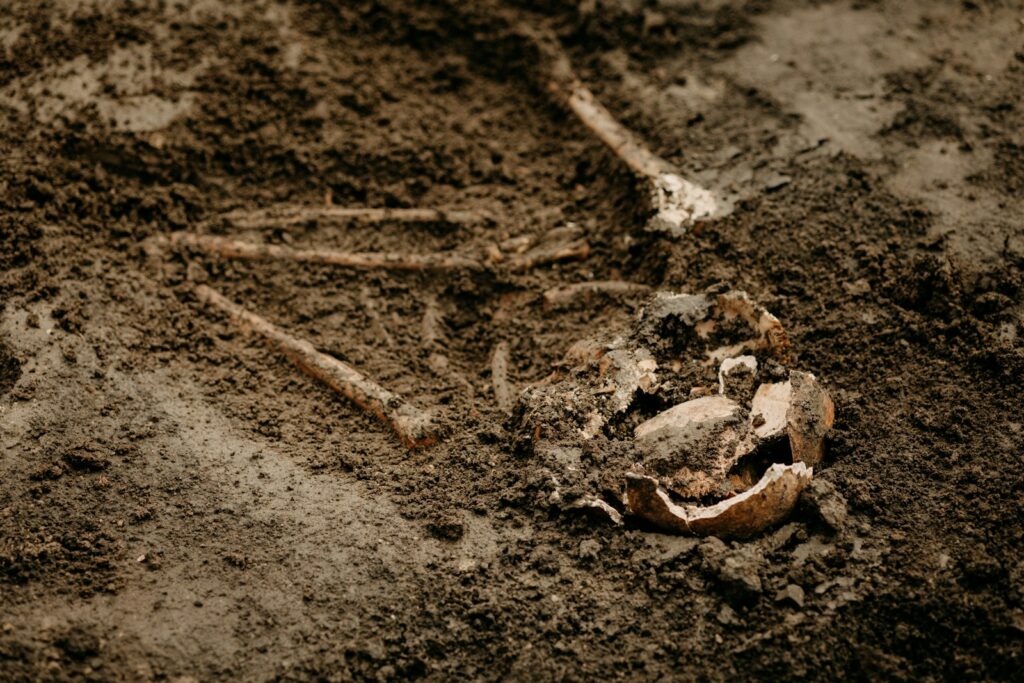
Studying modern examples of bone utilization provides valuable insights into prehistoric patterns. Several contemporary species demonstrate behaviors that likely have ancient evolutionary origins. Small mammals like mice and voles readily inhabit skulls and other large skeletal elements when available, using them as protective denning sites. In marine environments, the phenomenon of “whale falls”—where whale carcasses create complex ecosystems on the seafloor—demonstrates how bones continue to serve as habitat structures. Desert-dwelling species sometimes utilize large mammal skulls as thermal refuges, benefiting from the temperature-moderating properties of bone. Observing these modern behavioral patterns helps paleontologists interpret ambiguous fossil evidence and reconstruct prehistoric ecological relationships. The persistence of these behaviors across evolutionary time suggests their significant adaptive value in multiple environmental contexts.
Cultural Significance: Human Use of Animal Bones
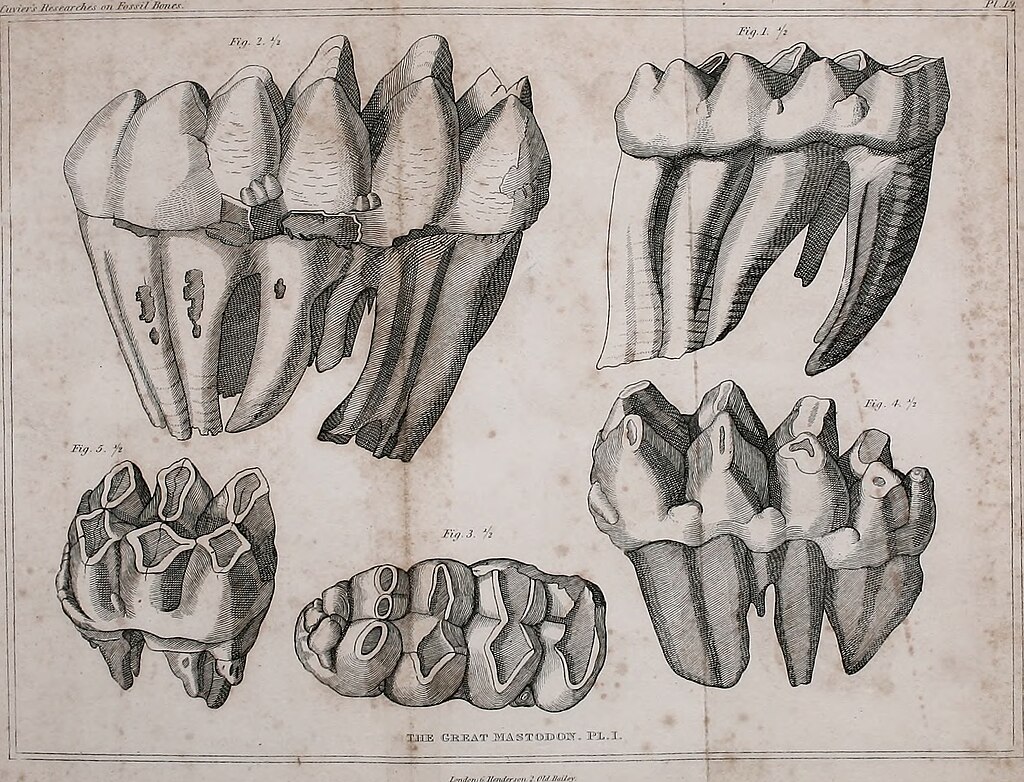
While not directly related to prehistoric creatures using bones as shelters, humans eventually adopted similar practices, demonstrating convergent problem-solving across species. Archaeological evidence shows early humans utilizing mammoth bones and skulls as structural elements in primitive dwellings, particularly in regions where timber was scarce. These mammoth bone huts, discovered at sites across Eastern Europe dating to 15,000-20,000 years ago, represent sophisticated adaptations to harsh Ice Age environments. The massive skulls and tusks of mammoths formed natural structural supports, while smaller bones filled in walls and created defensive perimeters. This human behavior, while more technologically advanced, reflects the same fundamental recognition of bones’ structural utility that some prehistoric creatures demonstrated millions of years earlier. The parallel development of bone utilization across different species and time periods highlights the universal value of these resources in challenging environments.
Taphonomic Challenges in Identification
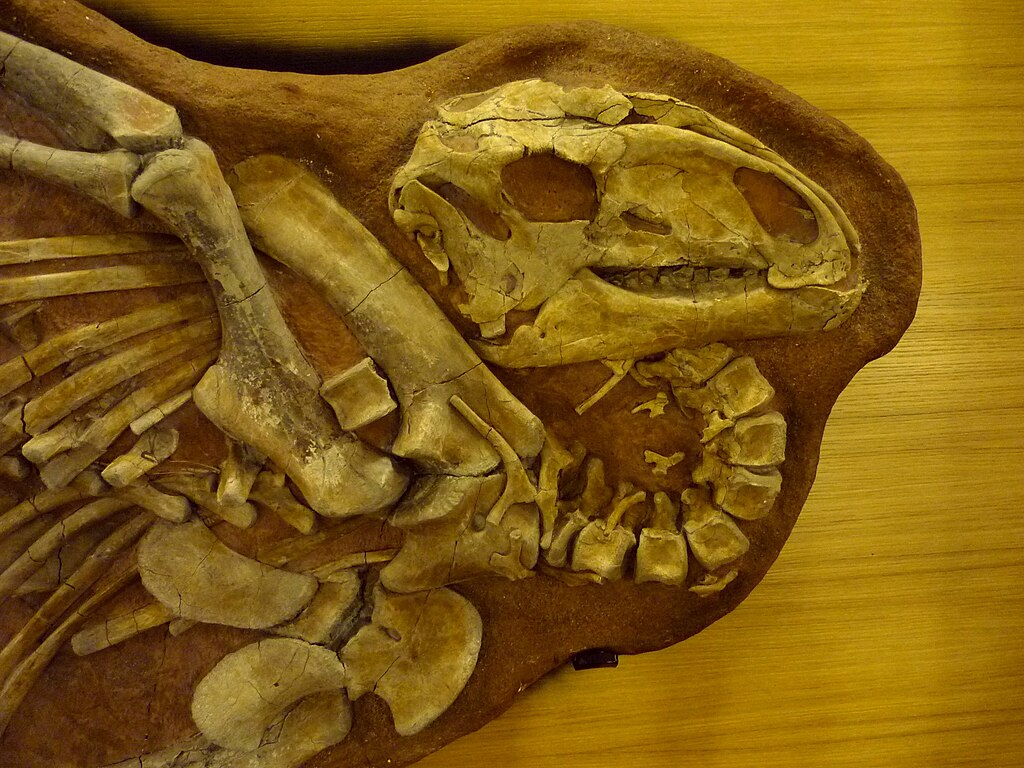
Identifying legitimate cases of bone shelter utilization presents significant challenges for paleontologists. The processes of fossilization and geological disturbance can create false associations between species that never actually interacted in life. Distinguishing between a creature that deliberately inhabited a bone structure and one that was coincidentally preserved nearby requires careful taphonomic analysis. Scientists look for specific evidence such as wear patterns on bone surfaces, repeated associations between certain species and bone structures, and positioning that indicates deliberate entry rather than random deposition. The fragmentary nature of the fossil record further complicates these interpretations, as complete bone structures are rarely preserved intact. Despite these challenges, multiple lines of evidence support the conclusion that bone shelter utilization was a genuine ecological phenomenon in prehistoric times. Advances in microanalytical techniques continue to improve scientists’ ability to distinguish deliberate bone utilization from taphonomic artifacts.
Evolutionary Implications of Bone Shelter Use
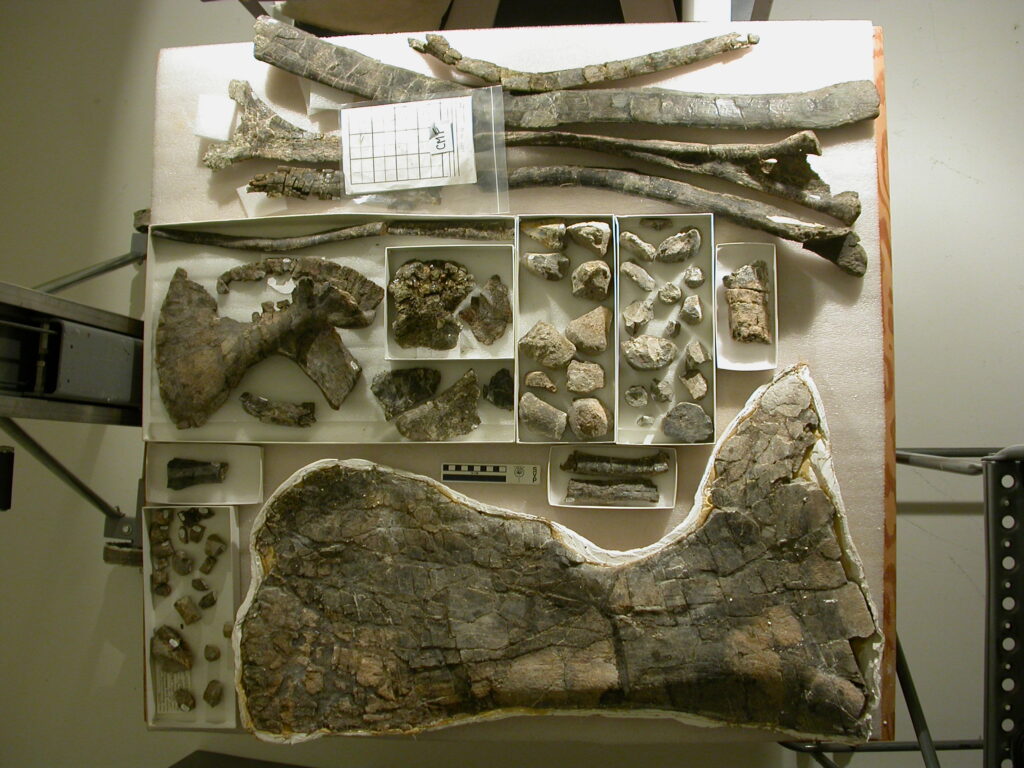
The utilization of bones as shelters carries significant evolutionary implications for both the species that employed this strategy and broader ecosystem dynamics. For smaller creatures, the ability to exploit bone resources potentially reduced predation pressure and expanded viable habitat ranges. This behavioral adaptation may have contributed to survival during extinction events, as bone shelters could provide protection during environmental disturbances. From an ecosystem perspective, bone utilization represents an important recycling mechanism, where the remains of one species directly benefit others in non-nutritional ways. This extends the ecological impact of larger species beyond their lifespan, creating complex legacy effects in prehistoric environments. The capacity to recognize and exploit bone shelters may have driven cognitive and behavioral evolution in certain lineages, selecting for problem-solving abilities and opportunistic resource utilization. These evolutionary dynamics highlight how complex ecological relationships shaped prehistoric communities long before the emergence of modern ecosystems.
Future Research Directions

The field of bone shelter utilization in prehistoric contexts remains ripe for further investigation. Emerging technologies offer new possibilities for detecting and analyzing these ecological relationships. Advanced imaging techniques like micro-CT scanning can reveal subtle wear patterns and modifications to bone surfaces that indicate habitation. Chemical analysis of preserved bone can potentially identify residual signatures from inhabitant species through stable isotope or ancient DNA analysis. Experimental archaeology with modern bone assemblages may help establish baseline patterns for comparison with fossil evidence. Systematic surveys of existing museum collections could reveal previously unrecognized examples of bone shelter utilization hiding in plain sight. As our understanding of taphonomic processes improves, researchers may be able to more confidently distinguish genuine cases of bone utilization from preservational artifacts. This research area represents an exciting frontier in paleontology, where behavioral ecology meets the fossil record to reveal nuanced aspects of prehistoric life.
Conclusion
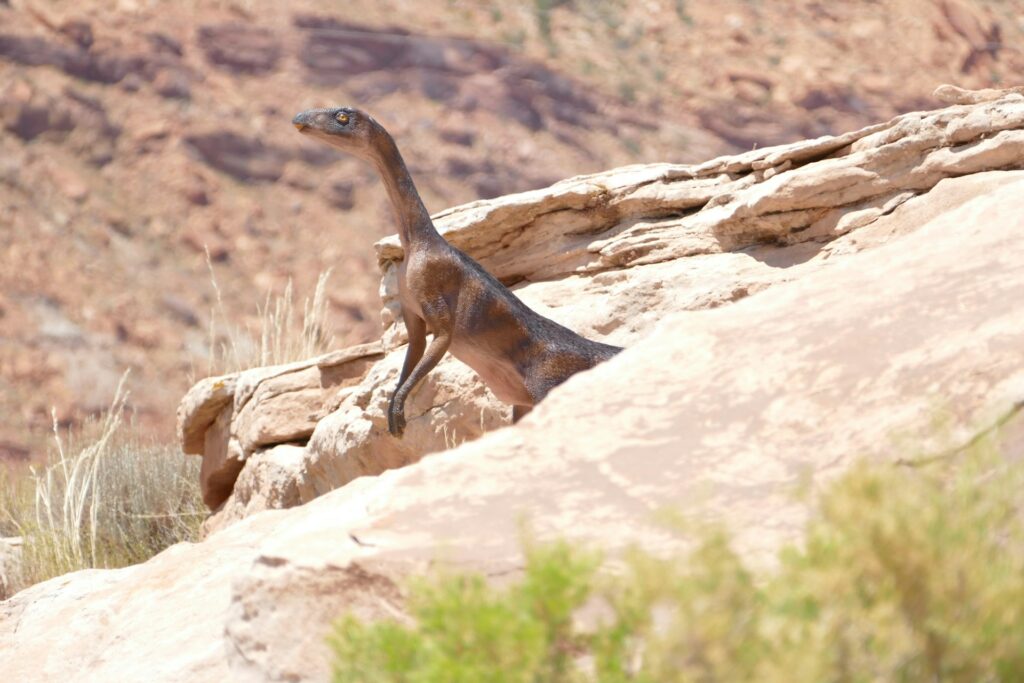
The evidence for prehistoric creatures using bones as shelters provides a fascinating window into ancient ecological relationships. While not as widespread as other shelter strategies, bone utilization represents a sophisticated adaptation that transcended taxonomic boundaries and environmental contexts. From small mammals inhabiting dinosaur skulls to marine creatures colonizing whale bones, these relationships demonstrate the opportunistic ingenuity that characterized prehistoric life. As research techniques continue to advance, our understanding of these osseous dwellings will likely expand, revealing even more complex interactions between the living and the remains of the dead in Earth’s distant past. The story of bone shelters reminds us that innovation and adaptation have deep evolutionary roots, with nature developing sophisticated resource utilization strategies long before humans appeared on the scene.