
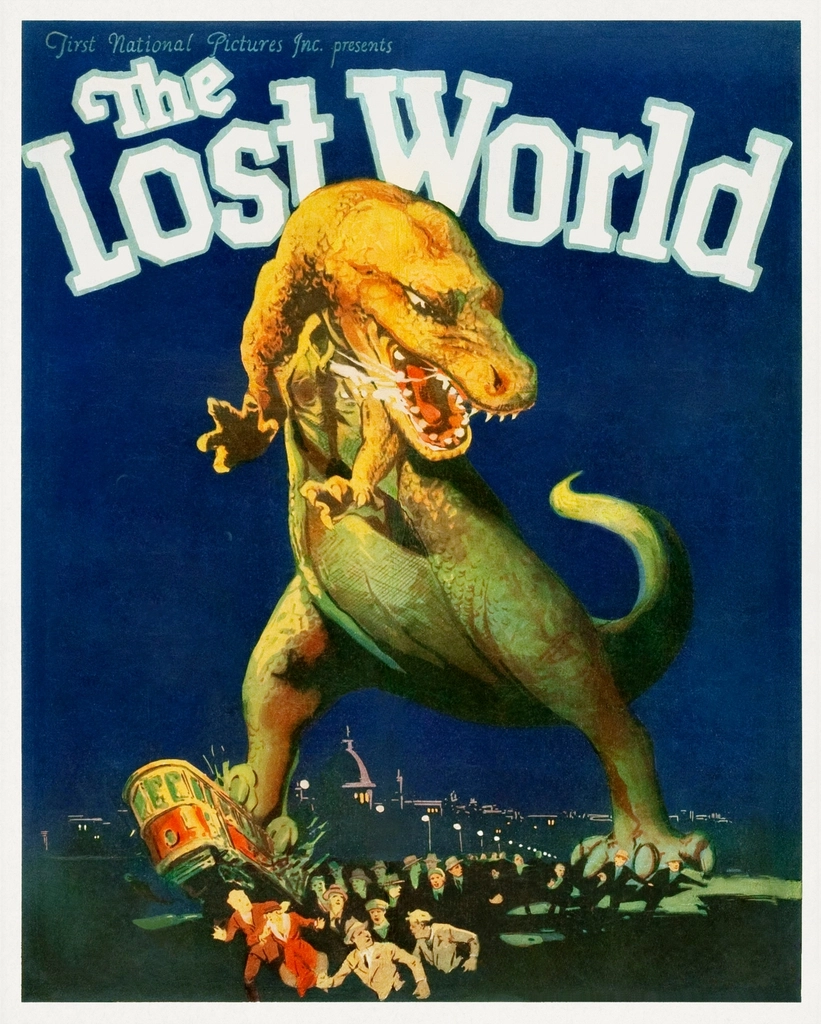
Long before modern paleontology became a recognized science, writers were already imagining ancient worlds teeming with creatures that defied comprehension. These literary pioneers didn’t just tell stories – they became accidental paleontologists, painting vivid pictures of prehistoric life that would later inspire real scientific discoveries. Their works served as bridges between imagination and reality, often predicting findings that wouldn’t be confirmed by scientists for decades or even centuries.
Jules Verne’s Underground Expeditions
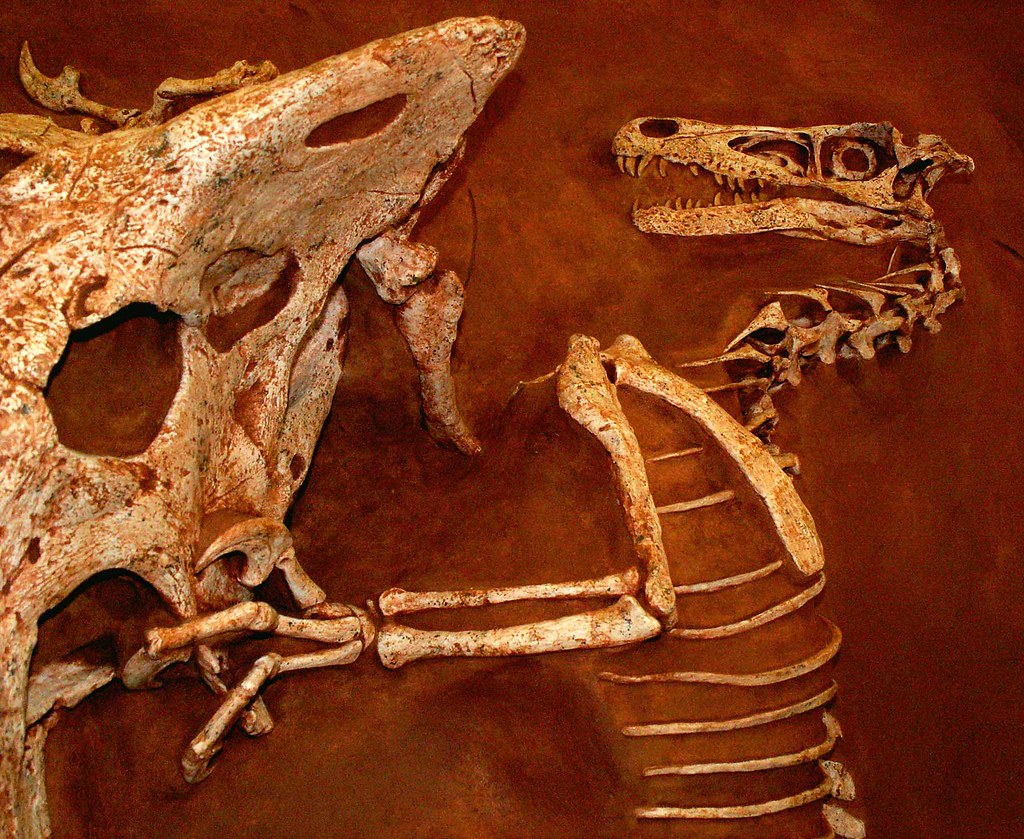
Jules Verne’s “Journey to the Center of the Earth” wasn’t just science fiction – it was a paleontological treasure map wrapped in adventure. When Professor Lidenbrock and his nephew Axel descended into the Earth’s depths in 1864, they encountered mastodons, giant fungi, and prehistoric seas that Verne described with remarkable accuracy for his time.
What makes Verne’s work particularly fascinating is how he incorporated actual fossil discoveries of his era into his narrative. The ichthyosaurus and plesiosaurus battles he described were based on real skeletal remains that had been unearthed just decades earlier. Verne essentially created the first popular science fiction that doubled as paleontological education.
Arthur Conan Doyle’s Lost World Prophecies
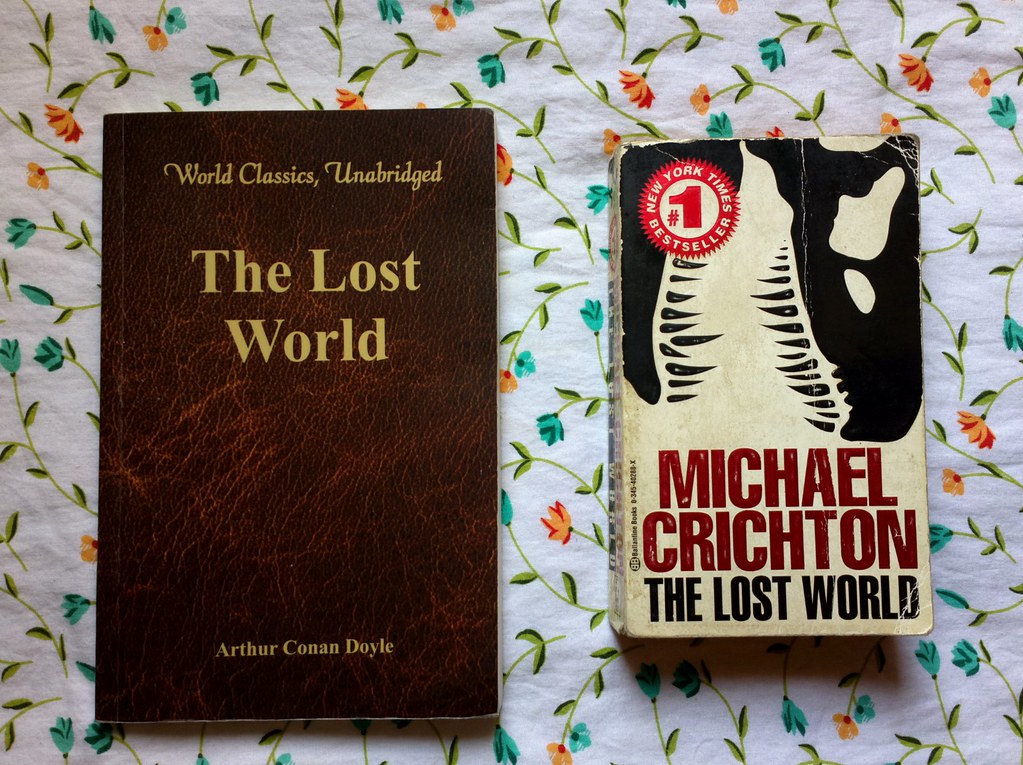
“The Lost World,” published in 191,2, introduced readers to Professor Challenger’s expedition to a plateau where dinosaurs still roamed. Doyle’s descriptions of pterodactyls, stegosauruses, and other prehistoric creatures were so detailed that they influenced public perception of dinosaurs for generations. His work came at a crucial time when paleontology was experiencing its golden age of discovery.
Doyle consulted with real paleontologists and visited natural history museums to ensure accuracy in his descriptions. The author’s meticulous research resulted in dinosaur behaviors and anatomical details that aligned surprisingly well with later scientific findings. His portrayal of dinosaurs as active, dynamic creatures challenged the popular notion of them as sluggish, cold-blooded reptiles.
Edgar Rice Burroughs and the Pellucidar Revelations
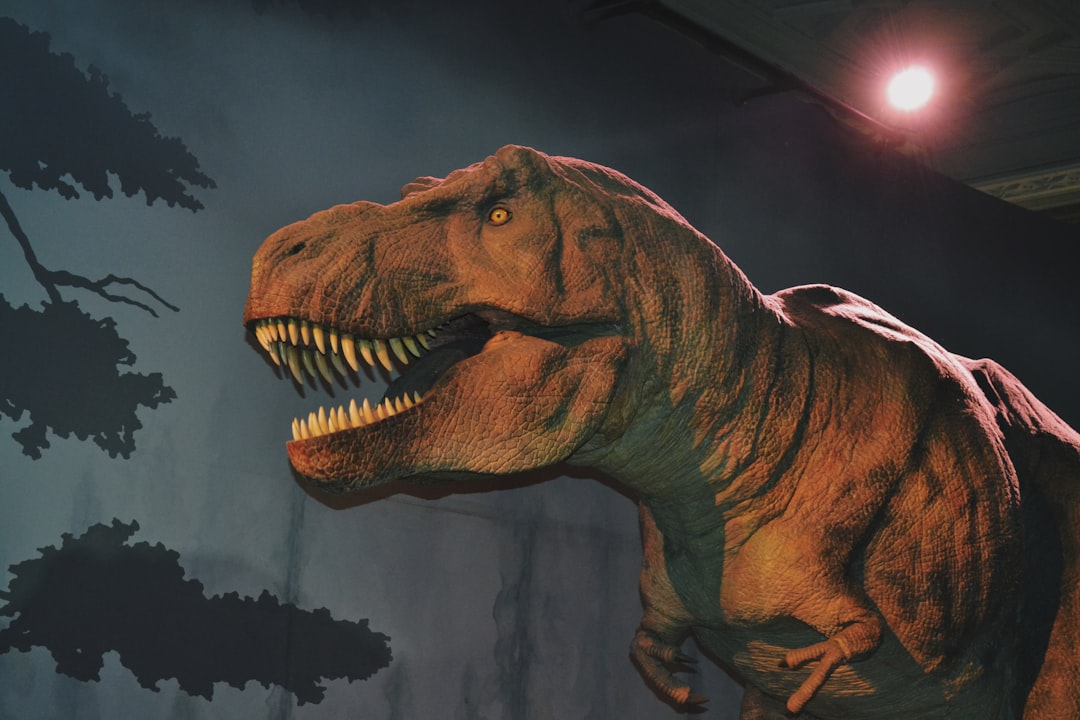
Burroughs’ Pellucidar series took readers to a hollow Earth populated by dinosaurs and primitive humans. While the hollow Earth concept was scientifically impossible, Burroughs’ descriptions of prehistoric life were remarkably well-researched. He depicted saber-toothed cats, giant ground sloths, and cave bears with anatomical precision that impressed contemporary paleontologists.
The author’s vision of human-dinosaur coexistence, though fictional, sparked important discussions about prehistoric ecosystems. His work influenced how people imagined the relationship between early humans and megafauna, contributing to popular understanding of Pleistocene extinction events.
H.G. Wells and the Time Machine Fossils
Wells’ “The Time Machine” offered readers glimpses of Earth’s deep past and distant future, but his earlier scientific writings revealed a profound understanding of paleontology. His descriptions of prehistoric life were informed by his studies under Thomas Huxley, Darwin’s famous supporter. Wells understood that fossils represented snapshots of evolutionary history.
In his lesser-known works, Wells wrote about trilobites, ammonites, and other ancient life forms with scientific accuracy that reflected his formal education in biology. His ability to translate complex paleontological concepts into accessible language made him one of literature’s most effective science communicators.
Mary Shelley’s Geological Nightmares
While “Frankenstein” is remembered for its monster, Mary Shelley’s work contained a sophisticated understanding of geological time and extinction. Her descriptions of ancient landscapes and buried creatures reflected the emerging science of stratigraphy. Shelley lived during the early days of paleontology, when geologists were first recognizing the Earth’s immense age.
Her correspondence reveals a fascination with fossil discoveries and geological theories of her time. Shelley’s ability to weave scientific concepts into Gothic horror demonstrated how paleontology could serve both educational and entertainment purposes in literature.
Washington Irving’s Fossil Fantasies
Irving’s “A History of New York” included humorous but scientifically informed discussions of prehistoric America. His descriptions of mastodon bones and ancient landscapes showed remarkable awareness of paleontological discoveries being made in early America. Irving witnessed firsthand the excitement surrounding fossil discoveries in the Hudson Valley.
The author’s playful approach to paleontology helped introduce American readers to concepts of deep time and extinction. His work demonstrated how fossil discoveries could be integrated into national narratives and cultural identity.
Lord Byron’s Geological Meditations
Byron’s poetry contained numerous references to geological time and ancient life, reflecting his interest in the emerging science of paleontology. His descriptions of limestone caverns and fossil-embedded rocks showed deep appreciation for Earth’s history. Byron traveled extensively through regions rich in fossils, from the Alps to the Mediterranean.
His poem “The Giaour” includes vivid descriptions of ancient sea floors and marine fossils, demonstrating how Romantic poetry could serve as a vehicle for scientific education. Byron’s work helped establish the aesthetic appeal of deep time and geological processes.
Charles Dickens and the Urban Fossil Record
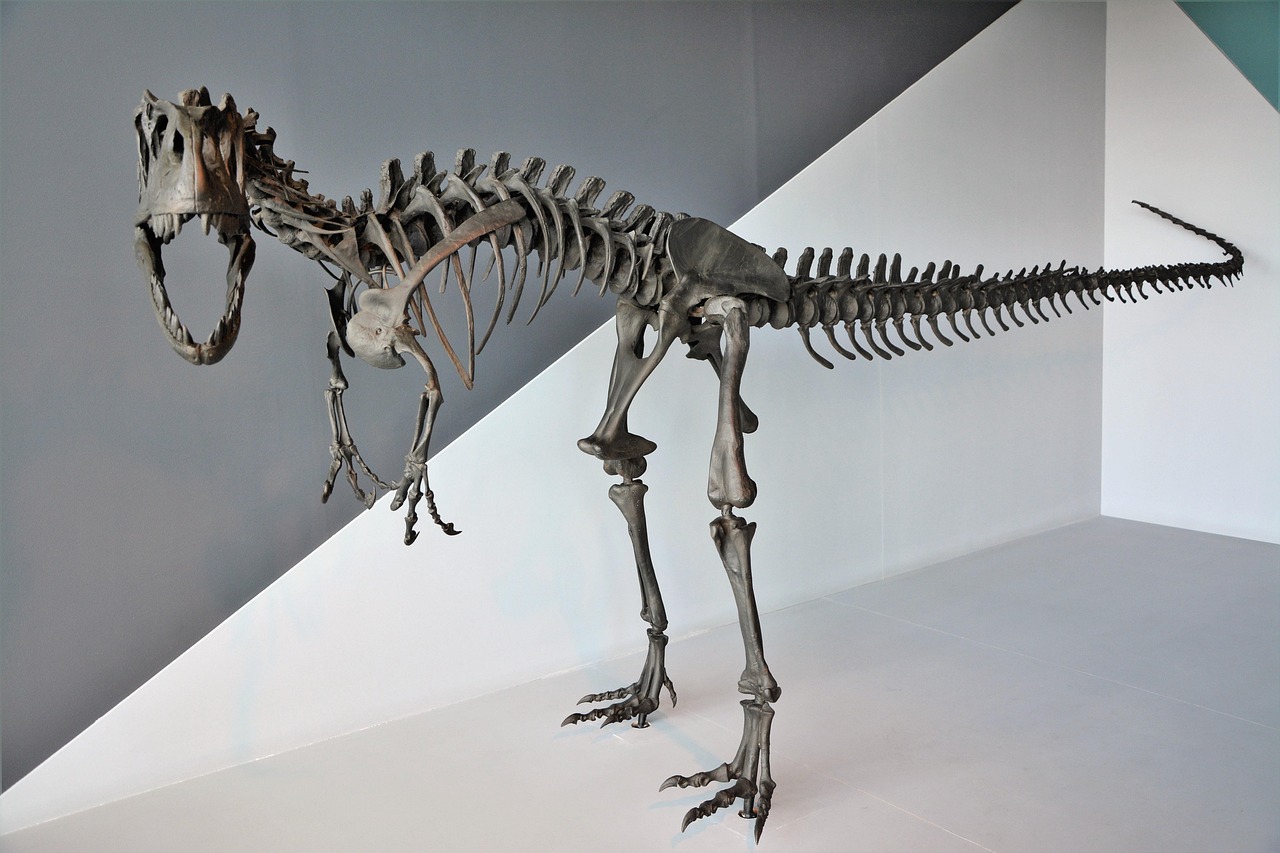
Dickens’ London novels frequently referenced the city’s geological foundations and buried history. His descriptions of construction sites revealing ancient deposits showed an understanding of urban stratigraphy. “Our Mutual Friend” includes scenes of fossil hunting along the Thames, reflecting the Victorian fascination with paleontology.
The author’s correspondence reveals his friendship with prominent geologists and paleontologists of his era. Dickens understood that cities themselves were archaeological sites, with each layer revealing different periods of human and natural history.
Herman Melville’s Cetacean Chronicles
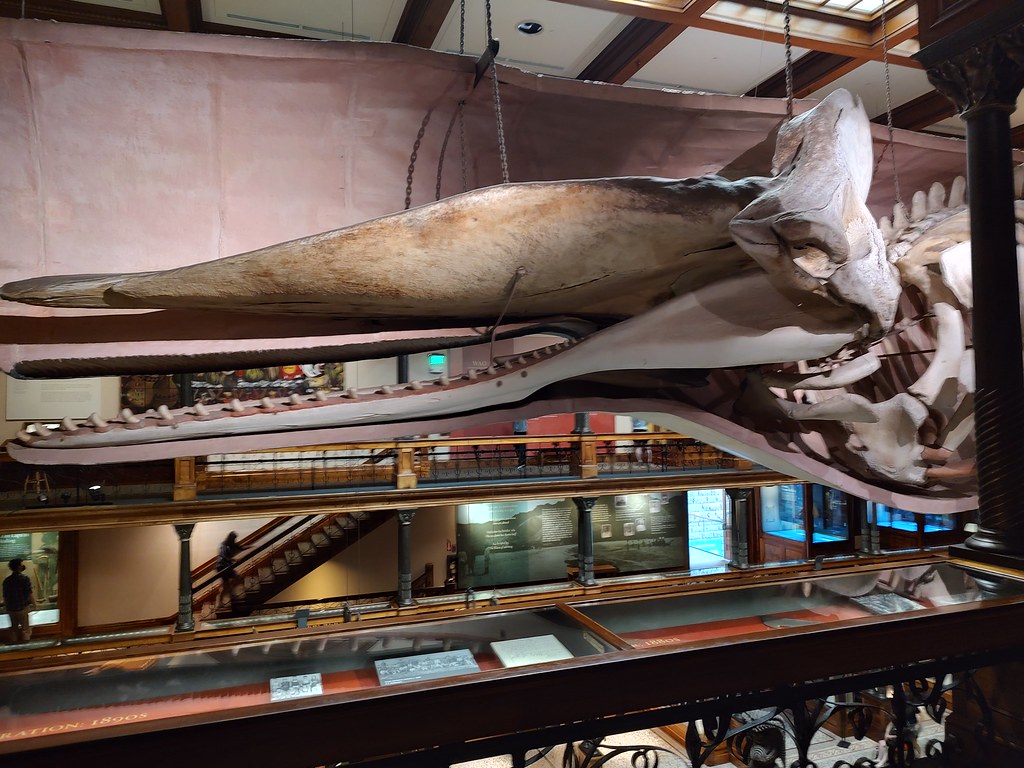
“Moby Dick” contains extensive discussions of whale anatomy and evolution, including references to fossil whales. Melville’s descriptions of whale skeletons and their geological significance demonstrated a sophisticated understanding of vertebrate paleontology. His work preceded many important discoveries in whale evolution by decades.
Melville’s research included visits to natural history museums and consultations with contemporary naturalists. His ability to weave paleontological concepts into narrative fiction created one of literature’s most scientifically informed adventure stories.
Alfred Tennyson’s Evolutionary Verses
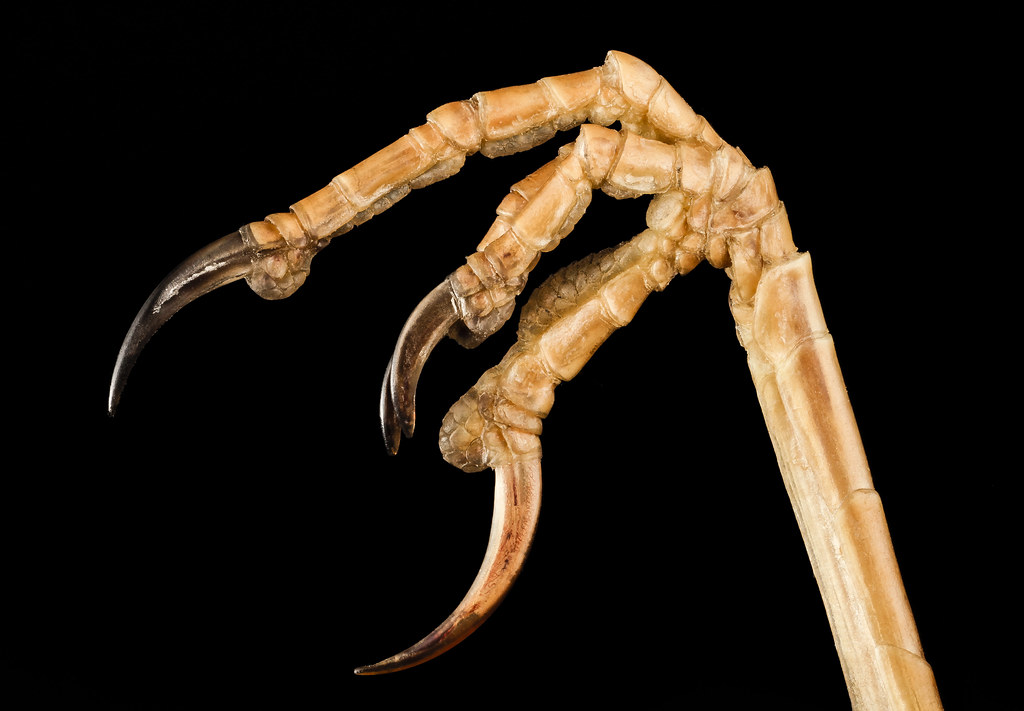
Tennyson’s “In Memoriam” contains famous lines about “Nature, red in tooth and claw,” reflecting his understanding of extinction and evolutionary processes. His poetry grappled with the implications of geological time and species extinction, themes that were central to emerging paleontological science.
The poet’s correspondence with geologists and naturalists informed his understanding of fossil evidence for evolution. Tennyson’s work helped popularize scientific concepts about deep time and the history of life on Earth.
Edgar Allan Poe’s Gothic
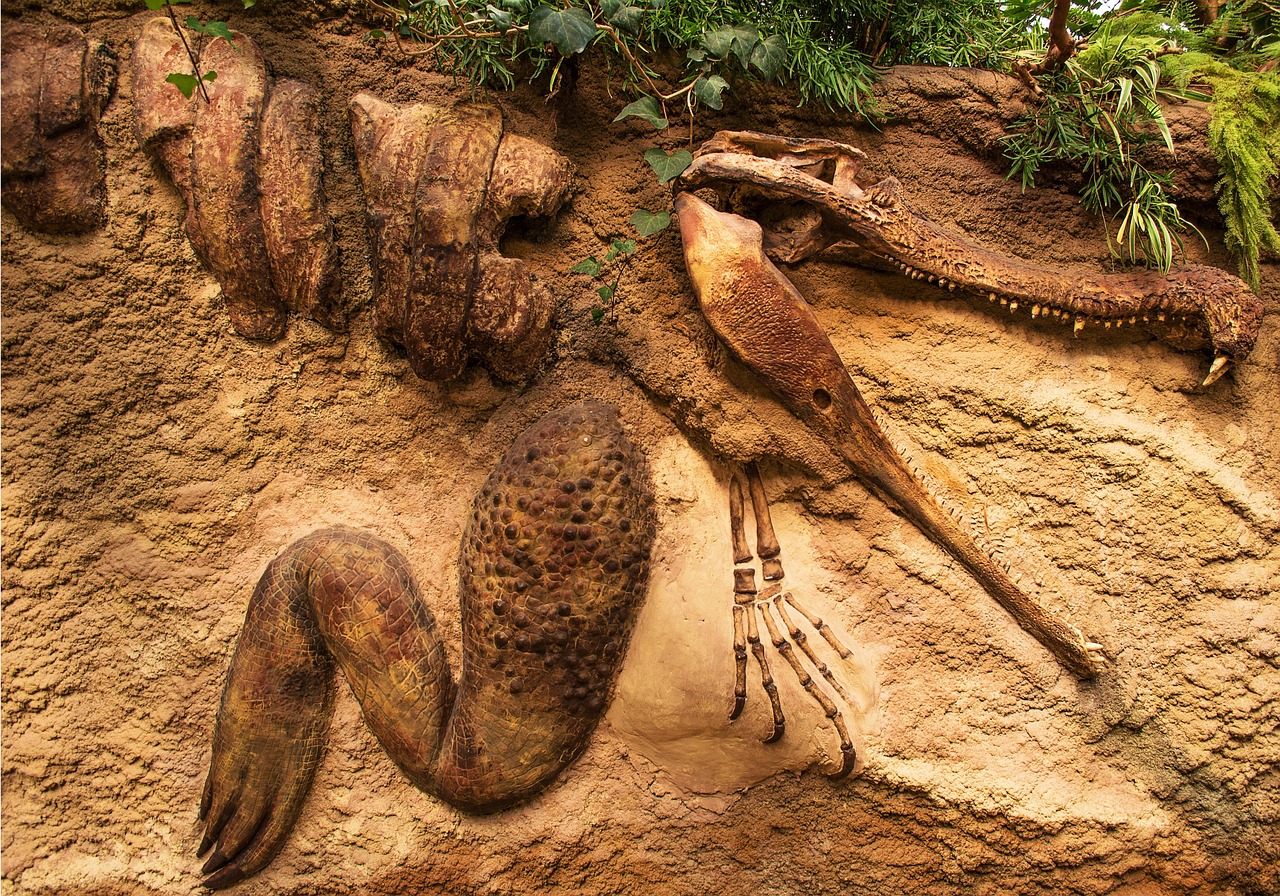
Poe’s stories often featured buried secrets and underground discoveries that reflected contemporary interest in paleontology. “The Narrative of Arthur Gordon Pym” includes descriptions of ancient fossils and geological formations that demonstrate his scientific literacy. Poe understood how fossil discoveries could serve as plot devices in Gothic horror.
His scientific essays and reviews showed deep engagement with geological and paleontological discoveries of his time. Poe’s ability to create atmosphere using geological and paleontological imagery influenced generations of writers.
Nathaniel Hawthorne’s Temporal Landscapes

Hawthorne’s works frequently explored themes of time and history, including references to geological time and fossil discoveries. His descriptions of New England landscapes often included awareness of their deep history and ancient origins. “The Marble Faun” demonstrates his understanding of how geological processes shaped human civilization.
The author’s journals reveal a fascination with fossil discoveries and geological phenomena he encountered during his travels. Hawthorne’s work showed how paleontological awareness could enhance literary descriptions of landscape and place.
Robert Louis Stevenson’s Evolutionary Adventures
Stevenson’s adventure novels often included scientifically informed descriptions of natural history and geological processes. His understanding of evolutionary theory influenced his character development and plot construction. “Dr. Jekyll and Mr. Hyde” can be read as an allegory for evolutionary concepts about human nature.
His correspondence reveals active engagement with scientific discoveries of his era, including paleontological findings. Stevenson’s work demonstrated how evolutionary and paleontological concepts could enrich literary themes and character development.
The Literary Legacy of Prehistoric Imagination

These forgotten paleontologists of classic literature created a foundation for modern science communication. Their work demonstrated that scientific accuracy and imaginative storytelling could coexist, creating narratives that both educated and entertained readers. They helped establish public fascination with prehistoric life that continues to drive paleontological research today.
Their influence extends beyond literature into film, television, and other media that continue to shape public understanding of prehistoric life. These writers proved that science and literature could be powerful allies in expanding human knowledge and imagination.
Conclusion

The literary giants of the past were more than storytellers – they were scientific pioneers who helped bridge the gap between academic discovery and public understanding. Their works continue to inspire both scientists and readers, proving that the marriage of imagination and scientific accuracy creates the most enduring and impactful narratives.
These forgotten paleontologists remind us that science and literature have always been intertwined, each enriching the other in ways that continue to shape our understanding of the natural world. Their legacy challenges us to maintain that same spirit of curiosity and wonder that drives both great literature and groundbreaking scientific discovery.
Who among these literary paleontologists surprised you the most with their scientific accuracy?