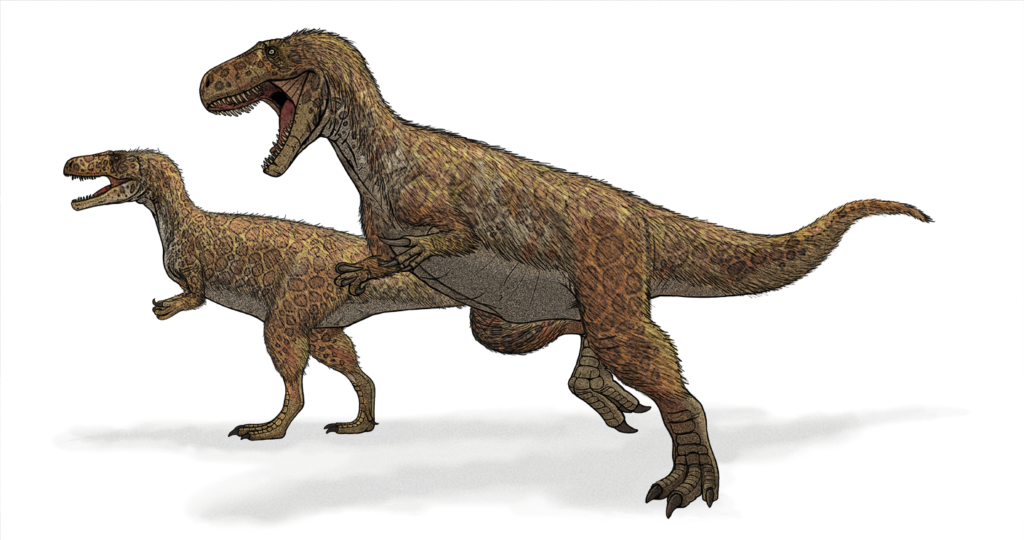
The Earth lay in ruins. Volcanic ash choked the skies, acid rain scorched the land, and entire ecosystems crumbled into dust. This wasn’t a scene from a post-apocalyptic movie—it was reality 252 million years ago, when the Permian-Triassic extinction event wiped out 96% of marine species and 70% of terrestrial vertebrates. Yet from this biological wasteland emerged something extraordinary: the first dinosaurs. These remarkable creatures didn’t just survive the aftermath of Earth’s greatest catastrophe—they thrived, evolved, and eventually dominated the planet for over 160 million years.
The Dawn of Dinosaur Dominance
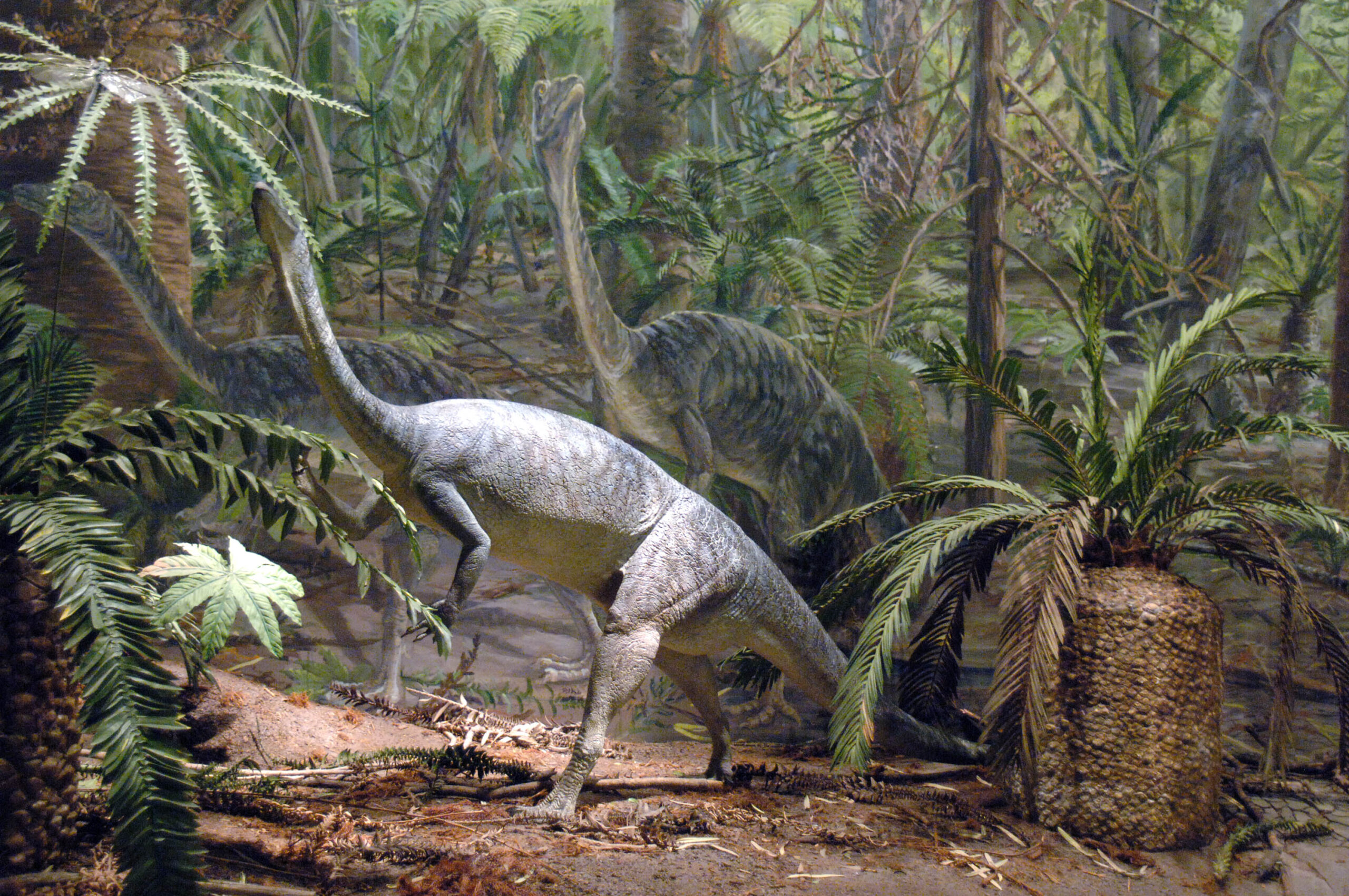
When we think of dinosaurs, massive predators like T. rex or gentle giants like Brachiosaurus often come to mind. But the first dinosaurs were nothing like these later behemoths. Triassic dinosaurs were typically small, agile creatures that stood no taller than a modern dog.
These early pioneers emerged around 230 million years ago in what is now Argentina and Brazil. Fossils like Eoraptor and Herrerasaurus reveal creatures that were built for speed rather than size. Their lightweight bones, long legs, and bipedal stance gave them crucial advantages in a world still recovering from mass extinction.
What’s truly fascinating is how these humble beginnings would eventually lead to the most successful group of land animals in Earth’s history. The Triassic Period became their launching pad, setting the stage for millions of years of evolutionary innovation.
Starting Small in a Broken World
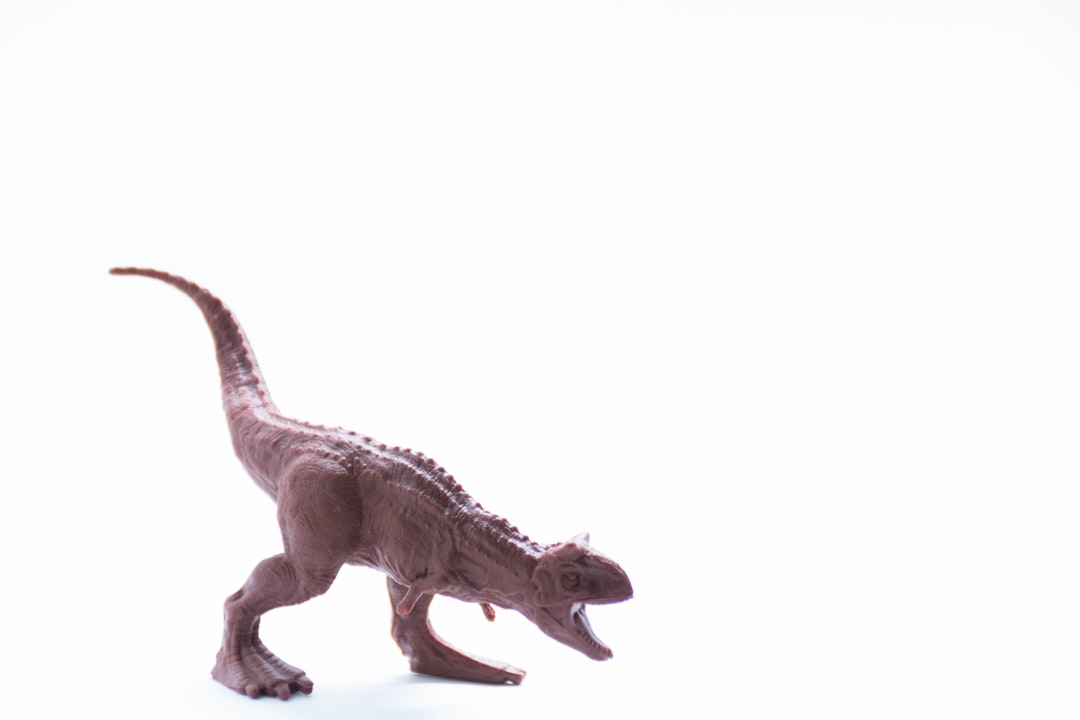
The post-extinction Triassic landscape was harsh and unforgiving. Temperatures soared, deserts expanded, and food sources were scarce. In this challenging environment, being small wasn’t a disadvantage—it was a survival strategy.
Early dinosaurs like Staurikosaurus measured just six feet long and weighed less than 70 pounds. This compact size meant they needed less food to survive, could hide more easily from predators, and could exploit ecological niches that larger animals couldn’t access. Think of them as the ecological equivalent of startup companies—lean, adaptable, and ready to seize opportunities.
Their small stature also allowed them to be incredibly energy-efficient. While larger reptiles struggled to find enough food in the depleted ecosystems, these dinosaur pioneers could thrive on insects, small reptiles, and whatever vegetation they could find.
The Power of Bipedalism
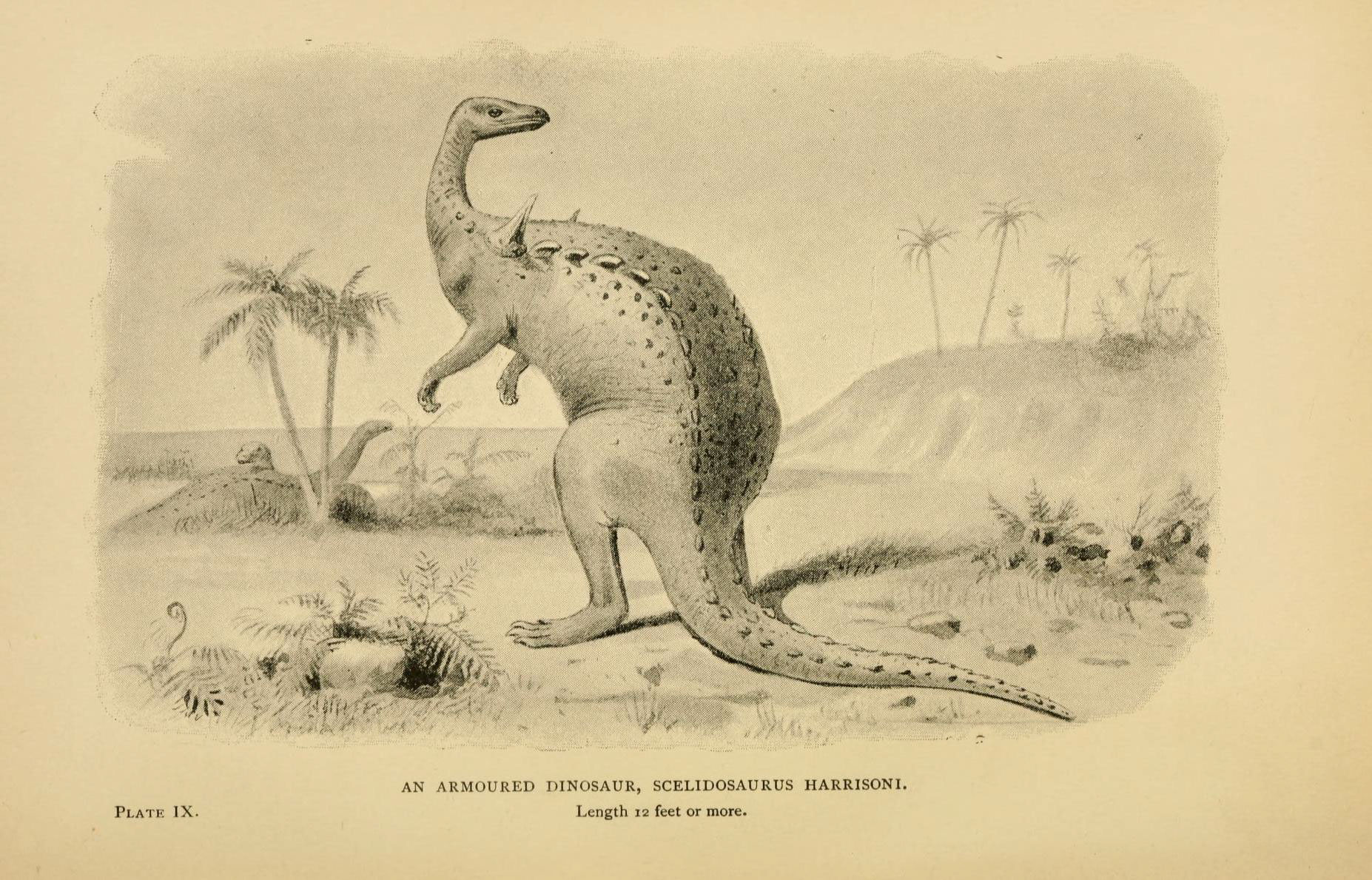
One of the most revolutionary innovations of early dinosaurs was their commitment to walking on two legs. This wasn’t just a quirky evolutionary experiment—it was a game-changing adaptation that would define their success for millennia.
Bipedalism freed their front limbs from the burden of locomotion, allowing them to evolve into incredibly versatile tools. They could grab prey, manipulate objects, and even develop into wings in some lineages. This flexibility gave them a massive advantage over their four-legged competitors.
The upright posture also improved their breathing efficiency and allowed for better heat regulation. In the sweltering Triassic climate, being able to cool down effectively could mean the difference between life and death during the hottest parts of the day.
Dietary Flexibility as a Survival Tool
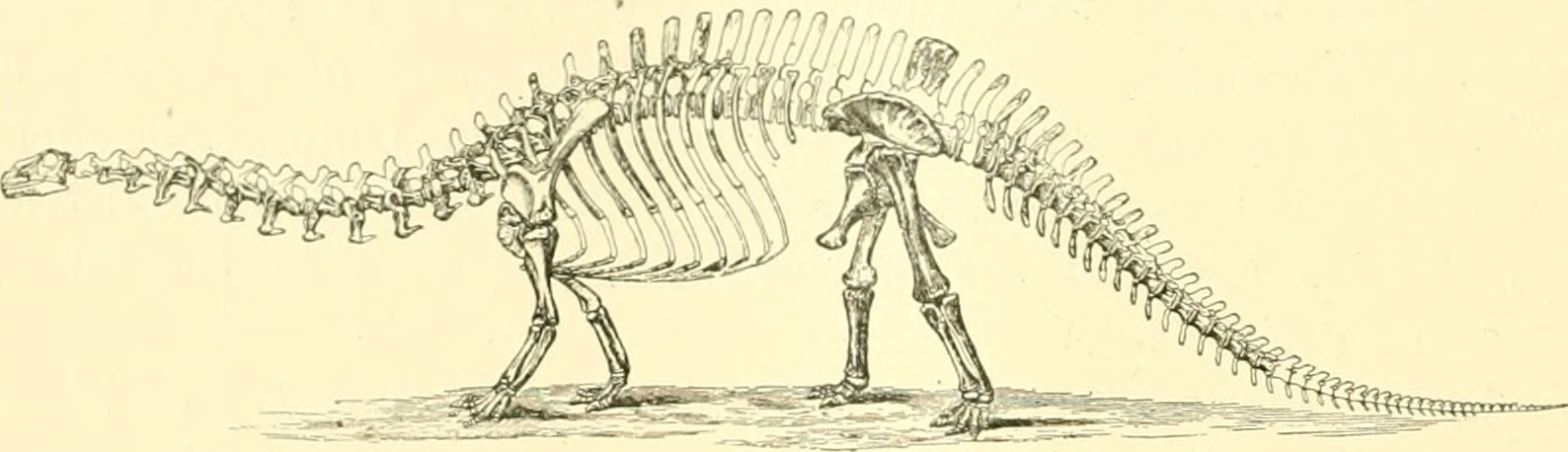
Perhaps nothing illustrates the survival wisdom of Triassic dinosaurs better than their approach to food. Unlike many of their contemporaries who were strict specialists, early dinosaurs were remarkably flexible in their dietary choices.
Some, like Coelophysis, were opportunistic predators that would eat fish, small reptiles, and even other dinosaurs when times were tough. Others experimented with plant-based diets, developing the first adaptations for herbivory that would later evolve into the massive sauropods we know today.
This dietary flexibility meant that when one food source disappeared, they could quickly switch to another. In a world where ecosystems were constantly shifting and changing, this adaptability was invaluable. It’s a lesson that resonates even today—diversification can be the key to surviving uncertain times.
Social Cooperation in Times of Crisis
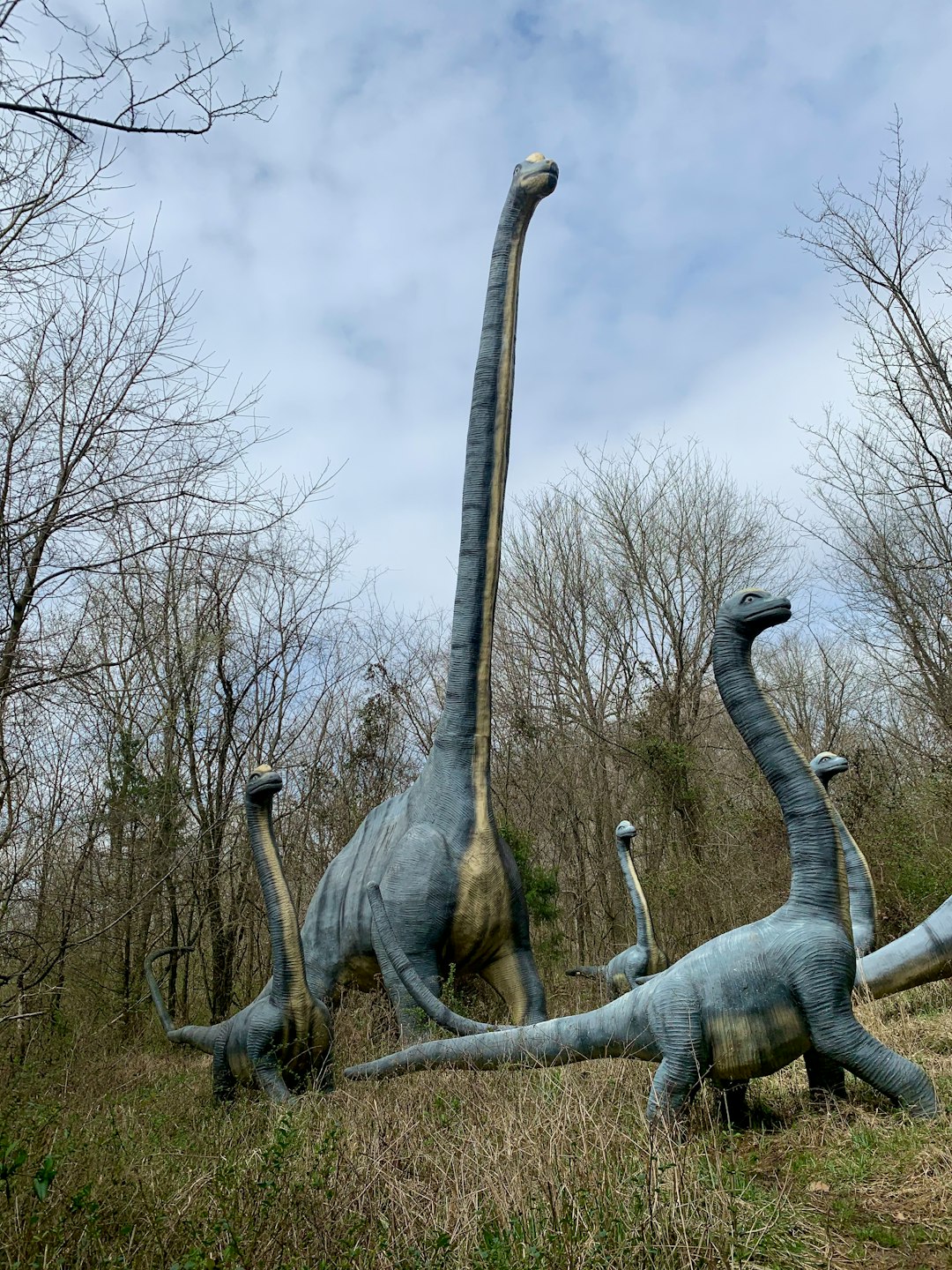
Fossil evidence suggests that some Triassic dinosaurs weren’t just surviving as individuals—they were working together. Sites like Ghost Ranch in New Mexico have revealed hundreds of Coelophysis fossils buried together, suggesting these early dinosaurs lived and traveled in groups.
Social behavior would have provided numerous advantages in the harsh Triassic world. Groups could hunt more effectively, share information about food sources, and provide protection from predators. Young dinosaurs could learn crucial survival skills from their elders, passing down knowledge that helped the entire group thrive.
This cooperative spirit stands in stark contrast to the every-creature-for-itself mentality that might seem more logical in a resource-scarce environment. Yet by working together, these early dinosaurs proved that collaboration could be more powerful than competition.
Rapid Evolution and Adaptation
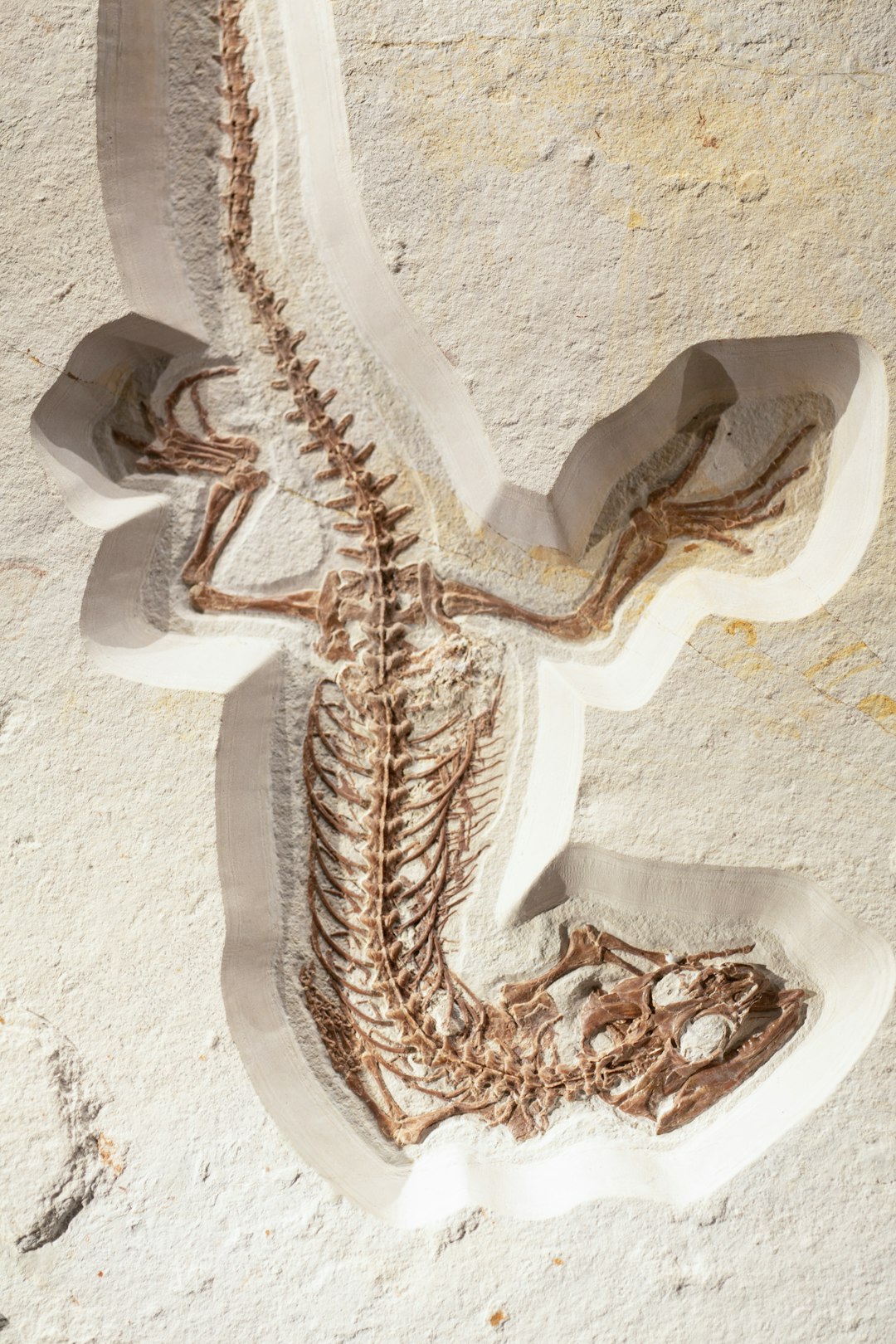
The Triassic Period witnessed an explosion of dinosaur diversity that would make Darwin’s finches look conservative. In just 50 million years, dinosaurs evolved from small, similar-looking creatures into an incredible array of forms and sizes.
This rapid evolutionary pace wasn’t accidental—it was a response to the vacant ecological niches left by the Permian extinction. With so many empty spaces in the ecosystem, dinosaurs could experiment with new body plans, diets, and behaviors without facing intense competition.
Some grew larger and became the first long-necked sauropods. Others developed armor and became the ancestors of heavily defended ankylosaurs. Still others refined their predatory skills, leading to the fearsome theropods that would dominate later periods. This evolutionary explosion demonstrates how catastrophe can sometimes create unexpected opportunities for those prepared to seize them.
Temperature Regulation Innovation
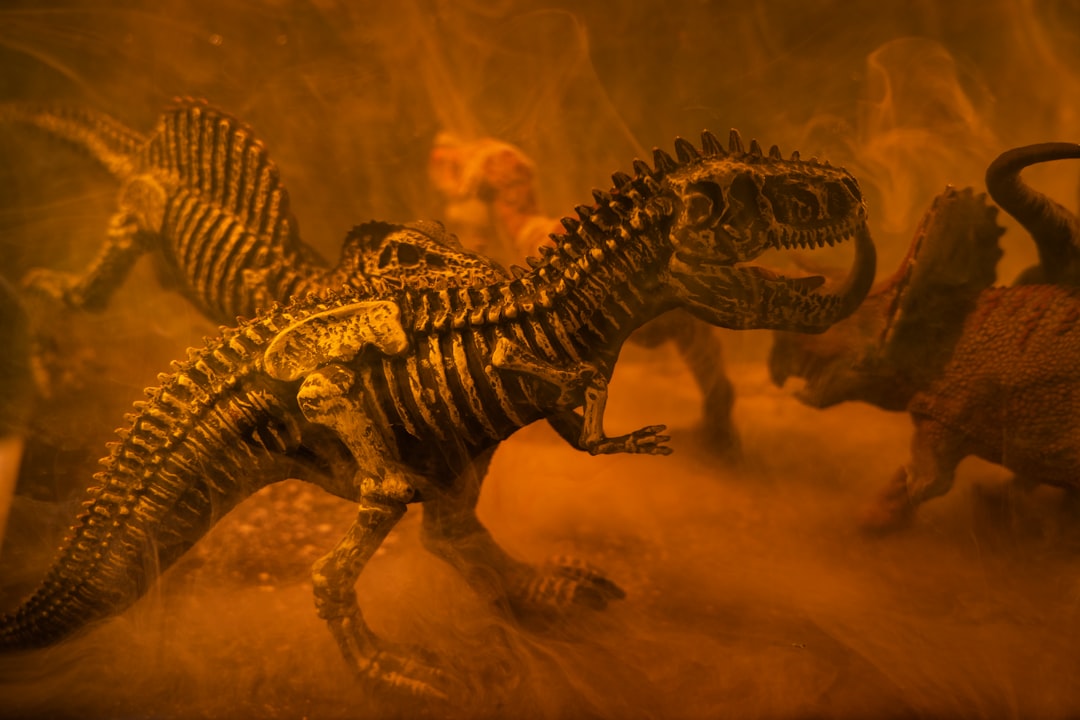
The Triassic climate was notoriously hot and dry, with temperatures that would have been lethal to many animals. Early dinosaurs developed sophisticated strategies for dealing with these extreme conditions that reveal their remarkable physiological adaptations.
Many possessed features that suggest they were developing improved metabolic control—something between the cold-blooded reptiles and warm-blooded mammals. This “mesothermic” condition allowed them to be active when needed while conserving energy during harsh periods.
Some species show evidence of behavioral thermoregulation, such as burrowing or seeking shade during the hottest parts of the day. These behaviors, combined with their efficient respiratory systems, gave them a crucial edge in surviving the Triassic heat waves that killed off many of their competitors.
The Importance of Efficient Locomotion
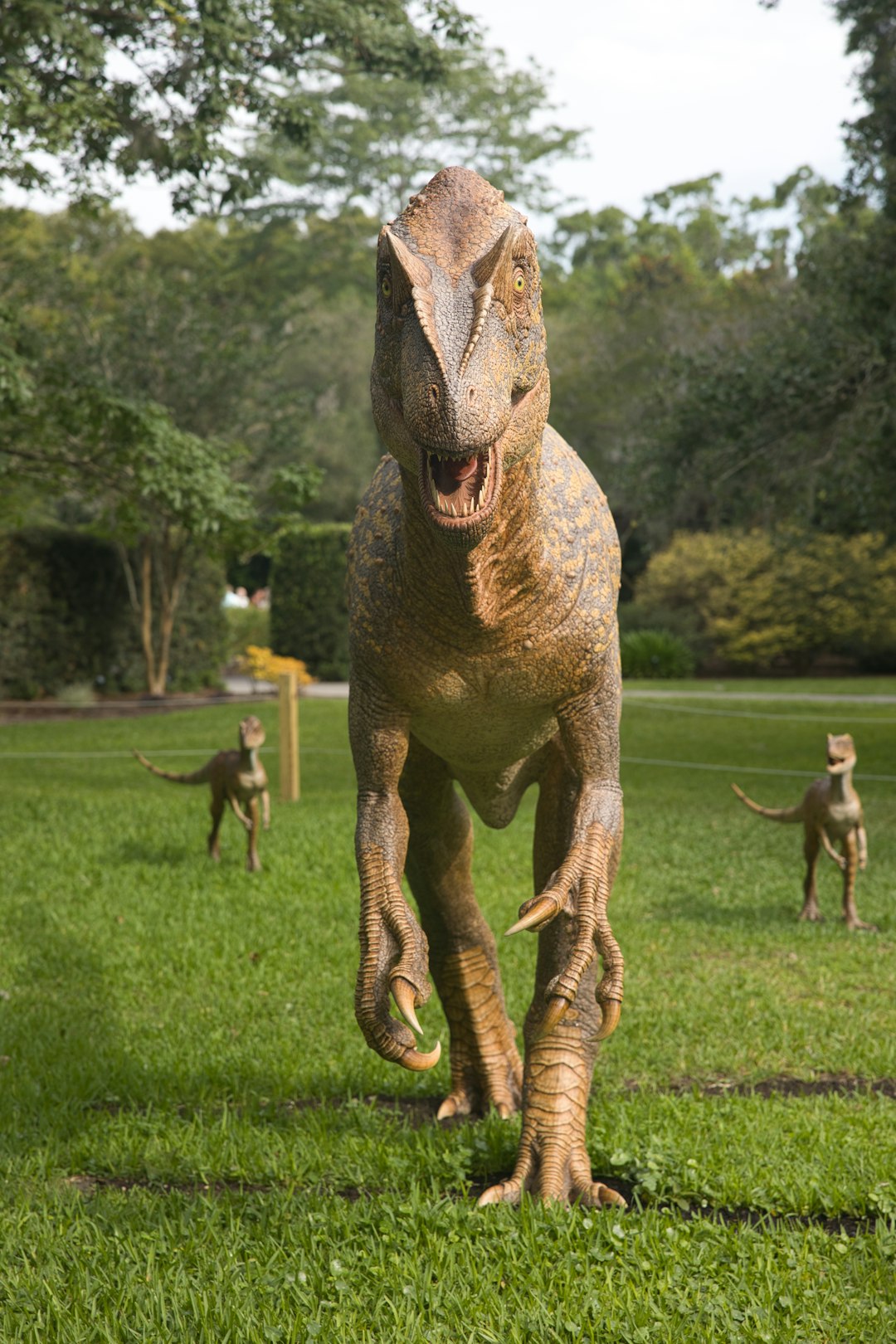
Speed kills—but in the Triassic, speed also saved lives. Early dinosaurs developed incredibly efficient ways of moving that conserved energy while maximizing their ability to escape danger or pursue prey.
Their upright stance and digitigrade posture (walking on their toes) gave them a spring-loaded gait that was both energy-efficient and fast. This was like having a built-in suspension system that allowed them to cover large distances with minimal effort.
The ability to move efficiently across the landscape was crucial in a world where resources were scattered and unpredictable. Dinosaurs that could quickly travel between food sources or escape from deteriorating conditions had a significant survival advantage over their slower-moving competitors.
Respiratory Advantages
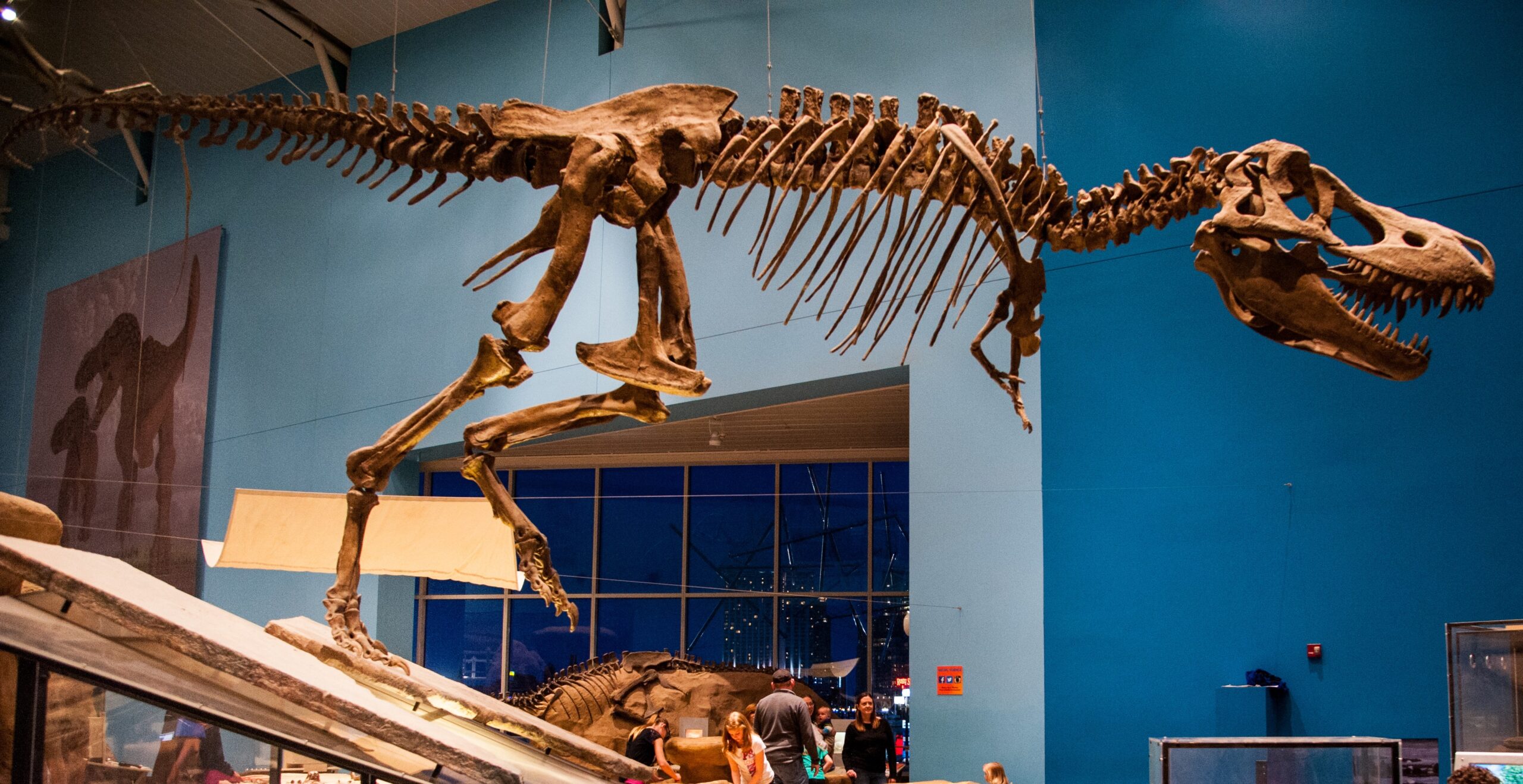
One of the most remarkable innovations of early dinosaurs was their respiratory system, which would eventually become the most efficient breathing apparatus in the animal kingdom. Even in the Triassic, they were developing features that gave them significant advantages over their contemporaries.
Their hollow bones and efficient air sac system allowed them to extract more oxygen from each breath than other reptiles. This was particularly important in the Triassic atmosphere, which had lower oxygen levels than today’s air.
This respiratory efficiency meant they could maintain high activity levels even when conditions were challenging. While other animals were gasping for breath, dinosaurs could keep hunting, fleeing, or foraging with remarkable endurance.
Opportunistic Niche Exploitation
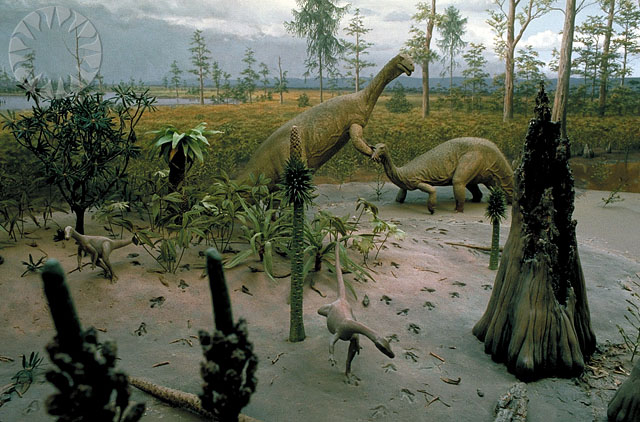
The post-extinction Triassic world was like a vast, empty theater with most of the seats vacant. Early dinosaurs proved to be masterful at identifying and exploiting these empty ecological niches before their competitors could establish themselves.
Some moved into aquatic environments, developing semi-aquatic lifestyles that allowed them to exploit fish populations that other land animals couldn’t access. Others became specialized insectivores, taking advantage of the abundance of insects in the recovering ecosystems.
This opportunistic approach to niche exploitation demonstrates a crucial survival principle: sometimes the best strategy is to look for opportunities where others see only problems. The Triassic dinosaurs didn’t just adapt to their environment—they actively sought out ways to thrive in it.
Parental Care and Reproduction Strategies

Fossil evidence suggests that many Triassic dinosaurs were already developing sophisticated parental care behaviors that would become hallmarks of their later success. Nesting sites and evidence of adult-juvenile associations indicate that these early dinosaurs invested heavily in their offspring’s survival.
This parental investment strategy was particularly valuable in the unstable Triassic environment. Young dinosaurs that received care and protection from their parents had much better chances of surviving to adulthood and passing on their genes.
The development of complex reproductive strategies, including possible communal nesting and extended parental care, shows how these early dinosaurs were thinking beyond mere survival to ensuring the success of future generations.
Stress Response and Resilience
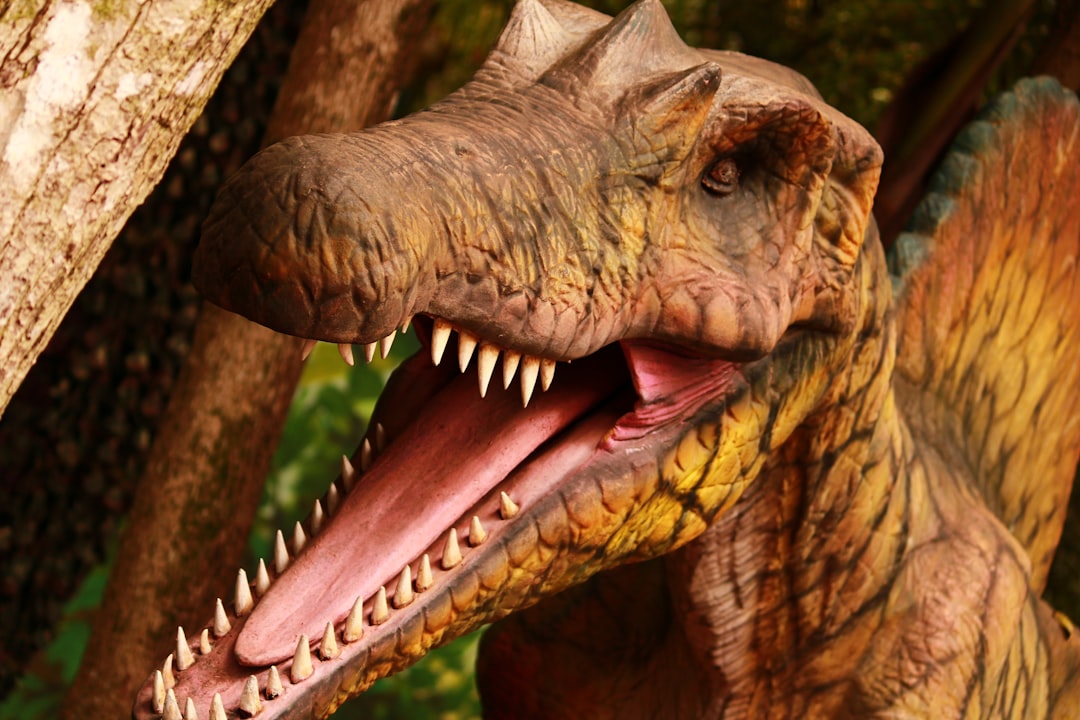
Perhaps most remarkably, Triassic dinosaurs seem to have developed exceptional stress tolerance that allowed them to thrive in conditions that would have overwhelmed other animals. Their ability to cope with environmental uncertainty became one of their defining characteristics.
This resilience wasn’t just physical—it was behavioral and physiological. They could adjust their activity patterns, modify their diets, and even change their social structures in response to environmental pressures.
The stress response systems they developed in the Triassic would serve them well throughout their long evolutionary history, helping them survive multiple subsequent extinction events and climate changes. Their example shows how developing resilience during tough times can provide benefits that last for millions of years.
Lessons for Modern Survival
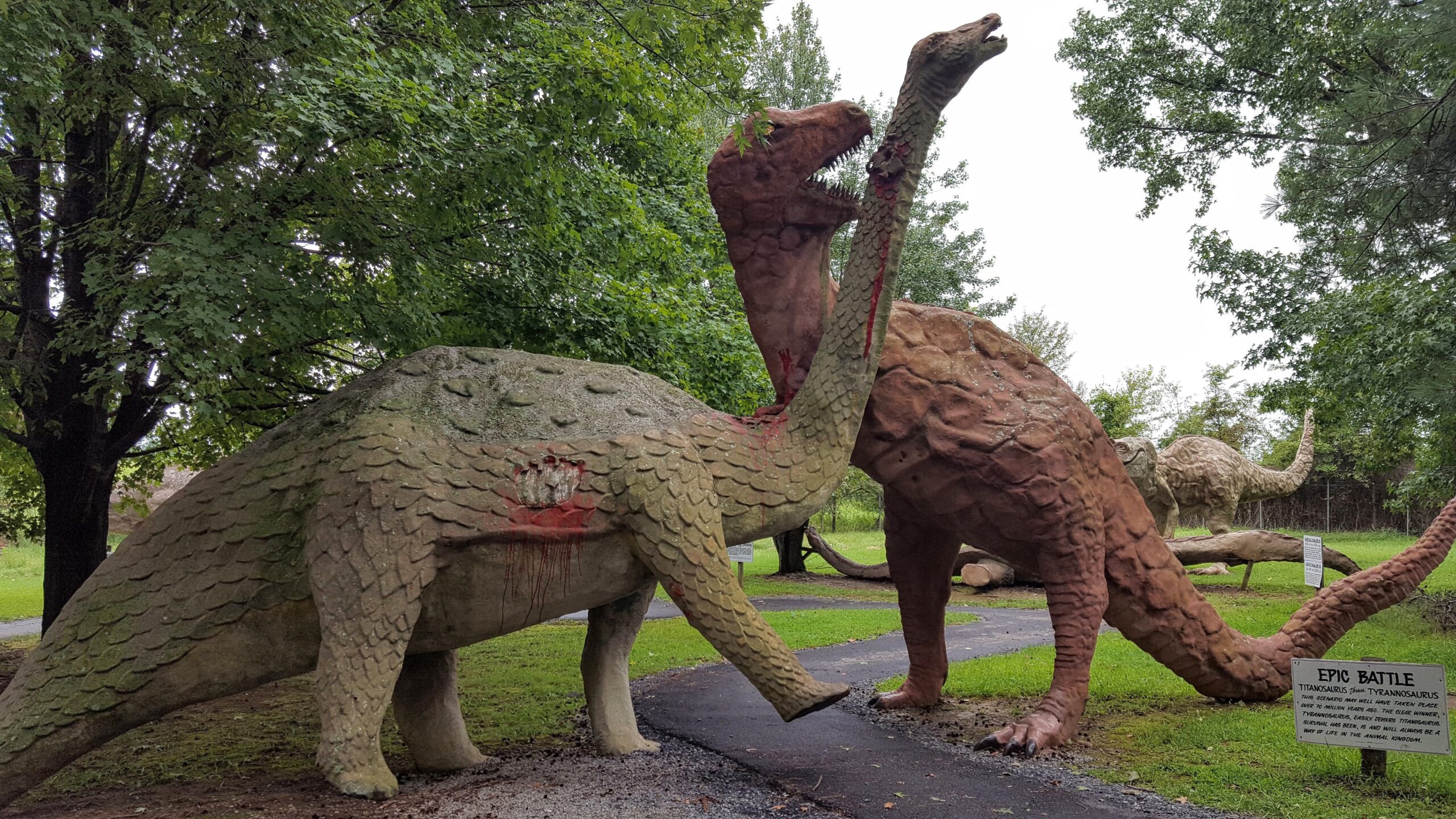
The survival strategies of Triassic dinosaurs offer profound insights for our modern world, which faces its own set of catastrophic challenges. Their success wasn’t built on size, strength, or dominance—it was founded on adaptability, cooperation, and efficient use of resources.
Like those early dinosaurs, we live in a time of rapid environmental change and resource scarcity. Their example suggests that flexibility, innovation, and the willingness to exploit new opportunities may be more valuable than trying to maintain old ways of doing things.
Most importantly, their story reminds us that even the most devastating catastrophes can create opportunities for those prepared to adapt and evolve. The greatest disasters in Earth’s history have often been followed by periods of remarkable innovation and diversification.
The Long-Term Impact
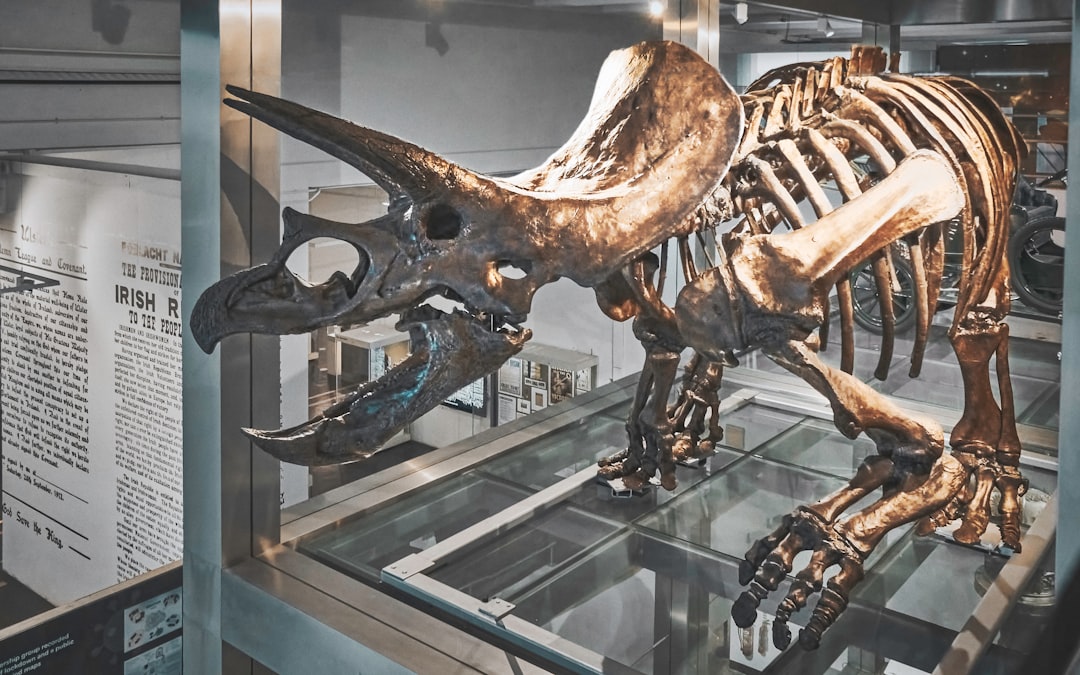
The success of Triassic dinosaurs ultimately reshaped the entire planet. Their innovations in locomotion, metabolism, and behavior would influence the evolution of all terrestrial vertebrates that followed. Birds, their direct descendants, still carry many of the adaptations that first appeared in those early post-extinction survivors.
Their rise also fundamentally changed how ecosystems function. The efficiency and adaptability they developed became the template for successful life on land, influencing everything from predator-prey relationships to the cycling of nutrients through ecosystems.
Perhaps most remarkably, their legacy continues today in the form of modern birds, which remain one of the most successful and diverse groups of animals on Earth. The survival strategies that worked 230 million years ago are still working today, proving their fundamental effectiveness.
The story of Triassic dinosaurs is ultimately a story of hope emerging from devastation. These remarkable creatures faced the aftermath of the worst extinction event in Earth’s history and not only survived but flourished. Their secrets—staying small and flexible, working together, innovating rapidly, and efficiently using available resources—offer timeless lessons about resilience and adaptation. In our current age of environmental challenges, their example reminds us that catastrophes, while devastating, can also create opportunities for those willing to evolve and adapt. What survival strategies from these ancient masters might we need to embrace in our own uncertain times?