Imagine walking through ancient forests 68 million years ago, when the ground would shake beneath your feet from footsteps that weren’t your own. In those prehistoric landscapes of what we now call North America, one predator ruled supreme with such devastating efficiency that its very name has become synonymous with ultimate power. But how did this massive carnivore rise to become nature’s most feared killing machine?
The Rise of a Monster: From Humble Beginnings to Apex Predator
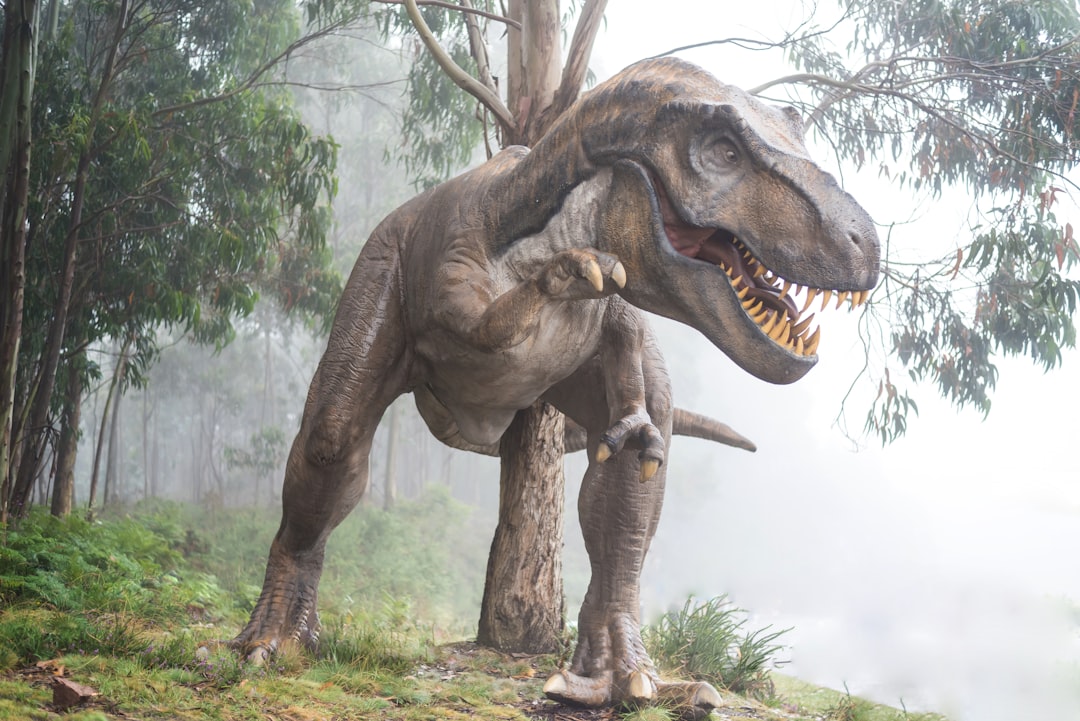
The long and complex backstory of tyrannosaurs is not one of dinosaur dominance but that of a group of reptilian underdogs that lived alongside larger predators until they stepped into the apex predator role themselves. For tens of millions of years, tyrannosaurs were not the apex predators of their habitats. The earliest tyrannosaurs often lived alongside much larger predators, such as Allosaurus and its relatives.
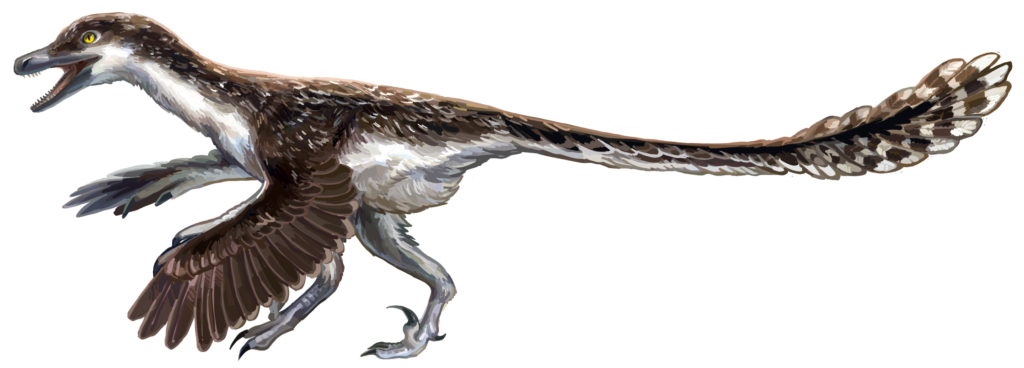
Only after the other large carnivores disappeared did tyrannosaurs go through their evolutionary growth spurt, a point underscored by the small tyrannosaur Moros from the 96-million-year-old rocks of Utah. This transformation wasn’t gradual – it was revolutionary. Sometime after Raptorex, perhaps as little as 10 million years later, tyrannosaurs emerged as the dominant large-bodied predators in Asia and North America. But nearly 50 million years would pass before the very largest of descendants, like T. rex, evolved.
Built for Destruction: The Engineering Marvel of T. rex’s Skull
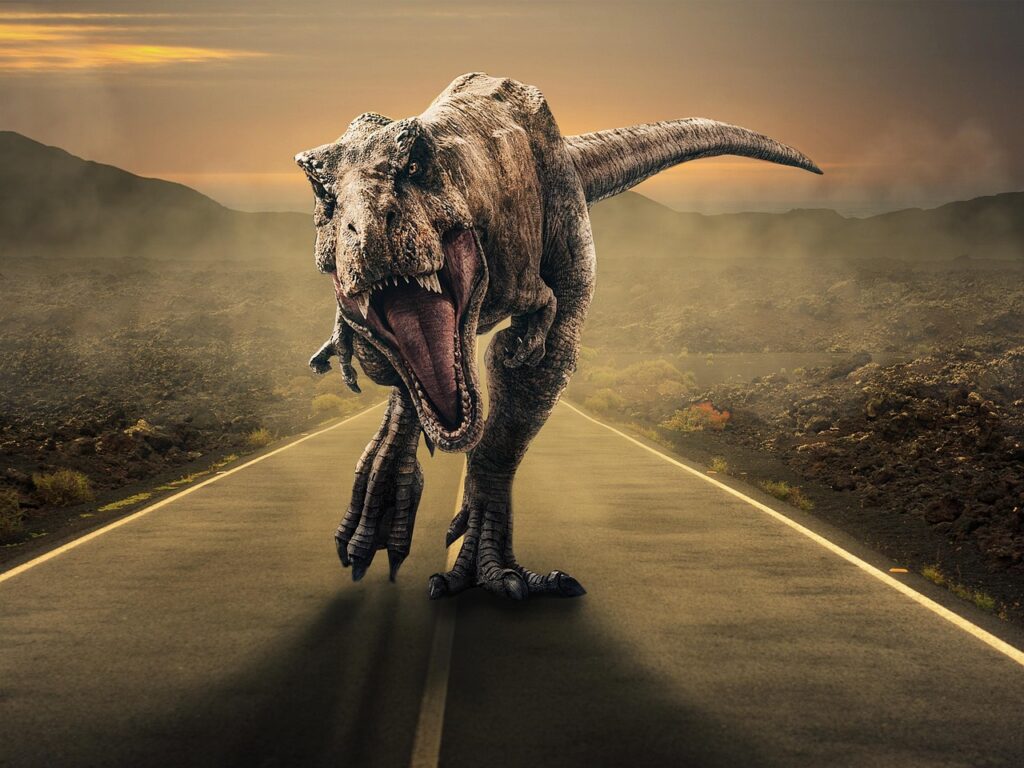
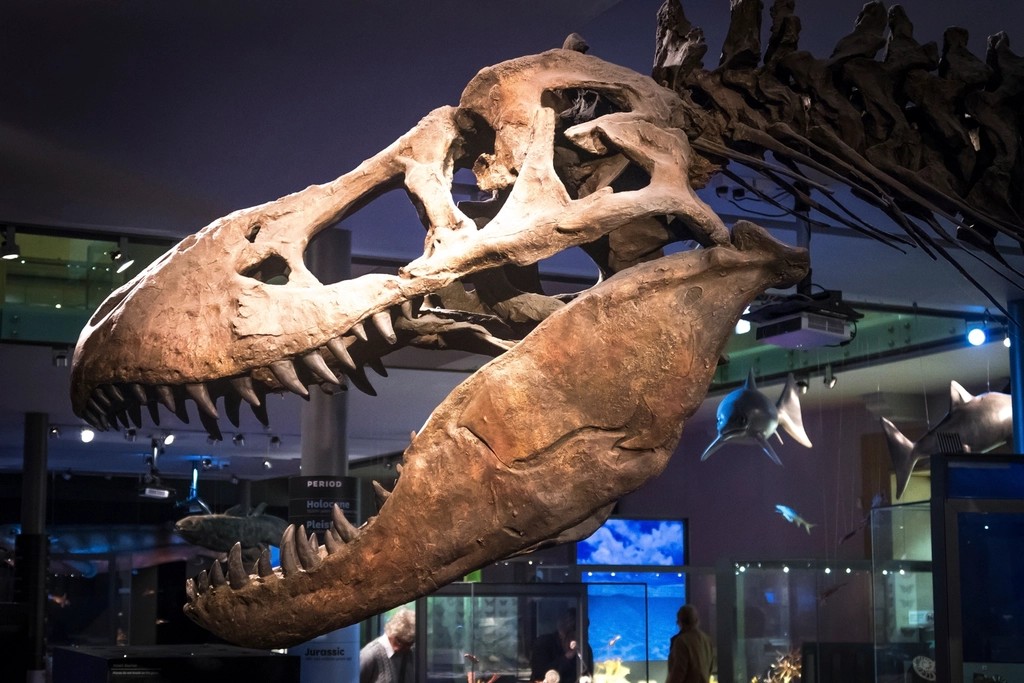
The T. rex had a massive skull, up to 5.1 feet long, built for powerful bites. Its skull was wide at the back, tapering to a narrow snout, which provided excellent binocular vision. This wasn’t just size for intimidation – every bone served a lethal purpose. Skull bones were substantial; some, like the nasals, were fused for rigidity. Many bones were also pneumatized, containing a honeycomb-like structure of air spaces that reduced weight while maintaining strength.
The secret weapon lay in the jaw’s construction. The T. rex mandible is a complicated arrangement of various bones, but “the prearticular seems to lock the system together,” says Thomas Holtz, Jr., a vertebrate paleontologist at the University of Maryland in College Park who wasn’t involved in the study. This small but crucial bone allowed the massive predator to generate forces that would crush modern vehicles with ease.
Jaws of Annihilation: The Most Powerful Bite in Earth’s History
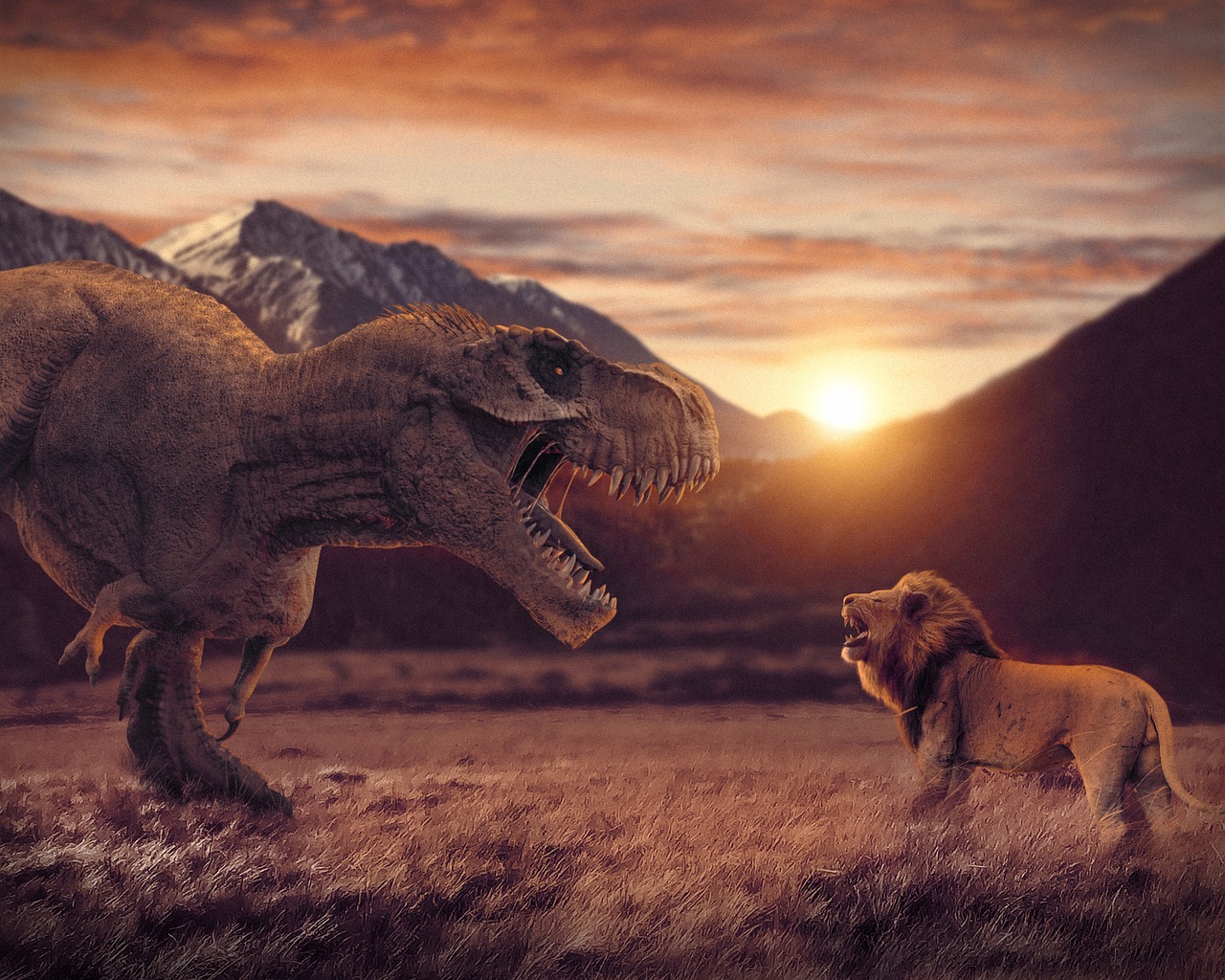
When T. rex clamped down on prey, physics became weaponized. Models predict that adult T. rex generated sustained bite forces of 35 000–57 000 N at a single posterior tooth, by far the highest bite forces estimated for any terrestrial animal. To put this in perspective, The king of dinosaurs could bite down with a force of 7,800 pounds-force (34,522 newtons), a force equal to the weight of three small cars, the researchers found.
But the real devastation came from tooth pressure. But the real damage T. rex inflicted came from its teeth, each of which could exert pressures reaching 431,000 pounds per square inch (2,974 megapascals), “which allowed T. rex to bite through and even shatter bone before consuming it,” said lead study researcher Paul Gignac, an assistant professor of anatomy and vertebrate paleontology at the Oklahoma State University Center for Health Sciences. Most extinct dinosaurs did not have this bone-splintering ability, nor do modern reptiles.
Dental Arsenal: Teeth Designed for Maximum Carnage
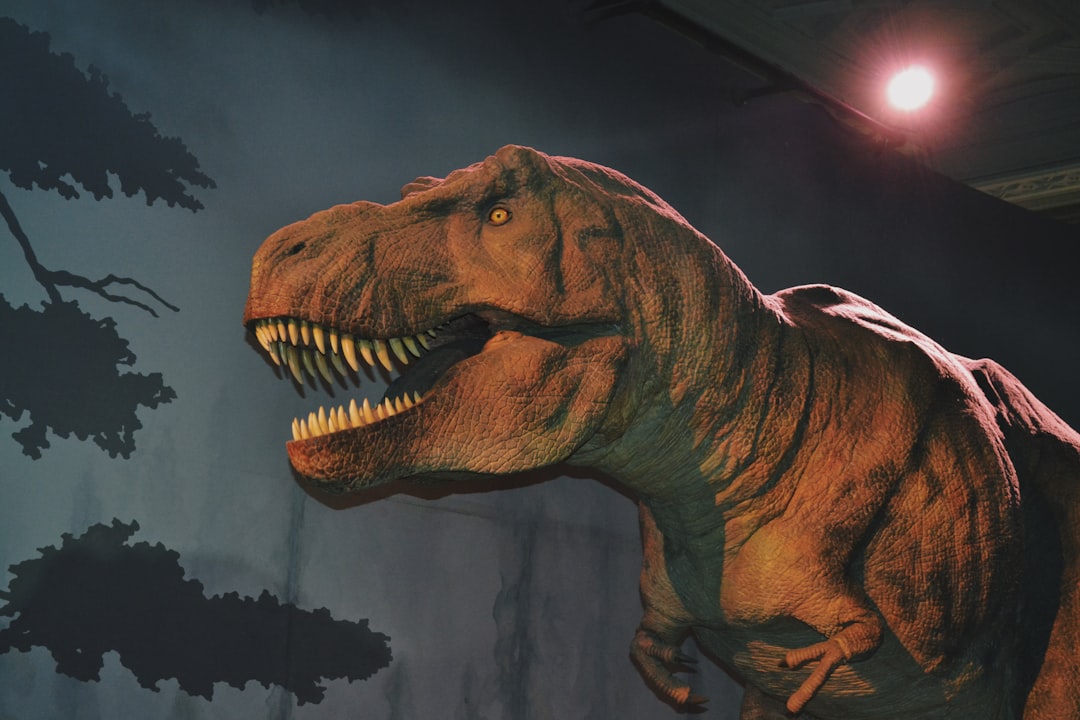
This dinosaur used its 60 serrated teeth, each up to six inches long, to pierce and grip flesh, throwing prey into the air and swallowing it whole. But these weren’t uniform weapons. Its teeth were not uniform; the premaxillary teeth at the front were D-shaped, closely packed, and curved backward with reinforcing ridges to grip and pull prey. The remaining teeth were robust, often described as “lethal bananas,” wider spaced, and featured reinforcing ridges for bone crushing.
For example, the upper jaw alone had more than 30 teeth. Three of these teeth (on each side) were particularly large and typically engaged the tissues of prey or scavenged carcasses first to invoke damage to bone. Each tooth was a precision instrument of death, evolved over millions of years to maximize tissue damage and bone destruction.
The Ultimate Predatory Machine: Body Built for Killing
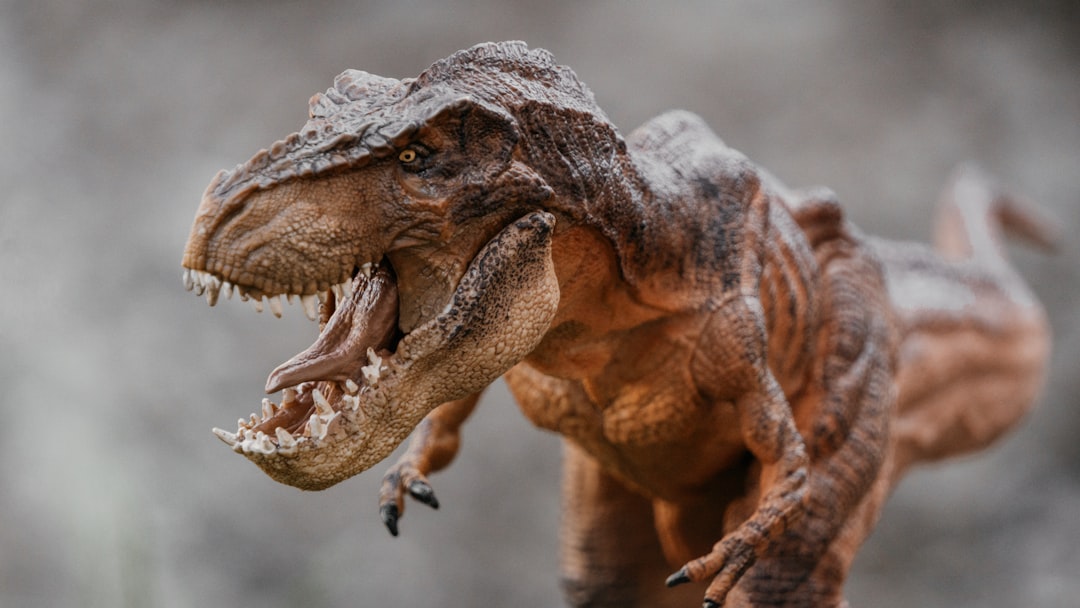
Tyrannosaurus rex, whose name means “king of the tyrant lizards,” was built to rule. This dinosaur’s muscular body stretched as long as 40 feet – about the size of a school bus – from its snout to the tip of its powerful tail. Weighing up to eight tons, T. rex stomped headfirst across its territory on two strong legs.
The legs themselves were engineering marvels. T. rex hind limbs were powerfully built to support its massive body and facilitate movement. The femur, tibia, and fibula were thick and sturdy, enabling the dinosaur to bear its weight and take powerful strides. Evidence suggests dense bone, particularly in load-bearing areas like the leg bones, designed to withstand force. The bones also featured an internal structure that provided strength without excessive weight.
Growth Rate Revolution: From Juvenile to Giant in Record Time
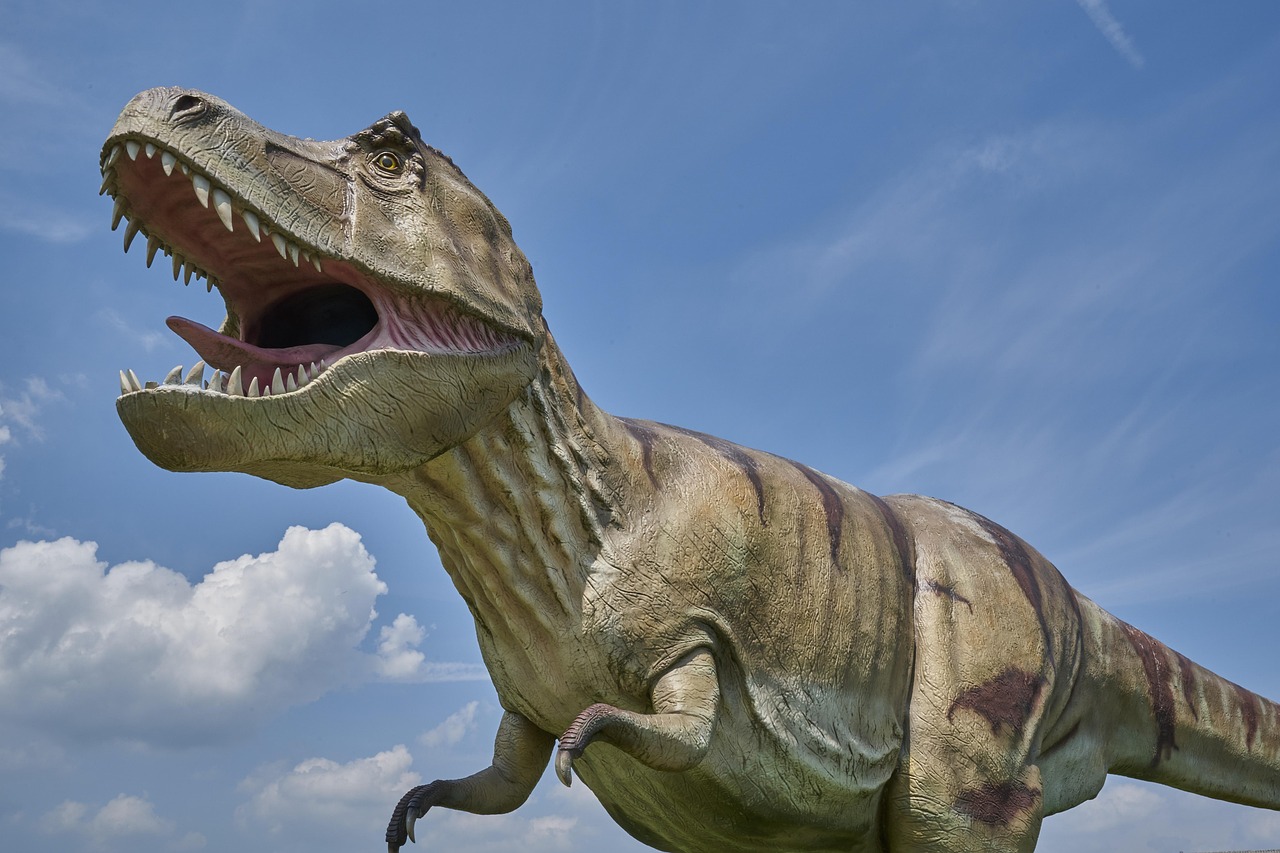
T. rex didn’t spend decades slowly reaching adult size – it underwent explosive growth spurts that put modern animals to shame. These analyses suggest T. rex experienced rapid growth spurts during adolescence, reaching adult size in less than 20 years. This accelerated growth rate is comparable to a modern African elephant. This rapid development enabled the T. rex to quickly attain the size and strength needed to dominate its ecosystem.
By the age of 13, the bite force of a Tyrannosaurus rex could already puncture bone. The study reveals that juvenile T. rexes, while not yet able to crush bones like their 30- or 40-year-old parents, were developing their biting techniques and strengthening their jaw muscles to be able do so once their adult teeth came in. Even teenagers were formidable predators in their own right.
Sensory Superiority: The Super-Powered Hunter
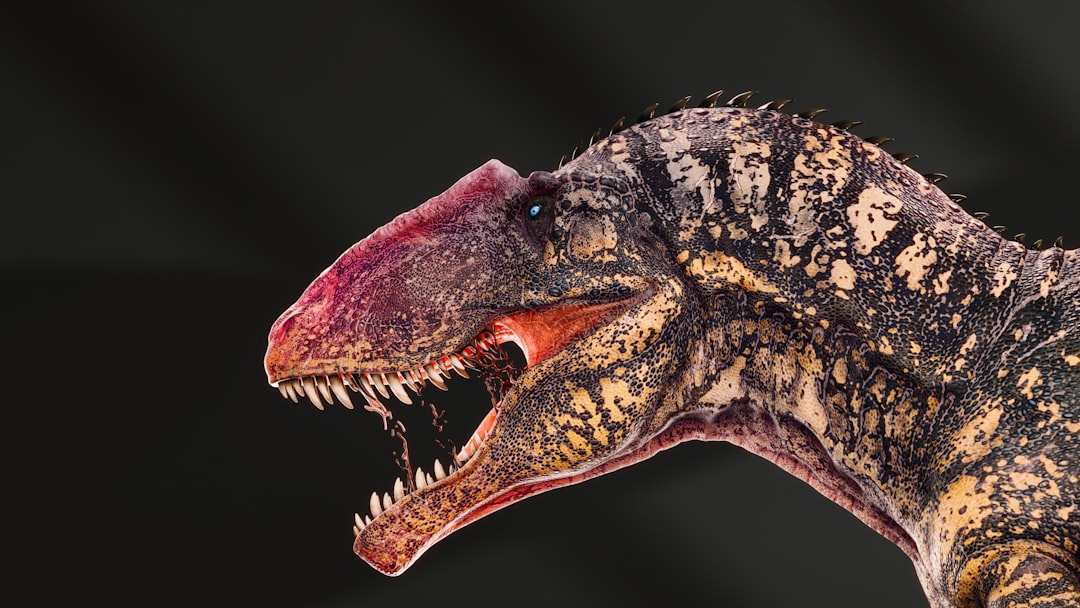
T. rex wasn’t just brawn – it possessed sensory capabilities that made it a nearly unstoppable hunter. Tyrannosaurus had very large olfactory bulbs and olfactory nerves relative to their brain size, the organs responsible for a heightened sense of smell. This suggests that the sense of smell was highly developed, and implies that tyrannosaurs could detect carcasses by scent alone across great distances. Research on the olfactory bulbs has shown that T. rex had the most highly developed sense of smell of 21 sampled non-avian dinosaur species.
Their hearing was equally impressive. Somewhat unusually among theropods, T. rex had a very long cochlea. Specifically, data suggests that T. rex heard best in the low-frequency range, and that low-frequency sounds were an important part of tyrannosaur behavior. Another study published in 2021 further suggests that Tyrannosaurus had an acute sense of touch, based on neurovascular canals in the front of its jaws, which it could utilize to better detect and consume prey.
The Controversial Arms: Hidden Weapons of Mass Destruction
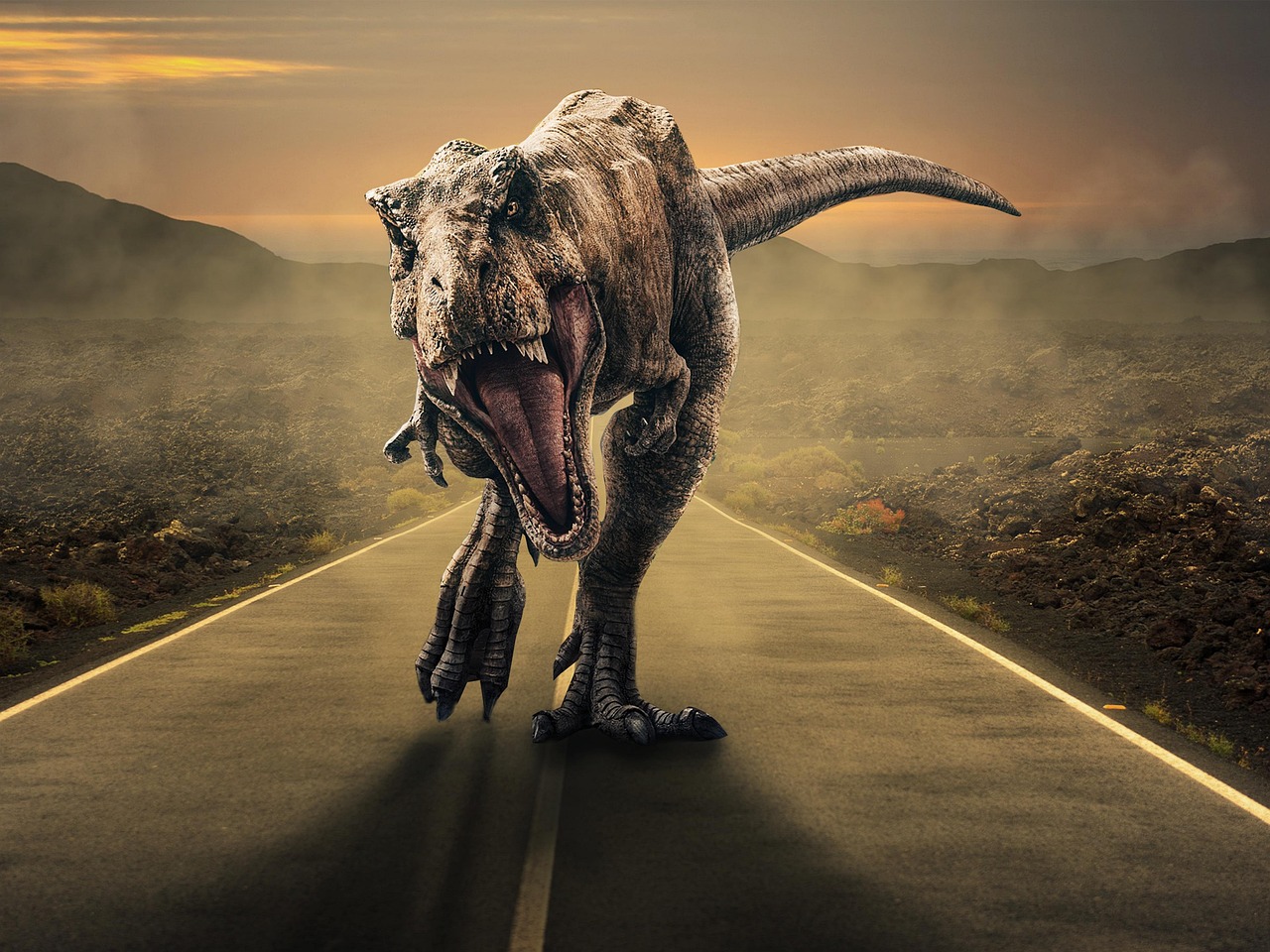
Those famously tiny arms have been the subject of countless jokes, but recent research reveals they were anything but useless. A closer look at the few fossil arms of T. rex show they still had large menacing claws on their remaining two finger digits; they did not reduce in size. Also, Lipkin and Cerpenter (2008) found that T. rex arms were actually incredibly powerful and muscular.
They looked for stress fractures in the arms of T. rex and found that stress fractures were common. Stress fractures occur with extensive use or overuse, not because of trauma. This means T. rex was actively using its arms for something. Far from being vestigial, these compact limbs were specialized tools that served crucial functions in the predator’s hunting strategy.
Intelligence Debate: Smarter Than We Imagined?
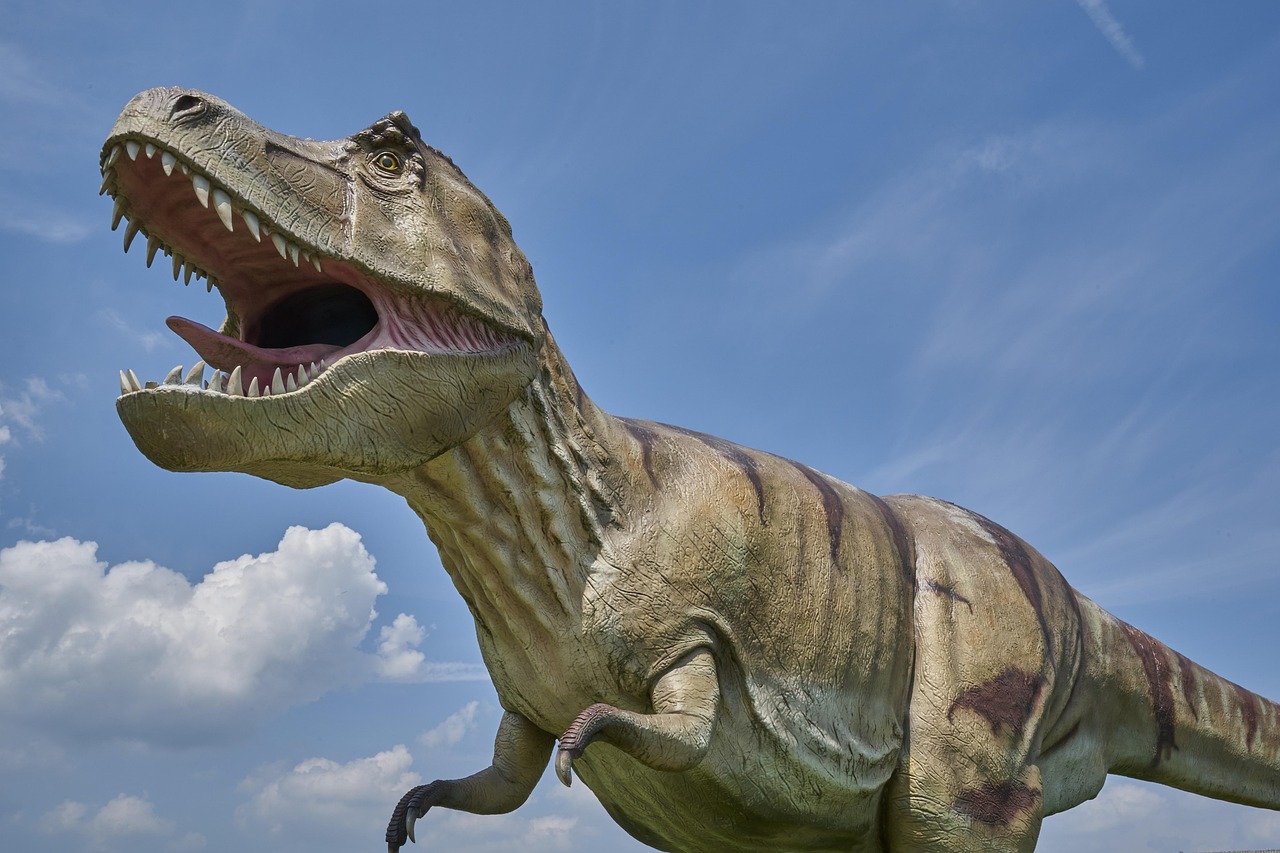
The question of T. rex intelligence has sparked fierce scientific debate. Last year, the iconic Cretaceous dinosaur received the glow-up of a lifetime when Suzana Herculano-Houzel, a neuroscientist at Vanderbilt University in Nashville, calculated that the predator had 3.3 billion neurons in one part of the forebrain alone. The discovery put T. rex’s forebrain on par with modern baboons’.
However, other scientists have challenged these claims. The T. rex telencephalon, a part of the forebrain involved in sensory, cognitive and motor functions, had closer to 360 million neurons, researchers report April 26 in the Anatomical Record. The new estimate suggests that T. rex’s forebrain is more similar to that of modern crocodiles than of primates, the researchers say. A lot of that is simple bias against reptiles,” says University of Maryland paleontologist and tyrannosaur expert Thomas Holtz Jr. “Crocodilians engage in play, deception and problem solving, things that people once thought they didn’t have the brains to do.”
Social Hunters: Pack Behavior Evidence Emerges
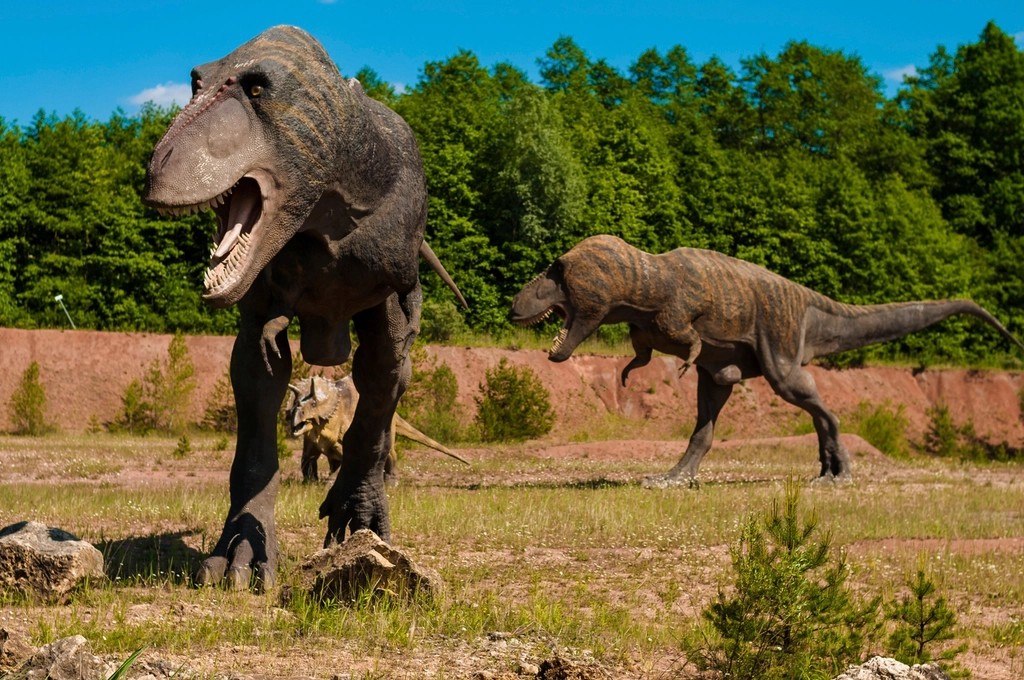
Recent discoveries are challenging the image of T. rex as a solitary monster. In 2014, for example, paleontologists announced a trio of tracks in British Columbia from adult tyrannosaurs, possibly Albertosaurus, walking together in the mud. The following year, a study in the journal PeerJ described fossil evidence that suggested tyrannosaurs often bit at each other’s faces, likely during competition.
However, another mass Tyrannosaurus death site found in Montana lent scientific credence to the theory, and now the Utah discovery has provided even more evidence that these massive creatures weren’t solitary predators, but social hunters. “The new Utah site adds to the growing body of evidence showing that Tyrannosaurs were complex, large predators capable of social behaviors common in many of their living relatives, the birds,” said Joe Sertich, curator of dinosaurs at the Denver Museum of Nature & Science.
Ecological Dominance: Ruling the Late Cretaceous World
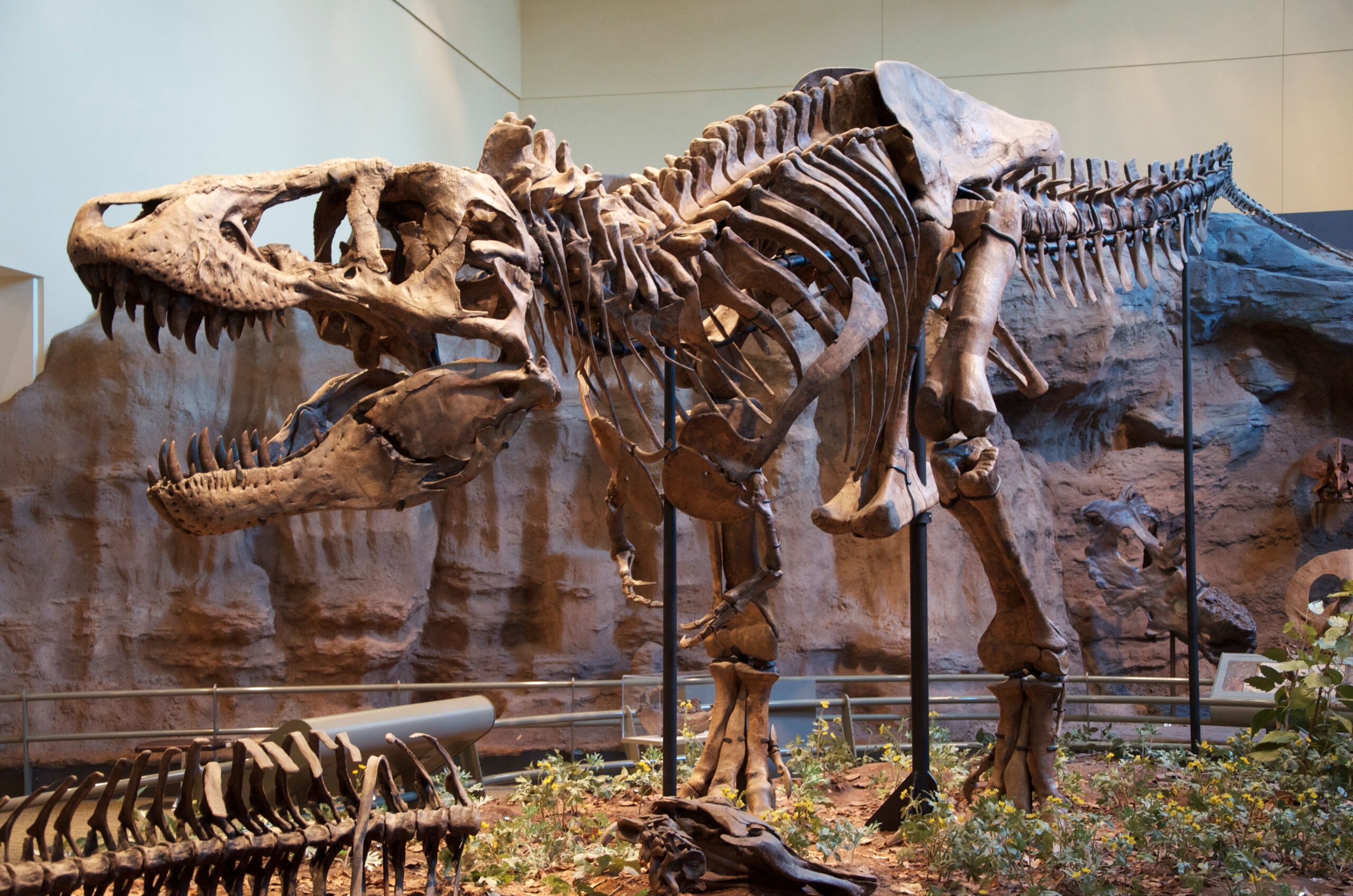
Tyrannosaurus had a much wider range than other tyrannosaurids. Fossils are found in a variety of geological formations dating to the latest Campanian-Maastrichtian ages of the late Cretaceous period, 72.7 to 66 million years ago, with isolated specimens possibly indicating an earlier origin in the middle Campanian. It was the last known member of the tyrannosaurids and among the last non-avian dinosaurs to exist before the Cretaceous–Paleogene extinction event.
Here we report definitive evidence of predation by T. rex: a tooth crown embedded in a hadrosaurid caudal centrum, surrounded by healed bone growth. This indicates that the prey escaped and lived for some time after the injury, providing direct evidence of predatory behavior by T. rex. This fossil evidence proves beyond doubt that T. rex was an active predator, not just a scavenger.
The Perfect Storm: Why T. rex Achieved Ultimate Dominance
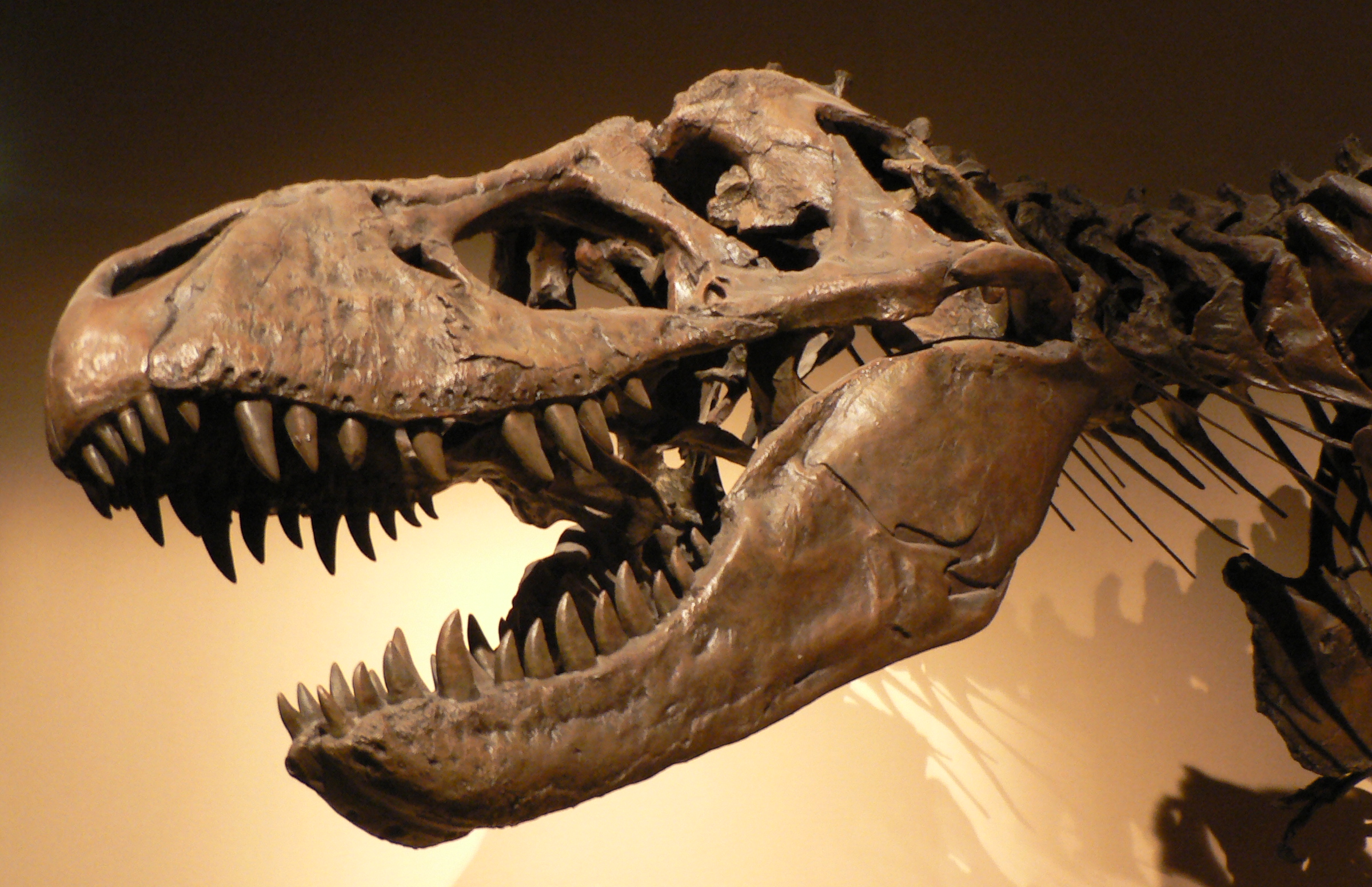
T. rex’s dominance resulted from a perfect convergence of evolutionary adaptations that created the ultimate apex predator. From its large muscular legs that provided unmatched speed and agility, to its bone-crushing bite force that made it a fearsome opponent, every aspect of the T-rex’s physiology was designed for one purpose: survival.
Around 90 million years ago, the Giganotosaurus, a representative of the Carcharodontosaurs, was outcompeted by tyrannosaurs, leading to its extinction. This event left the tyrannosaurs to dominate. Unlike their competitors, T. rex combined raw power with sophisticated sensory systems, rapid growth, and potentially complex social behaviors. This multi-faceted approach to predation made them unbeatable in their ecosystem.
Conclusion: The Ultimate Evolutionary Success Story
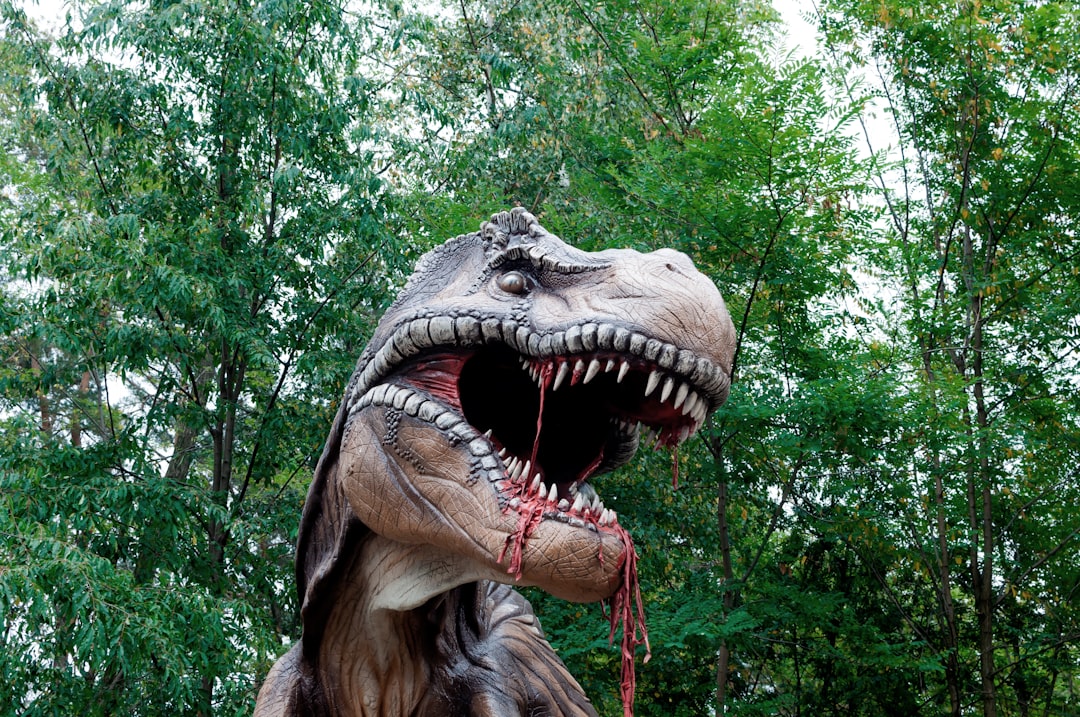
The story of T. rex is ultimately one of evolutionary perfection under pressure. Through millions of years of natural selection, these incredible predators developed every conceivable advantage – from bone-crushing jaws to lightning-fast growth rates to sensory systems that put modern predators to shame. They weren’t just big dinosaurs with sharp teeth; they were sophisticated biological weapons systems that dominated their world for millions of years.
In spite of all its advantages, T. rex was no match for the mass extinction event that claimed three quarters of life on Earth 66 million years ago. This cataclysm occurred when an asteroid or comet the size of a mountain slammed into Earth, wiping out Tyrannosaurus rex along with the rest of the non-avian dinosaurs and bringing a sudden end to the Cretaceous period. Yet their legacy lives on, not just in fossils, but in the blueprint for ultimate predatory success that evolution created in these remarkable creatures.
What other secrets might these ancient titans still hold? The more we discover about T. rex, the more we realize that nature’s most fearsome predator was even more extraordinary than we ever imagined.