Ever wonder why paleontologists get more excited about discovering fossils in a suburban backyard than in some remote canyon? The truth is both surprising and perfectly logical. Surprising fossil locations are uncovered all the time. It’s not a dinosaur conspiracy – prehistoric life existed all around us, even under our shopping centers and subway systems.
Think about it this way – life on Earth didn’t restrict itself to perfect fossil-forming conditions. Ancient creatures lived everywhere, from bustling coastlines to dense forests, from scorching deserts to suburban neighborhoods that wouldn’t exist for millions of years. Their remains ended up in the most ordinary places, waiting patiently beneath our feet while we go about our daily lives completely unaware.
The Desert’s Hidden Marine Treasures
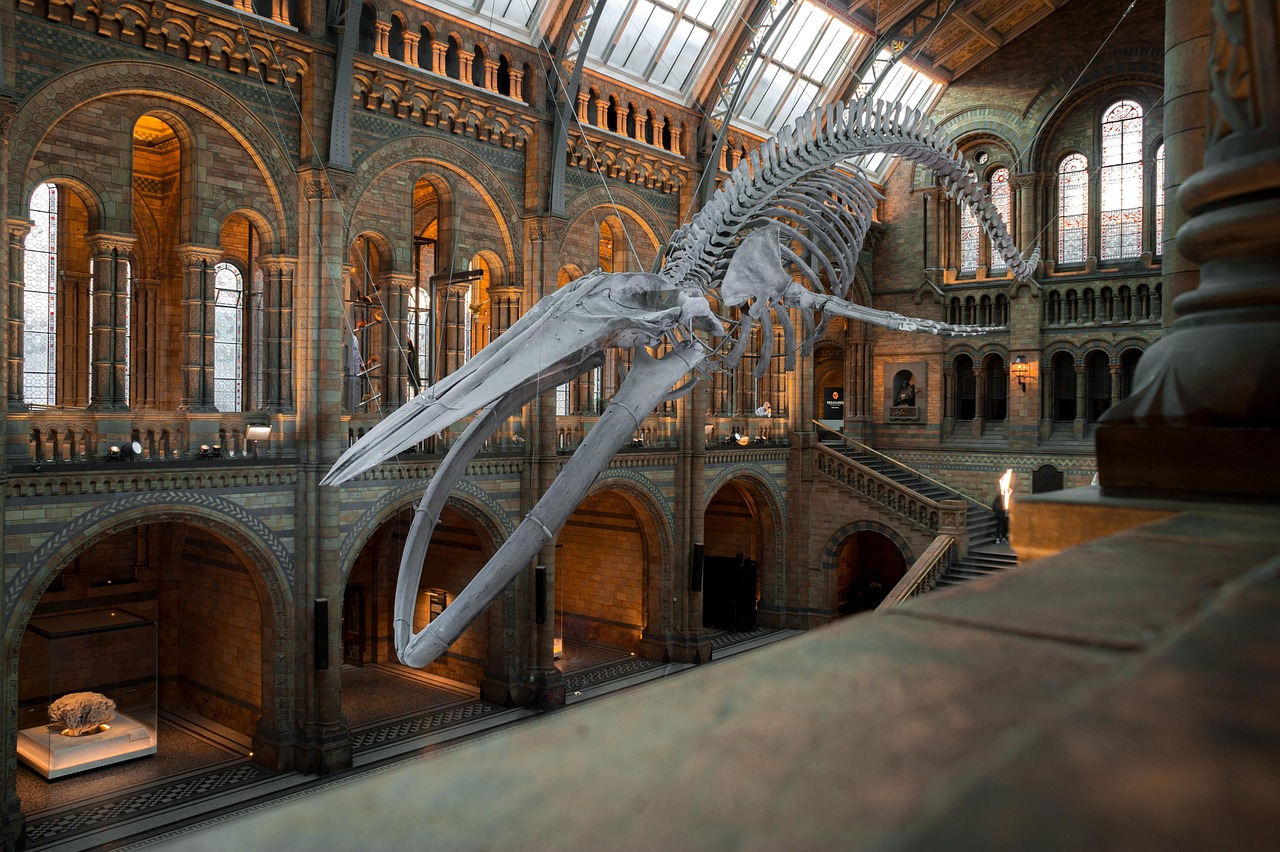
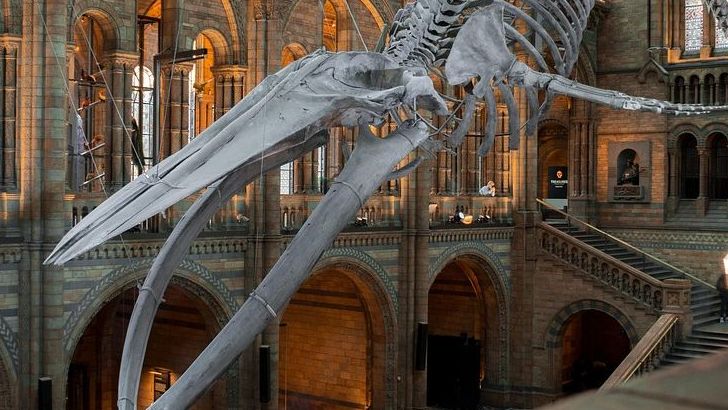
Picture this: you’re standing in the middle of a bone-dry Egyptian desert, not a drop of water for miles around. The last thing you’d expect to find would be whale bones, right? An arid and lifeless desert in Egypt called Wadi Al-Hitan was found to be full of whale and fish fossils. This discovery completely flipped our understanding of what these now-barren landscapes once looked like.
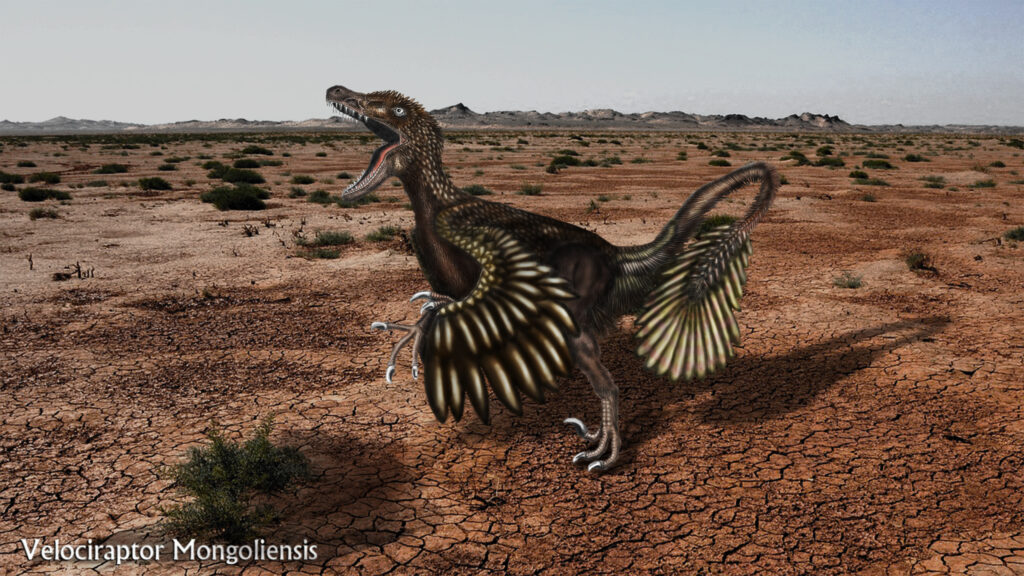
An especially unusual discovery was the nearly 7-foot-long fossil of a catfish. Although the fish is enormous by today’s standards, it probably would have been regular prey for the local whales. Imagine the shock of researchers when they realized they were standing on what was once a thriving underwater ecosystem. Similarly, deserts such as the Sahara or the Gobi have yielded astonishing discoveries of dinosaurs and ancient marine life. These findings challenge pre-existing theories about past life, sometimes providing evidence for vast, water-rich ecosystems in what are now barren landscapes.
Construction Sites: Accidental Time Machines
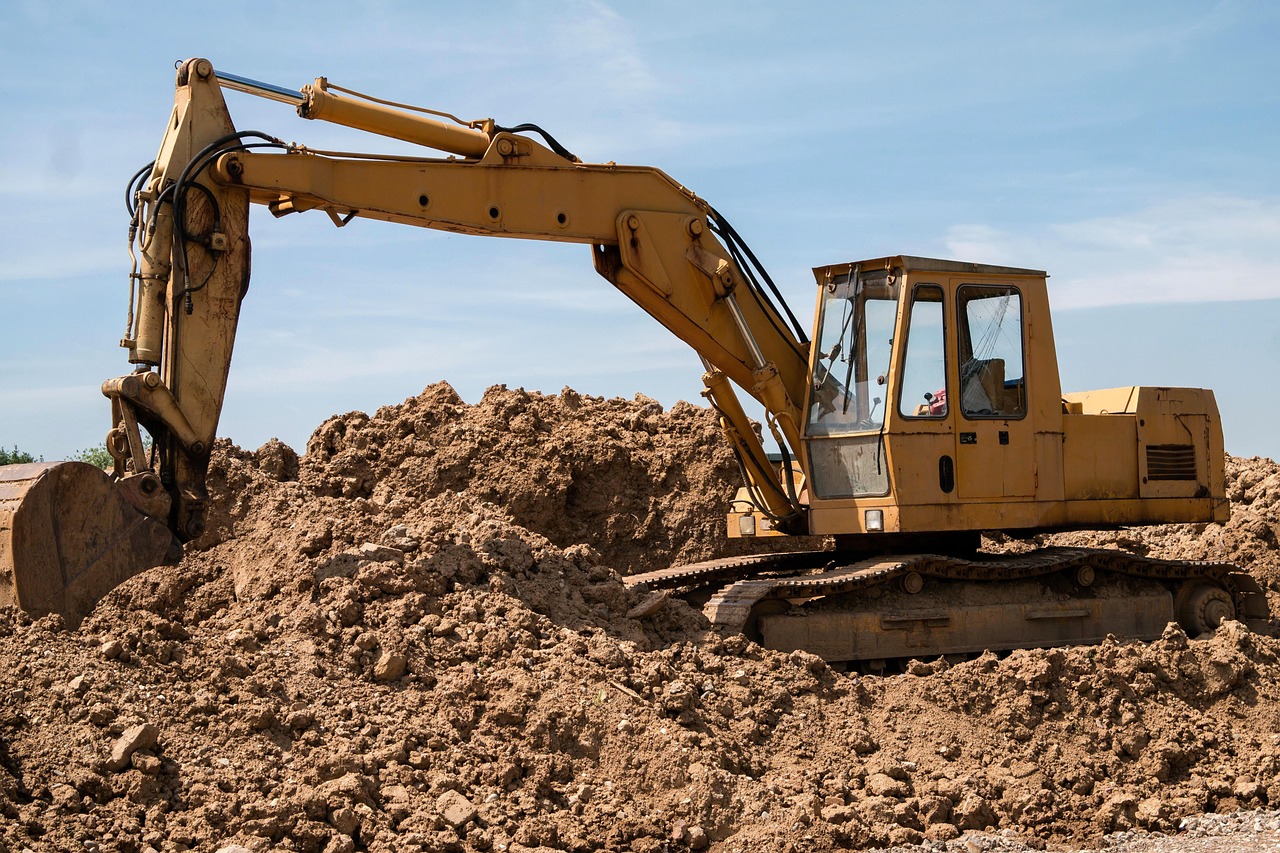
Construction workers probably didn’t sign up to become fossil hunters, but they’ve turned out to be some of the most successful ones. Several weeks ago, construction workers digging near a Denver, Colorado, retirement home made a startling discovery: dinosaur bones. Now, they say it was an adult triceratops buried in the bedrock – and the fossils were 68 million years old.
This wasn’t a one-off lucky break either. Construction workers in Chicago have occasionally uncovered ancient bones and shells while digging foundations or laying pipes. The most jaw-dropping discovery happened at San Pedro High School in Los Angeles, where a construction project revealed 15-17-million-year-old sea creature fossils buried under the school. Scientists believe the area was once fully underwater, which would explain the bounty of marine fossils. Along with beds of shells and millions of fish bones, researchers discovered various marine fossils including shark teeth.
Your Local Landlocked Ocean Floor
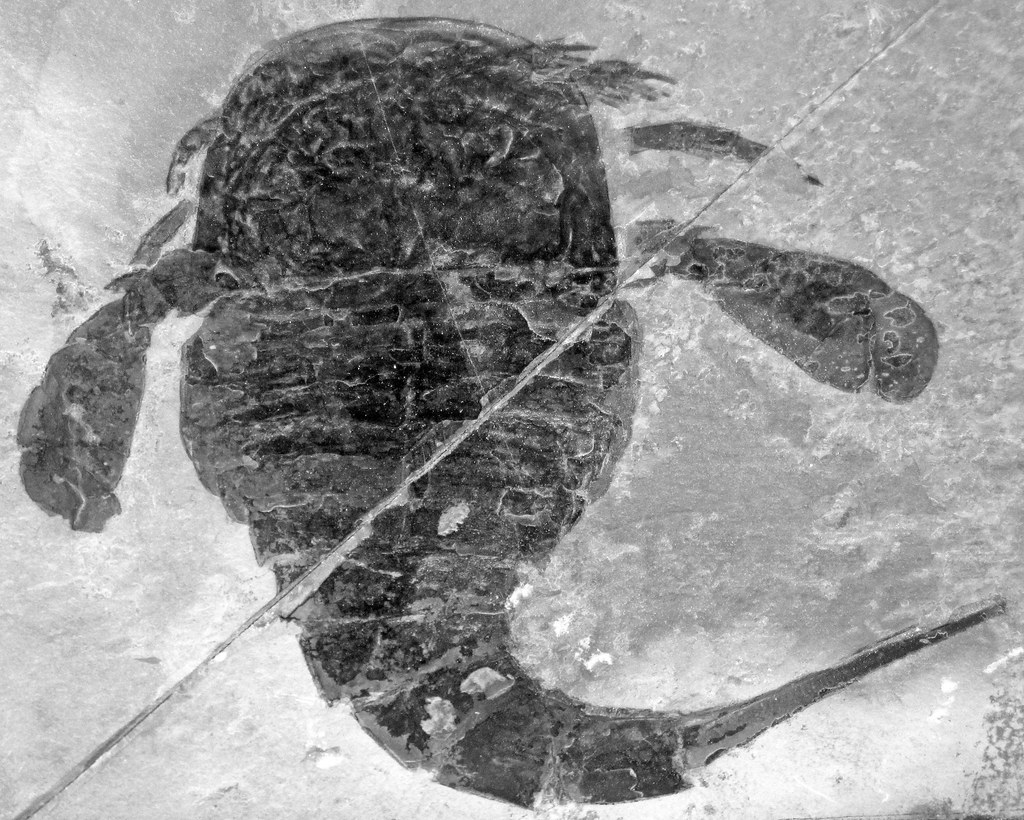
Iowa might be famous for corn, but it should also be famous for ancient sea monsters. The fossils of a large undersea predator were unexpectedly discovered in the landlocked state of Iowa. Paleontologists found the new species of sea scorpion in a shale deposit. The specimen was nearly six feet long and lived as long as 460 million years ago. Considering most other documented sea scorpion remains are barely 8 inches long, this find was unusually massive.
This massive predator, which scientists named after an ancient Greek ship, reminds us that the continents weren’t always where they are today. What we consider “landlocked” states were once underwater worlds teeming with creatures that would make today’s marine life look tiny by comparison.
Urban Architecture’s Secret Fossil Collection
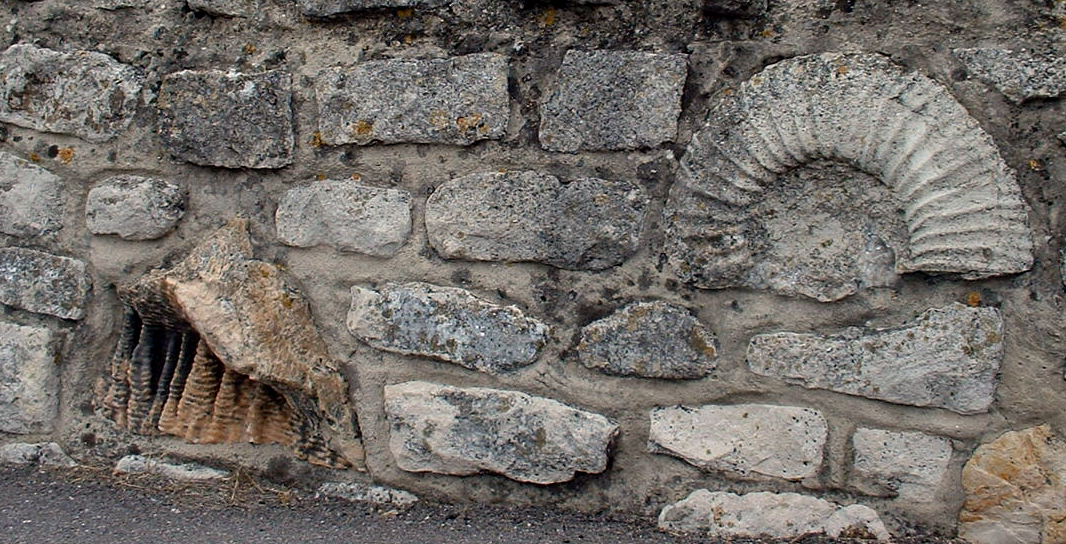
Here’s something that’ll change how you look at city buildings forever: they’re basically outdoor fossil museums. I found far more fossil-bearing stones around the city. I even found a building downtown with fossil snail shells in the elevator walls! Some urban landscapes abound with fossils. One just needs to know where to look. Building walls are a prime location.
Walking through Washington D.C. or New York City, you’re literally surrounded by ancient life forms embedded in limestone walls and marble facades. The limestone is clearly nearly all fossil. This first close-up photo of a small section of the wall shows a chaotic mixture of fossil bits. These aren’t intentionally placed museum pieces – they’re accidental displays of prehistoric life that most people walk past every single day without noticing.
Natural Disasters as Fossil Unveilers
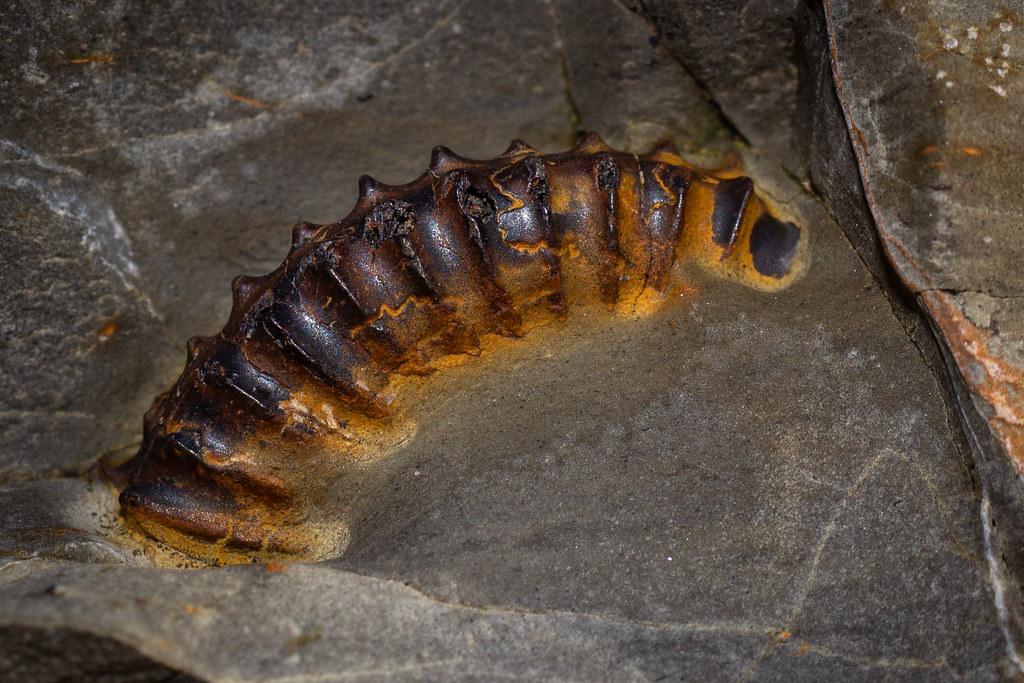
While we usually think of earthquakes and landslides as destructive forces, they’re actually doing paleontologists a huge favor. Earthquakes, though often feared for their potential to cause destruction, play an intriguing role in paleontology. The seismic activity associated with earthquakes can shift layers of rock, cracking open the ground and exposing fossilized remains previously hidden from view. In regions prone to frequent seismic activity, paleontologists often find new specimens as tectonic movements bring ancient layers to the surface.
Even melting glaciers are becoming fossil hunters’ best friends. Climate change has accelerated the melting of glaciers and ice fields worldwide, revealing ancient landscapes long concealed beneath the ice. As glaciers retreat, they expose soil and rock layers, often unveiling prehistoric fossils buried during previous cold periods.
The Mississippi Backyard Mastodon
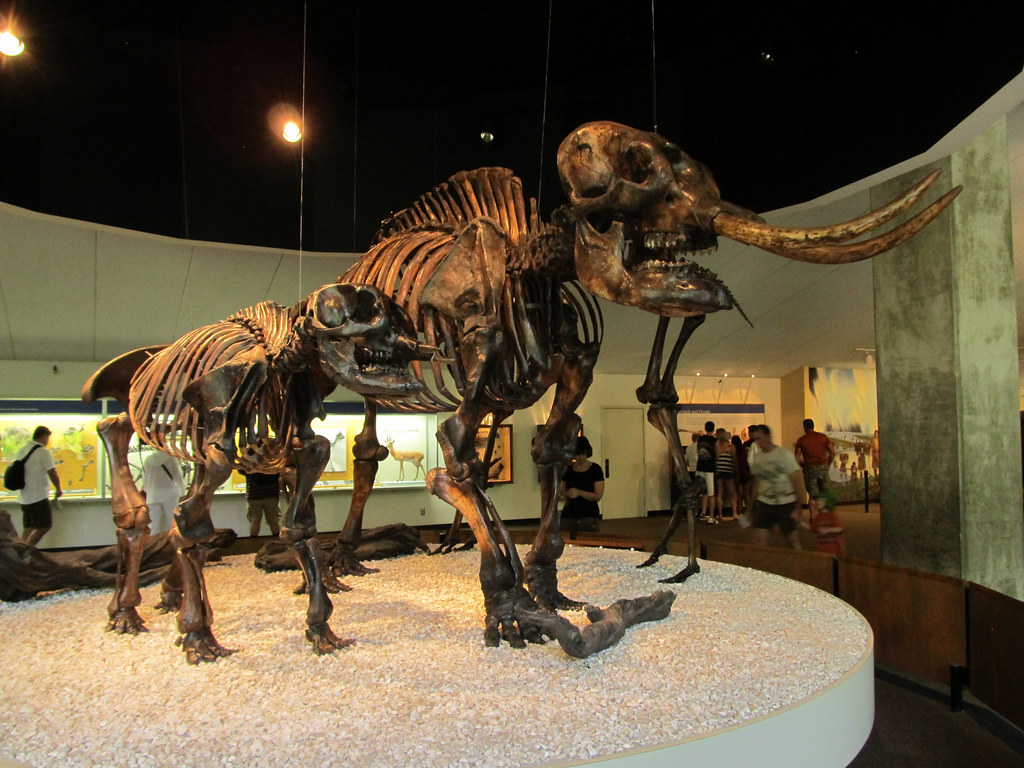
Sometimes the most incredible discoveries happen in the most ordinary places. Two Mississippi brothers and their cousin were accustomed to finding petrified wood in their backyard; however, in 2018, they found something much more exciting. “I thought it was a log,” Caid Sellers told Fox News. Instead, the object turned out to be the jaw of a mastodon. The boys used a golf cart to transport the fossil back to their home.
This story perfectly captures why unexpected places yield the best fossils – nobody was looking for mastodons in a Mississippi backyard. The fossil had been sitting there for thousands of years, disguised as a piece of wood, until curiosity and chance collided in the most beautiful way.
Shopping Centers and Ancient Seas
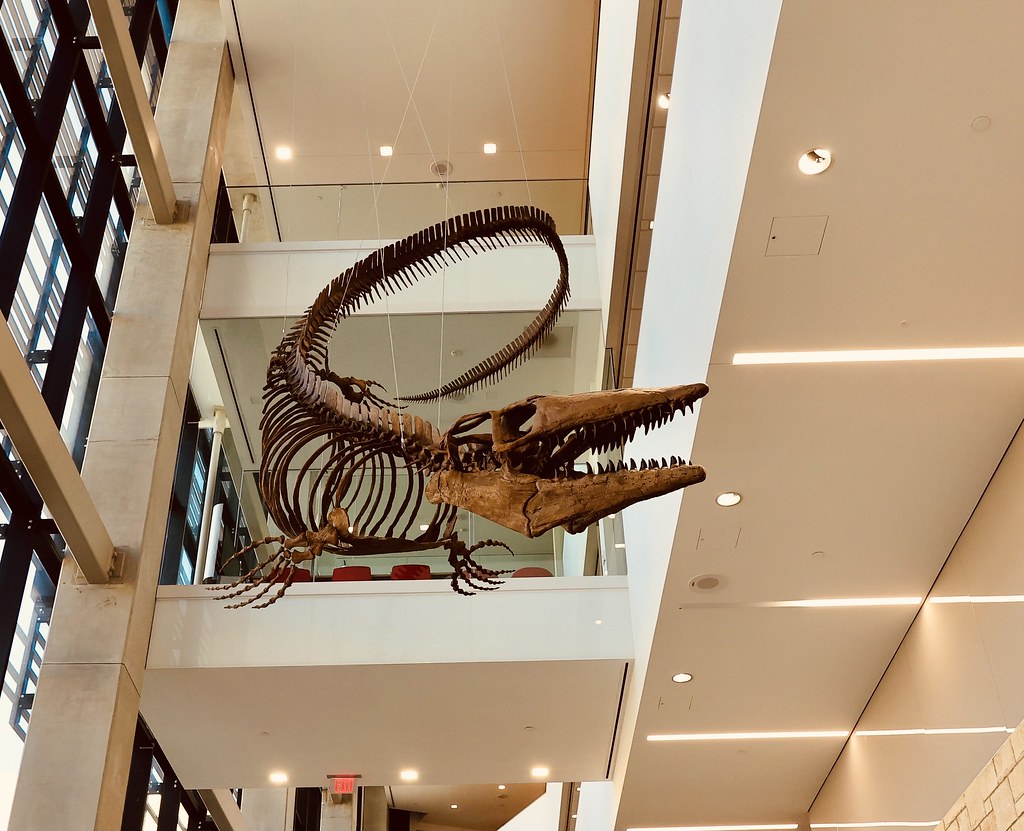
Next time you’re grabbing groceries or shopping for clothes, remember that you might be standing on top of ancient marine life. A shopping center in central New Jersey sits near a quarry that has become the center of increased attention from paleontologists. For years, excavation of the quarry has revealed a great number of marine fossils from the Cretaceous period. Largest among them are the remains of massive mosasaurs, but the fossils also include crocodiles, sharks, and brachiopods.
The juxtaposition is almost comical – modern consumers walking above the remains of prehistoric sea monsters. But it makes perfect sense when you consider that these areas were chosen for development precisely because they had the right geological conditions, the same conditions that preserved ancient life forms millions of years ago.
Why the Unexpected Places Are Actually Perfect
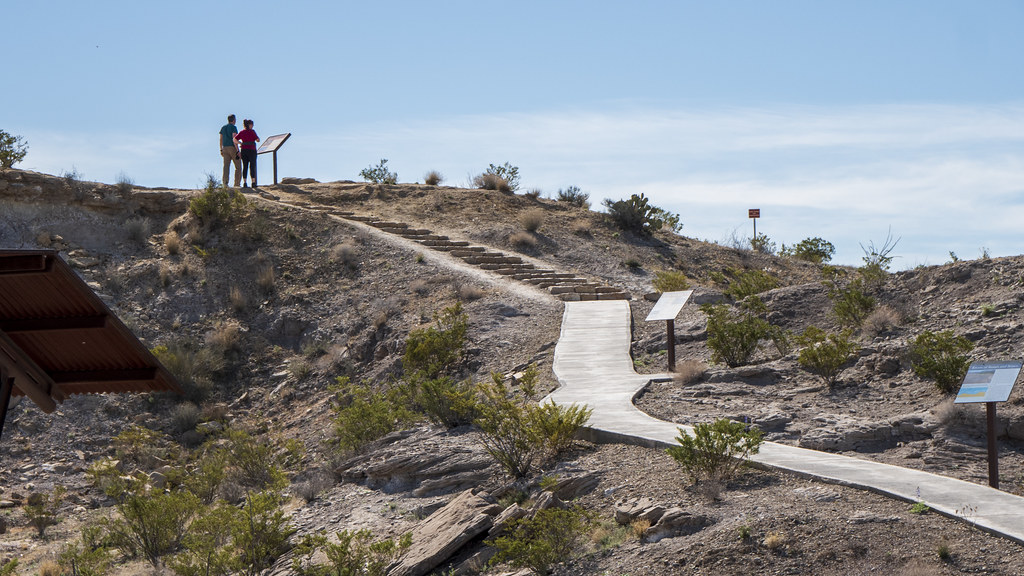
Here’s the beautiful irony: the places where we find the most amazing fossils aren’t random at all. The arid climate helps preserve fossils, which can remain untouched for millennia until shifting sands uncover them. Deserts, construction sites, urban areas, and even backyards often have the perfect combination of geological stability and human activity that leads to fossil discovery.
Fossils found in surprising places can give regular people a chance to experience the excitement of discovering the remains of prehistoric animals and dinosaurs. It’s a great reason to keep your eyes peeled when exploring the great outdoors – or even when building a new fire station. The “unexpected” locations are actually expected once you understand that ancient life existed everywhere, and preservation happened in the most stable, undisturbed locations – many of which are now beneath our modern world.
The next time you’re walking down a city street, digging in your garden, or watching construction work, remember that you’re potentially just a few feet away from creatures that lived millions of years before humans even existed. The best fossil discoveries aren’t hiding in remote, exotic locations – they’re hiding in plain sight, waiting for someone curious enough to look twice at that oddly-shaped rock or strange formation.
What ancient creature might be sleeping beneath your feet right now?