Have you ever wondered what happened when a giant plant-eater met a massive predator hundreds of millions of years ago? The answer lies in one of evolution’s most fascinating competitions. Picture this: you’re standing in an ancient forest where trees the size of modern redwoods sway in the breeze, and suddenly the ground begins to tremble. Through the mist emerges a creature longer than a school bus, its neck stretching toward the sky like a living crane. But in the shadows lurks something else – a predator with teeth like railroad spikes and claws designed for one thing: bringing down giants.
When Giants First Walked the Earth

The Jurassic period, spanning from roughly 201.3 million to 145 million years ago, was characterized by a warm, wet climate that gave rise to lush vegetation and abundant life. This wasn’t just any ordinary time in Earth’s history – it was the moment when life decided to go big or go home.
Huge sauropod herbivores such as the 87-foot long Diplodocus and carnivores such as the large Allosaurus specimens up to 35 feet long emerged during this period. To put that in perspective, imagine a creature so long that if it were lying across a football field, its head would be at one goal post while its tail stretched beyond the other. These weren’t just large animals – they were reshaping the very concept of what life on land could become.
The Birth of Living Skyscrapers

Smaller sauropods like the Early Jurassic Barapasaurus and Kotasaurus evolved into even larger forms like the Middle Jurassic Mamenchisaurus and Patagosaurus, and in response to the growth of sauropods, their theropod predators grew also. This wasn’t happening by accident. Every inch of growth in a herbivore meant that predators had to adapt or risk going hungry.
Think of it like an evolutionary game of “keeping up with the Joneses,” except instead of buying bigger cars, animals were growing bigger bodies. The giant size of sauropods probably resulted from an increased growth rate made possible by tachymetabolic endothermy, a trait which evolved in sauropodomorphs. In simple terms, these animals developed supercharged metabolisms that let them grow faster and larger than anything the world had seen before.
The Predator’s Dilemma
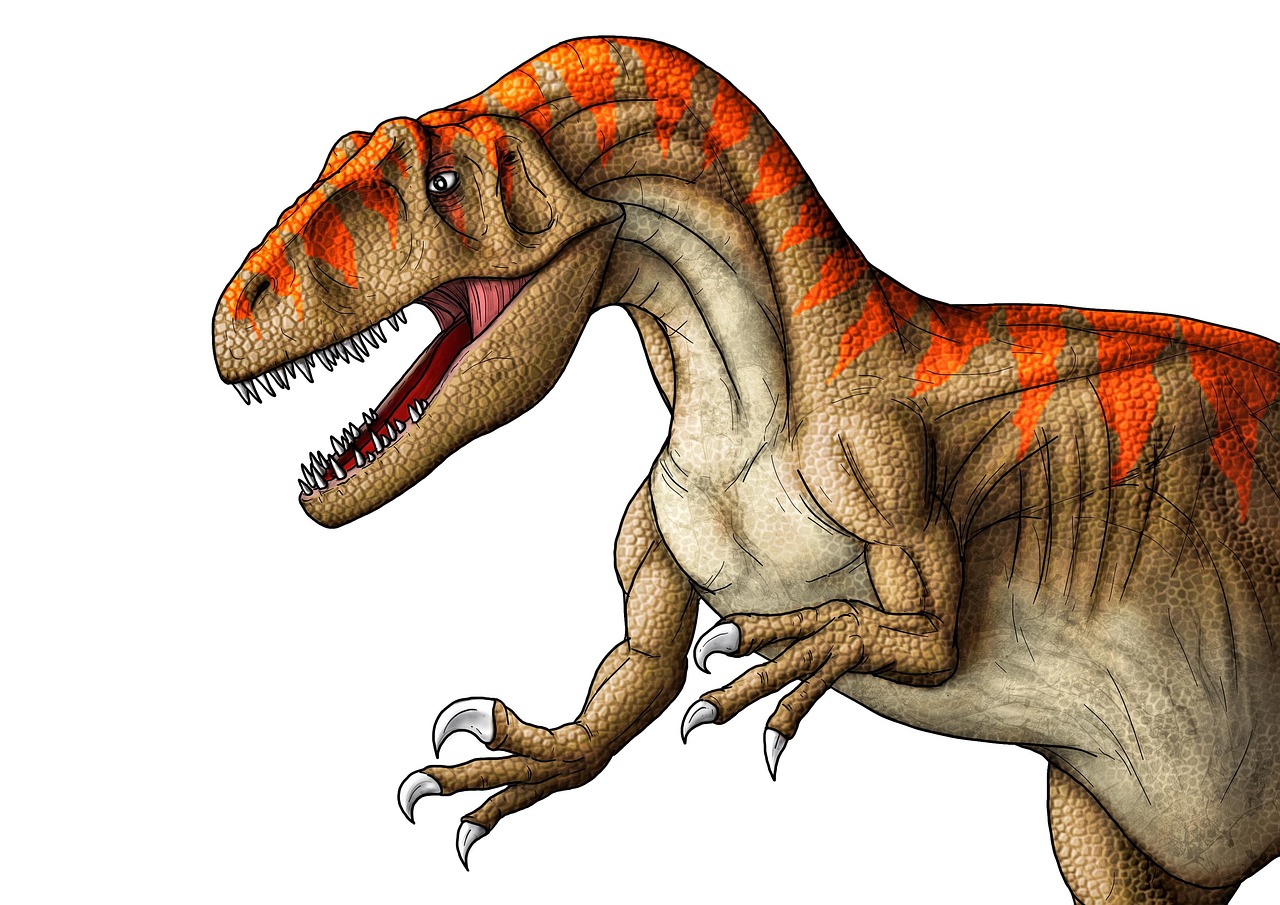
In most dinosaur faunas, the largest herbivore (generally a sauropod) is an order of magnitude larger than the largest predator, a theropod, suggesting that theropod body size may have been limited by sauropod body size. But here’s where things get really interesting – as herbivores grew massive, predators faced a critical choice: evolve bigger hunting strategies or risk extinction.
Allosaurus was a large, agile carnivore averaging around 28 feet in length, with distinctive brow horns and serrated teeth that made it a highly effective hunter of contemporary herbivorous dinosaurs. These predators weren’t just getting bigger – they were getting smarter, more efficient, and deadlier. It was nature’s version of an arms race, where both sides kept upgrading their weapons.
Armor-Plated Defenders

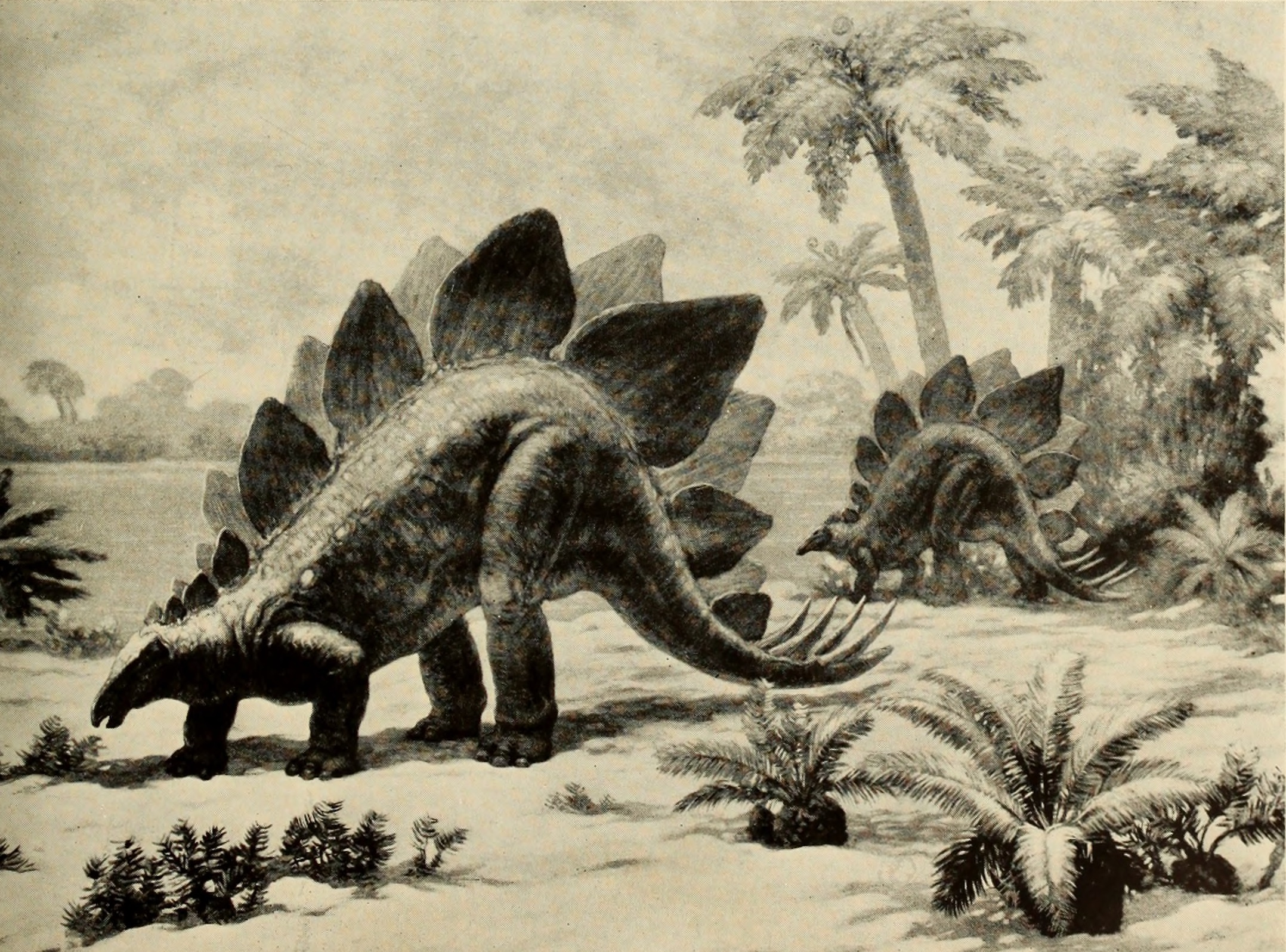
Not all herbivores chose to grow tall as their primary defense strategy. Stegosaurus was a large, heavily built dinosaur measuring around 9 meters long, with its most notable features being bony plates and tail spikes. These walking tanks took a different approach – if you can’t outrun your enemy, make yourself too painful to attack.
The thagomizers (tail spikes) were used for defense and could deliver powerful blows to predators, as evidenced by damage found on some spikes and corresponding injuries on Allosaurus fossils. This is real evidence that the arms race was happening – we can literally see the battle scars on both predator and prey fossils. Some Stegosaurus had spikes that could reach over two feet in length, turning their tails into medieval maces that could shatter bone.
The Ultimate Defense System
Spicomellus afer, which lived during the Middle Cretaceous around 100 million years ago, wore spikes not just along its body and on its clubbed tail, but in elaborate rings of huge spikes around its neck and hips, making it an early member of the ankylosaur family. Imagine a dinosaur that looked like it was designed by a medieval weapons master having a fever dream.
The largest spikes on the dinosaur measure a whopping 87 centimeters long and emerge from a bone collar that sat around its neck, though when the animal was alive, they would probably have been even longer. Picture golf club-length spikes jutting out in all directions from a creature’s neck – it’s almost comical in its excessiveness. This wasn’t just armor; it was a statement that said, “Think twice before trying to bite me.”
Size as the Ultimate Shield

Size confers a survival advantage on an animal – the bigger you are, the less risk you’re at from predation, unless your predators grow equally in size too, in which case you get predator-prey escalation. This simple concept drove one of evolution’s most spectacular competitions.
Sauropods probably needed to grow fast because although adults may have been safe from predators, hatchlings were easy prey that had to compete with other groups of dinosaurs and animals for resources, so the faster hatchlings could grow, the better their odds of surviving predators. It was a race against time – grow big quick or become lunch. Adult sauropods could become so massive that they reached what scientists call “predator immunity,” but getting there was the challenge.
The Neck Advantage

Centre of mass shifts towards the front end of animals are associated with lengthening of the neck, a trait that was probably one of the most important factors in the evolution of gigantism in sauropods, as a longer neck gives an animal a greater “feeding envelope” and becomes more efficient in gathering food, while also allowing access to food that other smaller herbivores are incapable of reaching.
Think of it like having the ultimate extendable ladder in a world where food grows on trees. While other animals fought over low-growing plants, sauropods simply stretched their necks higher and higher, accessing an untapped buffet of leaves and branches. This strategy was so successful that some sauropods developed necks longer than school buses.
The Predator’s Evolution
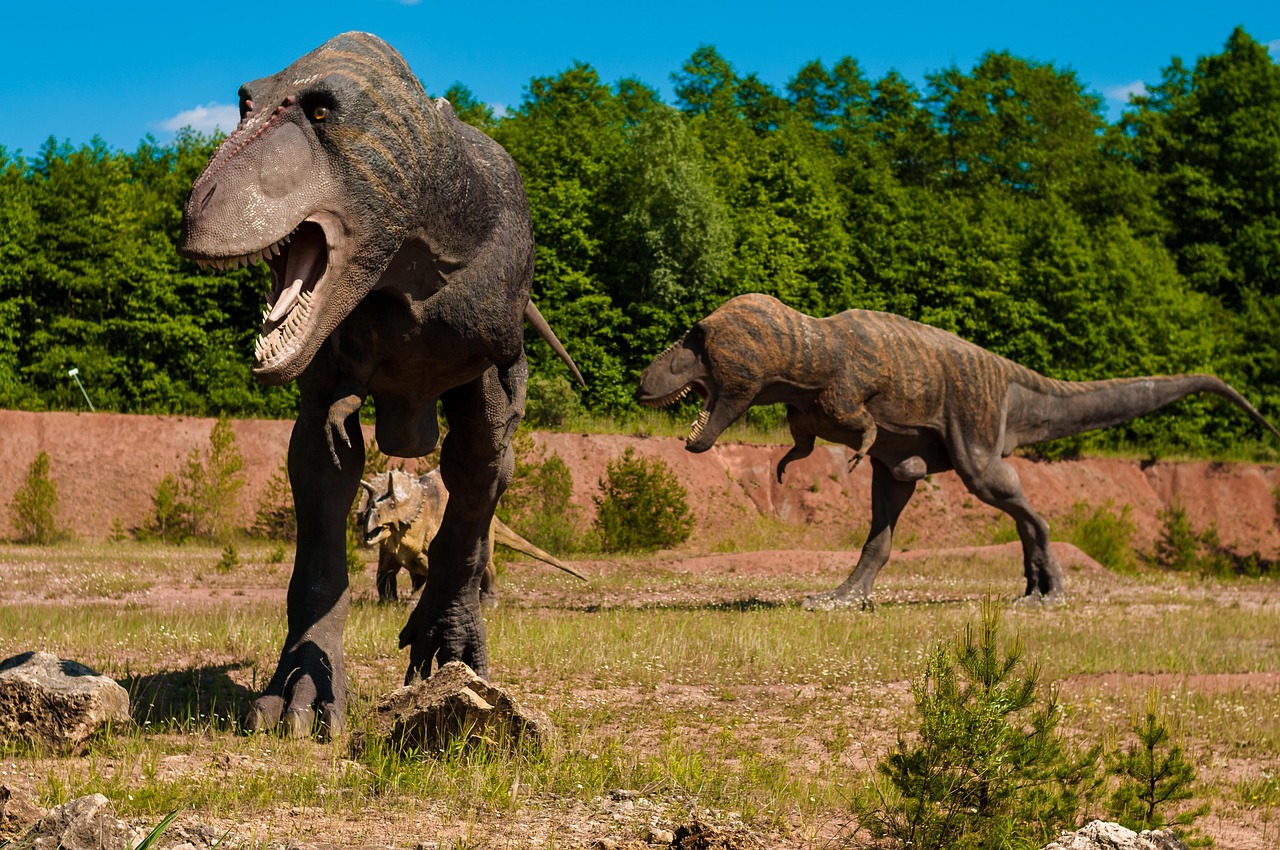
With such large herbivorous prey animals, it made sense that large predators were also common, and Allosaurus was one of the most common carnosaurs in North America, with numerous intact skeletons found in the fossil beds of Utah. These weren’t just scaled-up versions of smaller predators – they were evolutionary masterpieces designed for taking down giants.
This presence led to evolutionary arms races where both predator and prey developed increasingly specialized adaptations as prey improved their defense, making it a never-ending cycle of diversification and mega-expansion in size for these incredibly large theropods. Every defensive improvement in herbivores triggered a counter-response in predators, creating an escalating spiral of adaptation that pushed both groups to incredible extremes.
The Never-Ending Competition

The mutual evolution of predator and prey has often been conceived of as an arms race, where an increase in the armaments of one contestant simply causes the other contestant to increase armaments in response, implying that evolution in the predator population of improved abilities to capture prey should result in an evolutionary response in the prey that improves its abilities to avoid capture.
This wasn’t just a one-time event but a continuous process that played out over millions of years. Each generation of herbivores that survived to reproduce passed on whatever traits helped them avoid becoming dinner, while each generation of predators that successfully hunted passed on their killing adaptations.
The Climate Connection

The Jurassic period was characterized by a warm, wet climate that gave rise to lush vegetation, and all this water gave the previously hot and dry climate a humid and subtropical feel, causing dry deserts to slowly take on a greener hue. This environmental jackpot provided the fuel for the arms race – abundant plant life meant herbivores could afford to grow massive, which in turn supported larger predators.
Ferns, ginkgoes, bennettitaleans, and true cycads flourished in the Jurassic, along with conifers including close relatives of living redwoods, cypresses, pines, and yews. It was like nature had set up the perfect buffet table, encouraging herbivores to super-size their meals and their bodies.
The Jurassic period stands as one of evolution’s most dramatic experiments in biological warfare. The herbivorous sauropod dinosaurs were the largest terrestrial animals ever, surpassing the largest herbivorous mammals by an order of magnitude in body mass, with several evolutionary lineages producing giants with body masses in excess of 50 metric tonnes by conservative estimates. This wasn’t just about getting bigger – it was about survival in an world where size literally meant the difference between life and death. The arms race between Jurassic herbivores and predators created some of the most spectacular creatures ever to walk the Earth, leaving us with fossils that still inspire wonder and amazement today. When you see a sauropod skeleton in a museum, you’re not just looking at old bones – you’re witnessing the remains of evolution’s greatest size war. Did you expect that such massive creatures could have emerged from what started as a simple survival strategy?