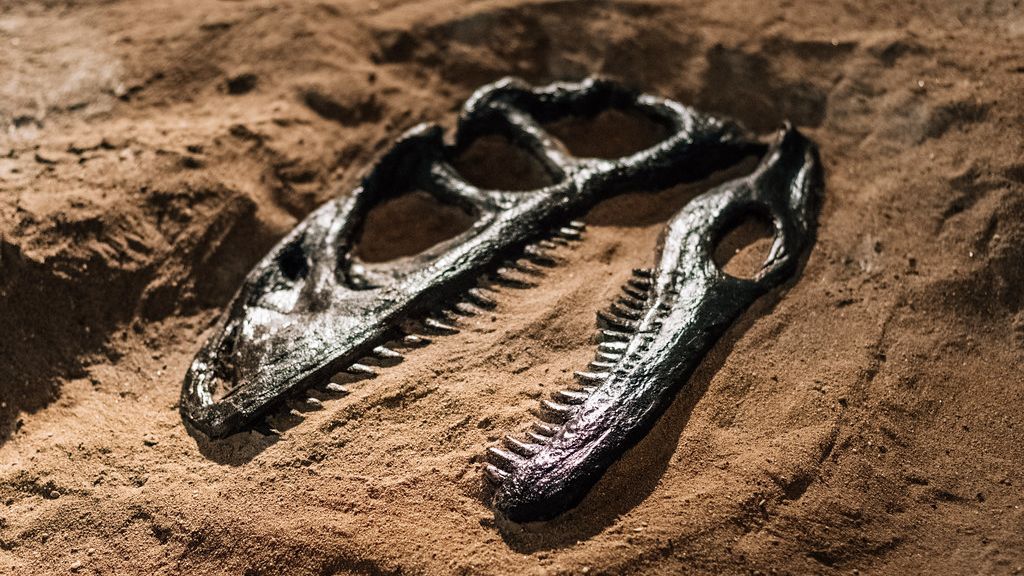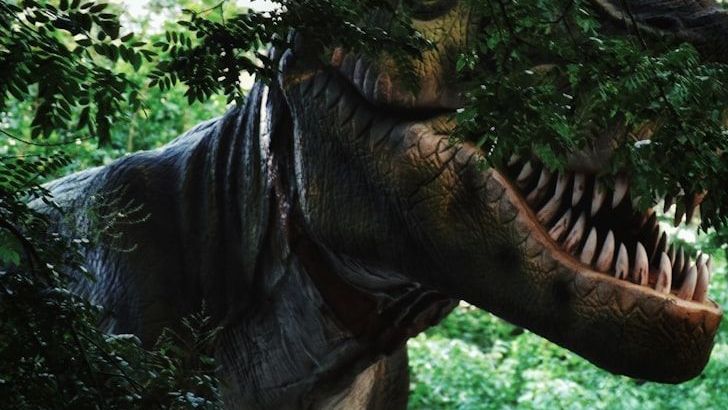
Picture this: a little kid walking into a museum for the first time, looking up at a towering skeleton with massive teeth and tiny arms. What they don’t realize is they’re witnessing one of the greatest transformations in pop culture history. The Tyrannosaurus rex has gone from being the ultimate monster to becoming an unlikely hero, and honestly? The journey has been wilder than any blockbuster movie.
The Birth of a Monster: Early Discovery and First Impressions
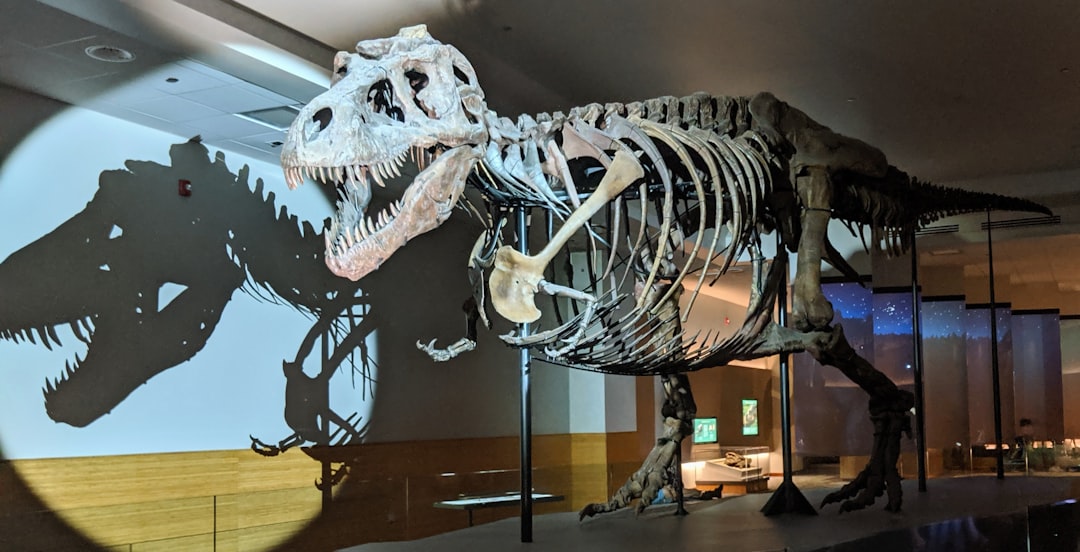
When Barnum Brown discovered the first fossilized bones of a T. rex in Montana in 1902, and then found a more complete skeleton in the same area six years later, nobody could’ve predicted the cultural phenomenon they’d unleashed. The name itself set the stage for everything that followed.
Henry Fairfield Osborn stated in 1905 that this animal was “the ne plus ultra of the evolution of the large carnivorous dinosaurs” and deserved “the royal and high sounding group name” he’d given it. Think about it – “Tyrannosaurus rex” literally means “tyrant lizard king.” From day one, this creature was branded as the ultimate villain of the prehistoric world.
Charles Knight’s Kangaroo Pose Sets the Stage
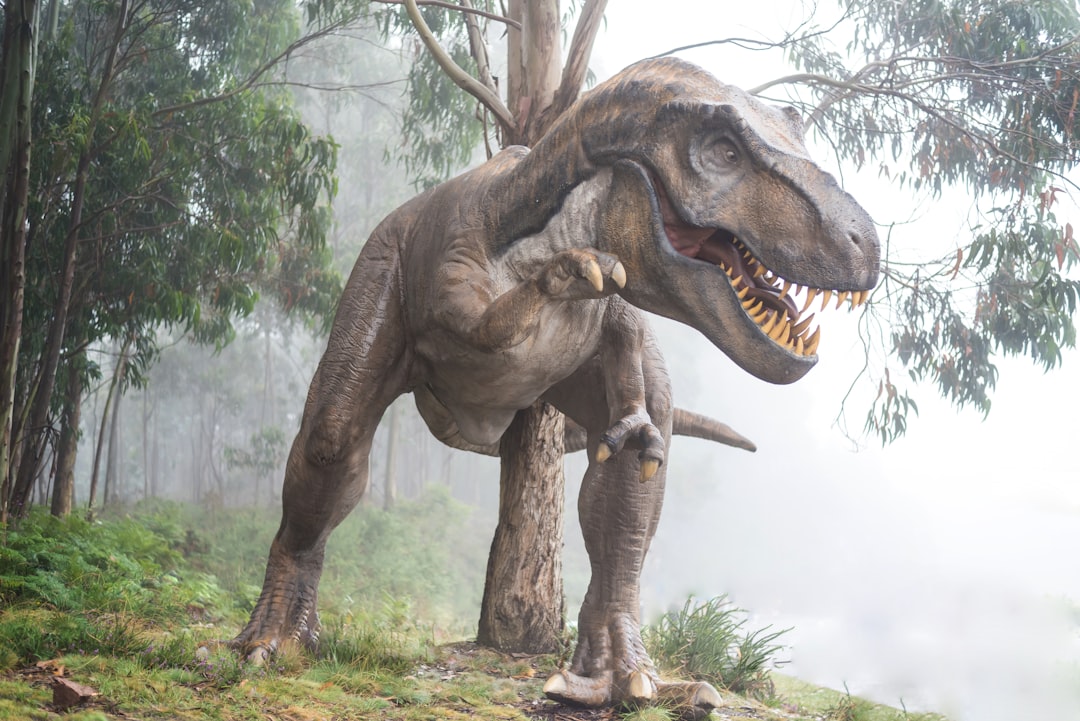
In 1915, the skeleton was put on display at the American Museum of Natural History in New York in an upright position, with its tail resting on the ground. This wasn’t just any old museum display – it was the birth of an icon. The museum commissioned paleoartist Charles Knight to paint the T. rex, showing the dinosaur in the upright kangaroo-like pose that the skeleton was displayed in.
That painting became the template for terror. Knight’s interpretation showed a massive, imposing beast standing upright like some prehistoric boxer ready to throw the ultimate punch. It was intimidating, it was memorable, and it stuck in people’s minds like glue. Charles R. Knight’s 1927 mural incorporating Tyrannosaurus facing a Triceratops in the Field Museum established the two dinosaurs as enemies in popular thought.
Hollywood’s Monster Factory Takes Control
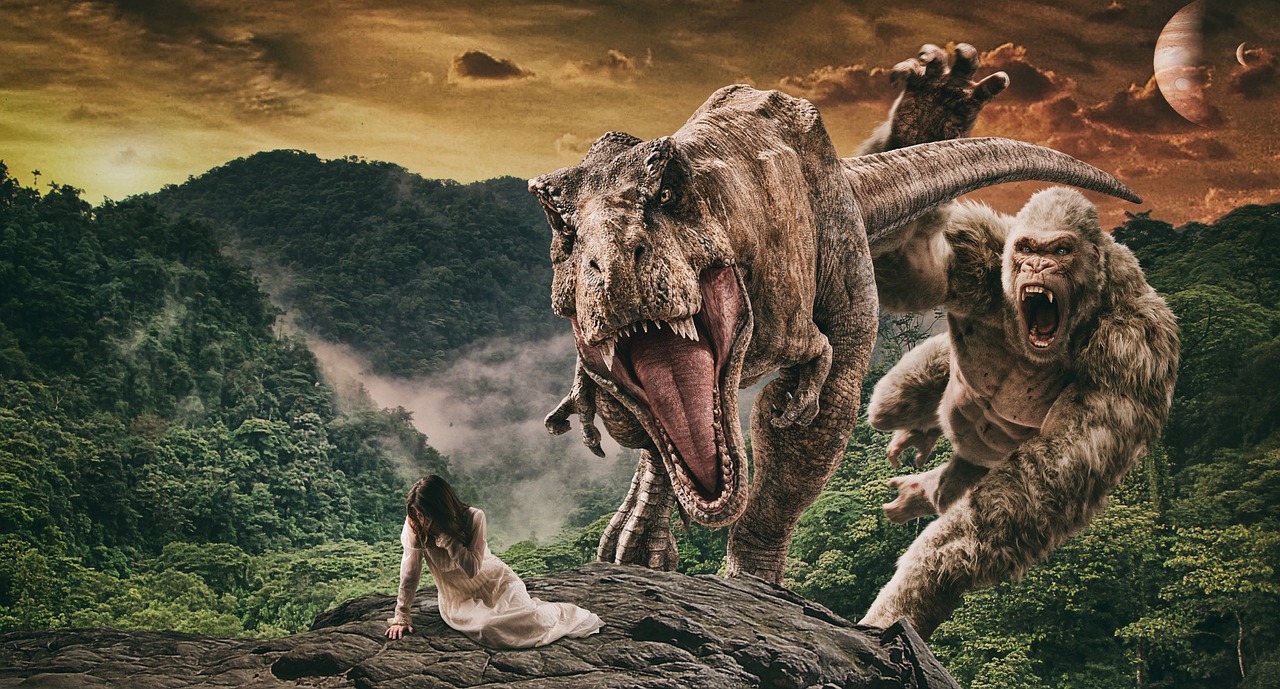
In 1918, T. rex made its first on-screen appearance in “The Ghost of Slumber Mountain,” where director Willis O’Brien based his T. rex on Knight’s painting but gave it exposed teeth instead of lips. This tiny detail – removing the lips – made the creature look even more menacing and unnatural.
O’Brien created another T. rex for “King Kong” in 1933, and the film was a worldwide box office success, helping to establish T. rex as a popular movie monster. Then came Disney’s involvement: T. rex made a show-stopping appearance in Walt Disney’s “Fantasia” in 1940, with Disney employing Barnum Brown himself to advise the animators. Even the paleontologist who discovered T. rex was now helping to shape its villainous image!
The Jurassic Park Revolution: Terror Redefined
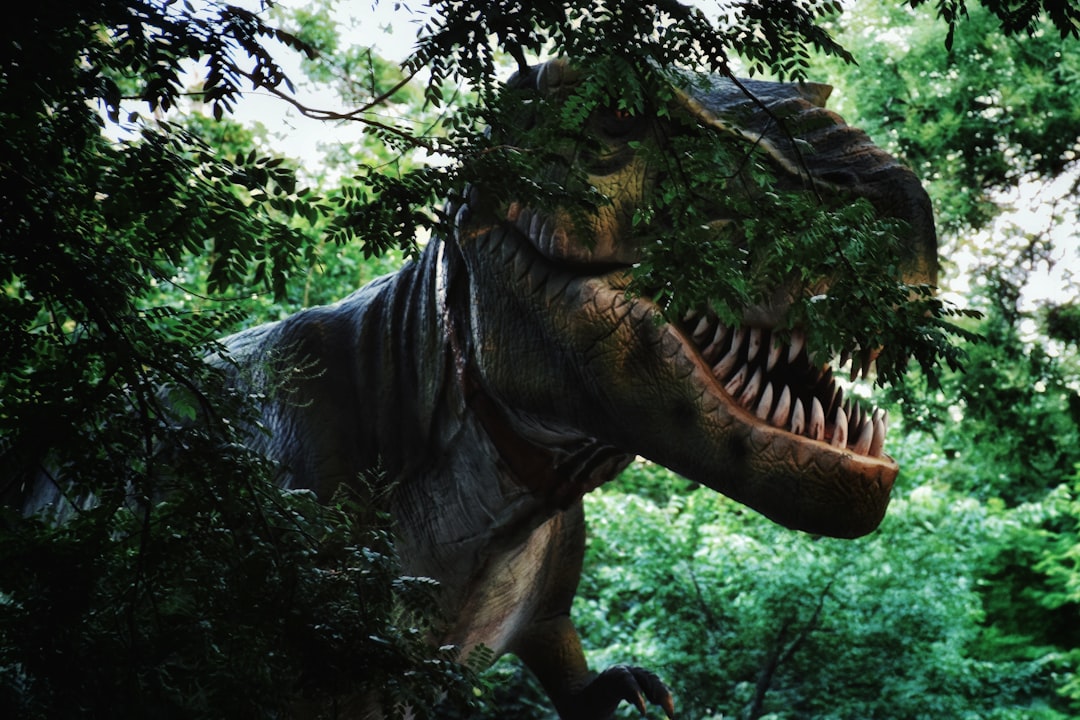
But nothing – and I mean nothing – cemented T. rex’s villain status quite like Spielberg’s “Jurassic Park” in 1993. Out of the Dinosaur Renaissance came “Jurassic Park,” arguably the most famous piece of dinosaur media, with the T. rex reconstruction intentionally made terrifying. This wasn’t just entertainment; it was cultural programming on a massive scale.
In the movie franchise, T-Rex started off as the alpha villain, wreaking havoc and murder, though as the franchise progressed, there were several instances of her playing the hero. The film’s impact was so profound that masculine images from the Dinosaur Renaissance and “Jurassic Park” became solidified in the public’s imagination, with popular designs used long after they became scientifically outdated.
The Accidental Hero Emerges
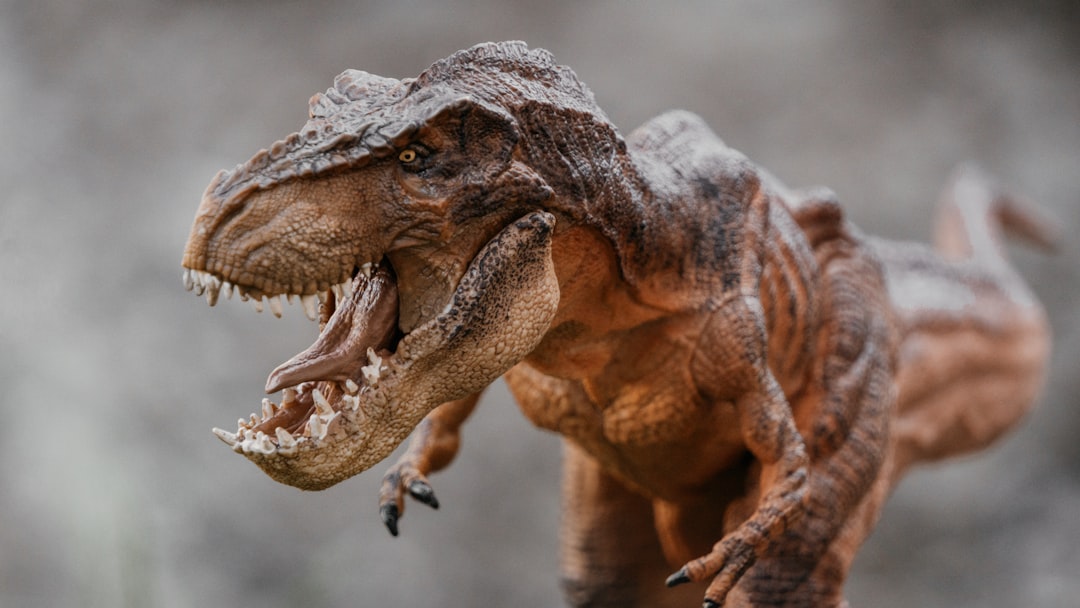
Here’s where things get interesting. One of the earliest instances of the dinosaur’s heroics comes in the same film that introduced the T. rex as an aggressor – when velociraptors corner Dr. Alan Grant and survivors in the Visitor’s Center, the Rex conveniently arrives to save the day, giving survivors enough time to escape.
It was almost accidental – the monster becoming the hero simply by being the bigger, badder predator that happened to show up at the right time. The Rex became the hero by challenging other apex predators, often giving protagonists enough time to escape, making the Rex seem like an ally to the humans. Talk about unintended consequences!
Rexy: The Franchise’s Unlikely Champion

This makes Rexy’s role something of a heroine in the franchise, as she walks the line between heroine and villainess, largely motivated by keeping intruders off her territory and eating prey she finds there. The character evolved from pure antagonist to something more complex – a force of nature that could be both threat and salvation.
The release of “Jurassic World” reestablished the Rex as the apex predator and firmly set her as the franchise’s unlikely hero, with her and the Velociraptor Blue taking on the deadly hybrid Indominus Rex. By this point, audiences were actually rooting for the T. rex. The transformation was complete – the villain had become the hero without losing any of her awesome power.
Science Strikes Back: The Feather Revolution
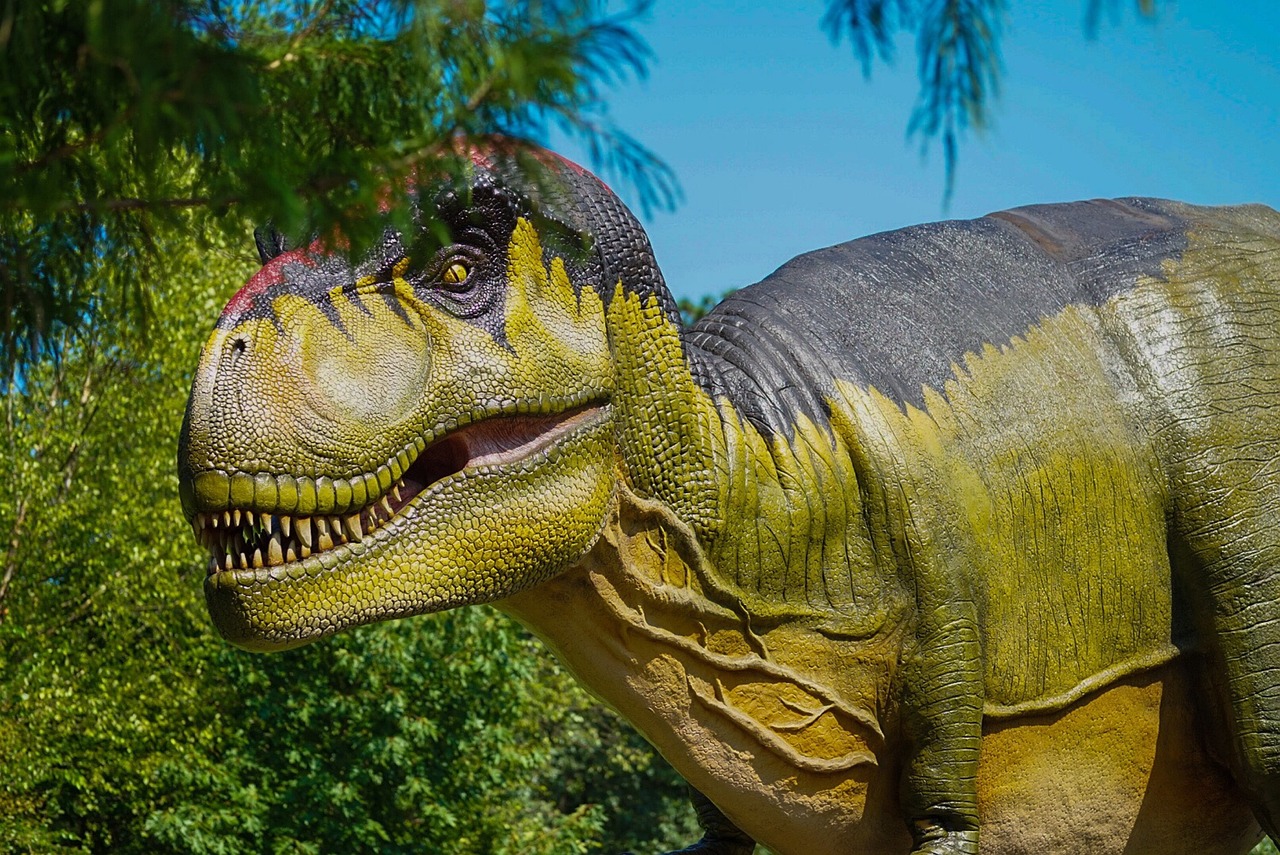
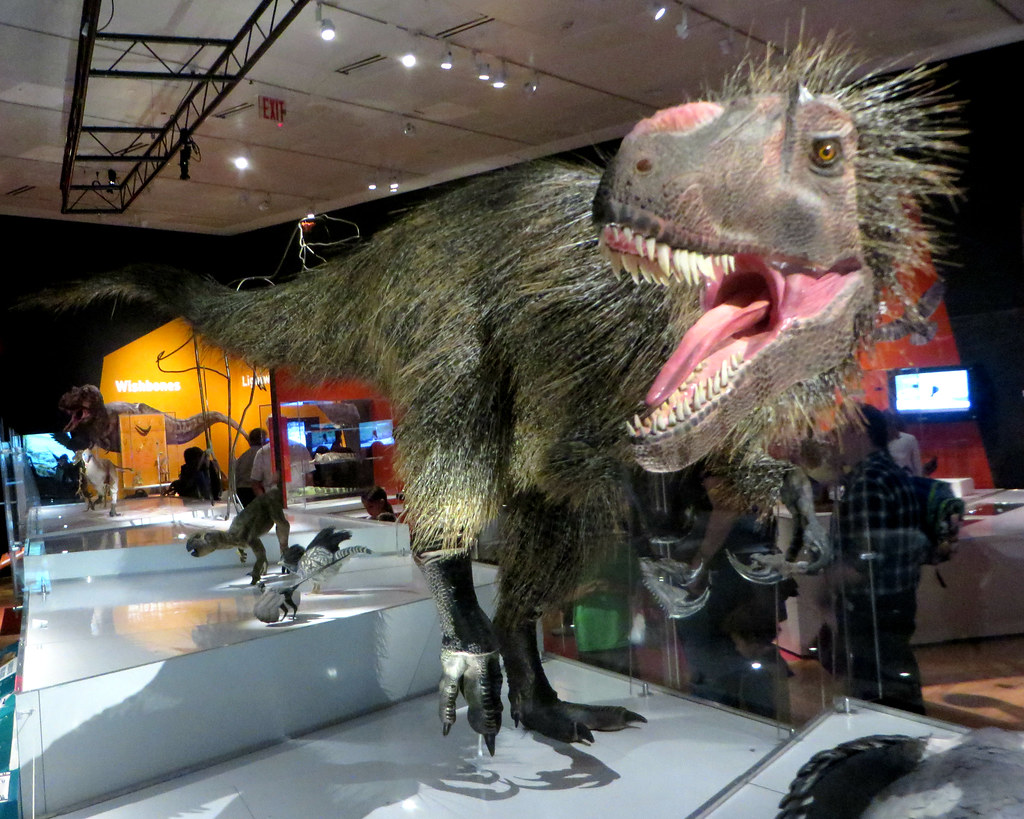
While Hollywood was busy turning T. rex into a hero, scientists were staging their own revolution. Fossils showing that theropod dinosaurs had feathers were first found in China in the 1990s, with thousands of feathered dinosaurs discovered since, including the tyrannosaur Yutyrannus, making it reasonable to think T. rex may also have been feathered.
Imagine the public’s reaction – their fearsome, scaly monster might have been… fluffy? Paleontologists have uncovered dinosaur bones with feathers around them, including tyrannosaurs, with some paleoartistic reconstructions now showing “furry T. rex” that were likely partially or completely covered in feathers. The feathered T. rex became a symbol of how science was reshaping our understanding of these ancient creatures.
The Lip Service Controversy
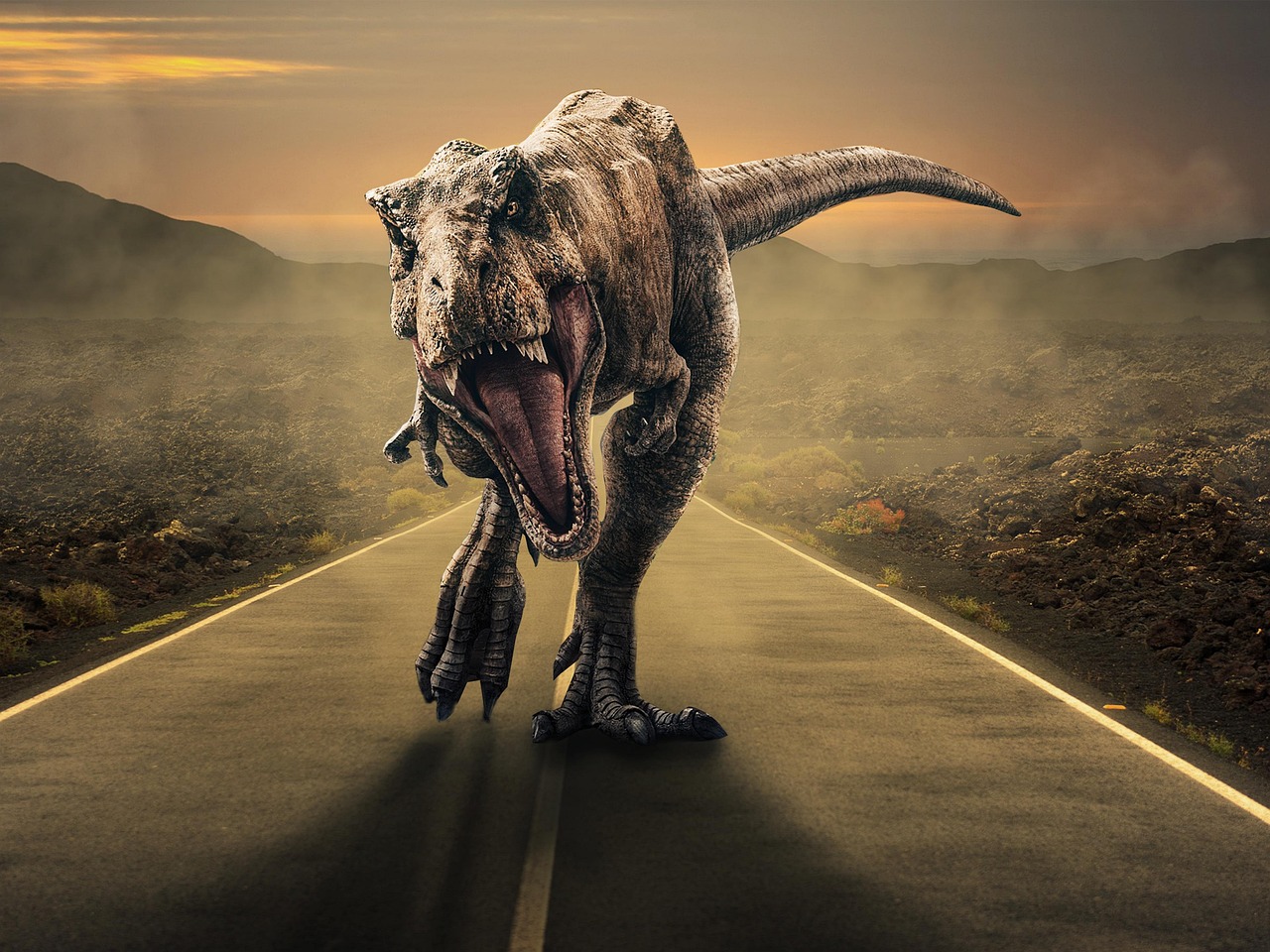
Paleontologists discovered that the living T. rex did not have a sharp-toothed smirk – T. rex and many other carnivorous dinosaurs had lips, with a multi-institution team proposing that carnivorous dinosaurs had fleshy lips covering their teeth like modern lizards. This was huge – it completely changed the face of the most famous dinosaur.
For some, lips were just the latest attempt by scientists to ruin the image of T. rex they grew up with, with much of the resistance coming from the perception that dinosaurs look less fierce, and much of the language surrounding critiques being explicitly gendered. People weren’t just losing their scary monster – they were losing their masculine icon.
The Masculinity Problem: When Science Meets Nostalgia

Popular ideas of what T. rex looked like are often scientifically outdated and based on hypermasculine marketing intended to sell toys to boys, but as scientists learn more, the image softens to resemble an actual animal that could have lived on Earth. This tension between scientific accuracy and cultural expectations became a fascinating battleground.
Popular ideas like those in “Jurassic Park” are based on hypermasculine marketing, with Hasbro’s 2015 “Jurassic World” toys listed under “boys’ toys” and described using masculine pronouns, despite the franchise’s dinosaurs being canonically female. The marketing machine had gendered dinosaurs, and people weren’t ready to let go.
Modern Paleoart: Embracing the Real Animal
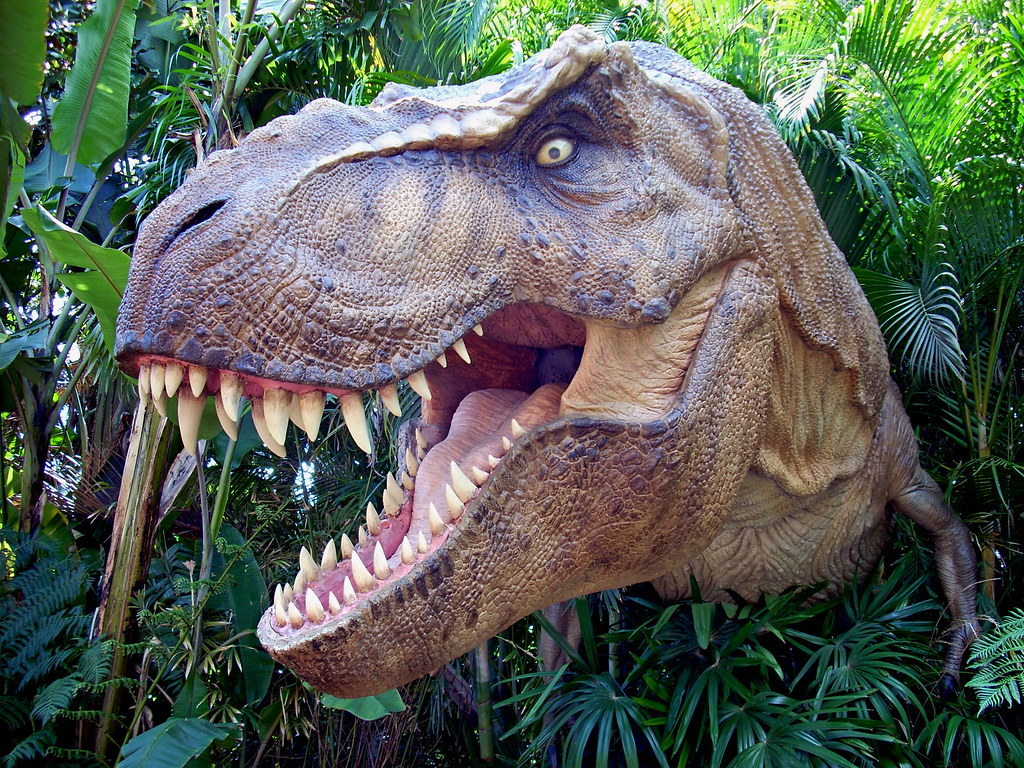
Modern paleoartists have gone even further in reimagining T. rex, creating speculative reconstructions inspired by modern animals, and even though there’s no evidence for feathers on T. rex, close relatives had feathers. Artists started depicting T. rex not as a movie monster, but as a living, breathing animal that actually existed.
Artists are depicting dinosaurs with what they consider a more natural look – including room for fatty tissue, muscle, and different types of integument like feathers or scales in different parts of their body. The revolution wasn’t just about adding feathers or lips; it was about seeing these creatures as real animals rather than Hollywood monsters.
From Monster to Misunderstood: The Complete Transformation
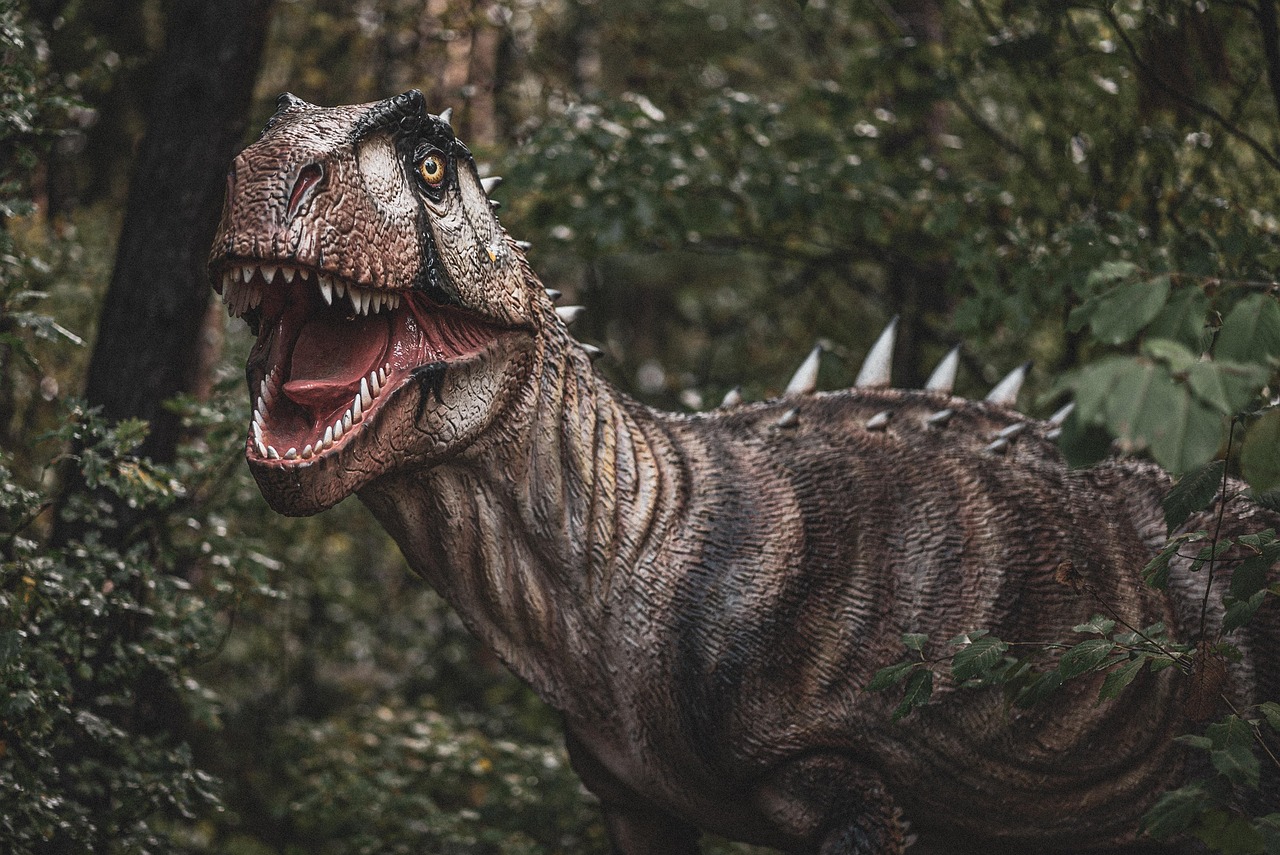
Having lips or feathers has no real bearing on something being scary or fearsome – just look at birds of prey or mammalian carnivores – and adding lips creates a fuller image of T. rex anatomy and how they interacted with their environments. The scientific community was essentially saying: “You can have your awesome predator AND scientific accuracy.”
Today’s T. rex is neither the upright kangaroo-monster of the early 1900s nor the lipless killing machine of Jurassic Park. Instead, it’s something more remarkable – a real animal that lived 66 million years ago, complete with complex behaviors, possible family structures, and yes, maybe even fluffy baby tyrannosaurs. The transformation from villain to hero to misunderstood animal represents one of the most fascinating evolutions in popular culture.
Conclusion: The King’s New Clothes
The journey of T. rex from discovery to cultural icon to scientific reality reads like the ultimate redemption story. What started as a “tyrant lizard king” designed to terrify museum visitors became Hollywood’s go-to monster, then evolved into an unlikely hero, and finally emerged as a complex, scientifically-grounded animal that’s somehow even more impressive than the fiction.
Through paleoart, T. rex has been allowed to evolve in the public’s imagination long after its extinction. Maybe that’s the most remarkable thing of all – this creature that lived millions of years ago continues to grow, change, and surprise us. The villain became a hero not through some Hollywood script, but through the patient work of scientists who revealed the real animal beneath all our projections and fears.
What would you have guessed – that the most fearsome predator in history would end up teaching us more about ourselves than about prehistoric life?